If you or someone you love has asthma, your home should feel like the safest place to breathe. But many asthma triggers are sneaky. They hide in bedding, carpets, damp corners, air fresheners, and even “clean” smells. The good news is that you can make meaningful improvements without turning your life upside down.
In clinic, I tell families to think like a detective. We look for patterns, then make targeted changes one at a time so you know what actually helps. This guide will walk you through the most common home triggers and the simplest ways to reduce them.
Start with a simple trigger check
Before you deep-clean everything, take 10 minutes to gather clues. This keeps your efforts focused and helps you spot the biggest wins.
Step 1: Track symptoms for 7 to 14 days
- When do symptoms flare? Night, early morning, after cleaning, after being in a specific room.
- Where do they flare? Bedroom, basement, after sitting on a certain couch, after playing with a pet.
- What was happening right before? Vacuuming, burning a candle, shower steam, cooking fumes, strong fragrance, a humid day.
Step 2: Do a quick walk-through
As you walk room to room, look for the big six: dust mites, mold or dampness, pets, smoke and combustion, pests, and irritating chemicals or fragrances .
Step 3: Change one thing at a time when possible
If you adjust five variables at once, it is hard to know what helped. Start with the bedroom (highest impact), then move outward.
Trigger #1: Dust mites
Dust mites are microscopic, but their waste particles are a very common asthma trigger. They love warmth and humidity, and they live in soft, fabric-heavy areas like bedding, pillows, and upholstered furniture.
What to look for
- Symptoms worse at night or upon waking
- Stuffed animals on the bed
- Older pillows or mattresses without protective covers
- Wall-to-wall carpet, especially in bedrooms
What to do
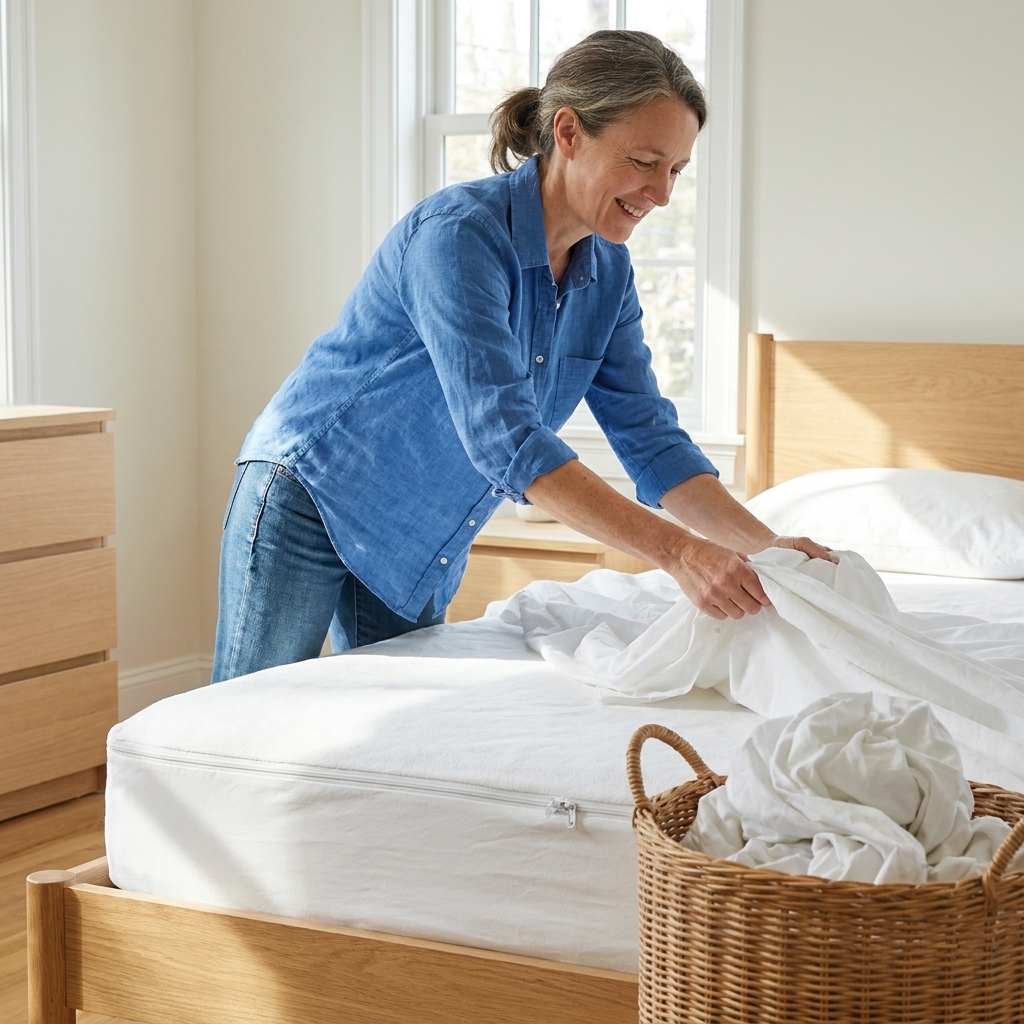
- Wash bedding weekly in hot water when possible (aim for about 130°F or 55°C if your fabrics allow). If you cannot wash that hot, regular washing plus thorough drying still helps.
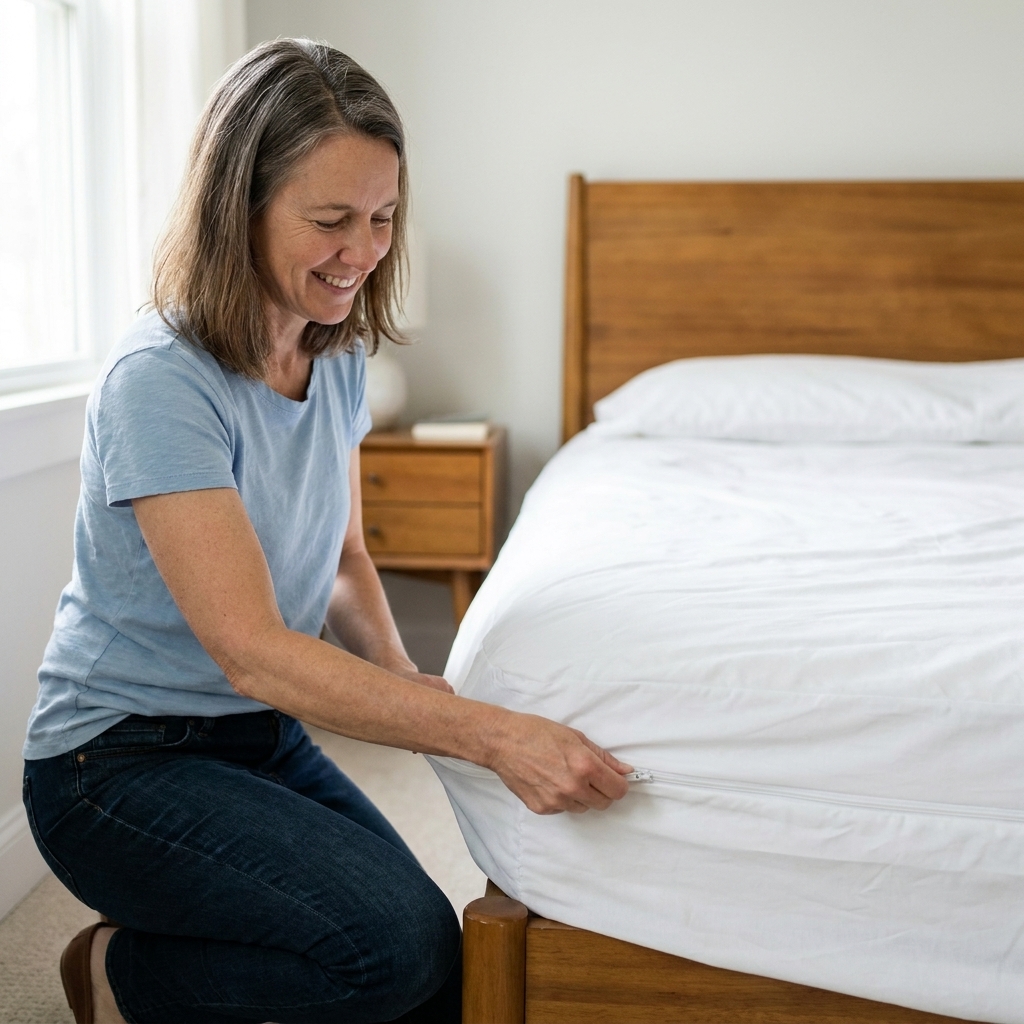
- Use allergen-proof covers for the mattress and pillows (zippered encasements).
- Declutter the sleep area. Fewer fabric items means fewer reservoirs for allergens.
- Keep stuffed animals off the bed, or pick one favorite and wash it weekly. Freezing a stuffed animal may reduce mites, but washing is more reliable for reducing allergen load.
- Vacuum with a HEPA filter 1 to 2 times per week. If vacuuming triggers symptoms, have someone else do it or wear a well-fitting mask.
- Consider flooring changes over time. If removing carpet is not realistic, use low-pile rugs that can be washed and focus on HEPA vacuuming.
Trigger #2: Mold and dampness
Mold spores and damp indoor environments can irritate sensitive airways. Even if you do not see visible mold, persistent moisture can still drive symptoms.
Where mold hides
- Bathrooms: around tubs, grout lines, under sinks
- Kitchens: under the sink, behind the fridge, around dishwashers
- Basements and crawl spaces
- Window sills and areas with condensation
- Humidifiers that are not cleaned regularly
What to do
- Fix moisture first. Address leaks promptly. Mold control starts with stopping the water source.
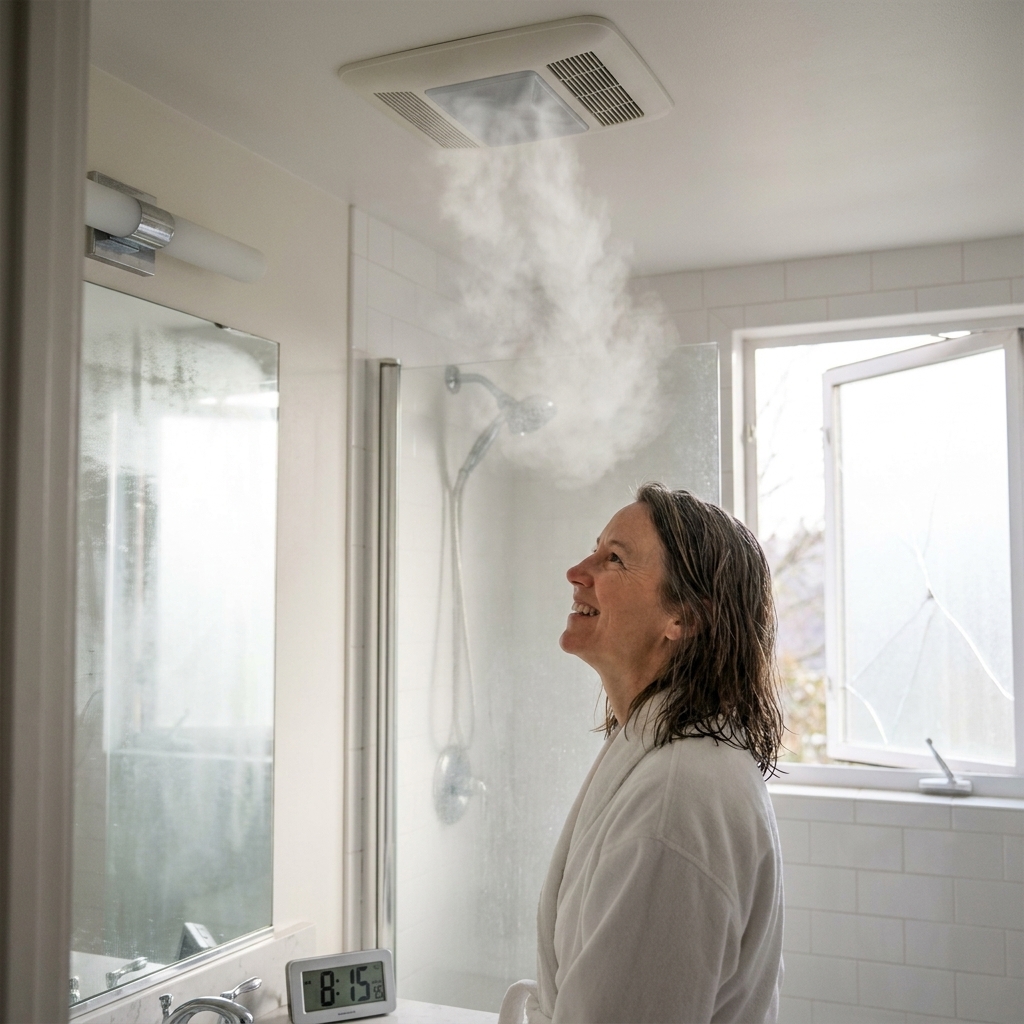
- Run exhaust fans. Use bathroom and kitchen exhaust fans during and for about 20 minutes after showers or cooking.
- Keep indoor humidity in a safer range, ideally about 30% to 50%. A simple hygrometer (humidity gauge) can help.
- Clean small areas safely. For small surface mold, start with detergent and water, scrub, and dry thoroughly. Ventilate well and follow product labels. Never mix chemicals.
- Know when it is bigger than DIY. If the moldy area is larger than about 10 square feet, keeps coming back, involves sewage contamination, or follows flooding, check local guidance and consider professional remediation.
Trigger #3: Pets
Pet allergy can be tricky because it is not just fur. Proteins in dander and saliva stick to fabrics and linger in the air and dust. Pets can also track outdoor pollen inside.
Clues pets may be a trigger
- Symptoms worsen after cuddling or playing with pets
- Wheezing or coughing is worse in rooms where pets sleep
- Flare-ups improve when away from home
What to do
- Make the bedroom a pet-free zone. This is often the single most effective boundary.
- Wash hands and change clothes after close pet contact if you are sensitive.
- Groom regularly if your pet tolerates it, ideally by a non-asthmatic family member.
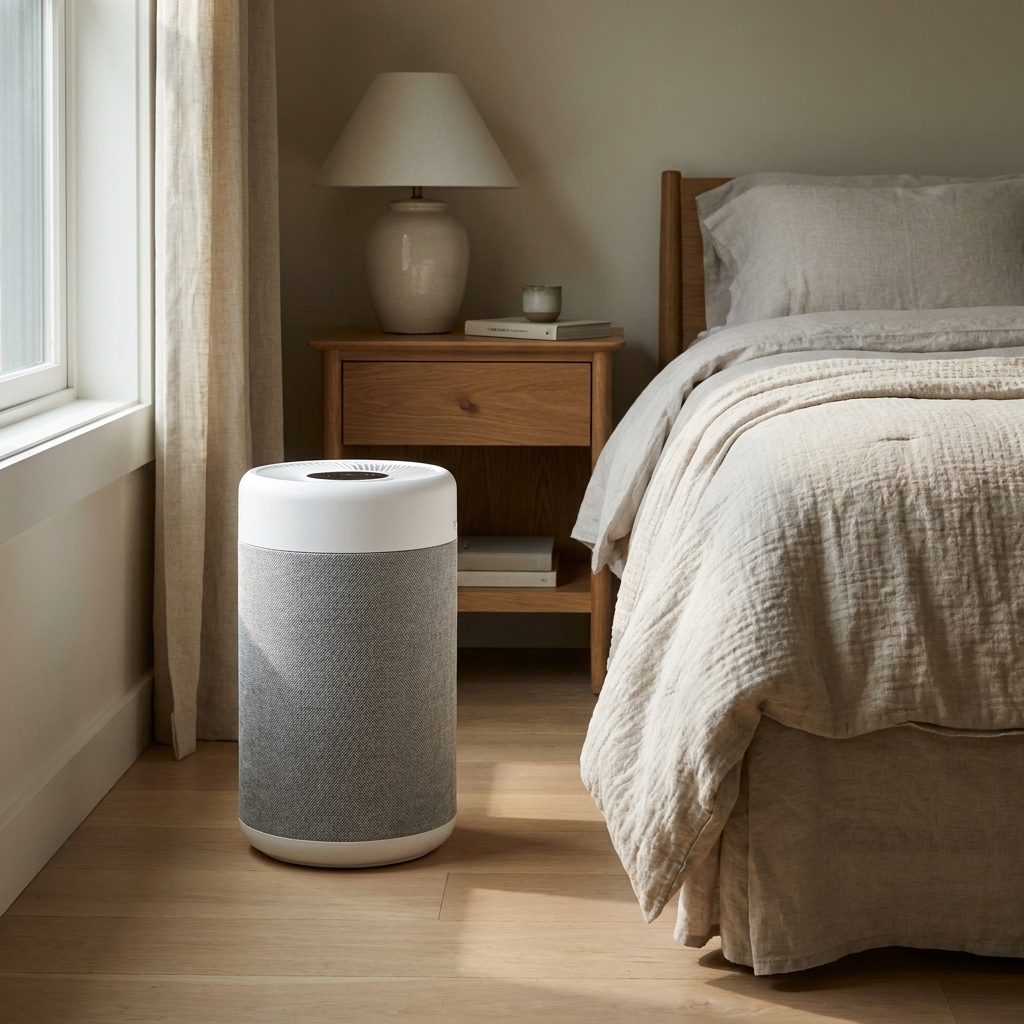
- Use a HEPA air purifier in the bedroom or main living area. Place it where air can circulate freely.
- Wash pet bedding weekly and vacuum common lounging areas with a HEPA vacuum.
If you suspect a pet allergy, talk with your clinician about allergy testing and an asthma action plan. The goal is fewer flare-ups, less rescue inhaler use, and better sleep.
Trigger #4: Smoke and combustion
Smoke is a powerful airway irritant. This includes cigarette smoke, vaping aerosols, wildfire smoke, wood-burning stoves, incense, and heavy cooking fumes. For many people with asthma, even small amounts can trigger symptoms, so less exposure is better.
What to do
- Make your home and car smoke-free. Smoking outside still brings residue indoors on hair, skin, and clothing.
- Skip candles and incense if they worsen symptoms. Unscented, non-burning options are better.
- Vent while cooking. Use a vent hood that exhausts outdoors if possible. If it recirculates, use it anyway and consider adding a portable HEPA purifier nearby.
- Maintain gas appliances. Install and maintain carbon monoxide detectors and ensure gas stoves, furnaces, and fireplaces are serviced as recommended.
If wildfire smoke is an issue where you live, consider a clean-air room at home: doors and windows closed, a HEPA purifier running, and minimal indoor particle generation (no frying, no candles).

Trigger #5: Odors and cleaning fumes
Asthma is not only about allergies. Many people have irritant triggers, meaning their airways react to fumes even without a true allergy. Common culprits include bleach, ammonia, aerosol sprays, perfumes, and heavily fragranced laundry products.
Swap to gentler habits
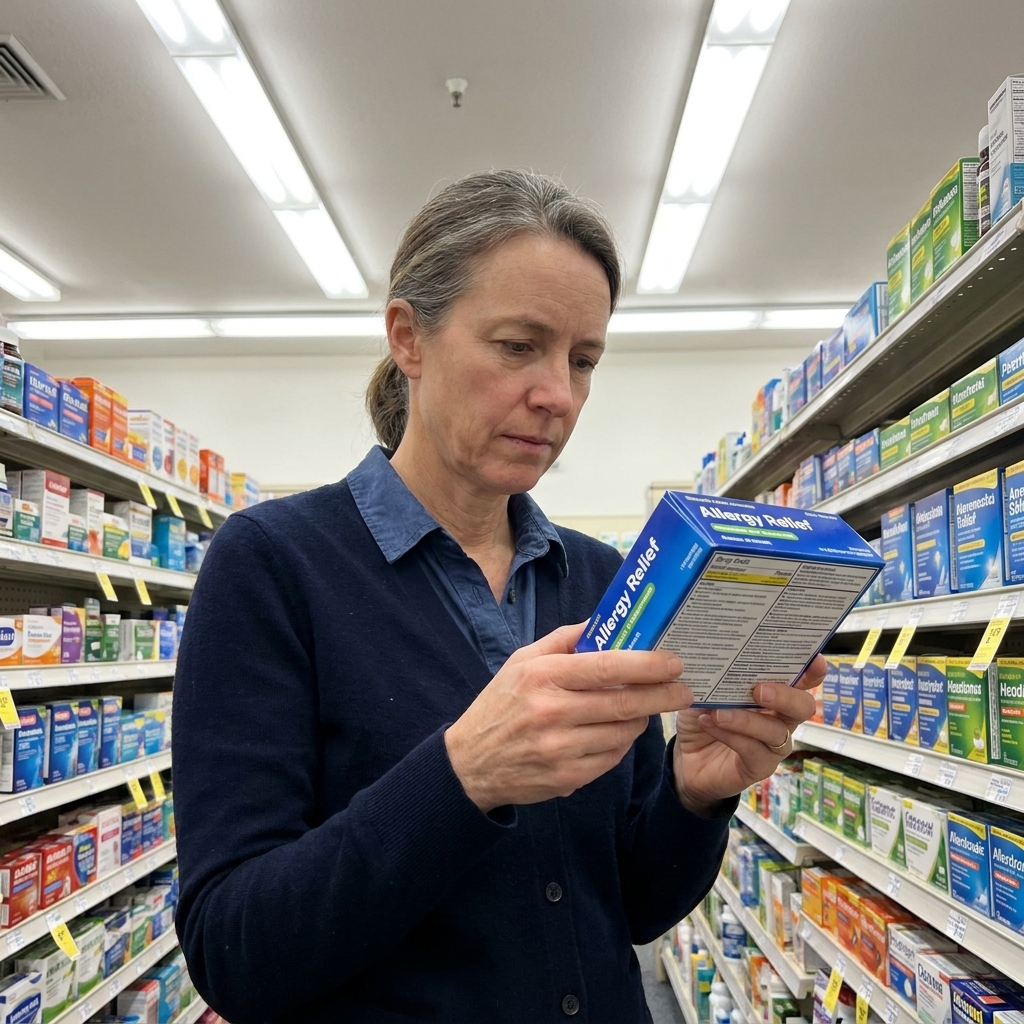
- Choose fragrance-free detergents, dryer sheets, and cleaning products when possible .
- Avoid aerosol sprays (air fresheners, disinfectant sprays, hair sprays) and opt for liquids or wipes.
- Never mix cleaning agents, especially bleach and ammonia.
- Ventilate while cleaning by opening windows when outdoor air quality is good and running fans.
- Clean in short sessions rather than one long deep-clean that stirs up dust and fumes.
Trigger #6: Pollen and pollution
Even if the trigger is outdoors, it often ends up in your home on clothing, hair, shoes, and pets. This can be a major issue during high pollen seasons or days with poor air quality.
Reduce what comes inside
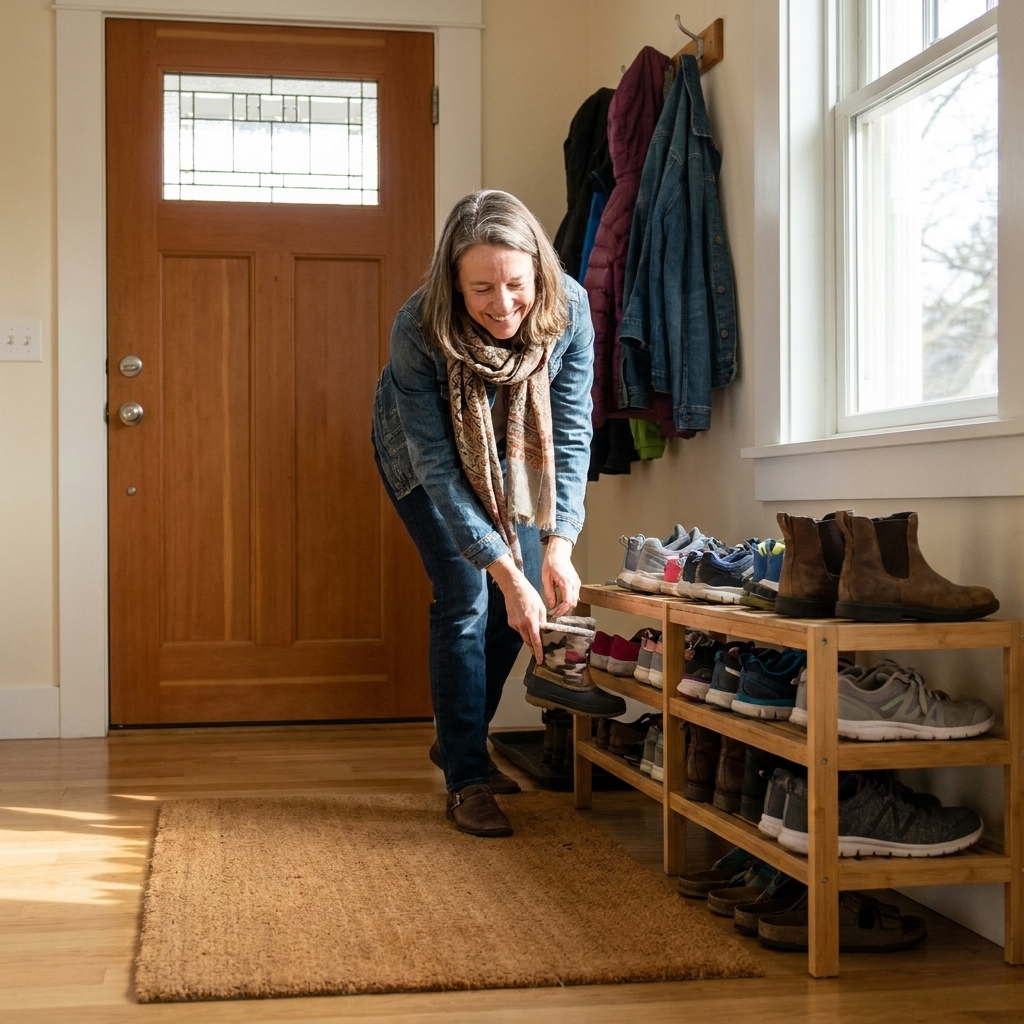
- Take shoes off at the door. This simple habit reduces tracked-in allergens.
- Shower and change clothes after outdoor activities during high pollen times.
- Keep windows closed on high pollen or poor air quality days, and rely on filtered air instead.
- Use effective filtration. If you have HVAC, use a pleated filter your system can handle (often MERV 11 to 13) and change it on schedule.
Trigger #7: Pests
Cockroaches and rodents are a major asthma trigger in many homes. The proteins in droppings and body parts can become part of household dust, especially in kitchens, pantries, and older buildings.
What to do
- Use sealed food storage. Store pantry foods in hard containers and keep pet food in sealed bins.
- Reduce crumbs and water. Wipe counters, sweep floors, and fix drips or leaks that provide a water source.
- Take out trash regularly and use a closed container.
- Seal entry points around pipes, baseboards, and cracks when possible.
- Choose safer pest control. Integrated pest management (sealing, sanitation, targeted baits) usually works better than routine sprays, which can irritate airways.
Room-by-room checklist
Bedroom
- Use allergen-proof mattress and pillow covers
- Wash bedding weekly (hot when fabrics allow) and dry thoroughly
- Keep pets out
- Minimize clutter and fabric-heavy decor
- Run a HEPA purifier if symptoms persist
Living room
- Vacuum rugs and upholstery with a HEPA vacuum
- Choose washable curtains or easy-clean blinds
- Avoid scented candles, incense, and strong air fresheners
Kitchen
- Use a vent hood while cooking
- Fix leaks under the sink quickly
- Store trash in a closed container
- Keep food sealed to reduce pests
Bathroom
- Run the exhaust fan during and after showers
- Address grout and caulk mold early
- Wash bathmats and shower curtains regularly
Basement or laundry area
- Control humidity with a dehumidifier if needed
- Check for musty smells, damp boxes, or condensation
- Choose fragrance-free laundry products if sensitive
Do purifiers and filters help?
HEPA air purifiers
HEPA air purifiers can help reduce airborne particles like dust, dander, and smoke. They work best when sized for the room and run consistently, especially in the bedroom.
HVAC filters
If you have central heating and cooling, a high-quality pleated filter can reduce circulating particles. Many systems do well with MERV 11 to 13, but not every system can handle higher resistance, so check your equipment guidance or ask your HVAC professional.
Humidifiers
Humidifiers can soothe dry air for some people, but they can worsen asthma if humidity climbs too high or the unit is not cleaned properly. If you use one, keep humidity in the 30% to 50% range and clean it exactly as the manufacturer recommends.
If you are not sure whether to use a humidifier, start by measuring your indoor humidity. Guessing often leads to “too damp,” which is exactly what mold and dust mites love.
When to call your clinician
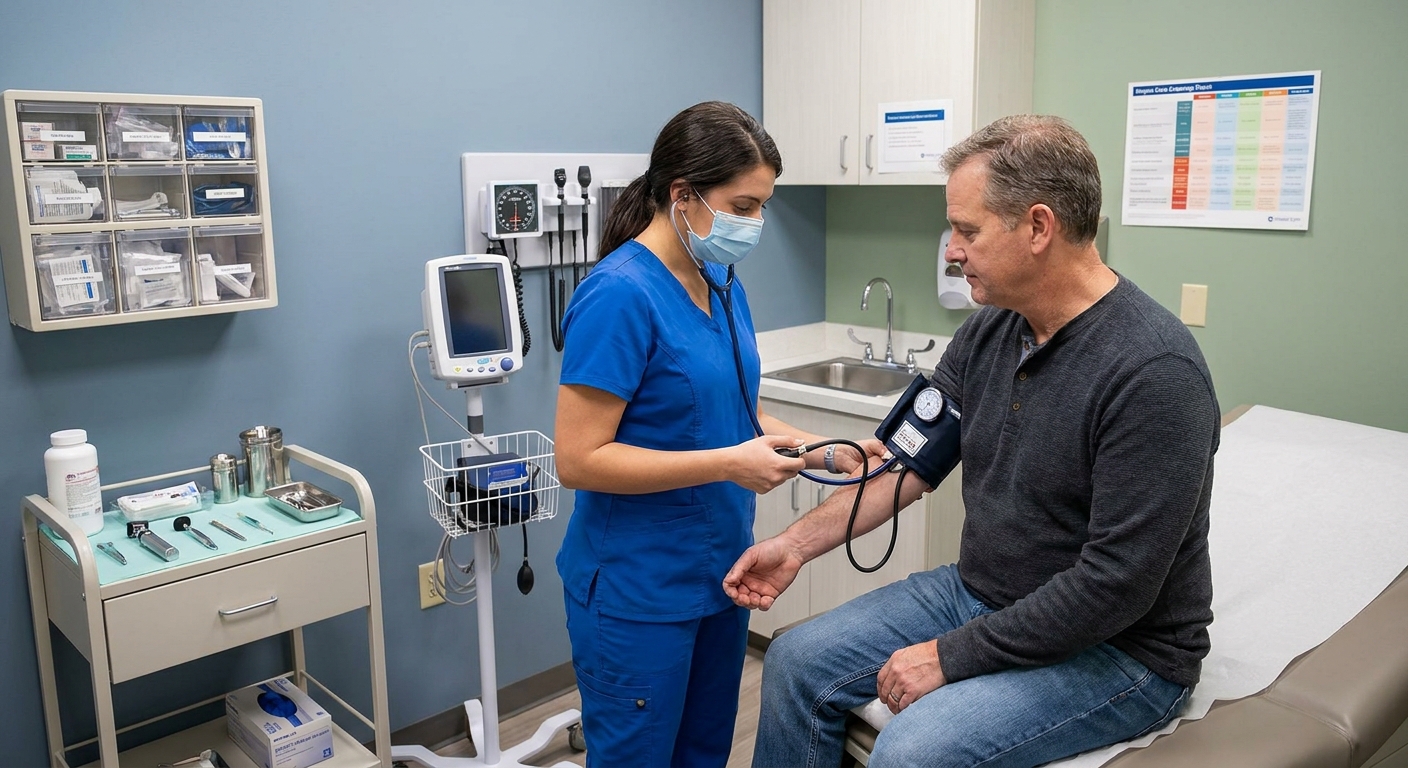
Home changes matter, but asthma control also depends on the right medications and a clear plan. Reach out for medical guidance if:
- You are using a rescue inhaler more than twice a week (not counting pre-exercise use)
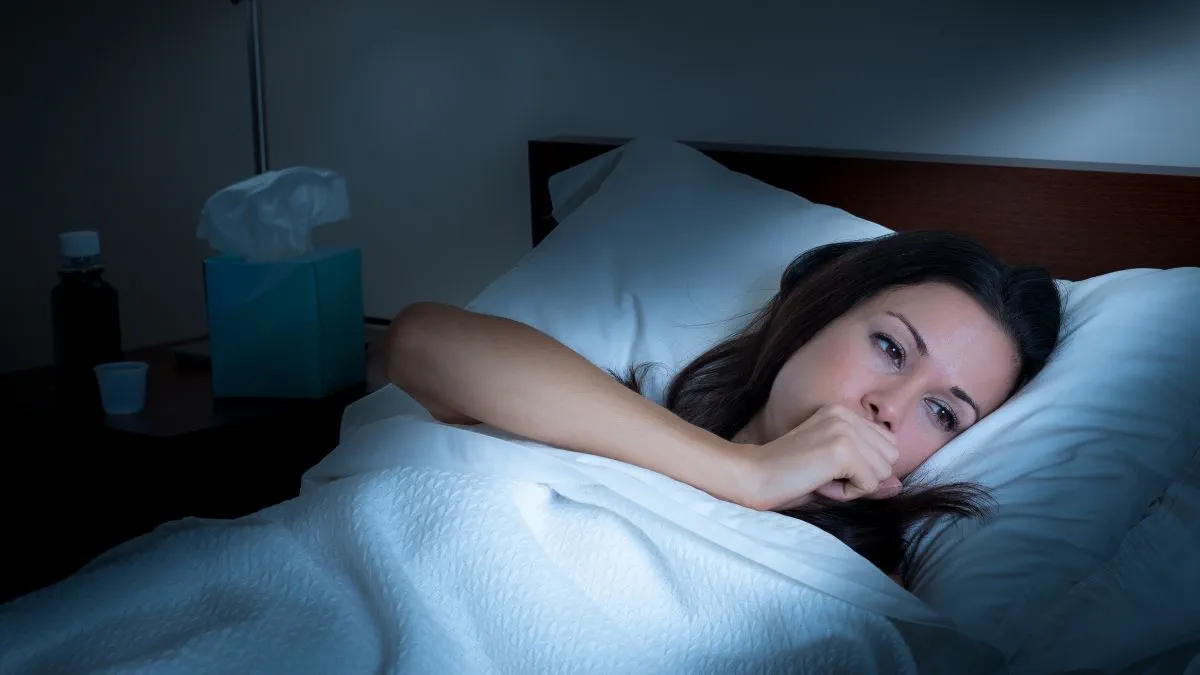
- Symptoms wake you at night
- You have frequent coughing, wheezing, or chest tightness with normal activities
- You have had an urgent care or ER visit for asthma in the past year
- You are unsure how to use inhalers or spacers correctly
Ask for an asthma action plan that spells out what to do on good days, flare days, and emergency days. Clear instructions reduce fear and help you act early.
Get urgent help now
Seek urgent or emergency care if someone is struggling to breathe, cannot speak in full sentences, has blue or gray lips or face, has chest pulling in with breaths (especially in children), is unusually drowsy or agitated, or is not improving after using a rescue inhaler as directed.
These home steps support asthma control, but they do not replace medical care.
Quick FAQ
What is the most important room to asthma-proof?
The bedroom. You spend many hours there, and nighttime symptoms can quietly erode asthma control. Focus on dust mite reduction, pet boundaries, and clean air first.
Should I remove carpet?
If carpet is a major dust reservoir and symptoms are ongoing, removing it can help. If that is not feasible, use a HEPA vacuum, keep humidity controlled, and consider washable area rugs instead of wall-to-wall carpet when you can.
Is “natural” cleaning safer for asthma?
Not always. “Natural” products can still be fragranced or irritating. Look for fragrance-free and avoid sprays. Ventilation and minimal fumes matter more than marketing terms.
Can I be triggered by my own cleaning?
Yes. Cleaning stirs up particles and some products irritate airways. Break tasks into shorter sessions, ventilate, use gentler products, and consider having someone else vacuum if it reliably causes wheezing.
A doable plan for this week
If you are feeling overwhelmed, start here:
- Tonight: Make the bedroom pet-free and remove extra stuffed animals from the bed.
- This weekend: Wash bedding and add allergen-proof pillow and mattress covers.
- Next: Check humidity and fix one moisture issue (a leak, a musty corner, a bathroom fan habit).
- Then: Swap one fragranced product to fragrance-free and reduce indoor smoke sources.
Small, consistent changes often beat a perfect one-time overhaul. With asthma, your goal is not a sterile home. It is a home that supports calm, steady breathing.