Medical Loom
Conditions & Diseases

Perinephric Stranding on CT: What It Means
Seeing the phrase “perinephric stranding” on a CT report can feel unsettling, especially if the rest of the wording is hard to interpret. In plain language, it usually means the radiologist saw streaky, hazy changes in the fat around the kidney , a common sign that something has recently irritated...
Read more →
What Is a Cystocele?
In busy family clinics, I have met many people who thought they had “just a little leaking” or “just normal aging,” only to find out something else was going on in the pelvis. One common type of pelvic organ prolapse is a cystocele , sometimes called an anterior vaginal wall prolapse or a dropped...
Read more →
What Is Pyonephrosis?
In clinic, I have met patients who were told they had “hydronephrosis” on a scan and assumed it meant infection. Sometimes it is just backed-up urine. But there is a much more urgent situation that can look similar on the surface: pyonephrosis , which is infected urine or purulent material trapped...
Read more →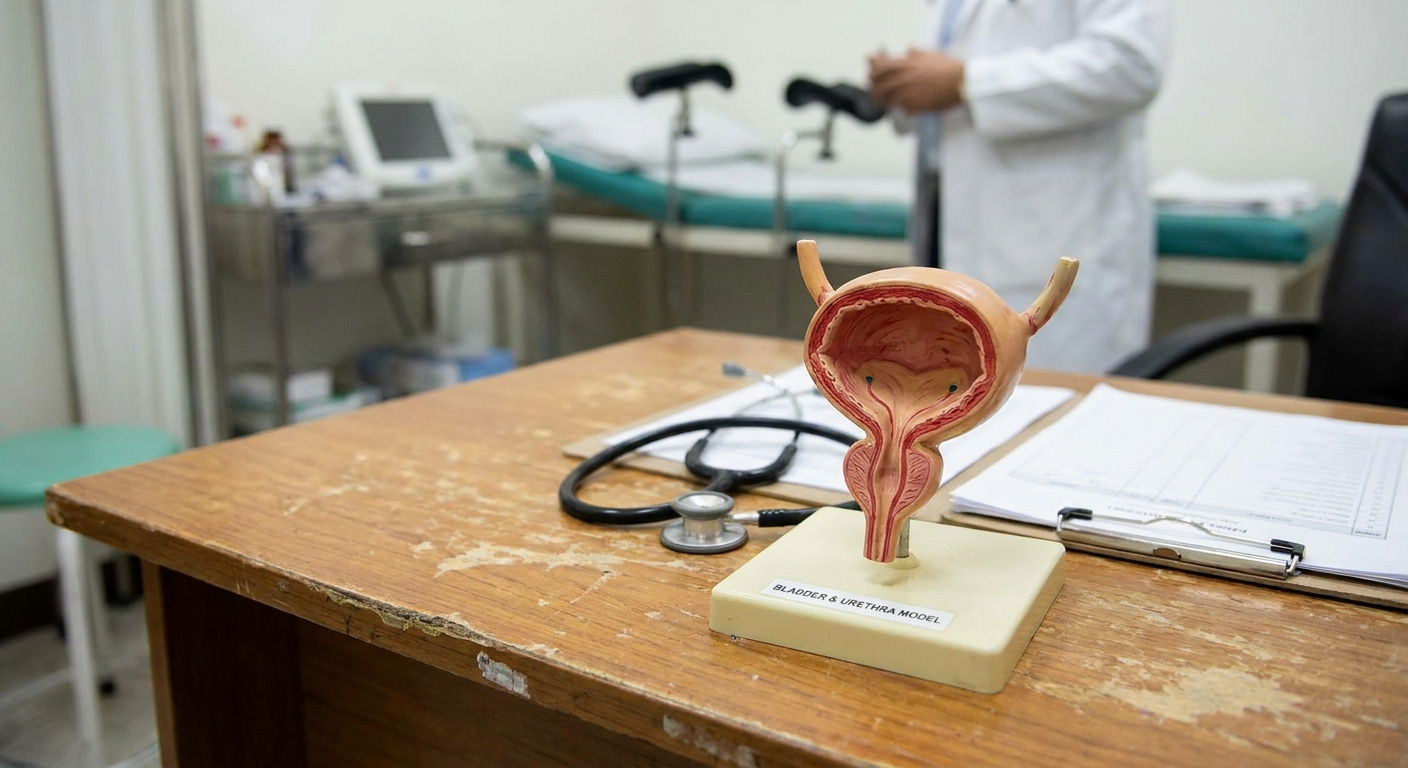
What Is a Bladder Diverticulum?
When I explain bladder issues in clinic, I often compare the bladder to a sturdy balloon with a smooth inner lining. A bladder diverticulum is like a small pocket that bulges outward from that balloon wall. Many people never know it’s there. But if urine gets trapped in that pocket, it can set off...
Read more →
Carcinoma in Situ on a Bladder Biopsy: What It Means
If your pathology report says carcinoma in situ (often shortened to CIS ) on a bladder biopsy, it can feel confusing because the word “cancer” is there, but you may not have been told there was a “tumor.” In clinic, I often explain CIS as a high-grade cancer sitting on the surface lining of the...
Read more →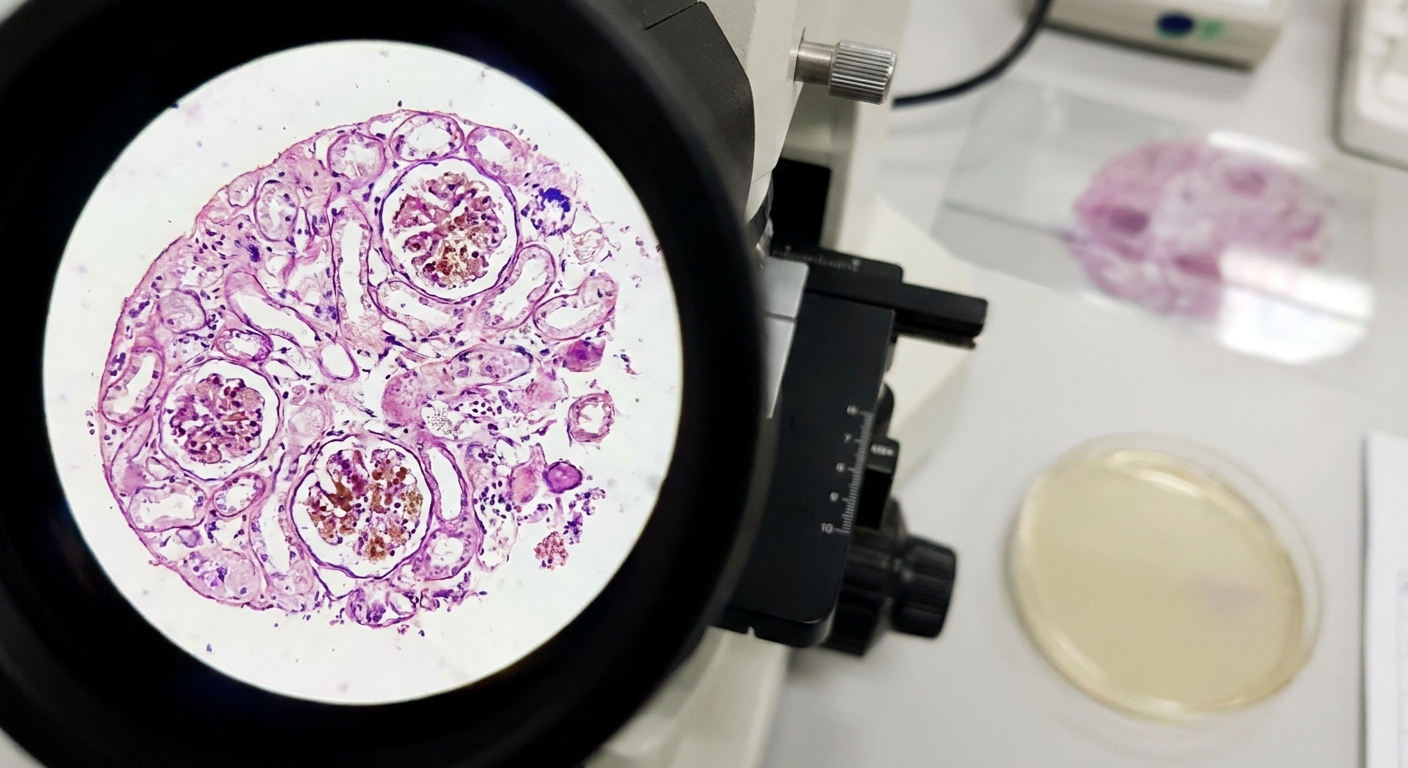
What Is Membranous Nephropathy?
Membranous nephropathy is a kidney condition where the body’s immune system mistakenly targets the kidney’s tiny filters. Over time, this immune attack thickens parts of the filter, making it “leaky.” The classic result is heavy protein loss in the urine (proteinuria), which can lead to swelling in...
Read more →
Thin Basement Membrane Disease
When I worked in a small rural clinic early in my career, one of the most common surprises on routine lab work was this: someone felt totally fine, but their urine test showed “blood.” Not visible blood, just microscopic red blood cells that only show up under a microscope or on a dipstick. If that...
Read more →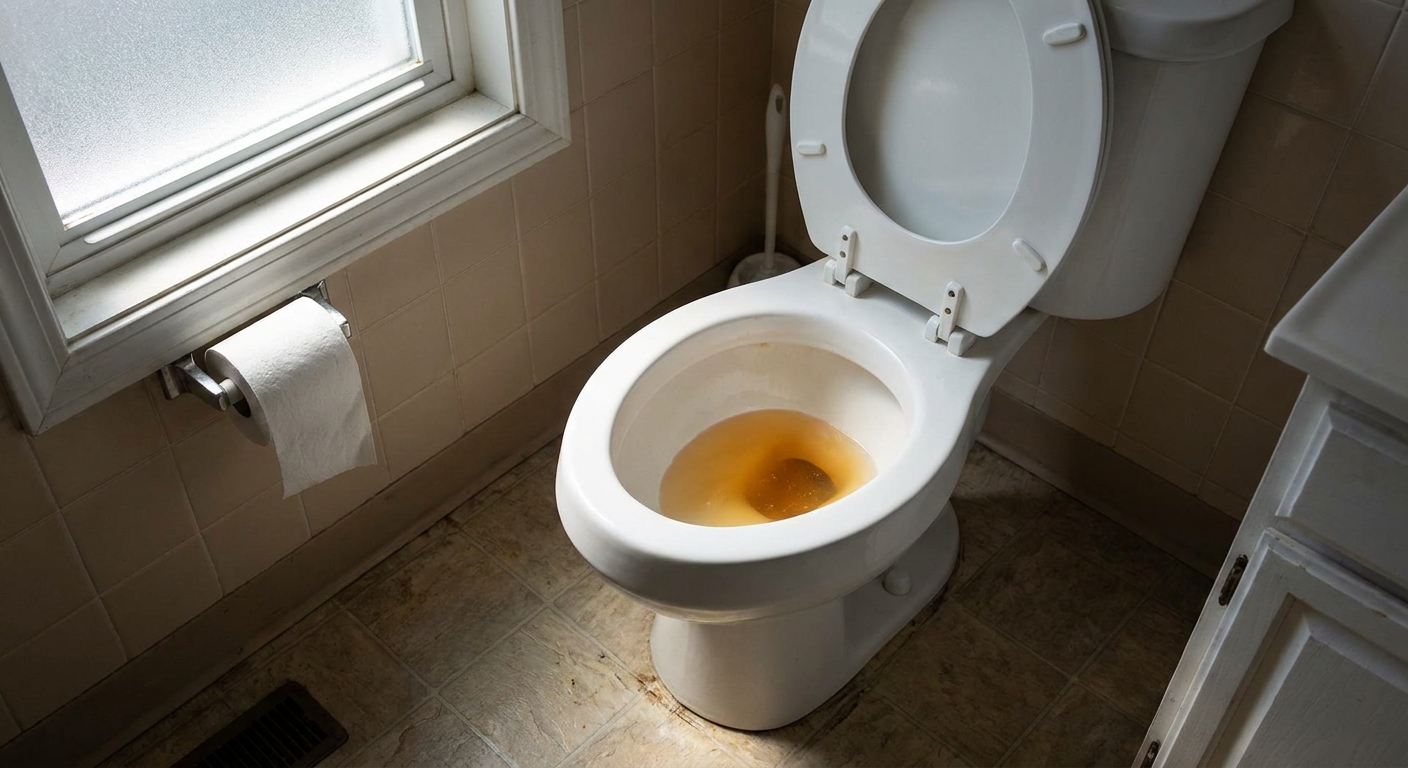
Why Is Urine Brown?
Seeing brown or tea-colored urine can be startling. In clinic, I remind patients of two things: urine color is influenced by what your body is filtering out, and the timing and symptoms around a color change matter as much as the color itself. Sometimes it is as simple as very concentrated urine....
Read more →
What Is Acute Kidney Injury?
In clinic, one of the scariest phrases I have to explain is “acute kidney injury,” often shortened to AKI. Not because it always leads to permanent kidney failure, but because it can escalate quickly if we do not find the cause and support the kidneys right away. AKI is not a single disease. It is...
Read more →
What Is Focal Segmental Glomerulosclerosis (FSGS)?
When I explain kidney conditions to patients, I often start with one simple image: your kidneys are like high-quality coffee filters. They are meant to keep protein (and normally, blood cells) in your bloodstream while letting waste and extra water pass into urine. In focal segmental...
Read more →
What Does a Gleason Score Mean?
When you open a prostate biopsy report, the numbers can feel blunt and mysterious. I have sat with many patients who were less afraid of the biopsy itself than they were of the pathology line that followed. The Gleason score is one of the most important parts of that report, but it is not a “how...
Read more →
What Is Chronic Kidney Disease?
In the family clinic, I have seen the same moment play out again and again: someone opens their lab portal, spots a low eGFR or the words “kidney disease,” and their mind jumps straight to dialysis. Take a breath. Chronic kidney disease, or CKD, is common. It often progresses slowly, and there is a...
Read more →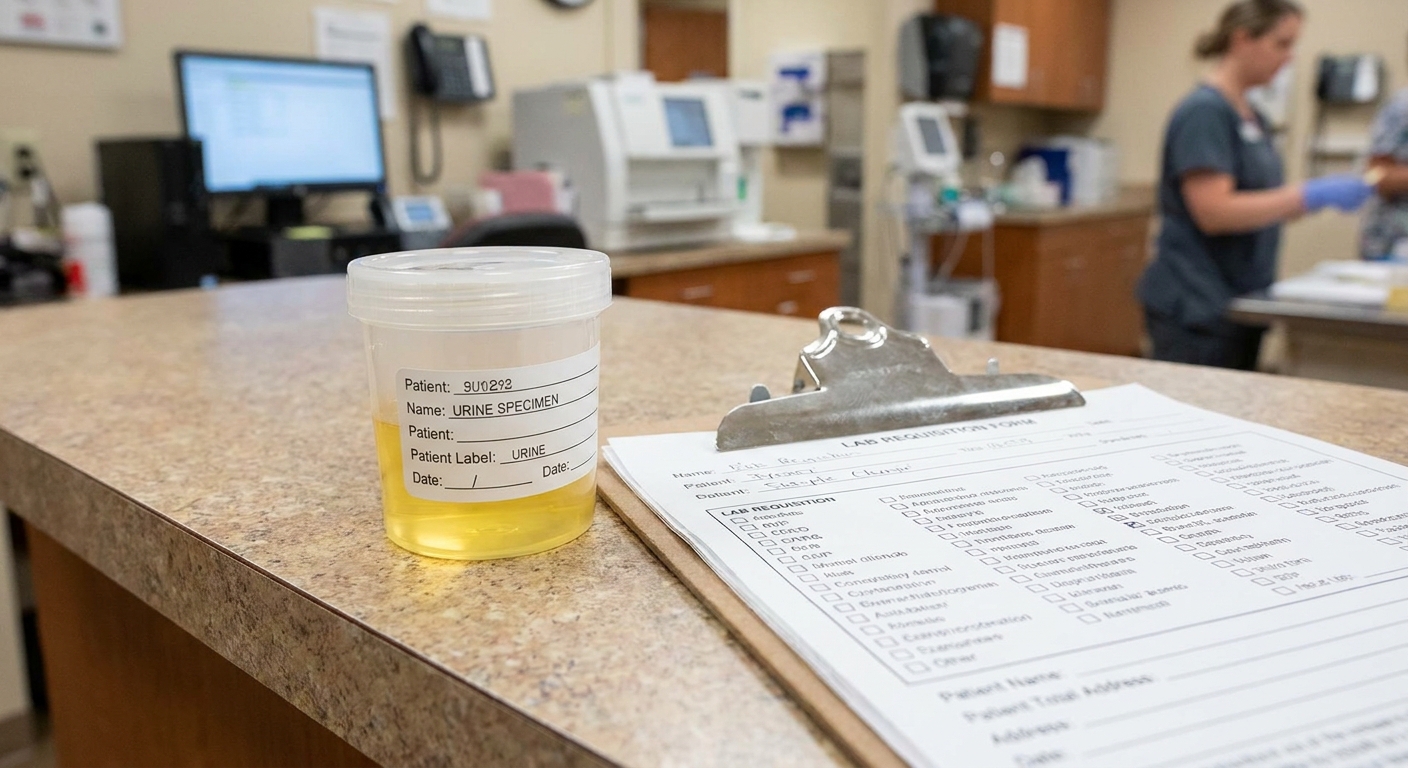
Why Does Urine Smell?
Most of the time, a change in urine smell is harmless and temporary. In my clinic, the most common causes are simple: not drinking enough water, a new vitamin or supplement, or certain foods (like asparagus) that create distinctive byproducts as your body breaks them down. That said, certain odors...
Read more →
What Does an eGFR Result Mean?
I still remember patients from the rural clinic where I started as a nurse, holding a lab printout like it was a verdict. One of the most stressful numbers for many people is eGFR. It shows up in routine bloodwork, after a CT scan with contrast, during pregnancy, or when you are sick and...
Read more →
Why Is Urine Green or Blue?
Seeing green or blue in the toilet can stop you in your tracks. In clinic, I have had patients describe it as “Gatorade-colored,” “seafoam,” or “teal.” The good news is that green or blue urine is often explained by a medication, dye, or even something in the toilet bowl and is temporary. The more...
Read more →
What Is a Calyceal Diverticulum?
If you have ever read a kidney imaging report and seen the phrase calyceal diverticulum , it can sound alarming. In my clinic days, this was one of those findings patients would circle in red pen and bring to the next visit, understandably worried it meant a tumor or a “hole” in the kidney. Almost...
Read more →
What Is a Vesicovaginal Fistula?
In family practice, one of the most heartbreaking symptoms I hear about is continuous leaking of urine that a person cannot control. It can feel confusing and isolating, especially when it starts after a surgery or a difficult delivery. One possible cause is something many people have never heard...
Read more →
What a PI-RADS Score Means
When I worked in a busy family clinic, I learned quickly that a single number on a radiology report can carry a whole lot of anxiety. If you have been told your prostate MRI showed a PI-RADS 3, PI-RADS 4, or PI-RADS 5 lesion, you are not alone in wondering what that actually means and what comes...
Read more →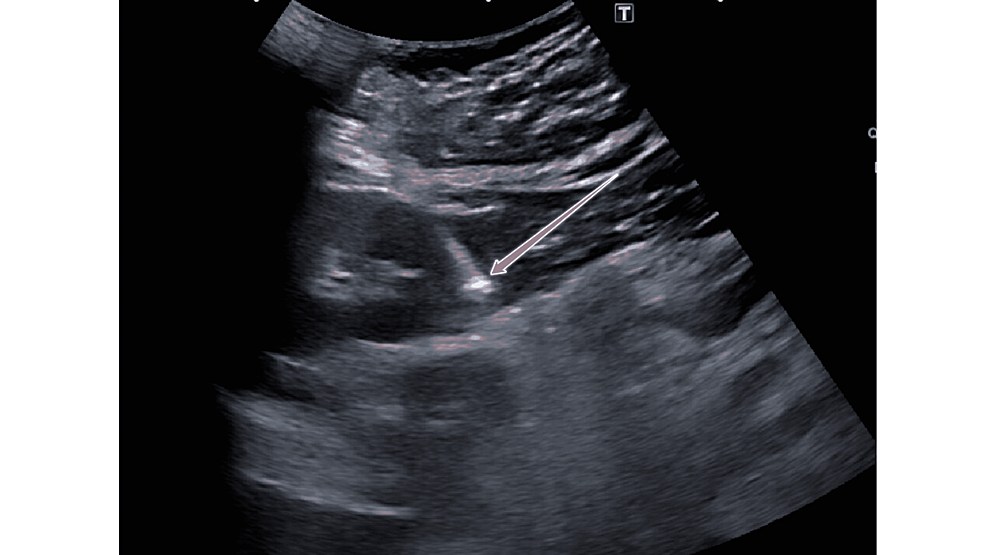
What Is Anti-GBM Disease?
When a patient tells me they noticed blood in their urine and they feel unusually tired, I think about a wide range of causes. Many are treatable and not immediately dangerous. But there is one rare diagnosis I never want to miss because time matters so much: anti-GBM disease . Anti-GBM disease is...
Read more →
Hydroureter on an Imaging Report: What It Means
When you live far from specialty care, words on an imaging report can feel like a verdict. I grew up in a rural community, and I still remember how long it could take to get a clear explanation from someone you trust. If your ultrasound or CT report says hydroureter , take a breath. This is a...
Read more →