
As a family nurse practitioner, I have a simple belief: a second opinion is not a betrayal. It is a safety check. Healthcare is complex, diagnoses can be nuanced, and treatment plans are rarely one size fits all. A good clinician wants you to feel confident and informed, even if that means another set of eyes on your case.
A second opinion typically includes a review of your records and test results, an exam when needed, and an independent assessment of the diagnosis and options.
This guide will help you recognize when a second opinion is truly useful, how to ask in a way that preserves your relationship with your current doctor, and how to navigate the practical details like records and insurance.

When a second opinion helps
Many people wait until they feel angry or scared to seek another opinion. You do not have to be at a breaking point. In my experience, these are the most common situations where a second opinion adds real value:
- You are facing a major decision, such as surgery, chemotherapy, long-term immunosuppressant therapy, or a treatment with high risk or permanent changes.
- The diagnosis is serious, rare, or unclear. If the condition is uncommon or the explanation feels fuzzy, a specialist or another clinician may confirm the diagnosis or spot an alternative.
- Your symptoms do not match the diagnosis. If your lived experience and the diagnosis are not lining up, it is reasonable to ask, “What else could this be?”
- Treatment is not helping after a fair trial. Lack of improvement can mean the plan needs adjustment, the diagnosis needs revisiting, or another factor is being missed.
- You are being offered only one option. Many conditions have multiple evidence-based approaches. Another opinion can help you understand choices and tradeoffs.
- There is a lot at stake for your quality of life, like chronic pain, fertility, mobility, or cognitive symptoms affecting work and family.
- You feel dismissed, rushed, or unheard. Even if the medical plan is correct, communication matters. A different clinician may be a better fit.
One important note: getting a second opinion does not always mean switching doctors. Often, it is simply gathering more information and coming back to your primary clinician with better clarity.
When not to wait
Some situations call for urgent evaluation rather than a scheduled second opinion weeks from now. Seek emergency care or urgent evaluation if you have symptoms such as:
- Chest pain, pressure, or shortness of breath
- Signs of stroke (face drooping, arm weakness, speech difficulty)
- Severe abdominal pain with fever or persistent vomiting
- Suicidal thoughts, plans, or feeling unable to stay safe
- Severe allergic reaction (swelling of lips or tongue, trouble breathing)
- Rapidly worsening weakness, confusion, or new severe headache
A second opinion is a valuable tool, but emergencies are about time and stabilization first.
If you are dealing with a fast-moving condition (for example, suspected cancer or a rapidly worsening neurologic issue), tell the specialist office you are seeking a second opinion on a time-sensitive decision. Many centers can triage and expedite these visits.
How to ask your doctor
Most clinicians are used to second opinions, especially for big decisions. The key is to frame it as a desire to understand and confirm, not a personal critique.
Use simple, respectful language
Here are a few phrases that keep the relationship intact:
- “This is a big decision for me. I would feel more comfortable getting a second opinion to confirm the plan.”
- “I appreciate your care. I learn best when I hear things more than once. Could you recommend someone for another perspective?”
- “Before I commit to surgery, I want to make sure I understand all options. Can you help me arrange a second opinion?”
- “I am hoping to see a specialist who treats this every day. Who would you trust if it were your family member?”
Ask for what you need
Be clear whether you want:
- Confirmation that the diagnosis and plan are sound
- More options for treatment, including non-surgical or less invasive choices
- A subspecialist’s expertise (for example, an epileptologist rather than a general neurologist)
- A different communication style so you can understand the plan and feel supported
If your doctor reacts poorly
Occasionally, a clinician may take it personally. If that happens, stay calm and repeat the core message: you are seeking clarity for your health. You may still need to complete an authorization form or follow the clinic’s portal process to release records, but that is an administrative step, not “permission” to pursue another opinion.
Clinicians are human, but your health deserves respectful attention. You are allowed to advocate for yourself.
Where to go
The best source depends on your situation:
- Within the same health system: Convenient because records are often shared. The downside is that clinicians may follow similar protocols.
- Outside your health system: Useful if you want a more independent perspective or access to a specialized center.
- Academic medical centers: Often helpful for rare conditions, complex cases, and access to multidisciplinary teams.
- Subspecialists: Sometimes “specialist” is not specific enough. For example, orthopedic surgery includes sports medicine, spine, joint replacement, hand, and more.

Choosing the right clinician
If you can choose, look for a second-opinion clinician who fits the problem, not just the label.
- Relevant experience: Ask how often they treat your condition or perform the procedure you are considering.
- Board certification and focus: Useful for matching you to the right subspecialty.
- Team-based care: Multidisciplinary clinics can be especially helpful for cancer, complex autoimmune disease, and complicated surgical decisions.
- Bring support: Consider bringing a trusted person or asking to record the conversation if the office allows it. Big decisions can be hard to absorb in real time.
How to prepare
A second opinion is most valuable when the clinician has the full picture. Showing up with only a memory of what happened often leads to repeating tests and delays.
Bring these items
- A one-page timeline: when symptoms started, what changed, what helped, and what made things worse.
- Medication list: include doses, how long you have taken them, and any side effects.
- All relevant test results: labs, pathology reports, imaging reports.
- Imaging files or digital access: for X-rays, CT, MRI, ultrasound. The report alone is not always enough.
- Procedure or surgery notes if you have already had an intervention.
- Your top 3 questions: write them down. Anxiety can wipe your mind clean in the exam room.
Ask the clinician to answer these
- “Do you agree with the diagnosis? If not, what else should we consider?”
- “What are the benefits and risks of each treatment option for someone like me?”
- “What happens if I do nothing for now?”
- “Are there less invasive steps to try first?”
- “What should I watch for that would mean I need care sooner?”
A quick note on radiology and pathology
For some conditions, the most valuable second opinion is not only another office visit. It can be a re-read of imaging (radiology) or a review of biopsy slides (pathology). If your diagnosis hinges on a scan or tissue sample, ask whether a formal re-interpretation could change the plan and how to send the original images or slides.
Records and delays
Rules vary by country and health system, but in many places (including the U.S.) you have a legal right to access your medical records. In the U.S., this is supported by HIPAA. There are some exceptions and limits, such as certain psychotherapy notes, identity verification requirements, timing rules, and reasonable fees in some situations.
Tips that help
- Request records early: it can take days to weeks, especially for imaging from hospitals.
- Ask for “all records related to this problem”: clinic notes, consult notes, lab results, imaging reports, and pathology.
- Get images, not just reports: ask radiology how they provide files, such as a patient portal download, electronic transfer, or CD. Policies and fees vary by facility and location.
- Confirm the second-opinion office received everything: do this 48 to 72 hours before your appointment if possible.
If you are unsure what to request, ask the second-opinion clinic what they need. Most offices can tell you exactly what to send.
Insurance basics
Coverage varies by plan and location, but there are common patterns I see in primary care. When in doubt, call your insurer and ask what is covered for a “specialist consultation” or “second opinion consultation.”
Private insurance
Second opinions are often covered like any other specialist visit if the clinician is in-network and the service is medically necessary. Some plans also have specific second-opinion benefits or rules, and referral or prior authorization requirements can still apply.
Medicare and Medicaid
- Medicare: Medicare Part B generally covers medically necessary second opinions for non-emergency surgeries, and in some cases covers a third opinion if the first two disagree. Usual Part B cost-sharing rules apply.
- Medicaid: Coverage varies by state and plan, but many Medicaid programs cover specialist consultations, sometimes with referral requirements or network rules.
Referrals and prior authorization
- HMO plans often require a referral from your primary care clinician to see a specialist.
- PPO plans may allow self-referral, but costs are usually lower in-network.
- Some services (certain imaging, procedures, or out-of-network consultations) may require prior authorization.
Out-of-network costs
If the specialist is out of network, you may face a higher deductible, higher coinsurance, or full out-of-pocket charges. Before you schedule, ask your insurer:
- Is this provider in-network?
- Do I need a referral or prior authorization?
- What will my estimated cost be for the consult?
- Are telehealth second opinions covered?
Costs people forget
- Records fees in some settings (often low-cost for electronic copies, but not always)
- Imaging transfer costs (facility policies vary)
- Repeat tests if prior results are unavailable or not recent enough
If cost is a barrier, tell the second-opinion clinic. Many can suggest in-network options or financial assistance pathways.
Keep care coordinated
If you trust your current clinician and simply want confirmation or more options, transparency helps. You can say:
- “I am going to get a second opinion and I would like to come back to you to decide next steps.”
- “If the other clinician recommends a different approach, can we talk through it together?”
Ask the second-opinion office to send a consult note to your primary clinician or specialist. A clear note often prevents misunderstandings and helps your care feel coordinated instead of fragmented.
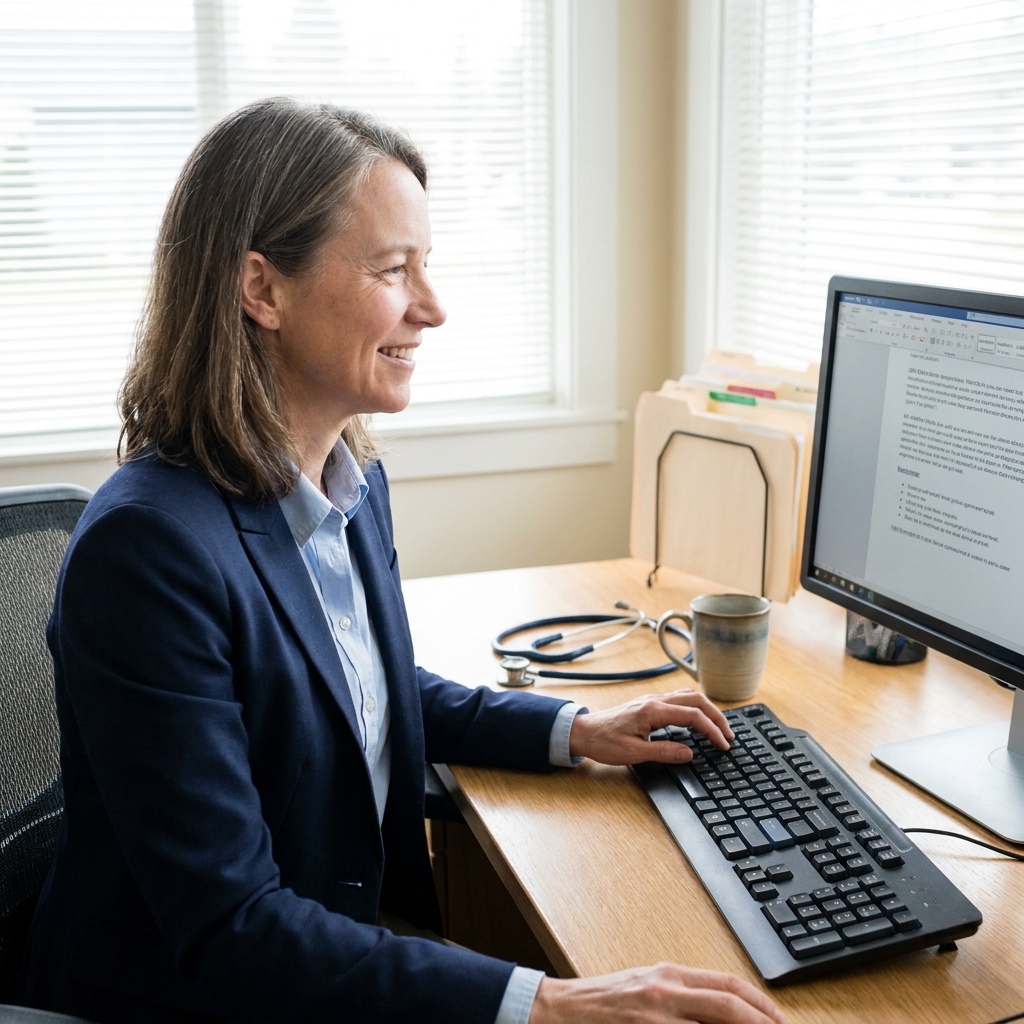
Second opinion vs new doctor
A second opinion is a single consult focused on confirming or refining a plan. Switching doctors is about long-term fit and ongoing care.
- Consider a second opinion if you generally feel respected, but want reassurance, options, or specialized expertise.
- Consider changing clinicians if you repeatedly feel dismissed, your concerns are not addressed, communication breaks down, or follow-up is inconsistent.
Both choices are valid. Your health outcomes improve when you feel safe enough to ask questions.
Common worries
“Will my doctor be mad?”
Many will not, and some will actively encourage it, especially before irreversible decisions. If a clinician reacts with hostility, that is information worth taking seriously about the relationship.
“Will I look like a difficult patient?”
Advocating for yourself is not being difficult. Being prepared, respectful, and clear about your goals usually makes the visit more productive, not more contentious.
“What if the opinions conflict?”
This is common. Ask each clinician why they recommend what they recommend, what evidence they are relying on, and what risks matter most in your specific case. Sometimes the best next step is a third opinion at a specialized center or a shared decision-making visit where you review options side by side.
“Can I do this through telehealth?”
Often, yes, especially for reviewing records, imaging, and treatment options. Telehealth can be a great fit when travel is hard or you want access to a distant specialty center. If a hands-on exam is essential, the clinician will tell you.
Second-opinion checklist
- Identify what you want: confirmation, options, or a subspecialist.
- Ask your clinician for a referral using calm, direct language.
- Verify insurance: network, referral rules, prior authorization, estimated costs.
- Request records early, including imaging files and, when relevant, pathology slides.
- Bring a one-page timeline and your top questions.
- Have the second-opinion note sent back to your original clinician.
If you are reading this because you feel anxious or stuck, take a breath. You are not “starting over.” You are gathering information so your next step is based on clarity, not pressure.