Social anxiety disorder is more than “being shy.” It is a persistent fear of being judged, embarrassed, or rejected in social or performance situations, and it can quietly shape everything from work meetings to dating to ordering coffee.
The good news is that social anxiety is often very treatable. Many of the skills that help are learnable, especially with steady practice and the right level of support.
A quick note on what it is (and is not): Social anxiety disorder typically involves ongoing anxiety (often for months or longer), significant distress, and avoidance or endurance with intense discomfort. It is not the same thing as introversion, preferring small groups, or occasional nerves before a big event.
Below are eight practical, evidence-based coping strategies I recommend in clinic. You do not need to do all of them at once. Pick one or two to practice this week, repeat them often, and build from there. Progress in social anxiety is usually measured in small, steady reps, not one big breakthrough.

1) Name it and rate it
When anxiety spikes, your brain treats discomfort like danger. A simple first step is to label what is happening in plain language and measure it.
Try this in the moment
- Name it: “This is social anxiety, not a prediction.”
- Rate it: “My anxiety is 7/10.”
- Locate it: “Tight chest, warm face, shaky hands.”
Why this helps: labeling and rating can help you shift into a more reflective mindset and reduce the sense that anxiety is limitless. You are creating a little space between you and the feeling.
2) Do a 60-second grounding reset
Grounding techniques pull you out of spiraling “what if” thoughts and back into your body and surroundings. They are especially useful right before you walk into an event, join a call, or introduce yourself.
Two low-profile options
- 5-4-3-2-1: Name 5 things you see, 4 you feel, 3 you hear, 2 you smell, 1 you taste.
- Feet and breath: Press both feet into the floor. Inhale for 4 counts, exhale for 6 counts, repeat 5 times.
If you are worried people will notice, choose the “feet and breath” option. It looks like a quiet pause, not a “technique.” Slower exhales can reduce the physical intensity of anxiety for many people.

3) Build an exposure ladder
For social anxiety, avoidance is understandable, but it teaches your brain that social situations are dangerous. One of the best-supported long-term approaches is gradual exposure , meaning you practice feared situations in a stepwise way until your brain relearns, “I can handle this.”
In this context, “safe” means planned and paced, not reckless. Do not do exposure in situations that are genuinely unsafe or harmful (for example, harassment, threats, or environments where you are at real risk). The goal is to practice anxiety, not to tolerate danger.
How to create your ladder
List 10 social situations you avoid, then rate each from 0 to 10 for anxiety. Start with a 3 or 4, not a 9.
Example ladder
- 2/10: Make eye contact and smile at a cashier.
- 3/10: Ask an employee where an item is located.
- 4/10: Make one comment in a group chat.
- 5/10: Call to schedule an appointment.
- 6/10: Attend a small gathering for 30 minutes.
- 8/10: Give a short update in a meeting.
Exposure rules that keep it effective:
- Repeat the same step multiple times. Some people aim to practice until anxiety drops by about 30 to 50 percent, but fear reduction is not the only goal.
- Stay in the situation long enough to learn something new (for example, “I can cope,” “I can be anxious and still speak,” or “People are kinder than my brain predicts”).
- Try not to rely on escape behaviors every time (pretending to take a call, hiding in the bathroom). Those can become another form of avoidance.
If exposures repeatedly feel overwhelming or you keep jumping from 4/10 to 9/10, that is a sign to adjust the ladder or work with a therapist to make it more doable.
4) Use realistic self-talk
Social anxiety loves extreme predictions: “I will sound stupid,” “They will think I am awkward,” “I will mess this up.” Cognitive behavioral therapy (CBT) uses reframing to challenge those predictions with balanced alternatives.
A quick CBT-style note you can do on your phone
- Trigger: “Team lunch.”
- Automatic thought: “I will have nothing to say.”
- Evidence for: “I got quiet last time.”
- Evidence against: “I talked one-on-one with Sam and it went fine.”
- Realistic thought: “I might feel awkward at first, and I can still ask a question or listen.”
The goal is not to convince yourself everything will be perfect. It is to stop treating anxiety’s story like a fact.
5) Shift attention outward
One of the biggest drivers of social anxiety is self-focused attention, meaning you are monitoring your voice, your face, your hands, your posture, and what you think others think. That inner surveillance can increase symptoms like blushing, sweating, and stammering.
Try an outward attention cue
- Notice the other person’s tone of voice or word choice.
- Identify one detail about the environment (music, lighting, a picture on the wall).
- Silently ask: “What is one thing I can learn about this person?”
This is not a trick to “perform.” It is a way to stop feeding the anxiety loop.
6) Use simple conversation scaffolding
In clinic, many patients tell me the hardest part is not the event itself, but the blank moment when they cannot think of what to say. Having a few flexible starter phrases reduces cognitive load when your nervous system is revved up.
Use these as training wheels, not a script you must follow. The goal is to support your authentic voice, not to sound “perfect.”
Keep a few go-to lines
- Openers: “How do you know the host?” “What has your week been like?”
- Follow-ups: “Tell me more about that.” “What was that like for you?”
- Small self-share: “I have been trying to get outside more lately.”
- Graceful exit: “I am going to grab a drink, but it was good talking with you.”
If you tend to freeze, practice these aloud at home. It can feel silly, but it works the same way rehearsing improves a presentation.

7) Reduce safety behaviors
Safety behaviors are things we do to prevent embarrassment or hide anxiety, like rehearsing every sentence in your head, avoiding eye contact, speaking very fast, holding your phone like a shield, or only asking yes-or-no questions.
These behaviors make sense, but they can keep social anxiety going because your brain concludes, “I survived because I used the safety behavior.” The goal is not to stop everything at once. It is to experiment gently.
A practical experiment
- Pick one safety behavior to reduce for one week.
- Choose a low-to-moderate anxiety situation (3 to 5 out of 10).
- Afterward, write down: “What did I predict?” and “What actually happened?”
This kind of behavioral experiment is a cornerstone of CBT.
8) Plan your after
Many people with social anxiety experience a painful post-event replay, sometimes called post-event processing. Your brain scans for mistakes and rewinds every detail. This can be as exhausting as the event itself.
Create an after-plan
- Set a time limit: “I can reflect for 5 minutes, then I stop.”
- Write 3 facts: “I went. I stayed 20 minutes. I asked one question.”
- Write 1 kind sentence: “I did something hard today.”
- Do a planned activity: a short walk, shower, stretching, texting a supportive friend, or starting a simple task.
If your brain insists on reviewing, steer it toward a more helpful question: “What is one small thing I would try differently next time?” Then stop.
When to get support
Self-help strategies can be powerful, but you deserve more support if social anxiety is shrinking your life. Consider reaching out to a licensed therapist or clinician if:
- You routinely avoid work, school, relationships, or necessary appointments due to fear.
- You have panic attacks in social situations or dread events for days or weeks.
- You are using alcohol or substances to get through social situations.
- You feel depressed, hopeless, or trapped.
Social anxiety commonly overlaps with depression and substance use, and treating those pieces together can make recovery easier and safer.
Effective treatments include CBT (especially exposure-based CBT), Acceptance and Commitment Therapy (ACT), and in some cases medication such as SSRIs or SNRIs. Beta-blockers may help some people with performance-only anxiety (like public speaking) when prescribed appropriately, but they are not suitable for everyone (for example, some people with asthma or certain heart conditions). A clinician can help you weigh benefits, risks, and your health history.
If you ever have thoughts of harming yourself or feel unsafe, seek urgent help right away through local emergency services or a crisis line in your country.
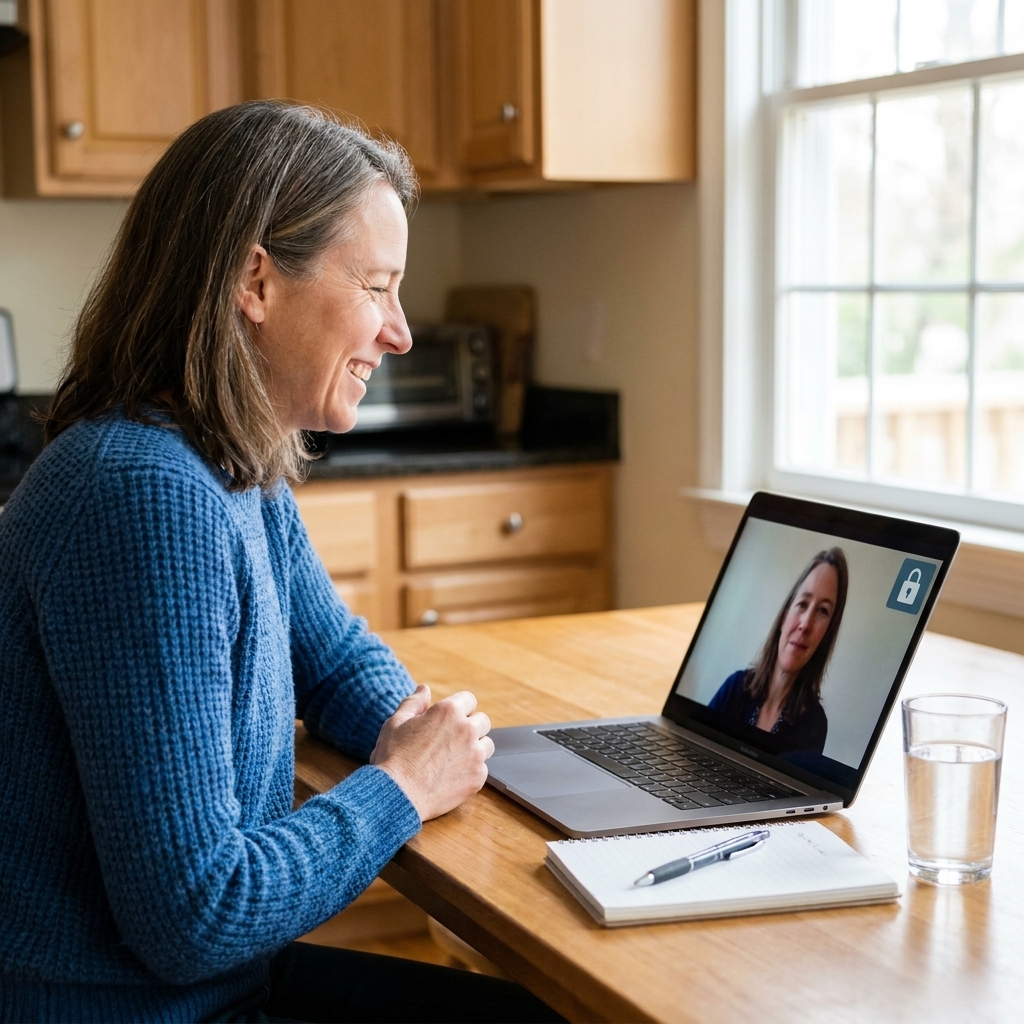
If cost or access is a barrier, consider low-cost options such as group CBT, university training clinics, community mental health centers, or telehealth platforms with sliding-scale fees.
Quick FAQ
Is social anxiety disorder curable?
Many people experience major improvement and long-term control of symptoms with therapy, skills practice, and sometimes medication. Think of it like learning a new nervous system response. With repetition, your brain becomes less reactive.
What is the fastest coping skill for a flare?
A short grounding reset, especially slower exhales (like inhale 4, exhale 6), can reduce the physical intensity enough for you to function through the moment.
Should I force myself into big social events to “get over it”?
Usually no. Flooding yourself with high-intensity exposure can backfire. Gradual, repeatable exposures tend to work better and feel more manageable.
What if I feel shaky, blush, or sweat?
Those are normal adrenaline symptoms. They are uncomfortable, but not dangerous. A helpful goal is: “I can be anxious and still participate.” Trying to eliminate all symptoms often increases them.
Next step
If you take nothing else from this, take this: social anxiety improves when you practice approaching, not avoiding, in small ways. Choose one ladder step, one grounding technique, and one realistic thought to rehearse this week. Those small reps add up.
You are not “bad at people.” Your nervous system is trying to protect you, and it can learn a new script.