If you have ever wondered, “Is this anxiety, or am I having a panic attack?” you are not alone. I hear this question from people of all ages, and it makes sense. Both can come with a racing heart, worry, and a sense that something is not right.
The good news is that anxiety and panic attacks have patterns we can recognize. When you can name what is happening, you can respond with the right tools instead of feeling blindsided. Let’s walk through what clinicians mean by generalized anxiety versus an acute panic attack, then cover practical strategies and treatment options for both.
What anxiety is
Anxiety is your brain and body’s threat-detection system working overtime. It is often future-focused, meaning the distress is tied to “what if” thoughts: what if I fail, what if I get sick, what if something terrible happens.
One of the most common anxiety disorders I see in primary care is generalized anxiety disorder (GAD), which involves persistent, hard-to-control worry about multiple areas of life (health, work, family, money) along with physical symptoms. In the DSM-5, GAD symptoms occur on most days for 6 months or more. That said, you can have very real, impairing anxiety without meeting every diagnostic criterion.
Common anxiety symptoms
- Persistent worry that feels difficult to shut off
- Restlessness or feeling “keyed up”
- Muscle tension (often shoulders, neck, jaw)
- Sleep trouble (difficulty falling asleep, waking often, or waking early)
- Fatigue, irritability, or difficulty concentrating
- Stomach and appetite changes (nausea, diarrhea, reduced appetite, or overeating)
- Increased heart rate or a “fluttery” feeling, especially under stress
Anxiety tends to build gradually and can linger for hours, days, or longer, especially when stressors are ongoing.
What a panic attack is
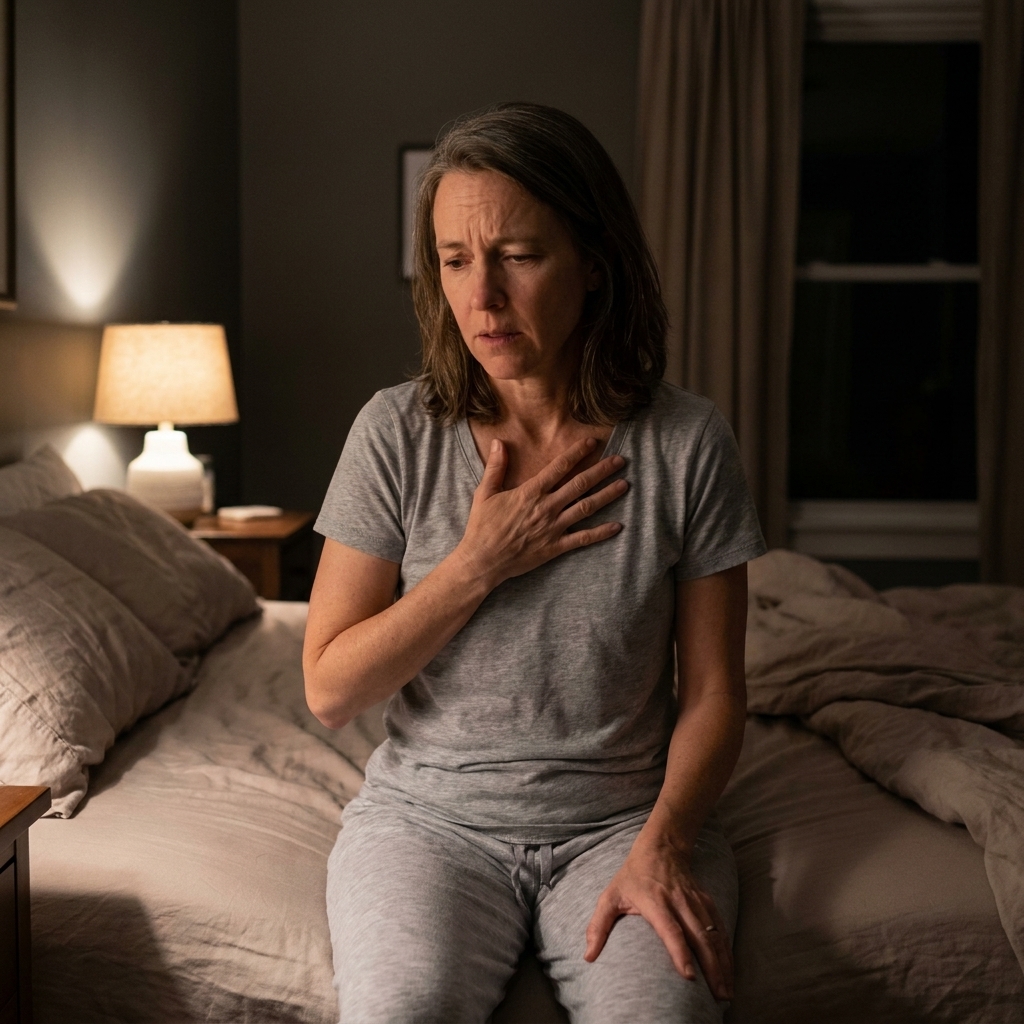
A panic attack is a sudden surge of intense fear or discomfort that peaks quickly. Many people describe it as feeling like a heart attack, choking, or “I’m going to die” even when they are not in real danger.
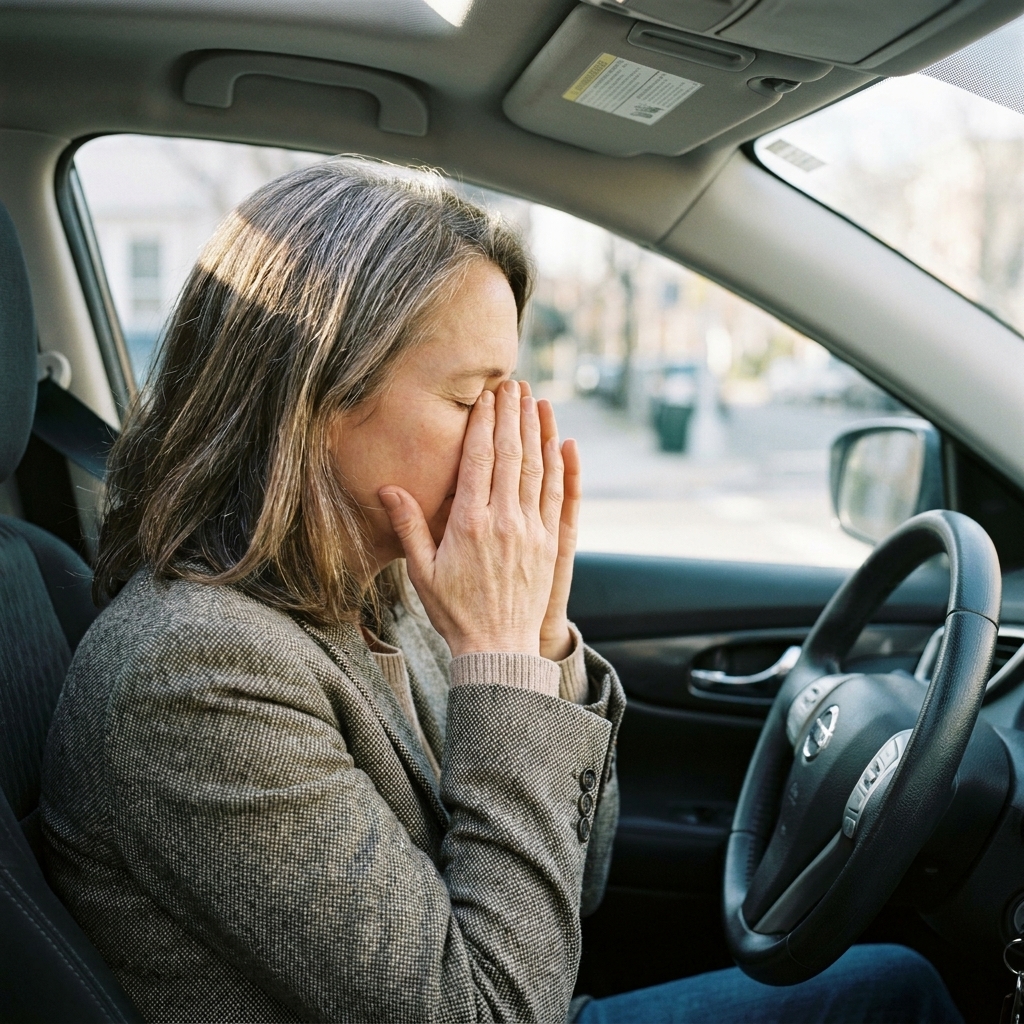
One key distinction is this: a panic attack is an episode (a symptom). Panic disorder is a diagnosis that typically includes recurrent, unexpected panic attacks plus ongoing worry about more attacks and/or meaningful behavior changes (like avoidance of exercise, driving, stores, or being alone).
Panic attacks can also happen with other conditions such as phobias, PTSD, social anxiety, or high stress. Some people have a few panic attacks in their lifetime and never develop panic disorder.
Common panic attack symptoms
- Sudden onset of intense fear or doom
- Heart pounding or racing
- Shortness of breath or feeling smothered
- Chest pain or tightness
- Trembling or shaking
- Sweating, chills, or hot flashes
- Nausea or abdominal distress
- Dizziness, lightheadedness, or feeling faint
- Numbness or tingling
- Feeling detached from yourself or reality (depersonalization or derealization)
- Fear of losing control or dying
Many panic attacks peak within about 10 minutes and settle within 20 to 30 minutes, though the after-effects can linger longer. It is also common to feel drained or “on edge” afterward.
Anxiety vs. panic
Here is a practical way to remember it:
- Anxiety is often a slow burn: it builds with stress, uncertainty, or ongoing worry.
- Panic is often a flash fire: it spikes quickly, feels intense, and can come “out of the blue.”
Side-by-side overview
- Onset: Anxiety is usually gradual. Panic attacks are usually sudden.
- Peak intensity: Anxiety may fluctuate. Panic attacks peak quickly.
- Duration: Anxiety can last hours to weeks. Panic attacks often resolve in minutes, with an after-effect “hangover.”
- Thought pattern: Anxiety often involves ongoing worry chains. Panic often involves catastrophic body-focused thoughts like “I can’t breathe” or “I’m dying.”
- Triggers: Anxiety often relates to identifiable stressors. Panic may be expected (triggered) or unexpected.
They can overlap. Many people with chronic anxiety are more prone to panic attacks, especially during high-stress seasons or with poor sleep.
When it might be something else
One reason panic attacks are so frightening is that some symptoms overlap with medical emergencies. It is never “dramatic” to take chest pain seriously, especially if it is new for you.
Get urgent or emergency care if you have
- Chest pain, pressure, or tightness that is new, severe, or spreading to jaw, arm, or back
- Fainting, severe dizziness, or trouble staying awake
- Severe shortness of breath, bluish lips, or wheezing that is not improving
- New neurological symptoms like weakness on one side, confusion, or trouble speaking
- Thoughts of self-harm or suicide, or feeling unable to stay safe
Medical issues that can mimic anxiety or panic
- Thyroid problems (especially hyperthyroidism)
- Low blood sugar
- Heart rhythm issues (arrhythmias)
- Asthma or other breathing conditions
- Anemia
- Medication or supplement side effects (including stimulants)
- Substance use or withdrawal (caffeine, alcohol, nicotine, cannabis, other drugs)
- Perimenopause or hormonal shifts
If you are unsure, a check-in with a clinician is worth it. Ruling out medical causes can be incredibly reassuring and helps tailor treatment.
What to do during a panic attack
In the moment, your goal is not to “force calm.” It is to help your nervous system come down the hill safely. Think of it like a false fire alarm. Your body is reacting to danger that is not actually present. Your body will settle even if you do not “solve” the fear right now.
1) Name it
Try: “This is a panic attack. It feels scary, but it will pass.” Labeling can reduce the brain’s threat response and interrupt catastrophic thinking.
2) Breathe with a longer exhale
When panic hits, many people start breathing fast, which can often lower carbon dioxide and worsen tingling, lightheadedness, dizziness, and chest tightness. Instead, aim for a slower exhale:
- Inhale through your nose for 4 seconds
- Exhale slowly for 6 to 8 seconds
- Repeat for 2 to 5 minutes
If counting is stressful, simply focus on “longer out than in.”
3) Ground your senses
Try the 5-4-3-2-1 method:
- 5 things you can see
- 4 things you can feel
- 3 things you can hear
- 2 things you can smell
- 1 thing you can taste
4) Relax the body on purpose
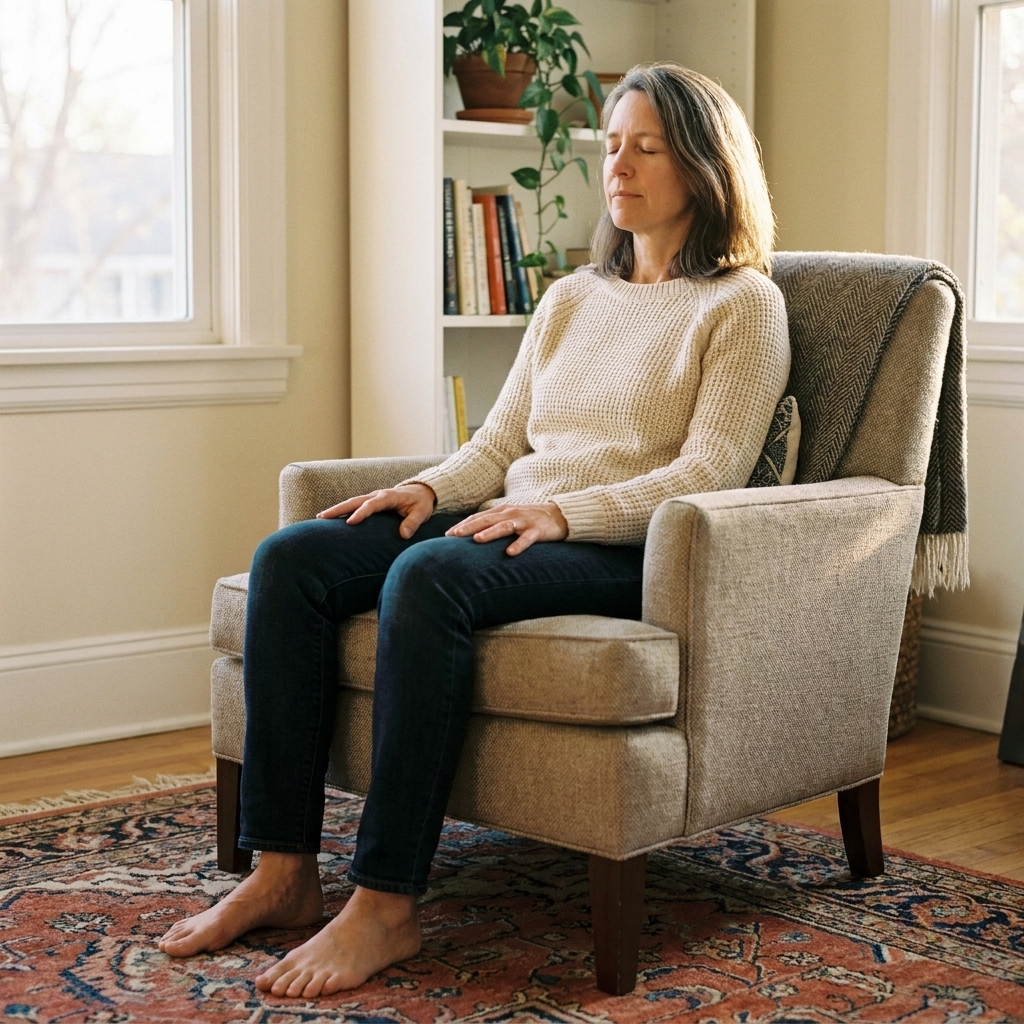
Panic tightens muscles. Unclench your jaw, drop your shoulders, and soften your belly. If it helps, press your feet into the floor and notice the support underneath you.
5) Reduce fuel
If you can, pause caffeine and nicotine in the acute window. Even one energy drink can keep the alarm system revved.
Managing ongoing anxiety
Managing generalized anxiety usually involves two tracks: lowering baseline stress in the body and changing the worry loop in the mind. Small, consistent steps matter more than big overhauls.
Lower your baseline
- Sleep: Keep a consistent wake time, limit late-night scrolling, and avoid heavy meals or alcohol close to bedtime.
- Movement: Aim for most days of the week, even a 10 to 20 minute walk. Regular exercise helps regulate stress hormones.
- Caffeine check: If you are anxious, consider tapering to a lower dose or earlier cutoff time.
- Nutrition: Regular meals and snacks can reduce jitters tied to blood sugar swings.
- Alcohol: It can worsen anxiety the next day. If you notice “hangxiety,” that is a real pattern.
- Breathing and relaxation practice: Do it when you are calm, not only when you are spiraling. Your nervous system learns through repetition.
Work with the worry loop
- Scheduled worry time: Set a 10 to 15 minute window earlier in the day to write worries down, then close the notebook. If worries pop up later, tell yourself you will address them at the scheduled time.
- Reality-check questions: “What is the evidence for and against this fear?” “What would I tell a friend?” “What is one small next step I can take?”
- Reduce reassurance seeking: Repeatedly checking symptoms online or asking others “Do you think I’m okay?” can briefly soothe anxiety but strengthens it long-term.
If you grew up having to be “the strong one,” anxiety often looks like constant scanning for problems. Learning to stand down that alert system takes practice, and it is absolutely learnable.
Treatment options
The most effective care plans are individualized. Some people do very well with therapy alone. Others need medication, especially when symptoms are frequent, intense, or impairing.
Therapy
- Cognitive behavioral therapy (CBT): One of the best-studied treatments for both anxiety and panic. It helps you identify unhelpful thought patterns and practice new responses.
- Exposure-based therapy: Especially helpful for panic disorder and phobias. For panic, this can include interoceptive exposure, where you safely practice tolerating body sensations (like increased heart rate) so they stop feeling dangerous.
- Acceptance and commitment therapy (ACT): Helps you make room for discomfort while moving toward your values, rather than organizing life around avoiding anxiety.
- Trauma-focused therapy: If panic or anxiety is linked to trauma, targeted approaches like EMDR or trauma-focused CBT can help.
Medication (discuss with your clinician)
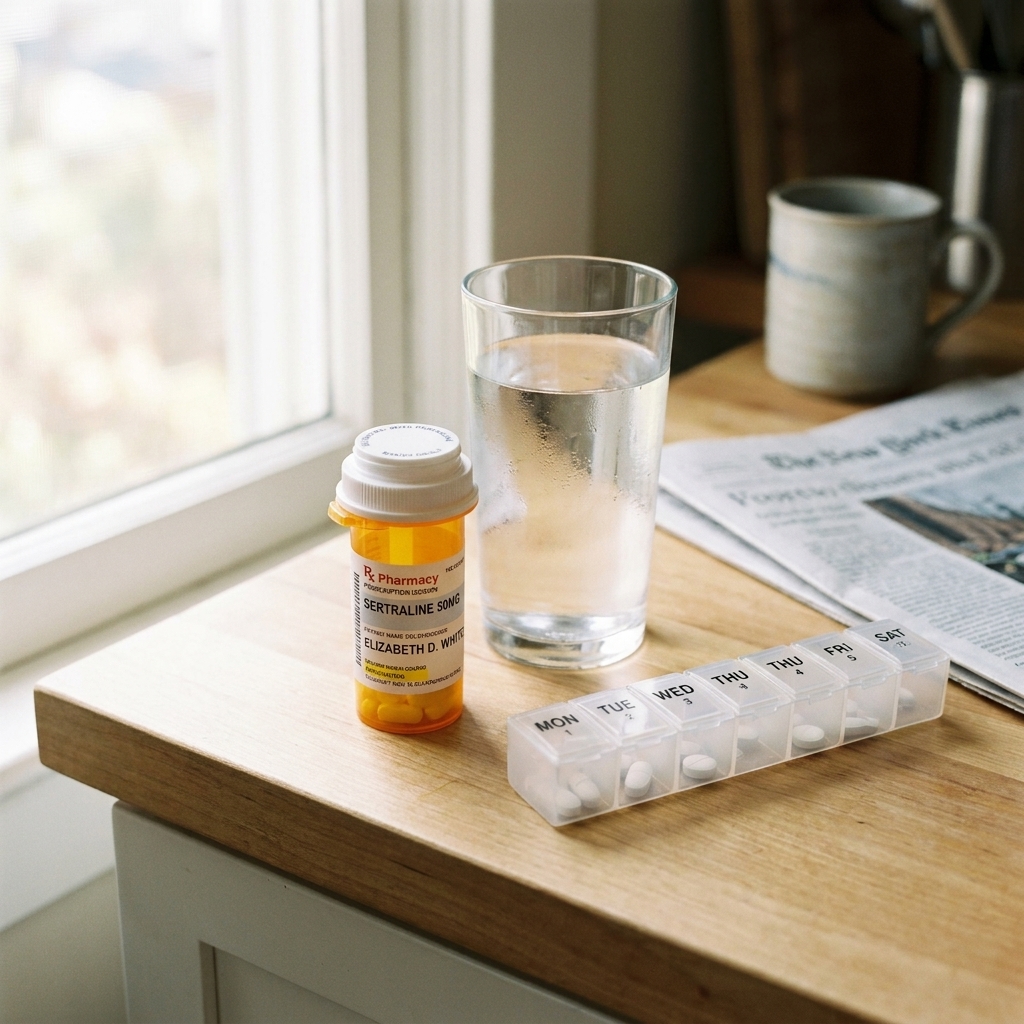
- SSRIs and SNRIs: Common first-line options for generalized anxiety and panic disorder. They are taken daily and typically take several weeks to show benefit.
- Buspirone: Sometimes used for generalized anxiety, taken daily.
- Beta blockers: Often used for physical performance anxiety (like public speaking). Sometimes used off-label to help with certain physical symptoms, but they are not typically a primary treatment for panic disorder.
- Benzodiazepines: Can reduce acute panic symptoms, but carry risks (sedation, dependence, rebound anxiety) and are generally used cautiously and selectively.
If you are pregnant, postpartum, or trying to conceive, tell your clinician. We can choose options with the best safety data for you and your baby.
Preventing panic attacks
Panic prevention is about reducing sensitivity to bodily sensations and shrinking avoidance patterns that keep the fear cycle alive. A quick summary of the cycle looks like this: a body sensation shows up, your brain labels it as dangerous, you escape or use safety behaviors, and that avoidance teaches your brain the sensation really was a threat. Exposure and skill practice reverse that learning over time.
Helpful strategies
- Track patterns without obsessing: Note sleep, caffeine, alcohol, stress, and timing. You are looking for clues, not perfection.
- Practice “safe discomfort”: With guidance from a therapist when possible, gently face feared sensations or situations so your brain relearns safety.
- Address avoidance: Avoiding driving, stores, exercise, or being alone can make panic feel bigger over time. Gradual re-entry helps.
- Strengthen recovery rituals: A short daily relaxation routine, regular movement, and consistent meals are surprisingly protective.
Panic is not dangerous, but it is convincing. Treatment is less about getting rid of every symptom and more about teaching your brain that symptoms are uncomfortable, not catastrophic.
Supporting someone else
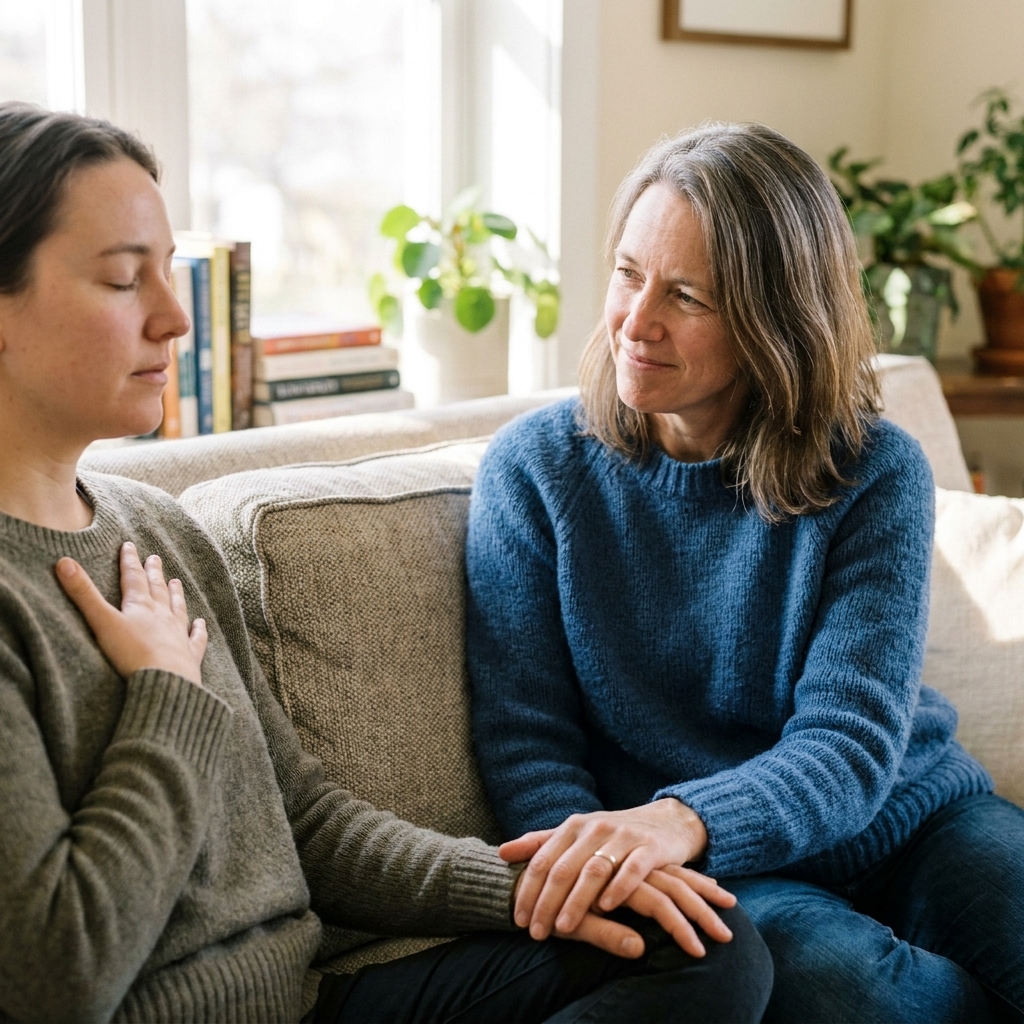
If someone you care about is anxious or panicking, your calm presence matters more than having the perfect words.
What helps
- Say: “I’m here. Let’s breathe slowly together.”
- Offer choices: “Do you want to sit, stand, or step outside?”
- Keep language simple and grounding: “You’re safe. This will pass.”
- Ask what has helped before, when they are calmer
What to avoid
- “Just calm down” or “You’re fine” (it can feel dismissive)
- Rapid-fire questions
- Arguing with the fear in the moment
FAQ
Can anxiety cause panic attacks?
Yes. Ongoing anxiety can raise your body’s baseline arousal, making panic attacks more likely, especially during periods of poor sleep, high stress, or heavy caffeine use.
Are panic attacks harmful to the heart?
Panic attacks can feel cardiac, but they do not typically damage a healthy heart. Still, panic can be risky indirectly, for example if it happens while driving, leads to a fall, or occurs in someone with certain medical vulnerabilities. Because chest pain and shortness of breath can also signal real medical problems, it is important to get evaluated if symptoms are new, severe, or concerning.
Why do I panic “for no reason”?
Sometimes the trigger is subtle: a body sensation (like a skipped heartbeat), a memory cue, a crowded environment, or stress building under the surface. With treatment, many people learn to identify patterns and reduce unexpected attacks.
What is the fastest way to stop a panic attack?
For most people, the fastest non-medication approach is slow, extended-exhale breathing plus grounding. Medication may be appropriate for some, but the best long-term strategy is therapy that reduces fear of the sensations themselves.
Should I see a doctor or a therapist?
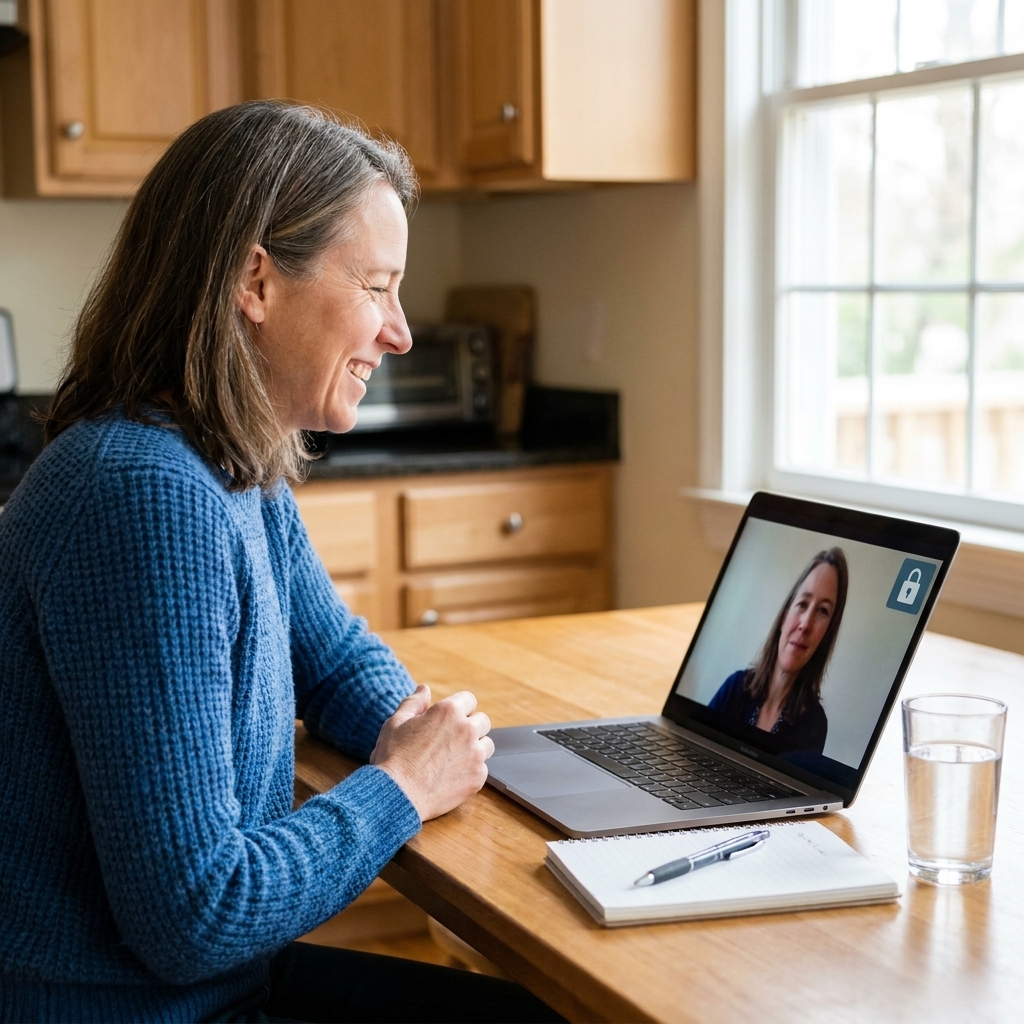
Often, both. A primary care clinician can help rule out medical contributors and discuss medication options. A therapist can teach skills that address the underlying fear cycle. If access is limited, start where you can, and build from there.
When to get help
Please reach out for support if anxiety or panic is affecting your sleep, relationships, school, work, parenting, or willingness to leave home. You deserve care before you hit a breaking point.
If you are in immediate danger, experiencing thoughts of self-harm, or feel unable to stay safe, seek emergency help right away. In the US, you can call or text 988 for the Suicide and Crisis Lifeline. If you are outside the US, use your local emergency number or a local crisis line.
With the right tools and support, most people see meaningful improvement. I have watched many patients go from feeling trapped by their symptoms to feeling steady and capable again. That is possible for you, too.