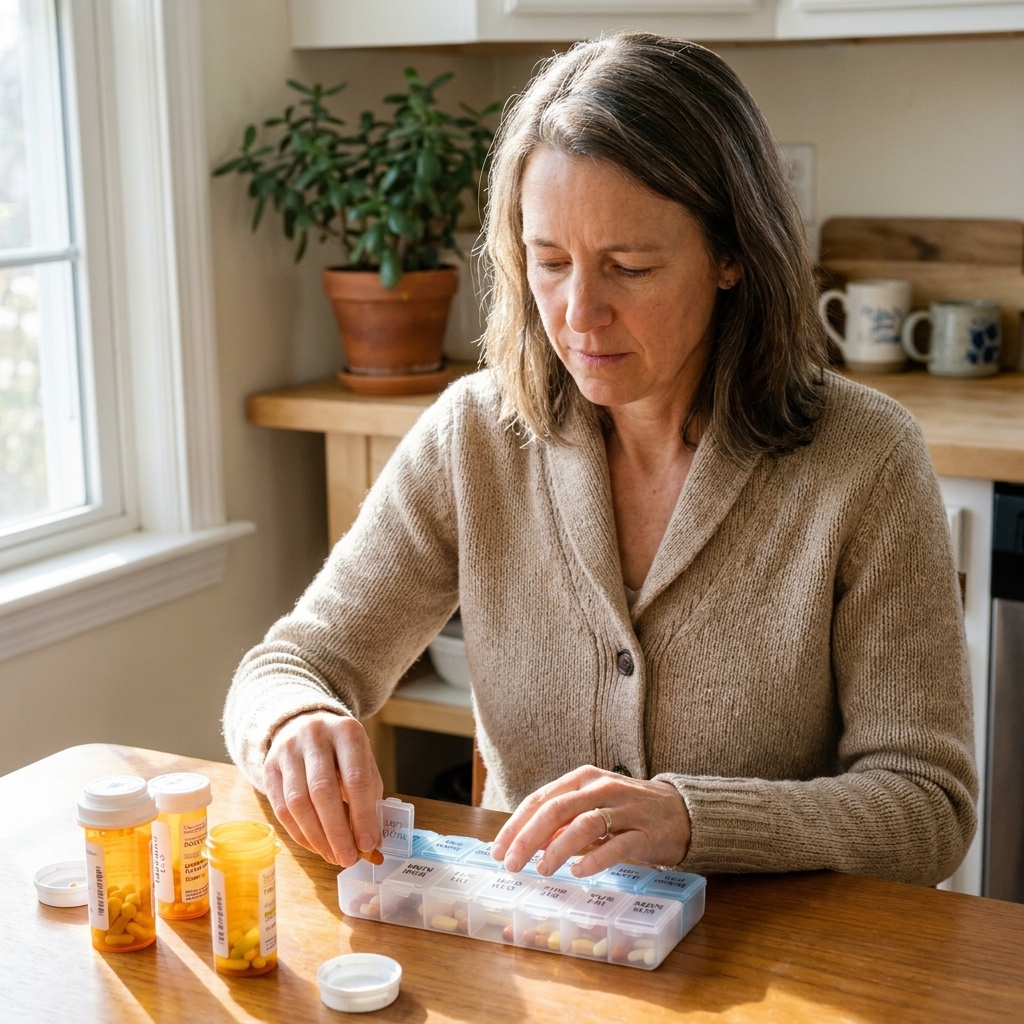
If you have a “just in case” bottle that’s been sitting in the back of the cabinet for years, you’re not alone. In clinic, I see this all the time. People hold onto old antibiotics , leftover pain pills after a procedure, or half-used cough syrups because it feels wasteful to toss them. But keeping expired or unneeded medications around can increase the risk of accidental poisoning, misuse, and confusion during an emergency.
The good news is that safe disposal is very doable at home, and in many areas it is easier than ever to use a take-back option. Here’s how to do a quick, safe cleanout using widely used FDA recommendations and common community pharmacy guidance.
Why proper disposal matters
It helps to know what we’re trying to prevent. Proper disposal is about safety for your household and your community.
- Accidental poisoning: Kids, pets, and even adults can take the wrong medicine by mistake, especially if labels are faded or bottles look similar.
- Misuse and diversion: Leftover opioid pain medications, sedatives, and stimulants are common targets for misuse, including by visitors to the home.
- Medication errors: In a stressful moment, it’s easy to grab an old prescription instead of the current one.
- Environmental harm: Disposing of medications carelessly (like leaving loose pills accessible or flushing medicines that are not on the recommended list) can increase the chance they end up where they should not. When take-back is available, it is usually the cleanest and safest route.
Step 1: Sort with a safety check
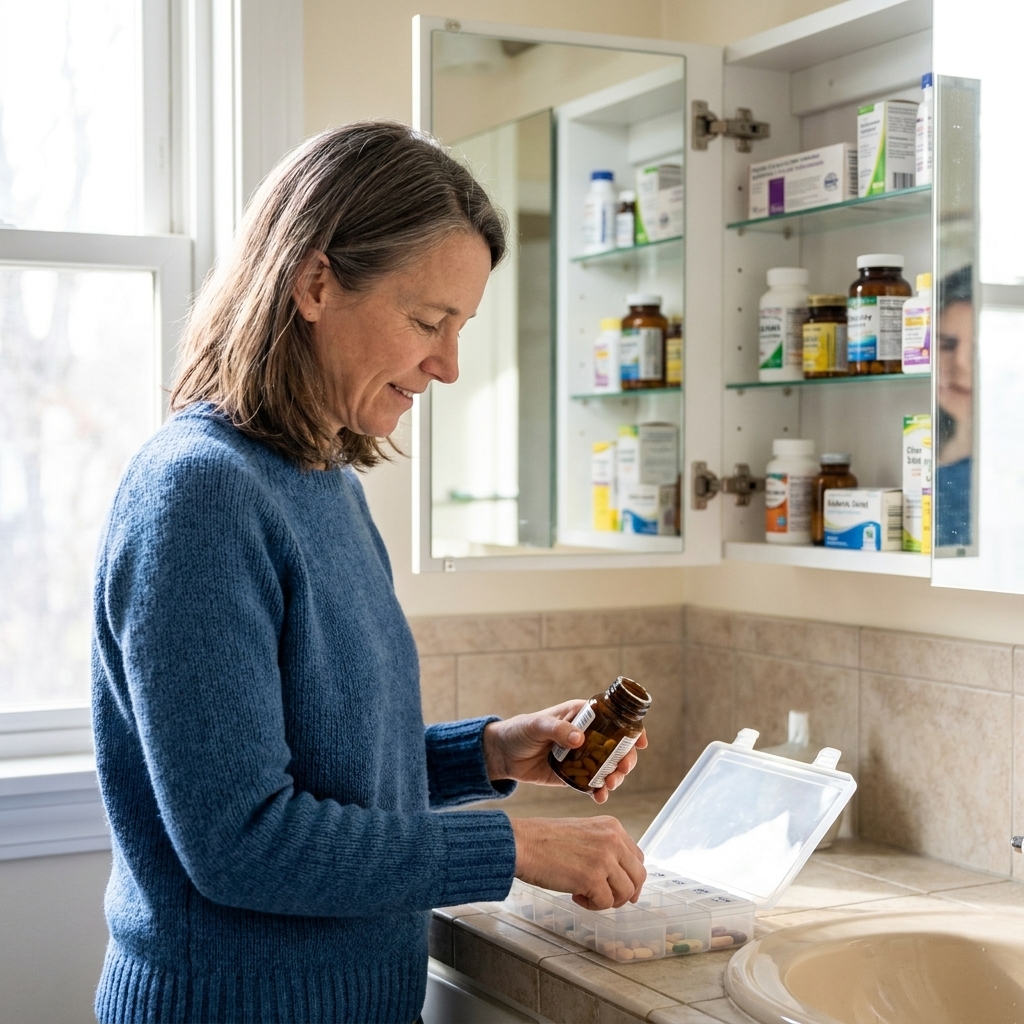
Set aside 10 to 15 minutes with good lighting. I suggest placing everything on a towel on the counter so you can see what you have.
What to pull from your cabinet
- Anything past its expiration date
- Medications you no longer take (dose changed, switched prescriptions, symptoms resolved)
- Unlabeled containers or pills not in their original bottle
- Leftover short courses from an old illness (for example, antibiotics, prednisone tapers, or “burst” steroid packs)
- Old topical creams and eye drops (these can degrade or become contaminated)
What to keep (with a quick review)
- Current daily prescriptions that match your current medication list
- Rescue medications you actively use, such as an inhaler or epinephrine auto-injector (check expiration dates)
- OTC basics you use and are not expired (acetaminophen, ibuprofen, allergy meds), stored safely out of reach
If you’re unsure whether a medication is still appropriate to keep: call your pharmacist. It’s one of the most underused, high-value healthcare resources.
Best option: Use take-back
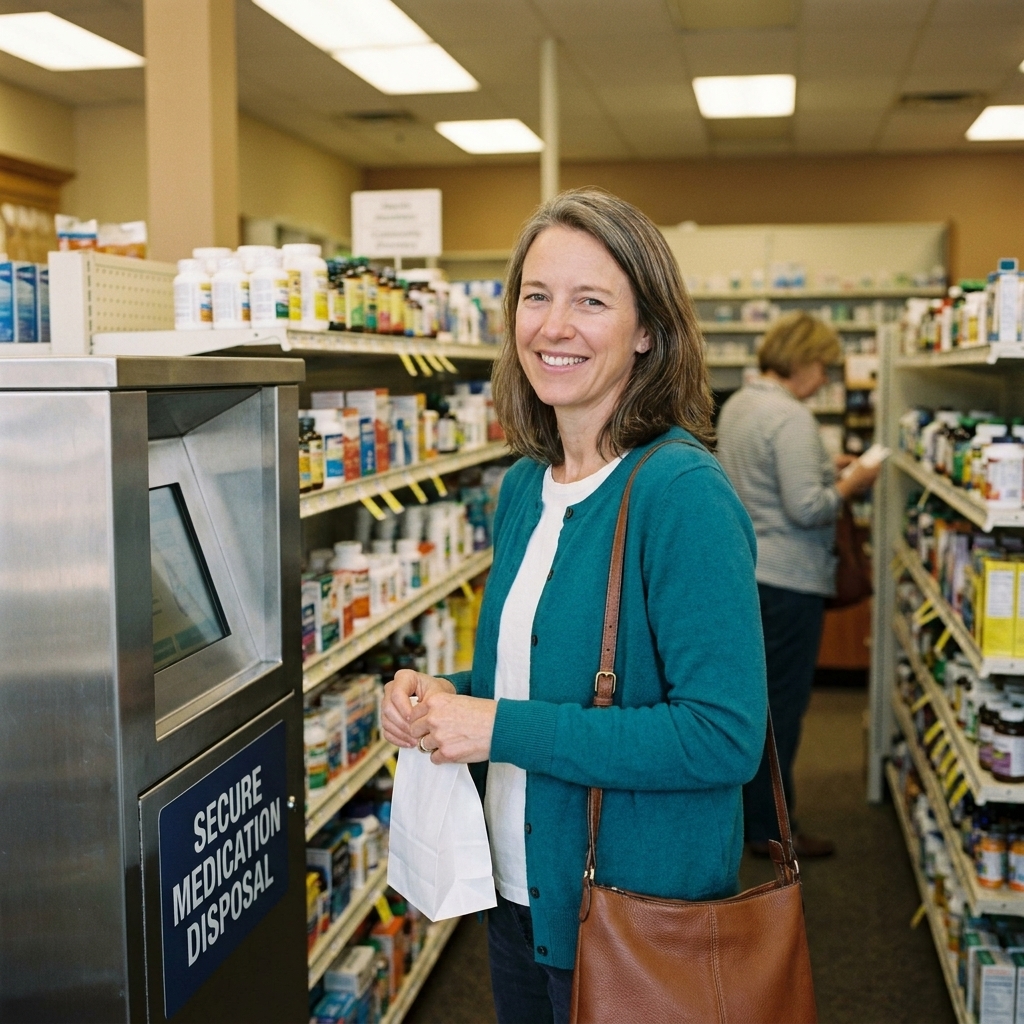
Whenever possible, take-back is the safest and most reliable way to dispose of unused or expired medications. It reduces the risk of accidental exposure at home and helps keep medications out of the wrong hands.
Where to look
- Pharmacy take-back kiosks: Many retail and hospital pharmacies have secure drop boxes.
- Law enforcement drop boxes: Some police stations and sheriff’s offices host permanent medication drop sites.
- Community take-back events: Many areas host periodic drop-off days, sometimes in partnership with local health departments.
- Official locators: In the U.S., you can use DEA controlled substance public disposal location tools or check your local health department website for current options.
Before you go: rules vary by site. Many programs allow medications in their original containers or in a sealed bag, but may not accept certain items (like sharps, aerosols, thermometers, or some chemotherapy drugs). If you have liquids, inhalers, or anything unusual, check the site’s guidance or call ahead.
At-home option: Use the trash safely
If you do not have access to a take-back program, you can dispose of many medications in the household trash with a few protective steps. The goal is to make the medication unappealing and unrecognizable, and to protect personal information.
How to do it (step-by-step)
- Keep the meds in their original container until you’re ready to discard so you don’t mix anything up.
- Remove personal information from the prescription label. Scratch it out or peel it off if possible.
- Mix the medication with an undesirable substance in a sealable bag or container. Good options include used coffee grounds, kitty litter, or dirt. Do not crush tablets or try to dissolve them. Just mix them in so they are less tempting and harder to recognize.
- Seal it tightly (zip-top bag or a container with a lid).
- Place it in the trash close to pickup time, not days ahead.
What not to do: Do not crush tablets that can become airborne. Do not dump loose pills straight into the trash where a child, pet, or someone rummaging could find them.
Disposal pouches and activated charcoal products
Some stores sell medication disposal pouches that use activated charcoal to bind the medication when you add water. They can be a helpful option if you are frequently managing medications for a family member. Follow the product instructions carefully, then discard the sealed pouch in the trash.
When is flushing appropriate?
Flushing is not the standard recommendation for most medications. However, the FDA maintains a specific list of medicines where flushing is recommended when no take-back option is readily available. This is typically reserved for a small group of high-risk medications where accidental exposure, especially in children, can be rapidly fatal.
Examples of medications that may be on this list include certain strong opioid pain medicines and a few other high-potency, high-risk drugs. The exact list changes over time, so it is worth checking the FDA guidance rather than guessing.
How to use flush guidance
- Check whether your medication is on the FDA “flush list.” If it is, flushing may be the safer choice when take-back is not an option.
- If it is not on the flush list: use a take-back program or the trash method described above.
- If you are uncertain: ask your pharmacist before flushing.
I know flushing can feel uncomfortable from an environmental perspective. The reason it is sometimes advised is that the immediate risk of severe poisoning can outweigh the potential environmental impact for those specific medications.
Special situations
Needles and injectable medications
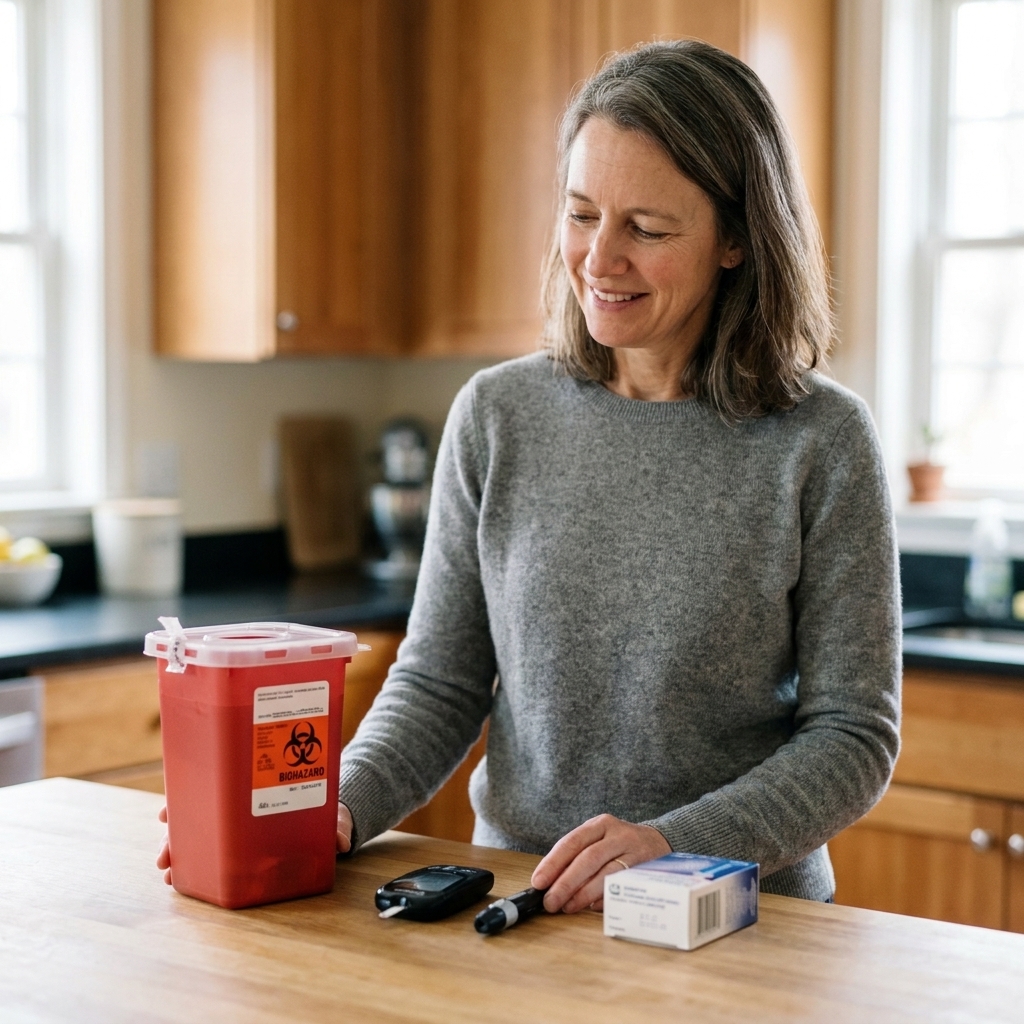
Needles, syringes, lancets, and pen needles should go into a sharps container. If you do not have one, use a thick, puncture-resistant plastic container with a tight lid (like a heavy detergent bottle). Seal it well and follow your local rules for disposal. Do not place loose sharps in the trash or recycling.
Donating unused medications
In most cases, no. Many medications cannot be accepted due to safety and storage requirements. Some states and organizations have specific medication donation programs (often for unopened, properly stored supplies), but you should confirm the rules locally.
Liquids, creams, and inhalers
- Liquids: If take-back is not available, mix with an undesirable substance (kitty litter, coffee grounds) in a sealable container before trashing.
- Creams and ointments: Keep in the tube, seal in a bag, and discard in the trash if take-back is not available.
- Inhalers: Many are pressurized and should not be punctured or burned. Check local waste guidance. Some pharmacies or household hazardous waste programs accept them.
Quick cleanout checklist
- Set a timer for 15 minutes and gather all meds into one spot
- Separate: current, expired, unused, and “not sure”
- Prioritize take-back for controlled substances and anything high-risk
- Use the trash method for most other meds when take-back is not available
- Only flush if the medication is specifically on the FDA flush list and you have no take-back option
- Remove or cover personal information on labels
- Store current meds locked or out of sight and reach, especially with kids or teens at home
My preventive-care tip: Put a recurring reminder on your calendar every 6 months to do a quick check. Many families prefer to do it when they change smoke alarm batteries or when daylight saving time shifts.
When to call for help
If a child, pet, or anyone in your home may have swallowed medication unexpectedly, call your local emergency number right away for severe symptoms (trouble breathing, seizures, unconsciousness). For urgent guidance in the U.S., you can also contact Poison Control at 1-800-222-1222. If you are outside the U.S., look up your country’s poison control or emergency number and keep it saved in your phone.
Clearing out medications can feel like a small chore, but it is one of those quiet, powerful safety steps that protects your home. If you want, bring your medication list to your next appointment or ask your pharmacist for a “brown bag review.” You deserve a setup that feels simple, current, and safe.