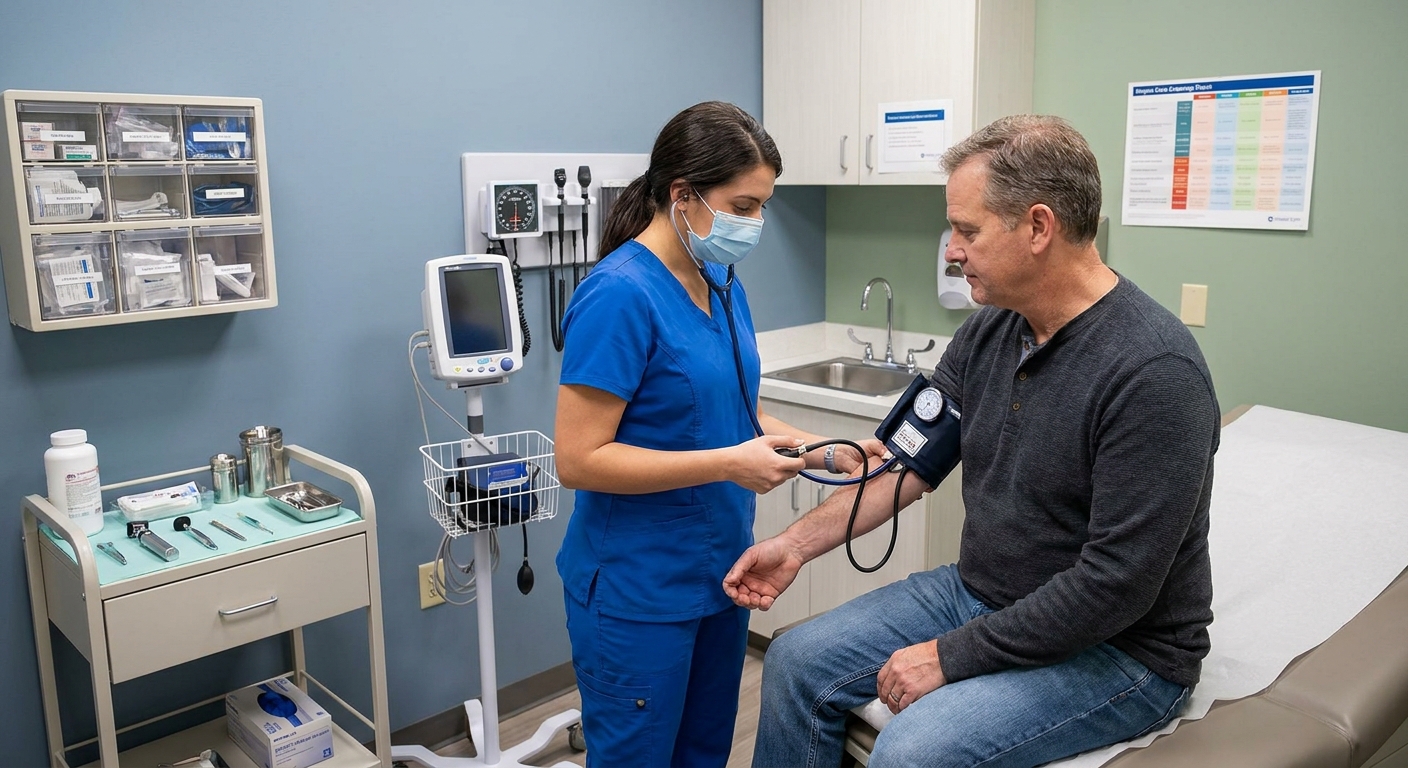
Kidney stones are one of those health problems that can start as a vague backache and quickly turn into unforgettable pain. The good news is that many stones pass on their own with the right support and close attention to warning signs. The downside is that certain symptoms mean it is no longer safe to “wait it out.”
Below, I will walk you through what kidney stones are, why they form, what symptoms usually feel like from start to finish, what you can do at home to manage pain and help a stone pass, and exactly when you should head to urgent care or the emergency room.
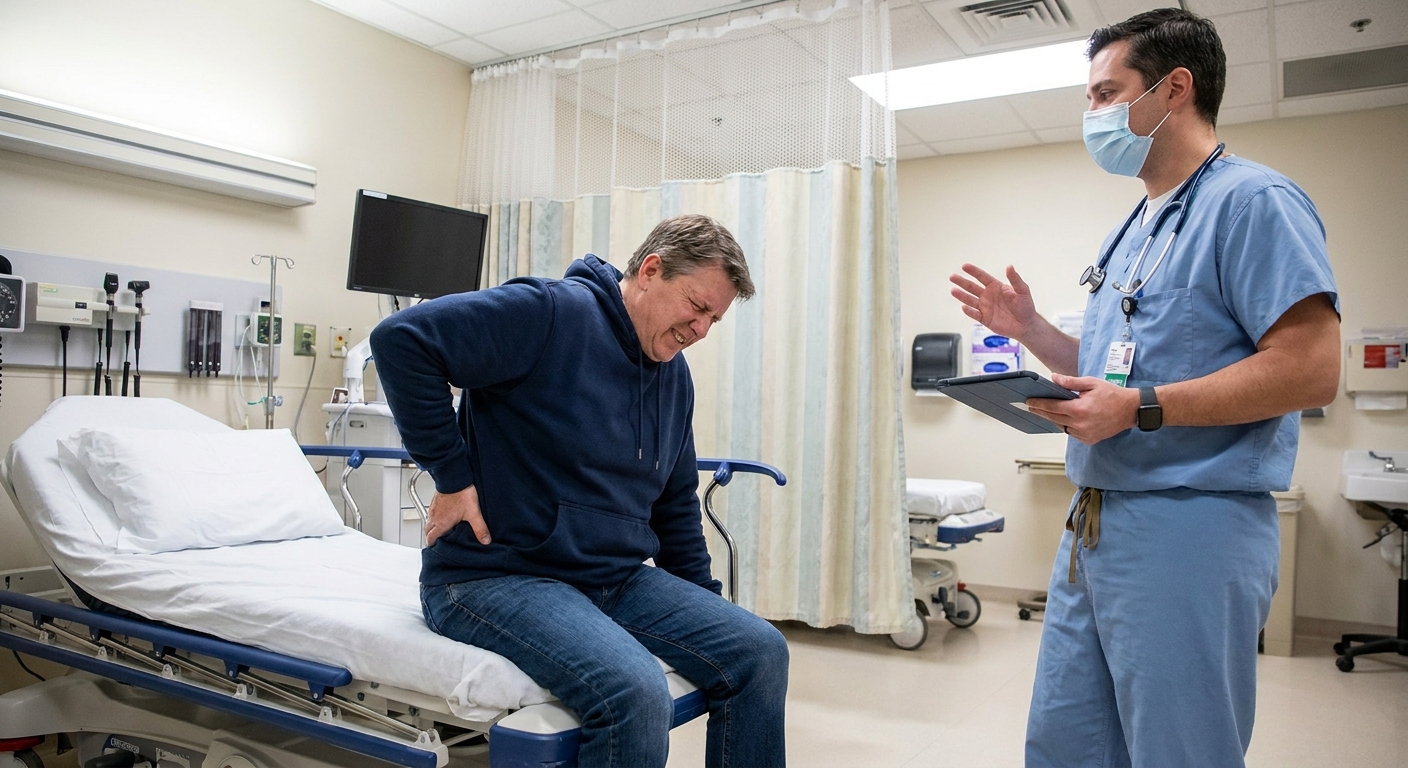
What kidney stones are
A kidney stone is a hard deposit made from minerals and salts that clump together in the urine. Think of it like a crystal that forms when the urine becomes too concentrated or when certain minerals are present in higher amounts than your body can keep dissolved.
Stones can stay in the kidney or move into the ureter, the narrow tube that carries urine from the kidney to the bladder. Most of the severe pain people associate with stones happens when a stone enters the ureter and causes spasm, irritation, and sometimes a blockage.
Common types of stones
- Calcium oxalate stones (most common): Often related to dehydration, diet patterns, and individual risk factors.
- Calcium phosphate stones: Sometimes associated with certain metabolic conditions or higher urine pH.
- Uric acid stones: More likely with low urine pH, dehydration, gout, or diets high in purines (like organ meats and some seafood).
- Struvite stones: Often linked to urinary tract infections with specific bacteria; these can grow quickly.
- Cystine stones: Rare, due to an inherited condition that causes cystine to leak into urine.
How kidney stones form
Your kidneys filter waste and balance fluid. Urine carries away extra minerals and substances. When you are dehydrated or your urine chemistry is “just right” for crystals to form, those crystals can stick together and grow.
Risk factors that make stones more likely
- Not drinking enough fluids, especially in hot climates or with heavy sweating
- Past kidney stones or a family history of stones
- High sodium intake (salt increases calcium in urine)
- High oxalate intake in some people (spinach, beets, nuts, rhubarb, wheat bran) paired with low calcium intake
- Obesity and metabolic syndrome
- Recurrent UTIs (especially for struvite stones)
- Some medications (examples include certain diuretics, topiramate, and high-dose vitamin C in some cases)
- Digestive conditions that change absorption (inflammatory bowel disease, malabsorption, some bariatric surgeries)
If you have had a stone before, it is worth asking your healthcare professional about stone analysis (testing the passed stone) and a metabolic workup, because prevention can be very personalized.
Symptom timeline
Not every kidney stone causes symptoms. A small stone can sit quietly in the kidney for a long time. Symptoms often begin once the stone moves and irritates or blocks the ureter.
Early signs
- Dull ache in the flank (the side of your back, below the ribs)
- Intermittent discomfort that comes and goes
- Mild nausea or feeling “off”
Classic kidney stone pain
This is typically:
- Sudden and severe, often described as one of the worst pains someone has had
- Waves of pain, driven in part by ureteral spasm around the stone
- Usually one-sided, in the back or flank, and it can wrap toward the abdomen
- Often hard to get comfortable, with constant shifting or pacing
As the stone moves down
The location of pain often “travels”:
- From the flank to the side of the abdomen
- Then toward the lower abdomen or groin
- Sometimes into the testicle or labia
Urinary symptoms
- Blood in the urine (pink, red, tea-colored, or only seen on a lab test)
- Burning with urination
- Urgency or frequency (especially as the stone approaches the bladder)
- Cloudy or foul-smelling urine can happen, but raises concern for infection
When symptoms suggest a bigger problem
Fever, chills, faintness, severe weakness, or trouble keeping fluids down are not “normal” stone symptoms and should raise your urgency. I cover the specific emergency warning signs below.
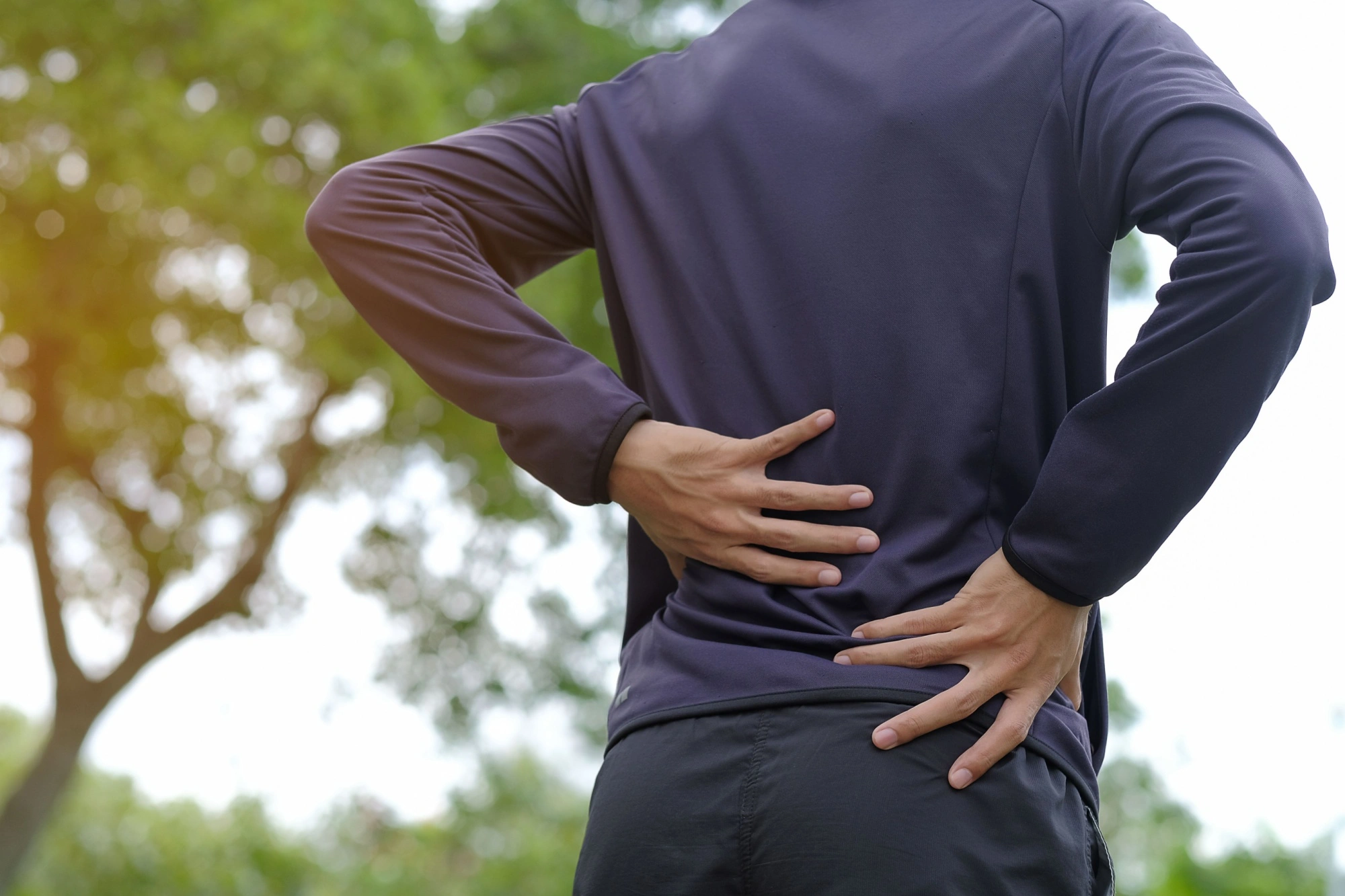
Passing odds by size
One quick reality check that can help you plan: the chance of passing a stone depends a lot on its size and where it is in the ureter.
- 5 mm or smaller: often pass on their own.
- About 5 to 10 mm: may pass, but the odds drop, and medical expulsive therapy or a procedure is more commonly needed.
- Larger than 10 mm: less likely to pass without help.
Your provider can estimate your likelihood of passage after imaging and help you decide how long it is reasonable to try home management before switching to a procedure.
At-home passing tips
If you have stone-like symptoms, the safest approach is to get evaluated first if your pain is severe, you have any fever, you are pregnant, you have a single kidney, you are immunocompromised, or you have known kidney disease. For uncomplicated stones, home care is often appropriate with guidance and clear return precautions.
1) Hydration: steady, not extreme
Fluids help increase urine flow and can support passage, but forcing huge amounts in a short time can worsen nausea and does not reliably “flush” a stone out instantly.
- Aim for pale yellow urine.
- Take frequent small sips if you feel nauseated.
- Water is great. Citrus beverages can be helpful for some people because citrate may reduce stone formation, but this is more of a prevention strategy than an acute fix.
2) Pain control
Kidney stone pain is not just intense, it is often driven by inflammation and ureteral spasm. Many people get the best relief from anti-inflammatory medication when it is safe for them.
- NSAIDs like ibuprofen or naproxen are often effective because they reduce ureter inflammation and pain. Do not use NSAIDs if a provider has told you to avoid them (kidney disease, certain ulcers or bleeding risks, pregnancy in later trimesters, and other situations). Use extra caution if you take anticoagulants or antiplatelet medications or have a history of GI bleeding, since NSAIDs can increase bleeding risk.
- Acetaminophen can be an alternative if NSAIDs are not safe for you. Be careful not to exceed the daily maximum from all sources.
- Prescription options may be needed for severe pain. If you cannot control pain at home, that alone is a reason to seek urgent evaluation.
3) Nausea support
- Stick to bland foods if you are hungry.
- Hydrate in small amounts frequently.
- If vomiting is persistent, you may need prescription anti-nausea medication or IV fluids.
4) Heat and positioning
A heating pad or warm shower can relax muscles and take the edge off. Some people find relief lying on the painful side, others prefer the opposite. There is no one “right” position.
5) Strain your urine
If you can, urinate through a strainer or into a clean container with a fine mesh. If you catch the stone, bring it to your provider. Knowing the stone type helps tailor prevention so you are not stuck in a repeat cycle.
6) Ask about medical expulsive therapy
For some ureteral stones, clinicians prescribe an alpha-blocker such as tamsulosin to relax the ureter and improve the chance of passage. Evidence is strongest for distal ureteral stones (closer to the bladder) around 5 to 10 mm. It tends to be less helpful for very small stones that would likely pass anyway, and it is not right for everyone, so it is a conversation to have after evaluation.
If your pain is escalating despite home care, do not white-knuckle it. Severe pain can be a sign of obstruction, and you deserve relief and a clear plan.
One more reminder because it matters: fever with suspected kidney stone symptoms is an emergency until proven otherwise.
What to expect in diagnosis
If you go to urgent care or the emergency department, the goal is to confirm the diagnosis, control pain and nausea, and make sure you do not have dangerous obstruction or infection.
Typical evaluation
- History and exam: Pain pattern, urinary symptoms, prior stones, fever, pregnancy risk
- Urinalysis: Looks for blood, signs of infection, urine pH, crystals
- Blood tests (often): Kidney function, infection markers, electrolytes
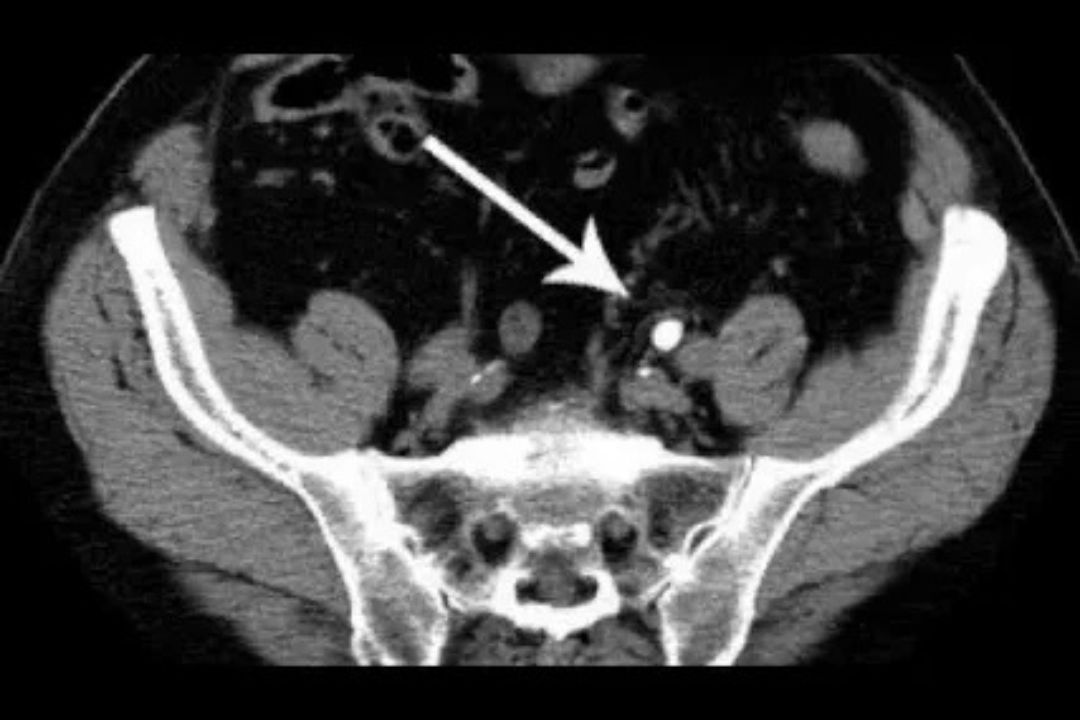
- Imaging: A non-contrast CT scan is very accurate for stones. Ultrasound is sometimes used first, especially during pregnancy or to reduce radiation exposure.
Treatment options
Treatment depends mainly on stone size, location, degree of blockage, and whether there is infection or reduced kidney function.
If the stone is likely to pass
- Pain control and anti-nausea medication
- Hydration guidance
- Possibly tamsulosin or similar medication
- Clear return precautions and follow-up
If the stone is too large or not moving
Common procedures include:
- Shock wave lithotripsy: Uses sound waves to break the stone into smaller pieces so you can pass them.
- Ureteroscopy: A small scope is passed through the urethra and bladder into the ureter to remove or break up the stone.
- Percutaneous nephrolithotomy: For very large stones, a procedure through a small incision in the back to remove the stone.
If there is infection plus obstruction
This is an emergency because infected urine trapped behind a blockage can lead to sepsis. Treatment usually includes IV antibiotics and a procedure to drain the kidney (stent or nephrostomy tube) before definitive stone removal.
When to go to the ER
If you remember one part of this article, let it be this. Go to the emergency room now, or call your local emergency number, if you have suspected kidney stone symptoms plus any of the following:
- Fever (especially 100.4°F / 38°C or higher) or chills
- Signs of infection: feeling acutely ill, confusion, rapid heart rate, shaking chills
- Unable to keep fluids down due to persistent vomiting
- Uncontrolled pain despite recommended doses of home medication
- Difficulty urinating, very little urine output, or you cannot urinate at all (this is less typical for a one-sided stone and can signal severe obstruction, dehydration, bladder outlet problems, or another urgent condition)
- Known kidney disease, a single kidney, or a kidney transplant
- Pregnancy
- Blood in urine with clots or heavy bleeding
- Severe weakness, fainting, or shortness of breath
If you are unsure, err on the side of being seen. Kidney stones can look like other urgent problems, too, like appendicitis, ovarian torsion, diverticulitis, or an abdominal aortic aneurysm in high-risk individuals.
How long does it take to pass?
It varies. Some stones pass within hours to a couple of days. Others take weeks. In general, smaller stones and stones located closer to the bladder tend to pass more easily. Your provider may recommend a follow-up plan to confirm the stone has passed, especially if you continue to have symptoms.
If you have ongoing pain, recurrent ER visits, rising creatinine, or hydronephrosis (swelling of the kidney seen on imaging), waiting too long can risk kidney injury. This risk is highest with persistent obstruction (especially complete obstruction), infection, or in people with a solitary kidney or chronic kidney disease. This is why follow-up matters, even when you are managing at home.
Prevention basics
After a stone, prevention can feel empowering because it is often very doable. Your exact plan should depend on the stone type and your urine studies, but these are solid starting points for many adults:
- Hydrate consistently: Many stone formers aim for enough fluid to produce about 2 to 2.5 liters of urine per day.
- Reduce sodium: High salt intake increases urinary calcium.
- Do not slash dietary calcium without guidance: For calcium oxalate stones, getting calcium from food can actually help by binding oxalate in the gut.
- Be thoughtful with supplements: Some people may need to avoid high-dose vitamin C supplements and discuss calcium supplements timing and dose with their provider.
- Moderate animal protein if advised: Can affect urine acidity and stone risk.
- Ask about citrate: Some people benefit from dietary citrate (citrus) or prescription potassium citrate.
Frequently asked questions
Can I pass a kidney stone without pain?
Yes. Some small stones pass with minimal symptoms, especially if they do not significantly irritate or block the ureter. Many, however, do cause pain.
Is cranberry juice good for kidney stones?
Cranberry is often discussed for urinary health, but it is not a proven treatment for passing a stone. For prevention, the advice depends on stone type. If you form calcium oxalate stones, cranberry products may increase urinary oxalate in some people and in some preparations. Ask your provider before using it as a strategy.
Does beer or alcohol help pass a stone?
Alcohol is not a recommended treatment. While any fluid can increase urine output, alcohol can also dehydrate you and worsen nausea, which is not what you need during an acute stone episode.
Should I take antibiotics for a kidney stone?
Not unless you have a confirmed or strongly suspected infection. Antibiotics do not dissolve stones. If you have fever, chills, or urine tests suggesting infection, you need urgent evaluation.
What does it mean if I have blood in my urine?
Blood in urine is common with stones because they can scrape the urinary tract. But blood in urine can also come from infection, kidney disease, or other conditions. If you have heavy bleeding, clots, or you feel faint, seek urgent care.
A final word
Kidney stones are common, painful, and often manageable. Your job is not to be tough. Your job is to stay hydrated, control pain safely, watch for red flags, and follow up so you know the stone has truly passed and you are not quietly obstructed.
If you are unsure whether your symptoms can be managed at home, call your provider or a nurse advice line, or get evaluated at urgent care or the ER. When it comes to fever, uncontrolled pain, or signs of obstruction, it is always better to be seen sooner.