If you ever stand up and suddenly feel lightheaded, woozy, or like your vision “grays out,” you are not alone. In clinic, patients often describe it as a quick wave that passes in a few seconds, but it can be unsettling and sometimes dangerous if it leads to a fall.
For example, a healthy 20-something might feel fine lying in bed, then get up quickly and suddenly feel their heart race and their vision narrow. An older adult on blood pressure medication might notice the same thing after a hot shower. The sensation is similar, but the causes can be different.
Most of the time, this symptom has a fixable cause. Below are seven common reasons dizziness hits when you stand, what is happening inside your body, what you can try at home first, and the red flags that should prompt same-day or urgent medical care.

First, a quick safety reset
If you feel dizzy right now:
- Sit back down immediately or lie down with your legs slightly elevated.
- Hold onto something stable before trying to walk.
- Take slow breaths and wait until the wave passes.
- Do not drive if you are actively dizzy.
Then, once you are steady, use the sections below to narrow down what fits best.
Why standing up can make you dizzy
When you stand, gravity pulls blood toward your legs and your abdomen (splanchnic circulation). Your body is supposed to respond quickly by tightening blood vessels and slightly increasing heart rate, keeping blood flowing to your brain. If that response is delayed, your blood volume is low, or oxygen delivery is reduced, you can feel lightheaded.
Common triggers include standing up quickly, heat exposure (hot weather or hot showers), dehydration, and being run down after an illness.
Cause 1: Orthostatic hypotension
What’s happening
Orthostatic hypotension means your blood pressure drops when you move from lying or sitting to standing. Your brain briefly gets less blood flow, and you may notice dizziness, blurred vision, weakness, or “seeing stars.”
Clinically, it is often defined as a drop of at least 20 mmHg systolic or 10 mmHg diastolic within 3 minutes of standing.
This is especially common with dehydration, after illness, with prolonged bed rest, during pregnancy, and in older adults. It can also be related to nervous system conditions (less common, but important to consider if symptoms are persistent).
What to try first
- Change positions slowly. Before standing, sit on the edge of the bed for 30 to 60 seconds.
- Do ankle pumps and leg squeezes. Flex your feet, tense calves and thighs, or march in place before you stand to help push blood upward.
- Hydrate consistently. Aim for pale-yellow urine unless your clinician has you on fluid restriction.
- Consider compression stockings (knee-high or thigh-high) if symptoms are frequent, especially if you stand for long periods.
- Smaller, regular meals. Large carb-heavy meals can worsen post-meal blood pressure drops for some people.
When to get checked soon
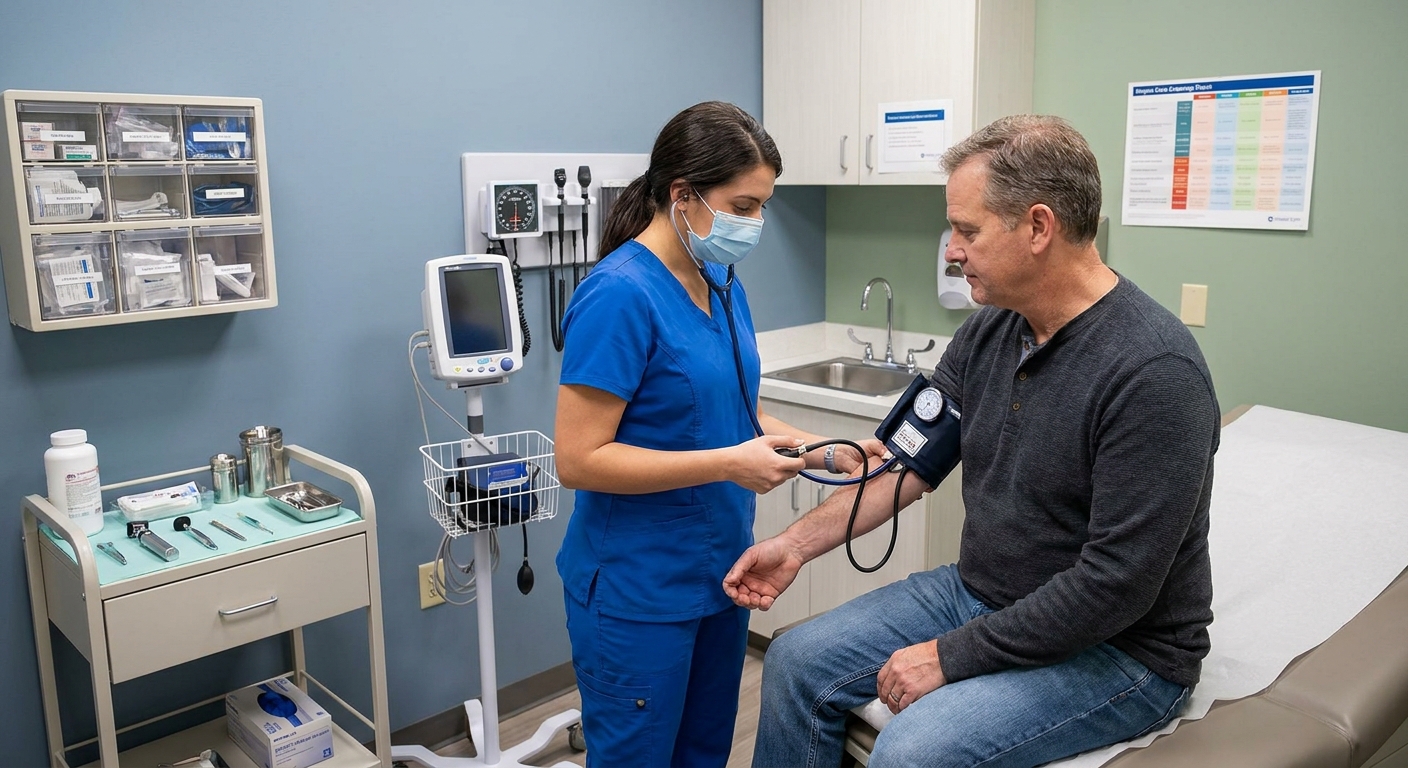
Make a same-week appointment if this is happening often, causing near-fainting, or starting after a new diagnosis or medication change. Your clinician can check orthostatic vitals (blood pressure and pulse lying, sitting, standing) and review triggers.
Cause 2: POTS and orthostatic intolerance
What’s happening
POTS (postural orthostatic tachycardia syndrome) is a type of orthostatic intolerance where standing causes an exaggerated heart rate increase, and symptoms can include lightheadedness, palpitations, shakiness, brain fog, fatigue, and exercise intolerance. Blood pressure may be normal, low, or sometimes fluctuate.
POTS is often seen in adolescents and younger adults, and it can start or worsen after a viral illness, during periods of deconditioning, or alongside hypermobility or autoimmune conditions.
What to try first
- Stand in stages. Lie to sit, pause, then stand.
- Hydrate and fuel steadily. Regular fluids and balanced meals can reduce symptoms. Ask your clinician whether increasing sodium is appropriate for you.
- Use physical counter-maneuvers. Calf squeezes, crossing legs, or tensing thighs can help during a wave of symptoms.
- Build back conditioning gradually. Many people do better with recumbent exercise at first (bike, rowing, swimming), then slowly progress.
When to get checked soon
If you have frequent symptoms with a racing heart on standing, poor exercise tolerance, or symptoms that persist beyond a couple of weeks, schedule an evaluation. POTS is diagnosable, and treatment is real and often effective.
Cause 3: Dehydration or low sodium
What’s happening
If you do not have enough fluid in your bloodstream, your circulating volume is lower, so your blood pressure is more likely to drop on standing. Dehydration can happen from hot weather, heavy sweating, fever, diarrhea, vomiting, not drinking enough, or overuse of diuretics.
In some people, especially those with orthostatic intolerance, a very low sodium intake can also worsen symptoms. This is highly individual and depends on your health conditions.
What to try first
- Rehydrate steadily. Water is great. If you have been sweating or have stomach illness, an oral rehydration solution can work better than plain water.
- Front-load fluids earlier in the day if mornings are worst, while still meeting your daily needs. If nighttime urination is a problem, shift more fluids to earlier hours rather than cutting total intake.
- Limit alcohol and be cautious with excess caffeine if it worsens symptoms.
- Talk to your clinician before increasing salt if you have high blood pressure, heart failure, kidney disease, or are pregnant.

Cause 4: Medication effects
What’s happening
Many medications can make standing dizziness more likely by lowering blood pressure, changing heart rate, or causing dehydration. Common culprits include:
- Blood pressure medications (including diuretics, alpha blockers, some beta blockers)
- Nitrates used for chest pain
- Some antidepressants (notably tricyclics, and sometimes SNRIs or others depending on dose and individual response)
- Medications for prostate symptoms
- Sleep aids and sedatives
- Some Parkinson’s medications
What to try first
- Do not stop a prescription suddenly. Instead, document the pattern: when you take the med, when dizziness hits, and your home blood pressure if you track it.
- Stand slowly and avoid hot showers or saunas right after dosing if that is a trigger.
- Ask about timing changes (for example, taking a medication at night) or dose adjustments, but only with clinician guidance.
- Bring all medications and supplements to your next visit. Over-the-counter products can contribute too.
When to call the same day
If you recently started or increased a medication and now you are nearly fainting, falling, or your home blood pressure is repeatedly very low, call your prescribing clinician promptly.
Cause 5: Anemia
What’s happening
Anemia means your blood cannot carry oxygen as efficiently. When you stand, your body needs quick cardiovascular adjustments, and anemia can make that transition feel harder. You might also notice fatigue, shortness of breath with activity, paleness, headaches, or a racing heart.
Common causes include heavy menstrual bleeding, iron deficiency, pregnancy, gastrointestinal blood loss, chronic illness, and vitamin deficiencies (such as B12 or folate).
What to try first
- Do not self-diagnose with iron supplements long-term. Iron can cause constipation and can be harmful if you do not need it.
- Prioritize iron-rich foods while you arrange evaluation: lean meats, beans, lentils, tofu, spinach, fortified cereals.
- Pair plant-based iron with vitamin C (citrus, bell peppers, strawberries) to improve absorption.
When to seek prompt evaluation
Arrange an appointment soon if dizziness comes with ongoing fatigue, shortness of breath, or heavy periods. Seek urgent care if you suspect bleeding (black stools, vomiting blood, or sudden severe weakness).
Cause 6: Inner ear problems
What’s happening
Not all “dizziness” is from blood pressure. The inner ear helps your brain understand balance. If it is irritated or malfunctioning, you can feel spinning (vertigo), tilting, or unsteadiness. Standing up may trigger symptoms simply because you are changing head and body position.
Common vestibular causes include benign paroxysmal positional vertigo (BPPV), vestibular neuritis, labyrinthitis (more likely to include hearing symptoms), and migraine-related vertigo. People often report spinning that lasts seconds to minutes, nausea, and symptoms triggered by turning over in bed or looking up.
What to try first
- Describe the sensation precisely. Spinning (vertigo) suggests inner ear more than blood pressure. Lightheadedness or “about to faint” suggests circulation issues.
- Move your head slowly and use a handrail when standing.
- If you suspect BPPV, ask a clinician about diagnosis and in-office repositioning maneuvers. These are very effective when BPPV is the cause.
- Hydrate and rest if symptoms started with a recent virus.

Cause 7: Heart rhythm issues
What’s happening
If your heart is beating too fast, too slow, or irregularly, it may not pump blood effectively when you change positions. That can cause sudden lightheadedness, near-fainting, chest discomfort, shortness of breath, or palpitations (a fluttering or pounding sensation).
Some rhythm problems are benign. Others require prompt evaluation, especially if symptoms are new, worsening, or associated with fainting.
What to try first
- Do not push through episodes. Sit or lie down and note what you feel: palpitations, chest pain, shortness of breath, duration.
- Check your pulse if you know how. Is it very fast, very slow, or irregular?
- Avoid stimulants that may worsen palpitations for some people (energy drinks, certain decongestants).
When to seek urgent care
Any dizziness with fainting, chest pain, shortness of breath, or a new irregular heartbeat should be evaluated urgently.
6 quick steps to try today
- Stand in stages: lie to sit, pause, then stand.
- Hydrate: sip fluids regularly, consider oral rehydration after sweating or illness.
- Eat lighter when needed: smaller meals, balanced protein and fiber, avoid large heavy meals if they trigger symptoms.
- Support circulation: calf squeezes, ankle pumps, consider compression stockings.
- Review meds and supplements: note timing and symptoms, call the prescriber before making changes.
- Prevent falls: use rails, avoid rushing to the bathroom at night, keep floors clear.
Red flags: get help today
Seek emergency care or urgent evaluation if dizziness on standing happens with:
- Fainting or repeated near-fainting
- Chest pain, pressure, or pain radiating to arm, jaw, or back
- Shortness of breath at rest or with minimal activity
- New weakness, numbness, facial droop, trouble speaking, confusion, or severe headache (stroke warning signs)
- Heart palpitations with severe symptoms or a history of heart disease
- Black or bloody stools, vomiting blood, or signs of significant bleeding
- Severe dehydration (very dark urine, inability to keep fluids down, minimal urination)
- Injury from a fall
A simple way to track it
If this keeps happening, a short symptom log can speed up diagnosis. For 3 to 7 days, jot down:
- Time of episode and what you were doing (getting out of bed, after shower, after meals, after exercise, heat exposure)
- How it felt (lightheaded vs spinning)
- How long it lasted
- Any associated symptoms (palpitations, nausea, headache)
- Fluid intake, alcohol, caffeine, and new medications
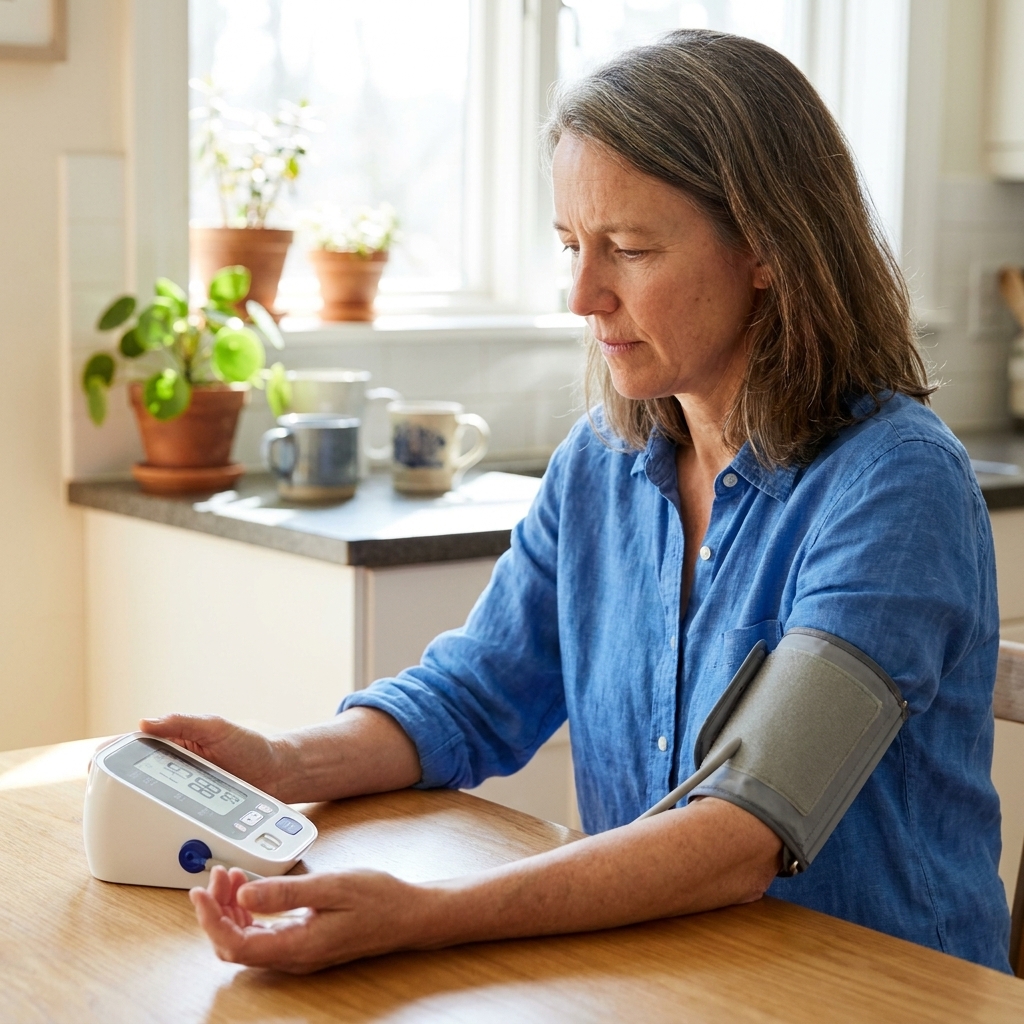
- Home blood pressure and pulse if you have a cuff
If it is safe for you to do so, you can also capture a simple home version of orthostatic vitals to bring in:
- Rest lying down for 5 minutes, then record BP and pulse
- Stand up and record again at 1 minute and 3 minutes
- Stop if you feel like you might faint
Bring your notes to your appointment. Patterns matter.
FAQ
Is it normal to get dizzy when you stand up?
Occasional brief lightheadedness can happen, especially if you are dehydrated, overheated, or stood up quickly. Frequent episodes, worsening symptoms, or any fainting is not something to ignore.
How long should it last?
With simple orthostatic lightheadedness, symptoms often fade within seconds once you stand still, commonly under a minute. Some people, especially with true orthostatic hypotension or orthostatic intolerance, can have symptoms that last longer. If it persists for minutes, feels like spinning, or comes with chest pain or shortness of breath, get evaluated.
Could it be low blood sugar?
It can contribute, especially if you have diabetes or you are skipping meals. But many people assume low blood sugar when the issue is actually low blood pressure, dehydration, medication effects, or orthostatic intolerance. If you have diabetes and symptoms improve quickly after glucose, that is a clue, but still discuss recurrent episodes with your clinician.
Do compression socks really help?
They can, especially for orthostatic hypotension, POTS, and blood pooling in the legs. They are not a cure-all, but they are a low-risk tool for some people, particularly those who stand for work or have recurrent symptoms.
What is postprandial hypotension?
Postprandial hypotension is a blood pressure drop after eating, more common in older adults or people with autonomic dysfunction. Blood flow shifts toward digestion, and some bodies do not compensate quickly enough. If you get dizzy after meals, smaller meals and fewer refined carbs can help while you arrange evaluation.
Bottom line
Dizziness when you stand up is usually your body asking for support: slower transitions, better hydration, medication review, or evaluation for issues like orthostatic hypotension, POTS, anemia, inner ear problems, or heart rhythm changes. Trust the pattern, take fall prevention seriously, and do not wait on red-flag symptoms.
If you are unsure which bucket you fit into, that is exactly what primary care is for. Bring your symptom log and we can sort it out together.