In clinic, I often tell patients this: sleep is not a luxury. It is a core body function that steadies mood, attention, stress tolerance, and even how hopeful you feel day to day. When sleep breaks down, mental health can wobble. And when mental health suffers, sleep often becomes harder to protect.
The good news is that many sleep problems are treatable, and treating them can meaningfully improve anxiety, depression, and overall quality of life for many people. Still, everyone’s situation is different, so the goal is to identify what is driving your sleep disruption and treat it directly.
Below, we will walk through the clinical link between sleep disorders and mental health, plus practical steps for sleep hygiene and medical intervention.
Why sleep and mental health connect
Sleep and mental health share a two-way street. Poor sleep can raise the risk of developing or worsening mental health symptoms. At the same time, anxiety, depression, PTSD, and bipolar disorder can disrupt the brain systems that regulate sleep timing and depth.
What is happening in the body
When you are sleep-deprived or your sleep is fragmented, several changes can stack the deck against emotional balance:
- Stress hormones stay elevated. Cortisol can run higher, making you feel on edge, wired, or exhausted but unable to unwind.
- The brain has less emotional “braking power.” The prefrontal cortex helps with impulse control and perspective. With poor sleep, it has a harder time calming the amygdala, the brain’s alarm center.
- Neurotransmitters get out of rhythm. Serotonin, dopamine, and norepinephrine systems that support mood and focus can be affected by chronic sleep loss.
- Inflammation increases. Ongoing poor sleep is associated with higher inflammatory markers, which is also seen in some mood disorders.
In plain terms: without stable sleep, your brain is trying to do hard emotional work with a low battery and a sensitive alarm system.
Sleep disorders that affect mental health
Not all sleep problems are the same. The right treatment depends on the cause. Here are common sleep disorders I see tangled up with mental health symptoms.
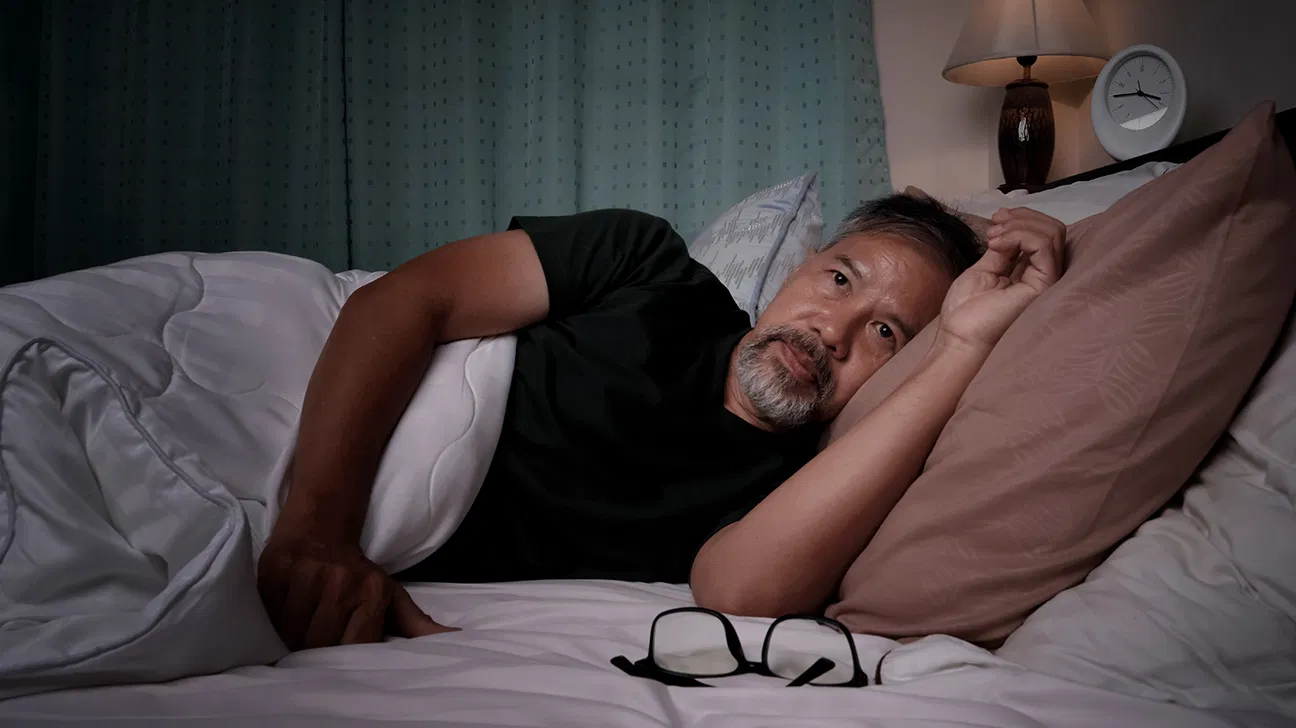
Insomnia
Insomnia is difficulty falling asleep, staying asleep, or waking too early, with daytime impacts like fatigue, irritability, poor concentration, or low mood. Acute insomnia can happen during stress. Chronic insomnia lasts at least three nights a week for three months or more.
Insomnia and anxiety often reinforce each other. The bed becomes a place of pressure, where your mind starts “performing” sleep rather than allowing it. Insomnia can also be secondary to other issues like chronic pain, perimenopause, reflux, substance withdrawal, or medication effects, so it is worth looking for medical drivers alongside treating the insomnia itself.
Obstructive sleep apnea (OSA)
OSA happens when the upper airway collapses during sleep, causing repeated breathing pauses and/or oxygen drops. People often snore loudly, gasp, or wake frequently without remembering it. Many feel unrefreshed even after a full night in bed.
Sleep apnea is linked with depressed mood, anxiety, memory issues, and daytime irritability. Sometimes what looks like “treatment-resistant depression” may improve when apnea is diagnosed and treated.
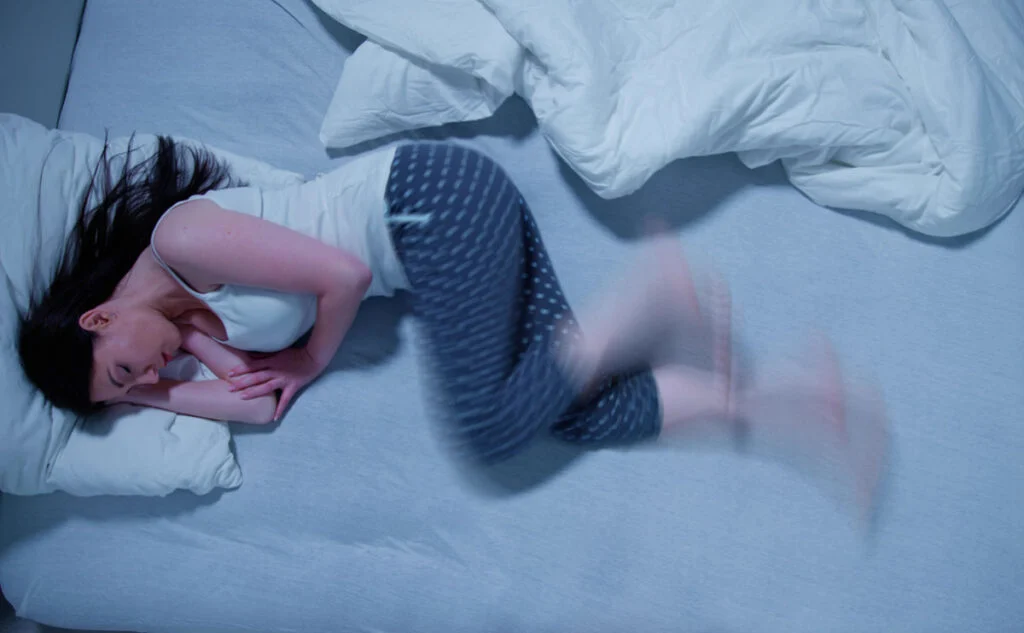
Restless legs syndrome (RLS)
RLS causes an uncomfortable urge to move the legs, typically worse in the evening and at rest. It can seriously disrupt sleep onset and is associated with higher rates of anxiety and depressive symptoms. Iron deficiency is a common contributor, so lab work can matter here.
Circadian rhythm disorders
If your internal clock is out of sync with your schedule, sleep can feel impossible to control. Shift work disorder, delayed sleep phase (night owl pattern), and irregular schedules can all worsen mood stability and increase risk for anxiety and depression.
Nightmares and trauma-related sleep
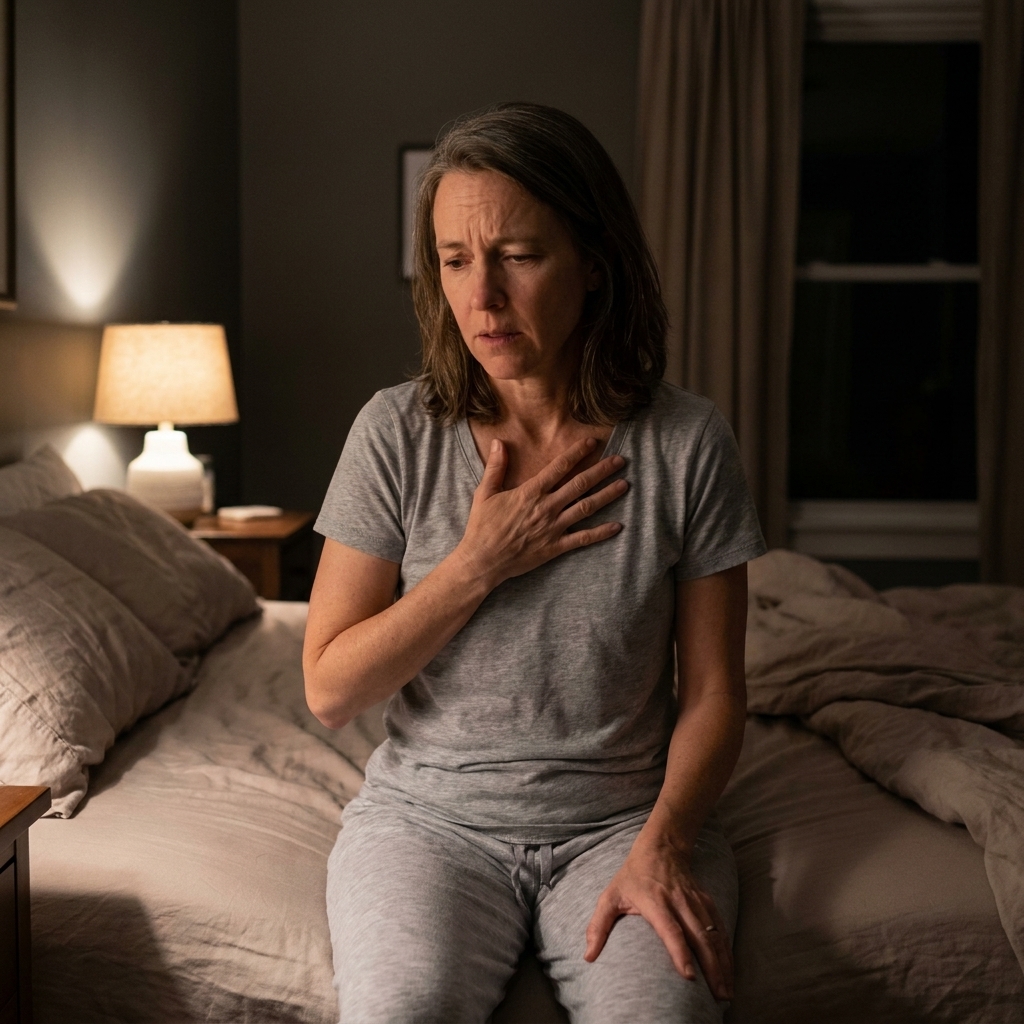
PTSD and chronic stress can cause insomnia, nightmares, and hypervigilance at night. When the body is stuck in fight or flight, sleep does not feel safe. Treating the trauma and the sleep together is often the most effective approach.
Other conditions to keep in mind
Depending on your symptoms, clinicians may also consider conditions like narcolepsy or idiopathic hypersomnia (prominent daytime sleepiness), parasomnias (unusual behaviors during sleep), and medication-induced sleep disruption.
When sleep may be the driver
It can be surprisingly hard to tell what came first. These clues suggest a sleep disorder may be a major contributor to mood and anxiety symptoms:
- Your mood worsens after nights of fragmented sleep or short sleep.
- You feel tired but wired at bedtime, with racing thoughts.
- You wake with headaches, dry mouth, or feel unrefreshed, especially if you snore or have witnessed pauses in breathing.
- You need increasing caffeine to function, then struggle to fall asleep at night.
- You notice more irritability, tearfulness, or panic sensations when sleep has been poor for a week or more.
- You are having concentration problems that resemble ADHD but started alongside sleep issues.
If any of this sounds familiar, you are not failing. Your brain may simply be sleep-deprived or repeatedly disrupted at night.
Steps for medical care
If you are dealing with both sleep issues and mental health symptoms, I recommend approaching it like a paired plan: treat the sleep, screen for underlying conditions, and support mental health at the same time.
1) Start with a focused evaluation
A primary care clinician, nurse practitioner, or sleep specialist will usually ask about:
- Your sleep schedule, time to fall asleep, number of awakenings, and wake time
- Snoring, gasping, morning headaches, nighttime urination, reflux, or dry mouth
- Leg discomfort or urge to move
- Nightmares, panic awakenings, or trauma history
- Medications, caffeine, alcohol, cannabis, and nicotine use
- Mood symptoms, stressors, and safety screening
It can help to bring a one to two week sleep log. Many phones and wearables estimate sleep, but they can be inaccurate. Your own notes are often more useful clinically.
2) Know when a sleep study fits
A sleep study may be recommended if OSA or another breathing-related sleep disorder is suspected. Some patients can do a home sleep apnea test, while others need an in-lab study, especially when symptoms are complex.
Consider asking about a sleep study if you:
- Snore loudly, choke or gasp, or have witnessed pauses in breathing
- Have high blood pressure, atrial fibrillation, heart disease, stroke risk, or diabetes
- Wake unrefreshed and have significant daytime sleepiness
- Have mood symptoms that are not improving as expected
Quick note on home testing: home sleep apnea tests are useful for many straightforward OSA cases, but they do not evaluate every sleep condition. If your symptoms include unusual movements, possible seizures, parasomnias, or severe insomnia, an in-lab study may be more appropriate.
3) Use the first-line treatment for chronic insomnia
The best supported first-line treatment for chronic insomnia is CBT-I, cognitive behavioral therapy for insomnia. This is not talk therapy in the traditional sense. It is a structured program that retrains sleep patterns by addressing behaviors and thoughts that keep insomnia going. Major professional guidelines consistently recommend CBT-I as a leading treatment for chronic insomnia.
CBT-I commonly includes:
- Stimulus control: relinking the bed with sleep rather than worry and wakefulness
- Sleep restriction therapy: temporarily tightening the sleep window to build stronger sleep drive
- Cognitive strategies: reducing catastrophic thinking about sleep
- Relaxation training: breathing, muscle relaxation, or mindfulness skills
What to expect: CBT-I is often delivered over about 4 to 8 sessions. The early phase can feel challenging because sleep restriction can briefly increase sleepiness. With coaching and adjustments, most people see steadier sleep over weeks, not nights.
If access is limited locally, ask about telehealth CBT-I programs, referrals to behavioral sleep medicine, or validated digital CBT-I options. You can also look for a behavioral sleep medicine clinician through professional sleep medicine directories, or ask your insurer for covered CBT-I providers.
4) Treat sleep apnea early and consistently
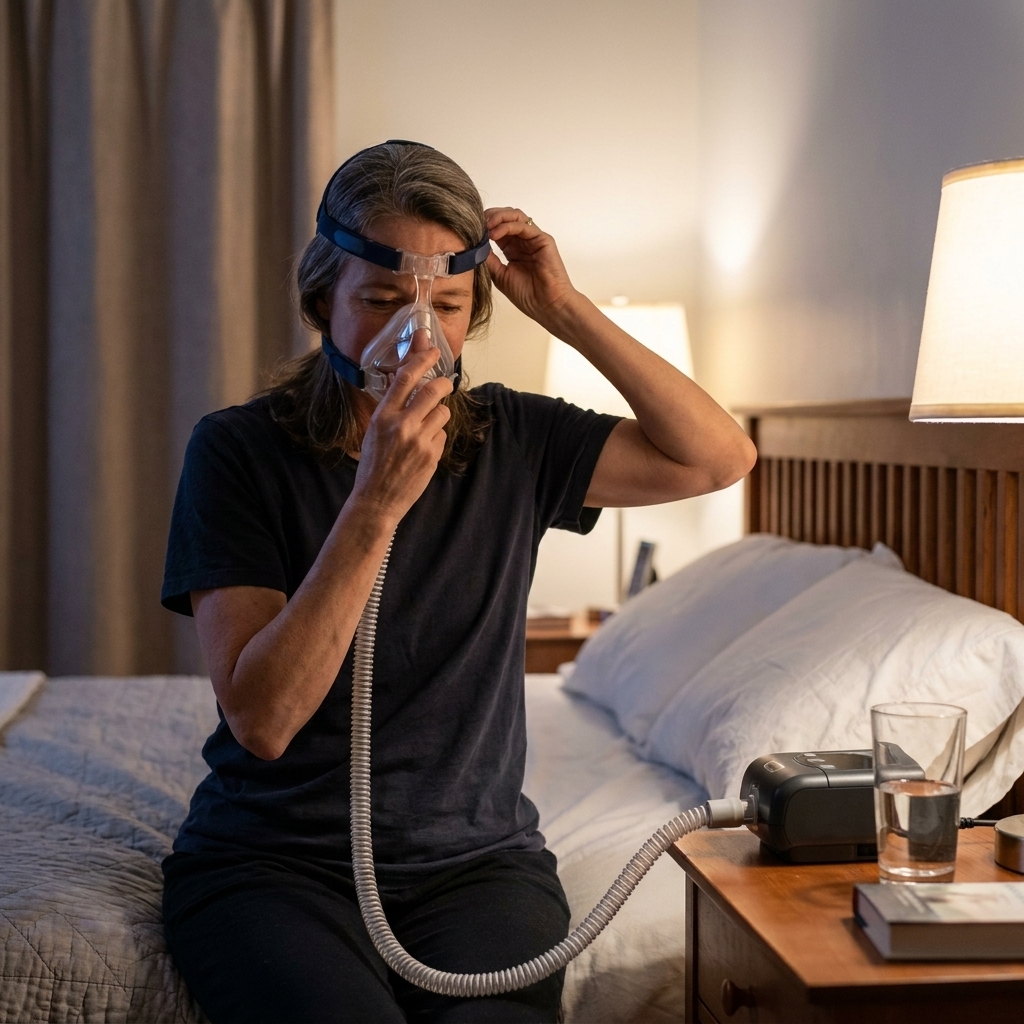
For OSA, treatment might include CPAP, an oral appliance, positional therapy, weight management when appropriate, or ENT evaluation in selected cases.
CPAP can feel awkward at first. Give yourself permission to ramp up gradually. Small adjustments like mask fit, humidification, and pressure settings often make the difference between giving up and succeeding.
5) Review medications and substances
Many common substances and medications affect sleep architecture, timing, or breathing. Examples include:
- Caffeine: can persist for hours and worsen anxiety
- Alcohol: can make you sleepy at first but fragments sleep and can worsen snoring and apnea
- Nicotine: stimulating and associated with lighter sleep
- Some antidepressants or stimulants: may require timing adjustments or alternatives
- Sedatives: may help short term but carry dependence and safety risks, and some can worsen breathing in sleep
Do not stop prescription medications on your own. Instead, ask for a medication review with sleep in mind.
6) Screen for medical contributors
Depending on symptoms, clinicians may check for iron deficiency (especially with RLS), thyroid problems , vitamin deficiencies in selected cases (often vitamin B12 or vitamin D), chronic pain, reflux, asthma, or hormonal changes. Treating the underlying driver can be a turning point.
7) Treat mental health alongside sleep
If depression, anxiety, PTSD, or bipolar disorder is present, treating sleep alone is usually not enough. The most effective plan often combines:
- Evidence-based therapy, such as CBT, ACT, trauma-focused therapy, or EMDR when appropriate
- Medication when indicated and carefully selected to support both mood and sleep
- Routine follow-up to adjust the plan as sleep improves
Sleep and bipolar disorder
With bipolar disorder, sleep loss can be more than a symptom. It can be a trigger for hypomania or mania. If you notice a pattern of sleeping much less without feeling tired, plus unusually elevated or irritable mood, racing thoughts, or impulsive decisions, treat that as a serious clinical signal and reach out promptly.
Sleep hygiene that helps
Sleep hygiene will not cure every sleep disorder, but it creates the conditions where the brain can sleep. Think of it as setting the stage. Here are the changes that give the biggest return for most people.
Build a consistent rhythm
- Pick a fixed wake time every day, including weekends. Wake time anchors your body clock.
- Get outdoor light within an hour of waking, ideally 10 to 20 minutes.
- Aim for a predictable wind-down in the last 30 to 60 minutes before bed.
Make the bedroom sleep-only
- Keep the bed for sleep and intimacy only, not email, scrolling, or worrying.
- If you are awake for roughly 20 minutes, get out of bed and do something quiet and dimly lit until sleepy.
Try not to clock-watch. Turning the clock face away can reduce the performance pressure that keeps insomnia going.
Reduce disruptors
- Caffeine: many people do best cutting off by early afternoon.
- Alcohol: if you drink, keep it moderate and avoid close to bedtime.
- Heavy meals: finish big meals at least a few hours before bed when possible.
- Late exercise: great for mental health, but some people sleep better when intense workouts are earlier in the day.
Use anxiety-friendly wind-down tools
If your brain revs up at night, try a structured off-ramp:
- Worry list plus plan: write down worries, then write one small next step for each
- Breathing practice: slow exhale breathing for 5 minutes
- Progressive muscle relaxation from toes to head
- Gentle stretching or a warm shower to cue relaxation

When to seek help fast
Most sleep issues can be addressed through routine care, but some situations need urgent attention.
Seek urgent help or call local emergency services if you or someone you love has:
- Thoughts of self-harm or suicide, or feeling unable to stay safe
- Severe daytime sleepiness that makes driving or operating machinery unsafe
- Signs of mania, such as little need for sleep with unusually elevated mood, risky behavior, or racing thoughts that feel out of control
Seek prompt medical evaluation if you have repeated episodes of suspected breathing pauses, significant choking or gasping, or you have serious heart or lung disease along with sleep apnea symptoms.
If you are in the United States and need immediate support, you can call or text 988 for the Suicide and Crisis Lifeline.
Frequently asked questions
Can poor sleep cause anxiety or depression?
Poor sleep can contribute to both. Chronic insomnia and sleep apnea are associated with higher rates of anxiety and depression, and treating the sleep disorder can improve mental health symptoms for many people. That said, mental health conditions can also trigger sleep disruption, so it is often a loop rather than a single cause.
Will sleeping pills fix my insomnia?
Medication can be helpful in selected cases, particularly short term or during a crisis period, but it is rarely the whole answer for chronic insomnia. For long-term insomnia, CBT-I has the strongest evidence for lasting improvement.
How do I know if I might have sleep apnea?
Common signs include loud snoring, witnessed breathing pauses, waking up gasping, morning headaches, dry mouth, high blood pressure, and feeling unrefreshed despite enough hours in bed. A clinician can screen you and decide whether a sleep study is appropriate.
If my mental health improves, will my sleep automatically improve?
Sometimes, but not always. Sleep can develop its own habits and patterns, especially after months of insomnia. It is very reasonable to treat sleep as its own health goal while also treating anxiety or depression.
A gentle next step
If you take nothing else from this: you deserve sleep that restores you. If you have been blaming yourself for fatigue, mood swings, or “not coping well,” consider that your brain may simply be under-slept or repeatedly interrupted at night.
Start with one small change this week, like a steady wake time or a caffeine cutoff. And if symptoms persist, especially if you snore, feel unrefreshed, or your mental health is suffering, bring it to your clinician. Sleep is treatable, and you do not have to figure it out alone.