If you have ever stared at a prescription label that says “take on an empty stomach” or “take with food” and thought, What does that actually mean in real life? you are not alone. In clinic, this is one of the most common reasons people miss doses or take medications in a way that makes them less effective.
The short version is this: food can change how your body absorbs medication, and it can also change how your stomach tolerates it. Some drugs need a clear runway to get into your bloodstream, like thyroid medication and certain antibiotics. Others need a buffer of food to prevent nausea, irritation, or dizziness.

What “empty stomach” means
On most medication labels, empty stomach usually means:
- Take it 1 hour before eating, or
- Take it 2 hours after eating.
Important: that window is common, but it is not universal. Some medications use different timing (for example, 30 minutes before food, or 1 to 2 hours after). Your prescription label and pharmacist instructions override everything.
Why the wait? Because food triggers stomach acid, digestive enzymes, and slower stomach emptying. Any of those can reduce absorption, delay onset, or change how much medication gets through.
What counts as “food”?
A full meal definitely counts, but so do many “small” things people forget to mention:
- Protein shakes and meal replacement drinks
- Milk, lattes, and other coffee drinks with calories
- Nutrition bars
- Creamers, butter, or anything that adds calories
- Oil-based supplements or supplements taken with a caloric drink
In most cases, plain water is the best choice for an empty-stomach medication.
What about coffee? Coffee can increase stomach acid and gut movement, which can worsen jitters, reflux, or nausea for some people. And with levothyroxine specifically, coffee (even black) can reduce absorption, so it is best to take thyroid medication with water and delay coffee based on your label instructions. If you are unsure, ask your pharmacist about your exact prescription.
What “take with food” means
Take with food usually means taking your medication with a meal or snack, basically around the time you eat. Some meds do fine with a few crackers, while others truly do better with a more substantial snack or meal.
Taking a medicine with food can help in two main ways:
- Protecting your stomach from irritation or nausea
- Improving absorption for medications that dissolve better with fat or with bile released during digestion

Why timing matters
1) Food can block absorption
Some medications bind to minerals in food, especially calcium, magnesium, iron, and zinc. When that happens, the medication can form a compound your body cannot absorb well.
This is a common issue with certain antibiotics and thyroid medication, and it is one reason empty-stomach or separation instructions can be strict.
2) Food can slow absorption
A meal, especially a high-fat one, can keep medicine in the stomach longer. For some medications, that delay is harmless. For others, it can mean you do not get the effect when you need it, or the amount absorbed becomes unpredictable.
3) Food can boost absorption
Some drugs are better absorbed with fat or with the digestive process turned on. If you take these on an empty stomach, you might get less medication than intended, which can lead to poor symptom control or treatment failure.
4) Food can reduce side effects
Many medications irritate the stomach lining or cause nausea. Food acts like a cushion, lowering the chance you will feel sick and stop the medication altogether.
Bottom line: the same meal can make one medication work better and another one work worse. That is why the label matters.
Common empty-stomach meds
Always follow your prescriber and pharmacist instructions first, because formulations and individual situations vary. But in primary care, these are common examples where fasting instructions often matter.
Thyroid medication (levothyroxine)
- Typical instruction: Take first thing in the morning with water, then wait 30 to 60 minutes before eating (or follow your label).
- Why: Food and minerals like calcium or iron can significantly reduce absorption. Coffee can also reduce absorption for many people.
- Also worth knowing: high-fiber meals, soy products, and certain gastrointestinal conditions can affect absorption too. If your thyroid levels are hard to stabilize, ask whether timing or diet is part of the issue.
- Tip: If mornings are hard, some people do well taking it at bedtime, but only if it is at least 3 to 4 hours after dinner. Ask your clinician before switching routines.
Bisphosphonates (alendronate, risedronate)
- Typical instruction: Take first thing in the morning with a full glass of water, on an empty stomach, and stay upright for at least 30 minutes.
- Why: Food greatly reduces absorption, and the medication can irritate the esophagus.
Proton pump inhibitors (omeprazole, pantoprazole)
- Typical instruction: Often taken 30 to 60 minutes before a meal, commonly breakfast (follow your label).
- Why: These work best when timed before your stomach turns on acid production for a meal.
Some antibiotics
Depending on the antibiotic, food can reduce absorption or minerals can bind the drug. Examples that often come with fasting or separation instructions include:
- Tetracyclines and fluoroquinolones: often need separation from antacids and mineral supplements (calcium, magnesium, iron, zinc). Dairy can matter more for some drugs in these classes than others.
Important nuance: doxycycline is a good example where the “best absorption” and “best tolerance” can conflict. Many people are advised to take it with a small snack to reduce stomach upset. Dairy does not always interfere as strongly as it does with older tetracyclines, but calcium, iron, magnesium, zinc, and antacids can still reduce absorption, so separation is commonly recommended. Your label wins here.
Iron (as a supplement)
- Typical instruction: Best absorbed on an empty stomach.
- Why: Food, especially calcium-rich foods, can reduce absorption.
- Reality check: If iron makes you nauseated, taking it with a small snack is often better than skipping it. Pairing with vitamin C can help absorption, while coffee and tea can reduce it.
Common with-food meds
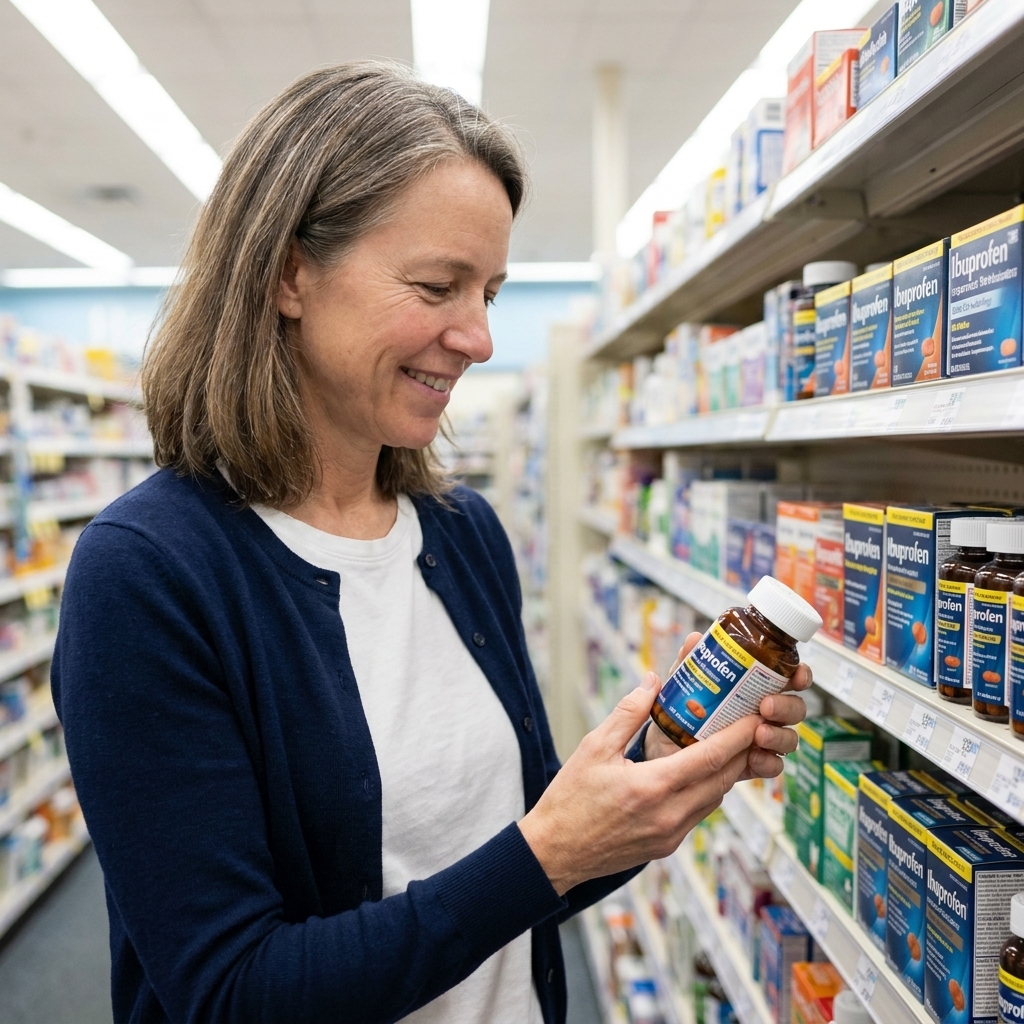
NSAIDs (ibuprofen, naproxen)
- Typical instruction: Take with food or milk.
- Why: These can irritate the stomach lining and increase ulcer risk, especially with frequent use.
Metformin
- Typical instruction: Take with meals.
- Why: Food reduces common side effects like nausea, cramping, and diarrhea.
Steroids (prednisone)
- Typical instruction: Take with food, often earlier in the day.
- Why: Food can help with stomach irritation. Taking it earlier may reduce insomnia for some people. Ulcer and bleeding risk is a bigger concern if you are also using NSAIDs or have a history of ulcers. Confirm your safest plan with your clinician.
Some vitamins and supplements
- Fat-soluble vitamins (A, D, E, K): absorb better with dietary fat.
- Fish oil: often better tolerated with food.
Note: supplements can also interact with medications. Natural does not mean no effect.
Common interactions people miss
Dairy and calcium products
Milk, yogurt, calcium-fortified juices, and calcium supplements can interfere with certain antibiotics and thyroid medication. Sometimes the fix is simple: separate by a few hours, using the window on your label.
Coffee and espresso drinks
Coffee can increase stomach acid and gut motility. For some medications that mainly means more reflux, nausea, or a racing heart. For others, it can affect absorption. The most common real-world example is levothyroxine, where many people do better with pill plus water and delayed coffee.
Grapefruit and Seville oranges
Grapefruit can change how your liver processes certain medications, potentially raising drug levels and side effects. This comes up commonly with some cholesterol medicines, blood pressure drugs, and others. If your medication has this warning, take it seriously and avoid grapefruit products consistently.
Alcohol
Alcohol can amplify drowsiness, worsen stomach irritation, raise bleeding risk with NSAIDs, and affect blood sugar. If you drink, it is worth asking, “Is there a safe amount with this medication?” rather than assuming.
Fiber supplements
Fiber supplements like psyllium can reduce absorption of some medications by trapping them in the gut. If you use fiber, ask whether your meds should be spaced out from it.
Best practices
Build an anchor routine
- Empty stomach meds: pair with brushing teeth and a full glass of water.
- With food meds: pair with a consistent meal (breakfast or dinner).
Use separation rules when needed
If your medication needs to be separated from minerals (calcium, iron, magnesium, zinc), antacids, or fiber supplements, a practical rule is to keep them 2 to 4 hours apart.
But check your label, because some interactions use longer windows (for example, 4 to 6 hours) depending on the drug and dose.
Know which meds are flexible
Many prescriptions are labeled “with or without food”. That usually means you can take them either way. The best choice is often the one that keeps your routine consistent and your stomach comfortable.
Extended-release and coated pills
If a medication is extended-release or enteric-coated, do not crush or chew it unless your pharmacist tells you it is safe. Food timing can matter for some of these formulations, so follow the label closely.
Do not double up without guidance
If you missed a dose because you ate at the “wrong” time, do not automatically take an extra pill. Many medications have safe catch-up strategies, but some do not.
If you are unsure, call your pharmacist. This is exactly what they are trained for, and it can prevent a whole chain of side effects and ineffective treatment.
Quick definitions
- Empty stomach: often 1 hour before food or 2 hours after food, usually with water. Check your label for the exact timing.
- With food: with a meal or snack, around the time you eat, especially if it causes nausea.
- Separate from minerals, antacids, or fiber: often 2 to 4 hours apart, but sometimes longer. Confirm the window for your medication.
When to call right away
Reach out promptly if you have:
- Severe vomiting or inability to keep medications down
- Signs of an allergic reaction (hives, swelling, wheezing, trouble breathing)
- Black or bloody stools, vomiting blood, or severe stomach pain (especially with NSAIDs, steroids, or combinations)
- Dizziness or fainting after starting a new medication
- Worsening symptoms despite taking the medication as directed
And if you are pregnant, breastfeeding, have kidney or liver disease, or take multiple prescriptions, it is especially important to confirm timing and food interactions with your care team.
FAQ
Is it better to take pills with water or juice?
Water is usually best. Juice can interact with certain medications, and grapefruit juice is a known problem for many drugs. If you need something to help swallow, ask your pharmacist which beverages are safe for your medication.
If my medication says “take with food,” is a snack enough?
Often yes, especially for nausea prevention, but it depends on the drug. If the goal is improved absorption, you may need a more substantial meal, sometimes with a bit of fat. Your label or pharmacist can clarify.
Can I take all my morning meds together?
Sometimes, but not always. Thyroid medication, certain antibiotics, iron, calcium, magnesium, fiber supplements, and antacids commonly require separation. If you take multiple medications, ask for a medication schedule printout from your pharmacy. It is one of the most helpful tools out there.
What if I took an empty-stomach medicine with food?
Do not panic. In many cases it simply means the dose may not work as well. Do not re-dose unless a clinician tells you to. Make a note of what happened and return to the normal schedule.
One last bedside-manner reminder: these instructions are not meant to make your life harder. They are meant to make your medication predictable. When the timing is right, we get the benefit we want with fewer side effects, and that is always the goal.