
Your gut is more than a “digestion tube.” It is a living ecosystem filled with trillions of microbes that help break down food, help regulate immune responses, and even make certain vitamins (like vitamin K and some B vitamins). When that ecosystem is supported, many people notice steadier digestion, fewer bouts of bloating, and a more predictable bathroom routine. When it is disrupted, symptoms can ripple outward and may be associated with things like fatigue, skin flares, and mood changes. Those symptoms can also have many other causes, so it is always worth zooming out.
Two of the most useful tools for everyday gut maintenance are probiotics and prebiotics. They sound similar, but they do different jobs. I tell my patients to think of probiotics as “helpful guest organisms” and prebiotics as “the meal that helps the right guests settle in.”

Your microbiome basics
Your intestinal microbiome is the community of bacteria and other microbes that live mostly in your large intestine. You cannot sterilize it, and you do not want to. The goal is balance and diversity.
Why it matters beyond digestion
- Digestion and regularity: Gut microbes help break down fiber and produce short-chain fatty acids that support the lining of your colon.
- Immune support: A large portion of your immune system is positioned along the gut, constantly learning what is “safe” versus “threat.”
- Metabolic and heart health: Fiber-fermenting microbes can influence blood sugar steadiness and cholesterol metabolism.
- Brain-gut connection: The gut and brain communicate through nerves, hormones, and immune signals. Stress can affect digestion, and digestion can affect how you feel.
Probiotics: what they do
Probiotics are live microorganisms that, when taken in adequate amounts, may provide a health benefit. Different strains do different things, so probiotics are not “one size fits all.”
Food first, when possible
For general gut maintenance, I usually recommend starting with probiotic-rich foods. They bring beneficial microbes plus nutrients that support the gut lining. Also, for many people, probiotic organisms do not permanently “move in.” Benefits often depend on regular intake.
Probiotic foods to try
- Yogurt with live and active cultures (choose unsweetened when you can, and consider lactose-free if needed)
- Kefir (a drinkable cultured dairy that can contain a wider variety of microbes than many yogurts, depending on the product)
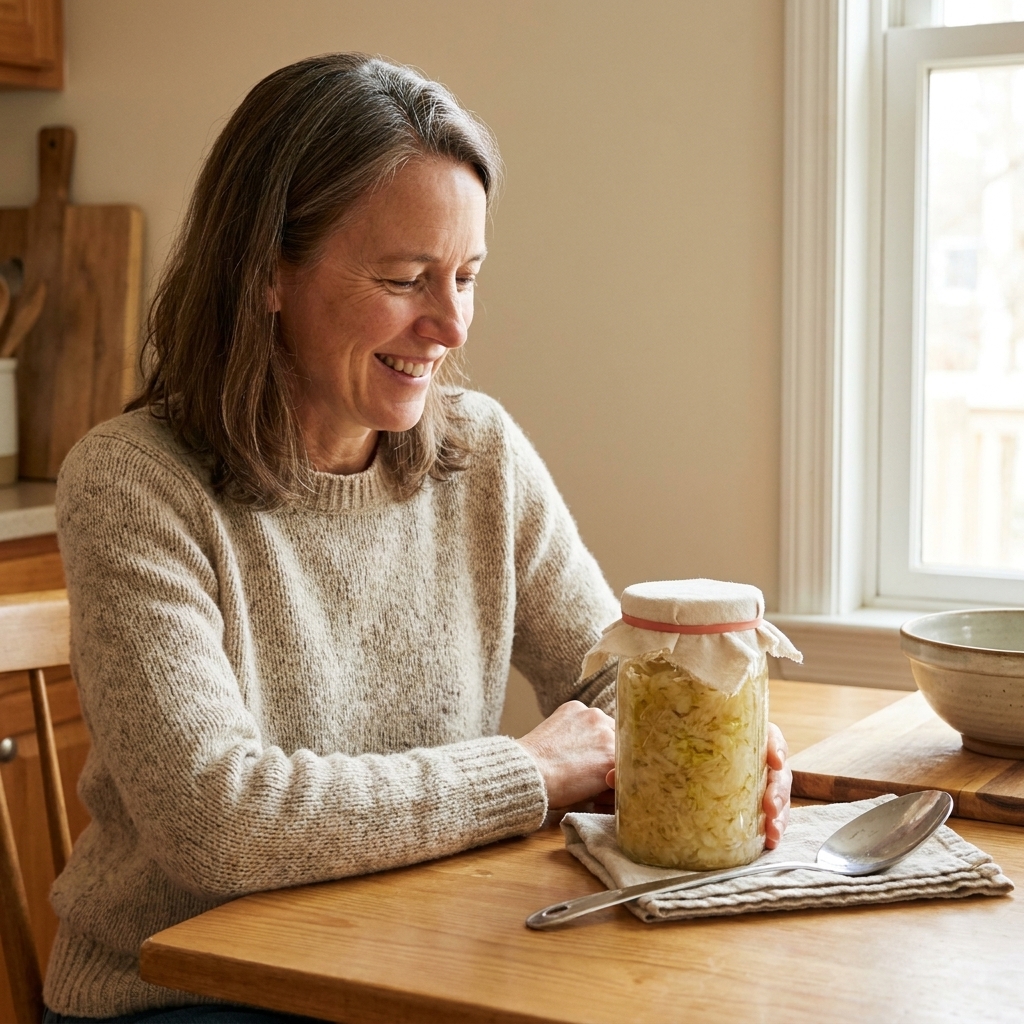
- Sauerkraut (look for refrigerated, unpasteurized versions)
- Kimchi (fermented vegetables, often spicy)
- Miso (add to warm, not boiling, liquids to better preserve cultures)
- Tempeh (fermented soy that is a nutritious, gut-friendly choice, even though live cultures may not reliably survive cooking)
Note: Not all “pickled” foods are fermented. Shelf-stable jars that were heat-processed may not contain live cultures.
Prebiotics: fiber your microbes use
Prebiotics are certain types of fiber and plant compounds that humans do not digest well, but your gut microbes love. When those microbes ferment prebiotic fibers, they produce beneficial compounds that help support the gut barrier and may influence inflammatory pathways.
Prebiotic foods to add gradually
- Onions, garlic, leeks
- Asparagus
- Jerusalem artichokes
- Chicory root (often found as added fiber in some products)
- Greenish bananas (slightly unripe)
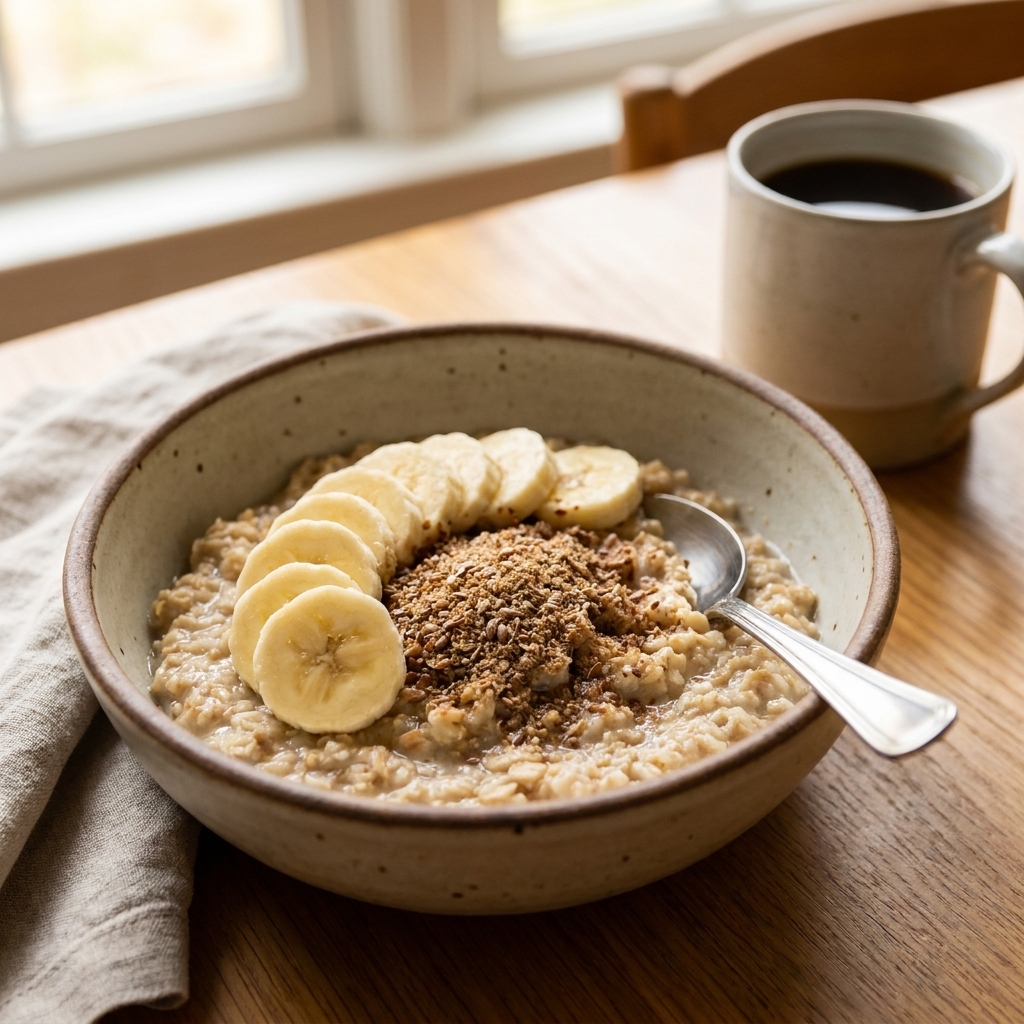
- Oats
- Barley
- Beans and lentils
- Apples (pectin)
- Ground flaxseed
If you are new to higher-fiber eating, start low and go slow. A sudden jump in prebiotics can cause gas and cramping, even though the foods are healthy.
If you have IBS or are trying low FODMAP: Some classic prebiotic foods (like onion, garlic, and larger servings of beans) can worsen symptoms. Many people do better with gentler options such as oats, kiwi, chia, flax, or smaller portions of lentils, and it helps to build up gradually.
Probiotics vs prebiotics
- Probiotics: Add helpful microbes.
- Prebiotics: Feed and support the helpful microbes you already have.
- Synbiotics: Pair both (for example, yogurt plus oats and banana).
If you only do one thing this week, add a prebiotic food once a day. It is one of the most practical, affordable ways to support your microbiome long-term.
A simple 2-week routine
You do not need a perfect plan. Consistency matters more than intensity.
Week 1: Build your base
- Day 1 to 3: Add 1 serving of a prebiotic food daily. Examples: 1/2 cup cooked oats, 1 slightly green banana, or 1/2 cup beans or lentils (start with less if you are sensitive).
- Day 4 to 7: Add a probiotic food 3 to 4 days this week. Examples: 3/4 cup plain yogurt, 1 cup kefir, or 2 to 3 tablespoons sauerkraut.
- Hydrate: Fiber works best with enough fluids. For most people, a simple cue is that your urine is light yellow much of the day. If you have fluid restrictions or kidney or heart conditions, follow your clinician’s guidance.
Week 2: Add variety
- Prebiotic goal: 2 different prebiotic foods most days.
- Probiotic goal: 4 to 6 days per week from food.
- Plant variety: Include a wider range of plants over the week: berries, greens, legumes, whole grains, nuts, seeds.
If your gut feels more gassy at first, that can be normal as your microbiome adapts. Back down the portion size for a few days, then build again.
Do you need supplements?
Supplements can be helpful in specific situations, but they are not automatically better than food. If you choose to take one, here is what I recommend looking for.
How to choose a probiotic supplement
- Strain listed clearly: For example, Lactobacillus rhamnosus GG or Bifidobacterium lactis.
- CFU amount: More is not always better. Many people do fine with products in the billions, not necessarily the highest number on the shelf.
- Storage instructions: Some require refrigeration, some do not. Follow the label.
- Third-party testing: Look for quality seals when available.
Common reasons people consider supplements
- After a course of antibiotics (food plus time can also help)
- Travel-related digestive changes
- Constipation-leaning IBS or diarrhea-leaning IBS, under clinician guidance
- Reducing risk of antibiotic-associated diarrhea, in some cases, with strain-specific and patient-specific considerations
If you have a complicated health history, it is worth discussing the specific product with your clinician or pharmacist. Strain choice matters, and your overall risk profile matters.
What to eat for gut support
Think “gut maintenance” rather than “gut perfection.” A healthy microbiome tends to thrive on patterns that also support heart and metabolic health.
Microbiome-supporting staples
- Fiber-forward meals: Vegetables, beans, lentils, berries, pears, oats, barley, chia, flax
- Fermented foods: Yogurt, kefir, kimchi, sauerkraut, miso
- Healthy fats: Olive oil, nuts, seeds, fatty fish
- Polyphenol-rich plants: Berries, cocoa, green tea, colorful produce
Foods that can disrupt balance for some
- Ultra-processed foods low in fiber and high in additives
- High added sugar intake, which can crowd out more nourishing foods
- Excess alcohol, which can irritate the gut lining and shift the microbiome

How to tell it is helping
The most meaningful signs are often simple and practical:
- More consistent bowel movements (less swinging between extremes)
- Less bloating after typical meals
- Improved tolerance of fiber over time
- Fewer “mystery” stomach upsets
That said, not every symptom is a microbiome issue. Persistent pain, bleeding, or unexplained weight loss should never be self-treated with probiotics.
Safety and caution
For most healthy adults, probiotic and prebiotic foods are safe. But there are important exceptions.
Use extra caution or ask first if you:
- Are immunocompromised (for example, chemotherapy, transplant medications, advanced HIV)
- Have a central venous catheter or are critically ill
- Have a history of severe pancreatitis
- Are managing SIBO or significant IBS symptoms and react strongly to fermentable fibers
- Are pregnant with high-risk complications and considering supplements (foods are generally fine)
Red flags to get checked
- Blood in stool or black, tarry stool
- Unintentional weight loss
- Persistent diarrhea longer than a few days, or dehydration
- Severe abdominal pain, fever, or nighttime symptoms that wake you
- New symptoms after travel, especially with fever or bloody diarrhea
FAQ
Do probiotics help with bloating?
They can, but it depends on the cause. Some people feel better with fermented foods or certain strains, while others feel more gassy at first. If bloating is frequent, painful, or paired with diarrhea or constipation, it is worth checking in with a clinician to rule out issues like lactose intolerance, celiac disease, IBS, or SIBO.
Can I take probiotics every day?
Most people can, especially from foods like yogurt or kefir. With supplements, I prefer a clear goal and a time-limited trial, such as 4 to 8 weeks, then reassess.
Are prebiotics the same as fiber?
All prebiotics are a type of fiber or fiber-like compound, but not all fiber is prebiotic. A mix is ideal. Your gut likes variety.
What is an easy gut-friendly breakfast?
One of my favorites is plain yogurt or kefir with oats, berries, and ground flax. It covers probiotics, prebiotic fibers, and plant variety in a single bowl.
Take-home message
Gut health maintenance does not require expensive powders or a rigid diet. Start with two simple habits: add a prebiotic food daily, and include a fermented food several times a week. Give your body time to adjust, prioritize variety, and pay attention to red flags that deserve medical care. Small, steady choices are what build a resilient microbiome.