Waking up stiff is common. Waking up stiff for hours is different. When stiffness lingers well into the morning, it often points to inflammation, irritated joints, or lifestyle factors that are keeping your tissues “sticky” after rest.
As a family nurse practitioner, I like to think of morning stiffness as your body’s “startup time.” Some startup time is normal, especially with age or after a hard workout. But when it is persistent, worsening, or paired with swelling or fatigue, it deserves a more intentional plan.

Below are eight common causes of morning stiffness that lasts hours, plus what to try first at home and when to get medical help.
First, a quick self-check
- How long does it last? Under 30 minutes is often mechanical wear and tear. Over 60 minutes raises the odds of inflammation.
- Where is it? One or two joints can be injury or osteoarthritis. Many joints, especially hands and feet, can suggest inflammatory arthritis. Shoulder and hip stiffness in older adults brings up a different short list.
- Any swelling, warmth, or redness? These are clues for inflammation.
- Any other symptoms? Fatigue, fever, rash, eye pain, mouth ulcers, new back pain, or new headaches can help narrow the cause.
1) Osteoarthritis (OA)
What it can feel like: Achy stiffness, most often in knees, hips, spine, or the base of the thumb. Many people notice stiffness after sitting or first thing in the morning, and it improves as the joint warms up. OA stiffness is often shorter than inflammatory arthritis, but it can last longer when the joint is irritated or you have several joints involved.
Clues that point to OA:
- Stiffness that improves with gentle movement
- Crepitus, or a grinding/crackling sensation
- Pain that is worse after heavy use, stairs, squatting, or long walks
- Minimal warmth or redness
What to try first:
- Heat in the morning: Warm shower or heating pad 10 to 15 minutes to loosen tissues.
- “Motion lotion” routine: 5 minutes of gentle range-of-motion before you fully start your day (ankle pumps, knee bends, hand opens and closes).
- Joint-friendly strength: Two to three days a week of light strengthening (especially glutes, quads, and core) to unload painful joints.
- Topical NSAID: If safe for you, diclofenac gel can help localized OA pain with less whole-body exposure than pills.
Consider a check-in if pain is limiting sleep, walking, or basic tasks, or if a joint becomes hot and very swollen.
2) Rheumatoid arthritis (RA)
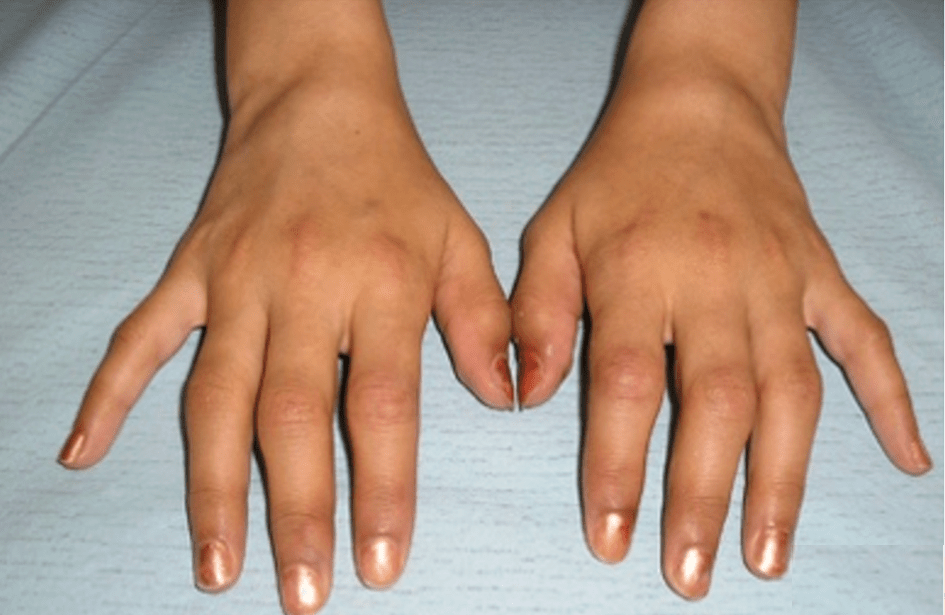
What it can feel like: Morning stiffness often lasting more than an hour, commonly in hands, wrists, and feet, and often on both sides of the body. People may describe puffy fingers, trouble making a fist, and fatigue that feels out of proportion.
Why it happens: RA is an autoimmune condition where the immune system targets joint lining, leading to inflammation and prolonged stiffness after rest.
Clues that point to RA:
- Stiffness lasting 60 minutes or longer most mornings
- Swelling and tenderness in small joints (knuckles, wrists)
- Symptoms on both sides (both hands, both feet)
- Fatigue, low-grade fevers, unintended weight loss in some cases
What to try first (while you arrange evaluation):
- Do not “push through” swelling: Choose gentle movement over intense workouts during flares.
- Warmth plus light hand therapy: Warm water soak, then slow fist-making and finger stretches.
- Track patterns: Note which joints swell, how long stiffness lasts, and any triggers to share with your clinician.
- Anti-inflammatory basics: Prioritize sleep, avoid smoking, and aim for a Mediterranean-style eating pattern.
Important: RA is very treatable, and early treatment helps prevent joint damage. If RA is a possibility, it is worth being seen this week.
3) Other inflammatory arthritis
Several inflammatory conditions can cause prolonged morning stiffness. The “pattern” of symptoms is often the biggest clue.
Common patterns
- Psoriatic arthritis: History of psoriasis, nail pitting, sausage-like swelling of a finger or toe, heel pain.
- Gout: Sudden severe pain, often in the big toe, with redness and warmth. Morning stiffness can occur, but the hallmark is intense flares.
- Lupus: Joint pain and stiffness with fatigue, sun-sensitive rash, mouth ulcers, or hair thinning.
- Ankylosing spondylitis or axial spondyloarthritis: Deep low back or buttock stiffness that is worse in the morning and improves with movement, sometimes starting in younger adulthood.
What to try first:
- Do not ignore warmth and swelling: True inflammation is a “get assessed” situation, not just a stretching problem.
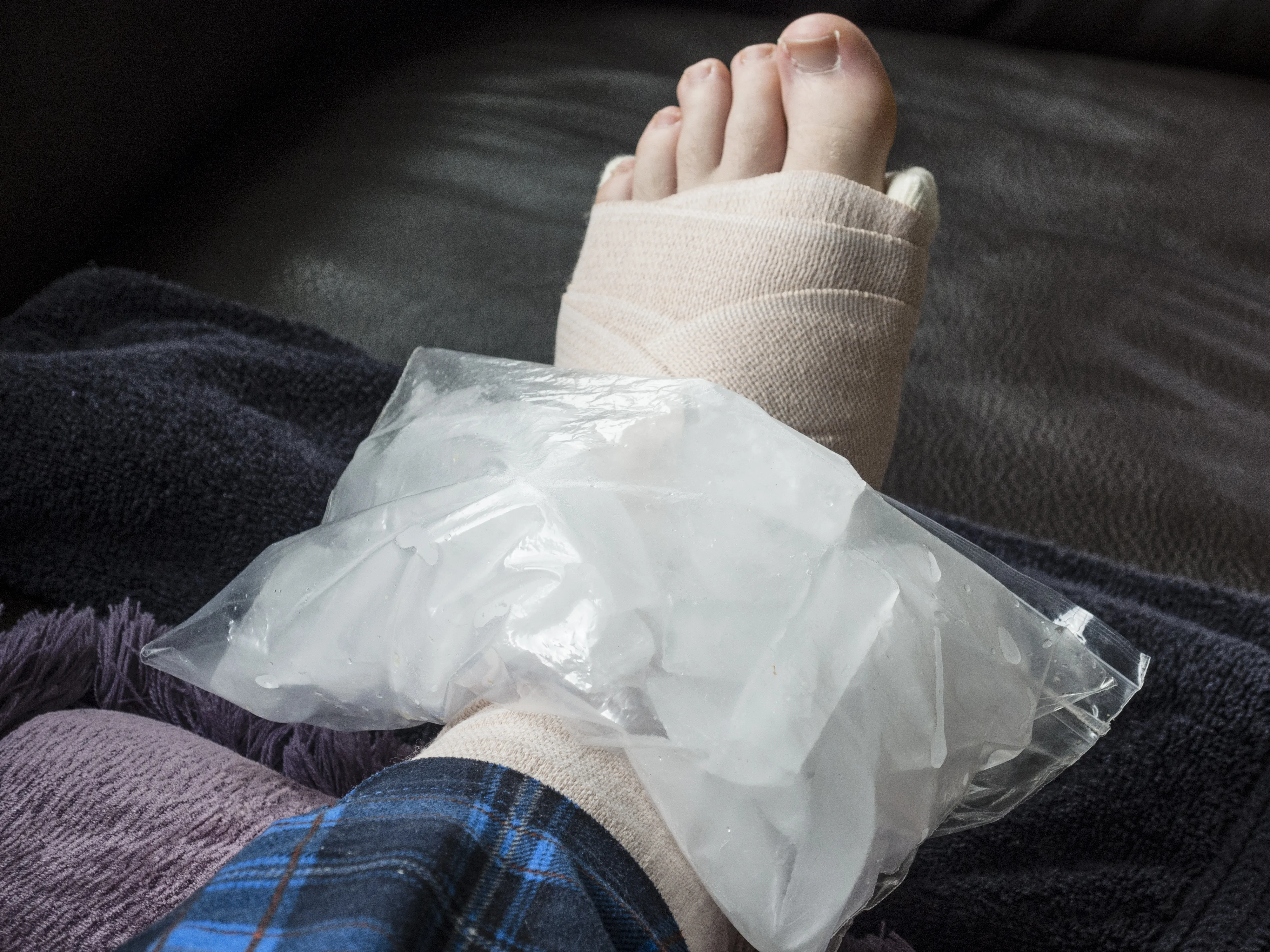
- Cool or warm? For hot, swollen joints, a cool pack 10 minutes can ease inflammation. For tight muscles around joints, heat often feels better.
- Hydration and alcohol awareness: Helpful for gout risk and general tissue health.
- Document skin and nail changes: Photos can be useful for psoriasis or rashes that come and go.
Same-week evaluation is smart when stiffness is prolonged and you have swelling, rash, eye pain, or severe back stiffness.
4) Polymyalgia rheumatica (PMR)
What it can feel like: Severe morning stiffness lasting over an hour, classically in the shoulders, neck, and hips. People often tell me the first steps of the day feel impossible, like their upper arms and thighs are made of cement. It can be hard to lift your arms to brush your hair, put on a shirt, or reach into a cabinet. Getting up from a chair or out of a car can feel unusually difficult.
Who it tends to affect: PMR is most common in older adults, often starting after age 50, with peak incidence later in life. It is an inflammatory condition, not “just aging” and not a typical overuse injury.
Clues that point to PMR:
- Stiffness and aching focused in shoulders and hips, often on both sides
- Symptoms that are worst in the morning and improve as the day goes on
- New fatigue, low appetite, or unintentional weight loss in some cases
- Limited shoulder range of motion from pain and stiffness, not from joint swelling in the hands
Important safety note: PMR is closely related to giant cell arteritis (GCA), a condition that can threaten vision. Seek urgent, same-day care if you have PMR-type symptoms plus new headache, scalp tenderness, jaw pain with chewing, or vision changes.
What to try first:
- Do not self-diagnose and wait it out: If this pattern fits, book a prompt visit. PMR is very treatable, and people often feel dramatically better with the right anti-inflammatory treatment.
- Keep movement gentle: Short walks and easy shoulder and hip range-of-motion can help you stay functional while you get evaluated.
- Track your pattern: Note morning stiffness duration, where it hits hardest (shoulders vs hands), and any systemic symptoms (fatigue, feverish feelings).
Same-week evaluation is a good idea when shoulder and hip stiffness lasts over an hour most mornings, especially if it is new and intense.
5) Fibromyalgia
What it can feel like: Whole-body stiffness and soreness on waking, often with “brain fog,” non-restorative sleep, headaches, or irritable bowel symptoms. Joints may feel stiff, but typically without visible swelling, warmth, or redness.
Why it happens: Fibromyalgia is linked to how the nervous system processes pain and sensory input. Sleep quality is a major driver, and poor sleep can make mornings feel brutal.
What to try first:
- Protect sleep: Keep a consistent wake time, limit late caffeine, and create a wind-down routine.
- Gentle morning ramp-up: Start with 2 to 5 minutes of slow stretching or a warm shower before demanding tasks.
- Low-impact movement: Walking, swimming, or cycling most days can reduce stiffness over time. Start smaller than you think you need.
- Address mood and stress: Anxiety and depression can amplify symptoms, and treating them often helps pain.
If morning stiffness comes with significant fatigue and sleep issues, ask your clinician about screening for sleep apnea, thyroid issues, anemia, and vitamin deficiencies, since these can overlap.
6) Dehydration or electrolytes
What it can feel like: Generalized tightness, muscle cramps, and “creaky” joints on waking. While dehydration is not a classic cause of inflammatory joint disease, it can make tissues less supple and worsen muscle tension around joints, which can absolutely feel like stiffness.
Common reasons it happens: Not drinking enough, alcohol the night before, hot weather, heavy sweating, vomiting or diarrhea, or certain medications (including diuretics).
What to try first:
- Front-load fluids: Drink a glass of water soon after waking and aim for pale yellow urine by late morning.
- Add electrolytes when appropriate: Especially after heavy sweating or GI illness. Many people do fine with broth, oral rehydration solutions, or electrolyte tablets.
- Balance salt intelligently: If you have heart failure, kidney disease, or high blood pressure, talk with your clinician before increasing sodium.
Call for guidance if you have dizziness, confusion, fainting, rapid heartbeat, or signs of significant dehydration.
7) Sleep posture and low movement
What it can feel like: Stiff neck, shoulders, low back, hips, or hands that improves once you move around. Some people sleep very still or with joints bent for long periods, which can shorten muscles and irritate tendons by morning.
Common contributors: Mattress or pillow mismatch, sleeping curled tightly, side-sleeping without knee support, or waking up in the same position you fell asleep in.
What to try first:
- Simple pillow “re-sets”: Side sleepers: put a pillow between knees and consider a small pillow hugging your chest to reduce shoulder strain. Back sleepers: a pillow under knees can ease low back stiffness.
- Check pillow height: Your neck should feel neutral, not cranked up or dropped down.
- Two-minute mobility before standing: Gentle spinal twists, knee-to-chest, ankle circles, and shoulder rolls while still in bed.
- Daytime movement snacks: If you sit a lot, set a timer for brief movement breaks. Your morning will often be less stiff when your day is less sedentary.

8) Medication side effects
Some medications can contribute to muscle aches, tendon irritation, or joint pain that feels worse after rest. This does not mean you should stop a medication on your own, but it is a reason to review your list with a clinician.
Common examples to ask about:
- Statins (cholesterol meds): can cause muscle aches or weakness in some people
- Aromatase inhibitors (some breast cancer treatments): commonly cause joint stiffness and aches
- Diuretics: can contribute to dehydration and cramps
- Fluoroquinolone antibiotics (less commonly used now): can irritate tendons during or after use
What to try first:
- Make a medication timeline: When did stiffness start compared with a new medication or dose change?
- Ask about alternatives: Sometimes switching timing, dose, or medication class helps.
- Support your baseline: Hydration, gentle strength training, and adequate protein can reduce muscle-related symptoms.
Seek urgent care for severe muscle pain with dark urine, major weakness, or tendon pain with swelling after starting a new medication.
What to try tomorrow morning
If you are not having red-flag symptoms, a simple 7-day experiment can be very revealing.
- Heat + move: Warm shower, then 5 minutes of gentle range-of-motion.
- Hydrate early: One to two glasses of water within the first hour of waking.
- Short walk: Even 5 to 10 minutes can reduce stiffness significantly.
- Adjust sleep support: Try the knee pillow or under-knee support for one week.
- Track: Rate stiffness length (minutes or hours), swelling (yes or no), and which areas are involved (hands and feet vs shoulders and hips).
If stiffness consistently lasts longer than an hour, especially with swelling in the hands or feet, or with pronounced shoulder and hip stiffness in older adults, I would rather you get evaluated sooner than later. Early treatment can change the long-term story.
Red flags: get seen soon
Morning stiffness is worth same-week medical evaluation when you notice any of the following:
- Stiffness lasting more than 60 minutes most mornings for 2 weeks or longer
- New or increasing joint swelling, warmth, or redness
- Stiffness plus fatigue, fever, or unintended weight loss
- Severe back stiffness that improves with movement, especially if it wakes you in the second half of the night
- New rash, mouth ulcers, or eye pain and redness
- Sudden severe single-joint pain, redness, and heat (possible gout or infection)
- Recent infection, tick bite, or a new medication followed by joint symptoms
- New headache, scalp tenderness, jaw pain with chewing, or vision changes alongside new shoulder and hip stiffness (possible GCA)
Go to urgent care or the ER for a joint that is extremely painful and hot with fever, inability to bear weight, sudden major swelling, or if you feel very ill. A septic joint is uncommon, but it is an emergency when it occurs.
Common questions
Is morning stiffness normal with age?
Some stiffness can be normal, especially if it improves quickly. Stiffness that lasts hours, keeps returning, or comes with swelling is not something to write off as “just aging.”
What is the difference between pain and stiffness?
Stiffness is difficulty moving a joint through its usual range at first. Pain is discomfort with movement or pressure. You can have one without the other, and the pattern helps clinicians narrow the cause.
Should I use heat or ice?
Heat is usually best for tightness and “rusty” joints. Ice can help when a joint is hot, swollen, and actively inflamed. When in doubt, use what provides relief and avoid extremes.
A final note
If your morning stiffness has started to shape your day, changing what you can do, how long you need to “get going,” or how confident you feel in your body, you deserve answers. Many causes are manageable, and several are very treatable. The key is matching the right solution to the right reason.