If you have ever stood in front of the freezer holding a bag of peas and wondered, “Should I be using heat instead?” you are not alone. Heat and cold can both be helpful, but timing and injury type matter. The wrong choice can sometimes increase swelling, stiffness, or pain.
Here is the simplest way to remember it: cold is often most helpful early for a new injury with swelling, and heat is often best later for tightness and stiffness. Below, I will walk you through when to use each one, how long to use it, and what to avoid, especially if you have diabetes, circulation problems, reduced sensation, or fragile skin.
Heat vs. cold: what each one does
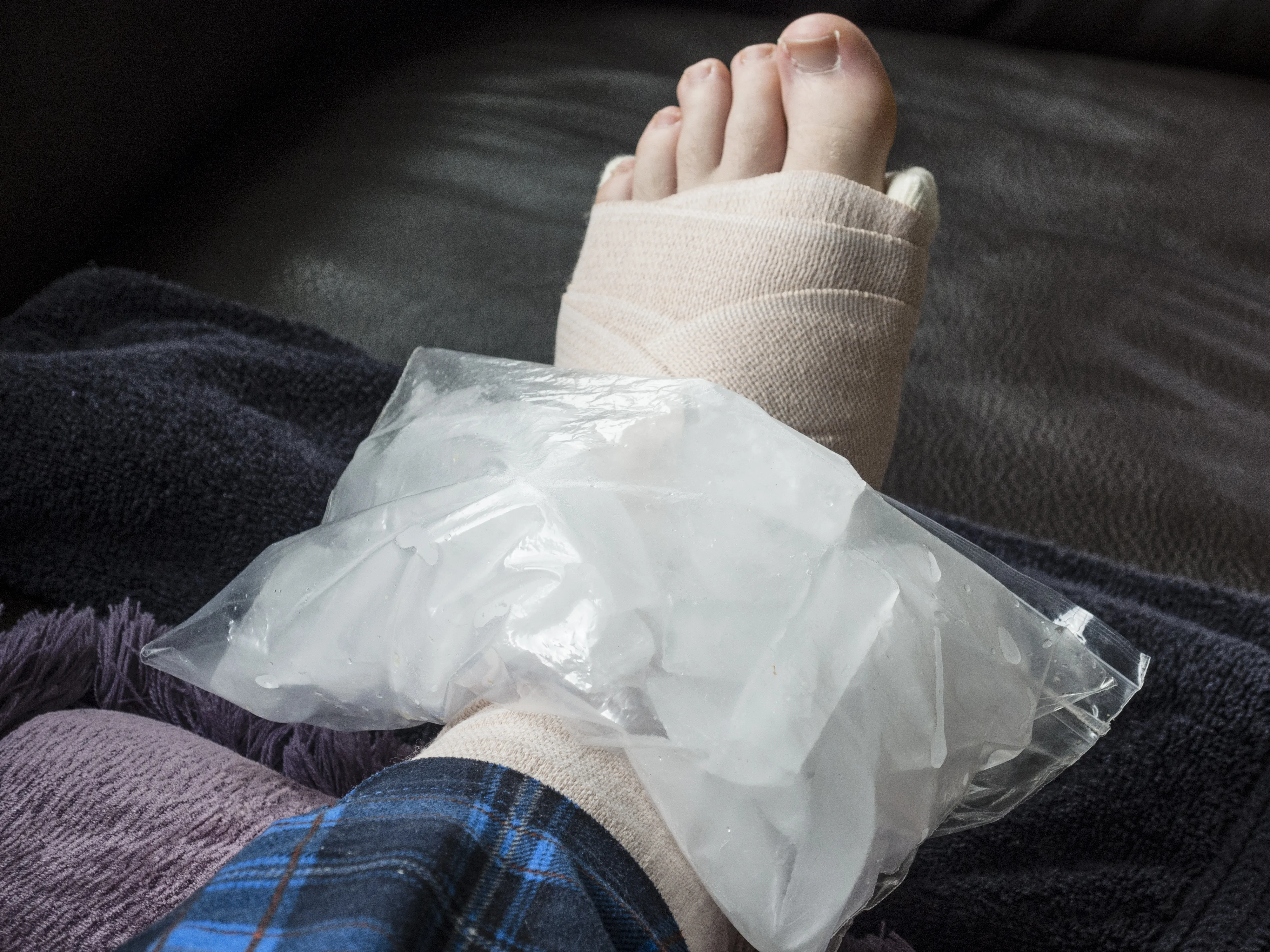
Cold therapy (ice or a cold pack)
Cold causes blood vessels to narrow (vasoconstriction), which can help reduce throbbing pain and swelling in many common injuries. It also slows nerve signaling a bit, which is why it can feel pleasantly numbing. For most people, the biggest benefit is symptom relief rather than a guaranteed faster healing timeline.
- Best for: new injuries, swelling, bruising, sharp or hot pain
- Most useful window: often the first 24 to 48 hours, especially for comfort and swelling management
Heat therapy
Heat causes blood vessels to open (vasodilation), increasing blood flow to the area. That can help relax muscle spasm, improve flexibility, and ease stiff, achy, tight pain.
- Best for: stiffness, muscle tightness, soreness without swelling, chronic aches
- Most useful window: after the initial swelling phase has passed, or for ongoing or chronic pain
Quick rule: If the area looks puffy, feels hot, or is newly injured, start with cold. If it feels tight, stiff, or “locked up” days later, heat often helps.
Simple decision table
Use this as a starting point. When in doubt, choose the option that matches your symptoms right now (swollen and hot vs. stiff and tight).
| Situation | Usually helps most | Timing | Notes |
|---|---|---|---|
| Ankle sprain with swelling | Cold | Often first 24 to 48 hours | Pair with compression and elevation; avoid heat early if it is puffy or warm |
| Muscle strain right after it happens | Cold | Often first 24 to 48 hours | Especially if tender, swollen, or bruising |
| Knee osteoarthritis flare | Heat (or cold if visibly inflamed) | Anytime | Heat before activity; cold after if it swells |
| Low back spasm or tightness | Heat | Often after day 1, or anytime if not swollen | Gentle movement usually helps more than bed rest |
| Post-workout muscle soreness (DOMS) | Heat or alternating | 24+ hours after workout | Warm shower, heating pad, light activity can feel better |
| Tendon pain from overuse (Achilles, tennis elbow) | Cold for flare-ups; heat for stiffness | Cold after activity, heat before | Also reduce aggravating activity and consider rehab exercises |
One important exception: if you suspect a fracture, dislocation, or serious ligament tear, do not try to “treat it at home” beyond basic first aid. Use cold for comfort, protect the area, and get evaluated.
Timing: first 48 hours vs. later
First 0 to 48 hours
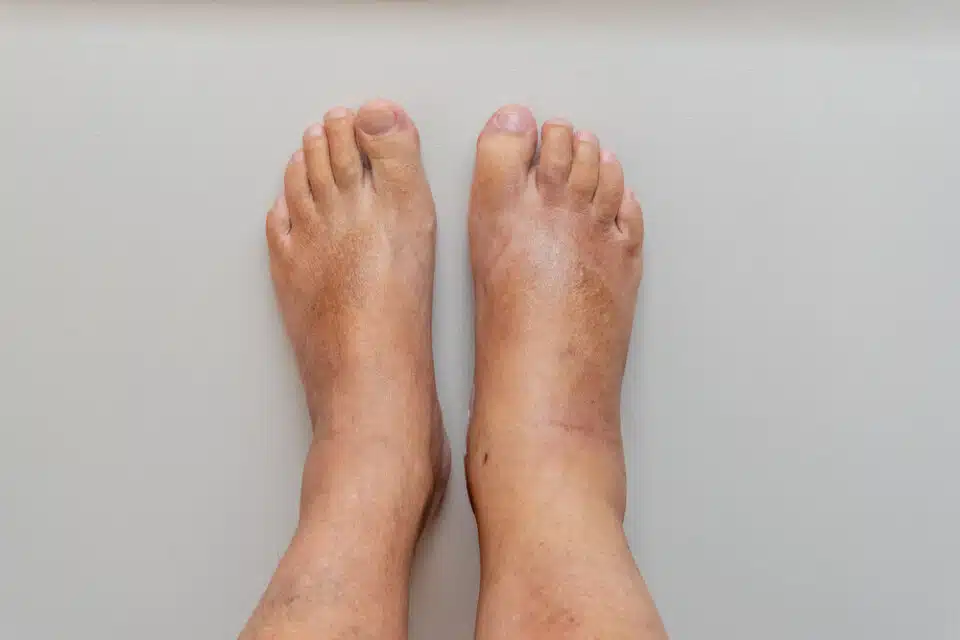
This is when swelling and inflammation often increase for many acute soft-tissue injuries. In this phase, cold is usually the safer first choice if the area is swollen, warm, or throbbing.
- Cold: 10 to 20 minutes at a time, every 2 to 3 hours while awake
- Avoid heat: heat can increase blood flow and may worsen swelling or bruising early on
- Support the basics: relative rest, compression, and elevation can help swelling settle
After 48 hours (or once swelling is clearly down)
Once the area is less puffy and less “hot,” your goal shifts to restoring comfortable movement. This is where heat can be very helpful, especially before stretching, walking, or gentle rehab exercises.
- Heat: 15 to 20 minutes before activity to loosen tissues
- Cold: still useful after activity if the area re-swells or throbs

How to use cold safely
Cold is simple, but skin injuries from overdoing it are common.
Best options
- Gel cold pack wrapped in a thin towel
- Bag of frozen peas or crushed ice wrapped in cloth
- Cool water immersion for hands or feet (short sessions, and avoid if you have poor circulation or reduced sensation)
Do this
- Use a barrier: always put cloth between skin and the cold source
- Set a timer: 10 to 20 minutes max per session
- Check your skin: stop if you see white patches, blistering, or intense burning
- Skip cold over damaged skin: avoid icing areas with broken skin, rashes, or poor wound healing
Avoid this
- Falling asleep with a cold pack on
- Direct ice on bare skin
- Long sessions “to make it work faster”
How to use heat safely
Heat can feel wonderful for tight muscles, but burns can happen faster than people expect.
Best options
- Heating pad on low to medium setting
- Warm shower or bath
- Microwavable heat pack (carefully tested for hot spots)
- Warm compress
Do this
- Use moderate warmth: it should feel soothing, not intense
- Limit sessions: 15 to 20 minutes is usually enough
- Re-check skin often: especially over bony areas like ankles, knees, elbows
- Be cautious with topicals: avoid heating over numbing creams or “hot” rubs, since they can mask a burn or intensify irritation
Avoid this
- Heat on a freshly swollen injury
- Sleeping with a heating pad on
- Heat over an area with broken skin, new bruising, or active bleeding
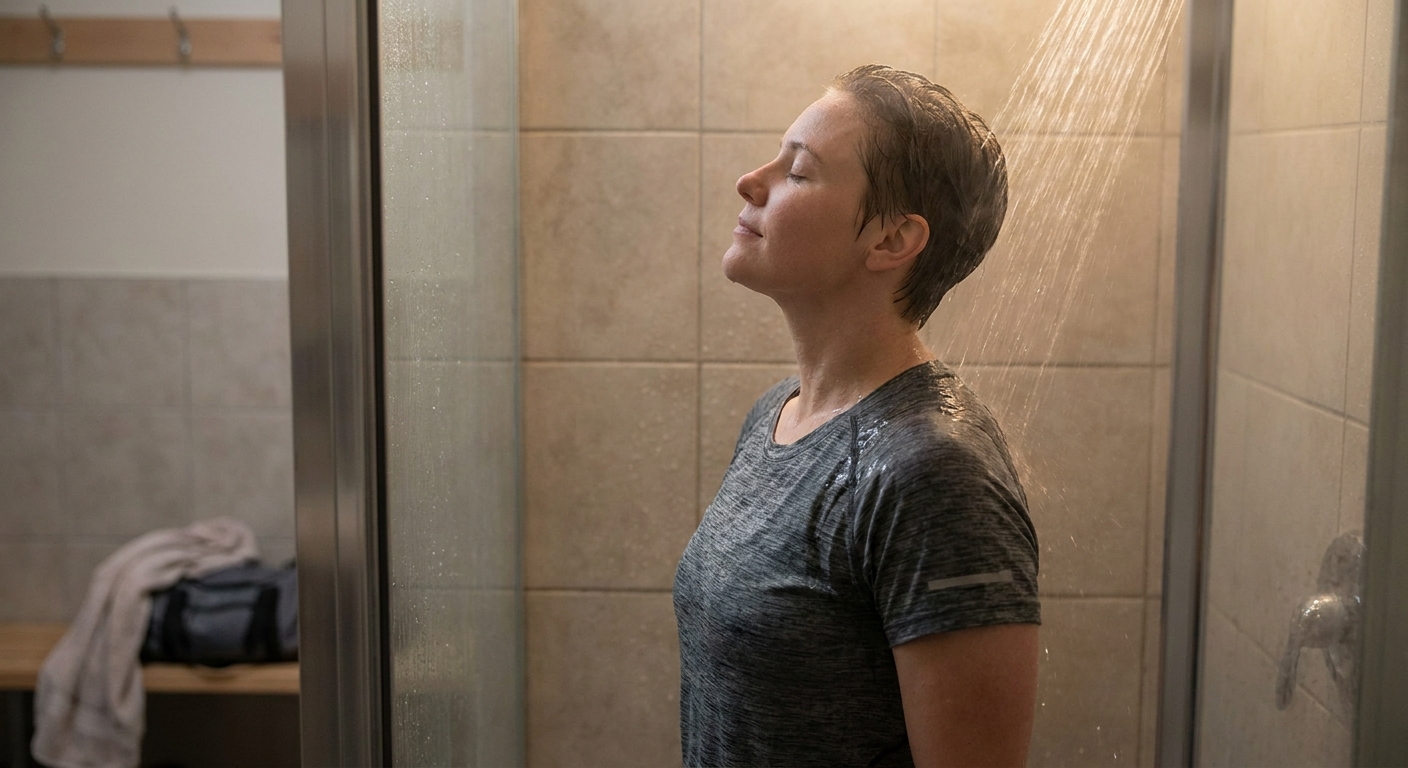
Alternating heat and cold
Alternating can feel good for some people during subacute recovery, when swelling is mostly controlled but the area still aches and stiffens. The main goal is comfort and symptom control. There is limited evidence that contrast therapy speeds healing for most common injuries.
A simple approach:
- Heat 10 to 15 minutes
- Gentle movement or rehab exercises
- Cold 10 to 15 minutes if the area throbs or swells
If alternating makes pain worse, stop and return to whichever option clearly helps.
Extra caution for high-risk groups
If you have diabetes , peripheral neuropathy, reduced sensation after surgery, or circulation problems (such as peripheral artery disease or Raynaud phenomenon), heat and cold require extra caution. When sensation is reduced, you may not feel a burn or frost injury until damage is done.
Be extra careful if any apply
- Diabetes with numbness or tingling in feet or hands
- History of frostbite or cold sensitivity
- Known vascular disease or poor circulation
- Spinal cord injury, stroke, or any condition affecting sensation
Safer strategies
- Use milder temperatures: lukewarm heat rather than hot, cool rather than freezing
- Shorter sessions: 5 to 10 minutes, then reassess skin
- Never apply directly: always use a cloth barrier
- Avoid extremes on hands and feet: these areas are higher risk for skin injury
If you are unsure what is safe for your specific health situation, it is worth asking your clinician. A quick message can prevent a surprisingly serious skin injury.
When to get checked
Heat and cold are for comfort and support. They are not a substitute for evaluation when an injury could be serious. Seek urgent care or medical evaluation if you have:
- Inability to bear weight or use the limb
- Severe swelling, deformity, or a “pop” followed by instability
- Worsening pain after 24 to 48 hours of home care
- Numbness, coldness, color change (pale or blue), or increasing tingling
- Signs of infection: fever, spreading redness, warmth, pus
- Calf swelling or pain with shortness of breath or chest pain (possible clot, emergency)
Quick FAQs
Is ice still recommended?
For most healthy adults, ice or a cold pack is still a reasonable option for early pain and swelling control after a new sprain or strain. The key is short sessions with a cloth barrier, not prolonged direct icing. Think symptom relief, not a magic fix.
What about sore muscles after exercise?
For delayed-onset muscle soreness, heat (warm shower, heating pad) and gentle movement are often more comforting than cold. If a specific area is inflamed or you feel a sharp, localized pain, a cold pack may help.
Can heat make inflammation worse?
It can, especially early on. If the area is clearly swollen, hot, and throbbing, heat may increase blood flow and make swelling worse. In that case, cold is usually the better first step.
How long should I wait to use heat after a sprain?
A common guideline is at least 48 hours, and only once swelling is settling. If the joint is still puffy or warm to the touch, stick with cold and supportive care a bit longer.
The bottom line
If you remember nothing else, remember this: cold can calm a new, swollen injury, and heat can relax tight, stiff tissues during recovery. Use either one in short, controlled sessions, protect your skin, and take extra precautions if you have diabetes, poor circulation, decreased sensation, or fragile skin.
If symptoms are not improving, or if you are unsure which approach fits your injury, consider checking in with a healthcare provider or physical therapist for guidance.