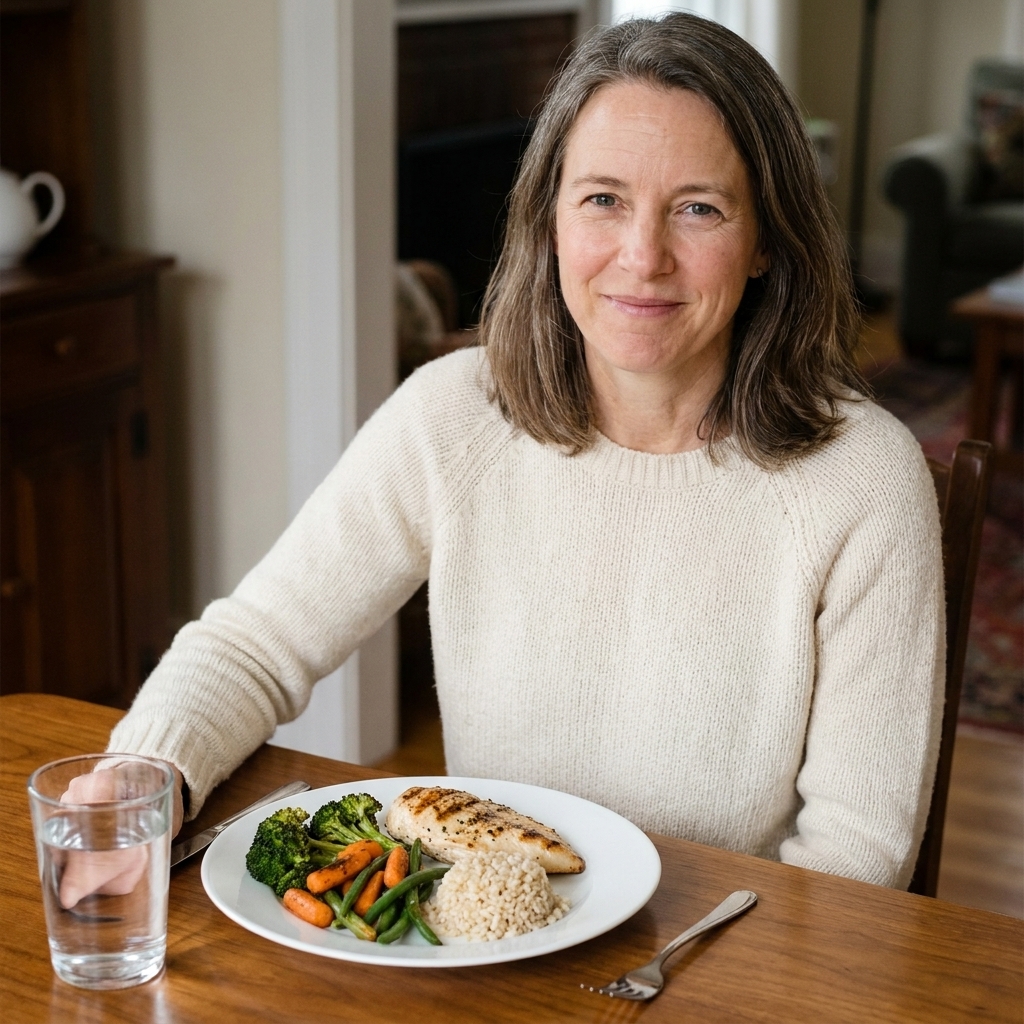
Inflammation is not always the enemy. It is part of how your body heals after a cut or fights off an infection. The trouble starts when inflammation stays switched on for too long. This kind of chronic inflammation is typically low-grade and ongoing, and over time it can irritate joints, contribute to blood vessel dysfunction, and raise the risk of cardiovascular disease. In some autoimmune conditions, higher inflammation may also be associated with more symptoms, although flares are complex and not driven by food alone.
In clinic, one of the most empowering things I tell patients is this: you do not need a perfect diet to help your body calm down. You need repeatable habits. The foods below are nutrient-dense, widely available, and realistic to include most days, especially when you build them into meals you already eat.
One more grounding point: inflammation is influenced by more than food. Sleep, stress, movement, alcohol intake, and smoking all matter. And your symptoms and lab markers (like CRP) do not always move in lockstep, so focus on the overall pattern, not a single number.
What makes a food anti-inflammatory?
Foods that help lower chronic inflammation tend to share a few traits: they are rich in antioxidants (which help reduce oxidative stress), fiber (which supports a healthier gut and steadier blood sugar), and unsaturated fats like omega-3s (which can shift your body toward a less inflammatory balance). Just as important, they often replace more inflammatory patterns, like heavily processed foods high in refined carbohydrates, added sugars, and ultra-processed fats. (Trans fats are now restricted in many places, but ultra-processed foods can still be a problem for overall cardiometabolic health.)
If you are living with arthritis, high cholesterol, high blood pressure, diabetes, or an autoimmune condition, food choices will not replace medication when medication is needed. But they can meaningfully support the same goals your treatment plan is aiming for: calmer joints, healthier arteries, and more stable energy. Weight loss is not the only goal here. Many people see benefits even when the scale does not change, especially in blood pressure, lipids, and blood sugar stability.
10 anti-inflammatory foods to eat often
“Often” does not have to mean large portions every single day. Think of this list as a rotation you reach for most days, with small, consistent servings.
1) Extra-virgin olive oil
Extra-virgin olive oil is a cornerstone of heart-supportive eating patterns, including evidence from Mediterranean-diet trials. It is rich in monounsaturated fats and polyphenols that help support blood vessel health. It is one of the simplest swaps you can make if you currently rely on butter or creamy dressings most of the time.
- Easy serving: 1 to 2 tablespoons as salad dressing or drizzled over roasted vegetables.
- Quick tip: Avoid high-heat frying. Use lower-to-medium heat for cooking, and finish dishes with extra-virgin olive oil when possible.

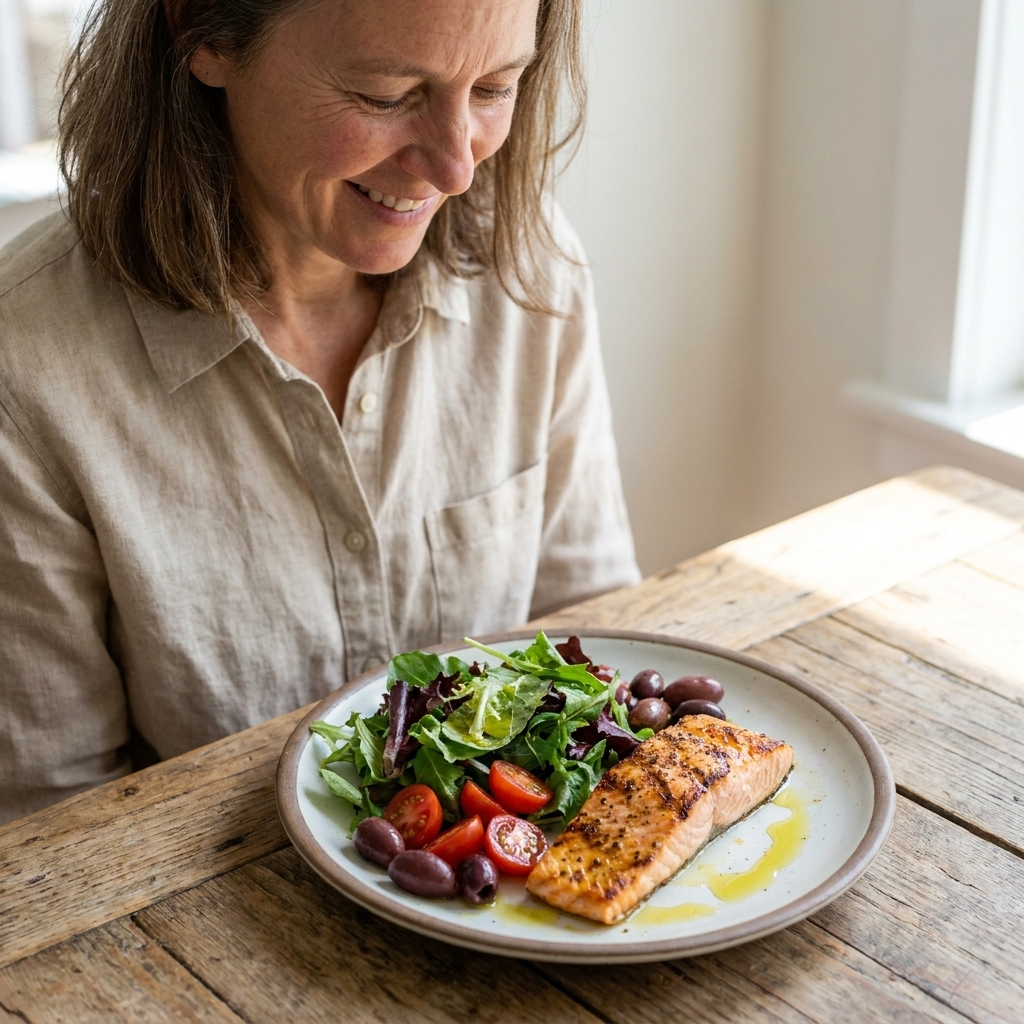
2) Fatty fish (salmon, sardines, trout, mackerel)
Omega-3 fats from fish can help lower inflammatory signaling in the body and are consistently linked with cardiovascular benefits. For inflammatory joint conditions like rheumatoid arthritis, some people report less morning stiffness when omega-3 intake becomes regular, although results vary and the effect is often modest.
- Easy serving: Aim for 2 to 3 servings per week. (The American Heart Association recommends fish, particularly fatty fish, at least twice a week.)
- Practical option: Canned salmon or sardines are affordable, quick, and nutritious.
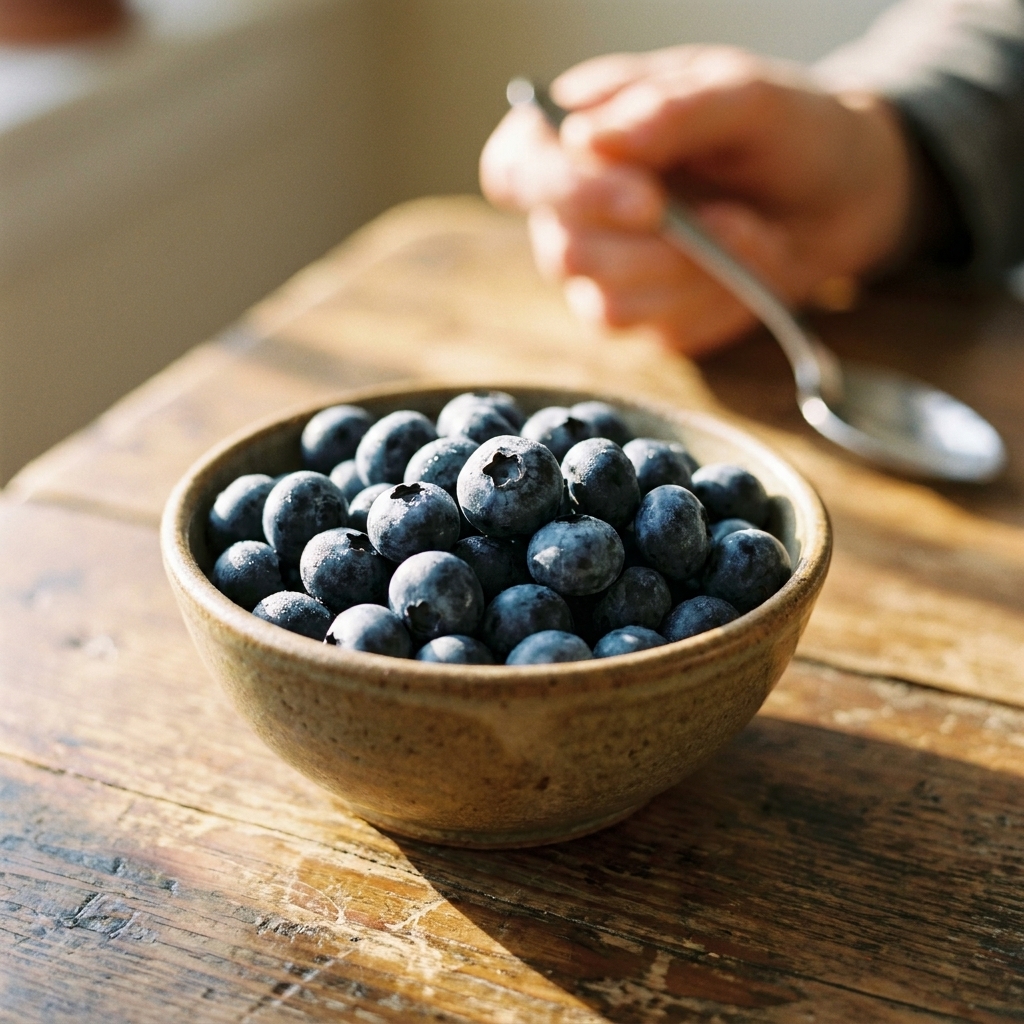
3) Berries (blueberries, strawberries, raspberries)
Berries are packed with antioxidants, including anthocyanins, that support blood vessel function and help counter oxidative stress. They are also a high-fiber way to satisfy a sweet craving.
- Easy serving: 1/2 to 1 cup in oatmeal, yogurt, or a smoothie.
- Budget tip: Frozen berries are just as useful and often less expensive.
4) Leafy greens (spinach, kale, arugula, Swiss chard)
Leafy greens provide folate, vitamin K, magnesium, and carotenoids that support overall metabolic health and cardiovascular function. They are also an easy way to add volume and nutrients without spiking blood sugar.
- Easy serving: A big handful in eggs, soups, pasta, or a grain bowl.
- If joints are your focus: Greens pair beautifully with olive oil and lemon, a simple, joint-friendly side.
5) Cruciferous vegetables (broccoli, cauliflower, Brussels sprouts)
Cruciferous vegetables contain compounds like sulforaphane that have been studied for anti-inflammatory and cellular protective effects. They are also fiber-rich, which supports a healthier gut microbiome, an important piece of inflammation regulation.
- Easy serving: Roast a sheet pan at the start of the week for grab-and-go lunches.
- Flavor helper: Add garlic, olive oil, and a pinch of salt, then finish with lemon.
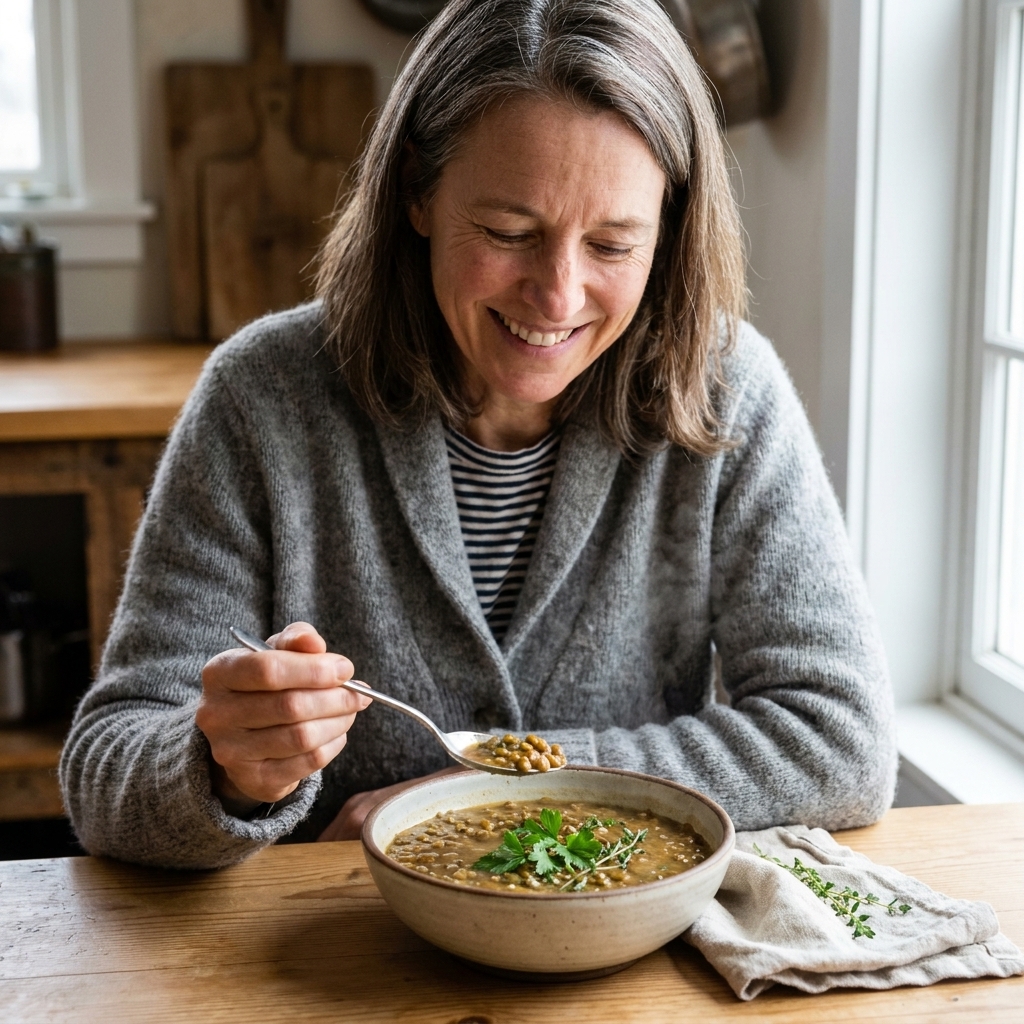
6) Beans and lentils
Beans and lentils are some of the most underused anti-inflammatory staples. They provide fiber, plant protein, potassium, and magnesium. They also help lower LDL cholesterol for many people, which supports heart health directly.
- Easy serving: 1/2 cup added to salads, tacos, soups, or pasta sauce.
- Gentle digestion tip: Start with smaller portions, rinse canned beans well, and increase gradually.
7) Nuts, especially walnuts and almonds
Nuts offer unsaturated fats, fiber, and minerals. Walnuts, in particular, provide plant-based omega-3s (ALA). Regular nut intake is associated with better cardiovascular outcomes in large nutrition studies.
- Easy serving: A small handful, about 1 ounce.
- Portion note: Nuts are calorie-dense, so measure once or twice if weight management is a concern, then make that portion your “normal.”
8) Seeds (chia, ground flax, hemp)
Seeds are small but powerful. Chia and ground flax provide fiber and omega-3s, and they are easy to add without changing the flavor of your meal much. Fiber is especially important when inflammation is tied to insulin resistance or high triglycerides.
- Easy serving: 1 tablespoon in oatmeal, smoothies, or yogurt.
- Best practice: Choose ground flax for better absorption.
9) Spices: turmeric and ginger
Turmeric (curcumin) and ginger both have evidence supporting anti-inflammatory activity. Food amounts are not a magic cure, but consistent use can help nudge your overall inflammatory load in the right direction, especially when they replace sugary sauces.
- Easy serving: Add ginger to stir-fries or tea, and turmeric to soups, eggs, or roasted vegetables.
- Absorption tip: Black pepper and a little fat (like olive oil) may improve curcumin absorption. The effect size is clearer in supplement research than in typical food amounts, but it is still a helpful habit.

10) Fermented foods (yogurt with live cultures, kefir, kimchi, sauerkraut)
Your gut and your immune system are in constant conversation. Fermented foods can support a more diverse gut microbiome, which may help regulate inflammation for some people. Effects vary by product, strain, and the overall diet pattern, so think of fermented foods as one helpful tool, not a cure.
- Easy serving: 1/2 cup plain yogurt or kefir, or a few forkfuls of kimchi or sauerkraut with a meal.
- Label check: Look for “live and active cultures,” choose minimal added sugar, and watch sodium in fermented vegetables if you are managing blood pressure.
Simple ways to eat these foods every day
If you want this to stick, build a short “default menu” you can repeat without thinking.
- Breakfast: Oatmeal with berries, ground flax, and walnuts, plus plain yogurt on the side.
- Lunch: Big salad with leafy greens, beans or lentils, olive oil and lemon dressing, plus a scoop of sauerkraut.
- Dinner: Salmon or sardines (2 to 3 times per week) with roasted broccoli and a drizzle of olive oil, seasoned with ginger or turmeric.
- Snack: Almonds and a piece of fruit.
If alcohol is part of your routine, keep it modest. For many people, frequent or heavy drinking can worsen sleep, blood pressure, triglycerides, and inflammation-related symptoms.
If you have arthritis, high blood pressure, or take blood thinners
As a family nurse practitioner, I always want readers to be safe as they make healthy changes.
- On blood thinners (like warfarin): Leafy greens are healthy, but keep your intake consistent and talk with your clinician before making major changes. Vitamin K affects dosing.
- Kidney disease: Some “healthy” foods can be too high in potassium or phosphorus depending on your stage of kidney function. Ask your care team what fits your labs.
- High blood pressure: Fermented foods like kimchi and sauerkraut can be very salty. Use smaller portions or choose lower-sodium options.
- Fish choices: If you are pregnant, trying to conceive, or feeding a young child, follow mercury guidance and choose lower-mercury fish more often (salmon and sardines are typically good options).
A realistic goal for the next 7 days
If this feels like a lot, start with one simple plan: choose two foods from the list and make them automatic. For example, olive oil as your default dressing and berries with breakfast. Next week, add a third. This stacking approach is how lasting change usually happens, especially when you are already managing joint pain, fatigue, or a busy schedule.
Small, steady choices create the kind of anti-inflammatory eating pattern that supports both your joints and your heart over the long haul.
Common questions
How fast can diet changes reduce inflammation?
Some people notice changes in energy, digestion, or joint stiffness within a few weeks, especially when improvements include better fiber intake and fewer ultra-processed foods. For cholesterol, blood pressure, and longer-term cardiovascular risk markers, think in months. The most reliable results come from consistency.
Do I need supplements like fish oil or turmeric capsules?
Not always. Food-first is a solid approach for most people. Supplements can be helpful in specific situations, but dosing and drug interactions matter. If you take blood thinners, have a bleeding disorder, or are preparing for surgery, ask your clinician before starting fish oil or high-dose turmeric supplements.
What foods tend to worsen inflammation for many people?
Patterns that often increase inflammatory burden include frequent sugary drinks, refined carbs, processed meats, heavy alcohol intake, and ultra-processed snack foods. You do not have to ban anything forever. Start by reducing frequency and improving what you eat most often.