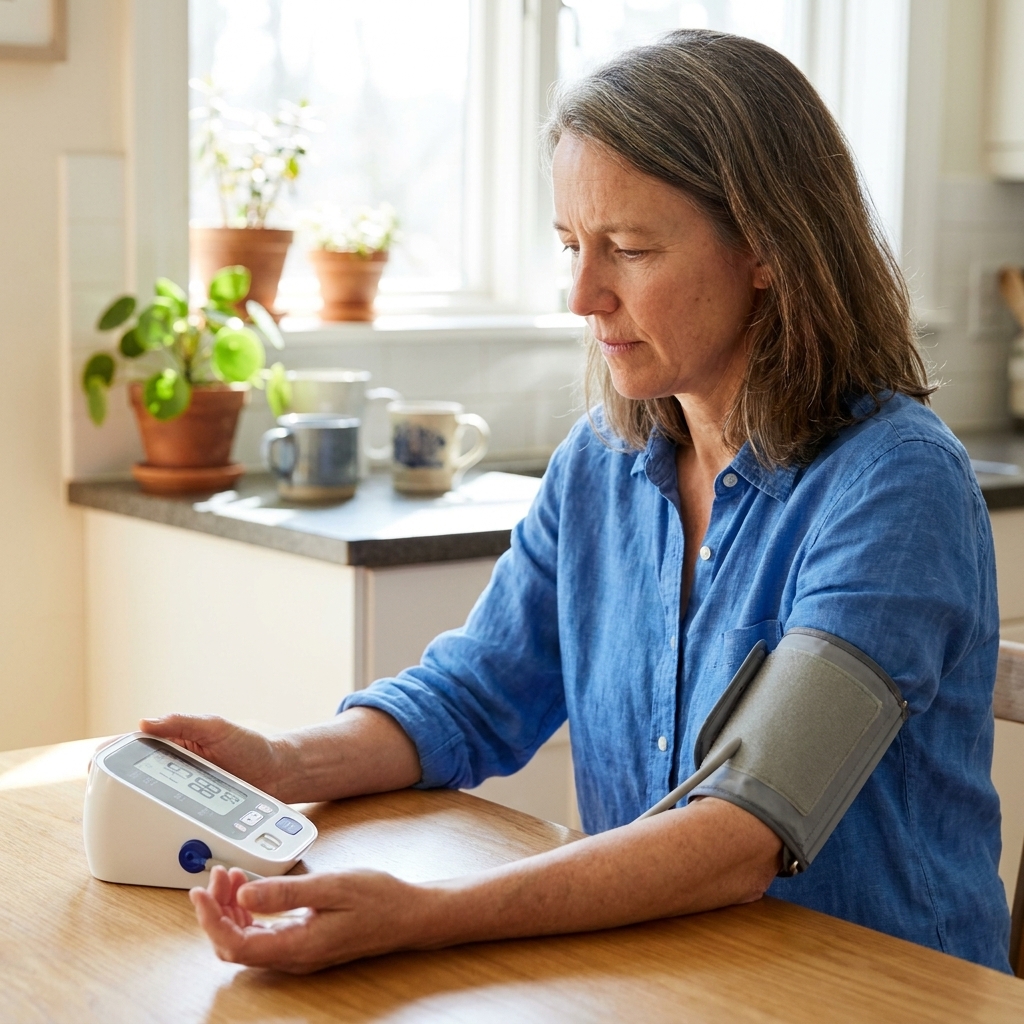
High blood pressure can feel sneaky. Most people do not feel it, but your blood vessels feel it every day. The good news is that small, consistent changes can bring meaningful improvements, sometimes in a matter of weeks. Below are seven lifestyle strategies backed by strong research and recommended by major medical guidelines. Pick one or two to start, then build.
A quick note before we begin: If your reading is 180 systolic and/or 120 diastolic or higher, recheck after a few minutes of quiet rest. If it is still that high, contact urgent care or your clinician right away. If you have chest pain, shortness of breath, weakness on one side, severe headache, or vision changes, seek emergency care immediately. And if you are already on blood pressure medication, do not stop it or change how you take it without talking with your clinician. Lifestyle changes and medications often work best as a team.
Know your numbers
If you are trying to improve blood pressure, it helps to know what the categories mean. For most adults (not pregnant), the American Heart Association and American College of Cardiology use these definitions:
- Normal: less than 120/80
- Elevated: 120 to 129 systolic and less than 80 diastolic
- Stage 1: 130 to 139 systolic or 80 to 89 diastolic
- Stage 2: 140 or higher systolic or 90 or higher diastolic
Goals are individualized based on your overall risk, age, and other conditions, so use these ranges as a map, then confirm your personal target with your clinician.
1) Move more: cardio plus strength
Exercise is one of the most reliable ways to lower blood pressure naturally. It improves how efficiently your heart pumps and helps your blood vessels relax. The most consistent results come from a mix of aerobic activity and strength training.
Try this
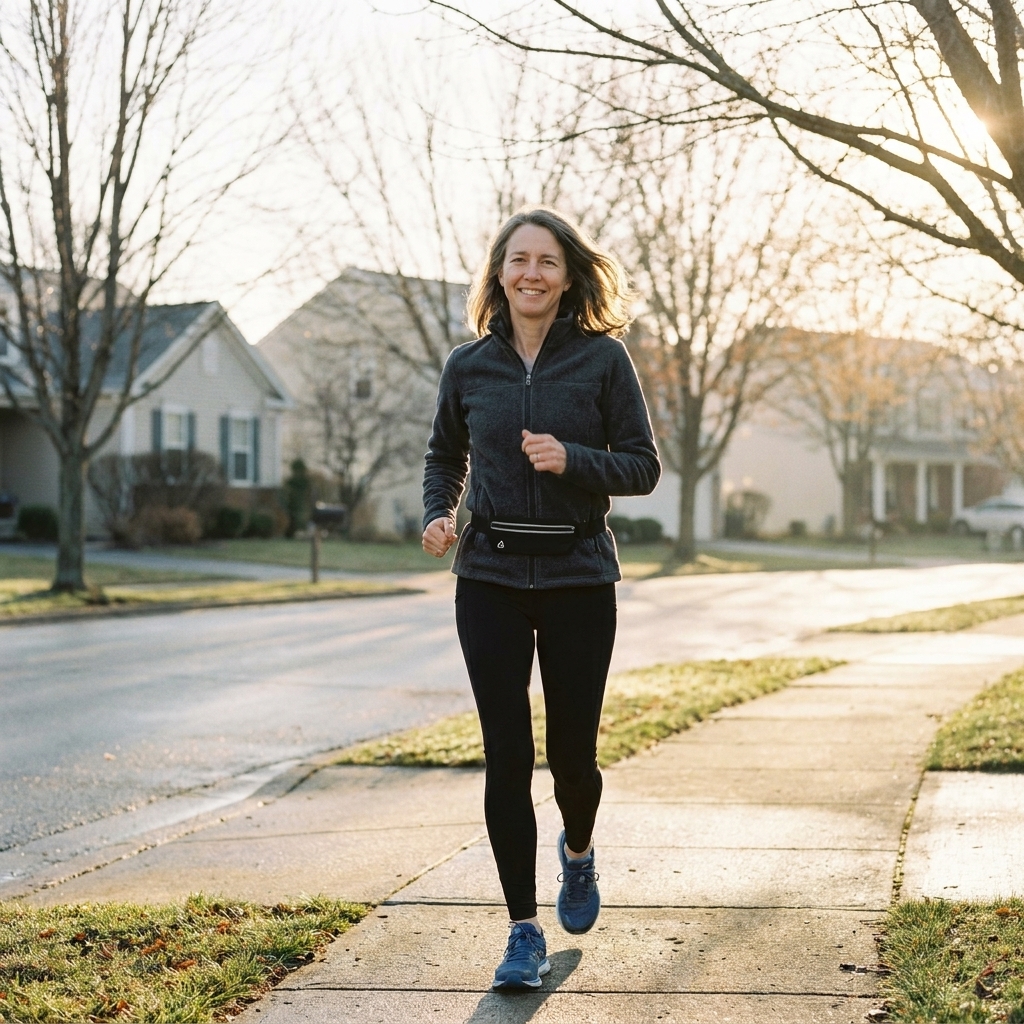
- Aerobic activity: Aim for 150 minutes per week of moderate-intensity movement (brisk walking, cycling, swimming) or 75 minutes of vigorous activity.
- Strength training: Add 2 days per week of full-body strength work (machines, free weights, resistance bands, or bodyweight).
- Short on time: Break it into 10- to 15-minute blocks. Three short walks a day absolutely counts.
A simple weekly plan
- Mon: 30-minute brisk walk
- Tue: 20-minute strength session
- Wed: 30-minute walk or bike
- Thu: Rest or gentle yoga
- Fri: 30-minute walk
- Sat: 20-minute strength session + 10-minute walk
- Sun: Longer easy walk or swim
Safety tip: If you are new to exercise or your blood pressure is very high, start with walking and light resistance first. Avoid breath-holding during lifts; it can spike pressure. Exhale on effort.
2) Cut sodium where it hides
Sodium reduction can noticeably lower blood pressure, especially for people who are “salt sensitive,” older adults, and anyone with kidney disease or diabetes. The twist is that most sodium does not come from your salt shaker. It comes from packaged and restaurant foods.
Try this
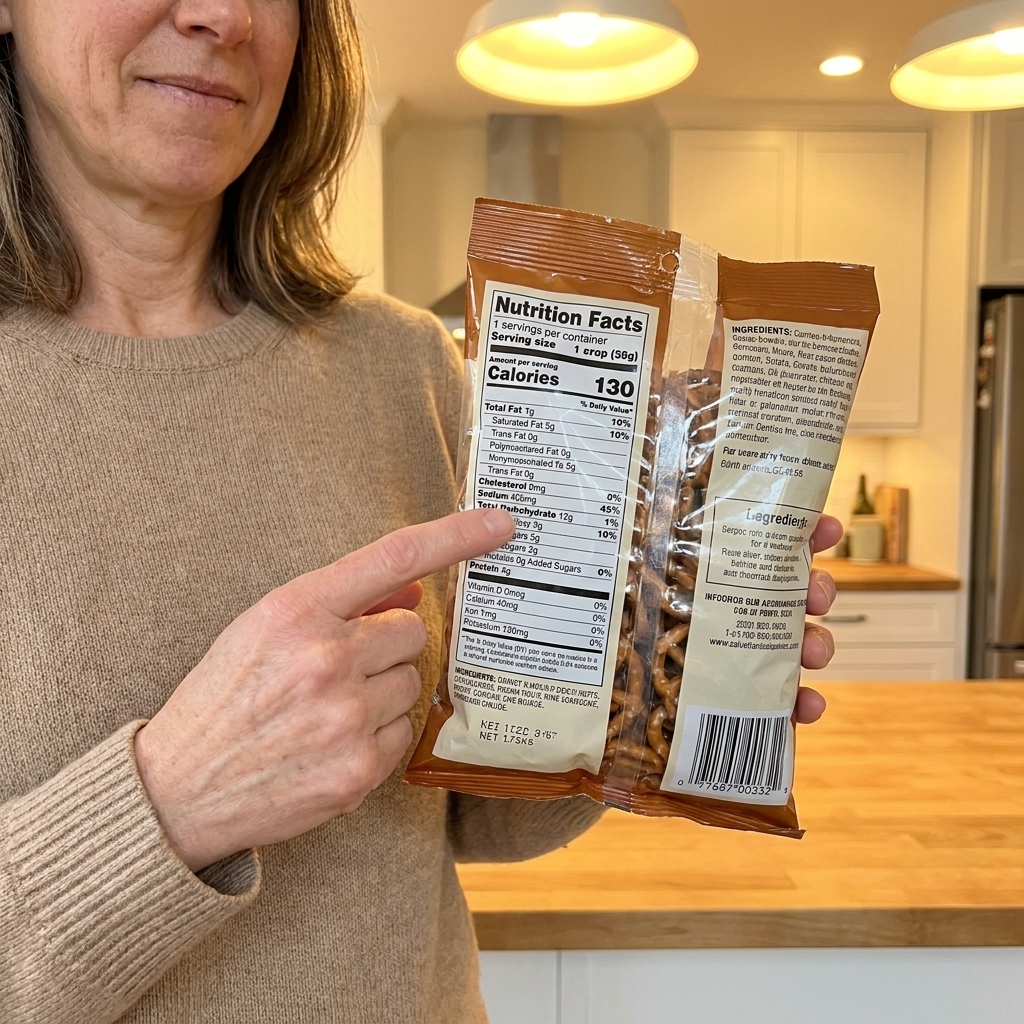
- Read labels: Choose lower-sodium versions of bread, soups, sauces, deli meats, and frozen meals.
- Rinse canned foods: Rinsing canned beans and vegetables can reduce sodium.
- Cook one more meal at home: Even one extra home-cooked meal per day can drop your weekly sodium load.
- Flavor swap: Use garlic, lemon, vinegar, pepper, cumin, paprika, rosemary, and salt-free blends.
Targets that help: Many guidelines, including the American Heart Association, support aiming for under 2,300 mg/day of sodium, and for some people, closer to 1,500 mg/day can provide additional benefit depending on risk and clinician advice. You do not have to be perfect. A steady step-down often works better than an abrupt “no salt” switch.
3) Eat DASH style
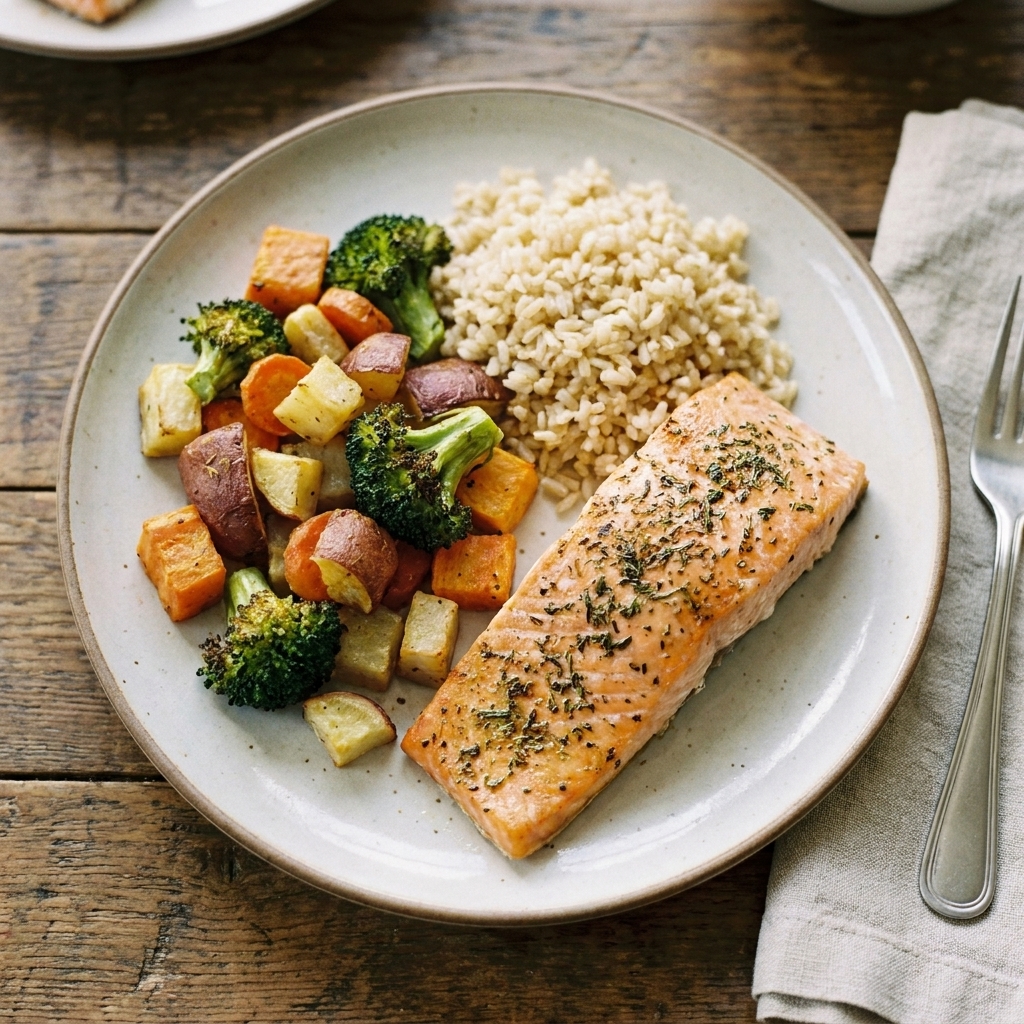
The DASH eating pattern (Dietary Approaches to Stop Hypertension) is one of the most studied nutrition approaches for blood pressure. It is not about restriction for restriction’s sake. It focuses on foods that naturally provide potassium, magnesium, fiber, and healthy fats, all of which support healthier blood vessel function.
Build your plate
- Half: vegetables and fruit
- One quarter: whole grains (brown rice, oats, whole wheat, quinoa)
- One quarter: lean protein (beans, lentils, fish, chicken, tofu)
- Add: small amounts of nuts, seeds, and unsweetened dairy if tolerated
Easy swaps
- Swap chips for unsalted nuts or air-popped popcorn
- Swap processed lunch meat for leftover chicken, tuna, or hummus
- Swap sugary breakfast for oats with berries and a spoon of nut butter
Important: Potassium-rich foods (like bananas, potatoes, beans, and leafy greens) can help lower blood pressure, but if you have kidney disease or take certain medications (such as ACE inhibitors, ARBs, or potassium-sparing diuretics), ask your clinician what potassium intake is safe for you. Also be cautious with potassium supplements and salt substitutes made with potassium chloride unless your clinician specifically okays them.
4) If weight matters, aim small
Not everyone with high blood pressure is in a larger body, but when excess weight is part of the picture, even a modest reduction can help. Blood pressure often improves with a 5% to 10% weight loss, especially when changes are sustainable and centered on habits you can keep.
Try this
- Prioritize protein and fiber at meals to stay full longer.
- Watch liquid calories from sweet drinks, specialty coffee beverages, and alcohol.
- Keep an “easy default” dinner for busy nights, like bagged salad + rotisserie chicken + microwavable brown rice.
If tracking helps you, track. If tracking makes you anxious, skip it and focus on plate structure and routines. The best plan is the one you can repeat on a stressful Tuesday.
5) Stress: go vessel-friendly
Stress does not just live in your mind, it shows up in your body through hormones that temporarily tighten blood vessels and raise heart rate. Chronic stress can also nudge behaviors that raise blood pressure: poorer sleep, less movement, more alcohol, and convenience foods.
Try this week
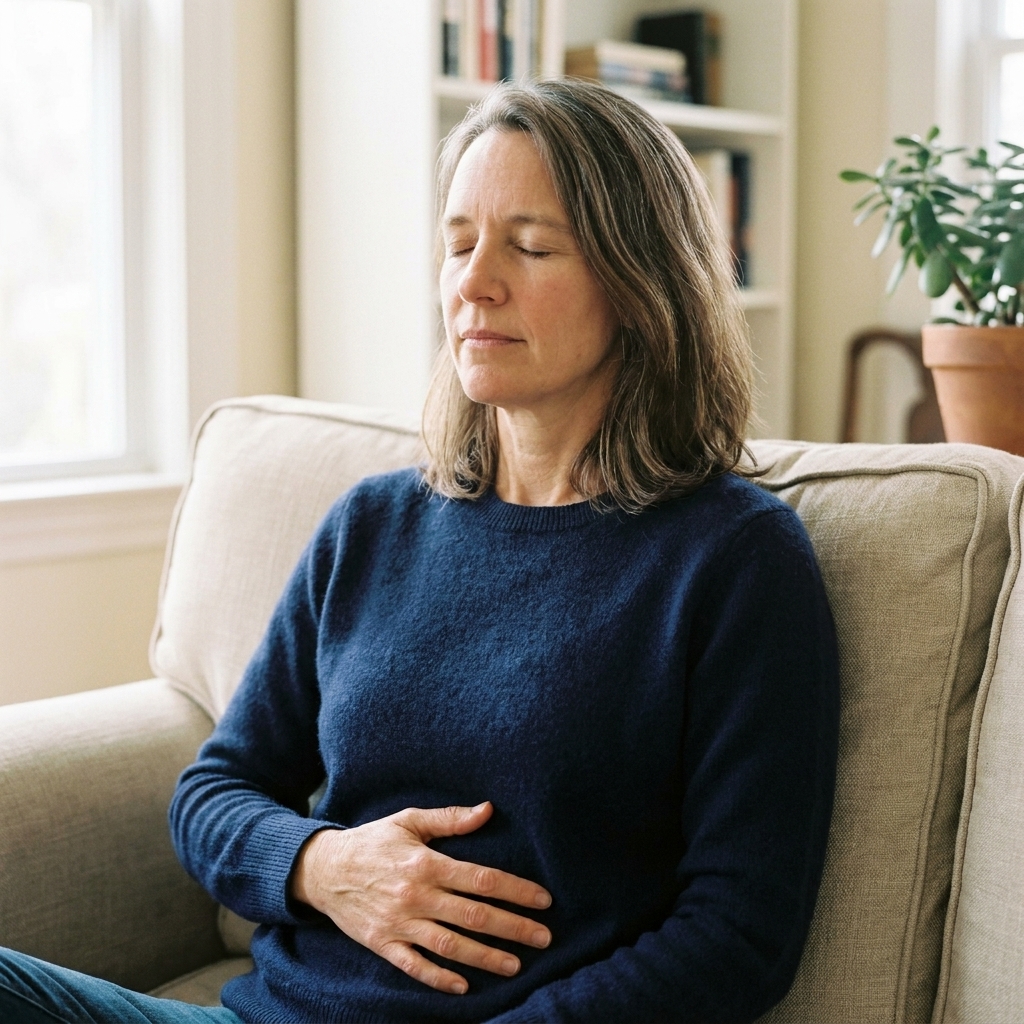
- Try paced breathing: 5 minutes, once or twice daily. Breathe in gently through your nose for 4 seconds, breathe out for 6 seconds.
- Take a transition walk: 10 minutes after work or after dinner to signal your nervous system that the day is shifting.
- Reduce news or social media spikes: Time-box it. Your blood pressure does not benefit from doom-scrolling.
Some people also see improvements with mindfulness practice, yoga, or cognitive behavioral therapy. If anxiety or depression is in the mix, getting support is not optional self-care. It is blood pressure care.
6) Sleep: treat it like a prescription
Consistently short or poor-quality sleep is linked with higher blood pressure. And obstructive sleep apnea is a major, often missed driver of hypertension. If you snore loudly, wake up gasping, or feel unrefreshed even after 7 to 8 hours, it is worth discussing a sleep evaluation.
Try this
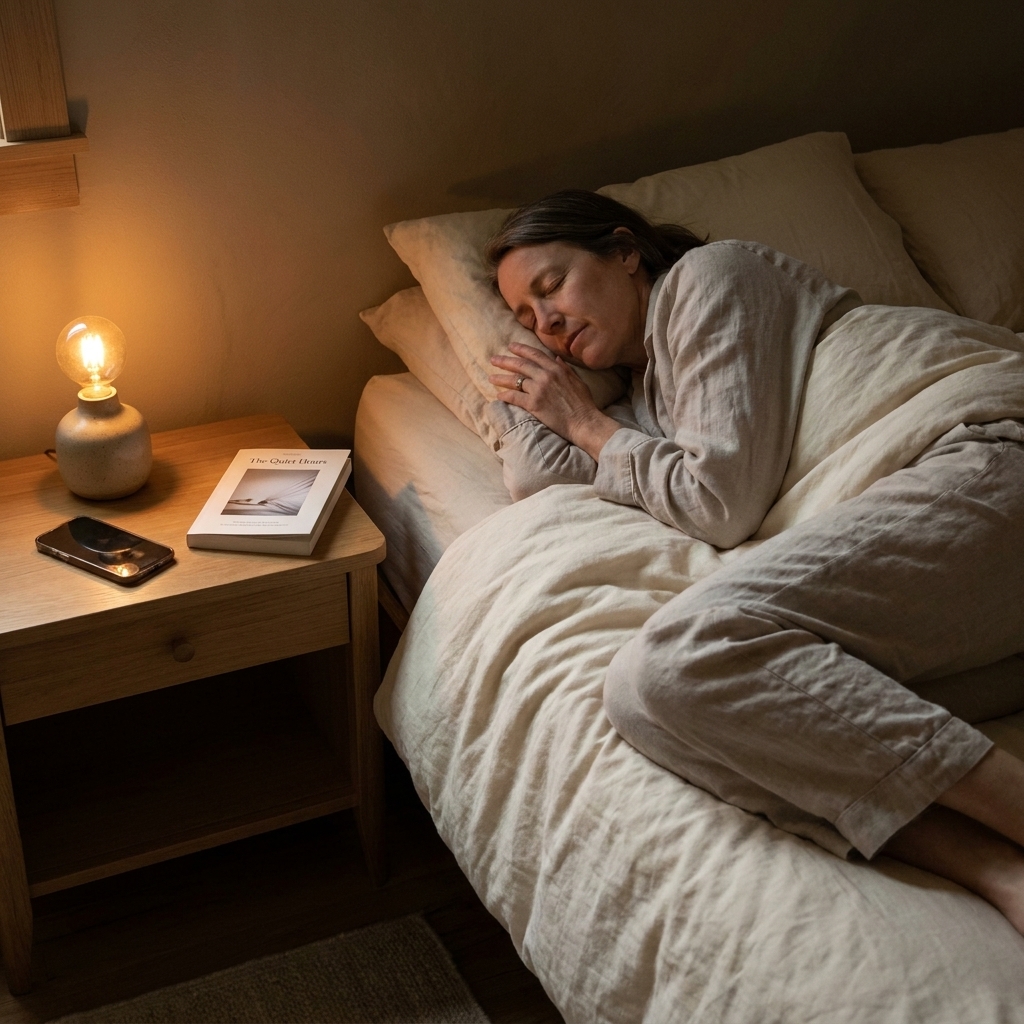
- Aim for 7 to 9 hours most nights.
- Keep a steady schedule within 1 hour, even on weekends if possible.
- Set a caffeine cutoff 8 hours before bedtime.
- Dim lights and screens 60 minutes before sleep.
If you already take blood pressure medication, ask your clinician whether timing matters for your specific regimen. In some cases, adjusting timing may help certain patterns (like higher morning readings), but do not change dosing time without clinical guidance.
7) Alcohol down, nicotine out
Alcohol can raise blood pressure, especially when intake creeps up over time. Tobacco and nicotine (including vaping) temporarily raise blood pressure and damage blood vessels, making long-term control harder.
Try this
- Alcohol: If you drink, consider reducing to no more than 1 drink per day for women or 2 per day for men. For blood pressure, less is often better, and for some people the best choice is none. Try alcohol-free days each week.
- Tobacco and nicotine: If you use them, make a quit plan. Combining counseling plus medication (nicotine replacement, varenicline, or bupropion when appropriate) improves success rates.
If quitting feels overwhelming, start with one step: talk to your primary care clinician or pharmacist. You do not have to muscle through it alone.
Track progress at home
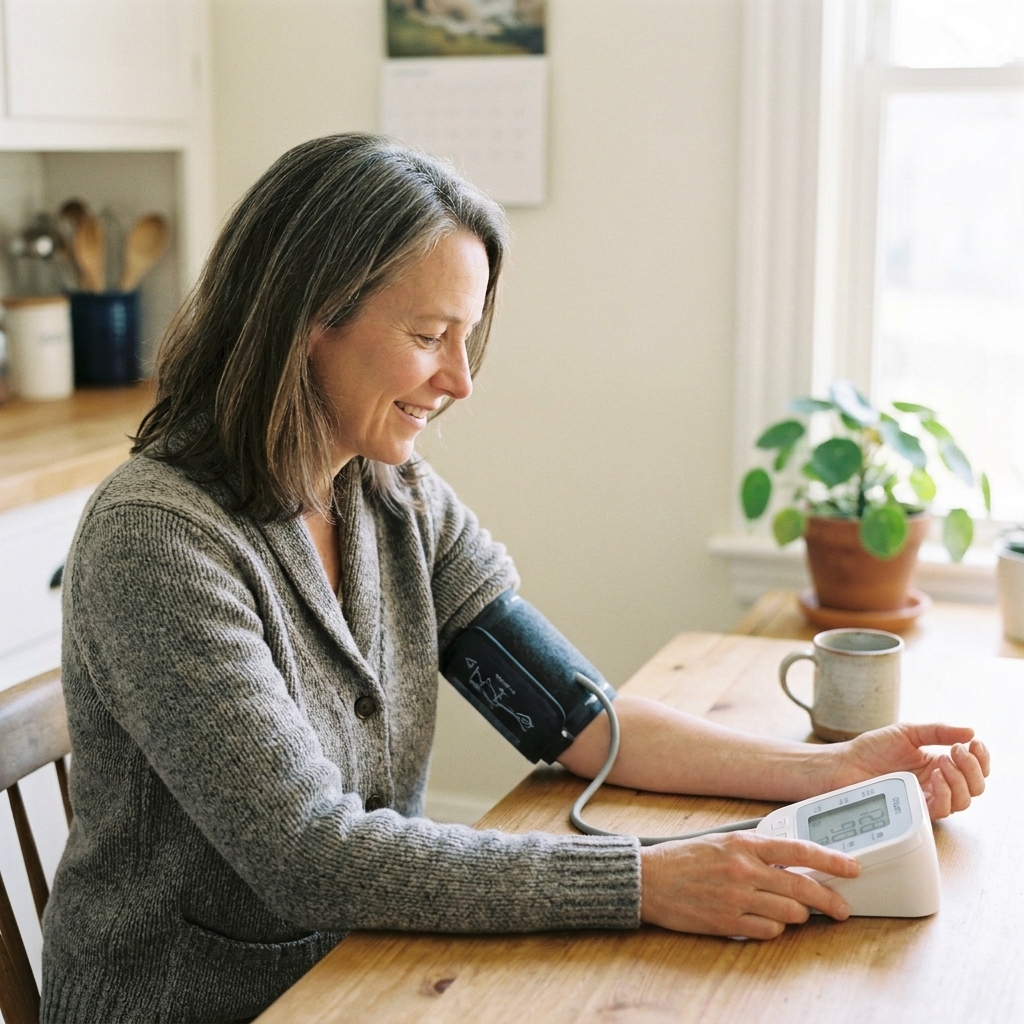
Home blood pressure monitoring can be a game-changer. It helps separate true hypertension from “white coat” readings and shows you what your habits are doing in real time.
Home monitoring checklist
- Use an upper arm cuff that fits your arm size.
- Measure at the same times daily for a week, often morning and evening.
- Rest quietly for 5 minutes first, feet flat, back supported, arm at heart level.
- Avoid caffeine, exercise, and smoking for 30 minutes before measuring.
- Take 2 readings one minute apart, and record the average.
Remember that home readings naturally fluctuate. Focus on trends over multiple days, not a single number on a stressful afternoon.
Bring your log to appointments. This is the kind of data that helps your clinician tailor a plan that fits your real life.
Common BP raisers to review
Sometimes blood pressure stays high even with excellent habits, and that is not a personal failure. Genetics, kidney disease, sleep apnea, hormonal conditions, and certain medications or substances can contribute. If your numbers are stubborn, it is worth reviewing these common culprits with your clinician or pharmacist:
- NSAIDs (like ibuprofen or naproxen) in frequent or higher doses
- Decongestants (like pseudoephedrine)
- Stimulants (including some ADHD medications)
- Some antidepressants (especially SNRIs) and certain migraine medications
- Oral steroids
- Licorice (including some teas and candies)
- High caffeine intake, especially energy drinks
When lifestyle is not enough
Many people need medication to protect the heart, brain, kidneys, and eyes. Lifestyle changes still matter because they can reduce the dose needed and improve overall cardiovascular risk.
Talk with your clinician if:
- Your readings are consistently 130/80 or higher despite changes
- You are pregnant or planning pregnancy
- You have diabetes, kidney disease, or a history of heart disease or stroke
- You suspect sleep apnea (loud snoring, daytime sleepiness, witnessed pauses in breathing)
FAQ
How fast can blood pressure go down naturally?
Some people see improvement within 1 to 2 weeks of reducing sodium, increasing activity, and improving sleep. For others, it takes 4 to 12 weeks of consistent habits. Home readings can bounce around day to day, so look for a steady trend over multiple readings across at least a week.
What is the best exercise to lower blood pressure quickly?
Brisk walking is a strong first choice because it is accessible and safe for many people. Consistency is key. Over time, pairing walking with strength training tends to produce the best overall results.
Do supplements lower blood pressure?
Some supplements show small effects in studies, but quality and safety vary, and they can interact with medications. I recommend starting with proven lifestyle steps first, then discussing any supplement with your clinician, especially if you have kidney disease or take blood thinners or blood pressure medications.
A gentle start
If you want a simple starting point, try this three-part plan for the next 7 days: take a 10-minute walk daily, switch one high-sodium food to a lower-sodium option, and check your blood pressure at home three times that week. Small steps, repeated, can change the direction of your health.