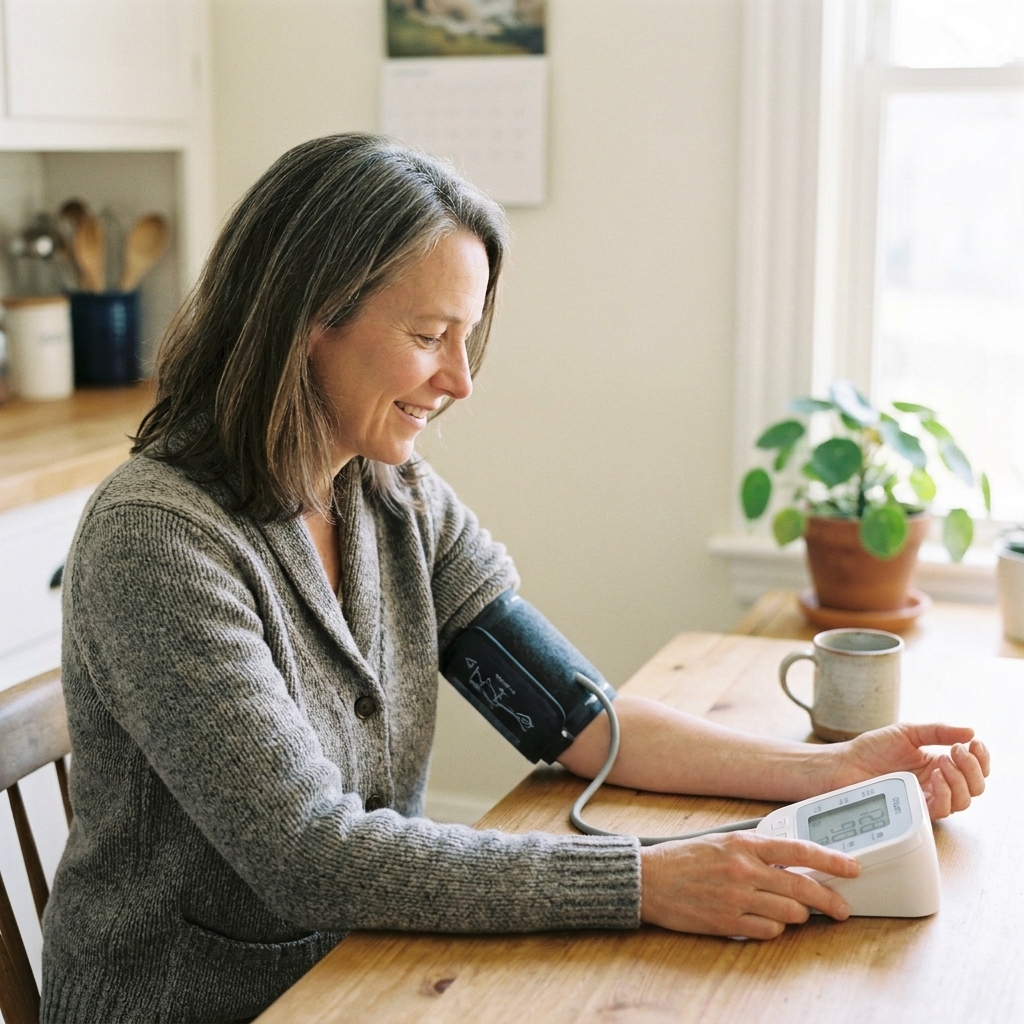
High blood pressure often has no symptoms, which is why it can feel unfair when it shows up at a routine visit. The good news is that your daily choices can make a meaningful difference. In clinic, I remind patients that small, consistent changes tend to beat “perfect for two weeks” every time.
Below are seven strategies backed by solid research and widely used in preventive care. You do not have to do all seven at once. Pick one or two to start, then build.
First, a quick safety note
If your blood pressure is very high or you have symptoms, do not try to manage it on your own.
- Call emergency services now if you have chest pain, severe shortness of breath, one-sided weakness, new confusion, fainting, or severe headache with a very high reading.
- If your reading is 180 systolic or 120 diastolic or higher, sit quietly and repeat it after 5 minutes. If it stays that high, seek same-day urgent evaluation (urgent care, emergency department, or your clinician’s on-call advice) even if you feel fine. If symptoms are present, treat it as an emergency.
If you are already on blood pressure medication, lifestyle changes are still helpful, but do not stop or adjust meds without guidance. As your numbers improve, your clinician may be able to safely lower doses.
1) Follow a DASH-style eating pattern
The DASH diet (Dietary Approaches to Stop Hypertension) is one of the most studied eating patterns for lowering blood pressure. It works because it naturally increases potassium, magnesium, calcium, and fiber while reducing excess sodium, saturated fat, and ultra-processed foods.
What it looks like in real life
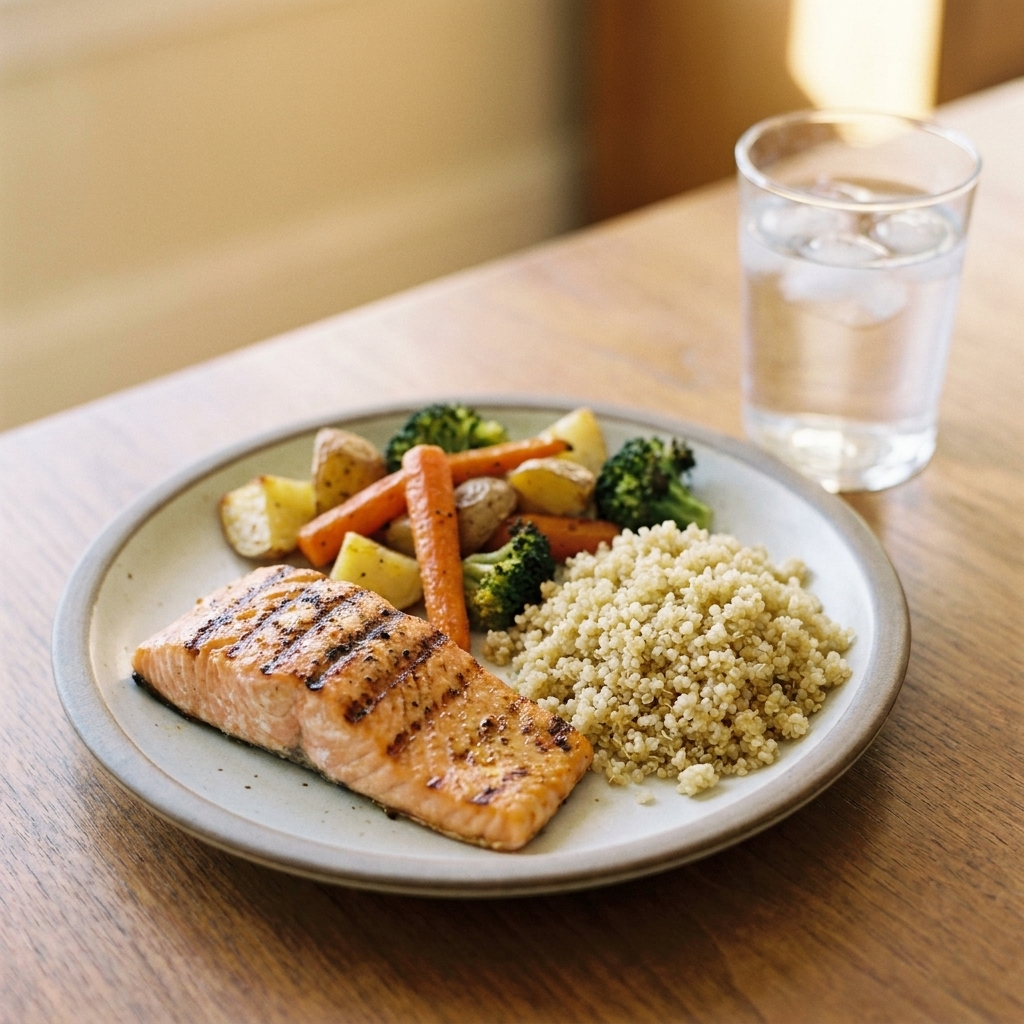
- Half your plate: vegetables and fruit
- Quarter plate: lean protein (beans, lentils, fish, poultry, tofu)
- Quarter plate: whole grains (brown rice, oats, whole wheat, quinoa)
- Most days: nuts, seeds, and low-fat or unsweetened dairy if tolerated
Try this today: Add one extra serving of produce at two meals. That is it. The goal is momentum, not a total pantry overhaul overnight.
2) Lower sodium, but do it strategically
Many people assume salt only comes from the shaker. In reality, most sodium comes from packaged and restaurant foods like breads, deli meats, soups, sauces, frozen meals, and fast food.
For most adults, a practical goal is under 2,300 mg of sodium per day, and some people see additional benefit closer to 1,500 mg per day. Your best target depends on your health history, medications, and what is realistic for your life.
Simple sodium moves that actually work
- Scan labels: choose lower-sodium versions of staples you buy often (bread, broth, canned beans).
- Rinse canned foods: rinsing canned beans can noticeably reduce sodium.
- Flavor without salt: use lemon, vinegar, garlic, onion, herbs, smoked paprika, cumin, or salt-free blends.
- Restaurant hack: ask for sauces and dressings on the side and choose grilled, steamed, or roasted options.
Important: If you have kidney disease, heart failure, or take certain medications, ask your clinician before using salt substitutes that contain potassium.
3) Get enough potassium from food (when safe)
Potassium helps counterbalance sodium and supports healthy blood vessel function. Many people fall short, especially if fruits, vegetables, beans, and dairy are limited in the diet.
Potassium-rich foods to prioritize
- Beans and lentils
- Leafy greens
- Potatoes or sweet potatoes (especially with skin)
- Bananas, oranges, kiwi
- Avocado
- Yogurt or milk (if appropriate for you)
Safety note: If you have chronic kidney disease or take ACE inhibitors, ARBs, spironolactone, or certain other meds, you may need potassium limits. Food sources are often safer than potassium supplements, but individual situations vary. This is a great time to check in with your clinician, who may also monitor labs.
4) Move your body most days
Regular physical activity lowers blood pressure by improving how efficiently your heart pumps and how well your blood vessels relax. You do not need intense workouts for benefit.
What to aim for
- 150 minutes per week of moderate activity (like brisk walking), or
- 75 minutes per week of vigorous activity, plus
- Strength training about 2 days per week
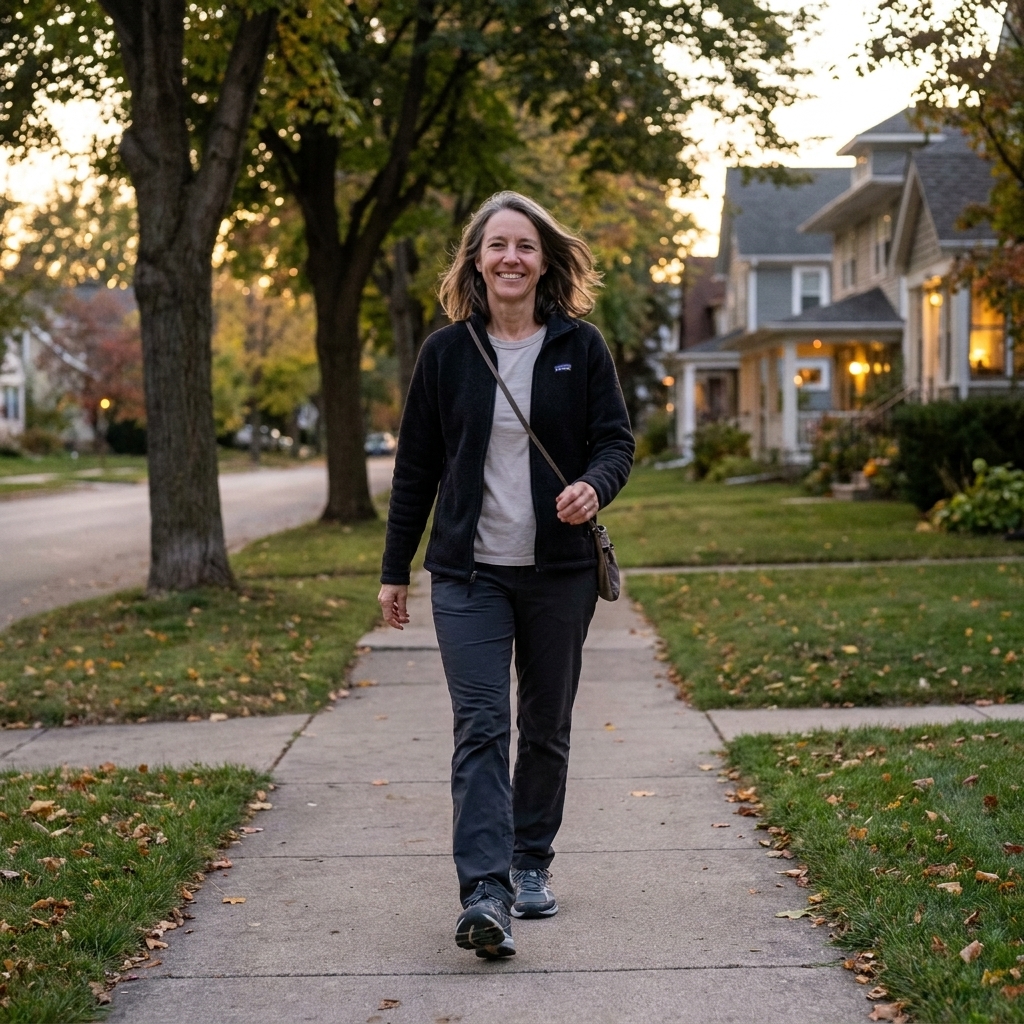
If that sounds like a lot, start with 10 minutes after one meal. A short walk after dinner is one of the most sustainable habits I see patients keep long-term.
5) If weight loss is a goal, start with easy wins
Not everyone needs or wants weight loss, and health is not a number on the scale. But if your clinician has advised weight reduction, even modest loss can help lower blood pressure.
High-impact habits that are not punishment
- Swap drinks: replace one sugary drink or sweet coffee drink per day with water, unsweetened tea, or sparkling water.
- Build protein at breakfast: eggs, Greek yogurt, tofu scramble, or oatmeal with nuts can reduce mid-morning cravings.
- Plan one “default” lunch: a go-to meal you can repeat (salad with beans, rotisserie chicken with veggies, lentil soup).
Think of this as lowering strain on your arteries, not “being good.” Your body responds to gentle consistency.
6) Improve sleep and check for sleep apnea
Sleep is where your nervous system and blood vessels get a chance to reset. Chronic short sleep and untreated sleep apnea can push blood pressure higher, even if you eat well and exercise.
Sleep steps that support lower blood pressure
- Keep a steady schedule (even on weekends when possible).
- Cut caffeine 8 to 10 hours before bedtime if you are sensitive.
- Dim lights and screens in the hour before bed.
- Watch for apnea signs: loud snoring, gasping, morning headaches, or daytime sleepiness.
If you suspect sleep apnea, ask about a sleep study. Treating it can have a meaningful impact on blood pressure and daytime energy.
7) Alcohol, nicotine, and stress
These three factors often show up together in real life because they are tied to coping and routine. The goal is not perfection. The goal is creating a nervous system that is not in “fight-or-flight” all day.
Alcohol
If you drink, keeping alcohol modest can support healthier blood pressure. Standard guidance is up to 1 drink per day for women and up to 2 drinks per day for men, and less is often better for blood pressure. Consider alcohol-free days each week. If cutting back is hard, that is not a character flaw, it is a signal to get support.
Nicotine
Nicotine temporarily raises blood pressure and damages blood vessels over time. If you vape or smoke, talk with your clinician about nicotine replacement, prescription aids, and coaching. A quit plan is far more effective than white-knuckling it.
Stress
Stress does not “cause” all hypertension, but it can raise readings and sabotage sleep, food choices, and activity.
- Try 3 minutes: inhale for 4 counts, exhale for 6 counts, repeat 10 times.
- Try a daily decompression ritual: a short walk, a shower, stretching, or journaling before bed.
- Protect one boundary: one small “no” each day can lower chronic stress load over time.

How to track progress
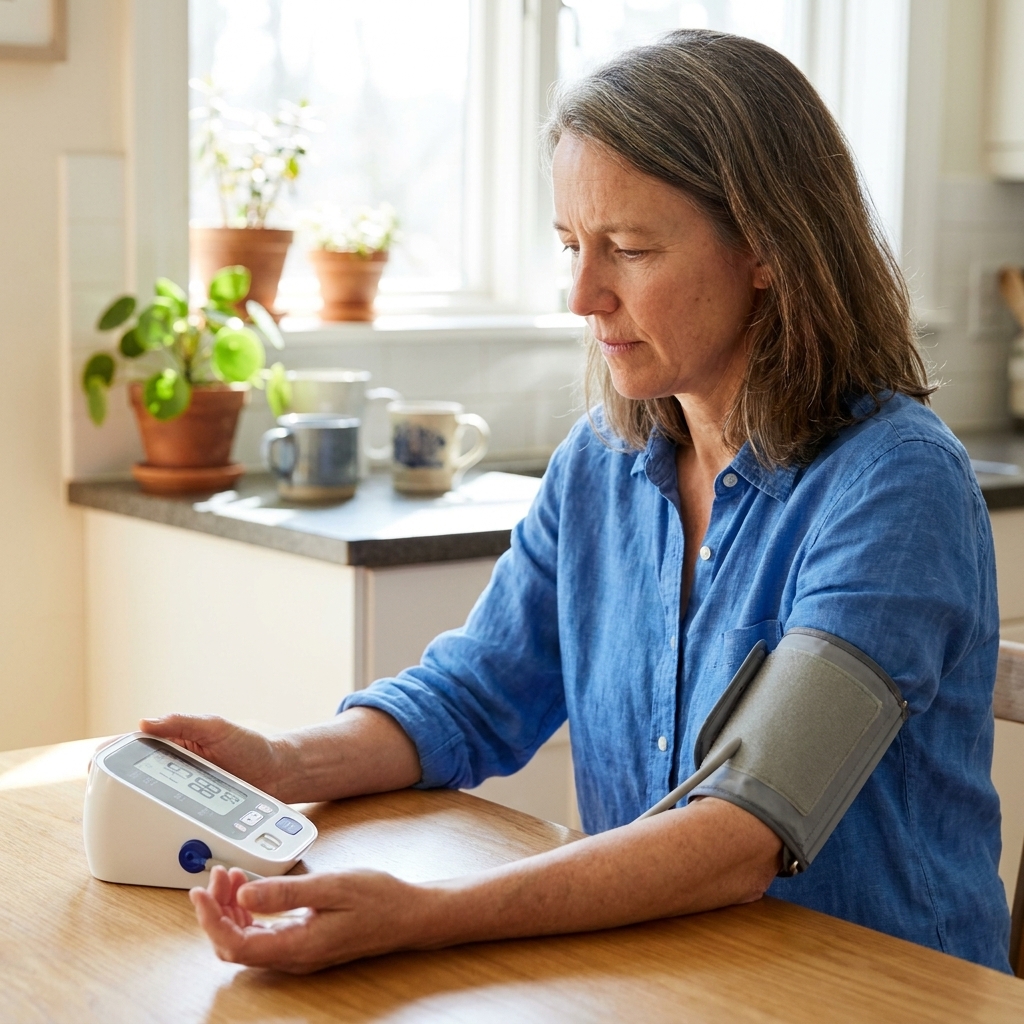
Home monitoring is one of the best ways to see whether lifestyle changes are working, but technique matters.
Home blood pressure checklist
- Use a validated upper arm cuff that fits your arm.
- Empty your bladder first.
- Rest quietly for 5 minutes before measuring.
- Feet flat, back supported, arm at heart level.
- No caffeine, exercise, or nicotine for 30 minutes before.
- No talking during the reading.
- Take two readings one minute apart and record the average.
- For the cleanest trend, measure at the same times each day.
Many clinicians recommend measuring morning and evening for a week to get a reliable baseline, then less often once stable.
When lifestyle is not enough
Some people have a strong genetic component to hypertension, or other health conditions that make medication the safest option. Needing medication is not a failure. Think of it like wearing glasses: it is a tool that protects you from long-term damage.
If you are making changes and your numbers are still elevated, your clinician can help you look for common contributors like sleep apnea, kidney disease, thyroid issues, certain medications (like NSAIDs), decongestants that contain pseudoephedrine, stimulants, some oral contraceptives, steroids, licorice, and high alcohol intake. A quick medication and supplement review is often worth it.
Know your numbers
Blood pressure categories can be confusing, especially because home readings are often a bit lower than office readings. As a general reference for office measurements:
- Normal: less than 120/80
- Elevated: 120 to 129 and less than 80
- Stage 1: 130 to 139 or 80 to 89
- Stage 2: 140 or higher or 90 or higher
Your clinician can help you interpret your home readings and set an individualized goal based on your overall risk.
Quick start plan
- Food: add two servings of produce daily, and swap one high-sodium staple for a lower-sodium option.
- Movement: 10-minute walk after dinner 5 days this week.
- Sleep: set a consistent wake-up time and protect 7 to 9 hours in bed.
- Stress: 3 minutes of slow breathing once per day.
If you want, bring your home readings to your next appointment. The combination of data plus doable habits is powerful.
FAQ
How quickly can lifestyle changes lower blood pressure?
Some changes can improve readings within days to weeks, especially reducing sodium, improving sleep, and increasing activity. Bigger shifts often show up over 1 to 3 months. Consistency matters more than speed.
What foods lower blood pressure the most?
Patterns matter more than single “superfoods,” but the strongest evidence supports a DASH-style pattern with plenty of vegetables, fruits, beans, nuts, whole grains, and less sodium and ultra-processed food.
Is coffee bad for blood pressure?
Caffeine can temporarily raise blood pressure in some people. If your readings spike after coffee or you drink multiple high-caffeine drinks daily, cutting back can help. If you are a regular coffee drinker and your blood pressure is controlled, it may be fine, but ask your clinician for individualized guidance.
Can supplements lower blood pressure?
Be cautious. Some supplements interact with medications or are not reliably dosed. Food-first strategies are safer and better studied. If you are considering supplements like magnesium, discuss it with your clinician, especially if you have kidney disease or take multiple medications.