When you live with type 2 diabetes, it can feel like your numbers are running the show. In clinic, I remind patients of this truth: you have more day-to-day influence than you may think. Food, movement, sleep, stress, and medication routines all work together to shape your blood sugar patterns.
This guide is designed to be practical. We will talk about what to eat, how to move, and which daily habits make the biggest difference. Take what fits your life, try one change at a time, and build from there.
Start with the basics: what numbers matter
Type 2 diabetes is usually a combination of insulin resistance (your cells do not respond as well to insulin) and progressive beta-cell strain (over time, the pancreas may not make enough insulin to keep up). That is why care often evolves over the years.
Common targets your clinician may discuss
- A1C: Your approximate average blood sugar over the last 8 to 12 weeks (with more weight on the most recent 2 to 4 weeks).
- Fasting glucose: Your morning blood sugar before eating.
- Post-meal glucose: Your blood sugar 1 to 2 hours after meals, which helps you see how specific foods affect you.
Numbers are tools, not grades. If your readings run high, the goal is to get curious: What did I eat, how was my sleep, did I move today, am I fighting an illness, did I miss a dose, am I under unusual stress?
Targets vary
Your ideal targets depend on your age, other health conditions, pregnancy status, and your risk of low blood sugar. If you are not sure what targets you are aiming for, ask your clinician to write them down for you.
A quick safety note
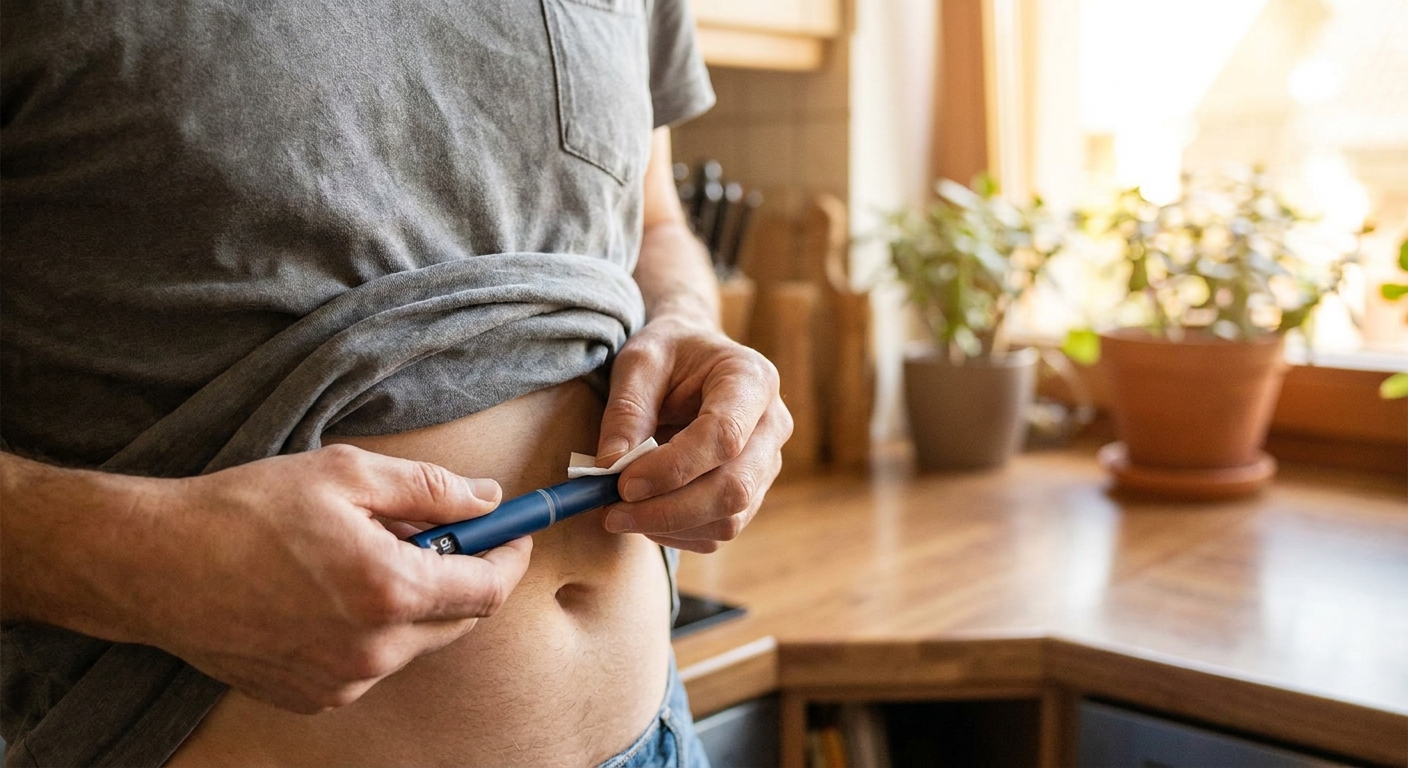
If you use insulin or medications that can cause low blood sugar (some sulfonylureas, for example), any big changes to diet or exercise can lower glucose faster than expected. Talk with your prescribing clinician about when to adjust doses and when to check glucose more frequently.
Build meals that steady blood sugar
There is no single perfect “diabetes diet.” The most effective approach is the one you can actually maintain, one that helps keep glucose more stable and supports heart health, kidney health, and a healthy weight range for you.
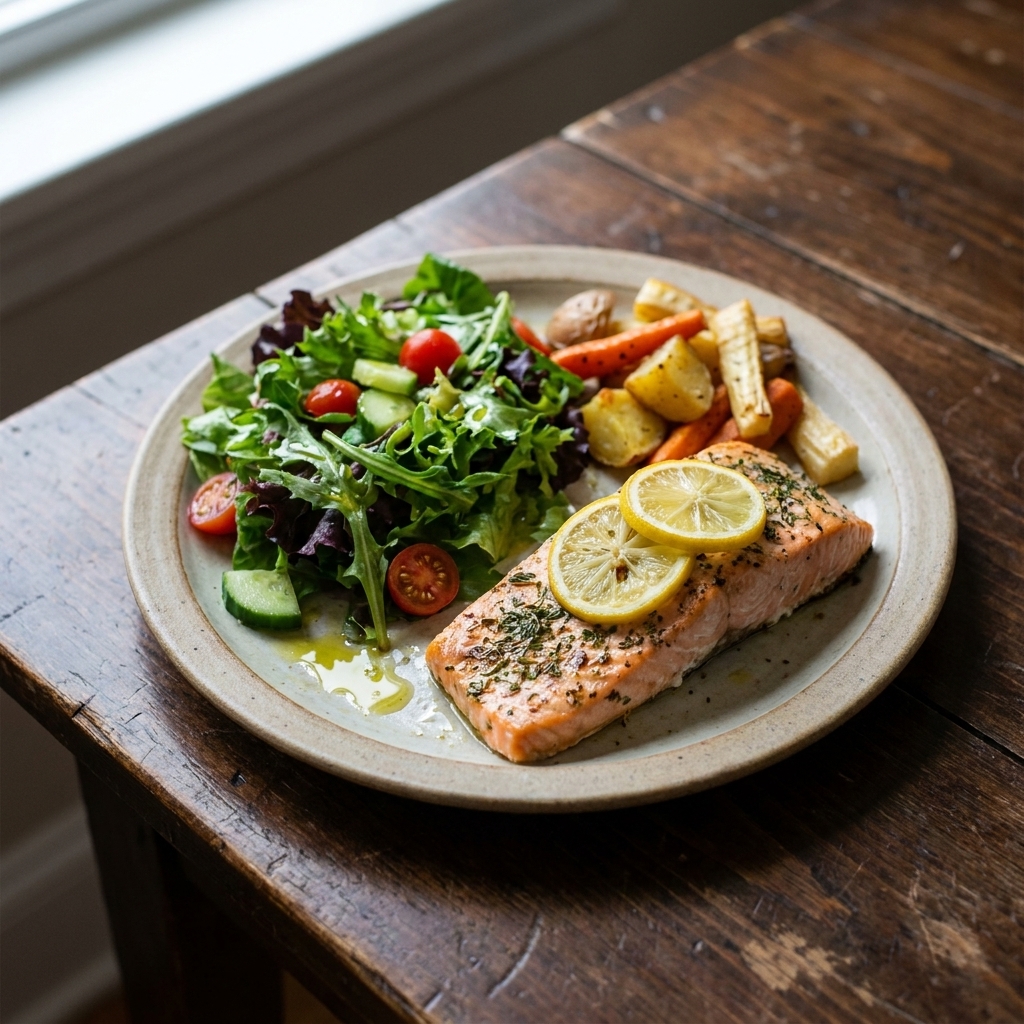
The plate method (my favorite starting point)
For many people, the simplest structure is the most powerful:
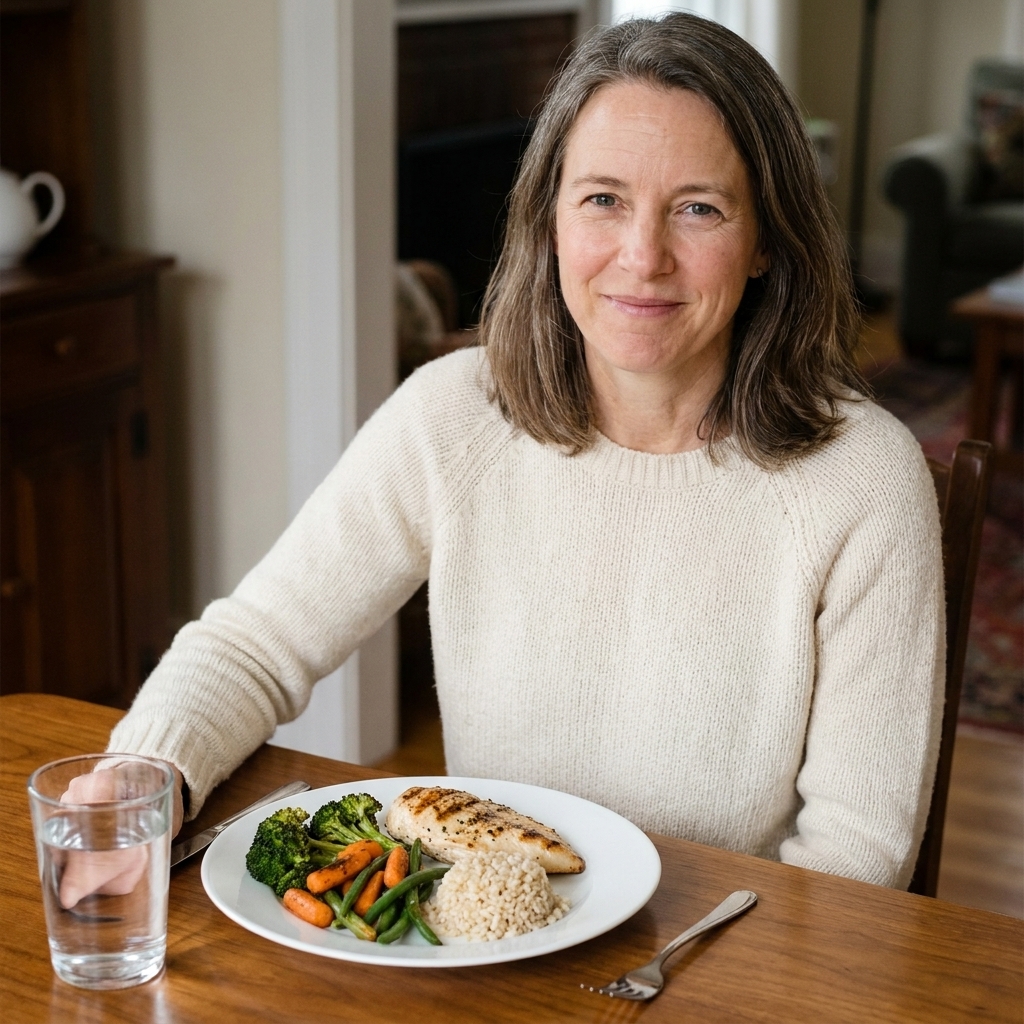
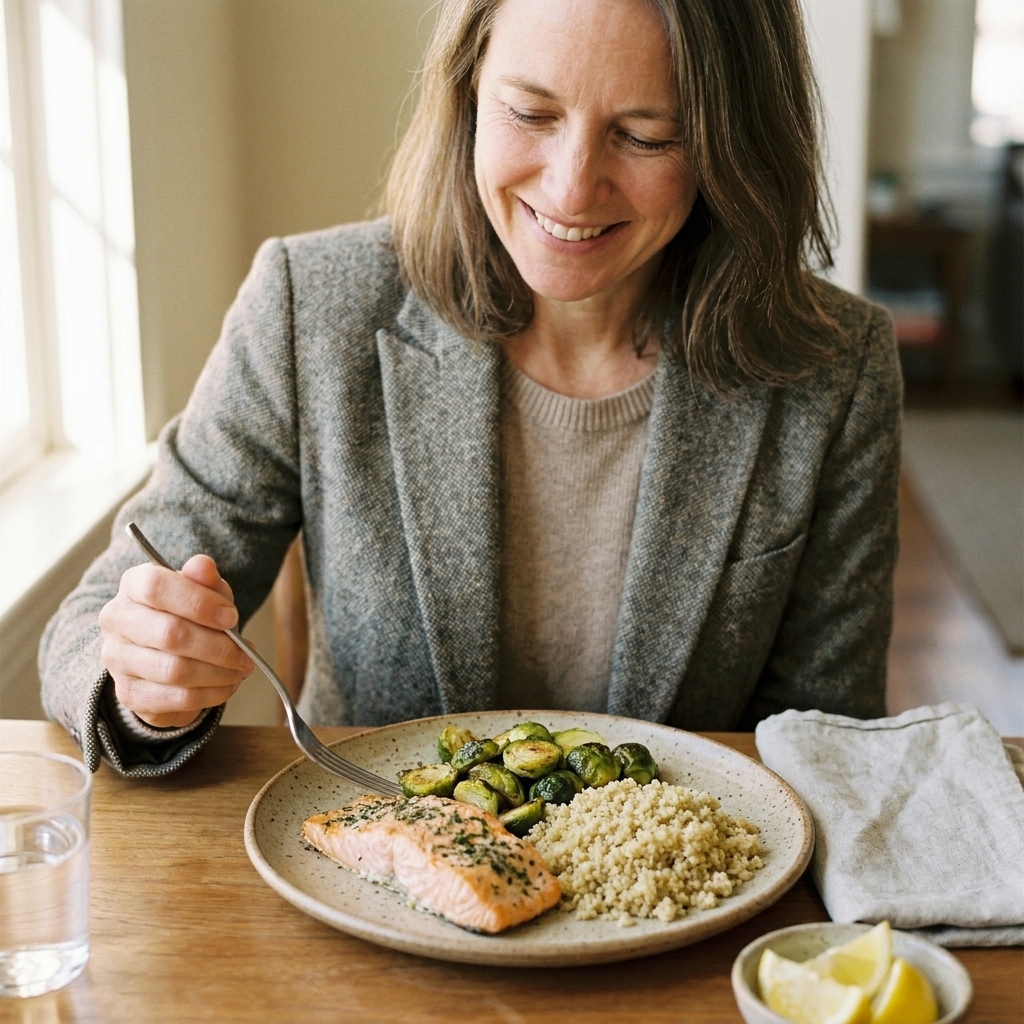
- Half the plate: non-starchy vegetables (broccoli, salad greens, peppers, cauliflower, green beans, zucchini)
- One quarter: protein (fish, chicken, turkey, eggs, tofu, tempeh, Greek yogurt)
- One quarter: high-fiber carbs (quinoa, brown rice, farro, sweet potato, whole fruit, beans or lentils)
- Add: a small amount of healthy fat (olive oil, avocado, nuts, seeds)
This combination slows digestion and reduces sharp glucose spikes, especially compared with a carb-heavy plate.
Carbs are not the enemy, but quality and amount matter
Carbohydrates have the most immediate impact on blood sugar. The goal is not “zero carbs” for most people. The goal is consistent, high-fiber carbs paired with protein and fat.
Carbs that tend to work better:
- Beans, lentils, chickpeas (these can count as both a carb and a protein depending on portion, so they are a flexible staple)
- Whole grains in realistic portions (oats, barley, quinoa)
- Whole fruit (especially berries, apples, citrus)
- Starchy vegetables in measured portions (sweet potato, corn)
Carbs that often spike glucose quickly:
- Sugary drinks, juice, sweet coffee drinks
- White bread, pastries, many boxed cereals
- Candy, desserts, and most snack foods made with refined flour
Fiber is your quiet MVP
Fiber slows the absorption of glucose, supports gut health, and can improve cholesterol. A helpful reference range is about 25 to 38 grams per day, but the most practical goal is to include a fiber source at every meal: vegetables, beans, chia or flax, oats, berries, and nuts. Increase gradually and drink enough water to stay comfortable.
Protein helps with fullness and more stable readings
Adding protein to breakfast is a common “quick win” for people who start the day with cereal, toast, or pastries. Think: eggs with veggies, Greek yogurt with berries and nuts, tofu scramble, cottage cheese, or a protein-forward smoothie.
Fats: choose the heart-friendly ones
Type 2 diabetes increases cardiovascular risk, so fat quality matters. Focus on unsaturated fats (olive oil, nuts, seeds, avocado, fatty fish) and go easier on saturated fats (processed meats, butter-heavy meals) and trans fats.
Portion and timing strategies that help
You do not need perfection. You need patterns that lower the overall glucose load on your body.
Practical portion tools
- Use your hand: a palm-sized portion of protein, a fist of carbs, two fists of non-starchy veggies.
- Downsize the dish: a smaller plate naturally reduces portions.
- Pre-portion snacks: nuts, crackers, and chips are easy to overeat from the bag.
Meal timing: consistency beats extremes
Many people see steadier readings when meals are reasonably consistent and not overly late at night. If you are a late-night snacker, start by adjusting what you snack on rather than trying to eliminate it overnight.
Better late snacks (if you need one): a small apple with peanut butter, Greek yogurt, a handful of nuts, or veggies with hummus.
Alcohol and blood sugar
Alcohol can raise blood sugar, lower it, or do both depending on what you drink, what you eat with it, and what medications you take. Mixed drinks and sweet wines raise glucose more predictably. Beer can also raise glucose.
The key safety point is that alcohol can also cause delayed low blood sugar, especially if you use insulin or sulfonylureas, drink without food, or drink in the evening. Lows can happen overnight. If you drink, do so with food, keep it moderate, and ask your clinician what precautions make sense for your medications.
Exercise: a natural glucose-lowering tool
Movement helps your muscles use glucose without needing as much insulin. Even small amounts can make a meaningful difference.
What to aim for
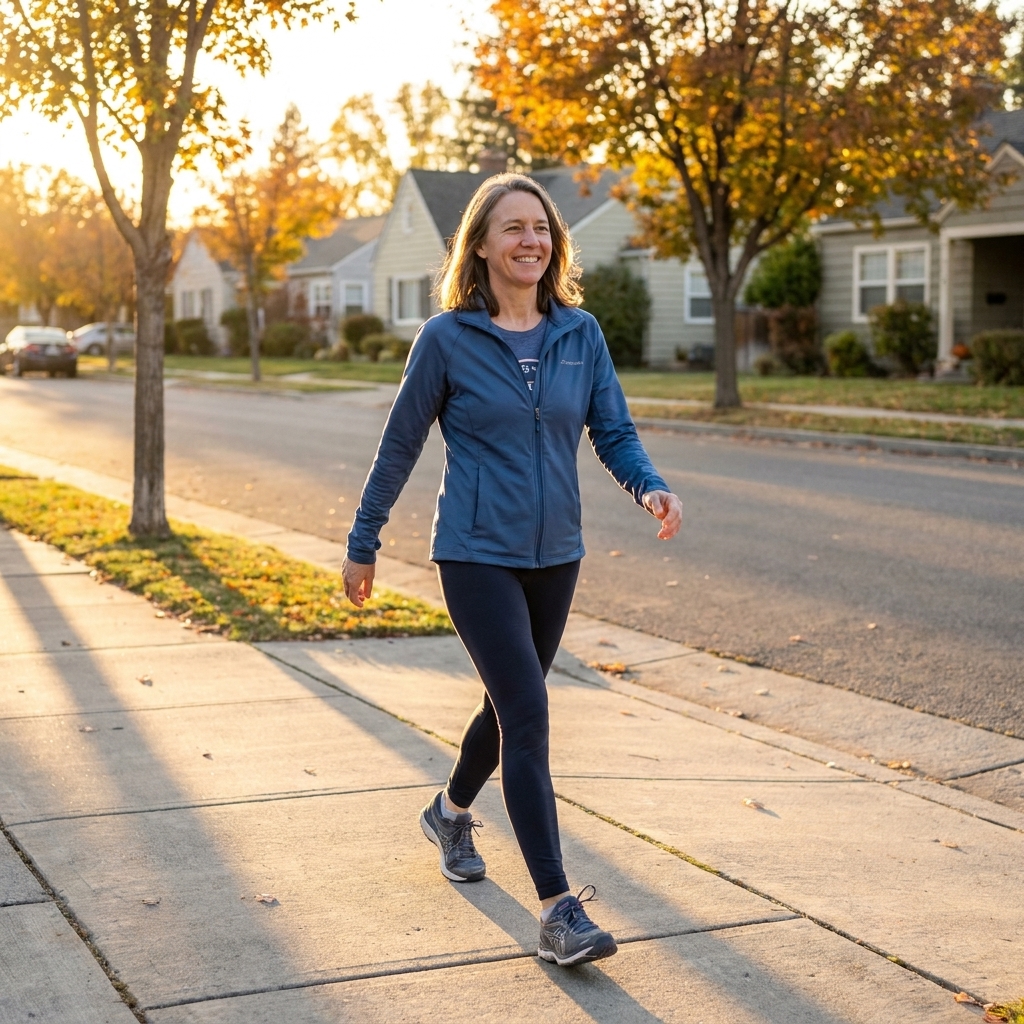
- Cardio: about 150 minutes per week of moderate-intensity activity (brisk walking counts). A simple guide is the talk test: you can talk, but you cannot sing.
- Strength training: 2 to 3 days per week (muscle improves insulin sensitivity)
- Less sitting: stand up or walk a few minutes every 30 to 60 minutes if you can
My go-to “after meal” trick
A 10 to 15 minute walk after meals can blunt post-meal spikes. For many people, this is one high-leverage habit to start with.
Strength training without a gym
You can build strength at home with bodyweight and a couple of resistance bands:
- Chair squats
- Wall or counter push-ups
- Resistance band rows
- Glute bridges
- Farmer carries with grocery bags or dumbbells
Start light, focus on form, and increase gradually. If you have neuropathy, foot ulcers, significant arthritis, or balance issues, ask for tailored guidance before starting new activities.
Daily habits that change the trajectory
Blood sugar is not just about food. I have seen patients do “everything right” at meals and still struggle when sleep is poor or stress is constant. These pillars are often overlooked, and they matter.
Sleep: aim for steady, not perfect
Short or disrupted sleep can increase insulin resistance and cravings. Work toward 7 to 9 hours if possible. Practical steps include:
- Keep a consistent wake time most days
- Limit screens for 30 to 60 minutes before bed
- Reduce caffeine after late morning or early afternoon
- If you snore loudly or feel unrefreshed, ask about sleep apnea screening
Stress: lower the glucose stress response
Stress hormones can raise blood sugar. The goal is not to eliminate stress, but to build a reliable off-ramp:
- 2 to 5 minutes of slow breathing (inhale 4 seconds, exhale 6 seconds)
- A short walk outdoors
- Journaling one page
- Talking with a trusted person or therapist
Hydration
Dehydration can contribute to higher readings and make you feel fatigued. Water is best. Unsweetened tea, black coffee, and sparkling water are usually fine choices. Sugary drinks are one of the fastest ways to push glucose up.
Smoking and nicotine
Nicotine worsens insulin resistance and increases cardiovascular risk. If you use nicotine, quitting is one of the most powerful health steps you can take. You deserve support, not judgment. Ask your clinician about medications, nicotine replacement, and coaching resources.
Foot care basics
If you have diabetes, your feet deserve routine attention. A simple baseline: check your feet daily for blisters, cuts, redness, or cracks; wear well-fitting shoes; and call promptly for wounds that are not healing. If you have numbness, tingling, or burning pain, ask about neuropathy evaluation and foot protection strategies.
Weight, waistline, and what progress can look like
Not everyone with type 2 diabetes is in a larger body, and not everyone needs weight loss to improve glucose. But for many people, a modest reduction in body weight can significantly improve insulin sensitivity.
I like to reframe the goal as metabolic progress, not appearance. Progress can mean:
- Lower A1C or more stable home readings
- Less need for medication over time (when appropriate)
- Better energy and stamina
- Improved blood pressure and cholesterol
- Better sleep
If weight loss is a goal, focus on sustainable habits: protein and fiber at meals, fewer ultra-processed snacks, and consistent movement.
How to monitor without burning out
Checking your blood sugar can be empowering, but it can also become exhausting. A simple structure helps.
Use paired checks to learn patterns
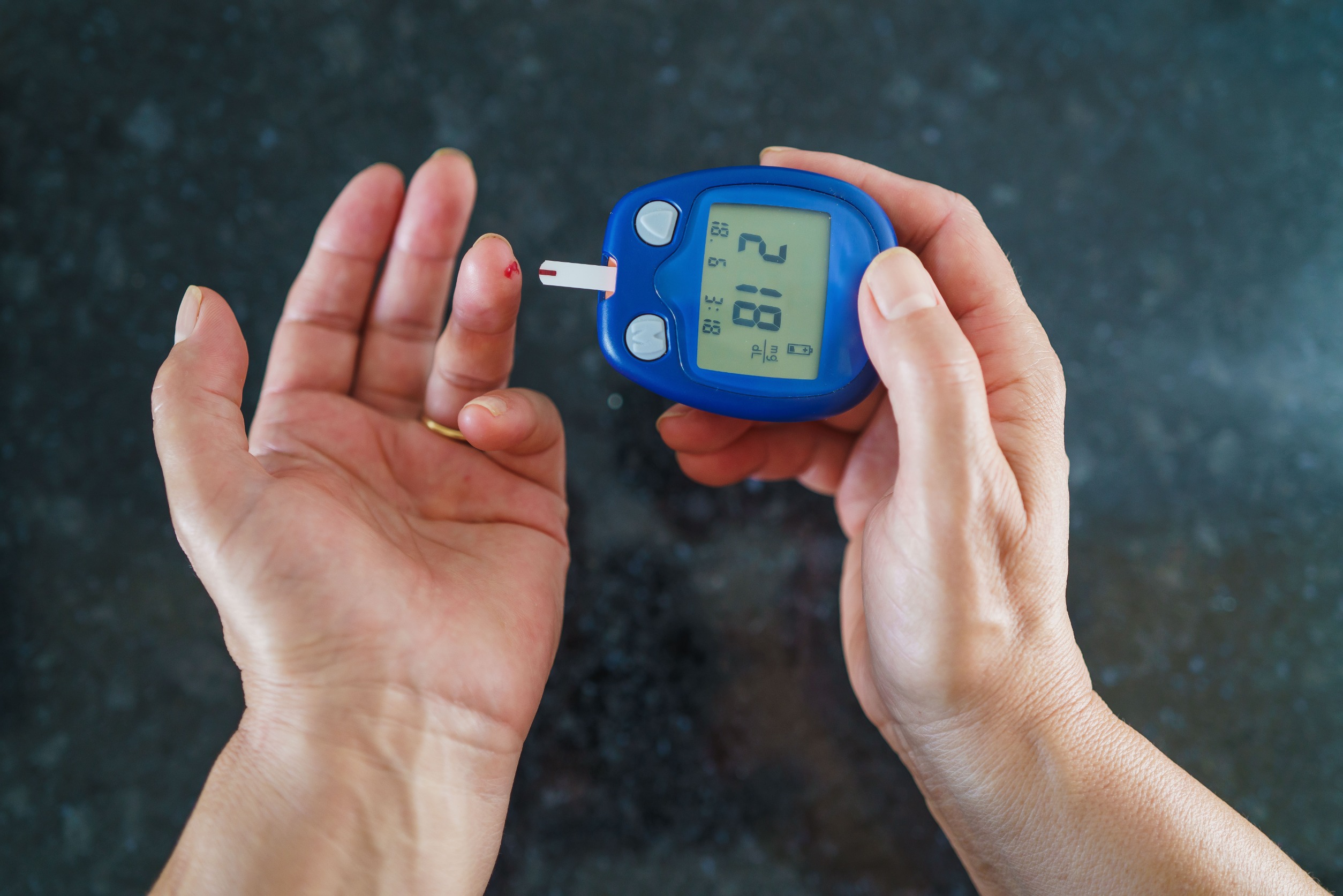
If you use a fingerstick meter (or even a continuous glucose monitor), consider checking:
- Before a meal
- 1 to 2 hours after the first bite (set a timer when you start eating if that helps)
Do this for a few days for one specific meal you want to improve. You will learn which foods spike you and what combinations work better.
Keep a tiny log
You do not need a perfect diary. A simple note like “pasta, stressful day, slept 5 hours” can explain a lot and reduce self-blame.
Medications and lifestyle: partners, not opponents
Some people feel like needing medication is a failure. It is not. Type 2 diabetes is progressive for many, and genetics play a real role. Lifestyle changes can reduce insulin resistance, improve glucose, and protect your heart, but medications can be an essential part of keeping you safe in the meantime.
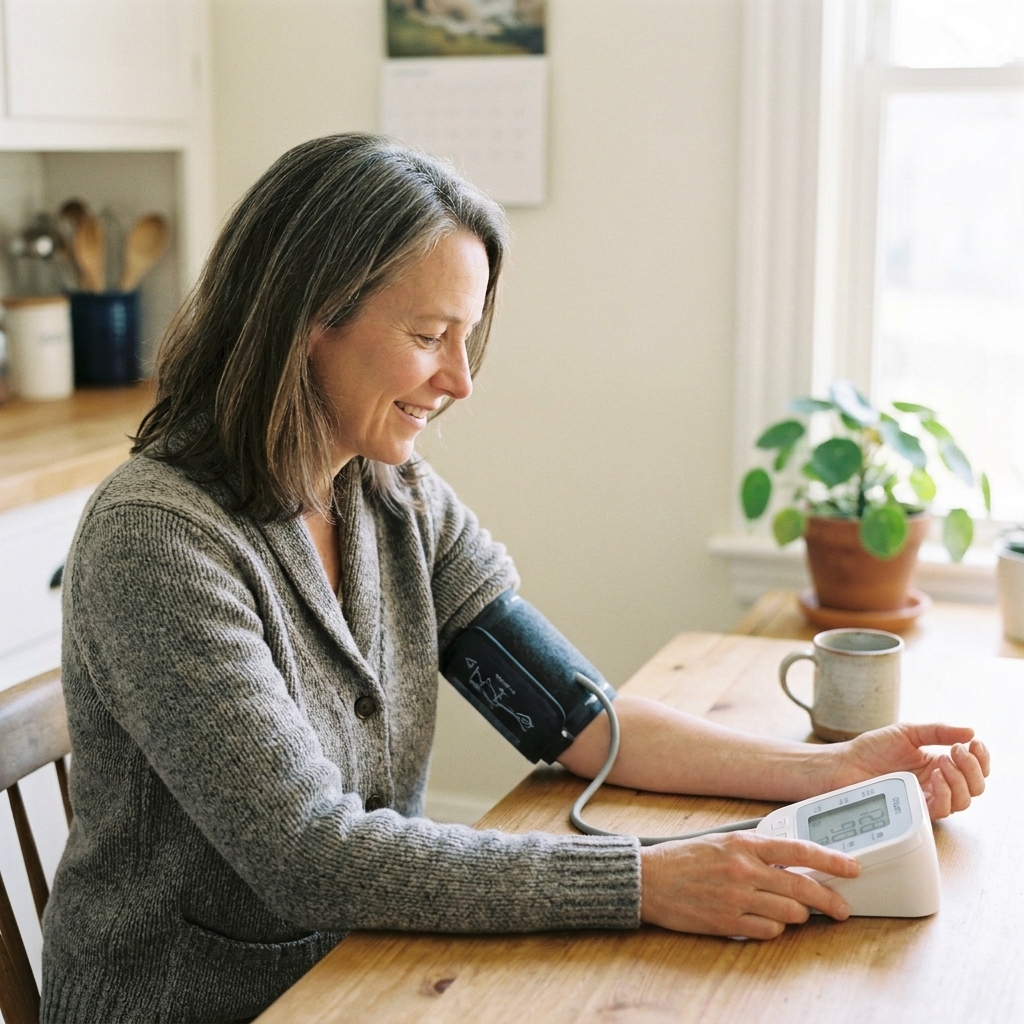
Also remember that diabetes risk reduction is bigger than glucose alone. Blood pressure control, cholesterol management (often including statins), kidney protection, and not smoking can make a major difference in long-term outcomes.
If you are on medications like metformin, GLP-1 receptor agonists, SGLT2 inhibitors, insulin, or others, ask your clinician:
- What low blood sugar feels like for you and how to treat it
- When to adjust medication if your diet or exercise changes
- How often to check labs (kidney function, A1C, cholesterol)
- What side effects should prompt a call
Sick days and ketones (quick note)
Illness, dehydration, and not eating normally can throw off glucose quickly. If you are sick, check glucose more often, prioritize fluids, and follow your clinician’s sick-day plan. If you take an SGLT2 inhibitor, ask for clear guidance on when to pause the medication during acute illness or before surgery, and when to check ketones. Rarely, ketoacidosis can happen even when glucose is not very high.
Common obstacles and realistic fixes
“I get hungry at night.”
Make dinner more filling: add protein, add vegetables, and include a small portion of high-fiber carbs. If you still need a snack, choose protein plus fiber.
“Healthy food is expensive.”
Some of the most diabetes-friendly staples are budget-friendly: beans, lentils, eggs, frozen vegetables, canned tuna or salmon, oats, and peanut butter. Frozen produce is often just as nutritious as fresh.
“I do not have time to cook.”
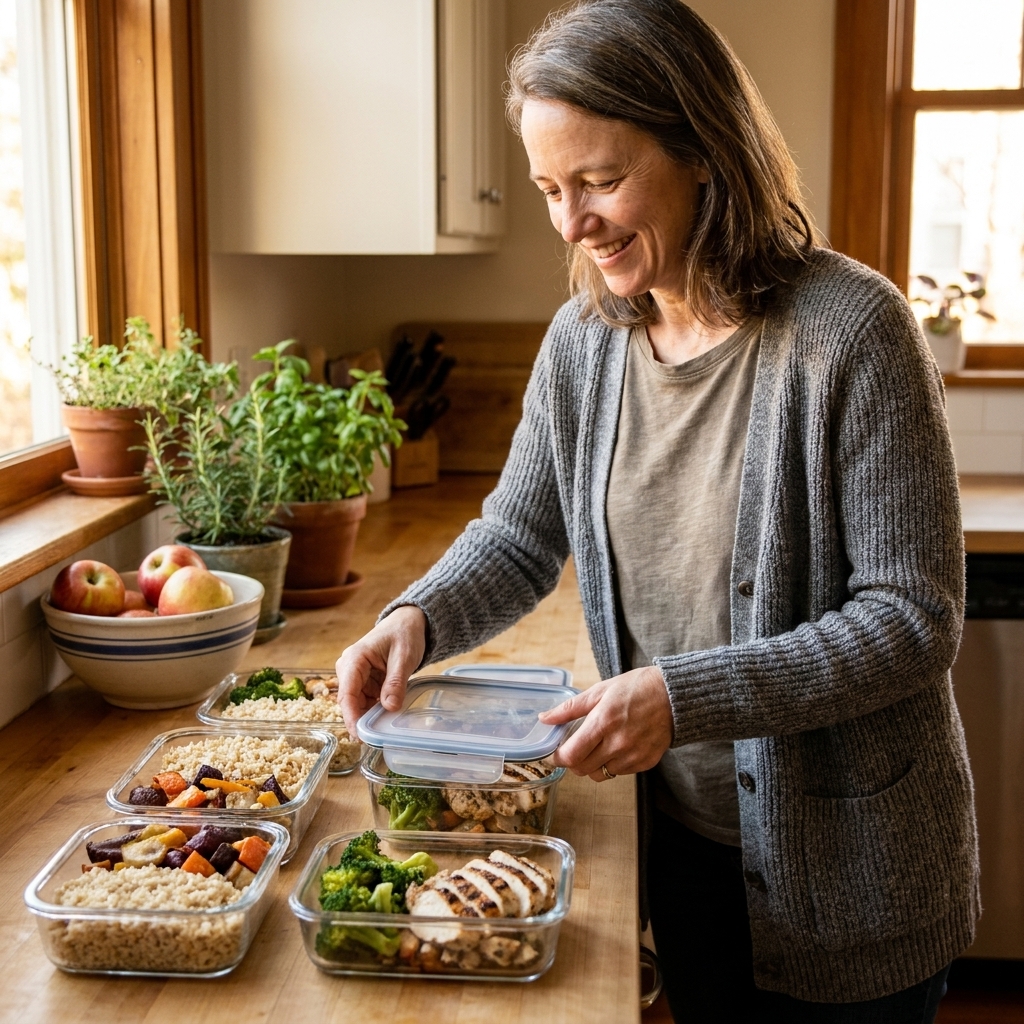
Lean on shortcuts: pre-washed greens, rotisserie chicken, microwavable frozen vegetables, canned beans (rinsed), and simple sheet-pan meals.
“I tried dieting and I always regain.”
That is incredibly common, and it is not a character flaw. Shift from “diet rules” to “baseline routines” you can keep even on hard weeks: a protein-forward breakfast, a 10-minute walk after dinner, and fewer sugary drinks.
When to call your clinician promptly
Reach out for medical advice if you have:
- Frequent low blood sugar or severe lows
- Persistently high readings despite adherence to your plan
- Vomiting, dehydration, or inability to keep fluids down
- New numbness, tingling, burning pain in feet, or wounds that are not healing
- Vision changes
- Chest pain, severe shortness of breath, or stroke-like symptoms (call emergency services)
Also ask about routine preventive care: eye exams, foot checks, kidney monitoring, vaccines, blood pressure, cholesterol management, and dental health. Diabetes care is whole-body care.
A simple 2-week starter plan
If you want a clear starting point, here is a gentle plan I would give many newly diagnosed patients.
Week 1
- Use the plate method for one meal per day.
- Walk 10 minutes after one meal per day.
- Replace one sugary drink with water or unsweetened tea.
Week 2
- Use the plate method for two meals per day.
- Add two days of simple strength work (10 to 15 minutes each).
- Choose a protein-forward breakfast at least 4 days this week.
These are small moves. But stacked together, they can meaningfully improve blood sugar trends.
FAQ
Can type 2 diabetes be reversed with diet?
Some people can reach remission, meaning blood sugar returns to non-diabetes ranges without diabetes medications for a period of time. This is more likely earlier in the diagnosis and often involves significant weight loss for those who have excess weight, along with sustained lifestyle changes. Even when remission is not possible, lifestyle changes still reduce complications and improve quality of life.
Is a low-carb diet best?
Lower-carb approaches can help many people, especially with post-meal spikes. But “best” depends on your preferences, kidney health, medications, activity level, and what you can sustain. Many do well with moderate carbs that are high-fiber and minimally processed.
What is the best breakfast for type 2 diabetes?
A balanced breakfast with protein and fiber tends to work well. Examples include eggs with vegetables, Greek yogurt with berries and nuts, oatmeal with chia seeds and peanut butter, or tofu scramble with a side of fruit.
Do I have to give up fruit?
Usually, no. Whole fruit in reasonable portions is typically part of a diabetes-friendly eating pattern. Pair fruit with protein or fat to slow absorption, like an apple with nuts or berries with yogurt.
What is one change that makes a big impact?
One high-leverage change for many people is a short walk after meals, especially after dinner. It is simple, low-cost, and it helps your muscles use glucose right away.
A closing note from my clinic room to your home
Managing type 2 diabetes is not about willpower. It is about support, skills, and repeatable routines. Choose one small change you can keep this week. When it becomes easier, add the next. Over time, those small steps become your new baseline, and your blood sugar often follows.
If you want help building a plan that fits your medications, work schedule, culture, and budget, bring this article to your next appointment. You deserve care that meets you where you are.