Chronic lower back pain can quietly take over your life. It changes how you sleep, how you work, and even how you breathe when you are trying not to “set it off.” The good news is that many people improve without surgery, especially when treatment is tailored to what is driving the pain and paired with a plan you can actually stick with.
Below are five evidence-based, non-surgical options I regularly discuss in clinic. Some are hands-on therapies, some are medication-based, and some are targeted procedures that can calm inflammation or interrupt pain signaling. You can use this list as a roadmap for a thoughtful conversation with your clinician.

First, a quick safety check
Before we talk treatments, it is important to know when back pain needs urgent evaluation. Seek urgent or emergency care right away if you have:
- New loss of bowel or bladder control (go to the ER)
- Numbness in the groin or inner thighs (saddle numbness, go to the ER)
- Significant leg weakness, foot drop, or rapidly worsening symptoms
- Fever, chills, or unexplained weight loss with back pain
- Back pain after a major fall or car accident
- A history of cancer, IV drug use, or immune suppression with new severe back pain
If none of those apply, you typically have time to pursue non-surgical options in a stepwise, evidence-based way.
Self-care basics (often overlooked)
Before we get into specific treatments, a few fundamentals make almost every plan work better:
- Stay as active as you can : Short, frequent walks and gentle movement usually beat bed rest for recovery. Relative rest can be appropriate for a day or two during a flare, but prolonged inactivity tends to increase stiffness and sensitivity.
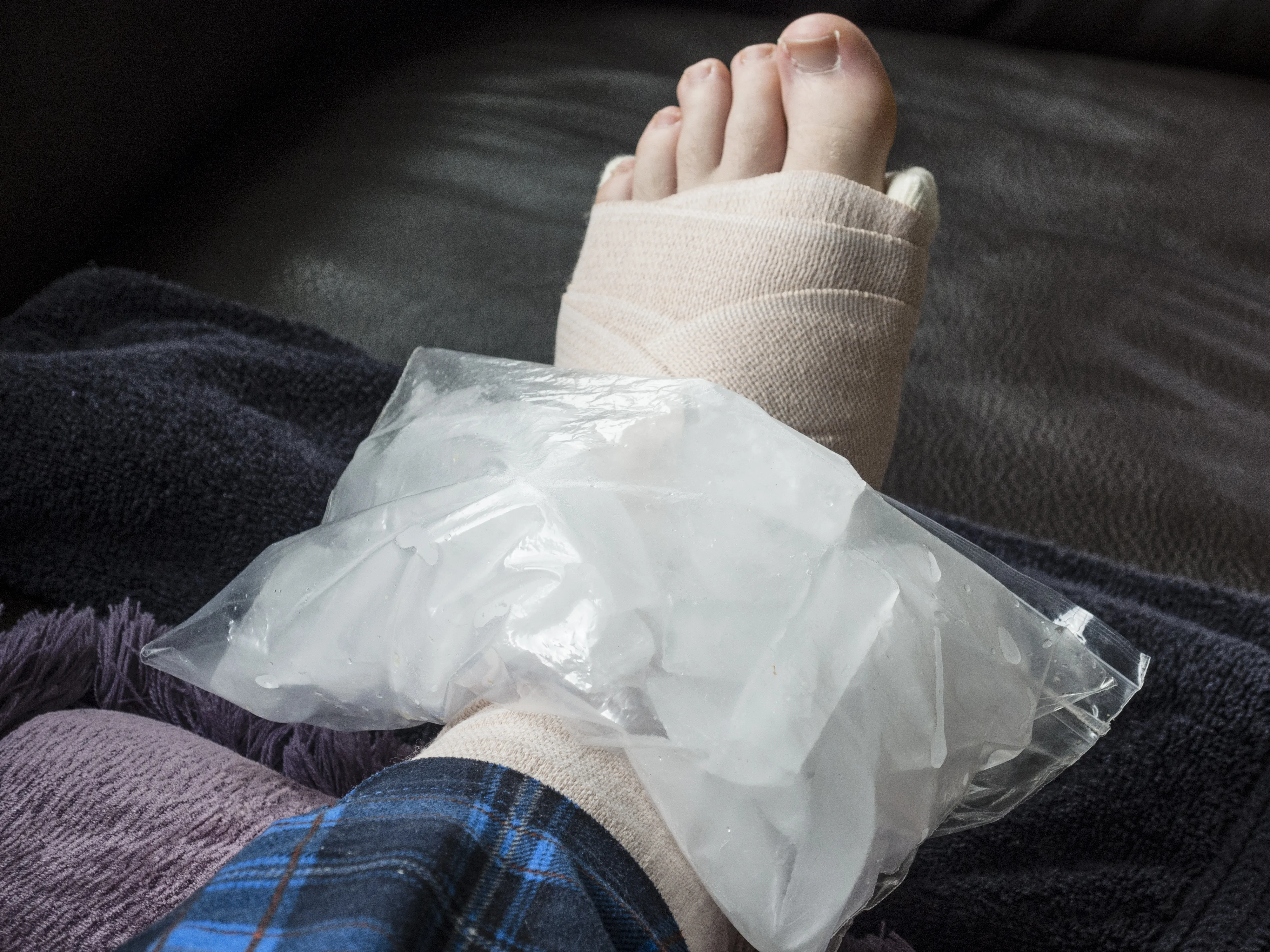
- Use heat or ice: Heat often helps stiffness and muscle guarding. Ice can help after an activity flare. If one feels clearly better, use that.
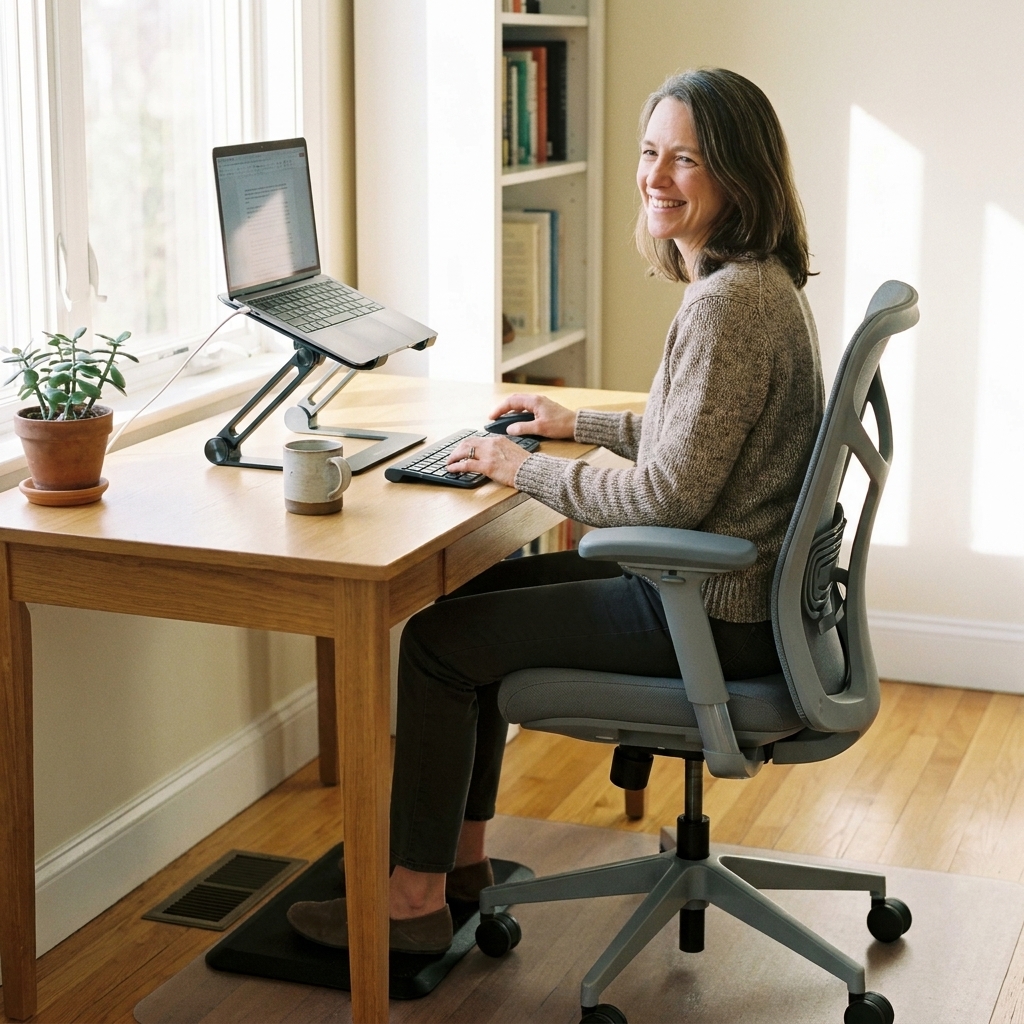
- Modify, do not stop: Adjust how you lift, sit, and work. Try shorter sitting blocks, change positions more often, and use a lumbar support if it helps.
- Build the basics: Sleep, stress, smoking, and weight all influence pain sensitivity and healing. Even small improvements can change your trajectory.
Think of these as the “soil” that helps the rest of your treatment plan take root.
1) Physical therapy and guided exercise
If I could “prescribe” only one long-term tool for many cases of chronic low back pain, it would be progressive, individualized movement. Physical therapy (PT) is not just stretching. The best programs assess how your hips, core, and spine share load, then build strength and control so everyday movements stop triggering pain.
How it helps
- Improves stability and endurance in the muscles that support the spine
- Restores mobility in tight areas (often hips and thoracic spine) so the lower back is not doing all the work
- Retrains movement patterns like bending, lifting, and getting out of a chair
- Reduces fear-avoidance, which can unintentionally increase pain and disability over time
What to expect
Many people notice meaningful improvement after 6 to 12 weeks of consistent work, but timelines vary based on diagnosis, baseline conditioning, sleep and stress, and how consistently you can follow the plan. Early sessions may include gentle mobility, core activation, and education about pacing. Over time, the plan should progress to strengthening and functional training.
Best for
Most chronic low back pain patterns, including degenerative changes, recurring strain patterns, and many cases of disc-related pain once red flags are ruled out.
If PT has “failed” you before, it is often because the program was not specific enough, did not progress, or was hard to follow at home. Ask for a simple plan you can do consistently, even on your busiest days.

2) Anti-inflammatory and pain medications
Medication can be a helpful bridge, especially when pain is flaring and it is hard to stay active. The goal is usually to reduce pain enough to keep you moving, sleep better, and participate in PT or daily activities.
Common options your clinician may discuss
- NSAIDs (like ibuprofen or naproxen) : Often helpful for inflammatory pain. Not ideal for everyone, especially people with kidney disease, stomach ulcers, those on blood thinners, or certain heart risks.
- Acetaminophen: Gentler on the stomach for many people, though it does not target inflammation. It also has limited benefit for some low back pain patterns. Staying under the daily maximum dose is crucial, especially if you drink alcohol or have liver disease.
- Topicals (diclofenac gel, lidocaine patches): Useful for localized soreness. Topicals can help some people, but deep spinal pain may respond variably, so think of them as a low-risk add-on rather than a guaranteed fix.
Practical tips that matter
- Avoid stacking NSAIDs (for example, ibuprofen plus naproxen). It increases risk without added benefit.
- Set a review date. If you are taking pain meds regularly for more than a couple of weeks, it is time to reassess the plan.
- Pair meds with movement. Medication works best when it supports rehab rather than replacing it.
Opioids are not first-line for chronic low back pain and are typically reserved for specific, short-term scenarios with careful monitoring. If you are already taking them, talk with your clinician about safer long-term strategies and alternatives.
3) Muscle relaxants
Muscle tightness and spasms can become a painful loop. Pain causes guarding, guarding causes more pain, and suddenly you cannot sleep comfortably. In some flare-ups, a short course of a prescription muscle relaxant can help break that cycle.
When they can help
- Acute flare-ups on top of chronic pain
- Noticeable muscle spasm limiting movement
- Nighttime discomfort preventing rest
What to know
- Evidence for muscle relaxants is strongest for short-term relief in acute low back pain. Benefit in chronic low back pain is often modest or uncertain, so I treat these as an occasional tool, not a cornerstone.
- Many muscle relaxants cause drowsiness, dizziness, and slower reaction time. Avoid driving or operating machinery until you know how you respond.
- Avoid mixing with alcohol, sedatives, or other medications that can depress the nervous system unless your prescriber has explicitly reviewed the combination.
- They are generally intended for short-term use, not as a long-term daily solution.
If you have chronic back pain with prominent nerve symptoms, your clinician may also discuss other prescription options (such as certain antidepressants used for pain modulation). Whether those make sense depends on your symptom pattern and medical history.

4) Targeted spinal injections
Injections are not “magic,” but they can be effective in the right patient when exam and imaging suggest a specific pain generator. Think of injections as a way to turn down the volume on inflammation or nerve irritation so you can move, rehabilitate, and function.
Common types
- Epidural steroid injections: Often used for radiating leg pain (sciatica) from nerve root irritation. They tend to help radicular symptoms more than isolated, midline low back pain.
- Facet joint injections or medial branch blocks: Considered when pain seems to come from small joints in the spine, often worse with extension or twisting.
- Sacroiliac (SI) joint injections: Helpful if the SI joint is the culprit, typically pain low and to one side, sometimes after pregnancy or injury.
What they can and cannot do
- Can reduce inflammation and pain for weeks to months in some people
- Can help confirm the pain source when used diagnostically
- Cannot “fix” structural degeneration or replace strengthening and movement retraining
Risks vary based on the injection type and your health history, but can include a temporary pain flare, bleeding, infection, or elevated blood sugar for people with diabetes. Your pain specialist should review benefits and risks in your specific case.
5) Radiofrequency ablation
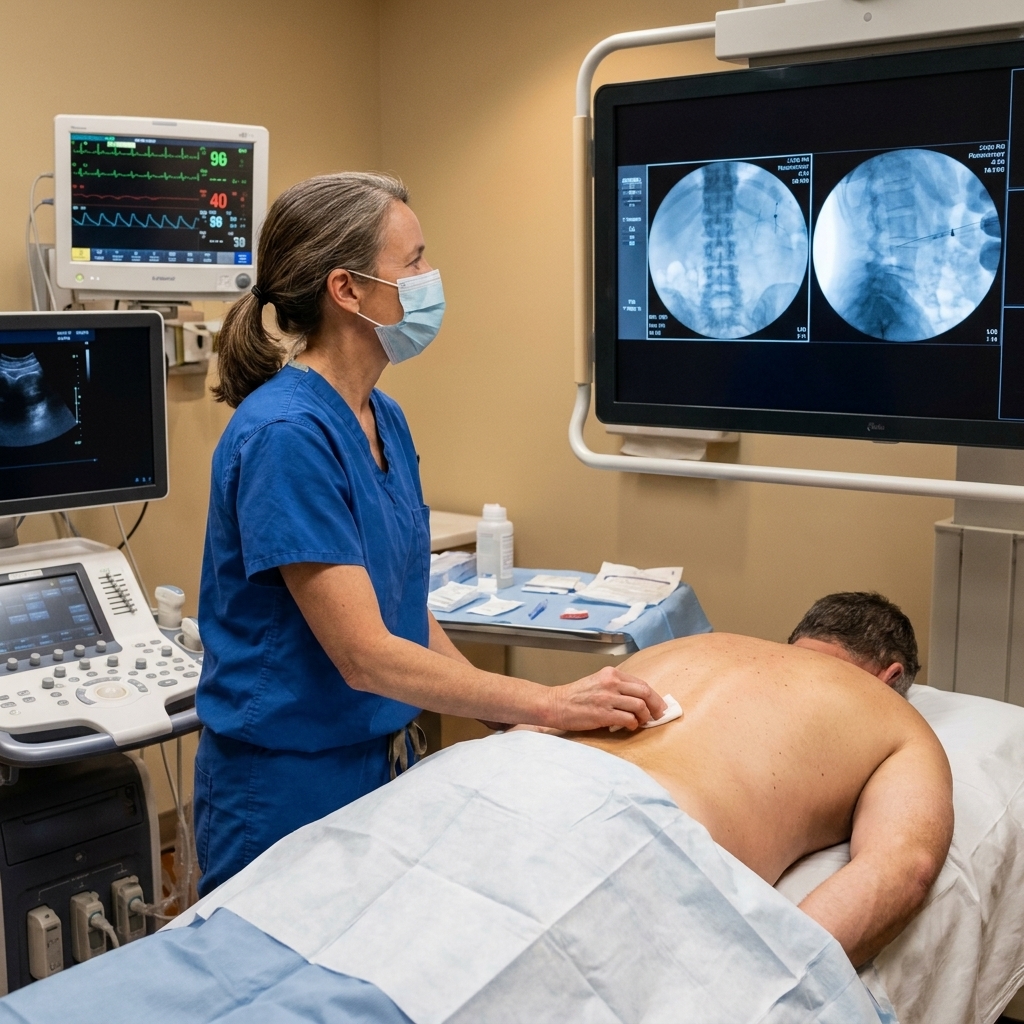
When pain is coming from certain spinal joints, especially facet joints, some patients do well with a procedure called radiofrequency ablation (RFA). It uses heat generated by radiofrequency energy to disrupt small nerve branches that carry pain signals from the joint.
How clinicians decide
RFA is usually considered after diagnostic injections (often medial branch blocks) suggest those nerves are contributing to your pain. It is not typically a first step. It is a more targeted option for people who have tried PT, medication support, and simpler measures.
What results can look like
When it works, people may experience meaningful pain relief for months, sometimes 6 to 12 months or longer. Results depend heavily on picking the right pain source and seeing clear benefit from diagnostic blocks. Because the nerve can regenerate over time, the pain can return and the plan may need revisiting.
Other tools worth considering
Depending on your diagnosis, your clinician may also discuss approaches like cognitive behavioral therapy for chronic pain , acupuncture, or interdisciplinary pain rehabilitation. These are not “in your head” treatments. They are tools that can reduce the nervous system’s pain amplification and help you function better.
Putting it together
Here is what a balanced non-surgical approach often looks like in real life:
- Clarify the pattern: Where is the pain, what triggers it, and are there nerve symptoms like tingling or weakness?
- Start with movement: PT or a structured exercise program, adjusted to your baseline and progressed over time.
- Use medication strategically: Short-term support so you can sleep, move, and participate in rehab.
- Escalate thoughtfully: If pain is still limiting progress after several weeks of consistent conservative care (often around 6 to 8 weeks, depending on your situation), talk about next steps. That may include imaging, a specialist referral, or targeted procedures when the diagnosis is clear.
- Measure what matters: Track function, not just pain. For example: walking time, sleep quality, ability to sit through a meeting, or lifting groceries.
One more reassurance I often give: imaging findings like disc bulges, arthritis, and “degeneration” are common as we age and do not always match pain levels. Your symptoms, exam, and function matter at least as much as what a scan shows.
If your clinician only offers one option, or you feel rushed, it is appropriate to ask: “What is the working diagnosis?” and “What are our next steps if this does not help?” Chronic pain deserves a plan with checkpoints.
FAQ
How do I know if my back pain is muscular or nerve-related?
Muscle-related pain often stays in the lower back or buttocks and feels sore, tight, or achy. Nerve-related pain often travels down the leg and may come with tingling, burning, numbness, or weakness. A hands-on exam is important, and sometimes imaging is needed if symptoms persist or red flags appear.
Do I need an MRI before trying these treatments?
Not always. Many people can start PT and conservative medication management without imaging. An MRI is more commonly considered when there are red flags, significant neurologic symptoms, or pain that does not improve with appropriate conservative care.
Are injections safe?
They can be safe when performed by trained clinicians with appropriate screening. Like any procedure, there are risks, and the benefits depend heavily on selecting the right injection for the right diagnosis. In general, epidural steroid injections are most helpful for sciatica-type symptoms and tend to offer short to medium term relief.
What if I have chronic lower back pain and anxiety or poor sleep?
That combination is common and very treatable. Poor sleep and chronic stress can raise pain sensitivity. Talk with your clinician about sleep strategies , mental health support, and treatments that address both pain and the nervous system’s stress response.
A final word
You do not have to “push through” chronic back pain alone, and you do not have to jump straight to surgery to get meaningful relief. The most effective care is usually a layered plan, built around your life, your body, and your goals. If you feel stuck, a primary care clinician, physical therapist, or pain specialist can help you map the next best step.
Medical disclaimer: This article is for education and is not a substitute for personal medical advice. If you have severe symptoms, new weakness, or any red-flag signs, seek urgent or emergency care.