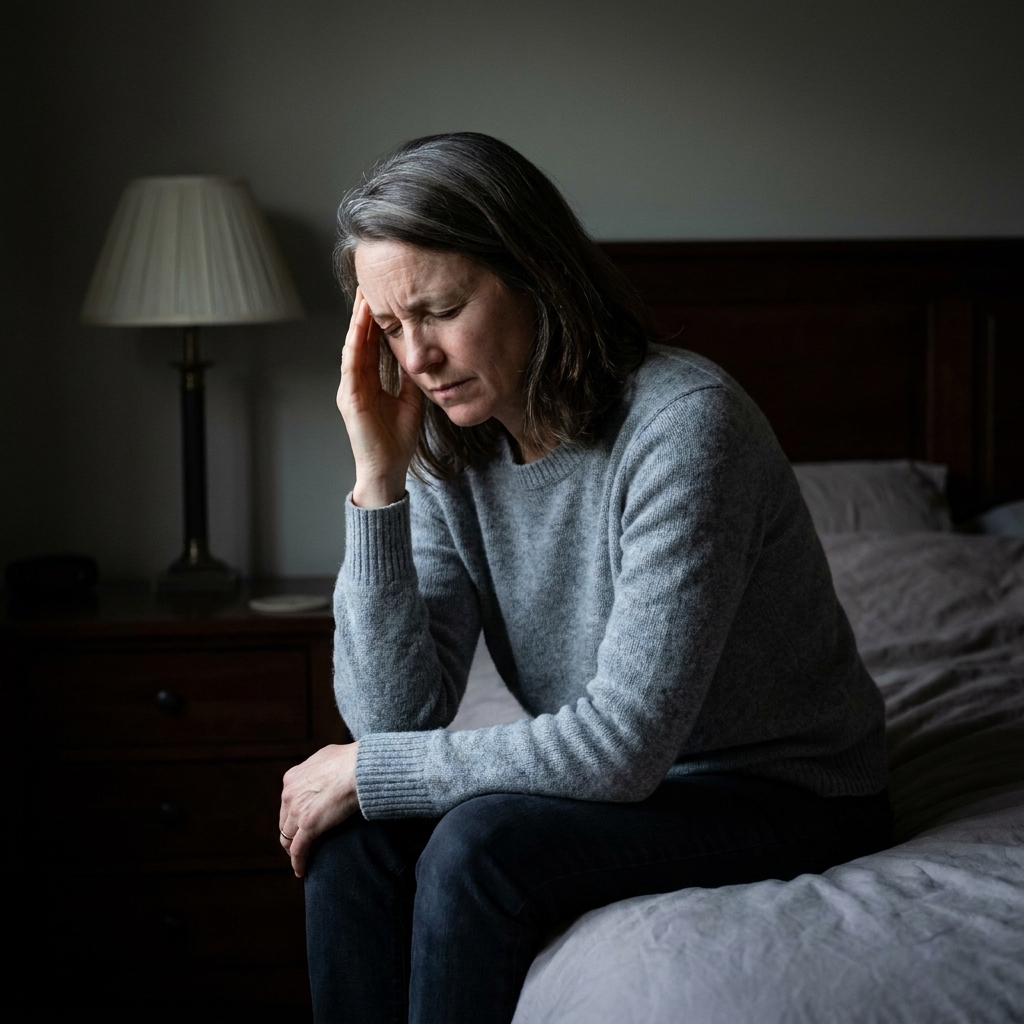
As a family nurse practitioner, I have heard the same phrases too many times: “My periods are just rough.” “It’s probably stress.” “The ultrasound was normal, so I guess nothing is wrong.” If you are living with chronic pelvic pain, that kind of dismissal can make you question your own body.
Endometriosis is a common, complex condition. It can cause chronic pelvic pain, pain with sex, bowel or bladder symptoms, fatigue, and fertility challenges. It also has a long history of being minimized. Let’s walk through five myths I see most often and replace them with the facts, plus practical steps you can take at your next appointment.
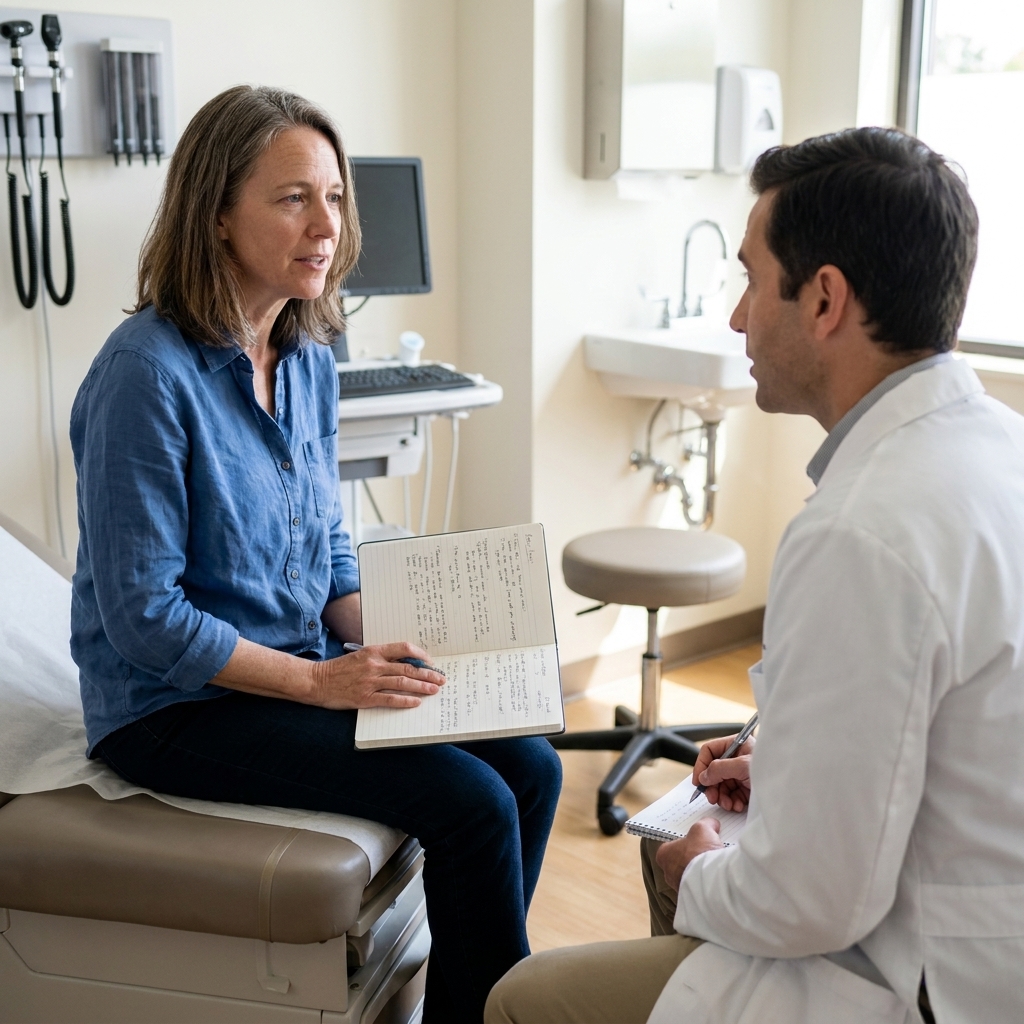
Myth 1: Endometriosis is just bad cramps
Reality: Endometriosis can cause period pain, but it is often much more than cramps, and it is not limited to your period.
Endometriosis involves endometrial-like tissue (tissue similar to the uterine lining) growing outside the uterus. It can affect areas like the ovaries, pelvic lining (peritoneum), and sometimes the bowel or bladder. These implants can trigger irritation, scarring, and pain patterns that look different from “normal cramps.”
What endometriosis pain can feel like
- Pelvic pain that starts days before bleeding and lingers afterward
- Pain with sex, especially deep penetration
- Pain with bowel movements or urination, sometimes worse during periods
- Low back or hip pain
- Fatigue that is disproportionate to your routine
- “Stabbing” or “burning” pain rather than dull cramping
If pain is interfering with school, work, sleep, relationships, or your ability to exercise, it deserves a real evaluation, even if you have been told it is “common.” Common is not the same as normal.
Myth 2: Ultrasound always finds it
Reality: Many people with endometriosis have normal ultrasounds, especially on routine imaging.
This is one of the biggest reasons diagnosis is delayed. A standard pelvic ultrasound can identify some problems, like ovarian endometriomas (often called “chocolate cysts”) or large fibroids. But superficial endometriosis lesions and many adhesions often do not show up on routine imaging.
At the same time, imaging is not useless. Expert transvaginal ultrasound (done by clinicians trained to look for deep infiltrating endometriosis) and MRI can sometimes detect deep disease, endometriomas, and certain patterns of involvement. Even then, normal imaging does not always mean endometriosis is off the table.
Think of ultrasound like a flashlight in a dark room. It can help you see larger items, but it will not reveal everything.
So how is endometriosis diagnosed?
- Clinical evaluation: a careful history of symptoms, timing, and triggers, plus a pelvic exam when appropriate
- Imaging: useful for certain findings and for evaluating other causes of pain, but it cannot reliably rule out endometriosis
- Clinical diagnosis and treatment trial: many guidelines support starting empiric treatment when symptoms fit, without requiring surgery first, especially when there are no red flags
- Laparoscopy: minimally invasive surgery can confirm diagnosis by visualizing lesions and possibly biopsying them, and it may also allow treatment at the same time
If you are repeatedly told “everything is normal” but your pain is not improving, ask directly: “If routine ultrasound cannot rule out endometriosis, what is our next step and timeline?”
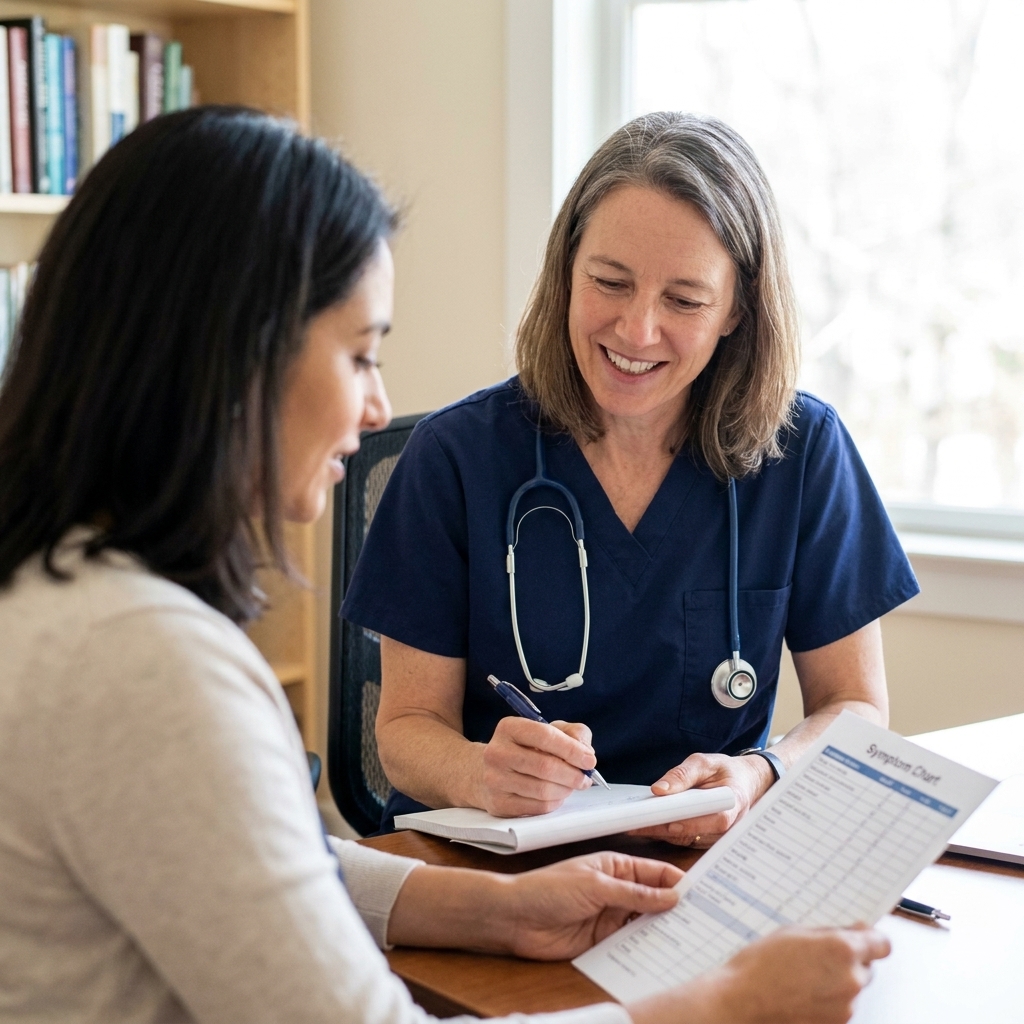
Myth 3: Pregnancy cures it
Reality: Pregnancy may change symptoms for some people, but it is not a cure, and it should never be recommended as a treatment plan.
During pregnancy, ovulation stops and hormone patterns shift. Some people feel symptom relief, especially from cyclical pain. Others do not. And after pregnancy, symptoms can return.
More importantly, pregnancy is a major life decision, not a medical prescription. If someone has suggested “just have a baby” to fix your pain, you deserve a better conversation.
What can help instead
Most people do best with a step-by-step plan that combines symptom relief with longer-term strategy.
- Hormonal suppression (such as continuous combined pills, progestin-only options, or other therapies) to reduce cycling and help suppress endometriosis-related symptoms
- Targeted pain management that may include anti-inflammatory medications, nerve pain options, and other strategies individualized to you
- Pelvic floor physical therapy for muscle spasm and myofascial pain that commonly coexists with endometriosis
- Surgery in selected cases, especially when pain is severe, anatomy is distorted, or there are endometriomas
The best plan is the one that aligns with your goals, including whether you want kids now, later, or never.
Myth 4: More disease means more pain
Reality: Pain severity does not always match the amount of visible endometriosis.
This myth hurts people in two directions. If imaging looks mild, pain may be dismissed. If pain is “only moderate,” you may assume nothing significant is happening. In reality, pain is influenced by many factors, including inflammation, lesion location, nerve involvement, adhesions, pelvic floor muscle tension, and how the nervous system processes ongoing pain signals.
Chronic pain can also “teach” the nervous system to stay on high alert. That is not in your head. It is biology.
A better way to track impact
Instead of focusing only on stage, focus on function and impact:
- How many days per month are you limited?
- What activities trigger flares?
- Is sex painful? Are bowel movements painful?
- How is sleep? Mood? Energy?
- What has and has not worked so far?
This information helps clinicians build a treatment plan that targets your lived experience, not just what can be seen.
Myth 5: It always means infertility
Reality: Many people with endometriosis conceive without assistance, and many others have options if they need help.
Endometriosis can affect fertility, but it does not automatically equal infertility. Fertility depends on several factors, including age, ovulation, sperm health, fallopian tube function, and the severity and location of disease.
How endometriosis can affect fertility
- Inflammation that may affect egg quality, fertilization, or implantation
- Scar tissue and adhesions that can distort pelvic anatomy
- Endometriomas that can affect ovarian reserve or function
- Tubal involvement that can interfere with egg pickup or transport
If pregnancy is a goal, consider asking
- “Given my age and symptoms, when should we do a fertility workup?”
- “Should I see a reproductive endocrinologist now or after trying for a specific time?”
- “Would surgery help or harm my fertility situation?”
- “Is egg freezing something I should consider?”
One more reassuring truth: you can care about pain relief and fertility at the same time. A good care team will hold both goals with you.
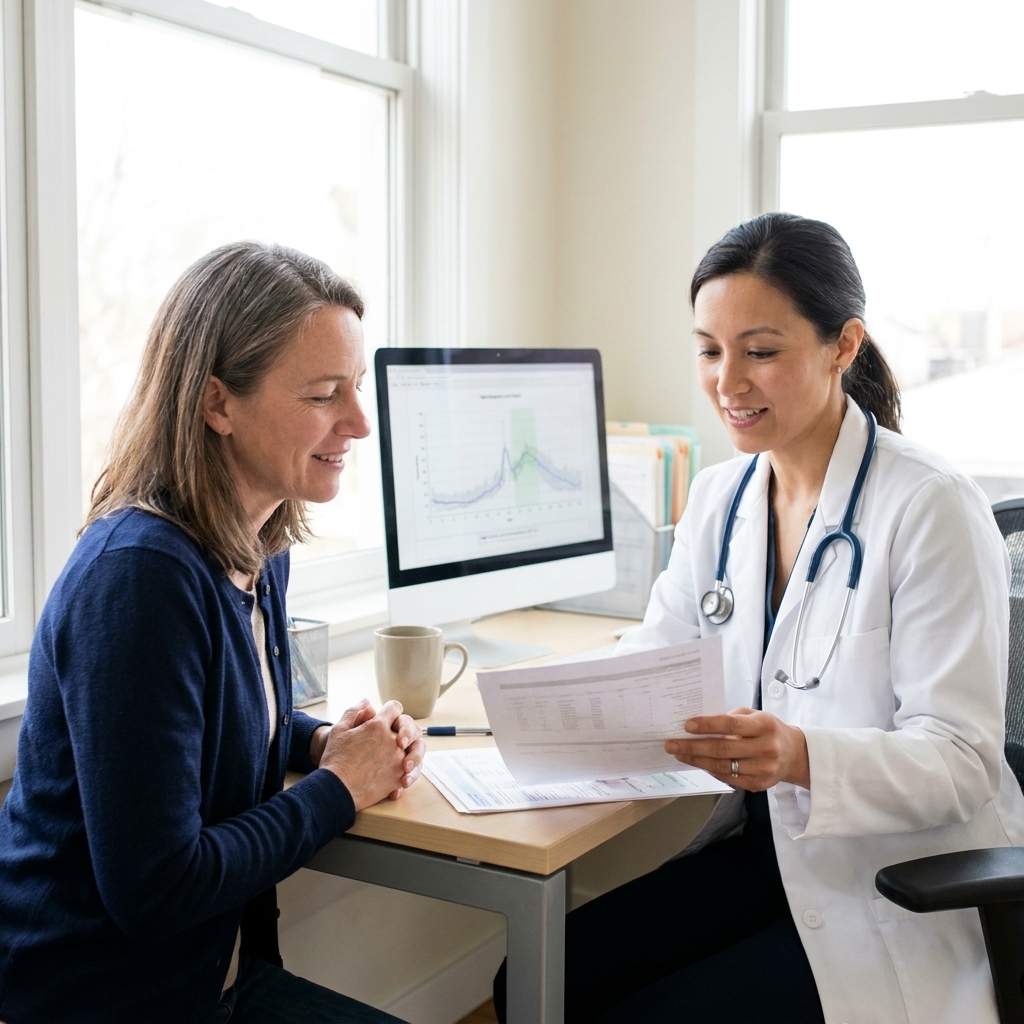
Why diagnosis can take time
Endometriosis is often diagnosed years after symptoms begin. That delay is rarely because a person is not trying hard enough. It is usually because the condition can mimic other issues, because routine imaging can miss it, and because pelvic pain has historically been minimized.
Common reasons for delays
- Symptoms overlap with IBS, bladder pain syndrome, pelvic floor dysfunction, fibroids, adenomyosis, and other conditions
- Normal routine imaging can falsely reassure people and clinicians
- Misconceptions such as “period pain is normal”
- Access barriers including cost, time off work, and difficulty finding a specialist
If you are in the “still searching for answers” stage, I want you to hear this clearly: persistent pelvic pain is enough reason to keep advocating for yourself.
What to do next
If you suspect endometriosis or you have chronic pelvic pain that is not improving, here are practical steps that often make medical visits more productive.
Before your appointment
- Track symptoms for 1 to 2 cycles: timing, intensity (0 to 10), bleeding pattern, bowel and bladder symptoms, pain with sex, fatigue, and triggers
- List treatments you have tried (NSAIDs, birth control, heat, supplements, PT) and what happened
- Write your top 3 goals: less pain, fewer missed days, better sleep, support for fertility, etc.
Questions worth asking
- “What diagnoses are on the table besides endometriosis?”
- “What is our plan if this first treatment does not work?”
- “Would pelvic floor physical therapy help in my case?”
- “Should I be referred to an endometriosis or pelvic pain specialist?”
- “What are the risks and benefits of surgery for me?”
What to expect at a specialist visit
An endometriosis or pelvic pain specialist visit often focuses on details that get skipped in rushed appointments. Expect questions about pain timing, bowel and bladder symptoms, sex-related pain, prior treatments, and goals (including fertility goals). You may be offered a structured plan that includes medication options, pelvic floor therapy, and discussion of whether advanced imaging or surgical evaluation makes sense for your situation.
A quick note on surgery options
If surgery is discussed, you may hear about excision (cutting lesions out) versus ablation (burning or destroying surface lesions). The best choice depends on lesion type and location, and outcomes often depend on the surgeon’s training and experience with endometriosis. It is appropriate to ask what approach is recommended and why.
When to seek urgent care
Go to urgent care or the emergency department if you have pelvic pain with fever, fainting, severe one-sided pain, heavy bleeding soaking through 1 pad or tampon per hour for several hours, pregnancy with pain or bleeding, new severe pain that feels different from your typical pattern, or symptoms like severe dizziness, weakness, shortness of breath , or feeling like you might pass out.
Living with pelvic pain
Endometriosis care is rarely one-size-fits-all. Many people do best with a combination approach that addresses hormones, pelvic floor muscle dysfunction, and the nervous system’s pain pathways. Multifactorial pain is common, and treating overlapping conditions in parallel is often part of real relief.
If you take only one thing from this article, let it be this: your pain is real, and it is worth treating. You are not overreacting. You are paying attention.
If you feel dismissed, try this phrase: “I am not asking you to guess. I am asking you to help me build a step-by-step plan, with a timeline, until we understand what is causing this pain.”
FAQ
Can teenagers have endometriosis?
Yes. Endometriosis can begin in adolescence. Severe period pain that causes missed school or activities, especially if it does not improve with standard treatments, should be evaluated.
Is a hysterectomy a cure?
Not always. A hysterectomy removes the uterus, which can help if adenomyosis or uterine sources of pain are involved. But endometriosis lesions outside the uterus can remain. Treatment decisions should be individualized and ideally guided by a clinician experienced in pelvic pain and endometriosis.
Endometriosis vs. adenomyosis
Endometriosis involves endometrial-like tissue growing outside the uterus. Adenomyosis involves similar tissue growing into the muscle wall of the uterus. Symptoms can overlap, including heavy bleeding and painful periods, and some people have both.