
Migraines are not “just bad headaches.” They are a neurological condition that can bring throbbing pain, nausea, light and sound sensitivity, dizziness, and sometimes visual or sensory changes called aura. If you live with migraines, you have probably stood in a pharmacy aisle wondering whether an over-the-counter option is enough or if it is time to talk with a clinician about prescription therapy.
In clinic, I frame it like this: the best medication is the one that matches your migraine pattern and is taken as early as possible to stop the attack before it gathers momentum. Below is a practical comparison of OTC remedies and prescription medications, along with safety considerations and decision points that can help you advocate for the right plan.
If you are not sure these are migraines, that is worth clarifying. Many headaches are not migraine, and the right treatment starts with the right diagnosis.

Start with your pain profile
Before we talk medications, it helps to name what you are treating. Different migraine profiles often respond better to different approaches.
- Mild to moderate pain without significant nausea: NSAIDs may work well, especially if taken early.
- Moderate to severe pain or pain that escalates quickly: many people do better with migraine-specific prescriptions like triptans or newer agents.
- Nausea or vomiting that makes it hard to keep pills down: you may need dissolvable, nasal, injectable, or anti-nausea options.
- Frequent migraines (often more than 4 migraine days per month, or attacks that significantly disrupt life): prevention may matter as much as rescue medication.
- Aura, neck pain, dizziness, scalp sensitivity: these can still be migraine, but the medication choice may need tailoring.
If you have never been formally evaluated, keep a simple log for 2 to 4 weeks: migraine days, suspected triggers, meds used, how fast they worked, and whether symptoms returned within 24 hours. That information is powerful in a medical visit.
Over-the-counter options
OTC medications can be very effective for some migraines, especially when symptoms are mild or you can treat early. Their biggest advantages are accessibility and cost. Their biggest drawbacks are dose limits, side effects at higher doses, and a higher risk of medication-overuse headache if used too often.
One practical note: follow the package label unless your clinician gives you different instructions. If you are combining products, double-check ingredients so you do not accidentally double-dose.
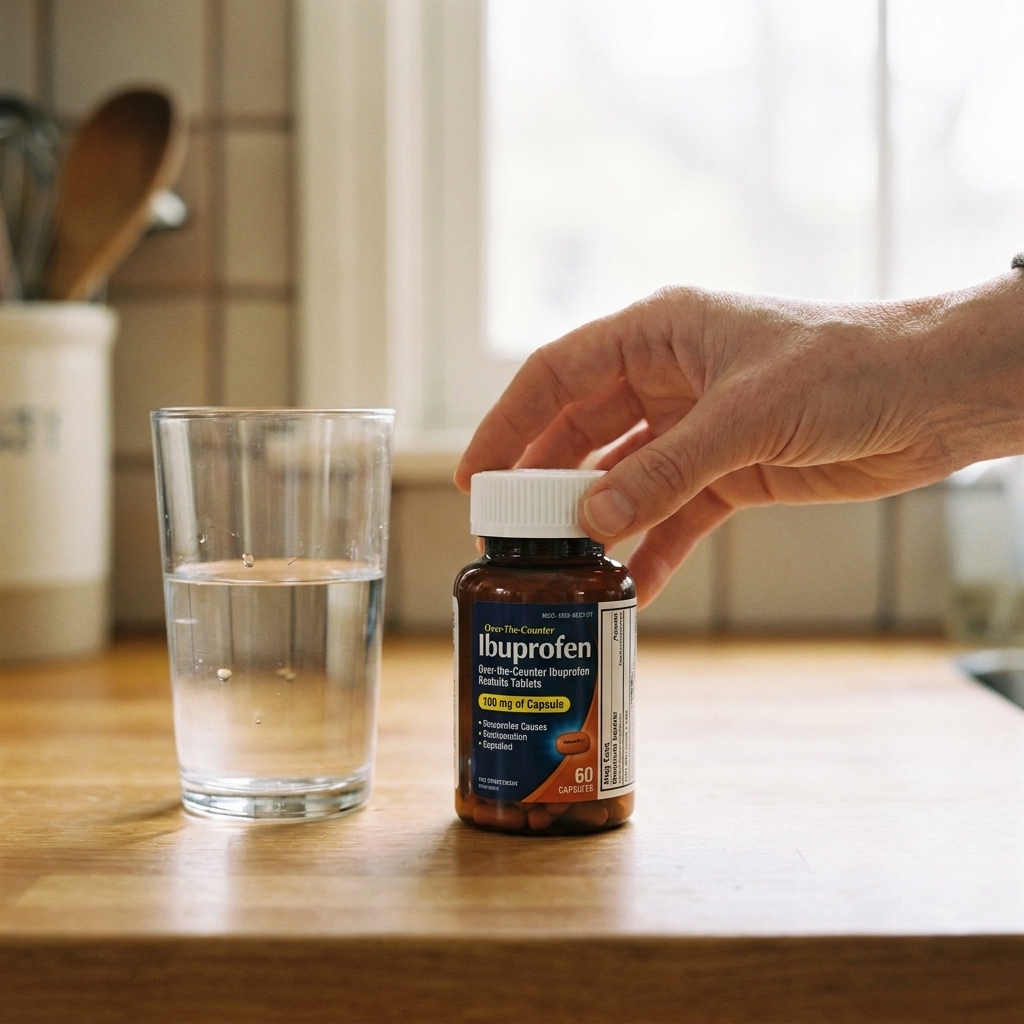
NSAIDs (ibuprofen, naproxen)
NSAIDs reduce inflammation and pain signaling. For many people, they work best when taken at the first hint of migraine, not after the pain is fully established.
- Best for: mild to moderate migraine; migraine with prominent head pressure or tenderness; some menstrual-related attacks (naproxen is sometimes helpful).
- Typical adult label limits: vary by product, so read your specific bottle. As a general reference, OTC ibuprofen is often limited to 1,200 mg per day and OTC naproxen sodium is often limited to 660 mg per day unless a clinician directs otherwise.
- Common limits: stomach irritation, heartburn, fluid retention, and increased blood pressure in some people.
- Important cautions: avoid or discuss first if you have a history of stomach ulcers or GI bleeding, kidney disease, are on blood thinners, or have certain heart conditions.
Acetaminophen (paracetamol)
Acetaminophen can help pain but does not reduce inflammation the same way NSAIDs do. It can be a good option for people who cannot tolerate NSAIDs.
- Best for: mild migraine, or as part of a combination approach.
- Typical adult label limits: many products cap at 3,000 mg per day; some labels allow up to 4,000 mg per day in selected adults, but lower is safer for many people. If you have liver disease or drink alcohol regularly, ask your clinician what limit applies to you.
- Important caution: exceeding daily dose limits can injure the liver, especially when combined with alcohol or other acetaminophen-containing products (like many cold and flu remedies).
Combination products (acetaminophen + aspirin + caffeine)
Some OTC migraine-specific combinations can be effective because caffeine may improve absorption and enhance pain relief for certain people.
- Best for: migraines with fatigue or brain fog where caffeine is tolerated; people who respond well to this combination early.
- Watch outs: jitteriness, heart palpitations, anxiety, reflux, and sleep disruption. Regular use can also contribute to rebound headaches.
Antiemetics and supportive OTC tools
There is no perfect OTC anti-nausea pill for migraine, but some people find limited relief from options like meclizine for dizziness or bismuth subsalicylate for upset stomach. Non-medication supports can meaningfully lower suffering while the medicine works.
- Hydration and electrolytes if you are not vomiting.
- Cold packs to the forehead or neck.
- Dark, quiet room and sleep when possible.
- Magnesium may support prevention for some people, but discuss dosing and kidney health with your clinician.
When OTC works best: you can treat early, your attacks are not routinely severe, and you are not needing OTC meds many days per month.
Prescription acute meds
Prescription acute medications are designed to do more than dull pain. Many target migraine pathways directly, which can make a major difference when attacks are intense, fast-escalating, or paired with nausea, light sensitivity, and significant functional impairment.
In real life, it is rarely about picking the one perfect drug forever. It is about building a plan that fits your symptoms, your medical history, your daily responsibilities, and how often you are treating.
Triptans (sumatriptan, rizatriptan, eletriptan, and others)
Triptans have been a mainstay for decades and can be highly effective. They work best when taken early in the attack.
- Best for: moderate to severe migraine, migraines that do not respond to NSAIDs, or attacks with significant light and sound sensitivity.
- Common side effects: flushing, tingling, fatigue, or a heavy sensation in the chest, neck, or throat. In appropriately screened patients, this is often not dangerous, but chest symptoms can mimic cardiac problems. Seek urgent care if symptoms are severe, new for you, or paired with shortness of breath, fainting, or sweating.
- Key safety point: triptans are typically avoided or used cautiously in people with significant coronary artery disease, prior stroke, uncontrolled high blood pressure, or certain vascular conditions. Your clinician will screen for this.
Many triptans come in multiple forms: tablets, orally disintegrating tablets, nasal spray, and injection. If nausea derails your timing, the non-pill options can be a game changer.
Gepants (ubrogepant, rimegepant, zavegepant)
Gepants block CGRP, a migraine-signaling molecule. They do not cause blood vessel constriction, which makes them an option for some people who cannot take triptans.
- Best for: people who do not tolerate triptans, have contraindications to triptans, or need another tool in the toolbox.
- Common side effects: nausea, sleepiness, dry mouth depending on the specific medication.
- Important interactions and organ considerations: some gepants have meaningful drug interactions, especially with strong CYP3A4 inhibitors or inducers (and certain grapefruit-related interactions depending on the medication). Liver disease can also affect what is safe. Tell your clinician and pharmacist about all prescription meds, supplements, and antifungals or antibiotics you may take intermittently.
- Practical considerations: insurance coverage and prior authorization can affect access. Some gepants are also used for prevention.
Ditans (lasmiditan)
Ditans target a serotonin receptor involved in migraine but without the same blood-vessel effects as triptans. The tradeoff is sedation for many people.
- Best for: selected patients when triptans are not appropriate.
- Key safety point: driving restrictions after taking it due to impairment risk. Discuss timing and work or caregiving responsibilities before choosing this option.
Antiemetics (metoclopramide, prochlorperazine, ondansetron)
If nausea is a major player, treating it directly can improve your ability to take and keep down migraine medication.
- Best for: migraine with significant nausea or vomiting, or as part of urgent care or emergency department treatment.
- How they differ: metoclopramide and prochlorperazine can help nausea and have evidence for migraine pain relief in some settings. Ondansetron is excellent for nausea, but it is not typically used as a primary migraine abortive for pain.
- Side effects: can include sleepiness; some medications can cause restlessness or muscle side effects, so your clinician will weigh risks and benefits.
Ergots and other options
Ergot-based medications are less commonly used today but can help certain patients, particularly with prolonged attacks. They have more restrictions and side effects, so they are usually not the first stop.

Prevention
If you are treating migraines often, the goal shifts from “How do I stop this one?” to “How do I have fewer of them?” Prevention can reduce frequency, severity, and the risk of medication-overuse headache.
Who should consider prevention?
- Frequent migraine days per month, commonly 4 or more
- Attacks that are severe, long-lasting, or disabling
- Inadequate response to acute medications
- High risk of overusing acute medications
Common preventive options
- Blood pressure medications (like certain beta blockers) for some patients
- Anti-seizure medications (such as topiramate) for selected cases
- Antidepressants that also calm migraine pathways for some people
- CGRP monoclonal antibodies (monthly or quarterly injections or infusions) for frequent or refractory migraines
- OnabotulinumtoxinA (Botox) for chronic migraine, typically defined as 15 or more headache days per month with at least 8 migraine days, in eligible patients
Prevention is not a moral victory and it is not “giving in.” It is often the most effective way to get your life back.
Non-medication prevention matters too. Regular sleep, steady caffeine habits, hydration, exercise you can sustain, and skills-based approaches like CBT or biofeedback can reduce overall vulnerability. Some people also benefit from neuromodulation devices, which a clinician can help you evaluate.
If your migraines cluster around your period, ask about menstrual migraine strategies, including short-term perimenstrual prevention for selected patients.
Medication-overuse headache
One of the most heartbreaking patterns I see is a person doing everything they can to function, taking “something” most days, and gradually developing more headaches. Medication-overuse headache can happen when acute medications are used too frequently, creating a cycle where the brain becomes more headache-prone.
While thresholds vary by guideline and individual risk, these are common cutoffs clinicians use:
- Triptans, ergots, opioids, and combination analgesics (often including caffeine or butalbital): risk rises at about 10 or more days per month.
- NSAIDs or acetaminophen: risk rises at about 15 or more days per month.
If you are near these ranges or you feel stuck in a weekly cycle of treating and relapsing, it is time to talk with a clinician. A safer plan may include prevention, a different rescue option, or a structured reset strategy guided by a professional.
How to choose
If your migraine is mild and you can treat early
- Consider an NSAID or acetaminophen at a safe dose for you
- Hydrate, reduce sensory input, use cold therapy
- If you need this often, step back and reassess the plan
If your migraine is moderate to severe, or OTC fails more than occasionally
- Ask about a migraine-specific acute medication (often a triptan, gepant, or ditan)
- Discuss non-pill routes if nausea is a barrier
- Ask for an anti-nausea medication if needed
If attacks are frequent, long, or disabling
- Ask directly about preventive therapy
- Review sleep, stress, hormones, and comorbidities like anxiety or depression
- Build a plan that includes boundaries to prevent medication overuse
If you remember only one thing: the earlier you treat a migraine, the better your odds of stopping it. Waiting until pain is severe often makes any medication less effective.
Safety notes
Migraine medications are powerful tools, but they are not one-size-fits-all. A few key safety reminders:
- Pregnancy and breastfeeding: many options require extra caution. If pregnancy is possible, mention it before starting new therapies.
- Heart and stroke history: matters for certain migraine meds, particularly triptans and ergots.
- Kidney, liver, or stomach conditions: influence which OTC and prescription options are safest.
- Drug interactions: especially if you take antidepressants, blood thinners, seizure meds, or multiple prescriptions.
- Do not stack medications blindly: combining NSAIDs, aspirin-containing products, and other pain relievers can increase bleeding or organ risks. If you are unsure, ask a pharmacist or clinician.
When to seek urgent care
Most migraines are not dangerous, but some headache symptoms should be treated as emergencies. Seek urgent care or emergency evaluation if you have:
- A sudden, severe headache that peaks within seconds to minutes
- New weakness, facial droop, confusion, fainting, seizure, or trouble speaking
- A headache with fever, stiff neck, or rash
- A new headache after head injury
- A new or dramatically different headache pattern, especially after age 50
- Persistent vision changes or a worst headache of your life experience
If you are not sure, it is always appropriate to err on the side of safety.
Questions for your appointment
- Based on my symptoms, does this fit migraine, tension headache, cluster headache, or something else?
- What should I take first, second, and third if the first medication does not work?
- What is my maximum safe use per week or month to avoid rebound headaches?
- Do I qualify for preventive therapy, and what are my options?
- What side effects should make me stop the medication and call you?
- Are there non-pill options for days when I am nauseated?
FAQ
Is it better to start with OTC meds before asking for prescription migraine treatment?
Not always. If your migraines are moderate to severe, quickly escalating, or repeatedly disabling, it is reasonable to discuss prescription options early. OTC can be appropriate for milder attacks or occasional migraines, but you do not need to earn prescription care by suffering first.
Why do some migraine meds stop working over time?
Common reasons include treating too late in the attack, increasing migraine frequency, medication-overuse headache, hormonal shifts, sleep disruption, stress, or changes in other health conditions.
Sometimes the medication still works, but the migraine pattern has changed.
What if my migraine comes back the next day?
That can happen, especially with longer attacks. Ask your clinician whether you are experiencing recurrence and what your rescue plan should be. Sometimes this means a different medication, a repeat dose strategy, adding an anti-nausea med, or focusing on prevention.
If you are living with chronic migraine, please know this: there is rarely a single magic pill, but there is almost always a better plan than white-knuckling through it. If you share how often you get attacks, how quickly they escalate, and whether nausea is involved, a clinician can often help you narrow down which category of treatment is most likely to bring real relief.