Most minor household burns look scary, but a true first-degree burn is usually very manageable at home with the right first-aid steps. First-degree burns affect only the top layer of skin. Think: redness, tenderness, and maybe mild swelling, but no blisters and no open skin.
Below is the same advice I give patients in clinic when they call after a quick run-in with a hot pan, curling iron, or a splash of hot water: cool it, protect it, treat the discomfort, and watch for warning signs.
First: confirm it is first-degree
At-home care is appropriate only if the burn is minor and superficial.
Typical signs
- Red or pink skin
- Dry surface (no weeping)
- Pain or stinging
- Mild swelling
- No blisters
Signs it may be deeper
If you see blistering, broken skin, white or leathery patches, charred areas, or numbness, treat it as a deeper burn and get medical advice promptly.
At-home steps
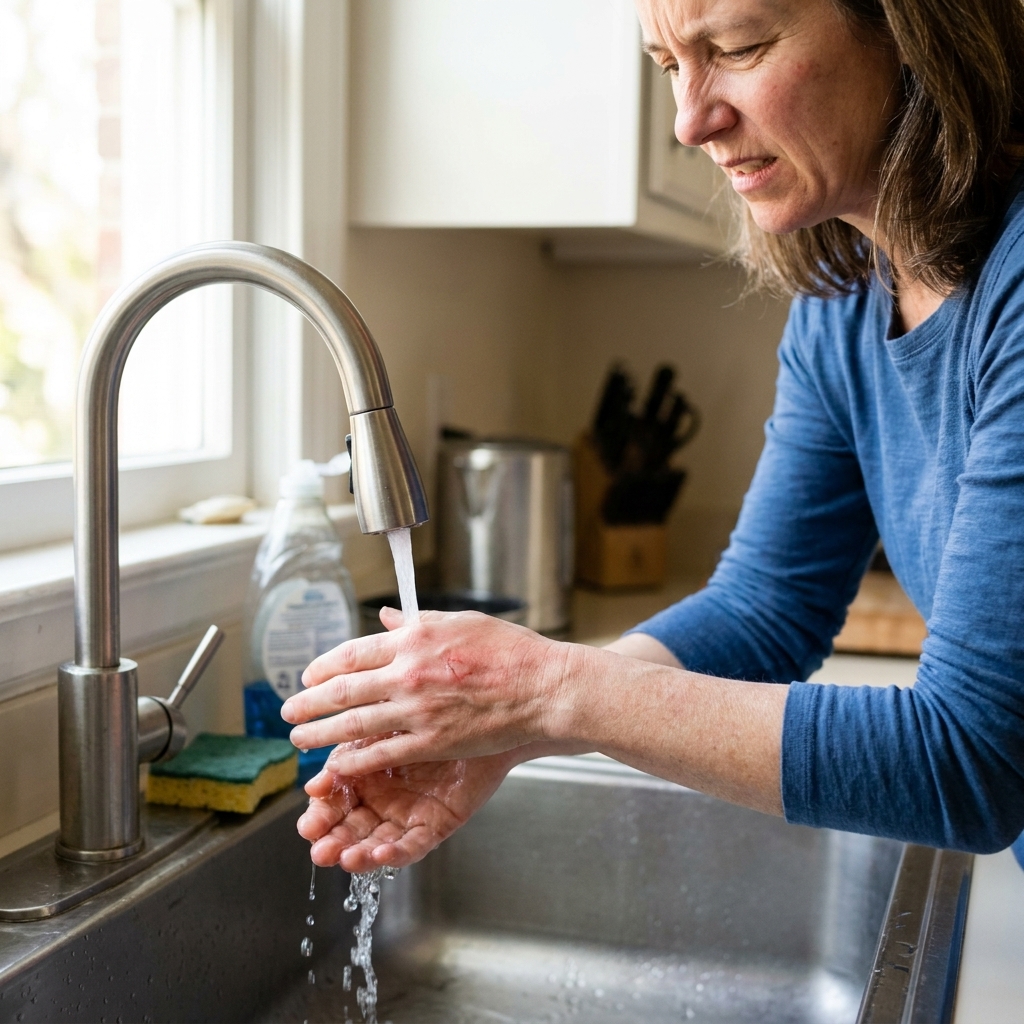
1) Cool it quickly (but gently)
Cooling helps stop the heat from continuing to injure skin.
- Hold the area under cool (not cold) running water for 10 to 20 minutes.
- If running water is not available, use a cool, clean compress and re-cool it often.
- Remove rings, watches, or tight items near the area before swelling starts.
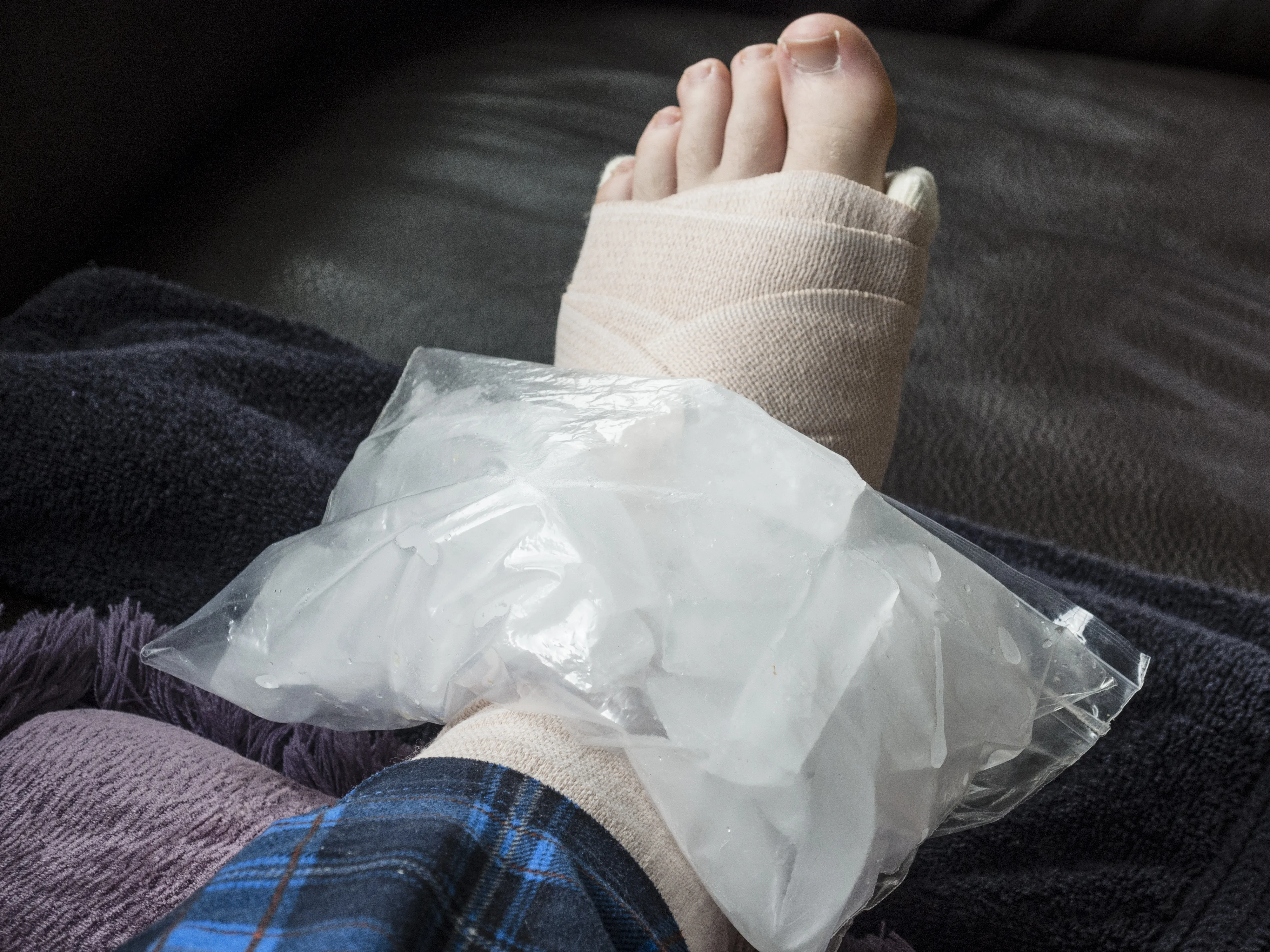
Avoid ice. Ice can worsen tissue injury, especially on already irritated skin.
If the burn covers a large area (especially in children), avoid prolonged whole-limb or whole-body cooling. Use cool water on the burn itself and keep the rest of the person warm to reduce the risk of hypothermia.
2) If clothing is stuck, do not pull
If fabric, melted synthetic material, or sticky substances (like hot tar) are stuck to the skin, do not peel it off. Cool the area with running water if you can and seek urgent medical care.
3) Clean it after cooling
Gently wash with mild soap and water. Pat dry. You do not need harsh antiseptics for a simple first-degree burn, and they can irritate the skin.
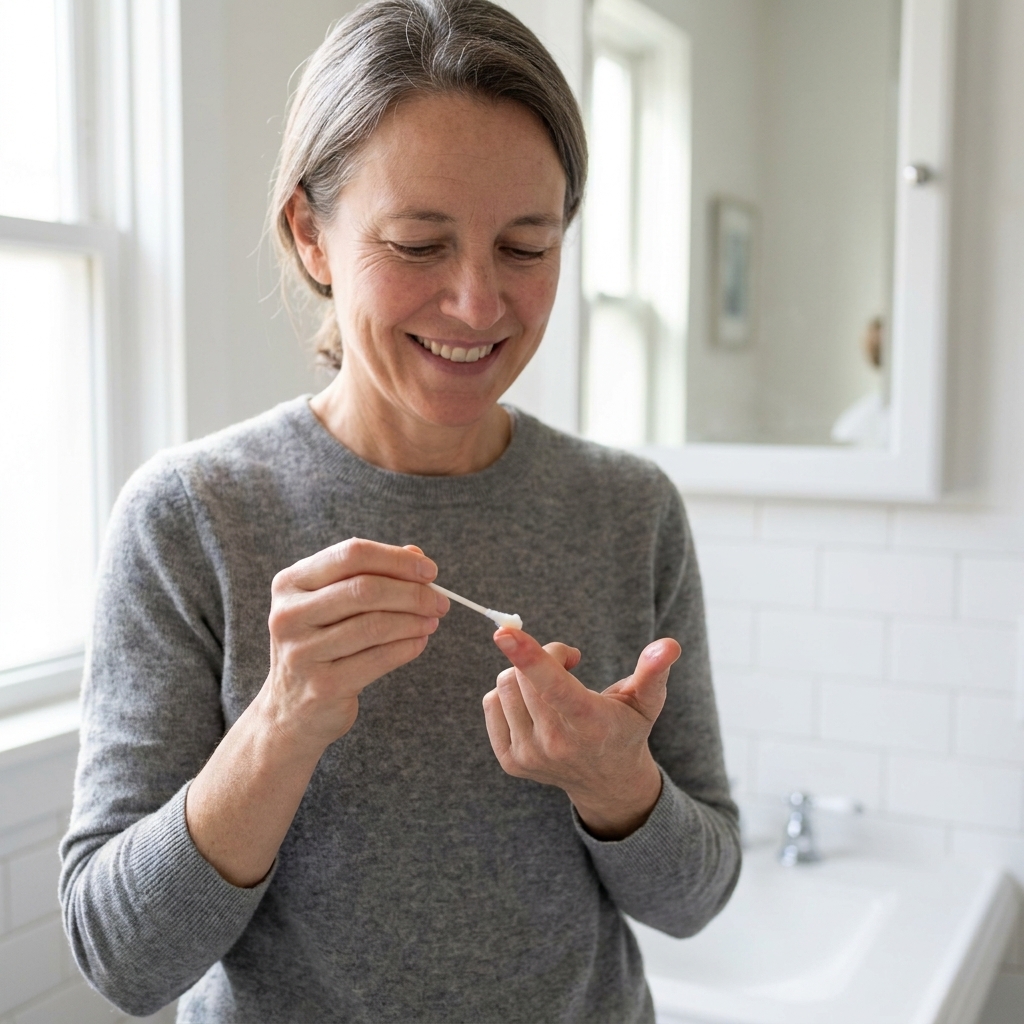
4) Use a simple protectant (optional)
For most first-degree burns, your goal is comfort and protecting the skin barrier. A thin layer is plenty.
- Petroleum jelly (Vaseline): often my first pick. It is effective, inexpensive, and unlikely to irritate.
- Aloe vera gel (fragrance-free): can feel soothing for mild burns and sunburn-like burns.
- OTC antibiotic ointment (like bacitracin or polysporin): usually not necessary when the skin is intact, but may be considered if the area will rub a lot. Stop if a rash develops.
Use numbing creams cautiously. Products with benzocaine (and sometimes lidocaine) can cause irritation or allergic contact dermatitis, and overuse on larger areas is not a good idea. For small, superficial burns, they are usually not needed. If you use one and it stings, causes a rash, or seems to make it harder to tell whether things are improving, stop.
Skim summary: Cool water 10 to 20 minutes, wash gently, apply a thin layer of petroleum jelly, cover only if it helps with pain or friction.
OTC pain relief
First-degree burns can sting, especially in the first several hours. Over-the-counter pain relievers can help you stay comfortable and keep the area usable.
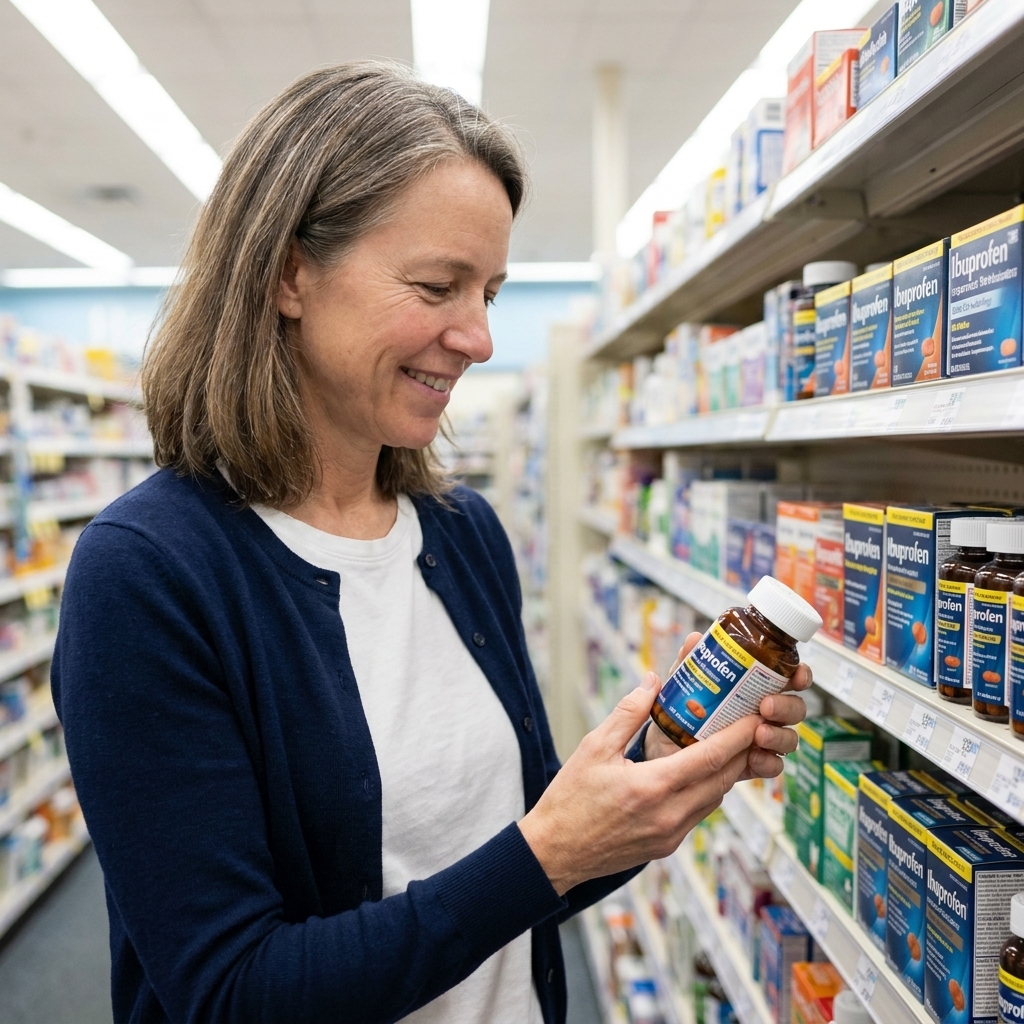
NSAIDs (ibuprofen, naproxen)
- Helpful for pain and inflammation.
- Avoid if you have a history of stomach ulcers or GI bleeding, certain kidney disease, are on blood thinners, or your clinician has told you not to use NSAIDs.
Acetaminophen (Tylenol)
- Good option for pain if NSAIDs are not a fit.
- Stay within the labeled maximum daily dose and be cautious with combination cold and flu products that also contain acetaminophen.
If you are pregnant, have chronic kidney or liver disease, take blood thinners, or are unsure what is safest for you, check with your pharmacist or clinician.
Dressing: cover or leave open?
Either approach can be reasonable for a small first-degree burn. Let comfort and friction guide you. If air exposure feels fine and the area stays clean, you can leave it uncovered. If it is tender, rubbing on clothing, or in a high-use area, a light dressing often reduces pain and protects the skin.
Good options
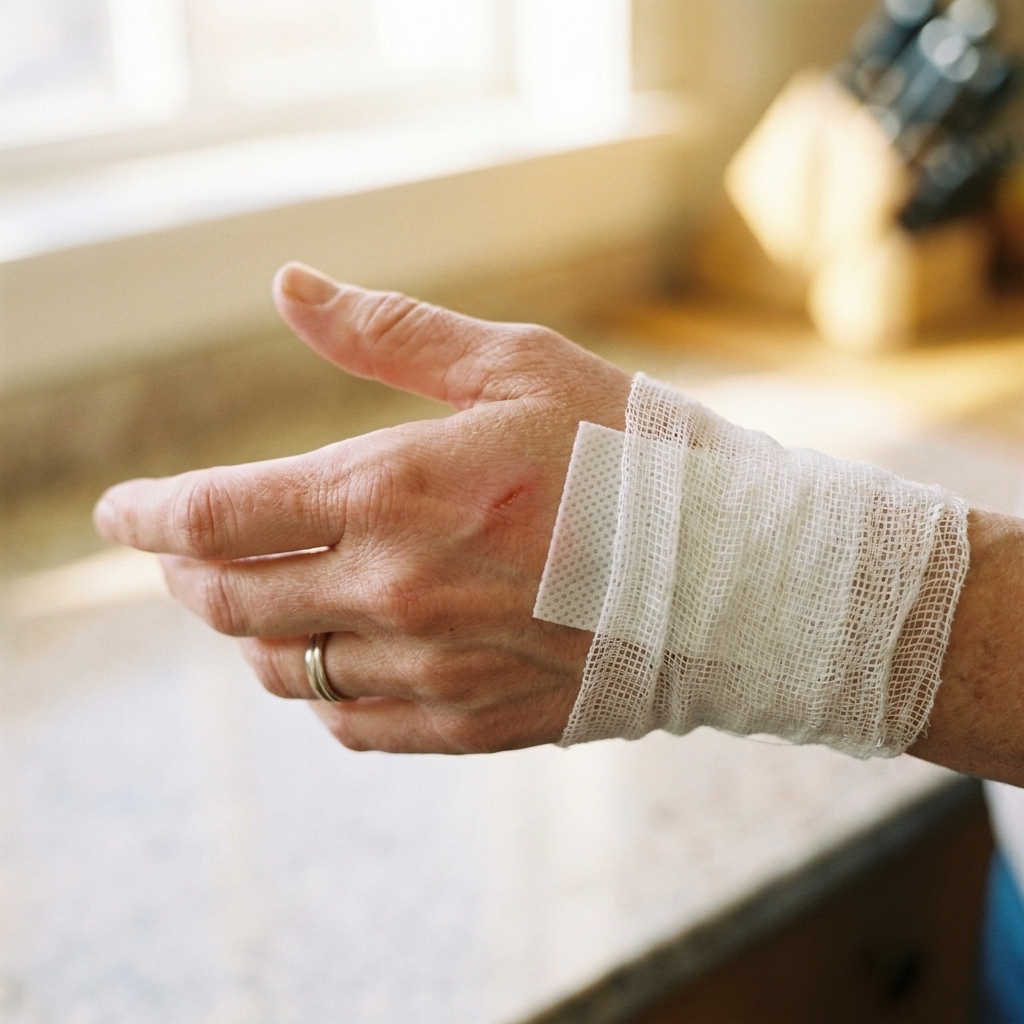
- Nonstick sterile pad with a light wrap or paper tape, changed daily.
- Hydrogel burn pad: can be soothing and cooling for minor burns (use as directed).
- Gauze only if you place a nonstick layer beneath it. Plain gauze can stick.
Keep the wrap snug, not tight. Fingers and toes should stay warm and pink, not pale or tingly.
What to avoid
- Ice, frozen packs, or very cold water: can damage skin further.
- Butter, cooking oil, toothpaste: trap heat and increase irritation and infection risk.
- Hydrogen peroxide or rubbing alcohol: delays healing and causes unnecessary pain.
- Popping blisters: if blisters appear, that is no longer a first-degree burn. Do not pop them.
- Tight bandages: swelling can increase over the first day.
Healing and what is normal
Most first-degree burns typically improve significantly within 24 to 72 hours and heal within about 3 to 7 days. Larger areas and high-friction spots (like hands) can take longer.
Normal changes
- Redness that gradually fades
- Mild peeling as the top layer of skin renews
- Tenderness that eases day by day
Comfort tips
- Moisturize gently with a fragrance-free lotion once the sting has settled.
- Protect from sun after the skin has healed. Freshly healed skin burns easily and can darken. This discoloration risk can persist for weeks. Use protective clothing or sunscreen on healed skin only.
When to get medical care
Please err on the side of caution if you are unsure. Seek urgent care or emergency care right away if:
- The burn is from electricity or a chemical.
- There is trouble breathing, facial swelling, or signs of smoke inhalation.
- The burn involves the face, genitals, or a major joint, or it wraps around a finger, hand, arm, toe, foot, or leg.
- It is larger than the person’s palm or pain is severe.
- You see blisters, open skin, white or charred areas, or numbness.
- You develop signs of infection: worsening redness, warmth, swelling, pus, or red streaking, especially if you also have fever or feel ill.
- You have diabetes, poor circulation, are immunocompromised, or the burn is on a very young child or older adult.
If your tetanus shot is not up to date and there is any break in the skin, ask a clinician whether you need a booster.
Quick home burn kit
If you want to be prepared, these are practical items to keep on hand:
- Nonstick sterile pads
- Gauze roll and paper tape
- Petroleum jelly
- Fragrance-free aloe vera gel (optional)
- Ibuprofen or acetaminophen (as appropriate for you)
- Hydrogel burn pads (optional)
FAQ
Should I put aloe on a first-degree burn?
Yes, a fragrance-free aloe gel can be soothing for mild burns after cooling the skin. If it stings or you notice a rash, stop and switch to plain petroleum jelly.
Is Neosporin necessary?
Usually not for a first-degree burn because the skin is intact. A thin layer of petroleum jelly is often enough. If you choose an antibiotic ointment, use a small amount and discontinue if irritation develops.
Can I cover it overnight?
You can if it is in an area that rubs or if you tend to scratch in your sleep. Use a nonstick pad and a light wrap, and remove it in the morning to check the skin.
What if it starts blistering later?
Blistering suggests a deeper burn. Do not pop blisters. Keep it clean, protect it with a nonstick dressing, and contact a clinician for guidance, especially if it is large or on the hands, face, feet, or genitals.
If you remember just two things: cool the burn under cool running water for 10 to 20 minutes, and avoid kitchen remedies that trap heat. Simple care done promptly is what helps skin recover best.