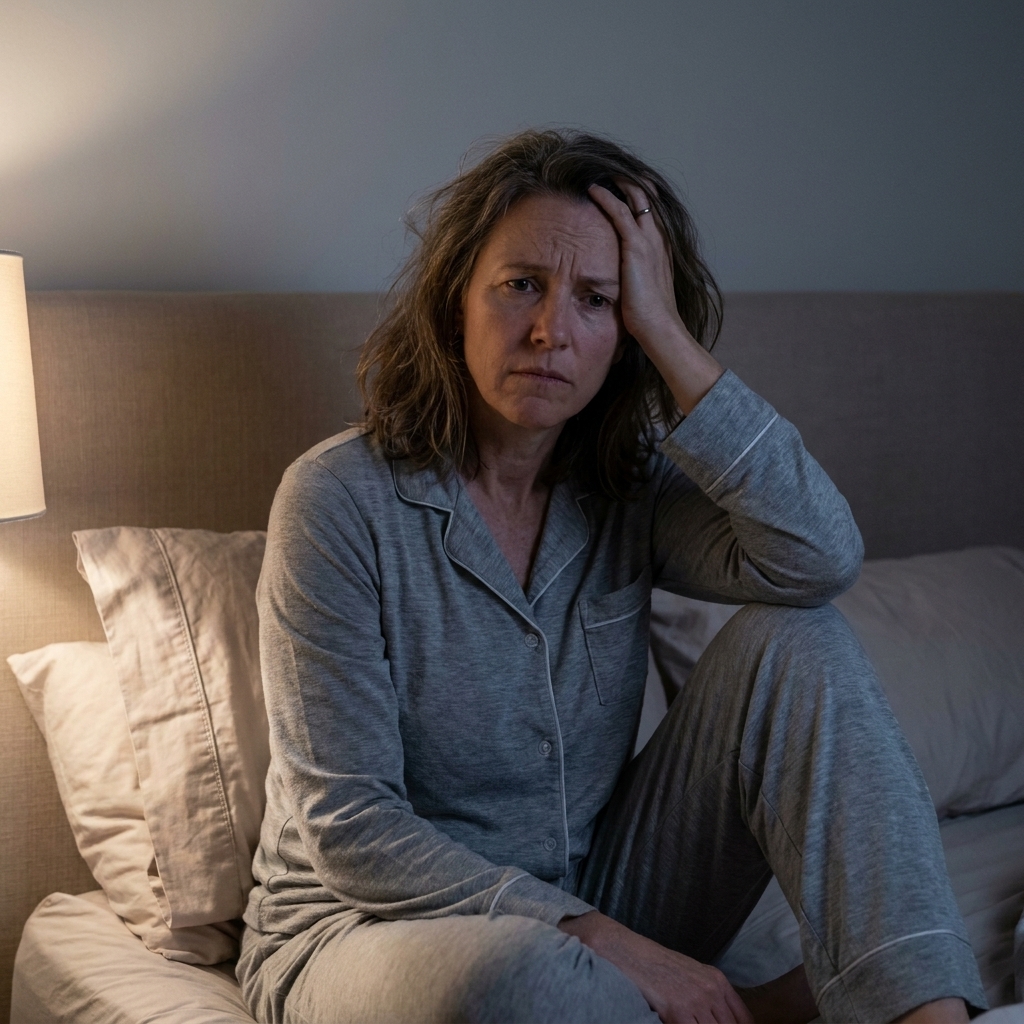
Living with bipolar disorder can feel unpredictable, especially when a mood shift seems to come out of nowhere. In clinic, I often remind patients that many episodes are not random at all. They are frequently preceded by a few repeatable factors such as disrupted sleep, mounting stress, substances, or big routine changes. The goal is not to control every part of life. The goal is to recognize your personal “early weather signs” and make a plan before the storm hits.
This article walks you through common triggers for manic, hypomanic, and depressive episodes, how to track your patterns, and practical ways to reduce risk. This is education, not a diagnosis. Always work with your mental health clinician for individualized care. (And a quick note: bipolar I, bipolar II, and cyclothymia can look different, so your pattern may not match someone else’s.)

What “triggers” mean
A trigger is anything that increases the likelihood of a mood episode or makes symptoms more intense. Triggers are not about blame or willpower. Bipolar disorder involves brain-based changes in mood regulation, energy, sleep, and reward pathways. Environmental and behavioral factors can push a vulnerable system off balance.
Two important notes:
- A trigger is not always the cause. You can do “everything right” and still have symptoms. Trigger management lowers risk, it does not guarantee prevention.
- Triggers can differ by episode type. What tends to precede mania or hypomania may be different from what precedes depression.
Also, triggers often stack. A single late night might be manageable, but travel plus missed meds plus alcohol plus stress is a very different situation. When you are tracking, look for combinations.
Common triggers
Sleep and circadian disruption
If I had to pick one trigger that shows up in almost every bipolar care plan, it is sleep. Too little sleep can precipitate hypomania or mania. For many people, irregular sleep timing can destabilize mood even if the total hours seem “okay,” especially in people with circadian or social rhythm vulnerability.
- Staying up late for work or social events
- Early-morning shifts or rotating schedules
- Jet lag and long travel days
- All-nighters, binge-watching, gaming marathons
- New baby care, caregiving, or insomnia
- Late-night screens and bright light exposure that delay sleep
Stress and major changes
Stress is not just “feeling overwhelmed.” Stress can trigger hormone and nervous system changes that affect sleep, appetite, and emotion regulation. Even positive events can be activating.
- Relationship conflict, breakups, divorce
- Work deadlines, job loss, promotion, starting a new role
- Moving, financial strain, legal issues
- Grief and caregiving burnout
- Weddings, vacations, holidays, big projects
Substances
Substances can worsen mood instability and disrupt sleep architecture. They can also reduce treatment effectiveness through worse sleep, worsening symptoms, and medication nonadherence, and sometimes through medication interactions.
- Alcohol: can deepen depression, worsen sleep, and increase impulsivity
- Cannabis: can worsen anxiety and motivation, and in some people can increase paranoia or mood swings
- Cocaine, methamphetamine, MDMA: high risk for triggering mania, agitation, and psychosis
- High caffeine or energy drinks: can fuel insomnia and anxiety
Medication changes and certain prescriptions
Stopping a mood stabilizer abruptly or missing doses is a common setup for relapse. Some medications used for other conditions can also affect mood and sleep.
- Missed doses, running out of medication, stopping due to side effects
- Rapid dose changes without clinician guidance
- Antidepressants: in some people, especially in bipolar I and with antidepressant monotherapy, these can precipitate mania or hypomania and may contribute to rapid cycling. Risk varies by person and medication class, so this is always a “prescriber-supervised” decision.
- Steroids (like prednisone): can cause mood elevation, irritability, and insomnia
- Decongestants (for example pseudoephedrine) and stimulant-like weight loss products can be activating for some people
Season and light
Many people notice patterns tied to daylight and seasons. Longer days and more stimulation can correlate with hypomania or mania in some, while shorter days can correlate with depression in others.
Social rhythm disruption
Bipolar disorder often responds best to steady routines. When meal timing, activity, and social contact become irregular, mood can follow.
- Skipping meals, irregular exercise patterns
- Isolation or sudden intense socializing
- Unstructured weekends that turn into late nights and long naps
Physical illness and pain
Infections, chronic pain flares, and other medical issues can mimic or worsen mood symptoms. Being sick also disrupts sleep and daily structure. Thyroid problems are a classic example: hyperthyroidism can resemble activation, anxiety, or agitation, while hypothyroidism can resemble depression and fatigue.
Perinatal and hormonal shifts
Pregnancy and the postpartum period are higher-risk times for mood episodes in bipolar disorder. Some people also notice mood sensitivity around menstrual cycles or perimenopause. This is an area where proactive planning with your clinician matters.
Comorbid conditions and stimulants
Many people with bipolar disorder also live with anxiety, ADHD, or sleep disorders. If you take a stimulant (or any activating medication), the key is not fear. It is monitoring. Make a plan with your prescriber for what to watch for, especially sleep changes, agitation, and racing thoughts.
Early warning signs
Triggers are often easier to manage when you catch symptoms early. Encourage the people close to you to learn your early signs too, because insight can fade during hypomania or mania.
Early signs of mania or hypomania
- Needing less sleep and not feeling tired
- Racing thoughts, talking faster, interrupting
- More spending, risk-taking, or increased libido
- Feeling unusually confident, irritable, or “wired”
- Taking on many projects, difficulty focusing
- Increased socializing or agitation when slowed down
Early signs of depression
- Sleeping much more or insomnia with fatigue
- Withdrawing from people, canceling plans
- Loss of interest, slowed thinking, low motivation
- Feeling hopeless, guilty, or unusually tearful
- Appetite changes, body aches, headaches
- Thoughts like “nothing will help”

How to track patterns
You do not need a perfect system. You need a consistent one. A simple daily check-in can reveal patterns within a few weeks.
A quick daily mood log
- Mood: rate -5 (very depressed) to +5 (very elevated)
- Sleep: hours slept and bedtime, wake time
- Energy: low, medium, high
- Anxiety or irritability: low, medium, high
- Key events: conflict, travel, deadline, illness
- Substances: alcohol, cannabis, caffeine, other
- Medication: taken as prescribed, missed doses
Weekly reflection questions
- What changed in my routine this week?
- Did I have more late nights, naps, or screen time at night?
- Any increased spending, impulsivity, or arguments?
- Any isolation, missed work, or difficulty with basic tasks?
- Did triggers stack (for example travel plus alcohol plus missed sleep)?
- What helped, even a little?
Track protective factors too
Tracking is not only about what went wrong. Note what stabilized you, such as consistent sleep, therapy sessions, exercise, time outside, supportive conversations, or limiting alcohol. This helps you build a repeatable plan.
Reduce trigger impact
Protect sleep like medication
- Keep wake time as consistent as possible, even on weekends.
- Create a wind-down routine: dim lights, warm shower, reading, calming music.
- Limit alcohol and cannabis, especially in the evening, since they fragment sleep.
- Keep caffeine earlier in the day. For many people, stopping by early afternoon helps.
- Reduce late-night screens or use settings that limit bright light.
- If insomnia shows up, treat it as an early warning sign and contact your clinician.
If sleep is a persistent problem, ask about targeted treatment, not just “sleep hygiene.” For example, CBT-I (cognitive behavioral therapy for insomnia), a medication review, or a structured sleep plan can be part of bipolar care. Avoid drastic self-directed sleep restriction.
Build a livable rhythm
- Regular meals and hydration
- Daily movement, even a 10-minute walk
- A set start and end to your day
- Planned downtime to reduce overstimulation
Plan for stress
You cannot remove all stressors. You can plan for them.
- Break large tasks into small steps with deadlines you can meet.
- Use a buffer day after travel or big events to reset sleep and routine.
- Practice short, repeatable calming tools: paced breathing, grounding exercises, brief journaling.
- Consider therapy approaches like CBT or interpersonal and social rhythm therapy (IPSRT), which is designed with bipolar stability in mind.
Substance harm reduction
If quitting feels too big right now, start with risk reduction and honesty with your care team. The most important thing is safety and avoiding sudden changes that destabilize you.
- Track how substances affect your sleep and mood for two weeks.
- Set limits ahead of time, not in the moment.
- Avoid mixing substances and avoid using when sleep-deprived.
- Ask your clinician about supports for reducing or stopping, including counseling or medication options when appropriate.
Medication consistency
- Use a pill organizer and phone reminders.
- Request refills early and keep a small backup supply if your clinician agrees.
- If side effects appear, call your prescriber before stopping medication.
- When starting or changing medications, watch sleep, agitation, and mood closely.

Trigger action plan
I like a plan that is simple enough to use when your brain is already stressed. Consider drafting this with your clinician and sharing it with one trusted person.
Your top triggers
Pick the triggers that show up most often for you, such as missed sleep, conflict, alcohol, travel, or work overload. If triggers tend to stack for you, write down your most common “combos.”
Your early warning signs
Write 3 to 6 signs for elevation and 3 to 6 for depression. Keep them specific and observable.
Your first steps
- Prioritize sleep: earlier bedtime, reduce evening stimulation.
- Reduce commitments for a few days.
- Avoid alcohol, cannabis, and energy drinks.
- Increase structure: meals, movement, daylight exposure.
- Reach out: therapist, prescriber, support person.
When you need extra support
- List who to call (clinic, after-hours line, crisis line).
- List what helps you feel safe (staying with a trusted person, limiting access to credit cards, removing car keys if you become unsafe).
- Plan for childcare, pet care, and work coverage if you need urgent treatment.
If you have bipolar disorder, needing a plan is not a personal failure. It is smart preventative care, like carrying an inhaler when you have asthma.
If an episode is starting
Signs of mania or hypomania
- Do not “test it” by pushing sleep further. Make sleep the priority.
- Decrease stimulation: fewer late nights, fewer big decisions, fewer social or online rabbit holes.
- Delay major choices: spending, quitting a job, starting a relationship, big purchases.
- Contact your prescriber promptly. Medication adjustments are time-sensitive.
Signs of depression
- Keep a basic routine: shower, meals, medication, daylight, gentle movement.
- Lower the bar, not the structure. Think “minimum viable day.”
- Tell someone what is happening. Depression thrives in silence. If you do not have someone safe to tell, tell your clinician, a support group, or a hotline. You still deserve support.
- Talk with your clinician about therapy, medication, sleep, and safety planning.
When to get urgent help
Please seek urgent or emergency help right away if you or someone you love with bipolar disorder experiences any of the following:
- Thoughts of suicide, self-harm, or feeling unable to stay safe
- Severe insomnia for multiple nights with escalating energy or agitation
- Hallucinations, paranoia, or losing touch with reality
- Risky behavior that could cause harm (dangerous driving, extreme spending, unsafe sex, aggression)
- Not eating or drinking enough, or inability to perform basic self-care
If you are in the United States, you can call or text 988 for the Suicide and Crisis Lifeline. If you are elsewhere, contact your local emergency number or a local crisis service.
FAQ
Can a trigger cause bipolar disorder?
Triggers do not cause bipolar disorder. Bipolar disorder is a medical condition with biological and genetic influences. Triggers can contribute to when symptoms show up and how intense they become.
What is the most common trigger?
Sleep disruption is one of the most consistent triggers across many people, especially for hypomania and mania. Your most common trigger may be different, which is why tracking matters.
How long after a trigger does an episode start?
It varies. Sometimes symptoms start within a day or two, especially after significant sleep loss. Other times it is a gradual build over weeks during chronic stress or routine disruption.
Do triggers go away with the right medication?
Effective treatment can make you more resilient, but triggers can still matter. Think of medication and lifestyle supports as a team. They work best together.
A gentle next step
If you take one thing from this, let it be this: you are allowed to learn your patterns without judging yourself for them. Choose one tracking method, identify one high-impact trigger to focus on first, and bring that information to your next appointment. Over time, you can turn “I never saw it coming” into “I know what this is, and I know what to do next.”