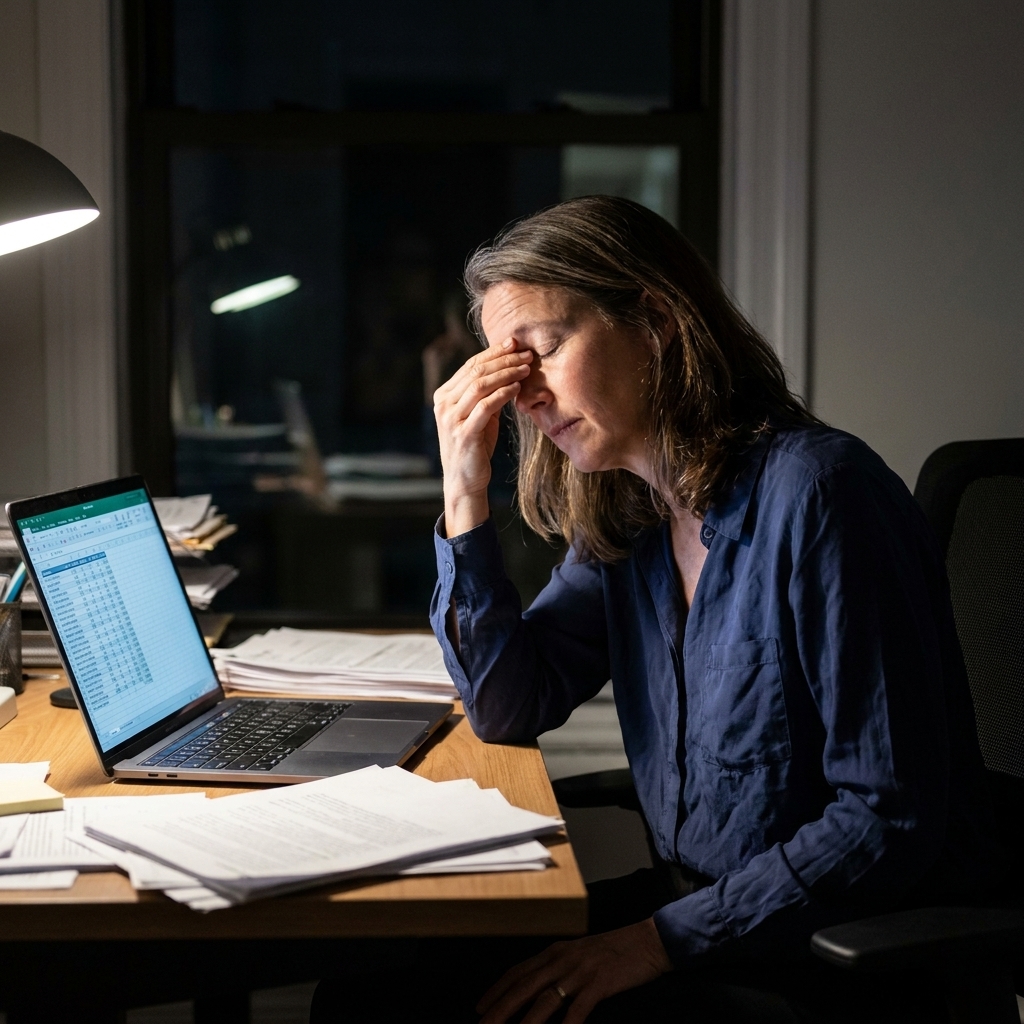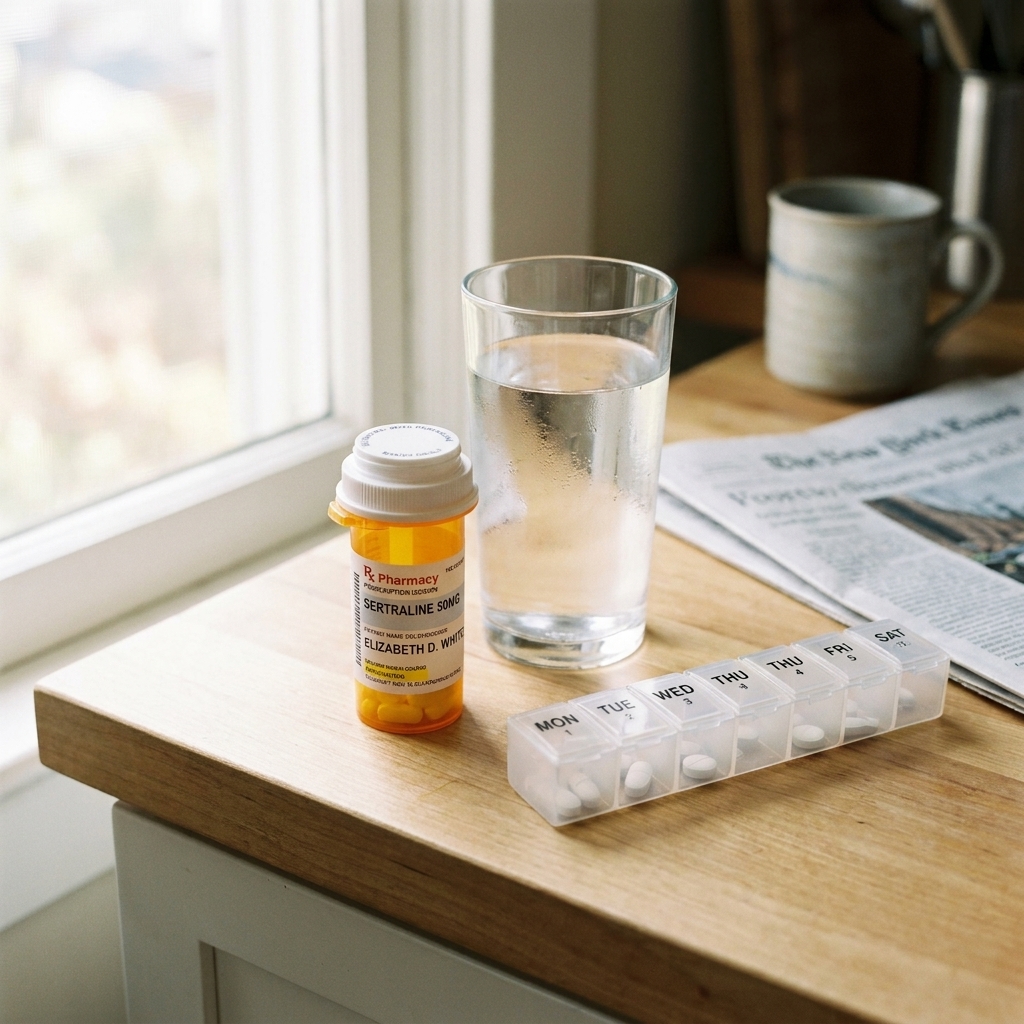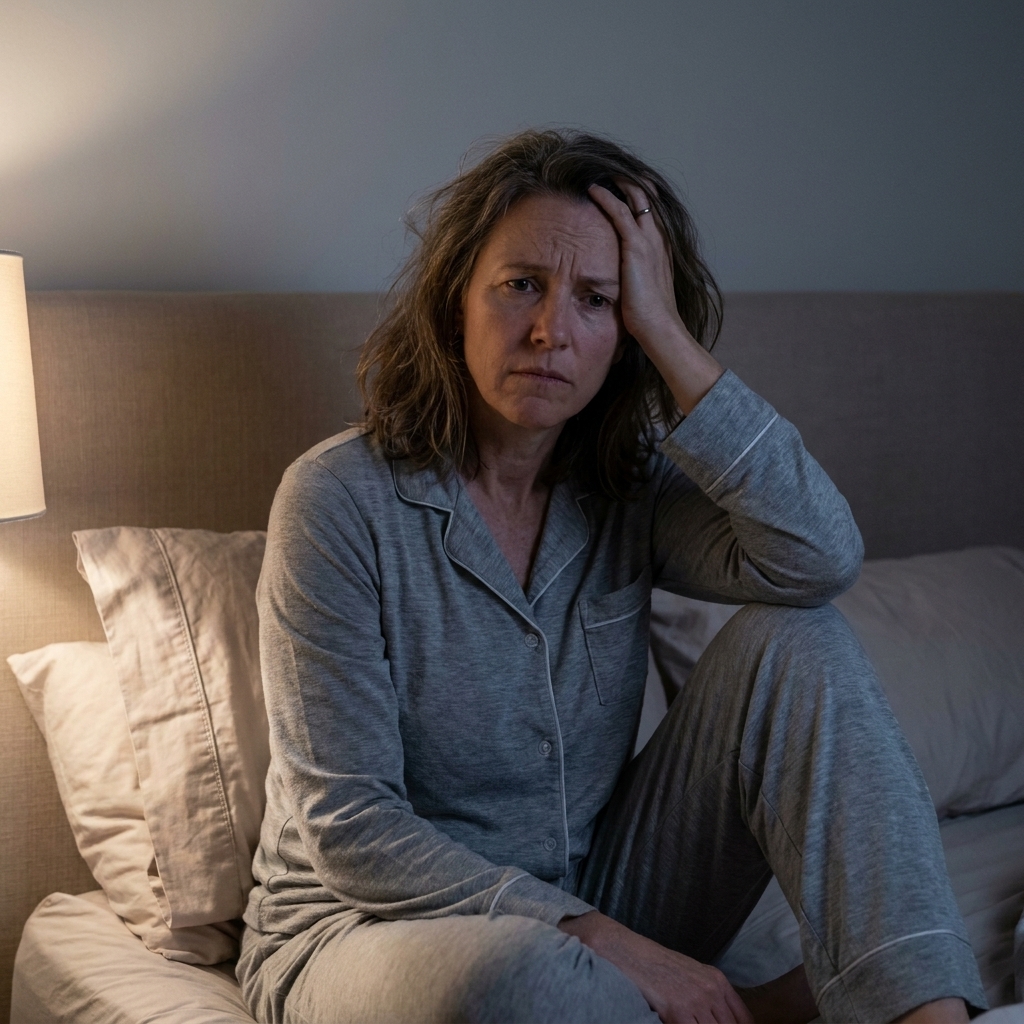
When most people picture depression, they imagine sadness, hopelessness, or losing interest in things that used to feel good. That is real, and it matters. But in clinic, I often see another version of depression first: a person who comes in for headaches, stomach problems, body aches, or exhaustion that will not lift.
Clinical depression (major depressive disorder) can affect the whole body. Mood, sleep, hormones, immune function, pain processing, and digestion are all tightly connected. That is why depression can sometimes “hide” behind physical symptoms that feel unrelated at first.

If any of the symptoms below sound familiar, please know this: you are not imagining it, you are not weak, and you deserve care that treats both body and mind.
1) Persistent fatigue that rest does not fix
Depression-related fatigue is not the same as being tired after a long week. It is the kind that lingers even after plenty of time in bed. People describe it as feeling “heavy,” “drained,” or like they are moving through wet cement.
Why it can happen
Depression can disrupt sleep quality, stress hormones, and the brain’s motivation and reward pathways. Even if you are in bed for 8 hours, your body may not be getting restorative sleep.
When to check in
- Fatigue lasts more than 2 weeks and interferes with work, school, or home life
- You are needing naps daily, or you cannot safely drive due to sleepiness
- Fatigue comes with shortness of breath, chest pain, black stools, or unexplained weight loss
Also worth ruling out: anemia or iron deficiency, thyroid disease, sleep apnea, vitamin B12 deficiency, medication side effects, perimenopause, pregnancy or postpartum changes, long COVID, and autoimmune conditions.
2) Aches and pains that seem to move or multiply
Back pain, neck tension, joint aches, and muscle soreness can be part of depression, even when imaging and lab work look normal. Many people with depression experience pain more intensely, and pain can also make depression worse. It is a two-way street.
Why it can happen
The brain chemicals involved in mood also help regulate how we interpret pain signals. Depression can lower pain tolerance and, in some people, is associated with changes in inflammatory signaling. This is not diagnostic on its own, but it can be part of the overall picture.
Also worth ruling out: inflammatory arthritis, fibromyalgia, thyroid disease, vitamin D deficiency, and medication effects (including statins and some acne medications).
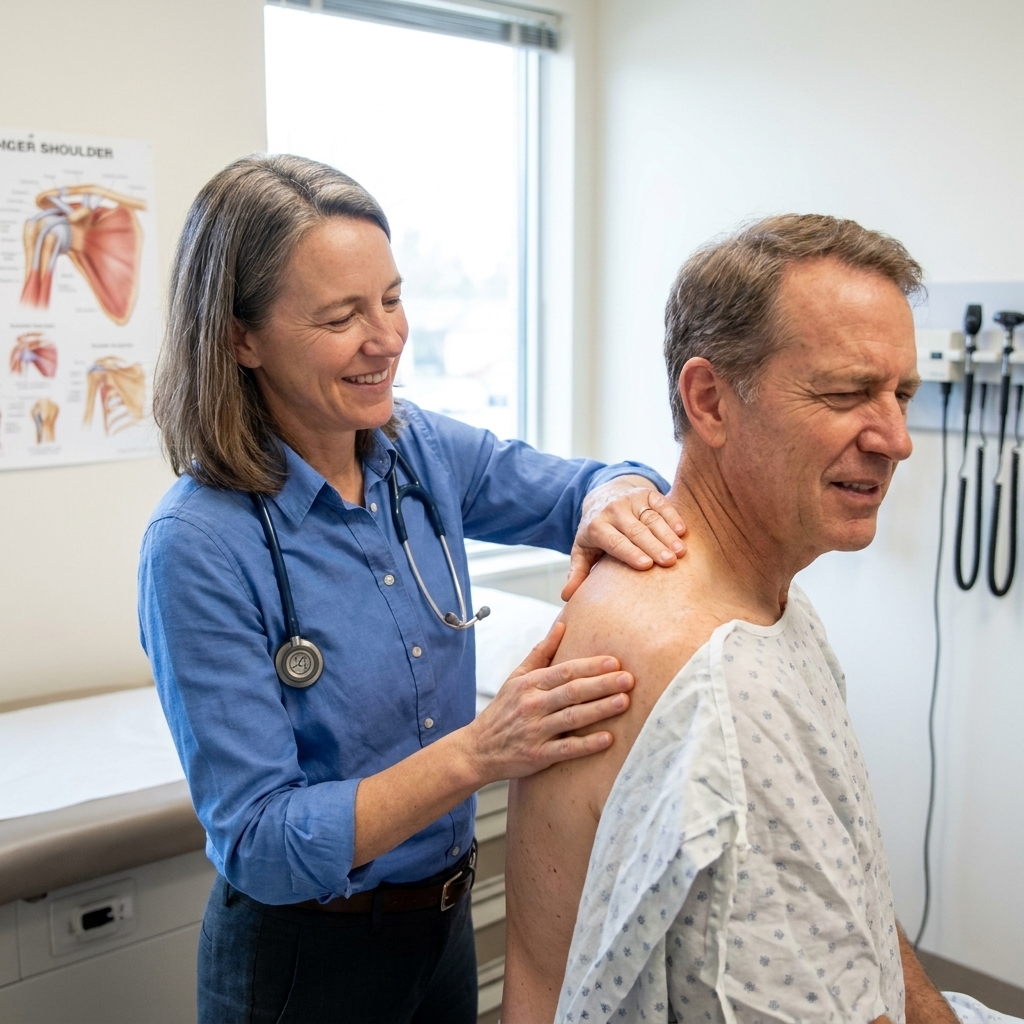
3) Headaches, including tension headaches and migraines
Frequent headaches are a common reason people seek care, and depression is one possible contributor. You might notice headaches paired with jaw clenching, shoulder tightness, light sensitivity, or nausea.
Why it can happen
Stress physiology, sleep disruption, dehydration, changes in appetite, and muscle tension can all rise with depression and contribute to headaches.
Seek urgent evaluation if
- A “worst headache of your life” comes on suddenly
- Headache occurs with weakness, confusion, fainting, or vision loss
- Headache follows a head injury
- Headache comes with fever, neck stiffness, or a new rash
- A new or changing headache begins after age 50
- You are pregnant or postpartum and have a severe headache, especially with swelling or high blood pressure
- You have cancer, are immunosuppressed, or the headache is triggered by exertion or sexual activity
4) Digestive problems: nausea, diarrhea, constipation, or IBS-like flares
Your gut and brain communicate constantly through nerves, hormones, and the gut microbiome. With depression, people often notice appetite changes, nausea, bloating, constipation, diarrhea, or worsening irritable bowel symptoms.
Why it can happen
Depression can change how the nervous system regulates the digestive tract. Stress hormones may also alter motility (how food moves through) and sensitivity (how strongly you feel sensations).
Also worth ruling out: medication side effects (including NSAIDs and some antibiotics), thyroid disease, celiac disease, inflammatory bowel disease, infections, and food intolerances.

5) Sleep changes that are more than “a rough night”
Depression can cause insomnia (trouble falling asleep, staying asleep, or waking too early) or hypersomnia (sleeping far more than usual). Some people do both: they lie awake at night and still feel unable to function during the day.
Why it can happen
Depression affects circadian rhythm and can reduce deep, restorative sleep. Rumination and anxiety can keep the brain “on” even when your body is exhausted.
What helps while you seek care
- Keep a consistent wake time (even on weekends)
- Get outdoor light within an hour of waking when possible
- Avoid alcohol as a sleep aid; it fragments sleep
Also worth considering: sleep apnea (especially with loud snoring or morning headaches), restless legs, shift work, and stimulant use.
6) Appetite and weight shifts that feel out of character
Some people with depression lose their appetite and drop weight without trying. Others feel constant cravings for carbohydrates and sweets, or use food to self-soothe, leading to weight gain.
Why it can happen
Depression can blunt hunger cues, change taste and enjoyment, and affect hormones that regulate appetite. Emotional eating is also a very human attempt to cope with distress.
If weight changes are significant or rapid, it is important to rule out other medical causes too, such as thyroid disease, medication side effects, diabetes, or gastrointestinal conditions.
7) Low libido and sexual function changes
Depression commonly affects sexual desire, arousal, and satisfaction. For some people, it is a complete loss of interest. For others, it is difficulty with lubrication or erections, delayed orgasm, or feeling emotionally disconnected during intimacy.
Why it can happen
Mood, self-esteem, energy, and stress hormones all influence sexual function. Relationship stress, trauma history, and certain antidepressant medications can also play a role.
Bring it up, even if it feels awkward
This is a medical symptom, not a personal failure. A clinician can help evaluate contributors and discuss options, including therapy approaches, medication adjustments, or addressing sleep and alcohol use.
8) Getting sick more often, or feeling run down after minor illnesses
If you have been catching every cold that goes around or taking longer to bounce back, depression may be part of the picture. This does not mean depression is the only cause. But depression is sometimes associated with lower resilience through sleep disruption, stress biology, and health behavior changes.
Why it can happen
Chronic stress and depression can be linked with changes in immune regulation in some people. On top of that, depression can indirectly affect immunity through poorer sleep, less movement, reduced nutrition, and increased smoking or alcohol use in some people.
Also worth ruling out: anemia, diabetes, autoimmune disease, chronic infections, medication effects (including steroids), and immune conditions.

9) Chest tightness, palpitations, or a “lump in the throat” feeling
Many people associate these sensations with anxiety, and anxiety and depression often overlap. Trauma and chronic stress can also show up in the body in similar ways. Depression itself can come with a constant physical sense of heaviness, tightness in the chest, or the feeling that it is hard to take a satisfying breath.
Why it can happen
The autonomic nervous system (your body’s automatic “fight, flight, freeze” control center) can become dysregulated. Muscle tension and shallow breathing can add to the sensation.
Important safety note
New chest pain, pressure, fainting, severe shortness of breath, or symptoms that radiate to the jaw or arm should be evaluated urgently. Do not assume it is “just stress” or depression.
10) Brain fog: slowed thinking, poor focus, and memory slips
Depression can affect cognition. People often tell me they feel forgetful, have trouble finding words, reread the same paragraph repeatedly, or struggle to make decisions that used to be simple.
Why it can happen
Depression impacts attention, processing speed, and working memory. Sleep loss, poor nutrition, and chronic stress can amplify this.
What to track
- When brain fog started
- Sleep and caffeine patterns
- Any new medications or substance use changes
- Whether symptoms fluctuate with mood
Also worth ruling out: thyroid disease, vitamin B12 deficiency, anemia, sleep apnea, ADHD, menopause transition, and long COVID.
How to tell if these symptoms might be depression
No single symptom proves depression, and your body deserves a full medical evaluation when something is persistent or worsening. That said, depression becomes more likely when physical symptoms show up alongside patterns like:
- Loss of interest or pleasure most days
- Feeling down, empty, numb, or irritable
- Significant changes in sleep or appetite
- Low energy and motivation
- Guilt, worthlessness, or feeling like a burden
- Trouble concentrating
Clinically, major depression is diagnosed when symptoms are present most of the day, nearly every day, for at least 2 weeks, with meaningful impairment. Typically there are at least five symptoms total, and one of them is either depressed mood or loss of interest or pleasure. Still, you do not have to wait for a “perfect checklist” to ask for help.
When to talk to a medical professional
Please reach out to a primary care clinician, therapist, or psychiatric provider if physical symptoms are persistent and you suspect depression may be involved. A good visit should include both: checking for medical causes and screening for depression and anxiety.
What to expect
Many clinicians will use a brief screening tool such as the PHQ-9 (and often the GAD-7 for anxiety). Depending on your symptoms, they may also discuss basic lab work like a CBC, TSH, a metabolic panel, iron studies, and vitamin B12, plus targeted evaluation for things like sleep apnea or medication side effects.
Make the appointment easier
- Bring a short symptom timeline: what started when, and what makes it better or worse
- List medications and supplements
- Be honest about sleep, alcohol, cannabis, and other substances. This helps, not harms
- Tell them plainly: “I’m wondering if depression could be contributing to these physical symptoms.”

If you are in crisis
If you are having thoughts of harming yourself, feeling like you cannot stay safe, or thinking others would be better off without you, please treat that as an urgent medical situation.
- In the United States: Call or text 988 (Suicide and Crisis Lifeline).
- If you are in immediate danger: Call your local emergency number or go to the nearest emergency department.
If you are outside the U.S., contact your local emergency number or a national crisis hotline in your country. You deserve support right now.
Small steps that can support recovery
Depression treatment can include therapy, medication, lifestyle supports, or a combination. These small steps are not cures, but they often help the body and brain steady while you pursue care:
- Gentle movement: a 10-minute walk counts, especially outdoors
- Regular meals: aim for protein and fiber early in the day to stabilize energy
- Sleep consistency: a steady wake time is often more powerful than a strict bedtime
- Reduce isolation: one text or one short visit with a safe person
- Track symptoms: noting patterns can make treatment more targeted and effective
Depression often speaks in the language of the body. Listening to those signals is not overreacting. It is a form of self-respect.
Frequently asked questions
Can depression cause physical pain even if tests are normal?
Yes. Depression can change how the nervous system processes pain and can increase muscle tension and sensitivity. Normal tests are reassuring, but they do not invalidate your pain. The goal is to rule out dangerous causes and then treat what is present, including depression if it is contributing.
How do I know if it is depression or another health problem?
Often it is not either-or. You can have depression and a thyroid issue, anemia, sleep apnea, vitamin deficiencies, medication side effects, perimenopause changes, long COVID, or pregnancy or postpartum-related shifts. That is why a comprehensive evaluation matters. If symptoms persist, ask directly for both medical workup and mental health screening.
Will treating depression help my physical symptoms?
Many people see meaningful improvement in sleep, energy, headaches, gut symptoms, and pain once depression is treated. It may take time and sometimes requires adjusting the plan, but your body is absolutely capable of feeling better.