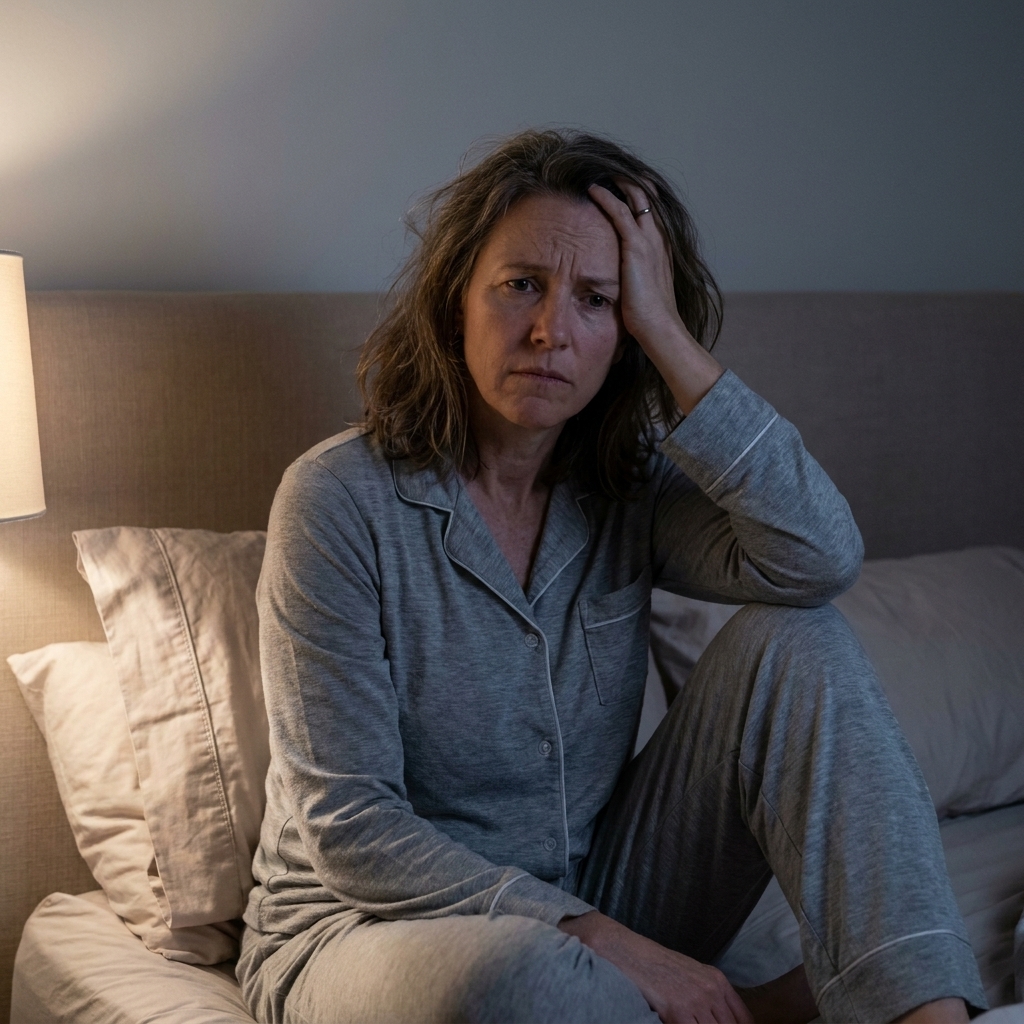
If you feel drained, unmotivated, and unlike yourself, it can be hard to know what you are dealing with. Many of my patients use the word “burnout” because it feels less scary than “depression,” or because the problem seems tied to work. Others assume they are depressed when the root issue is an unsustainable schedule and chronic stress.
Burnout and major depressive disorder can overlap, and sometimes they occur together. But they are not identical, and the most helpful next step depends on which one is driving your symptoms. Let’s walk through the differences in plain language, with practical signs to watch for and clear guidance on when medical help is the right move.
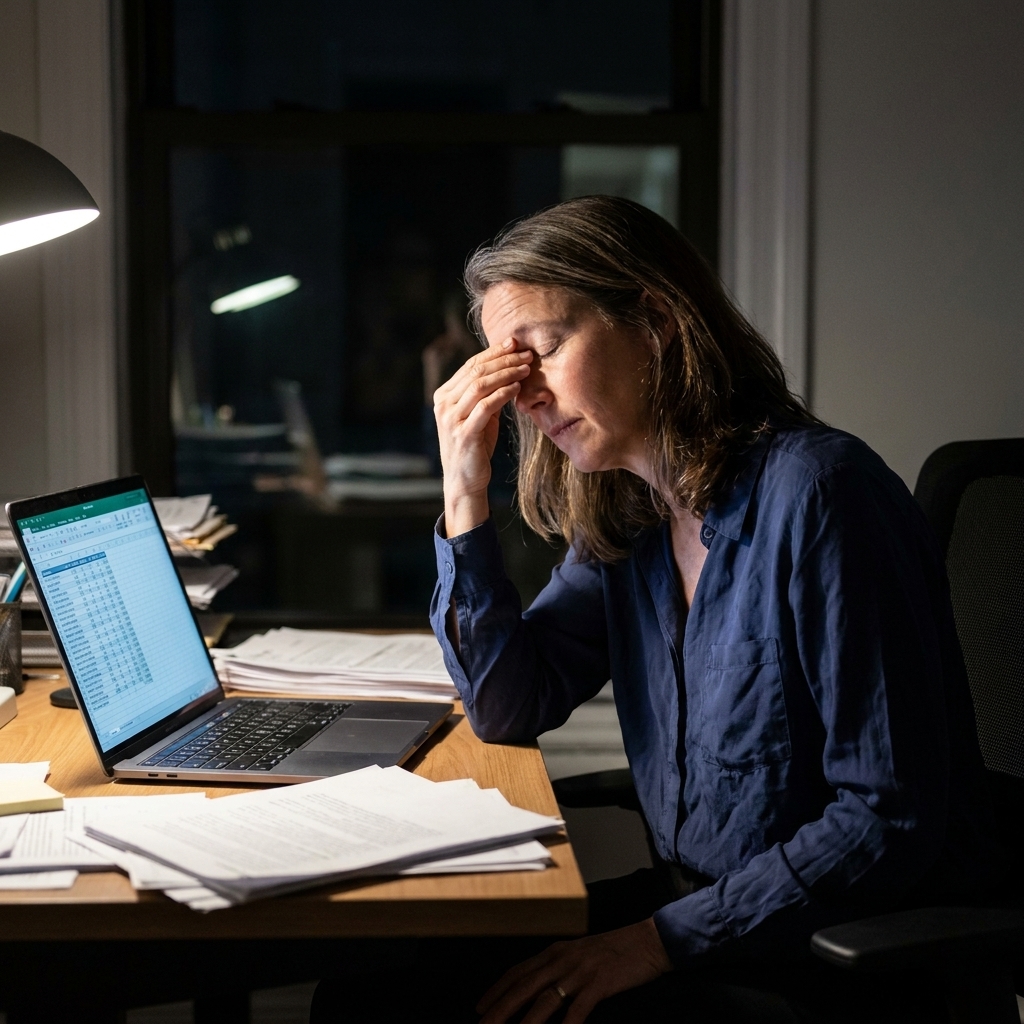
Burnout vs. depression in one sentence
Burnout is a stress response linked to chronic demands in a specific context (often work or caregiving). In ICD-11, it is described as an occupational phenomenon, not a medical condition, and it often improves when demands change and recovery becomes possible.
Depression is a medical condition that affects mood, thinking, behavior, sleep, and energy across many areas of life, and it often does not lift just because you take a few days off.
Think of burnout as a system running past its limits for too long. Depression is more like the system’s baseline has shifted, affecting how you experience nearly everything.
What burnout usually looks like
Burnout is not a formal medical diagnosis in the same way depression is (for example, it is not a DSM diagnosis), but it is a well-recognized occupational phenomenon. In real life, I see it most in people who are conscientious, responsible, and stretched thin for too long.
Common burnout signs
- Exhaustion that feels tied to responsibilities (workload, caregiving, school)
- Cynicism, irritability, or emotional distance, especially toward work or the people you are caring for
- Feeling ineffective or like nothing you do is “enough”
- Reduced productivity and trouble concentrating
- More headaches, stomach issues, tension, and frequent minor illnesses
- “Sunday scaries” or a spike in dread before returning to responsibilities
Pattern to notice
With burnout, symptoms often feel context-dependent. You may notice a real difference on weekends, vacations, or days away from the main stressor, even if you do not feel 100 percent. That said, if your system has been running on empty for a long time, it may take more than a single break to feel better.

What depression usually looks like
Major depressive disorder is more than sadness. It is a whole-body condition that can change sleep, appetite, energy, and the way your brain processes motivation, pleasure, and hope.
Clinically, depression is typically diagnosed when a cluster of symptoms lasts at least 2 weeks and includes either low mood and or loss of interest or pleasure, along with other changes. This is not something to self-diagnose from an article, but the time course can be a helpful clue.
Common depression signs
- Persistent low mood, emptiness, or irritability most days
- Loss of interest or pleasure in activities you usually enjoy (often called anhedonia)
- Sleep changes (insomnia, early morning waking, or sleeping much more than usual)
- Appetite or weight changes (up or down)
- Low energy nearly every day
- Difficulty concentrating or making decisions
- Feelings of worthlessness, excessive guilt, or harsh self-criticism
- Thoughts of death or suicide, or feeling that others would be better off without you
Pattern to notice
With depression, symptoms often feel global. You may feel numb, heavy, or hopeless at work and at home. Time off may not bring much relief, and activities that used to recharge you may feel flat or pointless.

Burnout vs. depression: a practical comparison
There is no single “test” you can do at home that definitively tells you what is going on, but these patterns can help you orient yourself. There are validated screeners that can be useful starting points, such as the PHQ-9 for depression and tools like the Maslach Burnout Inventory for burnout. They can help you name what you are experiencing, but they are not a substitute for an actual evaluation.
Where symptoms show up
- Burnout: Most intense around one role (work, caregiving). Other parts of life may still feel okay.
- Depression: Spills into most areas, including relationships, hobbies, self-care, and your sense of self.
What rest does
- Burnout: Rest often helps, especially if it is paired with reduced demands and boundaries.
- Depression: Rest alone is often not sufficient. You might rest and still feel depleted.
How you think about yourself
- Burnout: “I cannot keep up with this.” “This situation is too much.”
- Depression: “I am a failure.” “Nothing will get better.” “I am a burden.”
Emotions
- Burnout: Irritability, frustration, numbness toward tasks or people you serve.
- Depression: Persistent sadness, emptiness, guilt, hopelessness, or emotional “flatness.”
Motivation
- Burnout: Motivation may return when the pressure lifts.
- Depression: Motivation can be hard to access even when life is relatively calm.
Burnout, anxiety, and depression
A quick note on anxiety, because it shows up a lot in the real world. Some people who say “burnout” are actually describing anxiety, or anxiety plus burnout.
- Anxiety often looks like excessive worry, a keyed-up body (tension, racing heart, stomach symptoms), and a mind that cannot shut off, even when you want to rest.
- Burnout often looks like depletion and detachment in a specific role, with dread tied to that context.
- Depression often looks like heaviness, numbness, hopelessness, and reduced pleasure across life.
Of course, you can have more than one at the same time. If you are unsure, that is exactly what clinicians are for.
Can burnout turn into depression?
Burnout itself is not the same as depression, but chronic, unaddressed stress can contribute to depression, anxiety, substance use, and physical health problems. In clinic, I often see people start with burnout and then slide into depression when:
- there is no real end point to the stressor
- sleep is consistently disrupted
- someone feels trapped (financially, socially, or professionally)
- they stop doing protective behaviors (movement, connection, meals, medical care)
- they begin to internalize the struggle as a personal failure
Also important: you can have depression and burnout at the same time. If that is you, it is not a character flaw. It is a sign you have been carrying too much, for too long, without enough support.
Medical look-alikes to rule out
Fatigue, brain fog, low motivation, and sleep disruption are not exclusive to burnout or depression. A medical check-in is especially important if symptoms are new, worsening, or out of proportion to your stress level.
Common conditions that can mimic or worsen mood symptoms
- Thyroid disorders (hypothyroidism can look like depression)
- Anemia or low iron stores
- Vitamin B12 or vitamin D deficiency
- Sleep apnea or chronic insomnia
- Perimenopause or other hormonal changes
- Medication side effects (some blood pressure meds, steroids, certain sleep aids)
- Substance use, including alcohol, cannabis, and stimulants
- Chronic pain and inflammatory conditions
If you are thinking, “This feels physical, too,” trust that instinct. Mental and physical health are tightly connected.
When to seek medical help
You do not need to be in crisis to deserve care. I often tell patients: if symptoms are interfering with your ability to function or feel like yourself, it is time to talk to someone.
Make an appointment soon if you notice
- symptoms lasting more than 2 weeks most days
- sleep or appetite changes that are persistent
- increasing anxiety, panic, or irritability
- using alcohol or substances to “get through” the day
- frequent tearfulness, numbness, or loss of enjoyment
- work performance problems or withdrawal from relationships
Get urgent help now if any of these are true
- you have thoughts of suicide or self-harm
- you have a plan or intent to harm yourself
- you feel unable to stay safe
- you are hearing or seeing things others do not (new hallucinations)
- you have gone days with little to no sleep plus unusual energy, racing thoughts, or risky behavior (possible mania or hypomania)
If you are in the United States, you can call or text 988 (Suicide and Crisis Lifeline). If you are elsewhere, go to your local emergency number or emergency department. If you are not sure what to do, tell someone you trust and do not stay alone with scary thoughts.
What support can look like
The best plan depends on what is driving your symptoms. Here are common, evidence-based supports that clinicians use, often in combination.
If burnout is the main issue
- Workload changes (rebalancing caseload, schedule adjustments, protected breaks)
- Boundary setting (limits on after-hours email, saying no, realistic expectations)
- Recovery practices (sleep consistency, movement, time outside, social connection)
- Skills-based therapy like CBT or ACT to address perfectionism, people-pleasing, and stress spirals
- Organizational support, when possible (role clarity, staffing, training, supportive leadership)
If depression is the main issue
- Therapy (CBT, interpersonal therapy, behavioral activation, and other modalities)
- Medication when appropriate (often SSRIs or SNRIs among other options), prescribed and monitored by a qualified clinician based on your history, side effects, and preferences
- Extra caution if bipolar disorder is possible, since antidepressants should be prescribed thoughtfully in that context
- Addressing sleep, because sleep is both a symptom and a driver
- Treating medical contributors (thyroid, anemia, perimenopause, pain)
- Building a support system that is realistic and practical (the kind that helps with rides, meals, check-ins, and follow-through)
One gentle truth: if you are depressed, it is not always possible to “self-care” your way out. Care can include therapy, medication, structured supports, and time. That is not weakness. That is treatment.
A simple self-check
If you are unsure where you land, take five minutes and answer these questions honestly:
- Context: Do I feel mostly worse in one setting (work or caregiving), or does this follow me everywhere?
- Relief: If I get a free day, do I feel even slightly more like myself?
- Pleasure: Can I enjoy anything right now, even briefly?
- Self-talk: Am I blaming the situation, or am I blaming myself as a person?
- Function: Am I keeping up with basics like meals, hygiene, bills, and returning messages?
Bring your answers to a primary care visit or therapy appointment. This kind of information helps clinicians make a clearer assessment faster.
How to talk to a clinician
If you are worried you will not be taken seriously, I hear you. Here is a straightforward way to describe what is going on:
- Timeline: “This started about ___ weeks/months ago, and it is getting (better/worse).”
- Symptoms: “I am experiencing ___ (sleep changes, appetite changes, low mood, dread, irritability, brain fog).”
- Function: “It is affecting my ___ (work, parenting, relationship, self-care).”
- Safety: “I am / am not having thoughts of self-harm.”
- What you have tried: “I have tried ___, and it helped / did not help.”
You can also ask directly: “Do you think this is burnout, depression, or both? What would you recommend first?”

FAQ
Can I have burnout without depression?
Yes. Many people with burnout do not meet criteria for major depressive disorder. They feel depleted and detached in a specific role, and they often improve with reduced demands, recovery, and better boundaries.
Can depression be caused by a stressful job?
Stress can contribute, and a toxic or relentless job can absolutely worsen mental health. Depression is usually multifactorial, meaning biology, life stress, sleep, medical factors, and support systems can all play a role.
How long does burnout last?
It varies. If the stressor continues, burnout often persists. Once demands change and recovery becomes possible, some people notice improvement within weeks, and for others it takes longer, especially if there has been prolonged sleep loss, moral injury, or co-occurring depression or anxiety.
What if I take a vacation and still feel awful?
That can be a sign that depression, anxiety, sleep disorders, or another medical issue may be involved. It is a good reason to talk with a clinician rather than assuming you simply need “more time off.”
The bottom line
Burnout and depression can look similar on the surface, but they tend to differ in scope (situational vs. global), response to rest, and how deeply they affect your sense of self. If you are not sure which one you are facing, you do not have to figure it out alone. A primary care clinician or mental health professional can help you sort through symptoms, rule out medical contributors, and build a plan that actually fits your life.
If you take one thing from this: needing help is not a failure of resilience. It is a signal that your body and mind are asking for care.
Note: This article is for education and is not medical advice or a diagnosis. If you are concerned about your safety or health, seek professional help.