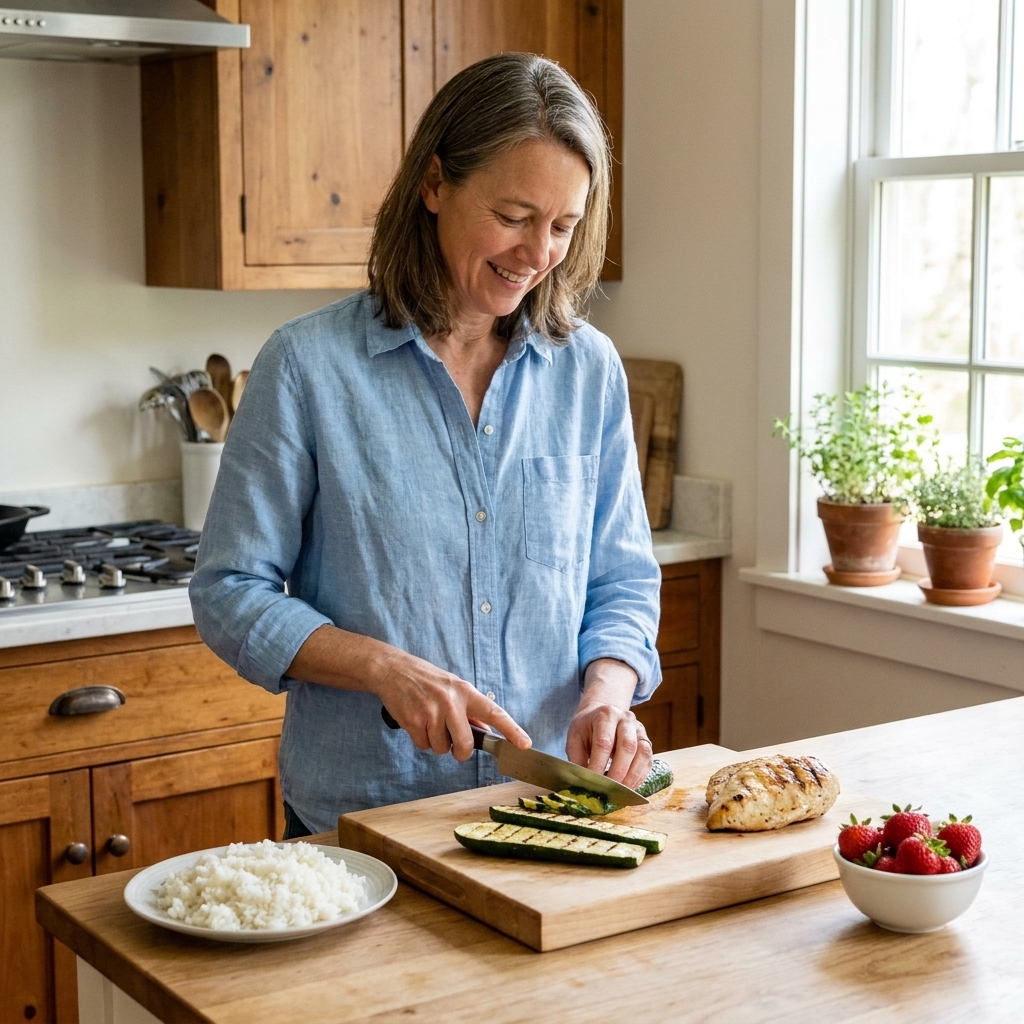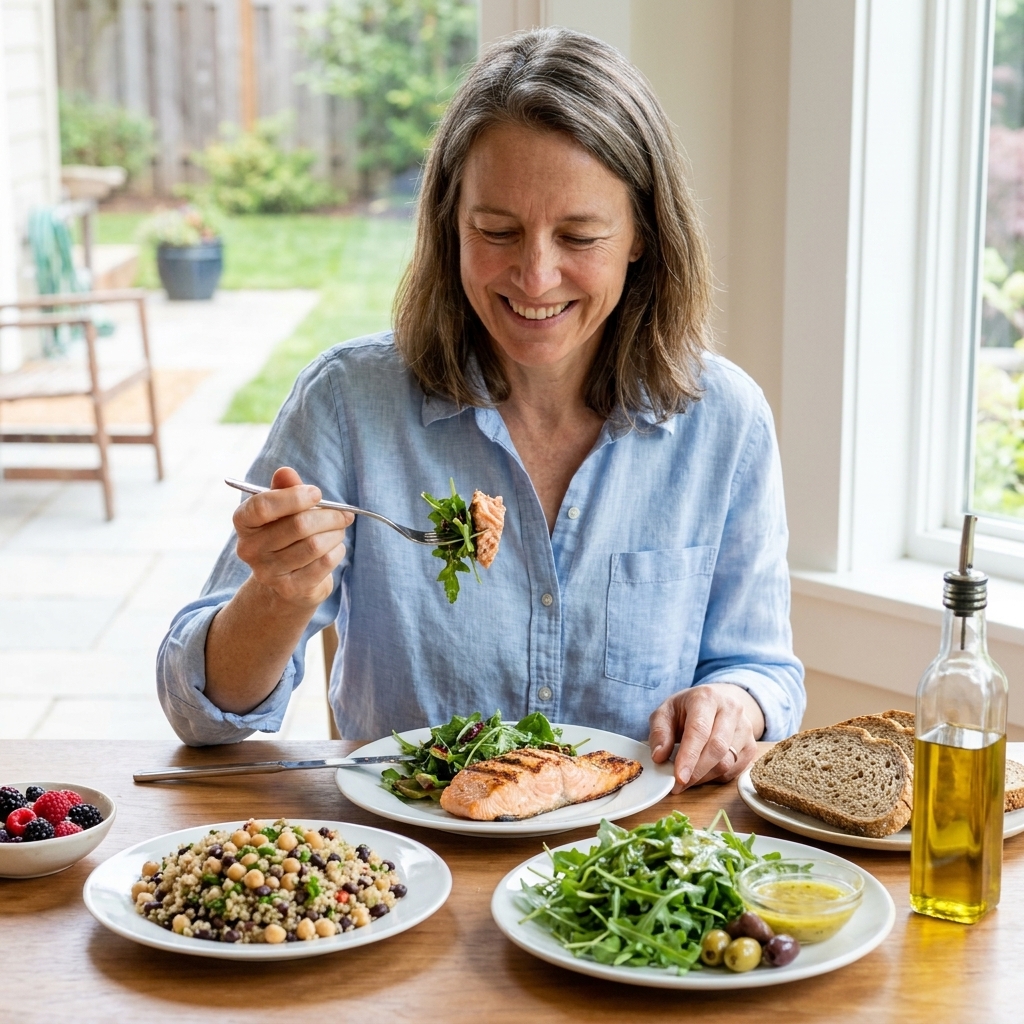
When you live with celiac disease, “gluten-free” is not a preference. It is a medical requirement. The tricky part about restaurants is that gluten can sneak in through shared tools, oil, grills, and even a well-meaning garnish. The good news is that you can absolutely dine out more safely with the right plan, the right questions, and a calm but firm way of communicating your needs.
Below, I will walk you through what cross-contact really looks like in restaurant kitchens, how to choose a safer spot, exactly what to say to staff, and what to do if something feels off.
Why cross-contact matters
In celiac disease, even small amounts of gluten can trigger an immune response that damages the small intestine. Some people feel symptoms quickly. Others may not feel much at all, even while inflammation is happening internally. That is why “I only had a little” is still a problem.
Common cross-contact points
- Shared fryers: French fries may be made from potatoes, but if they share oil with breaded chicken or onion rings, the fries are not safe.
- Shared toasters and grills: A gluten-free bun toasted on the same surface as wheat bread is a frequent source of exposure.
- Pasta water: “Gluten-free pasta” cooked in the same pot or water as regular pasta is not safe.
- Pizza ovens and prep counters: Flour in the air and on surfaces can contaminate gluten-free crusts.
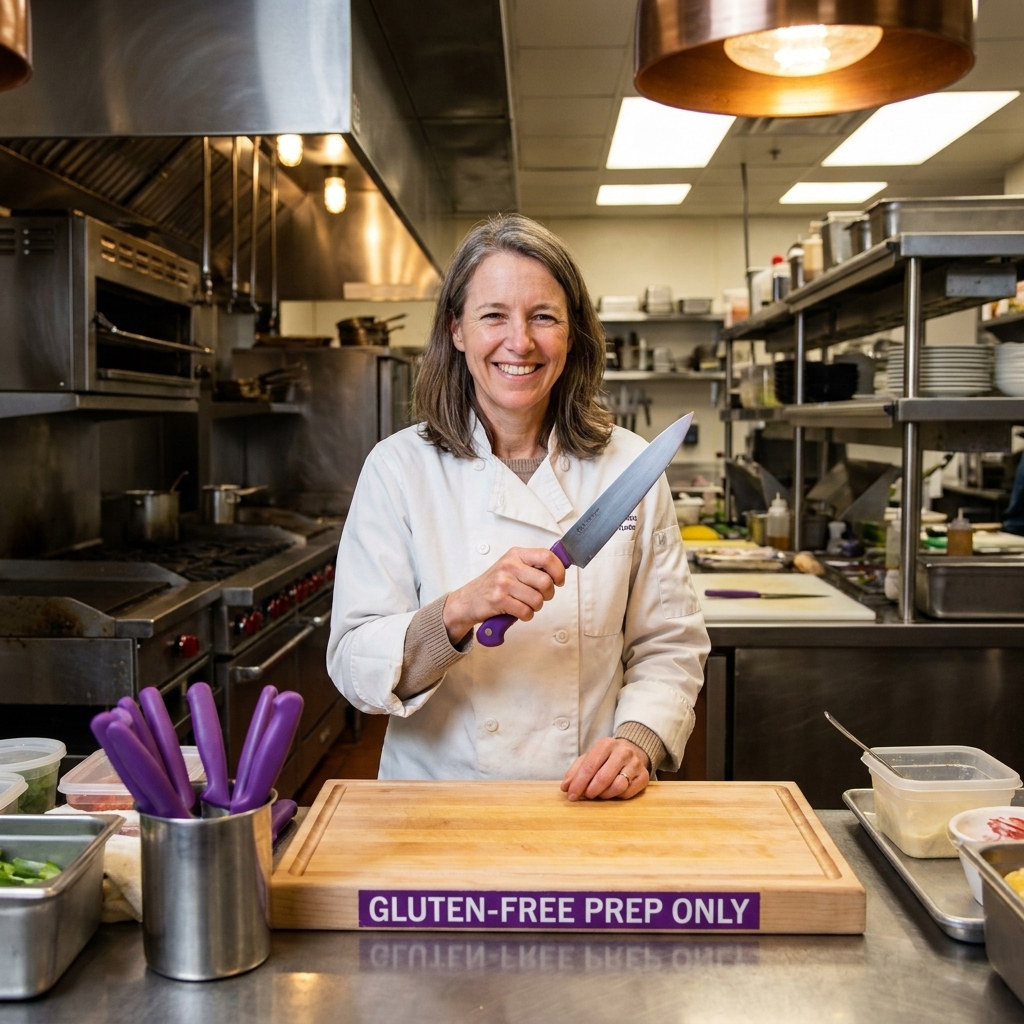
- Cutting boards and knives: Crumbs cling to porous boards and serrated blades.
- Salad bars: Shared tongs, crouton crumbs, and splash-over from nearby items are common.
- Sauces and seasonings: Soy sauce, some marinades, roux-thickened gravies, and some seasoning blends can contain gluten or be cross-contacted in processing.
A quick note on terms: Many celiac organizations use “cross-contact” (gluten unintentionally getting into your food). Restaurants often say “cross-contamination.” In practice, they mean the same risk. Use whichever term gets you the clearest answer.
Choose the right restaurant
Safety often comes down to choosing a place that has systems, not just good intentions. Think like this: you are not looking for perfection, you are looking for process.
Green flags
- A dedicated gluten-free menu or clear allergen chart (and staff who can explain it).
- Employees who don’t minimize the risk and do not respond with “a little should be fine.”
- Specific language about cross-contact on the menu or website.
- Simple cooking methods like grilled proteins, baked potatoes, steamed rice, and fresh vegetables that are easier to keep separate.
- Manager or chef availability to answer questions.
Yellow flags
- “Gluten-free” options exist, but no one can explain how they are prepared.
- The restaurant is extremely busy and rushed, especially during peak hours.
- Most items rely on shared fryers, shared griddles, or flour-heavy prep.
A quick pre-visit call
Calling during off-hours can be surprisingly helpful. Ask to speak with a manager or someone who understands food allergies. You are listening for confidence and clarity.
- “Do you have a dedicated fryer for gluten-free foods?”
- “Can the kitchen prepare my meal using clean utensils and a clean pan?”
- “Do you have a protocol for celiac disease or wheat allergy orders?”
- “Are sauces and marinades made with soy sauce or flour?”
What to say at the table
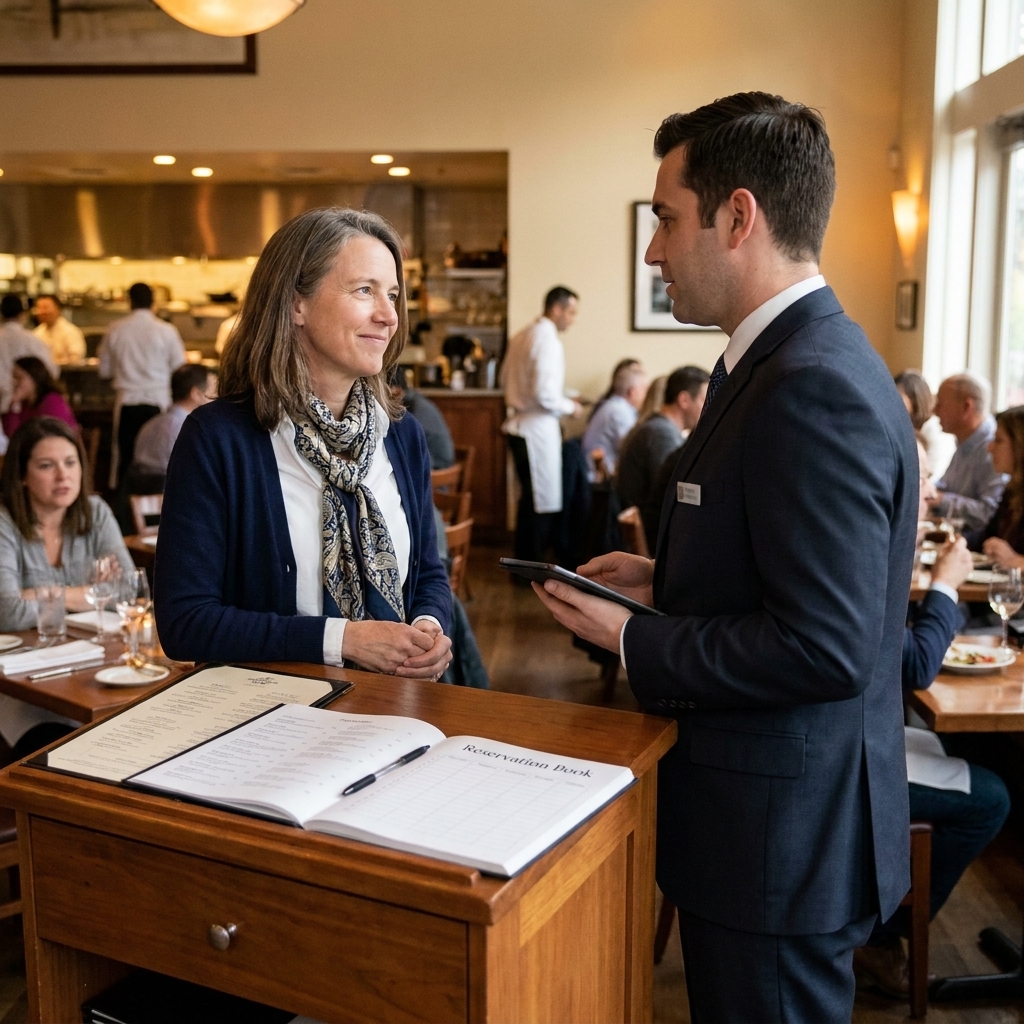
Many people with celiac disease worry about sounding difficult. I understand that feeling. But your health is not an inconvenience, and a good restaurant would rather adjust the process than accidentally make you sick.
A simple script
“I have celiac disease, so I need a strict gluten-free meal. Could you please note it as an allergy and ask the kitchen to prevent cross-contact, like clean gloves, clean utensils, and a clean pan?”
Follow-up questions
- “Is this cooked on a shared grill or griddle?”
- “Are the fries in a shared fryer?”
- “Is there flour used on the prep surface for this dish?”
- “Can you leave off any garnish or crispy topping unless it is confirmed gluten-free?”
- “Can you bring dressing and sauce on the side?”
How to handle “gluten-friendly”
“Gluten-friendly” often means the ingredients may not contain gluten but the kitchen cannot prevent cross-contact. If you have celiac disease, treat “gluten-friendly” as a signal to ask more questions or choose something else.
Should you say “allergy”?
Yes. Even though celiac disease is autoimmune, “allergy” language is widely understood in restaurants and may trigger their allergy procedures. You can say, “celiac disease, strict gluten-free, please treat as an allergy.”
Menu picks that are often safer
No restaurant is identical, but certain orders are generally easier for kitchens to keep gluten-free when they follow allergy procedures.
Often safer picks
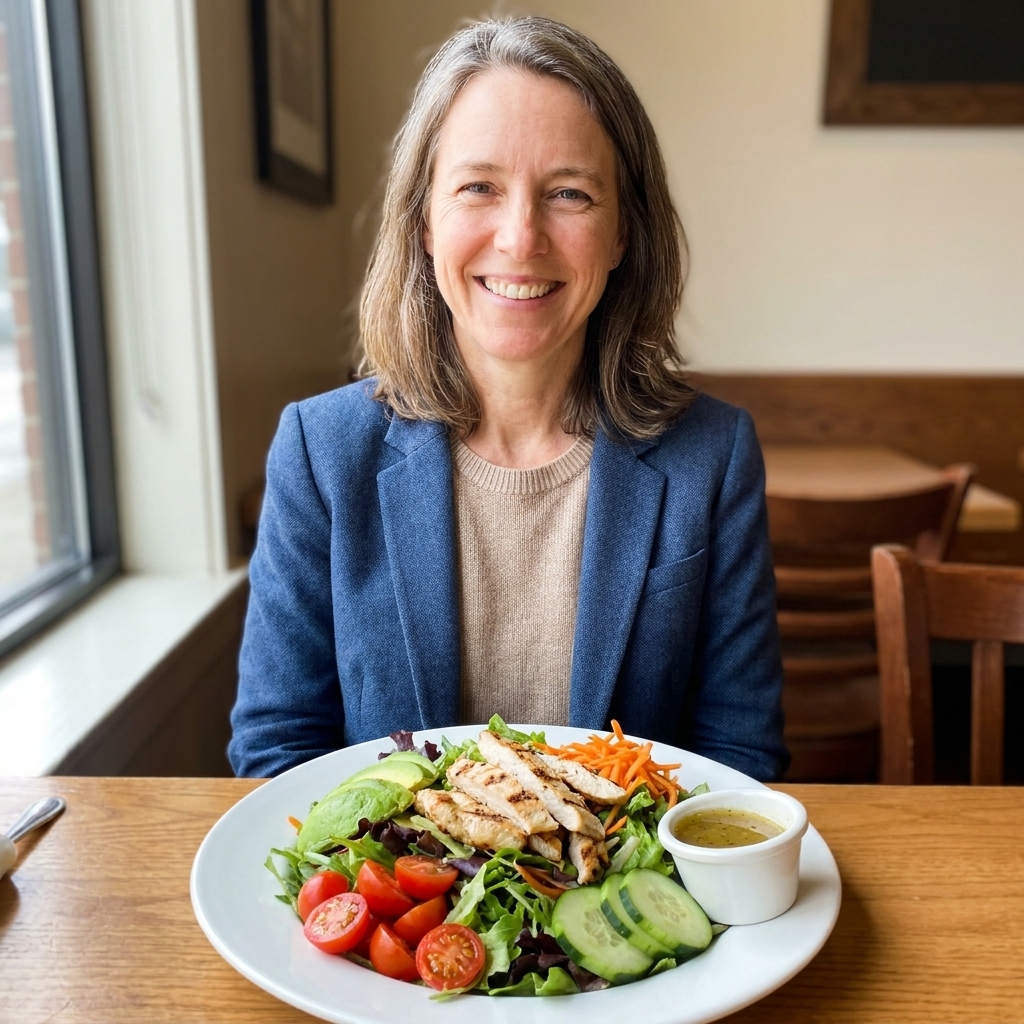
- Simply prepared proteins: grilled chicken or fish cooked in a clean pan, plain steak, baked tofu.
- Plain sides: baked potato (confirm no shared toppings), steamed rice, roasted vegetables cooked on clean equipment.
- Salads with caution: ask for no croutons, clean bowl, and dressing on the side.
- Breakfast: eggs cooked in a clean pan, fruit, yogurt, and verified gluten-free toast only if the restaurant has a dedicated toaster.
Higher-risk items
- Fried foods of any kind (unless there is a dedicated gluten-free fryer).
- Soups and gravies (often thickened with flour).
- Anything “crispy,” “breaded,” or “tempura.”
- Oats, unless clearly labeled and sourced as gluten-free.
- Anything made on a flour-dusted surface (pizza, some burgers, bakery-adjacent kitchens).
What you can request
You do not need to run the kitchen, but you can ask for a few key steps that significantly reduce risk. If you want the “why,” see the cross-contact points above.
- Clean change: clean gloves and washed hands before handling your meal.
- Clean tools: clean knife, clean cutting board, clean tongs and spatula.
- Clean surface: a clean pan or foil-lined tray instead of a shared grill.
- Separate storage: gluten-free bread stored away from regular bread when possible.
- Separate fryer: only if truly dedicated to gluten-free foods.
If a restaurant cannot do these steps, it is not a personal failure on your part. It simply means it is not the right fit for your medical needs.
Hidden gluten to ask about
Sometimes the main ingredient is naturally gluten-free, but the seasoning, sauce, or finishing touch is the culprit.
Common hidden sources
- Soy sauce: many brands contain wheat (tamari is often gluten-free, but still verify).
- Marinades and teriyaki: frequently contain soy sauce or malt.
- Gravy and cream sauces: may start with a flour-based roux.
- Imitation crab: may contain wheat-derived flavorings or binders. Always check.
- Seasoning blends: the risk is specific ingredients (like wheat-containing flavorings) or cross-contact during manufacturing. When in doubt, verify.
- Beer batter or beer reductions: may be used in surprising dishes.
- Desserts: even “flourless” items can be cross-contacted by shared equipment.
Alcohol basics
- Beer: most traditional beer contains gluten. Ask about gluten-free beer or choose cider or wine if you tolerate them.
- Distilled spirits: generally considered gluten-free due to distillation, but flavored spirits and mixers can add risk. Verify ingredients and avoid shared bar garnishes if you are sensitive.
Safer approach
When in doubt, ask for sauces on the side and keep the order simple. Simple is not boring. It is strategic.
When the food arrives
This is not about suspicion. It is about prevention.
- Confirm the order: “This is the gluten-free order for celiac, correct?”
- Look for red flags: croutons, fried garnish, soy sauce drizzle, bread touching the plate.
- Smell and appearance: breaded texture, unexpected crunch, or a sauce you did not discuss.
If anything seems questionable, pause before eating and ask. It is easier to fix before the first bite.
If you think you were exposed
Even with careful planning, mistakes happen. If you suspect gluten exposure, be kind to yourself. Then shift into practical mode.
What to do right away
- Stop eating the food in question.
- Tell the server calmly that you have celiac disease and suspect cross-contact.
- Ask for a remake only if you still trust the restaurant can do it safely. Otherwise, it is okay to wrap up the outing.
At home: symptom support
There is no medication that “cancels out” gluten for celiac disease. The focus is supportive care. Also, do not rely on “gluten-digesting” supplements to protect you. They are not proven to prevent the immune reaction or intestinal damage in celiac disease.
- Hydration: water and electrolyte drinks if you have vomiting or diarrhea.
- Gentle foods: bland, naturally gluten-free options (rice, bananas, applesauce, broth) if your stomach is upset.
- Rest: many people feel wiped out after exposure.
- Track symptoms: note what you ate and when symptoms started. This can help with future decisions.
When to seek care
- Signs of dehydration (very dark urine, dizziness, fainting, inability to keep fluids down).
- Severe abdominal pain, blood in stool, or high fever.
- Symptoms that feel unusual for you or are escalating quickly.
- If exposures are frequent or symptoms are severe or persistent, follow up with your clinician or dietitian to review your risk points and recovery plan.
Special situations
While traveling
- Pack backups you trust (gluten-free bars, nuts, shelf-stable snacks).
- Book accommodations with a kitchenette when possible.
- Eat at off-peak times so staff can focus.
For children
- Teach a simple script: “I get sick from gluten. I need gluten-free food only.”
- Ask about shared fryers and shared prep areas. These are the biggest issues in kid-friendly restaurants.
- Consider bringing a safe cupcake or dessert for birthday outings so your child does not feel left out.
Shared plates
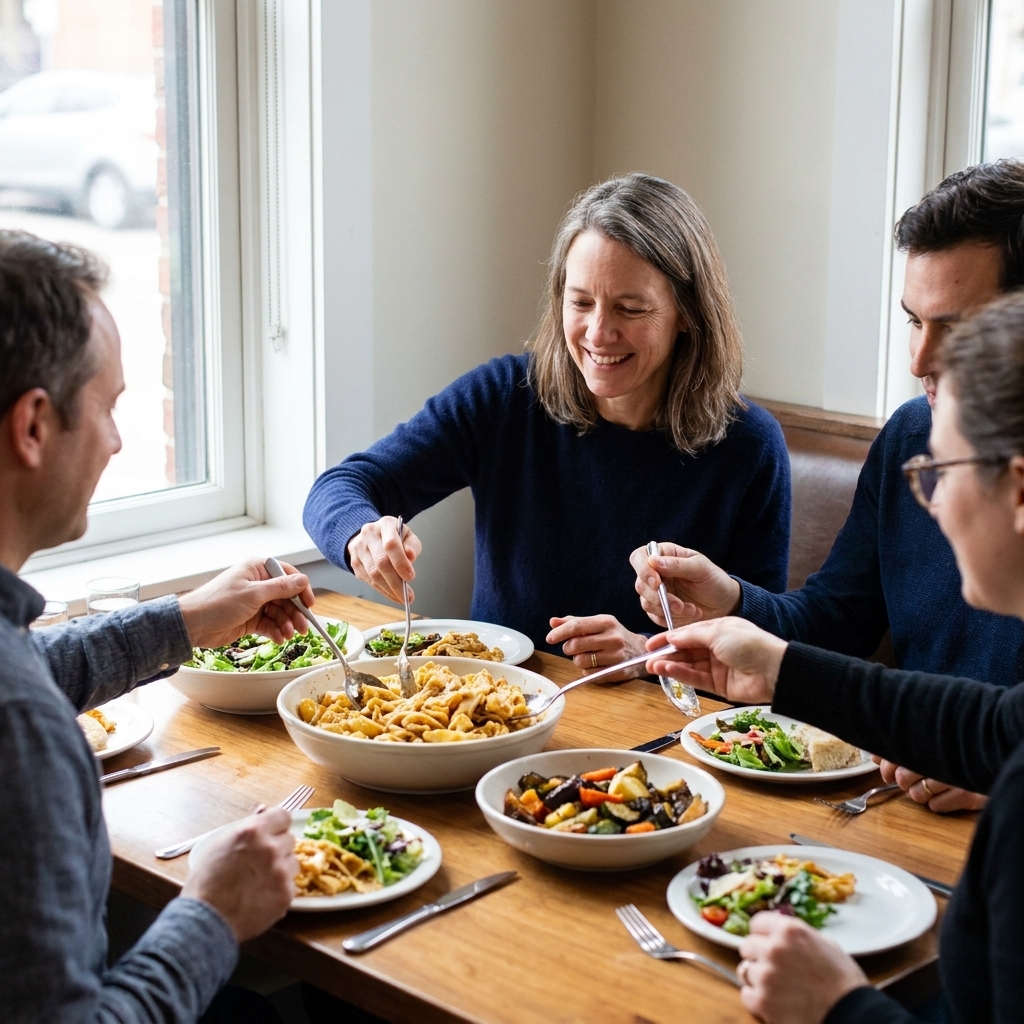
Shared plates are high risk because utensils travel between dishes. If you join in, ask for your own separate portion and serving utensils, and avoid dipping sauces where bread has been dunked.
A quick checklist
- Before: choose a restaurant with gluten-free protocols, call ahead if needed.
- Order: clearly state celiac disease, ask for allergy precautions.
- Confirm: verify fryer, grill, sauces, and prep surfaces.
- Inspect: check for breaded garnish, croutons, and sauces you did not discuss.
- Advocate: if unsure, stop and ask. If not safe, leave it.
FAQ
Is a “gluten-free menu item” always safe?
Not always. Some restaurants use “gluten-free” to describe ingredients only, without controlling cross-contact. Ask how the item is prepared and whether they use separate tools, surfaces, and fryers.
Are fries safe if they are labeled gluten-free?
Only if they are cooked in a dedicated gluten-free fryer and handled with clean utensils. If the fryer also cooks breaded foods, the fries are not safe for celiac disease.
What does “gluten-free” labeling really mean?
For packaged foods in the US, “gluten-free” generally means the product meets the FDA standard of less than 20 parts per million of gluten. Restaurant claims are not regulated the same way, so you still need to ask about preparation and cross-contact controls.
Can I just pick the croutons off a salad?
For celiac disease, no. Crumbs remain and that can be enough to trigger a reaction and intestinal injury. Ask for a new salad made without croutons in a clean bowl.
What if I don’t have symptoms after eating gluten?
You can still have intestinal inflammation and damage even without obvious symptoms. The goal is strict avoidance, not symptom management alone.
A final word
Dining out with celiac disease is a skill. It gets easier with practice, and you deserve to enjoy meals without fear. Clear communication, thoughtful restaurant choices, and a few targeted questions can dramatically reduce your risk. And if a place cannot meet your needs, that is not you being “too much.” That is you taking good care of your body.