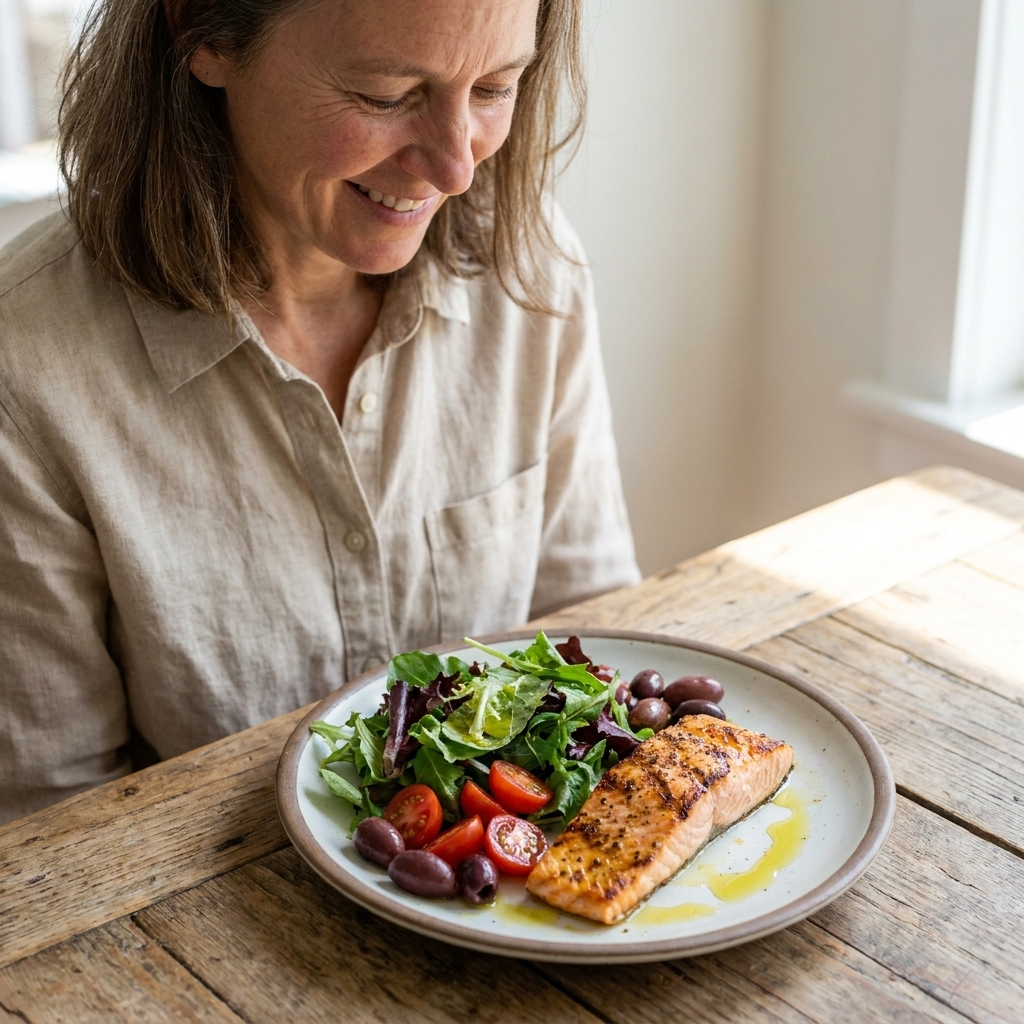
In clinic, I hear a version of this question almost every week: “If I take a multivitamin, am I covered?” It is a fair question. Life is busy, food is expensive, and nutrition advice can feel like a moving target.
Here is the bottom line, based on what we see in large studies and what I see with real patients: the strongest evidence for long-term disease risk reduction comes from overall dietary patterns , not from a daily multivitamin. Whole foods deliver nutrients in context, along with fiber and thousands of helpful plant compounds, which supplements do not fully replicate. Multivitamins can be useful, but they are best viewed as a safety net for specific gaps, not a substitute for a nutrient-dense diet.

What “disease prevention” means
Most nutrition research cannot promise that one pill or one food will “prevent” a specific disease in a guaranteed way. Instead, we look at whether patterns of eating are associated with lower risk of:
- Heart disease and stroke
- Type 2 diabetes
- Some cancers
- Bone loss and fractures
- Deficiency-related problems like anemia or nerve issues
When you zoom out, the most consistent protective signal is not a single nutrient. It is an overall pattern that is rich in plants, minimally processed, and adequate in protein.
Why whole foods tend to win
Food is a “package deal” your body recognizes
Nutrients in foods come bundled with other components that help absorption and metabolic effects. A few examples:
- Fat-soluble vitamins (A, D, E, K) are absorbed better when eaten with dietary fat. Think leafy greens with olive oil, or eggs with vegetables.
- Iron from plant foods is absorbed better alongside vitamin C, like beans with bell peppers or citrus.
- Calcium works alongside protein, vitamin D, magnesium, and weight-bearing activity to support bone health.
Supplements can deliver isolated nutrients, but they do not recreate this full nutritional ecosystem.
Fiber is a major missing piece in pills
Most multivitamins do not meaningfully increase fiber intake, and fiber is among the most consistent diet-linked protective factors we have. Fiber supports:
- Healthier cholesterol levels
- Improved blood sugar control
- Gut microbiome diversity
- Satiety and weight management
If I could “prescribe” one nutrition upgrade for most adults, it would be adding fiber-rich foods: beans, lentils, oats, barley, berries, chia, vegetables, and nuts.
Plants provide more than vitamins
Fruits, vegetables, herbs, spices, tea, cocoa, and legumes contain polyphenols and other phytochemicals that act as antioxidants and anti-inflammatory compounds in the body. These are difficult to bottle in the same way and may work synergistically.
If your goal is disease risk reduction, think “patterns and plants,” not “perfect pill.”
Studies favor dietary patterns over routine multivitamins
Large observational studies consistently link dietary patterns like the Mediterranean-style diet with lower cardiovascular risk and improved metabolic health. By contrast, research on routine multivitamin use in generally well-nourished adults shows limited or no clear reduction in major outcomes like heart disease and overall mortality.
That said, nuance matters: some trials suggest small benefits for select outcomes, such as signals for cancer in some cohorts and modest cognition findings in some older adults. These effects appear modest, and they do not replace the broader benefits of a high-quality diet.
What multivitamins can and cannot do
What they can do
- Cover small gaps on days your diet is less balanced
- Support adequacy for people with restricted intake or absorption issues
- Provide targeted nutrients when a clinician has identified a need (for example, low B12)
What they cannot do
- Replace fiber and the gut benefits of whole plant foods
- Undo a diet high in ultra-processed foods, excess added sugar, or excess saturated fat
- Guarantee disease prevention
- Fix an undiagnosed medical problem that is causing deficiency (like celiac disease or heavy menstrual bleeding)

When supplements are truly important
There are situations where supplementation is not just reasonable, it is medically recommended. A few common ones:
Pregnancy and trying to conceive
- Folic acid (or folate) before conception and in early pregnancy reduces neural tube defect risk.
- Many clinicians recommend a prenatal vitamin, which typically includes folic acid and iodine. Iron, choline, and vitamin D may also be needed depending on diet and labs.
Vitamin B12 risk
- Higher risk groups include vegans, many vegetarians, adults over 50, and people taking metformin or long-term acid-reducing medications.
- B12 deficiency can cause anemia and nerve symptoms. If you are at risk, ask for testing and dosing guidance.
Vitamin D and calcium considerations
- Vitamin D insufficiency or low levels are common, especially with limited sun exposure, darker skin tones, older age, or certain medical conditions.
- Calcium is best obtained through food, but some people need supplementation if intake is consistently low.
Iron deficiency
- Often seen with heavy menstrual bleeding, pregnancy, endurance training, or low dietary iron intake.
- Iron supplements should be guided by labs because too much iron can be harmful.
Malabsorption and certain GI conditions
- Celiac disease, inflammatory bowel disease, bariatric surgery, and chronic pancreatitis can impair absorption.
- These cases often require specific supplementation plans, not a standard multivitamin.
Highly restrictive diets or limited access to food variety
If budget, food insecurity, sensory issues, or medical restrictions limit your options, a multivitamin can be a pragmatic bridge while you work on sustainable food changes.
Potential downsides
More is not always better
Some vitamins and minerals can accumulate or cause harm at higher doses, especially fat-soluble vitamins (A, D, E, K) and minerals like iron. High-dose supplements can also interact with medications.
- Vitamin K can interfere with warfarin dosing. In practice, consistency in vitamin K intake matters more than strict avoidance.
- Biotin can interfere with certain lab tests (including thyroid and some cardiac markers), leading to misleading results.
- Vitamin A in excess is a concern in pregnancy and can affect the liver.
- Smokers and beta-carotene: high-dose beta-carotene supplements have been linked to increased lung cancer risk in smokers in clinical trials. This is one reason I prefer targeted, evidence-based dosing instead of “more is better.”
Quality varies
In many countries, supplements are not regulated as strictly as medications. Third-party testing can help, but it is not universal.
They can give false reassurance
I say this gently: if a multivitamin makes you feel like you do not need vegetables, it is working against you. The goal is not perfection, it is progress. Food habits create most of the long-term protective effect.
So which is better?
For most people: prioritize whole foods, and use supplements to fill gaps you cannot reliably cover through diet, preference, access, or absorption.
For specific groups: targeted supplementation can be a key part of prevention, especially in pregnancy, confirmed deficiencies, or medical conditions affecting absorption.
In other words, think of multivitamins like a spare tire. Useful when you need it, but you still want good tires on the car.
A realistic food plan
If you want the benefits of whole foods without turning your life upside down, start with these high-impact steps:
1) Aim for “half the plate plants” most days
Frozen vegetables count. Bagged salad counts. Canned vegetables count. The best vegetable is the one you will actually eat.
2) Add one fiber anchor daily
- Oats or chia at breakfast
- Beans or lentils at lunch
- Vegetables plus a whole grain at dinner
3) Choose protein with purpose
Protein supports muscle, immunity, and stable blood sugar. Rotate:
- Fish (especially fatty fish when you can)
- Eggs
- Greek yogurt or kefir
- Chicken or lean meats
- Tofu, tempeh, beans, lentils
4) Make “healthy fat” the default
Olive oil, nuts, seeds, and avocado support heart health and help absorb fat-soluble vitamins.
5) Use a supplement when it matches a clear need
If you are considering a multivitamin, bring the bottle to your next appointment. We can review what you actually need, what you might be doubling up on, and whether labs make sense.

Multivitamin checklist
If you and your clinician decide a multivitamin makes sense, here is what I suggest looking for:
- Near 100% Daily Value for most nutrients, not megadoses, unless prescribed
- Iron only if you need it (many adults do not)
- Vitamin A form and dose: avoid high-dose preformed vitamin A (retinol) in pregnancy
- Third-party testing when possible (USP, NSF, or similar programs)
- Simple ingredient list if you have sensitivities
Also know that formulas vary. “Men’s,” “women’s,” and “50+” multivitamins often differ in iron and B12, and a basic one-a-day may not correct a true deficiency without additional targeted dosing.
And a safety note I give everyone: store supplements like medications, out of reach of children. Iron-containing vitamins can be dangerous if accidentally ingested.
FAQ
Is it okay to take a multivitamin every day?
For many adults, a standard-dose multivitamin is likely safe, but “safe” depends on your medications, kidney and liver health, pregnancy status, and whether the vitamin contains iron or high doses. If you have medical conditions or take prescriptions, confirm with your clinician or pharmacist.
Are “natural” vitamins better than synthetic?
Not necessarily. Your body often uses vitamins based on their chemical form and dose, not the marketing label. What matters most is that the product contains the right form for your needs and is accurately manufactured.
Can I get everything from food?
Many people can meet most needs with a varied diet, but common shortfalls include vitamin D, omega-3 intake, iron (for some), calcium (for some), and B12 (especially for vegans). Lab testing and a quick diet review help personalize this.
Do gummies work?
Some do, but gummies often contain less of certain nutrients and more added sugar. They can also be easier for kids to overconsume. If you use gummies, stick to the recommended dose and choose reputable brands.
What about greens powders?
Greens powders can be a convenient add-on, but they are not a replacement for vegetables and they do not reliably provide fiber. They can also interact with medications if they contain concentrated vitamin K or herbal ingredients.
When to talk to a clinician
Consider a conversation (and possible lab work) if you have:
- Ongoing fatigue, hair loss, numbness or tingling, frequent mouth sores, or restless legs
- Heavy menstrual bleeding
- Unintentional weight loss or chronic diarrhea
- History of bariatric surgery or a diagnosed malabsorption condition
- A highly restrictive diet
If you are wondering what “lab work” often looks like, common starting points include a CBC, ferritin, vitamin B12, and 25(OH)D, depending on symptoms and risk factors.
Preventive care is not just about adding something. Sometimes it is about identifying what is quietly missing.
A practical take-home
If you are choosing between “fix my diet” and “take a multivitamin,” you do not have to pick an extreme. Build a solid food foundation, because that is where most prevention benefits live. Then use supplements strategically, ideally with a clear reason and the simplest effective dose.
You deserve health information that feels doable. One small grocery decision, one simple meal, one honest review of what you actually need, that is how prevention adds up.