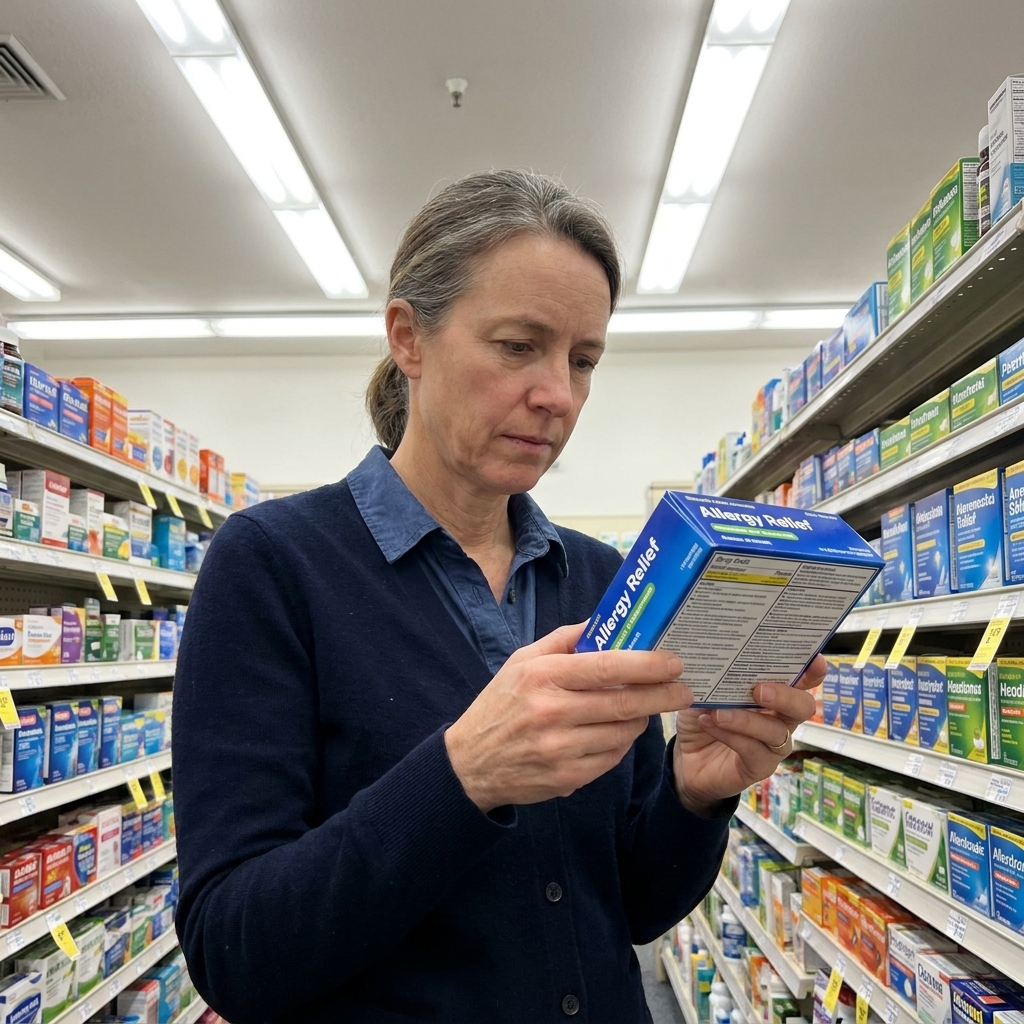
Dry eye can feel surprisingly miserable. That scratchy, sandy sensation. Eyes that burn by mid-afternoon. Vision that goes a little blurry until you blink a few times. And to make it extra confusing, dry eyes can also water a lot because irritated eyes may “overflow” with reflex tears that do not stick around long enough to protect the surface.
The good news is that many cases improve with a few targeted changes at home. The key is matching the relief strategy to the most likely cause. Below are six common reasons dry eyes won’t quit, plus what to try first and when it’s time to bring in an eye doctor.
First: a quick self-check
Before we get into causes, take 30 seconds to notice your pattern. These details help you choose the right fixes and help your clinician if you need an exam later.
- When is it worst? Morning, late day, after screens, outdoors, around pets, during allergy season.
- One eye or both? Both are common with dryness, allergies, medications, and screens. One-sided symptoms can happen with dryness too, but persistent one-eye pain or redness deserves a closer look.
- Any new meds or dose changes? Even common over-the-counter meds can contribute.
- Do you wear contacts? How many hours per day, and do you sleep in them?
- Any autoimmune symptoms? Dry mouth, joint pain, fatigue, rashes, thyroid problems, or known autoimmune diagnosis.
Cause #1: Screen strain and reduced blinking
When we focus on a screen, we blink less and our blinks are often incomplete. That means the tear film is not spread evenly across the cornea, and tears evaporate faster. This is one of the most common reasons people feel fine in the morning and miserable by late afternoon.
Relief steps to try first
- Use the 20-20-20 reset: Every 20 minutes, look 20 feet away for 20 seconds. Add 5 slow, complete blinks.
- Lower the screen: Position your monitor slightly below eye level so your eyelids cover more of the eye surface.
- Check your environment: Fans, car vents, and air conditioning aimed at your face speed evaporation.
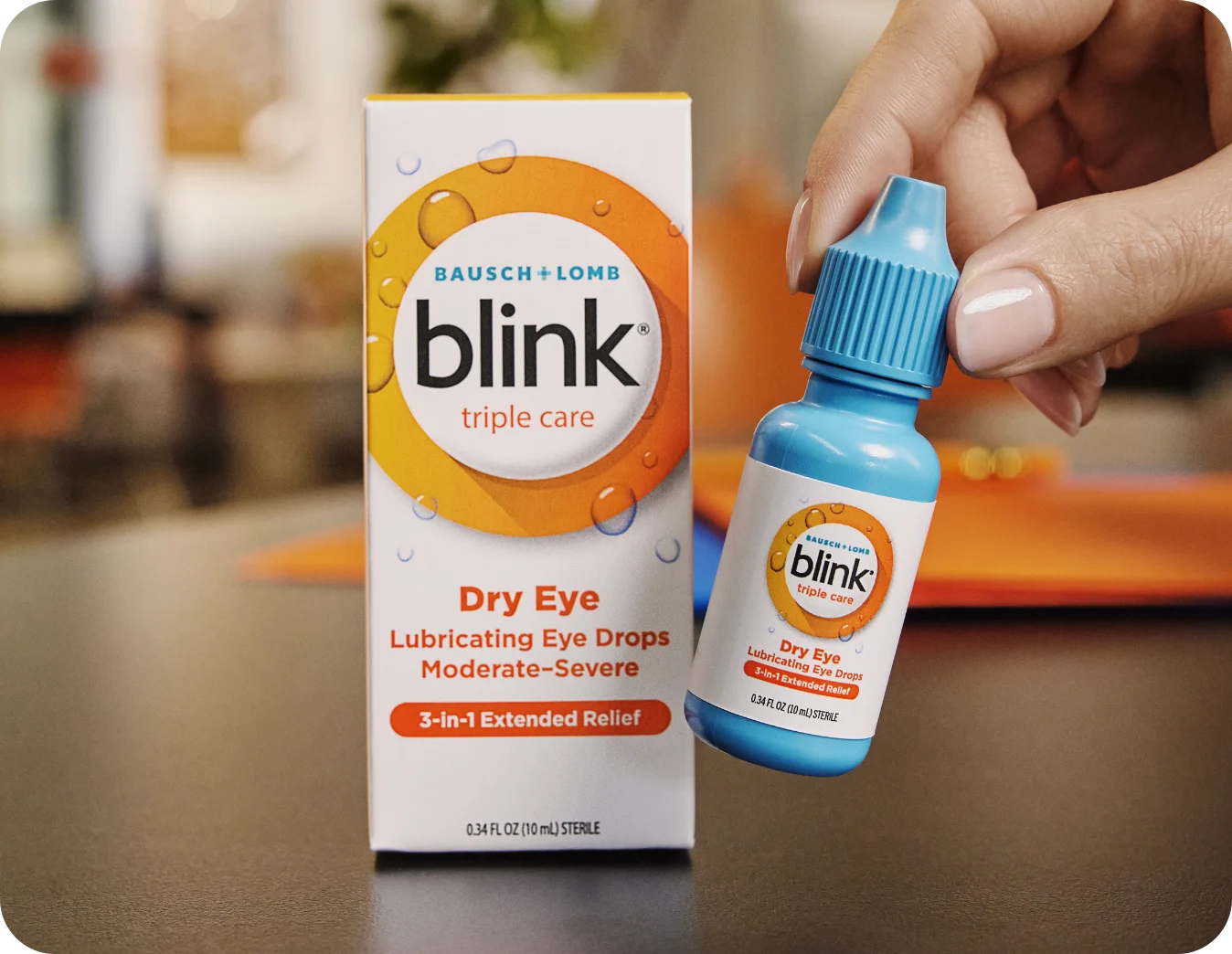
- Try preservative-free artificial tears: Start with 1 drop in each eye as needed, including before long screen sessions. If you are using drops frequently throughout the day, preservative-free is usually the gentler choice, and it is a sign to look for an underlying driver such as eyelid gland issues or allergies.
Clinician tip: If you wear reading glasses, using them can reduce squinting and strain, which sometimes indirectly improves comfort.

Cause #2: Dry air, wind, smoke, and dehydration
Your tear film has multiple layers, including an oily layer that slows evaporation. Dry indoor heat, winter air, desert climates, wildfire smoke, cigarette smoke, and windy conditions can all overwhelm that protective system.
Relief steps to try first
- Add humidity: Many people feel better when indoor humidity is in a comfortable mid-range, often around 30 to 50 percent. If higher humidity worsens mold or dust mites in your home, adjust accordingly.
- Shield your eyes outdoors: Wraparound sunglasses reduce wind exposure.
- Hydrate steadily: Sip water throughout the day. For many people, pale yellow urine is a helpful “good enough” sign of hydration.
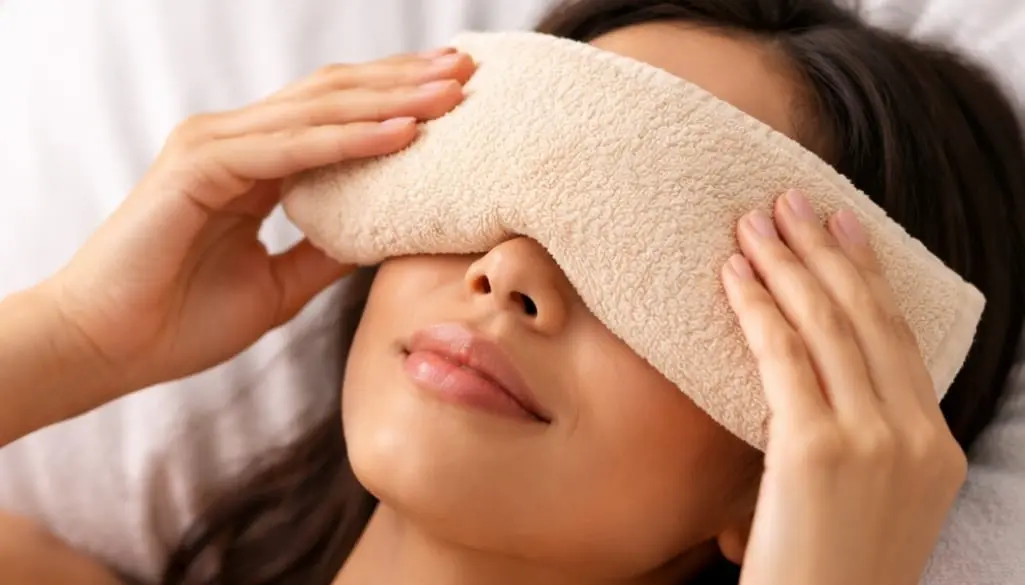
- Warm compresses: A warm compress over closed eyes for 5 to 10 minutes can help the oil glands along your eyelids flow better, improving tear stability.
If you wake with dry, irritated eyes, you may be sleeping with a fan on, in a very dry room, or with your eyes slightly open. This is called nocturnal lagophthalmos. A simple clue is dryness that is worst right when you wake up, or a partner noticing your lids do not fully close. An eye clinician can check for this, but you can start by adjusting airflow and humidity.
Also consider: CPAP air leaks can cause morning dryness, especially if the airflow is blowing toward your eyes.
Cause #3: Medications that dry out the eyes
Many medications reduce tear production or change the tear film. People are often surprised by how “normal” these meds are.
Common culprits
- Antihistamines (for allergies and colds)
- Decongestants
- Antidepressants (especially some SSRIs, SNRIs, and tricyclics)
- Anti-anxiety medications
- Anticholinergic medications (a broad category that includes some bladder, motion-sickness, and GI meds)
- Some blood pressure medications (including diuretics and some beta blockers)
- Acne medication like isotretinoin
- Hormonal changes or therapies (menopause, some birth control, anti-androgen therapy, and sometimes pregnancy)
Relief steps to try first
- Do not stop a prescription on your own. Instead, ask your clinician if a dose change or alternative is reasonable.
- Time your drops: If symptoms spike after a dose, use lubricating drops proactively.
- Review your “seasonal” OTC use: Daily antihistamines and decongestants can be a big driver in some people.
Bring a full list of meds and supplements to your appointment. In primary care, that simple step saves a lot of guesswork.
Cause #4: Allergies and eyelid inflammation
Seasonal allergies can cause itching, burning, and watery eyes, and they often overlap with dry eye. Rubbing your eyes makes the surface more inflamed, which can worsen dryness. Another common issue is blepharitis, inflammation along the eyelid margins, and meibomian gland dysfunction, where the oil glands along the eyelids get clogged. Without enough oil, tears evaporate too quickly.
Clues this may be your driver
- Itching is prominent
- Symptoms flare around pollen, dust, pets, or after cleaning
- Crusty lids on waking, oily lid margins, frequent styes
- Eyes feel dry but also water a lot
Relief steps to try first
- Cold compress for allergy flares: Helps calm itching and swelling.
- Lid hygiene: Once daily, use a warm compress for 5 to 10 minutes, then gently clean the lash line with a clean washcloth and diluted baby shampoo or a commercially prepared lid cleanser.
- Avoid eye rubbing: It worsens inflammation and can contribute to corneal irritation.
- Consider allergy-safe eye drops: An eye clinician or pharmacist can help you choose options that fit your symptoms and other conditions.
Cause #5: Contact lens wear and lens care issues
Contact lenses can destabilize the tear film and increase evaporation. Sometimes the lens material, fit, wear schedule, or cleaning routine is the real culprit, not your eyes themselves.
Relief steps to try first
- Take a short “contact break”: If you can, switch to glasses for a few days and see if symptoms improve.
- Do not sleep in contacts unless your eye doctor specifically prescribed extended wear.
- Replace on schedule: Stretching lenses past their replacement date is a common trigger for irritation and dryness.
- Use drops labeled safe for contacts if you need lubrication while wearing them.
- Re-check your solution: Some people react to certain preservatives. Your eye doctor can recommend alternatives.
Important: Contact lens discomfort with significant redness, light sensitivity, discharge, or pain is not something to “push through.” That needs prompt evaluation.
Cause #6: Medical conditions, including autoimmune disease
Sometimes persistent dry eye is a sign that your tear glands are not producing enough, or that inflammation is affecting the eye surface. Autoimmune conditions can be part of this picture, and Sjögren’s syndrome is a classic example. Thyroid disease, rheumatoid arthritis, lupus, diabetes, rosacea, and chronic eyelid inflammation can also contribute.
Clues to take seriously
- Dry mouth, frequent cavities, trouble swallowing dry foods
- Joint pain, swelling, prolonged morning stiffness
- Rashes, sensitivity to sunlight, unexplained fatigue
- Eye symptoms that persist despite good home care for several weeks
Relief steps to try first
- Use preservative-free lubricating drops regularly, not just when you are miserable.
- Nighttime protection: A lubricating gel or ointment at bedtime can help if mornings are worst (it can blur vision, so use only at night).
- Schedule an eye exam: Chronic dry eye from inflammation often benefits from prescription treatments or in-office therapies.
Also consider: Dry eye is common after LASIK or other eye surgery. For many people it improves over time, but persistent symptoms are worth an eye exam.
If you suspect an autoimmune connection, your primary care clinician can start the workup and coordinate with eye care and, when needed, rheumatology.
At-home relief plan (a simple 7-day reset)
If your symptoms are mild to moderate and you do not have red flags, try this consistent routine for one week. Most people notice whether they are heading in the right direction.
- Morning: 1 drop preservative-free artificial tears in each eye.
- Midday: 20-20-20 breaks, plus 5 slow blinks every break.
- Evening: Warm compress 5 to 10 minutes, then gentle lid cleaning.
- Environment: Redirect fans and vents, consider a humidifier, wear sunglasses outside.
- Contacts: Reduce wear time or take a short break if possible.
If you improve but symptoms return the moment you stop, that is a sign you may have an underlying tear film or eyelid oil gland issue that benefits from a targeted eye exam.
When to see an eye doctor or specialist
Please do not wait it out if any of the following are true. These situations can signal infection, corneal injury, significant inflammation, or another problem that needs prompt treatment.
Get same-day or urgent care if you have
- Moderate to severe eye pain
- Light sensitivity that is new or worsening
- Sudden vision changes, new blurry vision that does not clear with blinking, or new floaters with flashes
- Significant redness, especially in one eye
- Thick discharge or eyelids crusted shut (beyond mild morning crust)
- Recent eye injury, chemical exposure, or a foreign body sensation that will not go away
- Contact lens wear plus pain, redness, or decreased vision
- Shingles rash on the face or near the eye
Schedule an appointment soon (within a few weeks) if
- Symptoms last more than 2 to 4 weeks despite consistent home care
- You are needing lubricating drops frequently throughout the day most days
- You wake up with significant dryness, irritation, or blurred vision frequently
- You have signs of blepharitis or recurrent styes
- You have dry mouth or other symptoms that raise concern for autoimmune disease
An optometrist or ophthalmologist can measure tear production, evaluate the tear film, look for corneal irritation, check eyelid oil gland function, and recommend prescription or in-office options when appropriate.
Common questions I hear in clinic
Why do my eyes water if they are dry?
It is a reflex response. When the eye surface is irritated, your body may release a flood of watery tears. Those tears may be less stable and less protective than a healthy tear film, so they spill over and do not solve the underlying dryness.
Are “redness relief” drops okay for dry eyes?
Many decongestant eye drops shrink blood vessels to reduce redness temporarily, but they can cause rebound redness and irritation with frequent use. For dryness, lubricating drops are usually a better first choice. If you are unsure what you have at home, ask a pharmacist or eye clinician.
Can dry eye cause blurry vision?
Yes. When the tear film is uneven, the optical surface of the eye becomes irregular, and vision can fluctuate. If blurry vision is persistent or sudden, get an eye exam promptly.
What if only one eye is dry?
It can still be dry eye, but persistent one-sided symptoms can also suggest an eyelid issue, tear duct problem, corneal irritation, or infection. If it is not improving with home care within 1 to 2 weeks, it is worth an evaluation.
A gentle bottom line
Dry eyes that won’t go away are common, and they are treatable. The fastest path to relief is figuring out which bucket you are in: evaporation from screens and dry air, inflammation from allergies or eyelid oil gland issues, medication effects, contact lens irritation, or an underlying medical condition.
If your eyes are painful, very red, light-sensitive, or your vision is changing, skip the home experiments and get seen. Your eyes are not a place where “toughing it out” pays off.