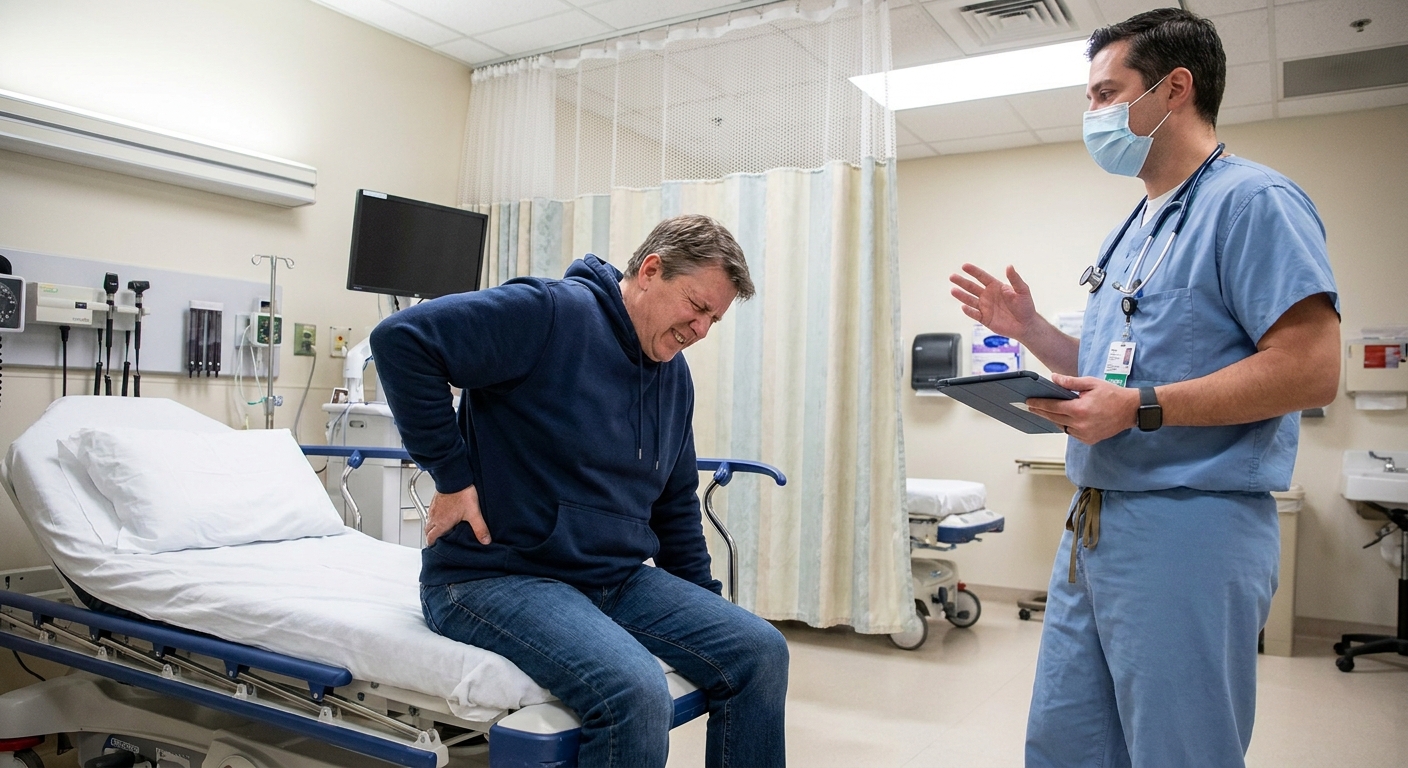
Hearing you need a nephrostomy tube can feel scary, especially if you were expecting a simple plan for a kidney stone. In clinic, I have seen how much calmer people feel once they understand the “why” behind the tube and what day-to-day life with it actually looks like.
A nephrostomy tube is a temporary drain that lets urine leave the kidney when something is blocking the normal pathway to the bladder. It is often used when a stone is causing an obstruction and there is infection, severe swelling, or anatomy that makes an internal stent the wrong first step. The goal is straightforward: protect your kidney, relieve pressure and pain, and prevent or treat infection.
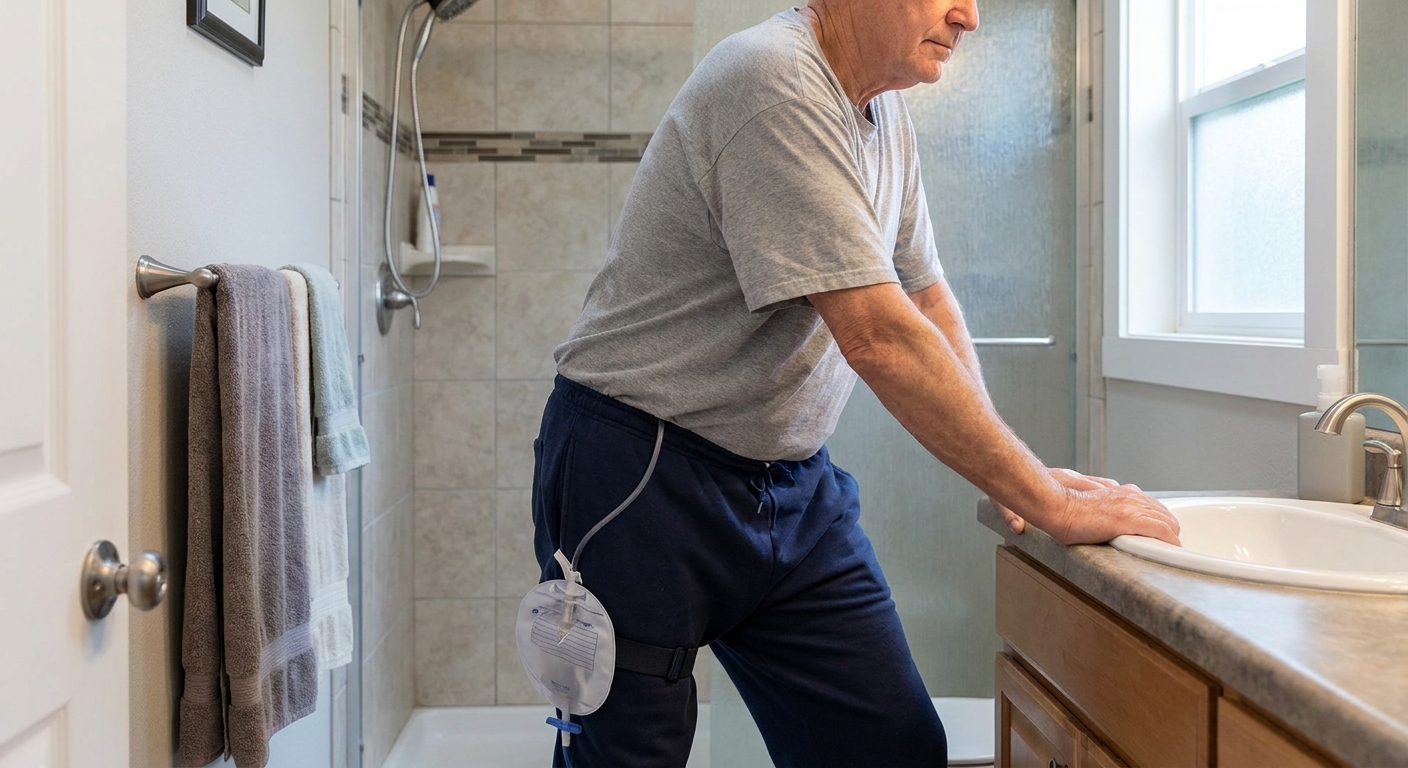
What a nephrostomy tube is
A percutaneous nephrostomy is a procedure where a specialist places a thin tube through the skin of your back directly into the kidney’s drainage area (the renal pelvis). Urine then flows out through the tube into an external collection bag.
Think of your kidney like a faucet feeding a drainpipe (the ureter) down to the bladder. If the drainpipe is blocked, pressure builds up. A nephrostomy creates a safe “overflow route” so the kidney can keep draining.
Why external drainage can matter
When urine is trapped behind a blockage, bacteria can multiply quickly and the kidney can become inflamed. In the setting of infection plus obstruction, urgent drainage is often lifesaving because sepsis risk is high and antibiotics may be less effective without decompression.
Common reasons you might need one
Nephrostomy tubes are used for several causes of kidney blockage, but these are the most common situations I see discussed with patients.
An obstructing kidney stone, especially with infection
A stone can lodge in the ureter and block urine flow. If you also have fever, chills, significant weakness, low blood pressure, fast heart rate, or lab signs of infection, clinicians often treat this as an emergency: drain the kidney first, then deal with the stone once you are stable.
A stone where an internal stent is not the best first step
An internal ureteral stent (placed from bladder to kidney) works well for many people. But a nephrostomy tube may be preferred when:
- Severe infection makes rapid decompression the priority.
- Complex anatomy or scarring makes it hard to place a stent through the bladder.
- A large or impacted stone may make stent placement difficult or, in some cases, not possible.
- Pregnancy or other situations where procedure choice is individualized by your urology team.
- Cancer, blood clots, strictures (narrowing), or other causes obstruct the ureter.
Protecting kidney function
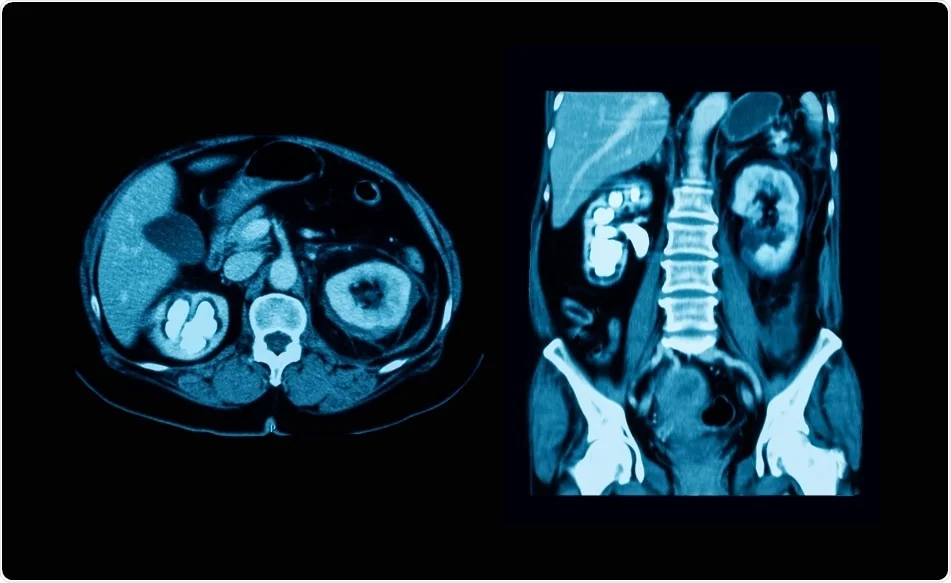
When blockage persists, pressure can damage the kidney over time. Even if you feel “okay,” imaging may show significant swelling (hydronephrosis) that needs prompt drainage.
Nephrostomy tube vs ureteral stent
These devices have the same goal: keep urine moving. The big difference is where the urine goes and where the device sits.
Nephrostomy tube (external)
- Location: through the back into the kidney
- Urine drainage: exits your body into an external bag
- Who places it: often interventional radiology, sometimes urology
- Why it’s chosen: fast decompression, helpful when stenting is difficult or not advisable
Ureteral stent (internal)
- Location: inside the body, from kidney to bladder
- Urine drainage: flows internally into the bladder, you urinate normally
- Who places it: usually urology, via the bladder (cystoscopy)
- Common issues: urinary frequency, urgency, burning, blood in urine, flank discomfort especially during urination
Sometimes people have both temporarily in complex cases, but many people have one or the other.
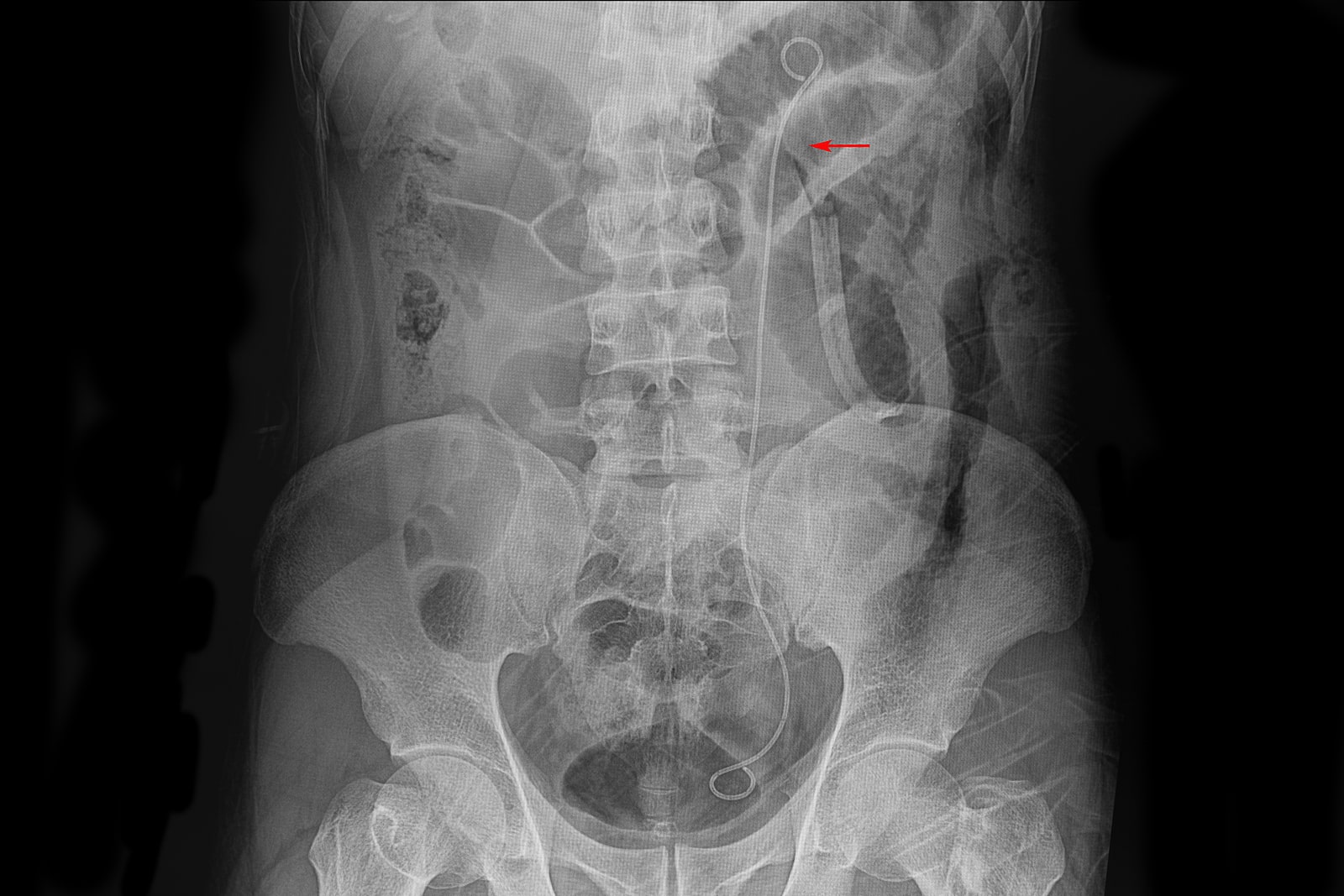
What placement day is usually like
Most nephrostomy tubes are placed in a hospital or procedural suite. You will typically have:
- Imaging guidance (ultrasound and/or fluoroscopy) so the clinician can place the tube accurately
- Numbing medicine at the skin and deeper tissues
- Sedation or anesthesia based on your situation, with local anesthetic plus moderate IV sedation being common
- A secure dressing and the tube connected to a drainage bag
Will it hurt?
During placement, you should feel pressure and pushing more than sharp pain. Afterward, it is common to feel soreness at the site, a deep ache in the back or flank, and occasional cramping as the kidney decompresses. Many patients tell me the pressure relief is noticeable once the kidney starts draining.
What the urine may look like at first
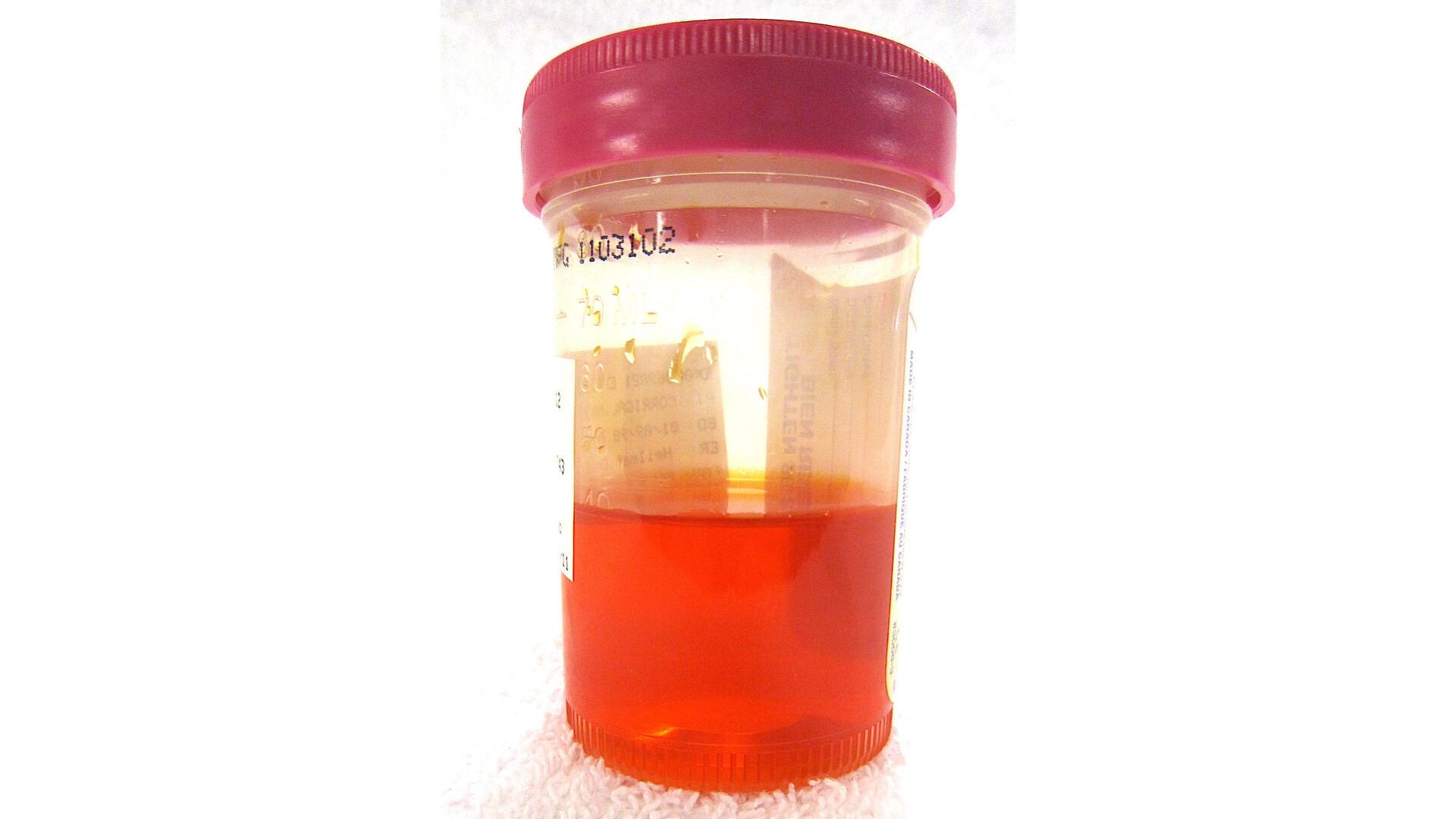
Light blood-tinged urine is common in the beginning, especially within the first day or two. Your care team will tell you what is expected for your specific situation, especially if you are on blood thinners or have bleeding risks.
Living with a nephrostomy tube
Your hospital team should give instructions specific to your type of tube and dressing. If you did not receive them, call the office that placed it. The basics below are the everyday steps that prevent the most common problems.
1) Keep the bag below kidney level
Gravity helps drainage. If the bag is held higher than your kidney, urine can back up, which increases discomfort and infection risk.
2) Prevent pulling or kinking
- Secure the tubing to your skin or clothing as directed.
- Avoid tight waistbands that compress the tubing.
- Check for loops, bends, or a bag strap that twists the line.
- Be extra careful during clothing changes so the tube does not catch on waistbands or pockets.
3) Empty the bag regularly
Empty when it is about one-third to half full, or at least a few times per day. Use clean technique: wash hands before and after, avoid touching the drainage spout to surfaces, and close it securely.
4) Dressing and skin care
The site should stay clean and dry. Follow your instructions for showering, dressing changes, and when to use waterproof coverings. Watch for increasing redness, warmth, swelling, foul odor, or drainage that looks like pus.
5) Flushing: only if prescribed
Some people are instructed to flush the tube with sterile saline to prevent clogging. Others should not flush at all. This is one of those areas where “well-meaning” DIY can cause harm, so follow your team’s exact plan.
6) Track output when asked
If your clinician asks you to record output, write down:
- Approximate amount per shift or per day
- Color changes (clear, pink, red, cloudy)
- Any sudden drop in drainage
7) Hydration, if you are allowed
If you have not been told to restrict fluids for another reason, staying well-hydrated often helps keep urine flowing and easier to drain. If you have heart failure, kidney disease, or fluid restrictions, follow your clinician’s plan instead.
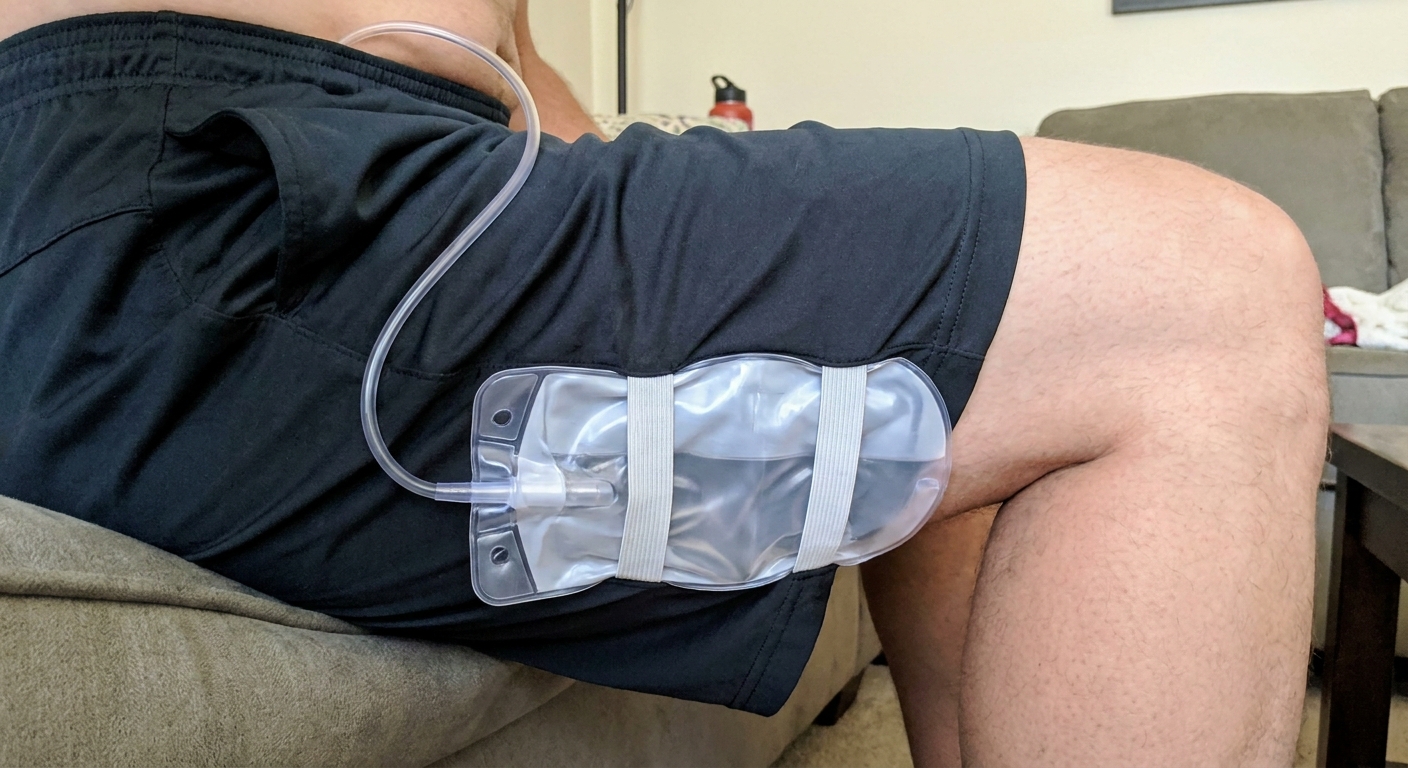
Basic troubleshooting
If the bag connection leaks
- Check for a loose connection and re-secure it as directed by your care team.
- Keep the area clean and dry and change any wet dressing if you were instructed to do so.
- If leaking continues, call the team that manages your tube. Ongoing leakage can irritate skin and may signal a problem with the tubing or connector.
If the tube gets tugged or pulled
- Do not try to push the tube back in.
- If it comes out, cover the site with a clean dressing and seek urgent medical help.
- If it seems to have shifted but is still in place, secure it to avoid more pulling and call promptly for instructions.
If drainage suddenly slows or stops
- Check for kinks or compression and make sure the bag is below kidney level.
- If output stays low or you have pain, fever, or nausea, call urgently. A blocked tube can become an emergency.
What discomfort is normal
Common, expected sensations
- Mild to moderate soreness at the skin entry site
- A dull back or flank ache that improves with rest or prescribed pain medicine
- Occasional spasms or cramping
- Small amount of blood in the urine early on
Call your care team urgently if you notice
- Fever or chills (follow your discharge instructions; commonly 100.4°F or 38°C or higher)
- New or worsening flank pain that does not improve
- Cloudy, foul-smelling drainage or pus-like fluid
- Little or no urine draining for several hours, especially with pain or nausea
- Bright red blood or large clots in the tubing or bag
- Tube dislodgement, visible movement outward, or leaking around the insertion site
- New swelling around the site or along the flank
If you feel very ill, lightheaded, confused, or short of breath, seek emergency care. An obstructed, infected kidney can escalate quickly and needs immediate attention.
How long it stays in
The honest answer is: it depends on why it was placed and what the next step is. Some tubes are in place only briefly, others longer.
Common timelines
- Stone with infection: the tube often stays until the infection is treated and a definitive stone plan is done (such as ureteroscopy, laser lithotripsy, or another approach chosen by urology).
- Temporary swelling or postoperative drainage: it may be removed once imaging confirms good flow.
- Ongoing blockage (for example, from a stricture or tumor): it may be needed longer term, with scheduled tube changes.
Tube exchanges and follow-up
Nephrostomy tubes can clog or degrade over time, so if yours is intended for longer use, your team may schedule routine exchanges. Keep those appointments even if you feel fine. Preventing blockage is much easier than treating it in an emergency.
Bathing, sleep, work, movement
Showering
Many people can shower with precautions after the first dressing plan is established, but instructions vary by facility and tube type. If you are told to keep it dry, use a protective cover and change dressings as directed afterward.
Sleeping
Most people sleep best on their back or the side opposite the tube at first. Make sure the tubing is not trapped under your body and the bag remains below kidney level.
Activity
Gentle walking is usually encouraged. Avoid heavy lifting, contact sports, and movements that tug the tube until your clinician clears you. If you notice increased pain or reduced drainage after activity, pause and call for guidance.
Work and travel
Many patients return to desk work once pain is controlled and they can manage the bag discreetly. If you travel, bring extra supplies, a way to secure the bag, and a plan for hygiene and emptying. Ask your clinician if you need antibiotics or special precautions.
Antibiotics and cultures
If your tube was placed because of infection, you may have had urine cultures taken from the kidney drainage. That helps your team choose an antibiotic that targets the exact bacteria. Finish antibiotics exactly as prescribed, and tell your clinician if you develop diarrhea, rash, or other side effects.
If you have a history of recurrent UTIs, stones, or immune suppression, ask whether you need special follow-up while the tube is in place.
Removal
Tube removal is often quick. The clinician will confirm that the obstruction is resolved or that urine can flow another way. Removal is usually done in a clinic or procedural area, and most people feel a brief pulling sensation and then soreness that fades over a day or two.
Keep the removal site clean and watch for fever, worsening pain, or drainage that does not improve as expected.
Questions to ask
- What was the exact reason for my nephrostomy tube, and is there infection?
- What is the next step for the blockage or stone, and when?
- Do I need to flush the tube, and how often?
- What dressing supplies should I use, and how often should I change them?
- What symptoms should prompt an urgent call versus emergency care?
- If this is long-term, how often will the tube be exchanged?
FAQ
Can I still pee normally with a nephrostomy tube?
Sometimes yes, sometimes no. If only one kidney is drained and the other kidney is functioning normally, you will still urinate. Even with one nephrostomy tube, some urine can still reach the bladder depending on how complete the blockage is.
Why is my bag not filling?
A sudden drop in output can mean dehydration, a kinked tube, a clogged tube, or a change in how urine is draining. Check for kinks and make sure the bag is below kidney level. If output remains low or you have pain, fever, or nausea, call your care team urgently.
Is blood in the bag normal?
Light pink urine can be normal early on, after a tube change, or after activity. Bright red blood, clots, or rapid changes should be reported right away.
Does a nephrostomy tube mean my kidney is failing?
No. In many cases, it is used to prevent kidney damage by relieving obstruction. Your clinician can explain your kidney function tests and what they mean for you.
A final word from the exam room
If you have a nephrostomy tube, you are not “overreacting” if you feel anxious about it. An external drain is a big adjustment. With the right care and clear guidance, most people settle into a routine quickly. If something feels off, especially fever, worsening pain, or reduced drainage, trust your instincts and call. I would always rather a patient call early than wait until a small issue becomes an emergency.