Seeing blood in your urine can stop you cold. I have watched patients go from “I feel fine” to deeply worried in a heartbeat, and honestly, that reaction makes sense. Sometimes the cause is minor and temporary. Other times, blood in the urine is the early clue that you need prompt testing.
In clinic, my goal is always the same: take your symptom seriously without jumping to worst case scenarios. Let’s walk through what “blood in the urine” can look like, what can cause it, which signs are urgent, and how clinicians decide whether the bleeding is coming from the kidney’s filters or from the plumbing of the urinary tract.
What counts as blood in the urine?
Gross hematuria (you can see it)
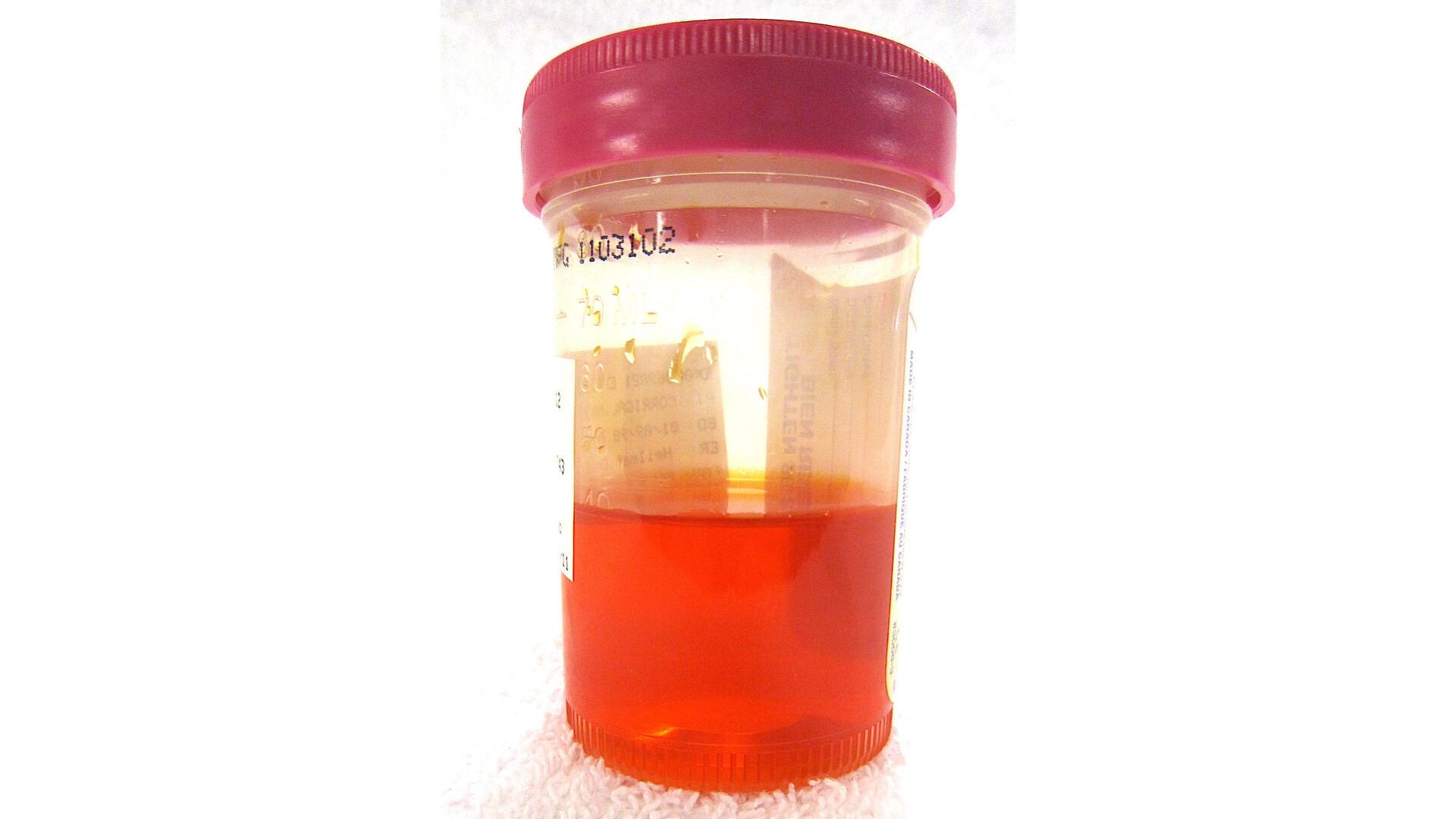
Gross hematuria means the urine looks pink, red, tea-colored, or cola-colored. Sometimes it is just a faint blush. Sometimes it is unmistakably red. You might also see clots, which can look like small red strings or jelly-like bits.
Microscopic hematuria (you cannot see it)
Microscopic hematuria means red blood cells show up on a urine test, but your urine looks normal to the naked eye. This is very common and often found during a routine checkup or a work physical.
A key point: a urine dipstick can suggest blood, but the diagnosis is confirmed by looking at the urine under a microscope. Dipsticks can be positive from things that are not intact red blood cells, like hemoglobin or myoglobin.
When blood in the urine is an emergency
Please seek urgent care or emergency care now if you have blood in your urine plus any of the following:
- Clots in the urine, especially if you feel you cannot empty your bladder
- Inability to urinate or a very weak trickle with worsening lower belly pressure (possible clot retention)
- Severe flank or back pain with nausea or vomiting (can happen with stones or obstruction)
- Fever (38°C or 100.4°F or higher), chills, or feeling very ill, especially with back pain (possible kidney infection)
- Lightheadedness, fainting, rapid heartbeat, or signs of heavy bleeding
- Recent significant trauma to the abdomen, back, or pelvis
- Pregnancy with bleeding, pain, fever, or urinary symptoms
If you are passing clots or cannot pee, do not wait it out. A blocked bladder can quickly become painful and dangerous, and it is very treatable when addressed promptly.
Common causes of blood in the urine
Clinicians tend to group causes into a few big buckets. The “right” bucket often becomes clearer when we pair the urine findings with your symptoms, risk factors, and a physical exam.
1) Urinary tract infection (UTI) and kidney infection
UTIs can irritate the bladder lining and cause bleeding. Typical clues include:
- Burning with urination
- Urgency and frequency
- Strong urine odor
- Lower belly discomfort
If infection has moved up toward the kidneys (pyelonephritis), you are more likely to have:
- Fever or chills
- Flank pain (one side of the back, below the ribs)
- Nausea or vomiting
UTI-related bleeding often improves quickly once the infection is treated, but you still need a urine test and, in many cases, a urine culture to make sure the antibiotic choice is correct.
2) Kidney stones and other urinary stones
Stones are a classic cause of blood in the urine, and bleeding can happen even when pain is mild. Clues that point toward stones include:
- Sudden, intense flank pain that may move toward the groin
- Nausea or vomiting
- Restlessness (people often cannot get comfortable)
- Blood on urine testing, sometimes without signs of infection
Stones are important, but they are only one possible cause. If imaging does not show a stone, or if bleeding continues after a stone episode, you and your clinician should keep looking.
3) Vigorous exercise
Intense or prolonged exercise can lead to temporary hematuria, especially after long-distance running or high-impact activity. If the urine clears within about 24 to 72 hours of rest and hydration, and there are no other concerning symptoms, this may be the explanation.
That said, do not assume exercise is the cause if the bleeding is heavy, keeps returning, or comes with pain, clots, fever, or urinary blockage.
4) Menstrual contamination or vaginal bleeding
One of the most common “false alarms” is blood from a period or spotting mixing with the urine sample. If there is any chance this happened, your clinician may ask for a repeat urine test when you are not bleeding vaginally, or may recommend a careful clean-catch sample technique.
Postmenopausal vaginal bleeding is a separate issue that also deserves medical evaluation.
5) Prostate-related bleeding (in people with a prostate)
The prostate sits just below the bladder and surrounds the urethra. Common prostate-related issues that may cause blood in the urine include:
- Benign prostatic hyperplasia (BPH), an enlarged prostate that can cause fragile blood vessels to bleed
- Prostatitis (prostate inflammation or infection), which can cause pelvic pain, painful urination, fever, or painful ejaculation
- Recent procedures or catheterization
Prostate enlargement can also contribute to urinary retention. If you are passing clots or having trouble urinating, that is a reason for urgent evaluation.
6) Glomerular disease (kidney filter problems)
Your kidneys filter blood through tiny units called glomeruli. When those filters are inflamed or damaged, red blood cells can leak into the urine. This is a different category from a stone or bladder issue, and it often leaves a different “fingerprint” on the urine test.
Glomerular causes include a wide range of conditions, such as IgA nephropathy, post-infectious glomerulonephritis, lupus nephritis, vasculitis, and other inflammatory kidney diseases.
7) Urinary tract cancers that need a urology workup
Blood in the urine can be an early sign of cancers in the urinary tract, including:
- Bladder cancer
- Kidney cancer
- Ureter cancer (the tube connecting kidney to bladder)
- Prostate cancer (less commonly causes hematuria, but can in certain situations)
This is why visible blood in the urine, especially when painless, should not be brushed off. Many people feel well otherwise.
Risk factors that raise concern include older age, smoking history, certain chemical exposures, prior pelvic radiation, and chronic bladder irritation.
Kidney filter problem or urinary tract problem? Clues that help
One of the most helpful questions in medicine is: Is the bleeding coming from the kidney’s filtering system, or from the urinary tract structures after the kidney (ureters, bladder, prostate, urethra)?
Here are clues we look for.
Clues that suggest a kidney filter (glomerular) cause
- Tea-colored or cola-colored urine (from older, oxidized blood) rather than bright red
- Protein in the urine, especially moderate to heavy protein
- Swelling in the face, around the eyes, hands, or ankles
- High blood pressure that is new or worsening
- Abnormal kidney function tests (rising creatinine, lower estimated GFR)
- Urine microscopy showing dysmorphic red blood cells or red blood cell casts
- Recent infection (like a sore throat or skin infection) followed by cola-colored urine
When these features show up, your primary care clinician often involves a nephrologist (kidney specialist) because the workup and treatment path is different.
Clues that suggest a structural urinary tract source
- Bright red urine or visible clots
- Flank pain that comes in waves (stones)
- Burning, urgency, frequency (infection or bladder irritation)
- Blood that appears at the beginning or end of urination (sometimes points toward urethral or prostate sources, but it is not definitive)
- Normal kidney function and little to no protein in the urine
Structural concerns often lead to a urology evaluation, especially if bleeding is visible, recurrent, or unexplained.
What to do while you wait to be seen
- Do not ignore clots or urinary blockage. That is urgent.
- Hydrate unless you have been told to restrict fluids for a medical reason. Dehydration can worsen irritation and stone symptoms.
- Avoid heavy exercise until you know what is going on.
- Write down key details: when it started, color changes, clots, pain location, fever, recent infections, new meds, recent procedures, and whether you were on your period.
- Bring medication and supplement lists. Blood thinners do not “cause” hematuria by themselves, but they can make bleeding more noticeable and may unmask an underlying issue that still needs evaluation.
If you are on a blood thinner and you notice blood in the urine, call your clinician the same day. Do not stop the medication on your own unless you have been specifically instructed to do so.
What tests to expect
The workup depends on whether the hematuria is visible, persistent, or associated with other red flags, but these are common steps:
Urine testing
- Urinalysis with microscopy to confirm red blood cells and look for protein, casts, and signs of infection
- Urine culture if infection is suspected
- Sometimes urine protein-to-creatinine ratio if kidney filter disease is a concern
Blood tests
- Kidney function (creatinine, estimated GFR)
- Complete blood count if bleeding seems significant or infection is possible
- Additional immune or inflammation tests if glomerular disease is suspected
Imaging
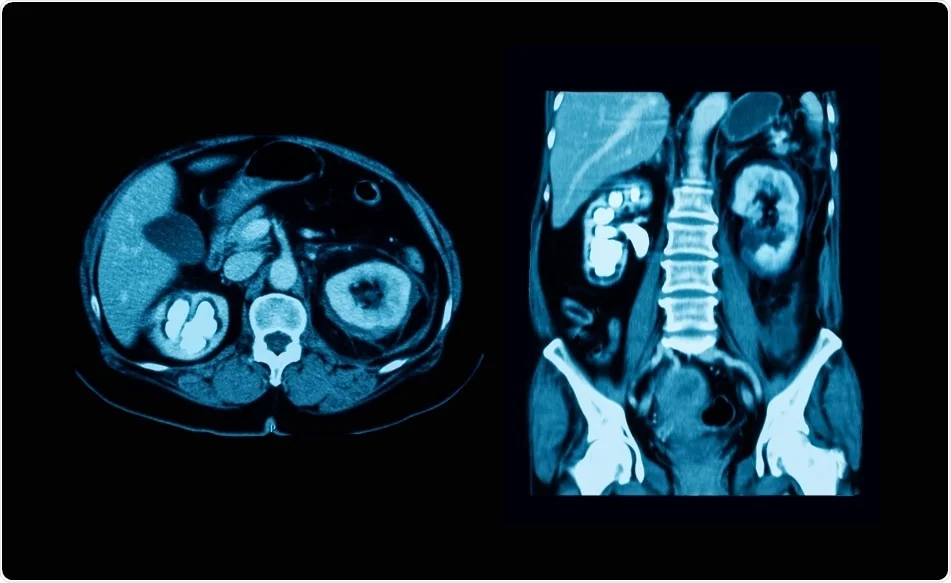
- CT scan is common when stones are suspected
- Ultrasound may be used in pregnancy, in people who should avoid radiation, or as a first look at kidneys and bladder
- CT urography may be used in certain higher-risk cases to evaluate the urinary tract more thoroughly
Urology procedures
- Cystoscopy, where a urologist uses a small camera to look inside the bladder and urethra, is often part of the evaluation for unexplained visible hematuria, and sometimes for persistent microscopic hematuria in higher-risk patients

When to call your doctor (even if it seems mild)
Reach out to your primary care clinician within 24 to 48 hours, or sooner if advised, if:
- You have any visible blood in your urine, even if it goes away
- You have urinary symptoms (burning, frequency, urgency)
- Blood in the urine happens more than once
- You recently had a UTI and symptoms are not improving on treatment
- You have risk factors like smoking history or you are older than 35 to 40 (age cutoffs vary by guideline and risk profile)
- You have microscopic hematuria that persists on repeat testing
If you are told you have microscopic hematuria, ask two practical questions: Was it confirmed on microscopy? and Was it repeated to confirm it persists? A one-time abnormal urine can happen for reasons that are not dangerous, including contamination.
Frequently asked questions
Can dehydration cause blood in the urine?
Dehydration can make urine more concentrated and irritating and may contribute to stone formation, but dehydration alone is not usually the full explanation for true hematuria. If you have confirmed red blood cells in the urine, it deserves appropriate evaluation.
Is blood in the urine ever “normal”?
There are benign situations, such as temporary hematuria after intense exercise or contamination from menstrual blood. But because hematuria can also be the first sign of infection, stones, kidney disease, or cancer, it is not something I consider “normal” to ignore.
If the bleeding stops, do I still need to be checked?
Yes, especially with visible hematuria. Bleeding from stones, tumors, or inflammation can come and go. If you saw red or pink urine, it is worth discussing with a clinician even if it resolved.
What if I have no pain at all?
Painless hematuria is one of the reasons we take the symptom seriously. It can happen with bladder cancer, kidney cancer, and some kidney filter conditions. Pain is not required for something important to be going on.
A calm next step
Blood in the urine is a symptom, not a diagnosis. The fastest path to peace of mind is a straightforward evaluation: confirm it is truly blood, look for infection, check kidney function, and decide whether imaging or a urology or nephrology referral makes the most sense.
If you are staring at the toilet bowl wondering whether you are overreacting, you are not. You are paying attention to your body, and that is exactly what I want for you.