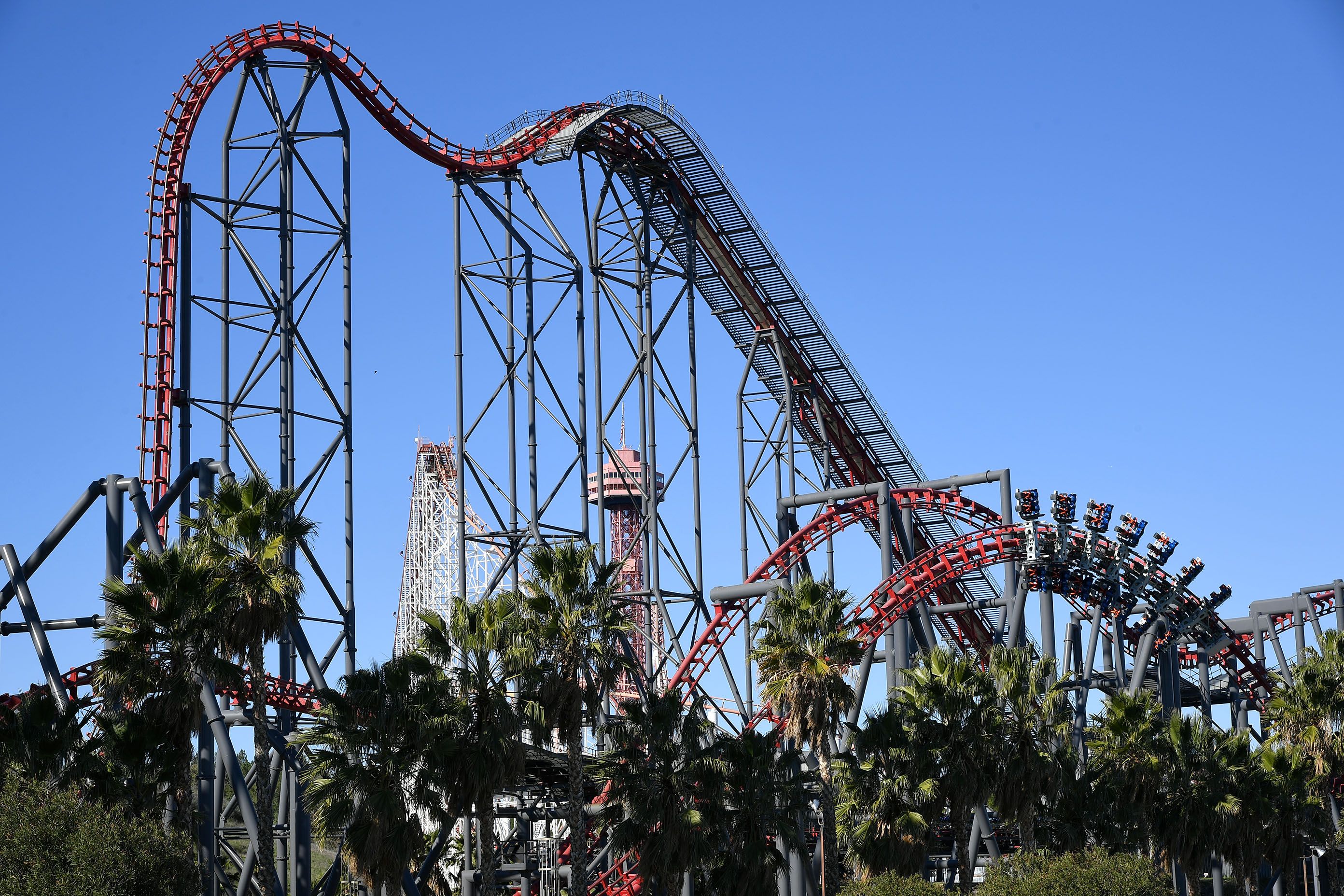
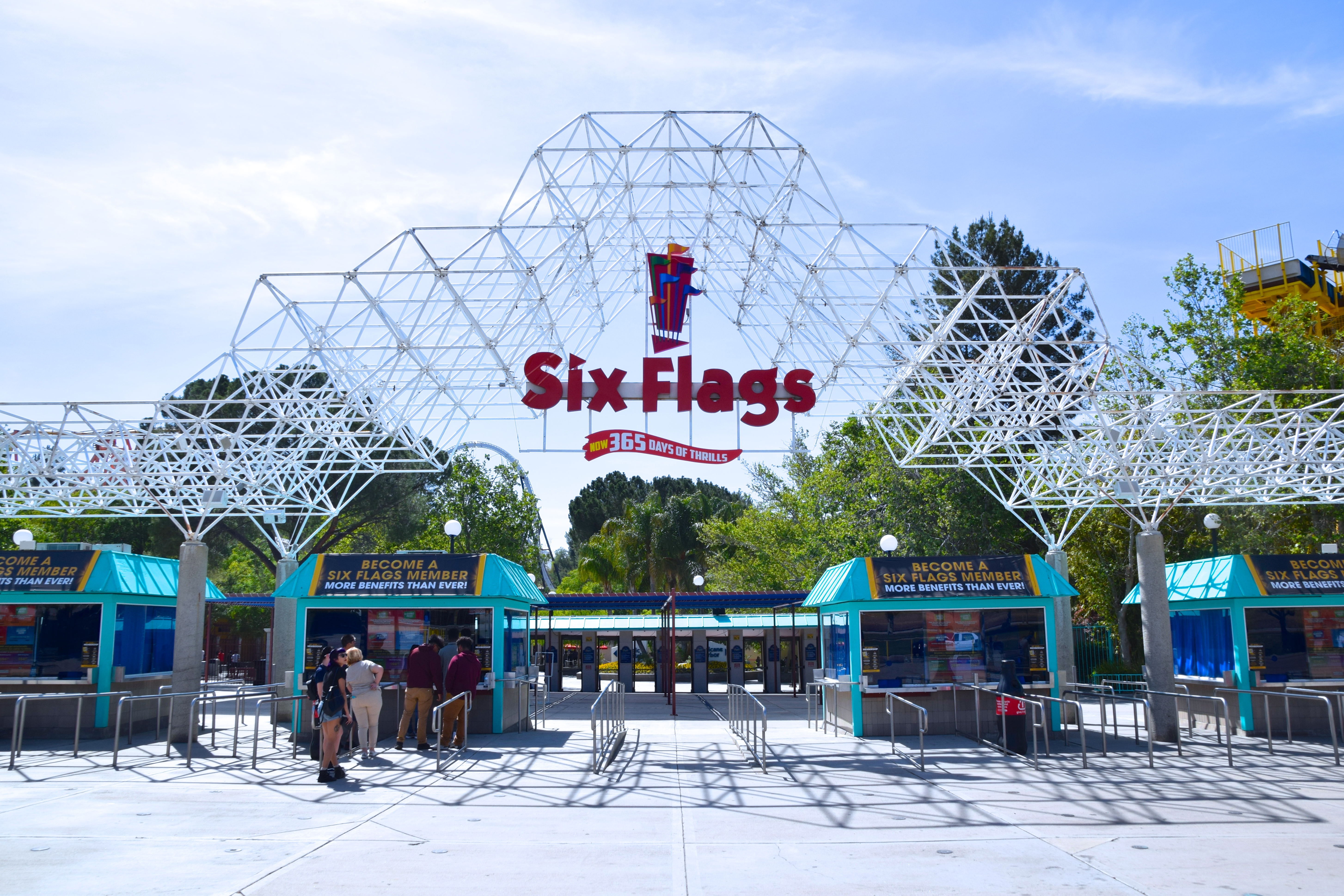
News reports describe two women who rode the same roller coaster at Six Flags Magic Mountain in California and were later hospitalized with severe brain bleeding that required emergency neurosurgery. Many headlines have identified the ride as X2, a high-intensity coaster known for rotating seats and rapid direction changes. Because these are medically serious and unusually similar injuries, questions about a possible connection have followed.
One important note up front: details are still evolving. Ride identification, medical specifics, and the status of any official review should be treated as provisional until confirmed by primary sources such as park statements, medical records, or the relevant state or local regulator.
As a family nurse practitioner, what I want you to walk away with is not panic, but clarity: what a subdural hematoma is, how it can happen without a direct head strike, which symptoms are true “do not wait” red flags, and what an investigation can realistically prove.
What we know so far
Based on national coverage, the core claim is this: two riders experienced severe intracranial bleeding after riding the same high-intensity coaster, and both required urgent surgical treatment. Some reports describe the injuries as similar in type and timing.
It is important to hold two truths at once:
- These are serious, frightening injuries, and similarities raise valid questions that deserve careful review.
- A small cluster is not proof of causation. To connect an injury to a ride, investigators typically need objective data, consistent patterns, and medical context, not just timing.
In early reporting, it is also possible for key details to be incomplete or inconsistent. That does not mean the injuries are not real. It means we should be careful about drawing hard conclusions before the facts are confirmed.
What is a subdural hematoma?
A subdural hematoma is bleeding that collects between the brain and the dura, one of the protective layers around the brain. Think of the dura like a tough lining inside the skull. When blood collects in that space, it can create pressure on the brain.
That pressure is why subdural hematomas can become life-threatening. In severe cases, neurosurgeons may need to do emergency surgery to relieve pressure and stop the bleeding.
Why it can be missed
Not every subdural hematoma shows up immediately. Some develop symptoms over hours, and some can evolve over days. People often assume they are “just dehydrated” or “have a migraine” after a long day in the sun. That delay is exactly what makes education so important.
How a coaster could matter
Most people associate brain bleeding with a direct blow to the head, like a fall or car crash. But the brain can also be stressed by rapid acceleration, deceleration, and rotational forces, especially when the head and neck move abruptly.
Here is the basic anatomy in a way I explain it to patients: small veins called bridging veins travel from the brain’s surface to the dura. Sudden movement can, in rare situations, place enough strain on these veins to tear and bleed. That bleeding can collect as a subdural hematoma.
Important caution: the evidence for roller coasters directly causing subdural hematomas without impact is limited and often comes from case reports rather than large controlled studies. When someone has a brain bleed after a ride, clinicians still have to consider and rule out other explanations, including an unrecognized minor head injury, an underlying vascular problem, medication effects, or a spontaneous bleed.
Rotation and abrupt forces
Some high-intensity coasters produce not only high g-forces, but also rapid changes in direction and rotation. In practical terms, the combination of rotation and abrupt shifts in force can increase head and neck strain. For most riders, the body tolerates this. For a vulnerable minority, it may be one piece of the puzzle.
Factors that can increase risk
- Age-related brain changes: as we age, the brain can shrink slightly, which may increase tension on bridging veins.
- Blood thinners or antiplatelet medications: warfarin, apixaban, rivaroxaban, dabigatran, clopidogrel, and aspirin can raise bleeding risk. Never stop these without medical guidance, but do mention them when discussing ride restrictions.
- NSAIDs: frequent high-dose NSAID use can modestly increase bleeding risk compared with not taking them, though the risk is generally much lower than with prescription anticoagulants or antiplatelet therapy.
- Alcohol or heat illness: these do not “cause” intracranial bleeding, but they can worsen balance and judgment and can muddy symptom recognition afterward.
- Prior head injury: a history of concussion does not automatically mean “no rides,” but it can matter depending on severity and timing.
None of this means a ride “causes brain bleeds” for most people. It means that under certain circumstances, extreme forces may be associated with injury, and alternative causes still need to be evaluated.
Symptoms after a ride
It is common to feel a little off after an intense ride: a mild headache from adrenaline, neck stiffness from bracing, or brief dizziness. Those should improve with rest, hydration, food, and time.
What I worry about are symptoms that suggest rising pressure in the skull, bleeding, or a neurological problem.
Go to the ER now
- Worst headache of your life or a rapidly worsening headache
- Repeated vomiting, especially with headache
- Confusion, unusual sleepiness, fainting, or difficulty staying awake
- Weakness or numbness on one side of the body
- Slurred speech, trouble speaking, or facial droop
- Seizure
- Vision changes like double vision or loss of vision
- Severe imbalance or inability to walk normally
Call a clinician the same day
- Headache that does not improve over several hours
- Dizziness that is not easing with rest
- New sensitivity to light or sound with headache
- New trouble concentrating, memory gaps, or feeling “not quite right”
If you are unsure, I would rather you be evaluated and reassured than stay home and hope for the best. Subdural hematomas are diagnosed with imaging, usually a CT scan of the head.
Not every severe headache is a brain bleed
A bad post-ride headache can also be caused by migraine, heat illness, dehydration, cervical muscle strain, concussion, and in rarer cases a blood vessel problem in the neck or brain. You do not have to diagnose the cause. Your job is to recognize when symptoms are escalating or neurological and get urgent care.
Why surgery is needed
When blood accumulates around the brain, it can compress brain tissue. If pressure rises, it can threaten breathing, consciousness, and vital brain function.
Emergency neurosurgery may involve procedures such as:
- Burr holes: small openings in the skull to drain blood
- Craniotomy: a larger opening to remove a clot and control bleeding
These are not “headache procedures.” They are used when the risk of waiting is greater than the risk of operating.
What reviews can show
When a ride is reviewed for possible injury connections, the goal is to determine whether there is a pattern that points to a preventable cause. Depending on who is involved and what authority they have, that can include:
- Reviewing maintenance logs and inspections
- Assessing restraint fit and seat design
- Evaluating ride forces, including acceleration profiles and abrupt changes
- Reviewing incident reports and medical calls from the park
- Comparing injuries across time for similarity and frequency
What it may not be able to do quickly is prove a single, simple explanation. Subdural hematomas can occur for multiple reasons, and some people have risk factors they may not even know about.
If reviewers identify an actionable safety issue, fixes can be practical: changes to operating procedures, restraint checks, seat padding, speed adjustments, ride profiling, and clearer rider restrictions.
Who should be cautious
Theme parks post restrictions for a reason, but they are often framed around heart conditions and pregnancy. When it comes to head and brain risk, consider extra caution or ask your clinician if you:
- Take blood thinners or antiplatelet medications
- Have a history of prior brain bleed, aneurysm, or certain vascular conditions
- Recently had a concussion or head injury
- Have a bleeding disorder
- Have significant neck problems or spine instability
- Are older and have had multiple falls or balance issues
And a practical tip I give families: if you are already having a headache, are dehydrated, are overheated, or have had alcohol, skip the biggest rides. Your body is already working harder than usual.
What to do if you feel unwell
Right away
- Stop riding. Do not push through symptoms.
- Tell someone: a friend, family member, and park staff.
- Rest in shade and hydrate, but do not let that delay evaluation if red flags are present.
Over the next 24 hours
- Have someone stay with you if you had significant symptoms.
- Avoid alcohol and sedating substances.
- If symptoms worsen, go to the ER.
When you get medical care, mention
- The exact time symptoms started and how they changed
- Whether you hit your head or had intense head snapping
- Any blood thinners, aspirin, or antiplatelet meds
- Any prior head injuries or bleeding history
FAQ
Can a roller coaster cause a subdural hematoma without impact?
In rare situations, it is biologically plausible that sudden acceleration, deceleration, and rotational movement could strain bridging veins. That said, the overall evidence base is limited, and other causes still must be ruled out.
Is a headache after a ride always dangerous?
No. Mild, short-lived headache can happen from adrenaline, dehydration, muscle tension, heat, or motion sensitivity. The concern is a headache that is severe, worsening, or paired with vomiting, confusion, weakness, or other neurological symptoms.
How soon would symptoms show up?
It varies. Some people become symptomatic quickly. Others may feel increasingly unwell over hours or longer. Any progression is a reason to seek evaluation.
What test diagnoses a subdural hematoma?
Most commonly a CT scan of the head in the emergency department. Sometimes an MRI is used depending on timing and clinical concerns.
Should everyone avoid X2 or similar rides?
That is a personal risk decision. The vast majority of rides end without serious injury. If you have risk factors for bleeding, are on blood thinners, have a recent head injury, or feel unwell that day, it is wise to choose lower intensity attractions, review posted ride restrictions, and talk with your clinician if you are unsure.
Bottom line
The reported Six Flags cases are alarming because they involve severe injuries and because the accounts describe similarities after the same high-intensity ride. That is exactly why careful verification, medical nuance, and any formal review process matter.
For the rest of us, the most durable takeaway is health literacy: know the red flags, take post-ride symptoms seriously, and get urgent evaluation when something feels “off” in a way that is new, escalating, or neurological. When it comes to bleeding around the brain, time matters.
Medical note: This article is general education, not personal medical advice. If you have emergency symptoms, call emergency services or go to the nearest ER.