Falls are not a normal or harmless part of aging. They are common, yes, but many are preventable. In clinic, I often tell patients this: the goal is not to move less. The goal is to make your home and your body more “steady-friendly” so you can keep doing what you love with confidence. By “steady-friendly,” I mean clear pathways, good lighting, supportive footwear, and strong legs and balance.
This guide walks you through two powerful areas you can control right away: home safety upgrades and simple daily balance and strength exercises.
Know your biggest fall risks
Most falls happen because several small factors stack up at once. A slippery surface plus dim lighting plus rushing to the bathroom can be all it takes.
- Trip hazards: loose rugs, cords, clutter, uneven thresholds, pets, and pet toys
- Slip hazards: wet bathroom floors, polished tile, tubs without grab bars
- Low light: especially at night in hallways and bathrooms
- Foot problems and poor footwear: numbness, bunions, painful calluses, slippers without grip
- Medication effects: dizziness, low blood pressure, sleepiness
- Vision or hearing changes: reduced depth perception, missed cues
- Balance and leg weakness: often worsens after illness, hospitalization, or reduced activity
If you have fallen in the past year, feel unsteady, or worry about falling, those are meaningful warning signs. Bring them up at your next visit. They give your clinician a starting point for real prevention.
Home safety checklist (room by room)
Think of this as setting the stage for safer movement. You do not need to renovate your home to make a big difference. Small changes, done consistently, are often the most protective.
Entryways and hallways
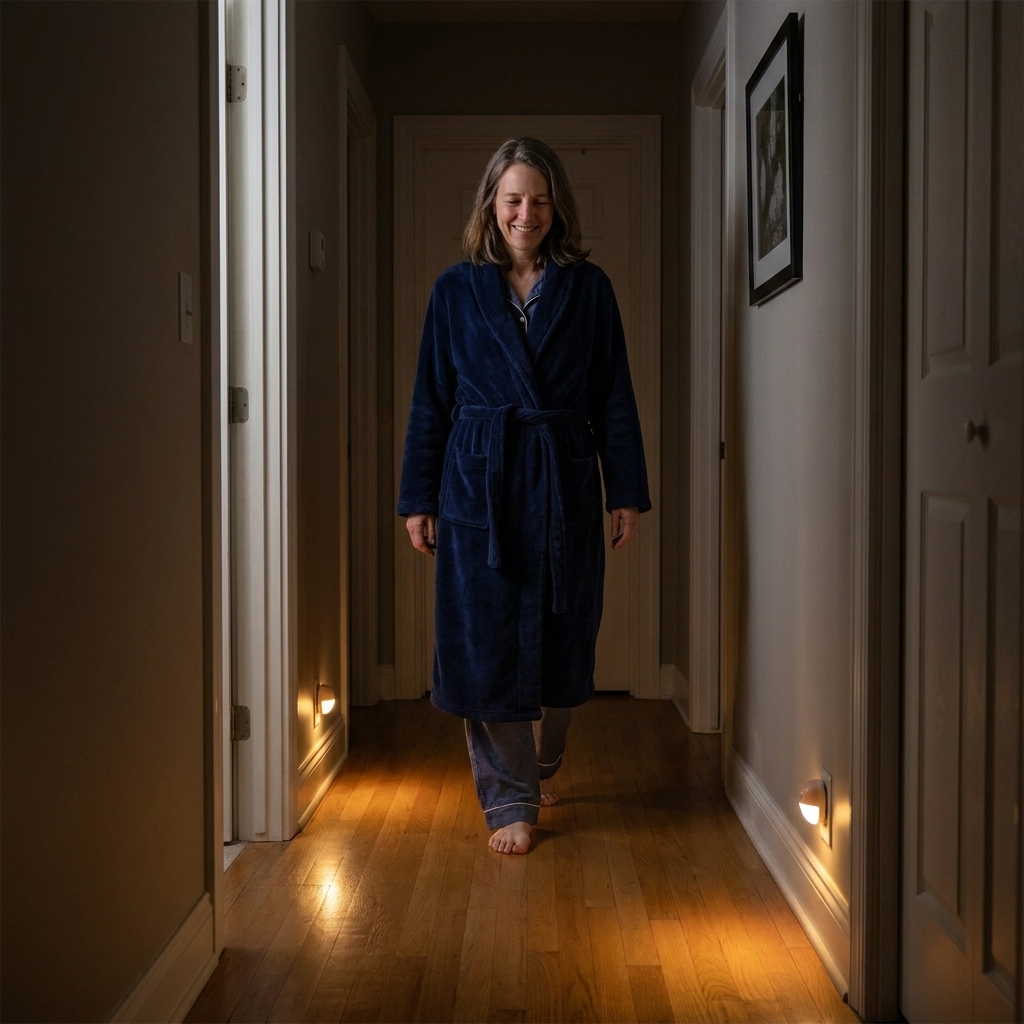
- Light the path: Add bright bulbs and consider motion-sensor night lights.
- Clear the runway: Remove clutter, shoes, and low décor from walkways.
- Secure cords: Route cords along walls, never across walking areas.
- Check thresholds: Use low-profile transition strips for uneven flooring.
- Pet check: Keep bowls and toys out of walkways, and consider a small basket where toys “live.”
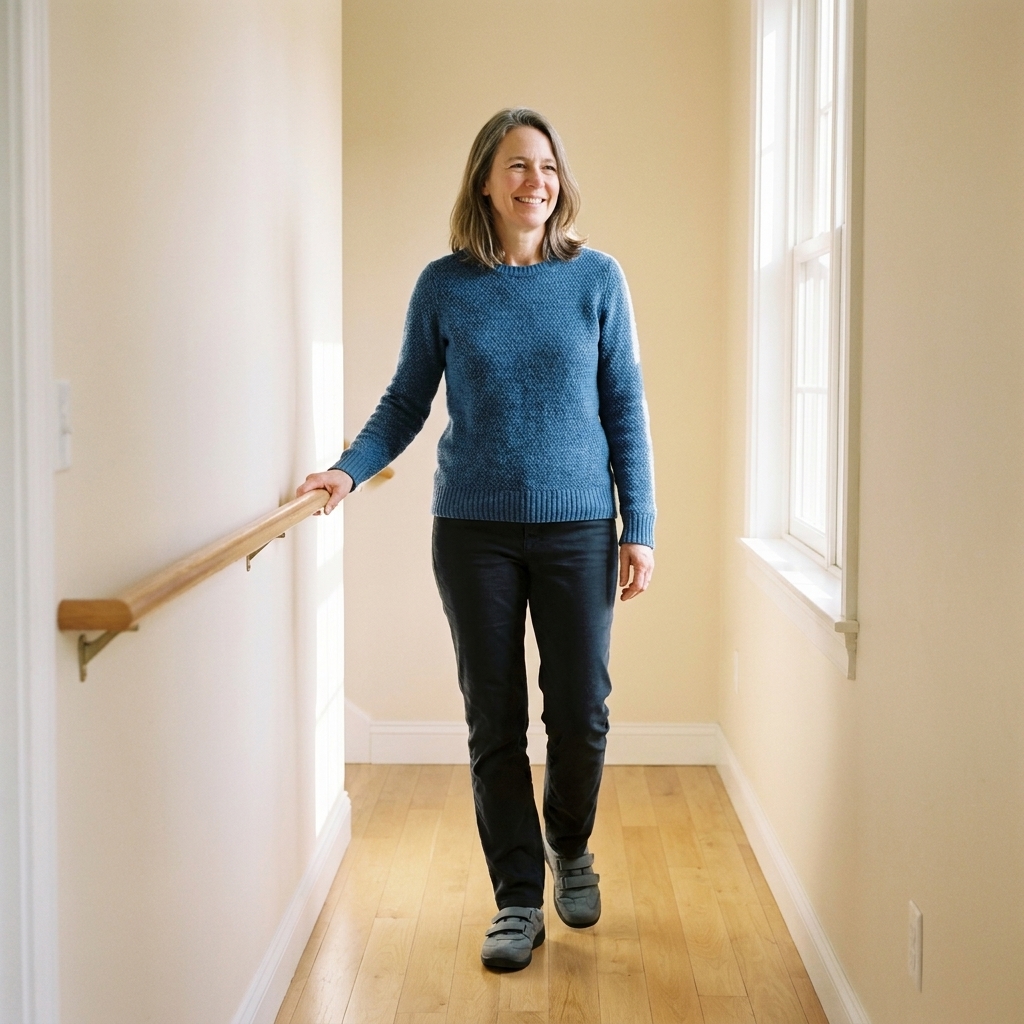
- Consider a handrail: A sturdy handrail along a longer hallway can be a game-changer for some homes.
Living room and bedroom
- Anchor rugs: Use non-slip backing or remove throw rugs entirely.
- Stable furniture: Avoid lightweight side tables that tip if used for support.
- Chair height matters: Choose chairs with arms and a seat height that lets you stand without rocking forward.
- Keep essentials within reach: Phone, glasses, water, and medications should not require climbing or stretching.
- Bedside safety: Place a lamp within easy reach and keep a clear path to the bathroom.
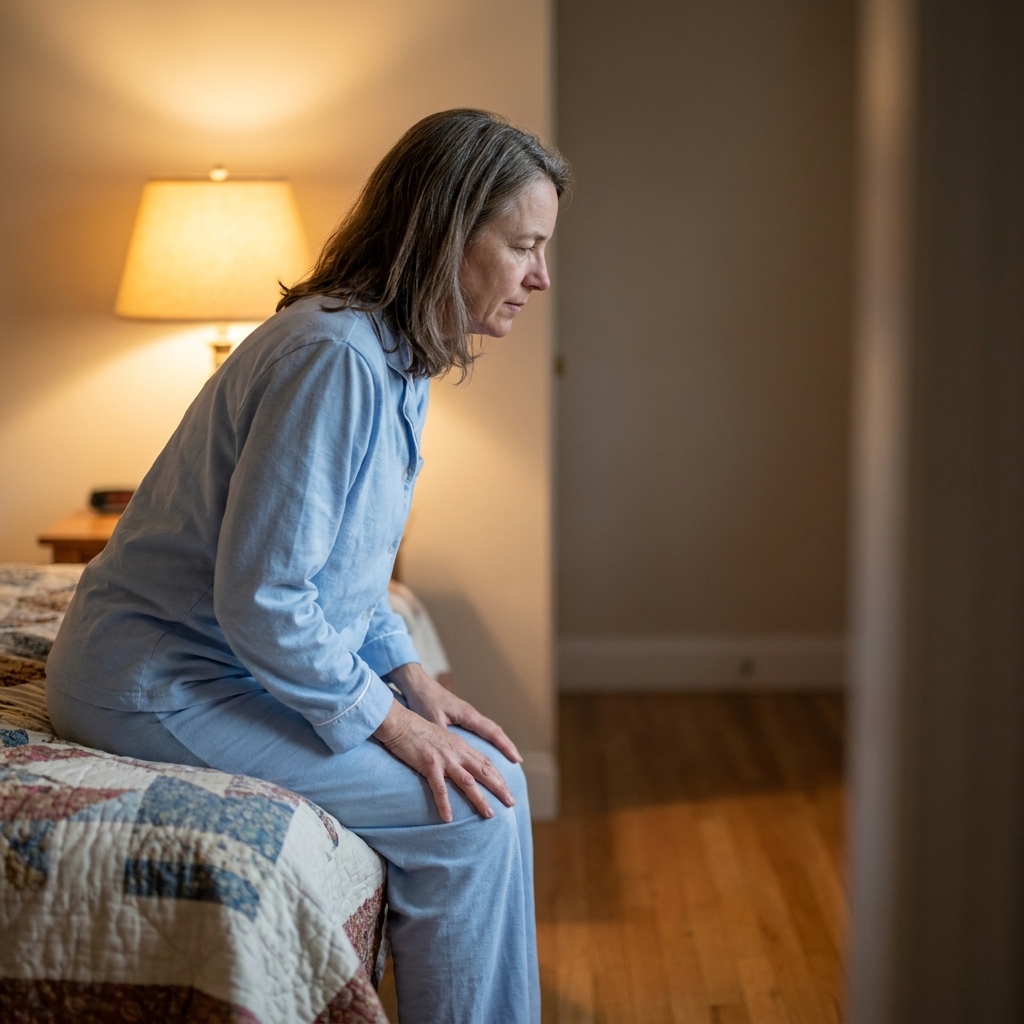
My bedside rule: If you wake up at night, sit on the edge of the bed for a few breaths before standing. This can reduce lightheadedness and “first-step wobble” from blood pressure shifting.
Bathroom (one of the highest-risk rooms)
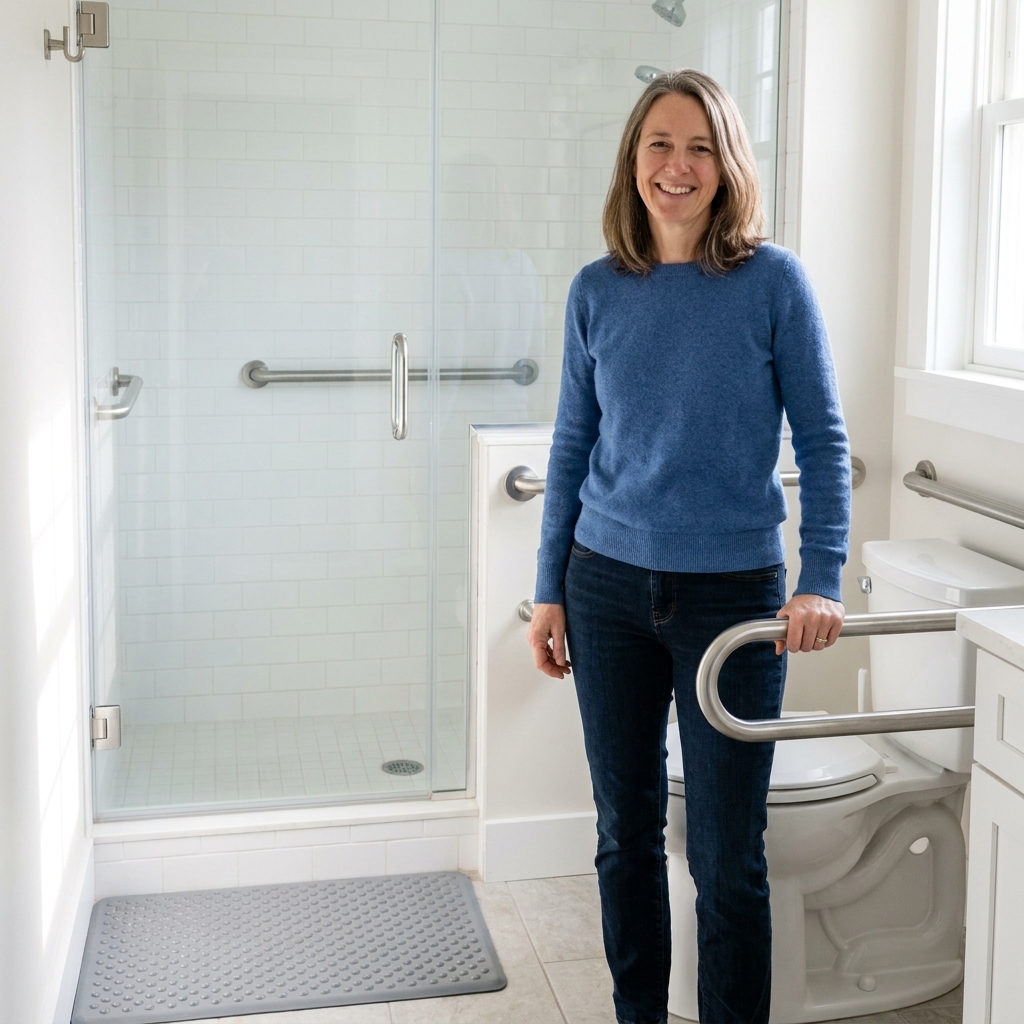
- Install grab bars: One by the toilet and one in the shower or tub. Towel bars are not grab bars.
- Add non-slip surfaces: Non-slip bath mat outside the tub and non-slip strips or mat inside.
- Consider a shower chair: Especially if you feel unsteady when closing your eyes to rinse hair.
- Handheld shower head: Makes seated showering safer and easier.
- Raised toilet seat: Helpful for knee and hip pain and for reducing strain when standing.
Kitchen
- Stop climbing: Keep frequently used items between waist and shoulder height.
- Use a stable step stool only if needed: If you must use one, choose a wide base with a handhold, and only when you feel steady.
- Clean spills immediately: Even a small slick spot can cause a serious fall.
- Wear shoes in the kitchen: Bare feet and socks slide more than most people realize.
Stairs and outdoor areas
- Two handrails if possible: One on each side gives more options for support.
- High-contrast step edges: A subtle contrast strip can help depth perception.
- Fix uneven walkways: Cracked steps and lifted pavers are frequent culprits.
- Seasonal safety: Keep salt or sand handy for icy days, and use outdoor lighting at dusk.

Daily habits that lower fall risk
Choose safer footwear
Footwear is one of the most overlooked fall-prevention tools.
- Wear closed-back shoes that stay on your heel.
- Look for a thin, non-slip sole and a wide, stable base.
- Avoid slippers that collapse, socks on smooth floors, and shoes with worn tread.
Care for your feet
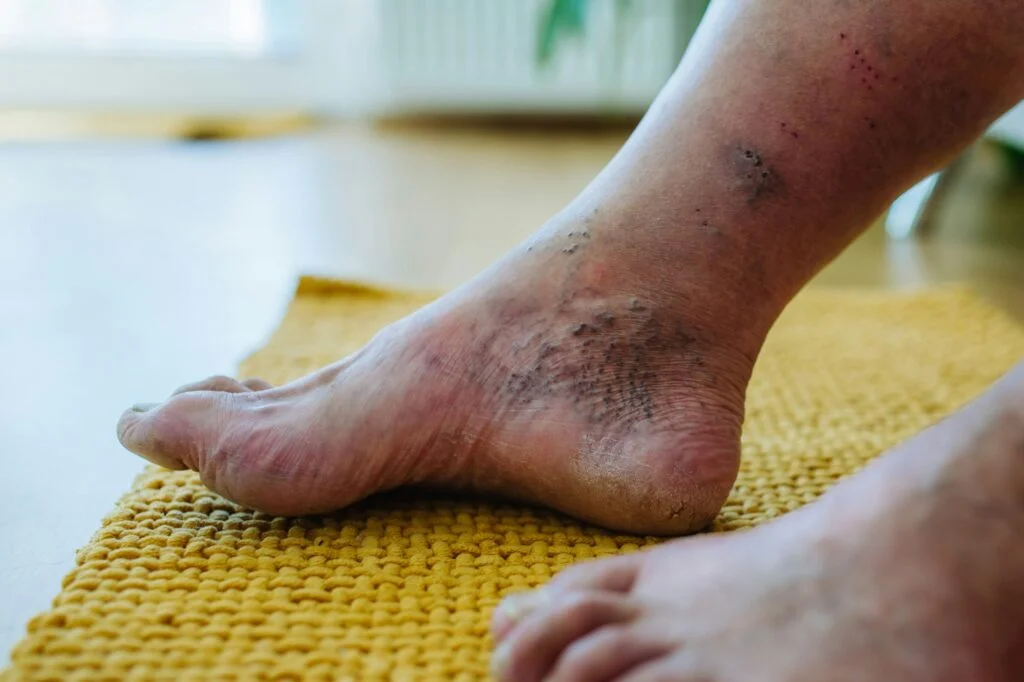
If your feet hurt, feel numb, or do not fit comfortably in your shoes, your balance pays the price.
- If you have neuropathy, painful calluses, or deformities (like bunions), ask about podiatry or foot-focused physical therapy.
- Bring your most-worn shoes to appointments. Fit matters as much as the label.
Stand up slowly (orthostatic hypotension)
Some people get lightheaded when moving from lying or sitting to standing, often due to a blood pressure drop. This is called orthostatic hypotension, and it is a very treatable fall risk.
- Before standing, sit for a moment and take a few calm breaths.
- Hydrate unless you have been told to restrict fluids.
- Ask your clinician to review contributors such as diuretics, blood pressure medications, dehydration, and anemia.
Review medications with your clinician or pharmacist
Some medications raise fall risk, especially when starting a new dose or combining multiple medicines. Ask for a fall-risk review if you take:
- Sleep aids or sedatives
- Anti-anxiety medications
- Opioid pain medications
- Some antidepressants
- Blood pressure medications that may cause dizziness
- Medications that affect blood sugar and can cause lows
Never stop a medication on your own. The safer move is a guided plan, sometimes including dose changes, timing adjustments, hydration strategies, or substitutions.
Protect your vision and hearing
- Keep eyeglass prescriptions up to date, especially if you notice more glare at night.
- If you wear bifocals or progressives, take extra care on stairs and uneven ground.
- Address hearing loss if you can, since hearing support may improve awareness and safety cues, especially in busy environments.
Fuel your bones and muscles
Stronger muscles help you catch yourself. Stronger bones help you if you cannot.
- Protein with meals: Aim for a protein source at breakfast, lunch, and dinner if allowed by your health conditions.
- Vitamin D and calcium: Ask your clinician what is appropriate for you, especially if you have osteoporosis risk. Vitamin D is most helpful when levels are low, and routine high-dose supplementation is not right for everyone.
- Hydration: Dehydration can worsen dizziness and low blood pressure.
If you have osteoporosis or a history of fracture, fall prevention is even more important. The same fall that causes a bruise in one person can cause a hip fracture in another.
Simple balance and strength exercises (10 minutes a day)
These moves are meant to be gentle and consistent, not intense. Do them near a sturdy counter or heavy chair you can hold for support. If anything causes sharp pain, chest pain, or significant dizziness, stop and check in with your clinician.
1) Sit-to-stand
How: Sit in a firm chair. Scoot forward, feet flat under knees. Lean slightly forward and stand up. Sit back down slowly.
- Start with 5 repetitions, build to 10.
- If needed, use the chair arms at first, then work toward less hand support.
2) Heel-to-toe walk
How: Walk a straight line placing the heel of one foot directly in front of the toes of the other foot.
- Try 10 steps down the hallway.
- Keep one hand hovering near the wall for safety.
3) Single-leg stand
How: Hold the counter with one hand. Lift one foot a few inches and balance on the other.
- Hold 10 to 20 seconds per side.
- Repeat 2 times each side.
4) Side leg raises
How: Stand tall, hold the counter, lift one leg to the side without leaning. Lower slowly.
- 8 to 12 repetitions per side.
5) Toe and heel raises
How: Holding support, rise onto toes, lower. Then lift toes while keeping heels down.
- 10 repetitions each.
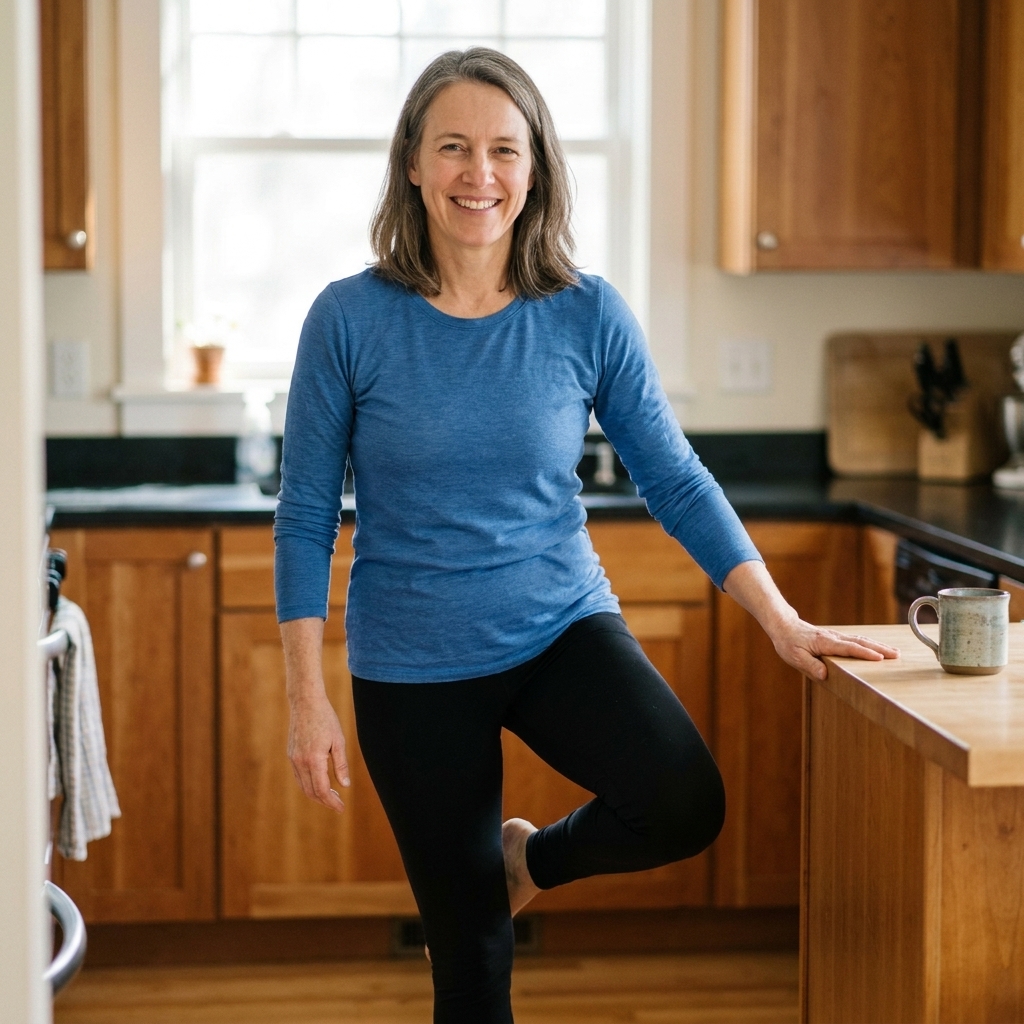
Consistency tip: Pair your exercises with a routine you already have, like waiting for the coffee to brew or after brushing your teeth. Habits stick best when they have an anchor.
Extra options that work well
If you want more support than a 10-minute routine, you have good, evidence-backed options.
- Tai Chi: A gentle, structured way to build balance and body awareness over time.
- Physical therapy: Great for targeted strength, gait training, and vestibular issues.
- Occupational therapy home assessment: A practical, room-by-room safety evaluation with personalized recommendations.
When a cane or walker helps
Assistive devices can reduce falls, but they do so most reliably when they are properly fitted and used consistently.
- Good signs you may benefit: you hold furniture to walk, you avoid activities because you feel unsteady, or you have had near-falls.
- Common pitfalls: using a device that is too tall or too short, forgetting it in another room, or switching between devices without guidance.
A physical therapist can fit the device to your height, teach safe technique, and recommend the best option for your home layout.
What to do if a fall happens
Even with prevention, accidents can occur. A plan reduces panic and gets help faster.
If you fall
- Pause and breathe. Check for pain, bleeding, or inability to move.
- If you may be injured, do not rush to stand. Call for help.
If you can get up safely
- Roll onto your side.
- Get onto hands and knees.
- Crawl to a stable chair or couch.
- Bring one knee forward into a half-kneel.
- Use the chair to help stand slowly, then sit and rest.
Consider a personal emergency response option
If you live alone or spend time alone at home, a wearable alert device or phone-based emergency check-in can be lifesaving, especially after a head injury.
Call your clinician urgently if
- You hit your head, especially if you take blood thinners (anticoagulants like warfarin or DOACs, or antiplatelets like clopidogrel)
- You have new confusion, severe headache, or vomiting after a fall
- You cannot bear weight, or you have hip, wrist, or back pain that suggests a fracture
- You feel faint, have chest pain, or shortness of breath before or after the fall
- You have multiple falls, a sudden change in balance, or new weakness
If you are ever unsure, it is safer to get checked. Many serious injuries are not obvious right away.
Quick print-style checklist
Use this as a simple starting point and tackle one area per day or per weekend.
- Remove or secure throw rugs
- Add night lights in bedroom, hallway, bathroom
- Install grab bars in bathroom
- Place non-slip mats inside and outside the tub or shower
- Keep walkways clear of cords, clutter, pet bowls, and pet toys
- Wear supportive, non-slip shoes indoors
- Review medications for dizziness or sleepiness
- Stand up slowly and hydrate if appropriate
- Do 10 minutes of balance and leg-strength exercises daily
- Schedule vision check if your prescription is outdated
- Consider PT or OT if you feel unsteady
FAQs
What is the single most important home change to prevent falls?
If I have to pick one, it is bathroom safety, specifically grab bars and non-slip surfaces. Bathrooms combine water, hard surfaces, and awkward movements, which is a risky mix.
Are balance exercises safe if I already feel unsteady?
Often yes, as long as you do them with support nearby and start gently. If you have significant unsteadiness, recent falls, Parkinson’s disease, neuropathy, or vertigo, ask your clinician for a physical therapy referral for a tailored plan.
Can vitamin D prevent falls?
Vitamin D may help some people by supporting muscle function, especially if levels are low. It is not a one-size-fits-all supplement, and routine high-dose vitamin D is not universally recommended. The safest approach is to ask your clinician whether you should be tested or supplement, since needs vary based on diet, sun exposure, kidney health, and medications.
When should I ask for a fall risk evaluation?
Ask if you have fallen in the past year, have had near-falls, feel unsteady, or are limiting activity because you are afraid of falling. That conversation can lead to medication adjustments, PT, vision support, and home safety recommendations.