If your ankles or feet look puffier than usual, you are not alone. Swelling in the lower legs (often called edema) is common, and sometimes it is as simple as sitting too long on a flight. Other times, it may be a sign to look more closely at your heart, kidneys, veins, lymph system, or medications.
Below, I will walk you through the most common medical causes, what you can safely try first at home, and exactly when swelling should be treated as urgent.
First, a quick self-check
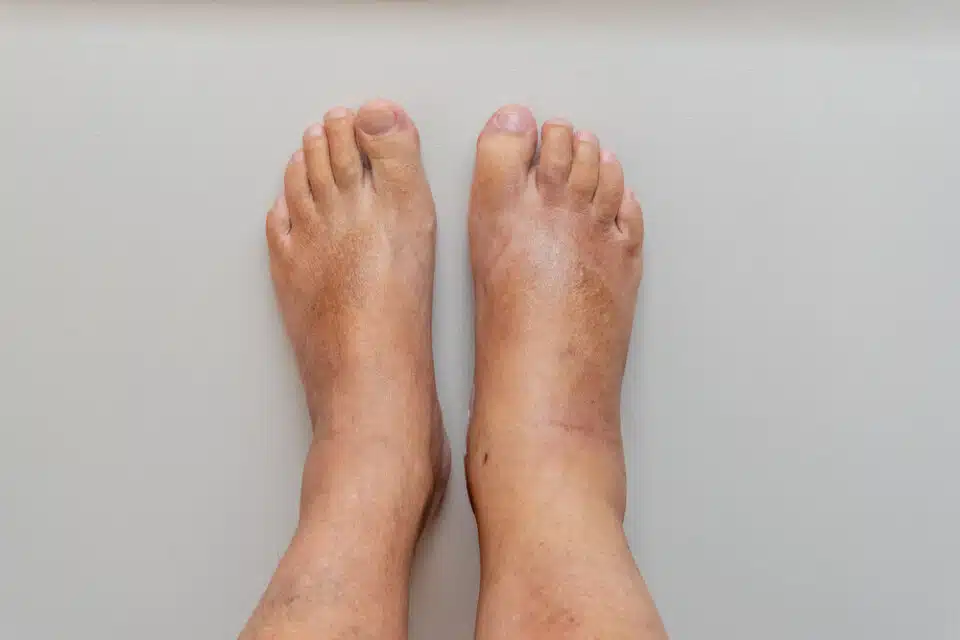
These simple observations help narrow down what is going on:
- One foot or both? One-sided swelling often points to a local issue (injury, infection, blood clot). Both sides more often suggests fluid balance, medication effects, vein or lymph issues, or a whole-body cause.
- Sudden or gradual? Sudden swelling can be more concerning, but some serious causes build gradually (heart failure, kidney disease, liver disease, venous disease). And some sudden swelling can be benign (after a long day on your feet, heat exposure, a salty meal, or intense exercise). Think of the pattern as a clue, not a diagnosis.
- Pitting or non-pitting? Press a thumb into the swollen area for 5 to 10 seconds. If it leaves a dent that slowly fills in, that is pitting edema and is commonly related to fluid retention or vein issues. Non-pitting swelling can happen with thyroid problems or lymphedema.
- Any pain, redness, or warmth? Those symptoms raise concern for infection, gout, inflammation, or a blood clot.
- Any shortness of breath, chest symptoms, or new fatigue? Those can be heart or lung-related red flags.
8 common medical causes of swollen ankles and feet
1) Dependent edema (gravity-related fluid pooling)
This is one of the most common benign reasons people notice ankle swelling. When you sit or stand for long stretches, fluid can pool in the legs and feet. Heat, long travel days, and salty meals can make it worse.
Clues it fits: swelling is worse at the end of the day, improves overnight, and affects both ankles. You might notice sock lines.
What helps: regular walking breaks, calf pumps (flexing ankles up and down), leg elevation, and compression socks if appropriate for you.
2) Medication side effects
Several medications can cause ankle and foot swelling by widening blood vessels or shifting how your body holds onto salt and water.
- Common culprits: calcium channel blockers (especially amlodipine), NSAIDs like ibuprofen or naproxen, steroids (like prednisone), some diabetes medications (thiazolidinediones such as pioglitazone), some hormonal medications, and certain antidepressants.
- Clues it fits: swelling begins days to weeks after starting a new medication or increasing a dose, often affecting both sides.
Important: do not stop a prescribed medication abruptly without guidance. Call your clinician to ask if the swelling could be a side effect and whether a dose change or alternative is safer.
3) Vein problems (chronic venous insufficiency or varicose veins)
Your leg veins rely on one-way valves to push blood back toward the heart. If those valves weaken, blood can settle in the lower legs, leading to swelling and skin changes over time.
Clues it fits: swelling that worsens with standing, achy or heavy legs, visible varicose veins, itching, or skin discoloration around the ankles (often brownish). In more advanced cases, you may see thickened skin or sores near the ankle.
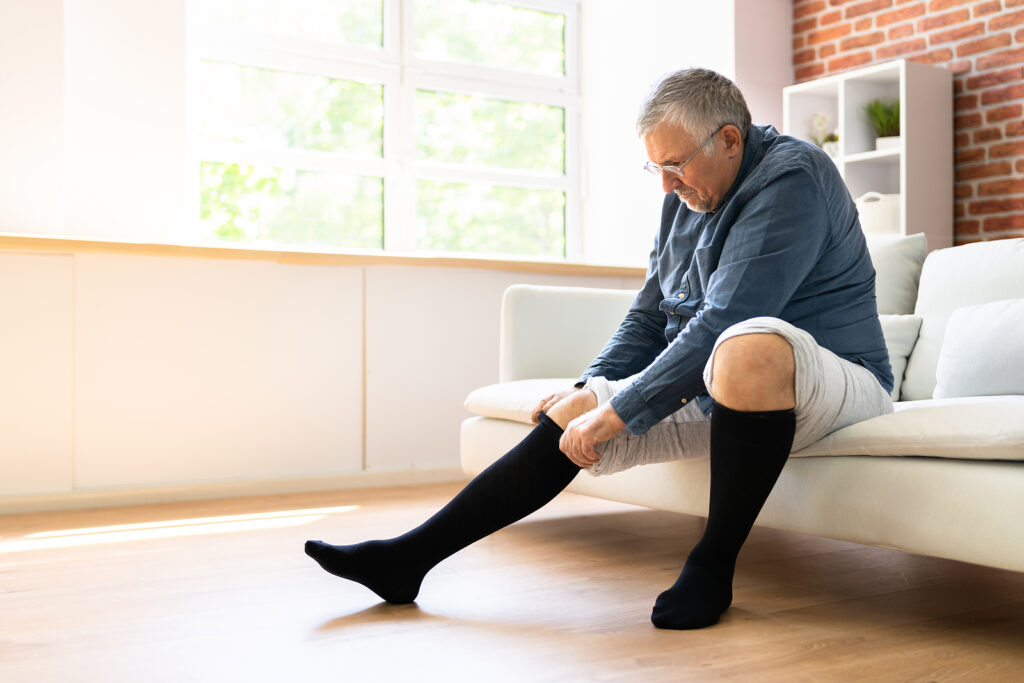
What helps: compression stockings (proper size matters), leg elevation, walking and calf strengthening, and avoiding long periods of standing still. Persistent symptoms deserve evaluation because untreated venous disease can lead to skin breakdown and ulcers.
4) Lymphedema (lymph fluid buildup)
Your lymph system helps move fluid back into circulation. If lymph drainage is impaired, fluid can build up in the tissues and cause swelling that may feel firm or tight.
Clues it fits: swelling that may be non-pitting, a heavy or tight sensation, skin that looks thickened over time, and swelling that does not improve much overnight. It can affect one leg or both. It is more likely after lymph node surgery or radiation, but it can also happen without those triggers.
What helps: early evaluation matters. Treatment often includes compression (with the right fit and approach), specialized physical therapy, and skin care to reduce infection risk.
5) Injury or inflammation (sprain, fracture, tendon irritation, arthritis, gout)
Swelling is part of your body’s inflammatory response. Even a mild ankle sprain can swell noticeably. Arthritis flares, gout, and tendon issues can also cause swelling, sometimes with warmth and pain.
Clues it fits: swelling is worse on one side, tied to a specific joint, and accompanied by pain, tenderness, bruising, or limited movement.
What helps: rest, ice, compression, elevation (the RICE approach) for short-term injury care, plus evaluation if you cannot bear weight, the swelling is severe, or pain is escalating.
6) Pregnancy (and postpartum changes)
Mild foot and ankle swelling is very common in pregnancy because of increased blood volume, hormonal changes, and pressure from the growing uterus on pelvic veins.
Clues it fits: swelling tends to be bilateral and worse later in pregnancy, especially in warm weather or after standing.
Extra caution: sudden swelling of the face or hands, severe headache, vision changes, right upper abdominal pain, or high blood pressure can signal preeclampsia and should be treated as urgent. Also, pregnancy increases the risk of blood clots, so one-sided leg swelling with pain, warmth, or redness should be treated as urgent.
7) Heart-related fluid overload (heart failure and other cardiac issues)
When the heart is not pumping efficiently, fluid can back up and collect in the legs and feet. This is not the only cause of swelling, but it is one we take very seriously, especially when paired with breathing symptoms.
Clues it fits: swelling in both legs plus shortness of breath, reduced exercise tolerance, needing extra pillows to sleep, waking up short of breath, or rapid weight gain over a few days.
Why it matters: heart-related swelling often requires prompt evaluation and medication adjustments. Sudden swelling with shortness of breath is especially urgent.
8) Kidney, liver, or thyroid problems (fluid and protein balance issues)
Your kidneys help regulate salt and water balance, and your liver helps make proteins that keep fluid in the bloodstream. Thyroid conditions can also change how fluid is held in tissues. When these systems are out of balance, swelling can show up in the legs and feet.
- Kidney clues: foamy urine, changes in urination, new high blood pressure, swelling around the eyes in the morning, or generalized puffiness.
- Liver clues: abdominal swelling (fluid in the belly), easy bruising, yellowing of the skin or eyes, or widespread itching. Urine can look darker in some liver conditions, but it is not a reliable sign on its own.
- Thyroid clues: swelling that is more likely non-pitting, plus fatigue, weight gain, constipation, dry skin, or cold intolerance.
Next step: these causes need medical evaluation with labs and sometimes imaging.
What you can try at home for mild swelling
If swelling is mild, affects both ankles or feet, and you feel otherwise well, these steps often help within a few days:
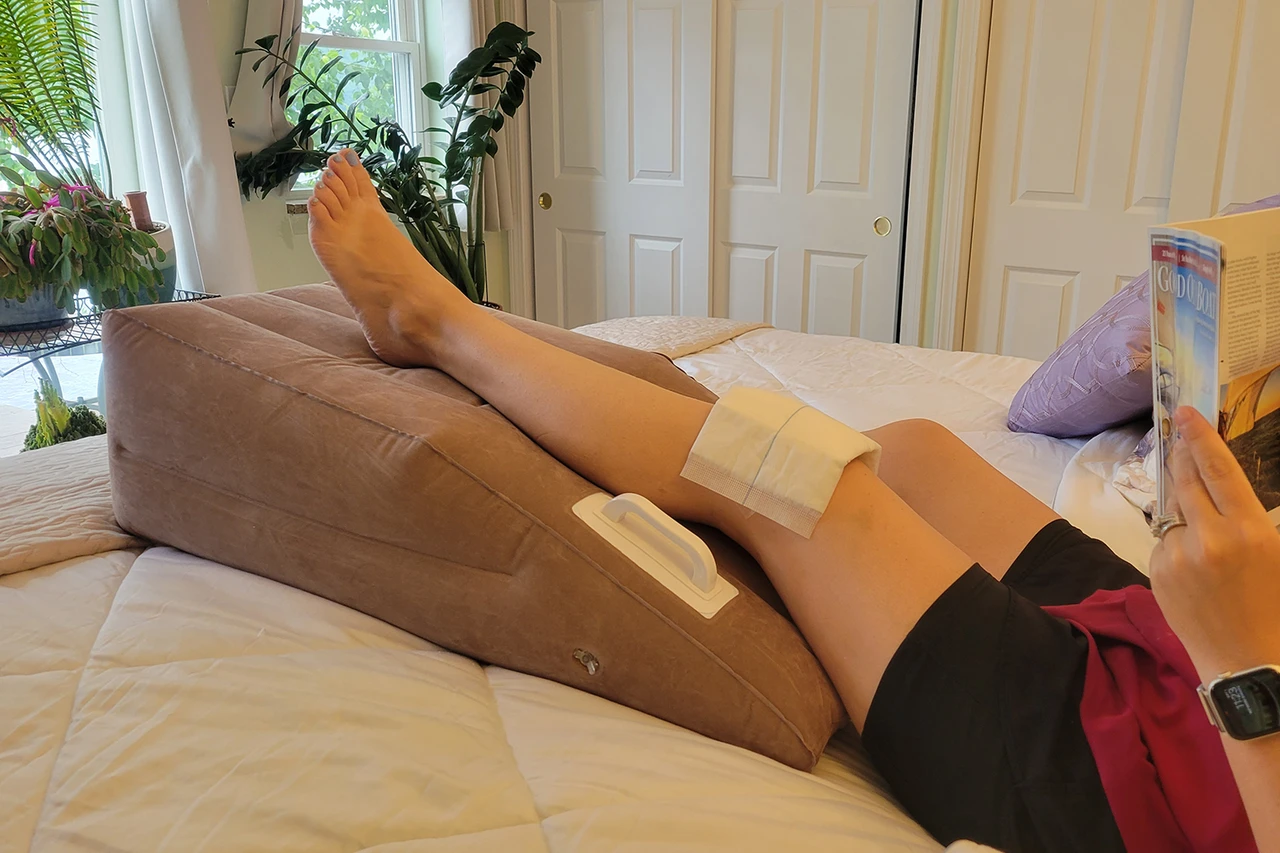
- Elevate your legs above heart level for 20 to 30 minutes, 2 to 3 times per day.
- Move regularly: short walks, ankle circles, and calf pumps every hour when sitting.
- Reduce sodium for a week: minimize packaged foods, soups, deli meats, chips, and restaurant meals. Aim for more home-cooked meals with herbs, citrus, garlic, and spices.
- Hydrate consistently: dehydration can contribute to fluid retention for some people, especially in heat or when combined with high sodium intake.
- Compression stockings can be very helpful for venous swelling and travel, but ask a clinician first if you have known or suspected peripheral artery disease (for example, rest pain or non-healing ulcers), significant numbness or neuropathy, or open wounds.
- Check your shoes: tight shoes can make swelling feel worse and increase skin irritation. Choose supportive footwear with room in the toe box.
A practical tracking tip: weigh yourself in the morning after using the bathroom, before eating. A quick jump in weight can reflect fluid retention and is useful information for your clinician.
When to worry: a clear decision guide
Get emergency care now (call emergency services)
- Shortness of breath, chest pain, fainting, or coughing up pink, frothy sputum
- One leg suddenly swollen with pain, warmth, redness, or tenderness, especially in the calf or behind the knee (possible blood clot). Risk is higher if you recently had surgery, were immobilized or on a long trip, are pregnant or postpartum, take estrogen, have active cancer, or have had a prior DVT or PE.
- Sudden swelling after a major injury with deformity, inability to bear weight, or severe pain
- Signs of severe infection: fever plus rapidly spreading redness, severe pain, or red streaking up the leg
Seek same-day medical care (urgent visit or same-day appointment)
- New swelling that is persistent and unexplained, especially if you have heart, kidney, or liver disease
- Swelling with high blood pressure, new headaches, or vision changes
- Pregnancy with sudden swelling, headaches, vision changes, upper abdominal pain, or one-sided leg swelling or pain
- New swelling after starting a medication, especially if it is increasing
- Skin breakdown, weeping fluid, a new sore, or worsening discoloration around the ankles
Schedule a routine appointment soon
- Mild swelling that keeps returning for more than 2 weeks
- Swelling plus varicose veins, heaviness, or itchy or discolored skin (possible vein disease)
- Swelling with fatigue, weight changes, constipation, or cold intolerance (possible thyroid-related issue)
- Swelling that seems firm or persistent with skin thickening (possible lymphedema)
What to expect at a medical visit
If you come in for ankle or foot swelling, here is what we typically do:
- History and exam: onset, one-sided versus both, medication review, heart and lung exam, skin check, pulses, and a quick pitting assessment.
- Basic tests may include urine testing, kidney and liver labs, electrolytes, thyroid testing, and sometimes a heart marker (BNP or NT-proBNP) depending on symptoms.
- Imaging when needed: a leg ultrasound for suspected blood clot, an echocardiogram for heart function concerns, or other studies based on your exam.
Bring a list of your medications and supplements, and note any recent changes in dose.
FAQ
Why are my ankles swollen at night but fine in the morning?
This pattern often points to dependent edema or vein-related swelling. Gravity pulls fluid downward during the day, and lying flat overnight helps it reabsorb. If it is becoming more frequent, more severe, or comes with shortness of breath, it is worth getting checked.
Can dehydration cause swollen feet?
It can contribute in some cases. When your body senses low fluid intake, it may hold onto sodium and water more tightly, especially in heat or when sodium intake is high. Aim for steady hydration and limit high-sodium foods.
Do diuretics (water pills) help?
Sometimes, but they are not a DIY fix. Diuretics can affect electrolytes and kidney function and can be unsafe in certain conditions. If swelling is significant enough that you are considering a diuretic, that is a good signal to speak with a clinician.
Are compression socks always safe?
They are helpful for many people, especially with venous insufficiency and travel-related swelling. But if you have known or suspected poor circulation in the legs (peripheral artery disease), significant numbness or neuropathy, or open wounds, you should get medical guidance before using compression.
A gentle bottom line
Most ankle and foot swelling is manageable, and many cases improve with movement, elevation, and sodium awareness. The key is not to ignore swelling that is new, one-sided, sudden, painful, persistent, or paired with breathing symptoms, or swelling that keeps returning.
If you are unsure where your symptoms fit, it is appropriate to call your clinician and describe exactly what you are seeing. You deserve clear answers and a plan that feels safe.