In clinic, one of the most common questions I hear from parents after a urinary tract infection is, “How did this happen, and could it hurt the kidneys?” Sometimes the answer involves vesicoureteral reflux, often shortened to VUR. It sounds intimidating, but the core idea is straightforward: urine is taking the wrong direction.

VUR is most often diagnosed in childhood, and many kids outgrow it. The key is figuring out which children can be watched safely and which ones need more active protection from infection and kidney damage.
Vesicoureteral reflux, explained simply
Normally, urine flows one way: kidneys → ureters → bladder → out of the body.
With vesicoureteral reflux, urine can flow backward from the bladder up a ureter and sometimes all the way toward the kidney.
This backflow happens because the “valve” mechanism where the ureter enters the bladder is not working as well as it should. In many children, the ureter’s tunnel through the bladder wall is shorter than ideal, so pressure in the bladder can push urine back up.
Why VUR matters
VUR itself is not always a problem day-to-day. The bigger concern is what happens if bacteria get into the urinary tract.
VUR can make UTIs more serious
A bladder infection (cystitis) can become more dangerous when reflux is present because bacteria can ride that backward flow up toward the kidney. That raises the risk of pyelonephritis, a kidney infection that often causes fever.
So, when clinicians talk about VUR, you will often hear it in the same sentence as:
- Febrile UTI (a UTI with fever)
- Pyelonephritis
- Renal scarring (scar tissue in the kidney after inflammation)
Not every child with VUR gets kidney damage
It’s important to say out loud: many children with VUR never develop kidney problems. Risk depends on factors like reflux grade, infection history, whether the child has bowel and bladder dysfunction, and how quickly infections are recognized and treated.
Also, when we talk about “kidney scarring,” there is nuance. Some scars are associated with kidney infections (especially recurrent or delayed-to-treat pyelonephritis), but some children have areas of abnormal kidney development (sometimes called dysplasia or reflux nephropathy) that may be present early, even before infections.
Primary vs. secondary VUR
VUR is often described as either primary or secondary:
- Primary VUR: the valve mechanism at the ureter-bladder junction is underdeveloped. This is the classic childhood form and often improves with growth.
- Secondary VUR: reflux occurs because of higher bladder pressures or obstruction, such as certain bladder emptying problems or an anatomical blockage. Management focuses on the underlying cause in addition to the reflux.
VUR grades (I to V)
VUR is categorized into five grades based on how far urine refluxes and whether the ureter and kidney collecting system look stretched.
In plain language:
- Grade I: urine backs up into the ureter only.
- Grade II: urine reaches the kidney collecting system (renal pelvis) but without dilation.
- Grade III: mild to moderate stretching (dilation) of the ureter and kidney collecting system.
- Grade IV: more pronounced dilation and some twisting of the ureter.
- Grade V: severe dilation and ureteral twisting with loss of normal contours in the collecting system.
As a general rule, lower grades (I to II) are more likely to resolve on their own, while higher grades (IV to V) are less likely to resolve and carry higher infection and kidney-scar risk.
How VUR is diagnosed
VUR is most commonly discovered after a child has a UTI, especially a febrile UTI. Testing choices vary depending on age, the number of infections, ultrasound findings, and local practice guidelines.
It is also worth knowing that not every child with a first febrile UTI automatically needs a VCUG. Many practices start with an ultrasound first and reserve VCUG for certain situations (for example, abnormal ultrasound findings or recurrent infections).
Common tests you may hear about
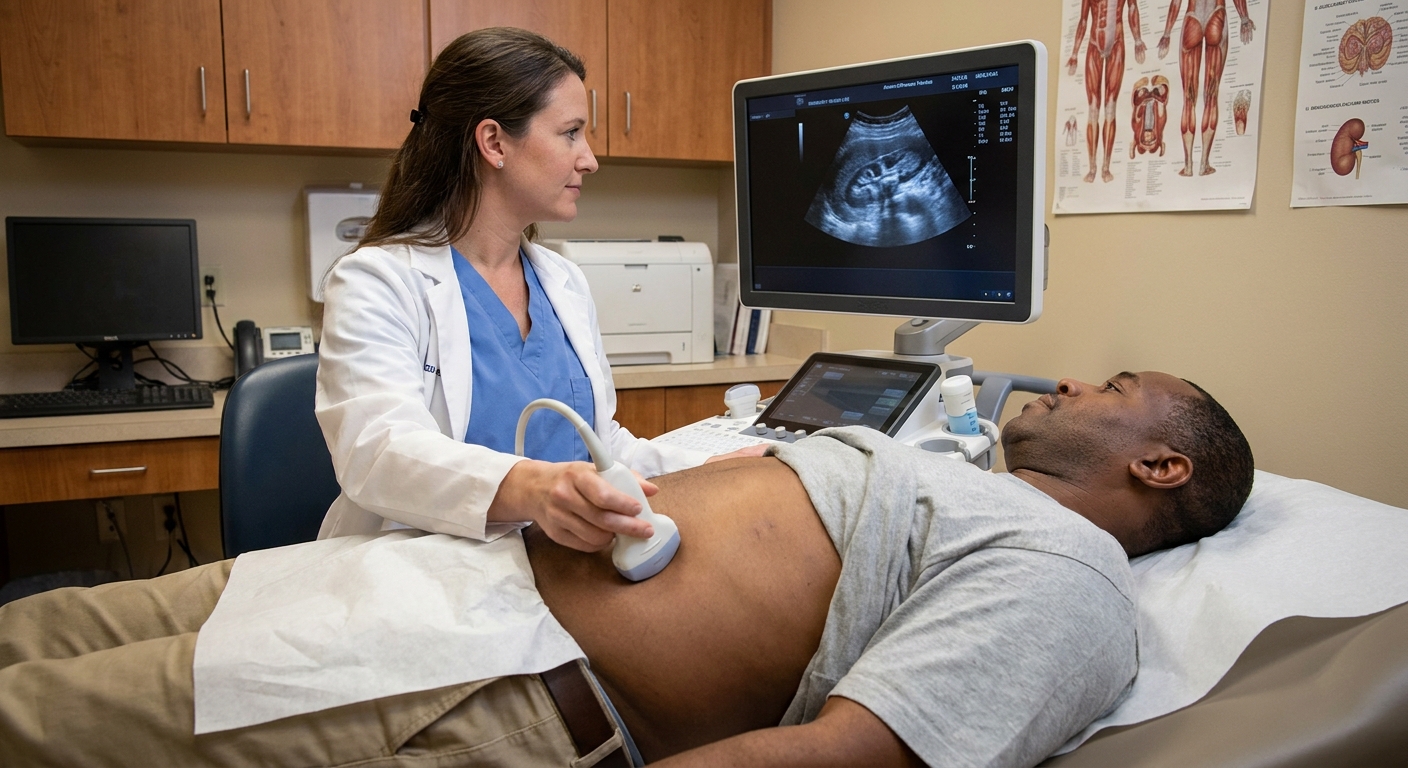
- Renal and bladder ultrasound: looks for kidney size and shape, swelling of the collecting system, bladder wall changes, and other anatomy clues. Ultrasound alone cannot “grade” reflux, but it can show effects that raise suspicion.
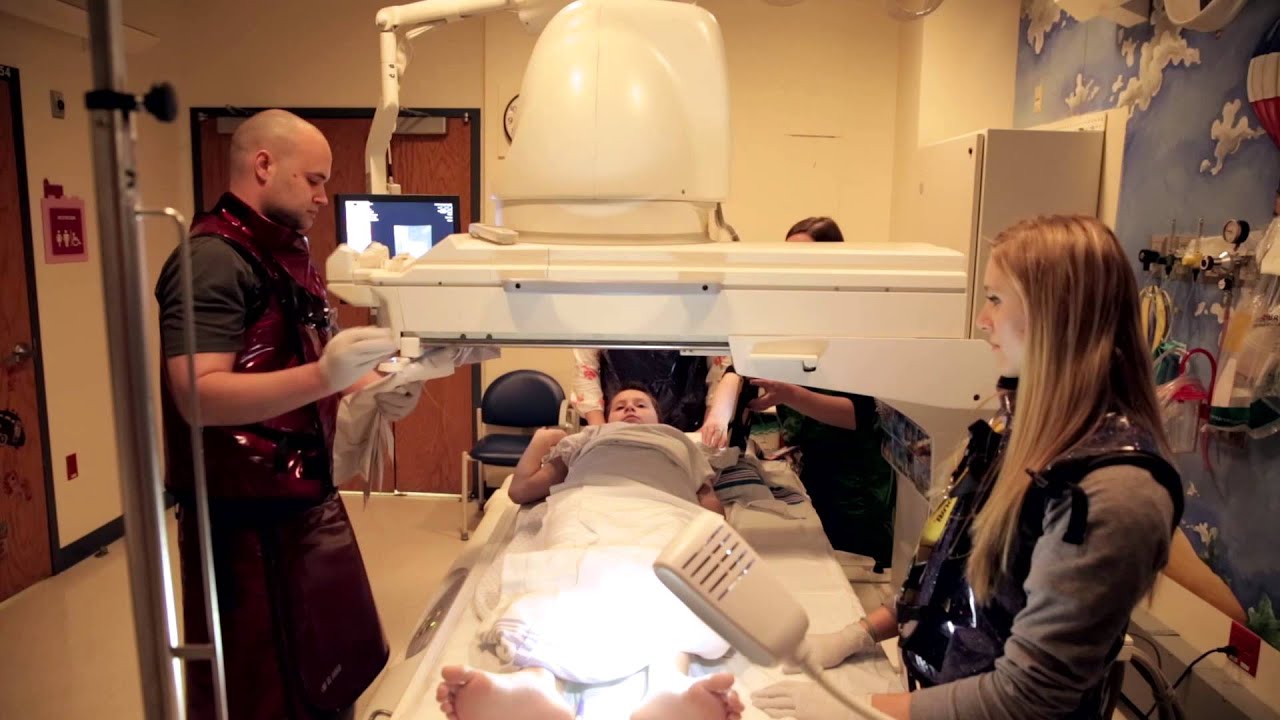
- Voiding cystourethrogram (VCUG): the classic test to diagnose and grade VUR. A small catheter fills the bladder with contrast; images are taken while the bladder fills and while the child urinates.
- Radionuclide cystogram: uses a tiny amount of radioactive tracer. It can detect reflux with lower radiation exposure but gives less anatomical detail than a VCUG in many settings.
- DMSA renal scan: sometimes used to evaluate for kidney scarring or acute kidney inflammation in select cases.
If your child’s clinician recommends a VCUG, ask what question they are trying to answer. In pediatrics, we always weigh the value of information against the stress and invasiveness of testing.
After diagnosis, many children are followed with periodic visits and a prevention plan. Repeat imaging is individualized, and a repeat VCUG is not always necessary, so it is reasonable to ask what follow-up imaging, if any, is expected.
Treatment options
There is no one-size-fits-all plan for VUR. The goal is to prevent kidney infections and protect kidney tissue while giving children who are likely to outgrow reflux the chance to do so.
Option 1: Observation
For many children, especially those with low-grade reflux and no recurrent febrile UTIs, a reasonable approach is careful observation. This often includes:
- Monitoring growth and blood pressure during routine visits
- Periodic urine testing when symptoms occur
- Repeat imaging in selected cases, based on grade and history
- A clear plan for what to do if fever or urinary symptoms develop
In families I work with, the most powerful tool during observation is not “doing nothing.” It’s having a fast response plan for fever and possible UTI.
In higher-risk children (for example, recurrent kidney infections or known scarring), clinicians may also monitor kidney function over time, because blood pressure and kidney health are linked long-term.
Option 2: Antibiotic prophylaxis (CAP)
Antibiotic prophylaxis means a child takes a small daily dose of an antibiotic to reduce the chance of UTIs while reflux is present.
CAP is more commonly considered when, depending on the guideline and the child’s individual risk factors:
- VUR is higher grade
- A child has had recurrent UTIs, especially febrile UTIs
- There are additional risk factors such as bowel and bladder dysfunction
- The child is very young and at higher risk of complications from kidney infection
CAP is not “forever.” It’s typically re-evaluated over time as the child grows, toilet training progresses, imaging changes, or infection history evolves.
Tradeoffs to discuss with your clinician: possible side effects (like upset stomach), yeast infections, and antibiotic resistance versus the benefit of preventing kidney infections.
Option 3: Treat bowel and bladder dysfunction
If a child struggles with constipation, holding urine, daytime accidents, or incomplete bladder emptying, it can raise bladder pressures and increase UTI risk. Addressing these issues can significantly improve outcomes, with or without antibiotics.
Common steps include:
- Regular toilet sitting and timed voiding
- Managing constipation with diet changes and clinician-guided medications when needed
- Hydration routines appropriate for age
- Referral to pediatric urology or pelvic floor therapy when indicated
Option 4: Surgery or procedures
Surgery is usually reserved for situations where the risk of ongoing kidney infection or damage outweighs the risks of intervention.
Surgery or a corrective procedure may be considered when:
- VUR is high grade and unlikely to resolve
- There are breakthrough febrile UTIs despite good adherence to prophylaxis and bladder-bowel management
- There is evidence of kidney damage or worsening kidney appearance over time
- A child cannot tolerate prophylactic antibiotics or the family’s situation makes reliable prevention and rapid treatment difficult
Two broad procedural approaches are commonly discussed:
- Endoscopic injection: a bulking agent is injected near the ureter opening to improve the valve effect. It is less invasive and often outpatient. Success can be lower in higher-grade reflux, and some children need repeat treatment.
- Ureteral reimplantation: a surgical reconstruction that creates a longer tunnel through the bladder wall, improving the one-way valve. This has a high success rate, but it is more invasive.
Your pediatric urologist can explain what is recommended for your child’s grade, anatomy, and infection history.
What to watch for at home
Especially if your child has known VUR, take fevers seriously. Young children can have a kidney infection with very few urinary symptoms.
Signs to call the clinician about
- Fever without an obvious cause (particularly in infants and toddlers)
- Pain or burning with urination
- New urgency, frequency, or accidents after being toilet trained
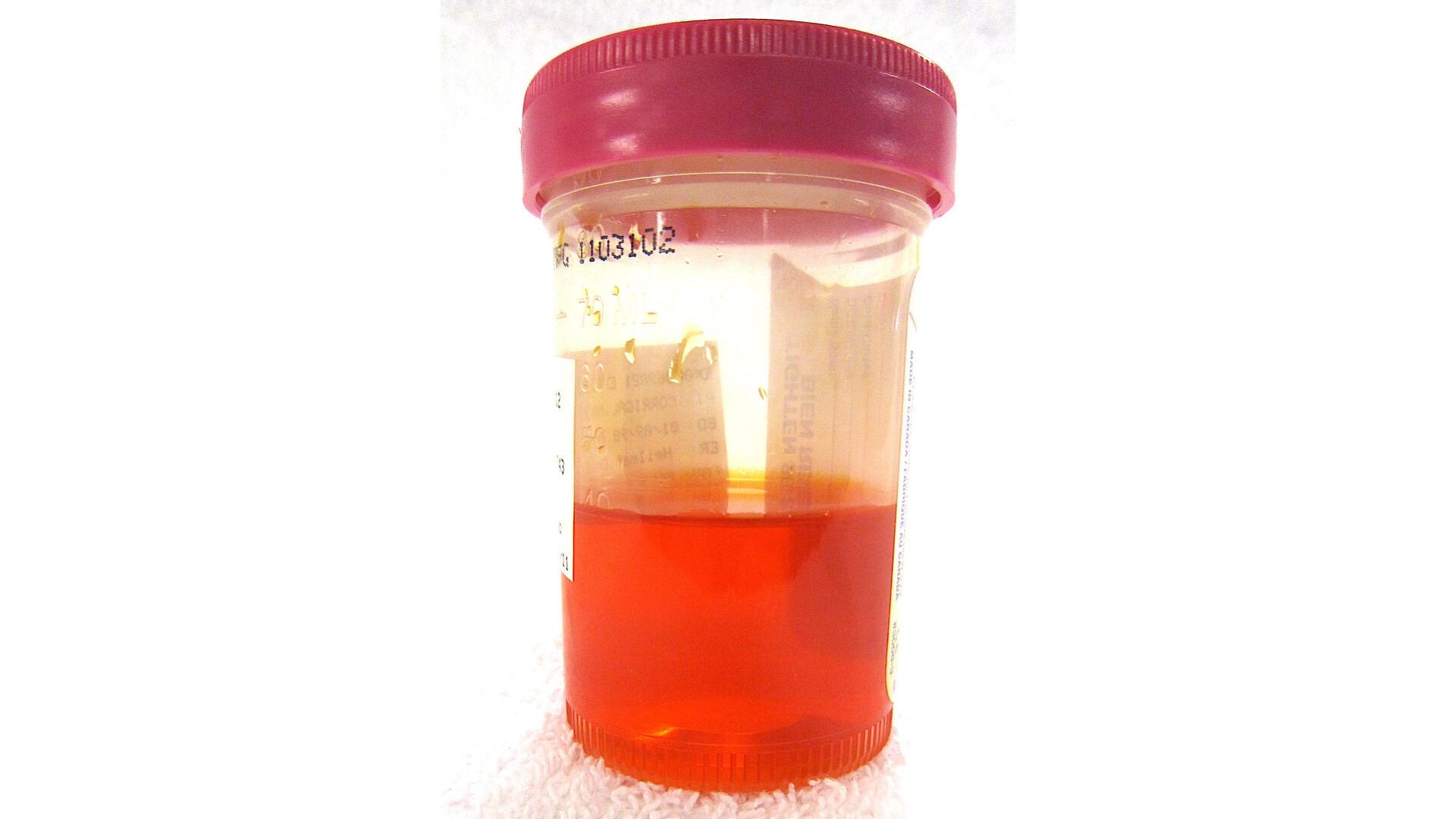
- Foul-smelling urine or blood in the urine
- Back or side pain
- Vomiting, poor feeding, unusual sleepiness, or irritability in babies
If a clinician has told you to obtain a urine sample quickly for fever, ask them for the exact plan so you are not scrambling at 2 a.m. Some families do best with a same-day clinic pathway. Others may need urgent care or emergency evaluation depending on age and symptoms.
Common questions
Do children outgrow VUR?
Many do, especially with Grades I to III. Resolution is less likely and can take longer with Grades IV to V. Your child’s urologist can estimate the chance of resolution based on grade, age, and whether reflux is on one or both sides.
Can VUR run in families?
Yes, VUR can be more common in certain families. If one child has VUR, a clinician may discuss whether siblings need evaluation, particularly if they develop UTIs.
Will my child have symptoms from reflux itself?
Often, no. Many children feel completely fine until a UTI occurs. That is why the focus is prevention and early recognition of infection.
Does VUR always cause hydronephrosis?
No. Reflux can sometimes be associated with swelling of the kidney collecting system, but a child may have VUR with a normal ultrasound, and hydronephrosis can occur for other reasons too. This is one reason a VCUG is sometimes recommended after certain infections or ultrasound findings.
Does circumcision status matter for UTIs?
In infant boys, being uncircumcised is associated with a higher risk of UTI. Whether circumcision should be considered is a personal decision that depends on a family’s values and a child’s medical history. If UTIs are recurring, this is a reasonable topic to discuss with your child’s clinician.
When to seek urgent care
Seek urgent medical evaluation (same day, and sometimes emergency care) if your child has:
- Fever with signs of being very ill (lethargy, difficulty waking, trouble breathing)
- Dehydration (dry mouth, no tears, significantly fewer wet diapers or urination)
- Persistent vomiting
- A fever in a young infant, especially under 3 months
- Known VUR plus fever and flank pain
Prompt treatment of a kidney infection is one of the best ways we protect kidneys long-term.
The takeaway
Vesicoureteral reflux is a condition where urine flows backward from the bladder toward the kidney. In many children, it improves with time, but it can increase the risk of kidney infections and kidney scarring in some situations, especially with higher grades or recurrent infections.
The right plan is individualized. For some families, careful observation and a strong “fever and urine testing” plan are enough. For others, antibiotic prophylaxis, bladder-bowel management, or surgery is the safer route. If you are unsure what your child’s grade means or why a specific approach is recommended, it is always appropriate to ask for the reasoning in plain language. You deserve to understand the plan.