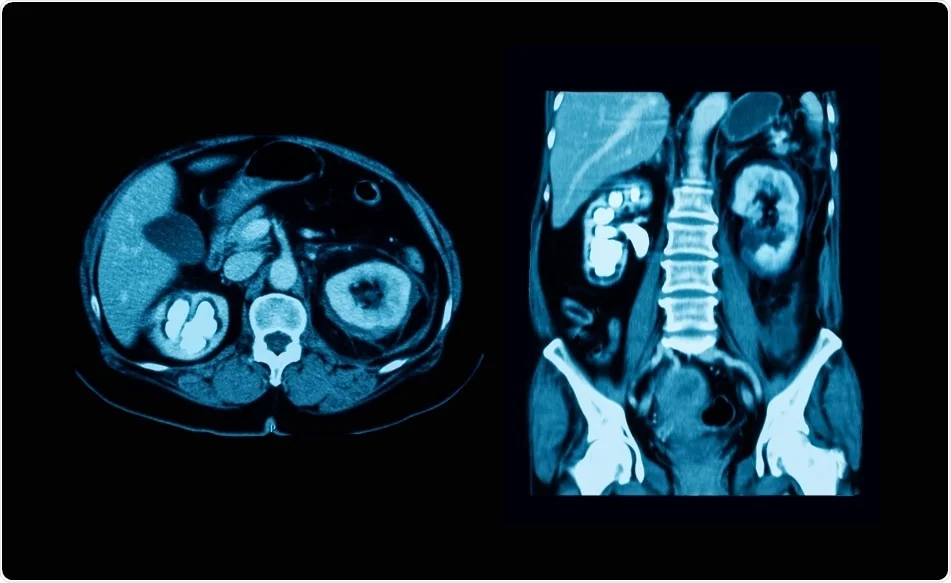
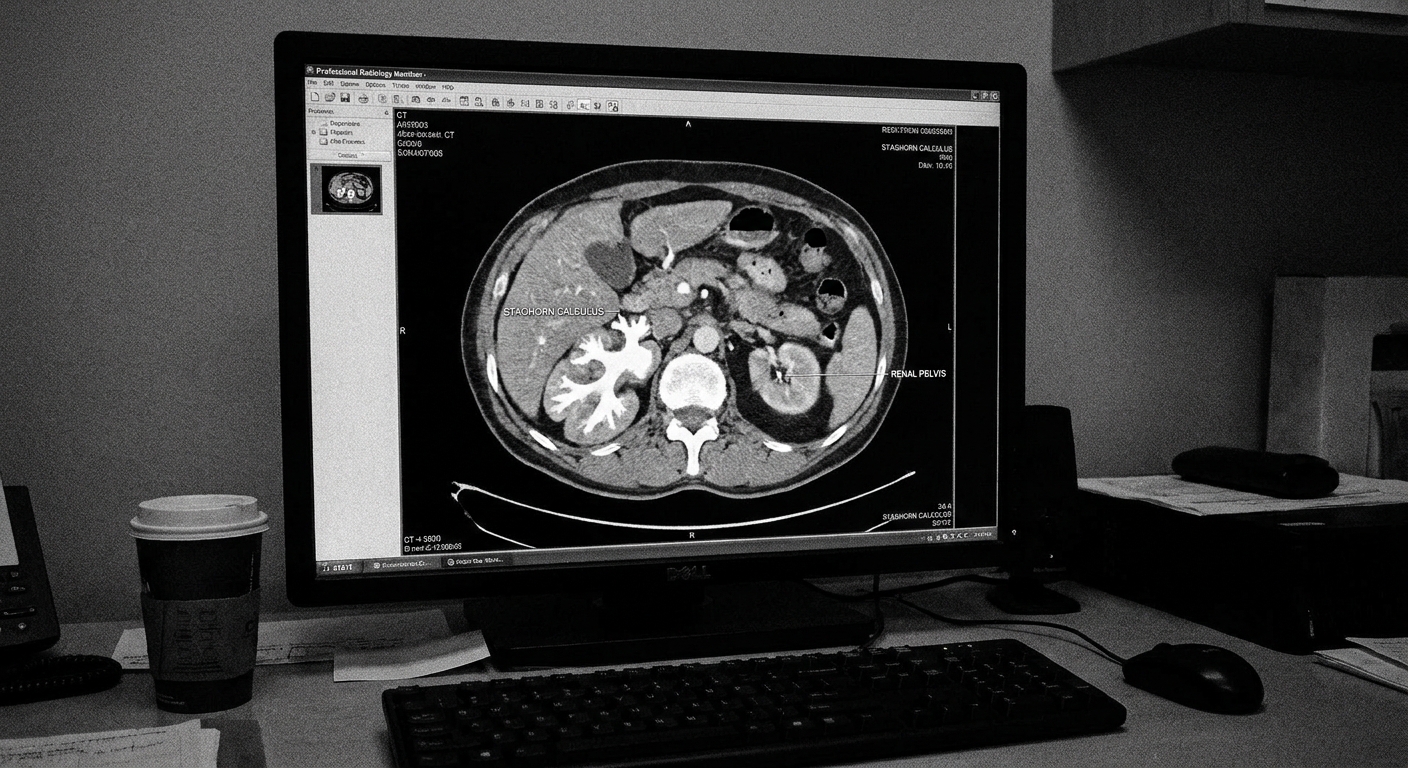
When I worked in a busy family clinic, one of the most common frustrations I heard after a kidney stone was, “Okay, but why did this happen to me?” Many clinicians consider a 24-hour urine test one of the most useful tools we have to answer that question. It is not used to confirm an acute stone episode. Instead, it helps your clinician understand your urine chemistry over a full day so you can target prevention.
If you have already had a kidney stone, this test can reveal patterns that make stones more likely, such as low urine volume or high levels of certain minerals. Then your care plan can focus on the changes that matter most for your specific risk.
What a 24-hour urine test is
A 24-hour urine test is a lab study where you collect all urine you make over a full 24-hour period. The lab measures total volume and several dissolved substances linked to stone formation. Because urine varies across the day based on hydration, meals, and activity, a single urine sample can miss important patterns. A 24-hour collection gives a more complete snapshot of how your kidneys are handling stone-related chemicals.
Clinicians most often order this test:
- After a kidney stone, to look for metabolic reasons stones formed
- If you have recurrent stones or a strong family history
- If you had a stone at a younger age
- If your stone analysis or imaging suggests a higher-risk pattern
In many areas, a urologist or nephrologist oversees stone prevention testing, but primary care clinicians also order and review it, especially after a first stone. Some stone clinics ask for two separate 24-hour collections on different days to improve reliability. If your clinician orders two, it is not because you did something wrong. It is because your intake and activity can vary from day to day.
What the test usually measures
Different labs and stone clinics may include slightly different panels, but many 24-hour stone-prevention urine tests assess:
- Total urine volume
- Calcium
- Oxalate
- Citrate
- Uric acid
- Sodium
- Urine pH (how acidic or alkaline the urine is)
Some panels also include creatinine (as a “collection quality check”), magnesium, phosphate, sulfate, or markers of protein intake. Your clinician will interpret your results in the context of your history and, when available, the type of stone you formed.
How to collect a 24-hour urine sample
Collection errors are one of the most common reasons results are confusing. If even one void is missed, the numbers can look falsely low and may lead to the wrong recommendations. Here is the method I teach patients.
Before you start
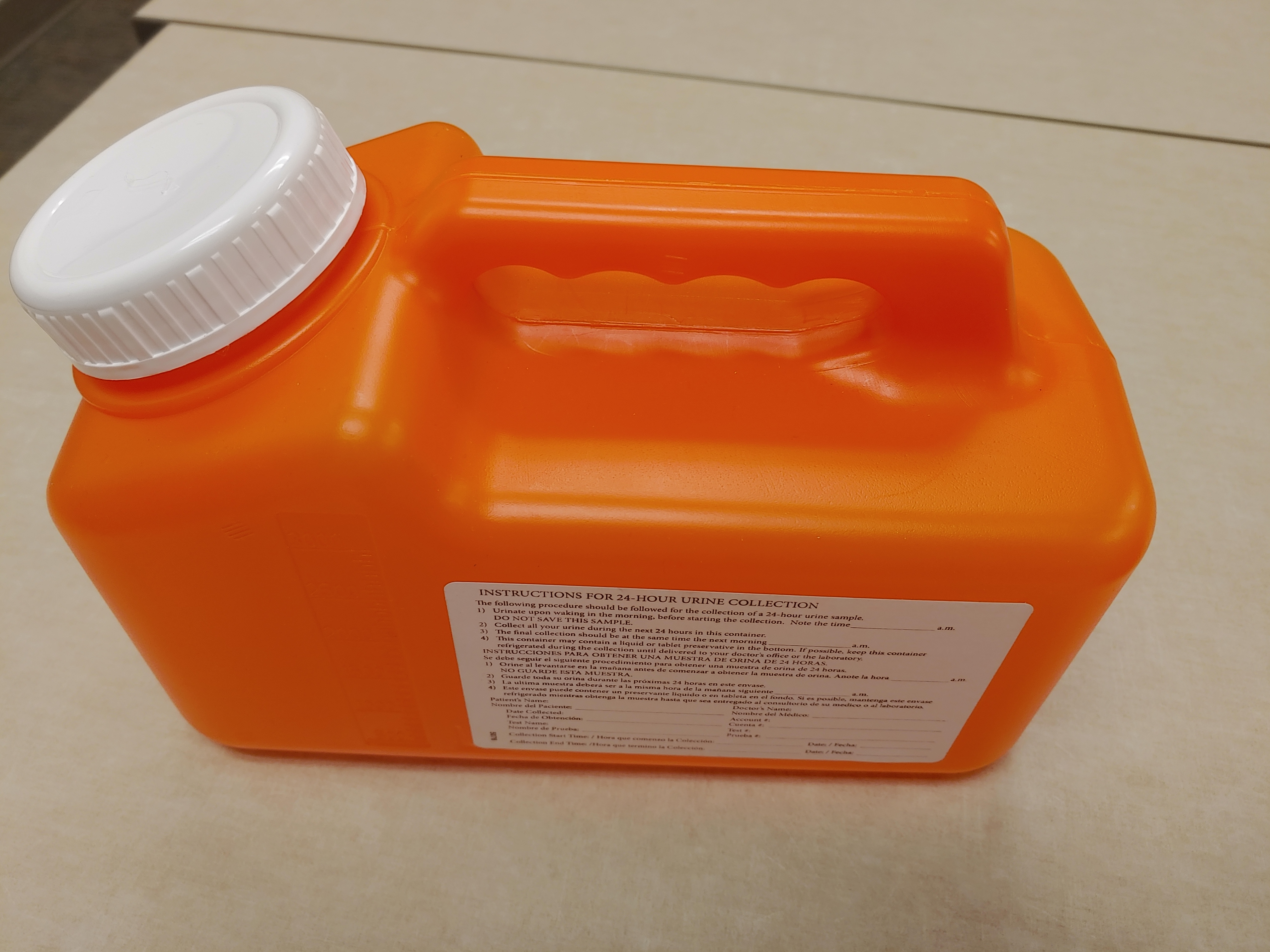
- Read the lab instructions before collection day. Some jugs contain a preservative, and you may be told not to pour urine directly into the large container.
- Ask about meds and supplements. Do not stop prescriptions unless your clinician tells you to. Some supplements (for example, high-dose vitamin C) can affect urine chemistry, so your clinician may give specific guidance.
- Pick a “normal” day. Ideally choose a day that reflects your usual eating and drinking habits unless you were told otherwise.
- Do not “prep” for the test. Unless you were instructed to change something, avoid dramatically changing your diet, fluids, or supplements right before or during the collection. The goal is to measure real life.
Step-by-step collection
- Choose a start time. Many people start in the morning.
- Empty your bladder and do not save that first urine. Write down the time. This starts the 24-hour clock.
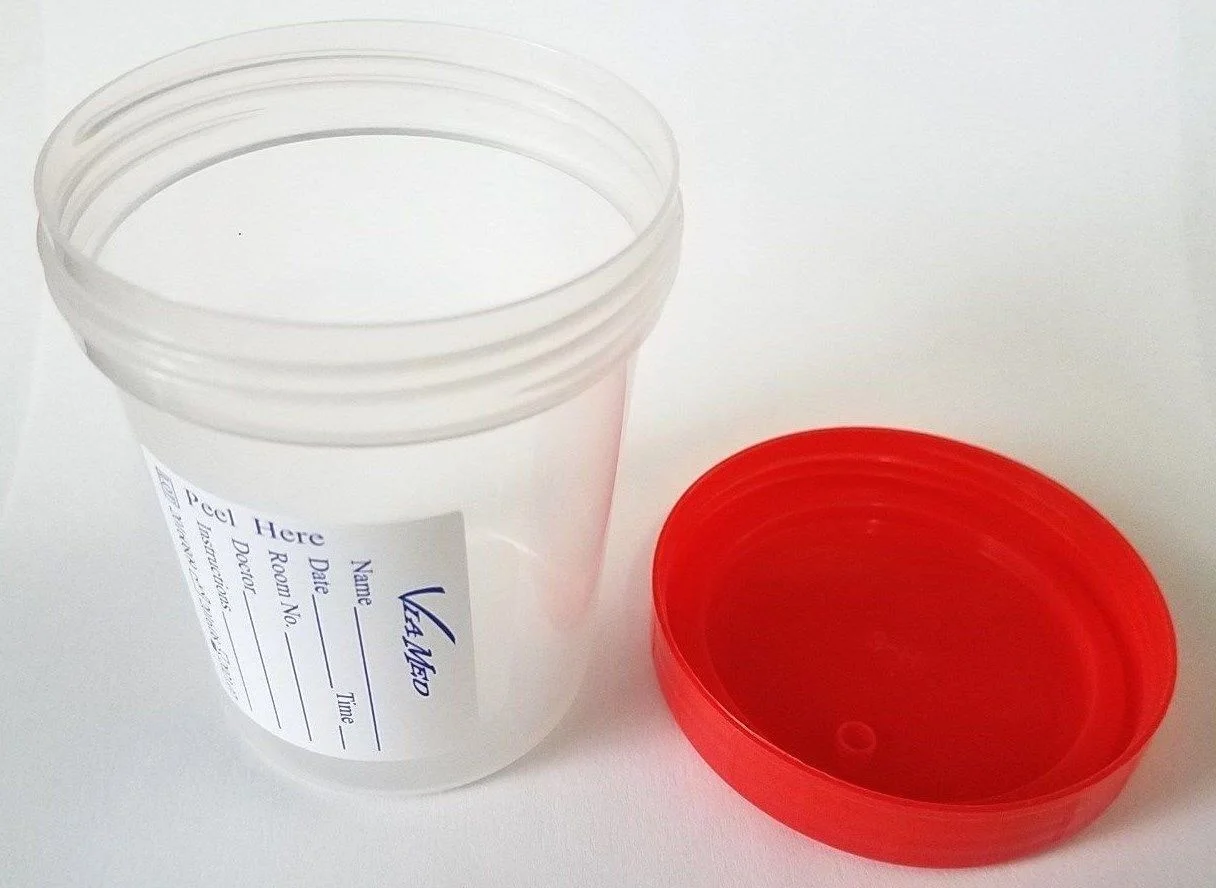
- Save all urine for the next 24 hours. Each time you urinate, collect it in the provided cup or “hat,” then transfer it to the jug as instructed.
- Store the container as directed. Most collections must be kept refrigerated or in a cooler with ice packs. Follow your lab’s rules exactly.
- At exactly 24 hours, urinate one last time and add it. For example, if you started at 7:00 a.m., you will collect the final urine at 7:00 a.m. the next day.
- Return the sample promptly. Bring it to the lab or drop-off location in the timeframe listed on your instructions.
Tips that prevent mistakes
- Set phone reminders so you do not forget a void.
- If you miss any urine, the test may be invalid. Call the lab or your clinician. Often the most reliable choice is to restart on another day.
- Do not collect during a menstrual period if possible. If you cannot avoid it, ask the lab for guidance.
- Keep the jug secure and out of reach of children or pets.
What patterns can suggest
Your results are not just “good” or “bad.” They are clues that point toward the most likely drivers of your stones and what prevention strategy will give you the biggest benefit. Below are common patterns clinicians look for.
Low urine volume
Low total urine volume means your urine is more concentrated, which makes it easier for crystals to form and stick together. This is one of the most common findings.
- What it can suggest: Not enough fluid intake for your body size, activity level, or climate.
- Common prevention focus: Increasing fluid so you produce more urine across the day. Many stone prevention plans aim for roughly 2 to 2.5 liters of urine output per day, but targets vary, so follow your clinician’s guidance.
High urine calcium
High urine calcium (hypercalciuria) is a common risk factor for calcium-based stones. It does not automatically mean your blood calcium is high.
- What it can suggest: A tendency to leak calcium into the urine, sometimes worsened by high sodium intake. In some people it relates to hormonal or metabolic conditions your clinician may evaluate.
- Common prevention focus: Lowering sodium, keeping dietary calcium in a healthy range (not cutting it to zero), and sometimes using medication such as a thiazide-type diuretic when appropriate.
High urine oxalate
High urine oxalate can increase the risk of calcium oxalate stones because oxalate readily binds with calcium to form crystals.
- What it can suggest: Higher oxalate intake, low dietary calcium at meals (which can allow more oxalate to be absorbed), certain intestinal conditions, or patterns like frequent high-oxalate smoothies.
- Common prevention focus: Targeted reduction of high-oxalate foods when needed, and pairing oxalate-containing foods with calcium at meals if your clinician recommends it.
Low urine citrate
Citrate is a natural “stone inhibitor.” It binds calcium and helps prevent crystal growth. When citrate is low, stone risk can rise even if other numbers are only mildly abnormal.
- What it can suggest: A tendency toward more acidic urine, certain metabolic patterns, or low fruit and vegetable intake.
- Common prevention focus: Increasing citrate through diet and, in some cases, prescribed citrate therapy. Your clinician will tailor this based on stone type and urine pH.
High urine uric acid
High urine uric acid can contribute to uric acid stones and can increase calcium oxalate stone risk in some people.
- What it can suggest: Higher purine intake (certain meats and seafood), higher overall protein intake, dehydration, or metabolic factors.
- Common prevention focus: Hydration, dietary adjustments, urine alkalinization when appropriate, and sometimes medication depending on the overall picture.
High urine sodium
High urine sodium often reflects a high-salt diet. This matters because sodium can increase urine calcium excretion in many people.
- What it can suggest: More sodium than you may realize, often from packaged foods, restaurant meals, sauces, and snack items.
- Common prevention focus: Lowering dietary sodium can be a high-impact change, especially when urine calcium is also high.
Urine pH too low or too high
Urine pH helps predict which types of crystals are more likely to form.
- Lower (more acidic) pH can favor uric acid stone formation.
- Higher (more alkaline) pH can favor certain calcium phosphate patterns.
- In some infection-related cases, higher pH can also be seen with struvite stones, which are tied to specific urinary tract infections.
Common prevention focus: Adjustments that change urine pH should be guided by your clinician, because pushing pH in the wrong direction can increase the risk of a different type of stone.
How clinicians use results
Most stone prevention plans combine your 24-hour urine results with:
- Your personal and family history
- Any prior stone analysis (what the stone was made of)
- Basic blood work (to rule out contributing metabolic issues)
- Your diet patterns, hydration habits, and medications
It is very common to repeat a 24-hour urine test after you have made changes, especially if you have had more than one stone. Think of it like checking blood pressure again after starting a new medication. The point is to confirm that your urine chemistry is moving in a safer direction.
Common questions
Do I have to collect exactly 24 hours?
Yes. The lab uses your collection time and total volume to calculate daily excretion. If the timing is significantly off, interpretation becomes less reliable.
Should I drink extra water during the test?
Unless your clinician told you to “push fluids” for a specific reason, it is usually best to drink your typical amount so the results reflect real life. If low volume is a problem, it will show up, and then you can work on it intentionally.
What if I forget one urination?
Call the lab or your clinician’s office. Often you will be advised to restart on another day. Missing urine can make levels appear falsely low, which can hide an important risk factor.
Will my period or vaginal discharge affect results?
It can. If you can, avoid collecting during your period. If you cannot, ask your lab for specific instructions so the sample is handled appropriately.
When to follow up
A 24-hour urine test is most useful when someone sits down with you and explains what the pattern means and what you can do next. If you receive results in a portal that feel like a foreign language, you are not alone. Ask for a clear review that covers:
- Which numbers are most abnormal for you
- Which changes are most likely to reduce your personal stone risk
- Whether you need repeat testing and when
If you take away one thing, let it be this: a 24-hour urine test is not about blame. It is about finding the simplest, most targeted steps to reduce the chance you will go through another stone.