If you have been told you may need a ureteroscopy, you are probably doing two things at once: trying to understand what the procedure actually involves and wondering how rough recovery will be.
In clinic, I often describe ureteroscopy as a way for a urologist to go up the natural urinary pathway through the urethra and bladder with a very small camera so they can see a stone, break it up with a laser, and remove pieces without making any cuts in the skin. It is one of the most common procedures used for stones that are stuck in the ureter or causing trouble higher up in the kidney.
What ureteroscopy is (and what it is not)
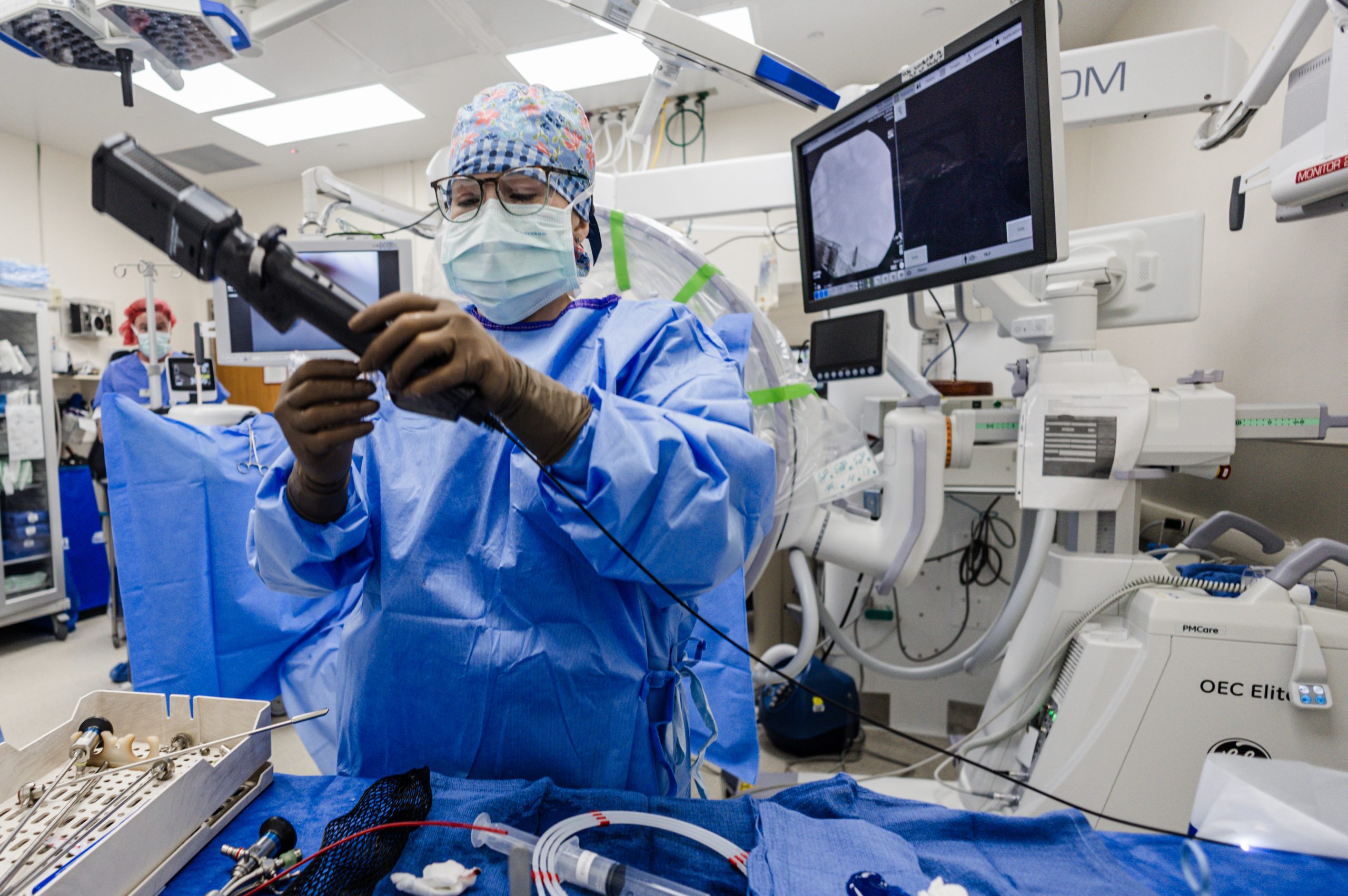
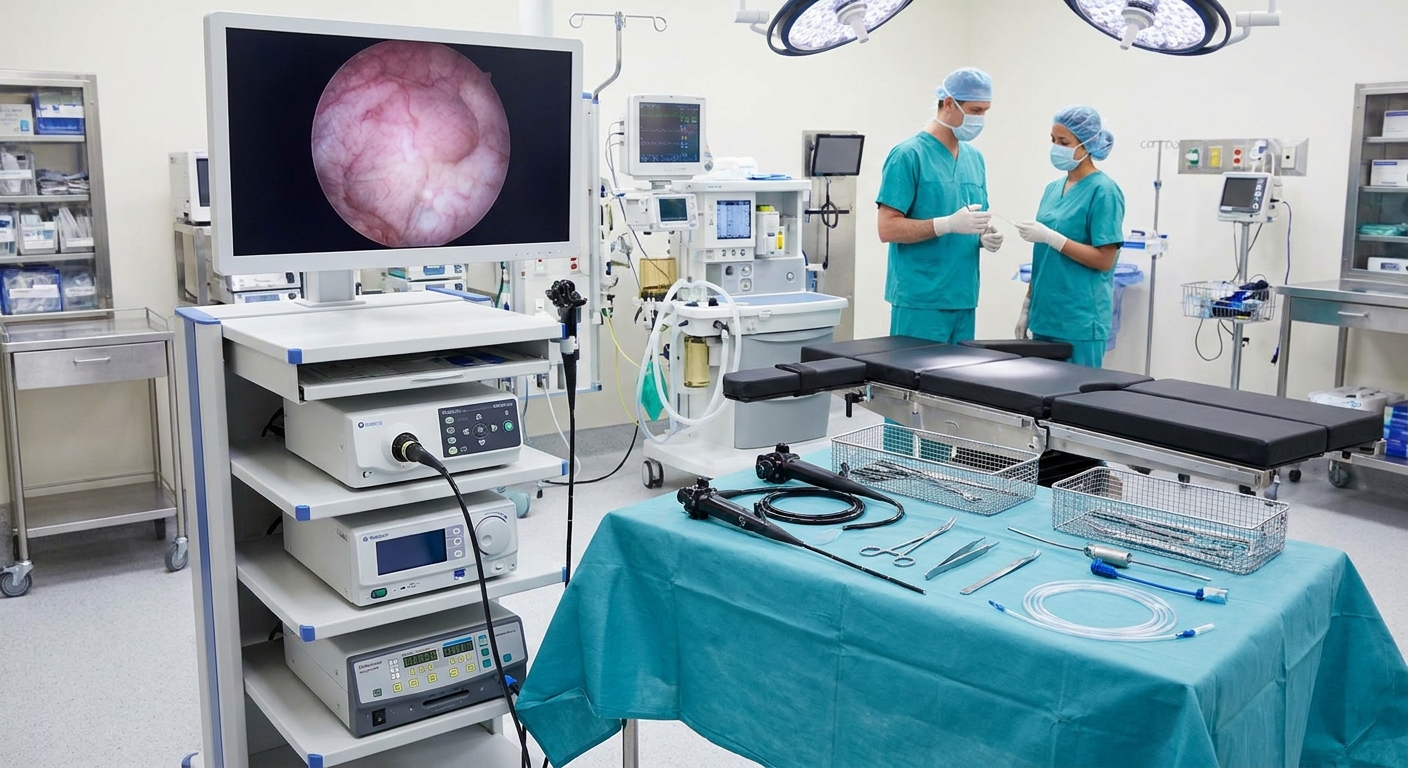
Ureteroscopy is performed by a urologist using a thin scope called a ureteroscope. The scope is passed through:
- Urethra (the tube you urinate through)
- Bladder
- Ureter (the tube that drains urine from the kidney to the bladder)
- Sometimes into the kidney collecting system (with a flexible scope)
No incision is made on your abdomen or back. That said, this is still real surgery inside delicate tissue, so some irritation and short-term symptoms are expected afterward.
Ureteroscopy is commonly used to:
- Remove a ureteral stone that is not passing
- Treat a kidney stone by breaking it up (often called laser lithotripsy)
- Evaluate a blockage, narrowing (stricture), or bleeding source in the upper urinary tract
Before the procedure: what the day usually looks like
Pre-op instructions
Your surgical team will give you specific instructions, but many people are asked to:
- Stop eating and drinking for a period of time before anesthesia
- Review all medications and supplements, especially blood thinners (do not stop these on your own)
- Arrange a ride home, because you should not drive after anesthesia
Testing and antibiotics
It is very common to have a urine test before ureteroscopy. If you have a urinary tract infection, it usually needs treatment first. Many surgical teams also give an antibiotic dose around the time of surgery to lower infection risk.
Anesthesia
Ureteroscopy is often done under general anesthesia, meaning you are fully asleep. In some settings, other anesthesia plans may be used. Your anesthesia team will explain what applies to you.
During ureteroscopy: step-by-step
Exact technique varies by surgeon and by where the stone is, but a typical ureteroscopy includes the following steps:
- You are positioned on the operating table after anesthesia.
- The urologist passes the scope through the urethra into the bladder.
- The scope is advanced into the ureter and, if needed, up into the kidney collecting system.
- If a stone is found, the surgeon may use a laser fiber to break it into smaller fragments.
- Some fragments may be removed using a tiny basket tool. Others may be left small enough to pass on their own.
- Depending on swelling, stone size, and other factors, a ureteral stent may be placed at the end of the procedure.
Will I need a stent afterward?
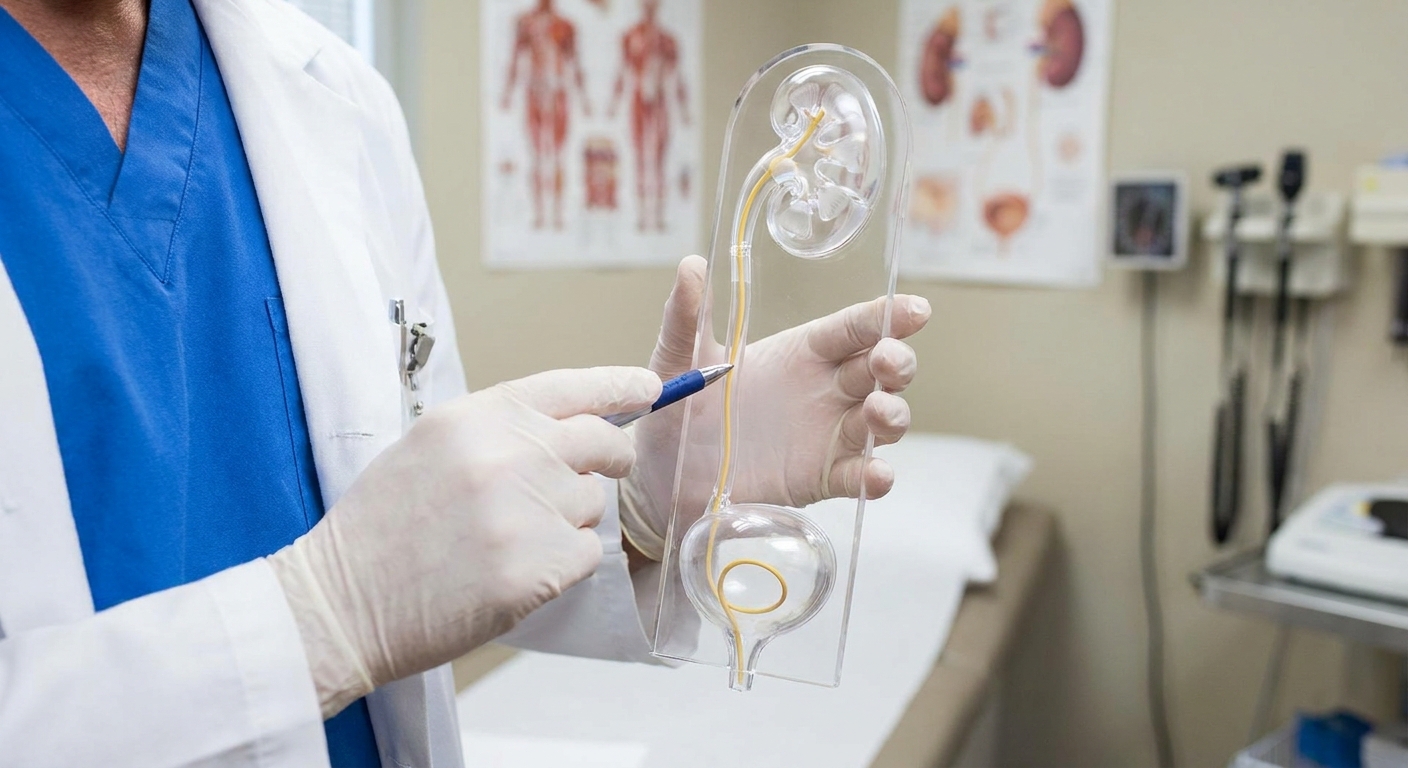
Maybe. Practice varies, but stents are common after ureteroscopy. A ureteral stent is a thin, flexible tube placed inside the ureter to keep urine flowing from the kidney to the bladder while the ureter is irritated or swollen.
Your urologist may recommend a stent if:
- The ureter looks swollen or was difficult to navigate
- The stone was large or required extensive laser work
- There is concern about temporary blockage from inflammation or stone fragments
- There is any ureteral injury risk they want to protect against
A stent is usually temporary. Many stents are removed in clinic. Sometimes a surgeon places a stent with a removal string so it can be removed without a procedure, but strings are used selectively because they can be accidentally tugged or dislodged.
Your team should clearly tell you how and when the stent comes out.
Right after surgery: what you may feel
Most ureteroscopy patients go home the same day, once they are awake, stable, and able to urinate.
Common, expected symptoms
These are very common in the first few days, especially the first 24 to 72 hours:
- Burning with urination
- Urgency or frequency (feeling like you have to go often)
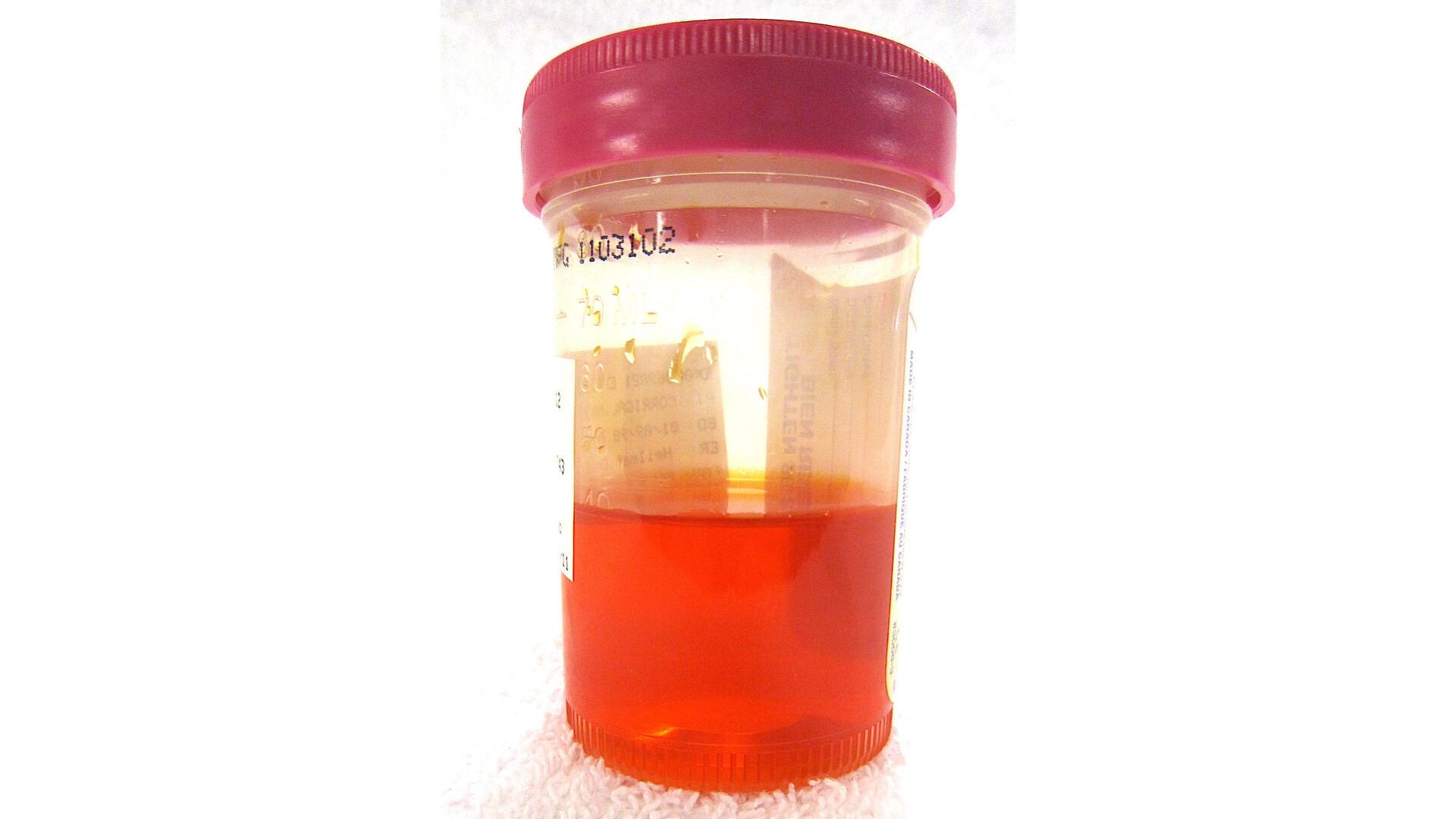
- Blood in the urine (pink to light red is common)
- Bladder spasms or cramping
- Flank discomfort (ache in the side or back), especially when urinating, more likely if you have a stent
- Fatigue from anesthesia and the stress of surgery
In my experience, people feel better when they know this ahead of time: you can have irritating urinary symptoms even though the procedure does not cut into kidney tissue (parenchyma). The bladder and ureter can be very sensitive after instrumentation.
Typical medications
Your surgeon may prescribe or recommend:
- Pain relievers (sometimes a short course of stronger medication, sometimes non-opioid options)
- A medication to relax the ureter, such as tamsulosin, in selected cases (for example, stent discomfort or helping small fragments pass)
- A medication for bladder spasms
- Antibiotics if there was infection risk or a positive culture
How long does recovery take?
Recovery is individual, but a general pattern looks like this:
- Day of surgery: groggy, mild to moderate urinary burning, possible blood in urine.
- Days 1 to 3: urinary urgency and burning often peak, then begin to improve.
- Within a week: many people feel close to normal if they do not have a stent. If a stent is in place, symptoms can continue until it is removed.
If stone fragments are left to pass, you may have intermittent discomfort as pieces move.
Risks and complications to know
I do not say this to scare anyone, but I think it is reassuring to know what your team is watching for. Most people do well, but possible complications include:
- Infection, and rarely a severe infection (sepsis), especially if bacteria are present behind an obstructing stone
- Bleeding (usually mild and temporary)
- Ureter irritation or injury (small tears can happen; significant injury is uncommon)
- Scar tissue or stricture later on (uncommon)
- Residual fragments or need for another procedure if the stone is complex
- Anesthesia-related risks, which depend on your health history
Follow-up and next steps
Most patients have a follow-up plan that includes one or more of the following:
- Stent removal if one was placed (timing varies, but often within days to a couple of weeks)
- Stone analysis if fragments were retrieved, which can guide prevention
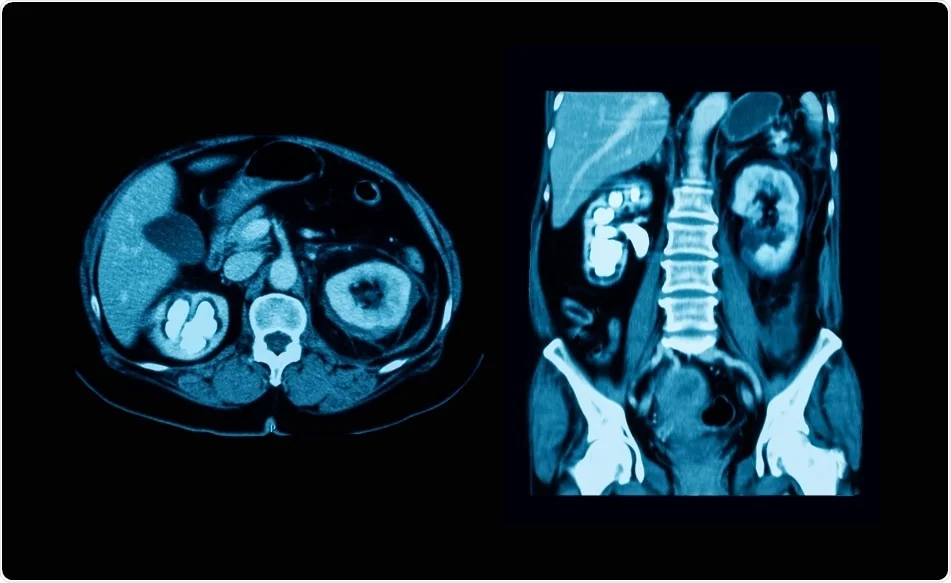
- Follow-up imaging in selected cases to confirm clearance or check for swelling
- Prevention planning if you have had more than one stone, which may include a metabolic evaluation (blood work and a 24-hour urine test) and basic prevention steps like hydration and diet adjustments tailored to your stone type
Activity limits and practical aftercare
Activity
Your surgeon will give the final word, but common guidance includes:
- Take it easy for 24 hours after anesthesia.
- Walk as tolerated, but avoid heavy lifting or strenuous exercise for a short period if advised.
- Avoid driving for at least 24 hours after general anesthesia and longer if you are taking prescription pain medication.
Hydration
Unless your clinician has restricted fluids for another reason, staying well hydrated can help dilute the urine and reduce irritation. A practical target for many adults is pale yellow urine, not clear all day and not dark.
Sex and work
Return to work depends on your job demands and whether you have a stent. Some people return in a couple of days, others need longer. For sex, it is common to wait until pain and bleeding have settled, and to follow your surgeon’s specific instructions.
What is not normal: when to call right away
I tell patients to take infection and obstruction symptoms seriously after any urinary tract procedure.
Call your surgeon’s office urgently, or seek emergency care, if you have:
- Fever (especially 100.4°F or 38°C or higher) or chills
- Severe worsening pain not controlled with prescribed medication
- Inability to urinate or only passing a few drops
- Heavy bleeding (bright red urine that does not lighten with rest and fluids) or clots that keep coming, especially if you are struggling to urinate
- Persistent nausea or vomiting that prevents keeping fluids down
- Chest pain, shortness of breath, fainting, or other concerning symptoms after anesthesia
Fever after ureteroscopy can be a sign of a urinary infection that needs prompt treatment. Do not try to wait it out at home.
Questions to ask your urologist before ureteroscopy
If you feel anxious, bringing a short list of questions can help you feel more in control. Consider asking:
- Where is my stone, and how big is it?
- What are the chances you can treat it in one procedure?
- How likely is it that I will need a stent?
- If I have a stent, how and when will it be removed?
- What pain control plan do you recommend for me?
- When can I return to work, exercise, and driving?
- What symptoms should make me call you versus go to the ER?
FAQ
How long does ureteroscopy take?
Procedure time varies based on stone size and location. Many cases are under an hour, but more complex stones can take longer. Your total time at the facility is longer because of pre-op prep and recovery after anesthesia.
Will I be awake?
Most people are fully asleep under general anesthesia. Your anesthesia team can explain your plan and what to expect when you wake up.
Is blood in the urine normal afterward?
Light bleeding is common for a few days. It often improves with rest and hydration. A small clot can happen, but persistent clots, worsening bleeding, or trouble urinating are not expected and warrant a call.
Why does it hurt more when I pee after ureteroscopy?
The bladder and ureter can spasm or feel irritated. If you have a stent, urinating can trigger a brief increase in flank discomfort because urine flow and pressure change temporarily.
Can a stone come back after ureteroscopy?
Yes. Ureteroscopy treats the current stone, but it does not remove the tendency to form stones. If you have had stones before, ask about stone analysis and prevention steps tailored to your stone type and risk factors.
A final word from clinic
Ureteroscopy can sound intimidating because the urinary tract is such a sensitive area. But for many patients, it is also the moment they finally get relief from a stone that has been causing days or weeks of pain, nausea, or kidney swelling.
If you know you are scheduled for ureteroscopy and you are worried about what you will feel afterward, I encourage you to plan for a low-key recovery window, keep your after-visit instructions close by, and call promptly if anything feels off, especially fever.