Yes, an enlarged prostate can block the kidneys, but it does it indirectly. The prostate sits just below the bladder and wraps around the urethra, the tube urine uses to leave the body. When the prostate grows (most often from benign prostatic hyperplasia, or BPH), it can narrow that outflow pathway. Sometimes similar symptoms can also come from other problems, including infection, prostatitis, certain medications, neurologic bladder issues, stones, or prostate cancer. That is one reason evaluation matters.
If urine cannot leave the bladder efficiently, pressure can build. The bladder can overfill. Then urine can back up toward the kidneys. When that backup affects both kidneys, it can cause bilateral hydronephrosis and may show up as a rising creatinine on bloodwork.
I have cared for plenty of patients who came in thinking they “just had to pee more often” or had a “weak stream.” Then labs or imaging told a more urgent story. The good news is that kidney stress from obstruction is often, but not always, reversible when it is addressed quickly. Recovery can be incomplete if the obstruction has been going on for a long time or if there is underlying chronic kidney disease.
How prostate enlargement affects the kidneys
Think of your urinary system as plumbing:
- Kidneys make urine.
- Ureters carry urine to the bladder.
- Bladder stores urine.
- Urethra drains urine out.
With BPH, the “pinch point” is usually at the bladder outlet where urine enters the urethra. Over time, two things can happen:
- Chronic urinary retention: the bladder never empties fully, so it is constantly overfilled.
- Retention with elevated bladder pressure: bladder pressure rises enough that urine backs up into the ureters and kidneys.
That backup can cause hydronephrosis, meaning the collecting system inside the kidney becomes stretched and swollen. When both sides are affected, it is bilateral hydronephrosis.
This is the key point: the prostate is not blocking the kidneys directly. It is blocking the exit from the bladder, and the pressure can travel upstream.
One more nuance that matters clinically: some people develop significant chronic retention with surprisingly few symptoms. That is why objective measurements like a post-void residual, creatinine, and ultrasound can be so important.
What it can feel like
Many people expect kidney problems to cause flank pain. Obstruction from BPH does not always do that, especially when it develops gradually. Symptoms are often more “lower urinary tract” than “kidney.”
Common warning signs
- Weak urine stream or a stream that stops and starts
- Hesitancy (it takes time to get started)
- Straining to urinate
- Feeling like you cannot empty even after you go
- Frequent urination, especially at night (nocturia)
- Urgency or leaking because the bladder stays too full (overflow incontinence)
Urgent warning signs
- Inability to urinate at all (acute retention)
- Increasing lower abdominal pressure or pain (a very full bladder)
- New confusion, severe fatigue, or nausea in older adults (can accompany kidney dysfunction)
- Decreasing urine output despite feeling full
Blood in the urine can happen for several reasons and should always be evaluated, but it is not the most reliable clue that kidneys are being affected. With obstruction, the more telling signals are retention, worsening urinary symptoms, and kidney lab changes.

Why rising creatinine matters
Creatinine is a waste product filtered by the kidneys. When kidney function drops, creatinine in the blood usually rises. With bladder outlet obstruction, a rising creatinine can mean postrenal acute kidney injury, in other words, kidney dysfunction caused by blockage downstream.
In clinic, this is one of the moments where the tone of the conversation changes. A weak stream is frustrating. A weak stream plus urinary retention, hydronephrosis, and increasing creatinine is a situation that often needs same-day evaluation and drainage, depending on the overall clinical picture and how stable the patient is, because prolonged pressure can injure the kidneys.
How reversible it is depends on things like:
- How long the obstruction has been present
- How severe the hydronephrosis is
- Whether there is infection
- Baseline kidney health
How doctors confirm it
Evaluation typically involves a combination of symptom review, exam, labs, and imaging. Common steps include:
1) Post-void residual (PVR)
This measures how much urine is left in the bladder after you urinate, usually with a bladder ultrasound. A high PVR supports urinary retention.
2) Blood tests
A basic metabolic panel checks creatinine and other electrolytes that can shift when kidneys are under stress.
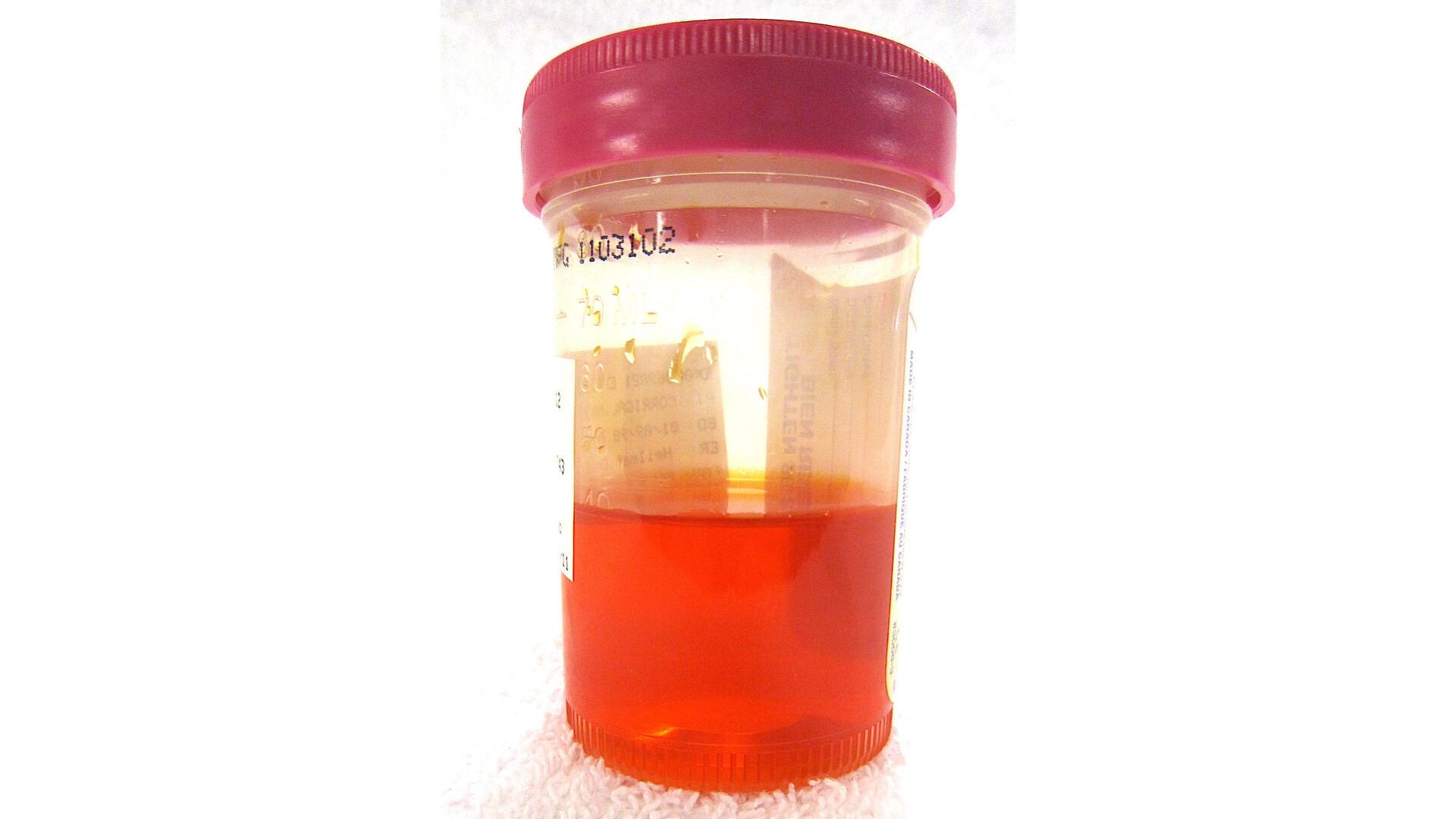
3) Urinalysis
Looks for infection or other findings. Infection plus obstruction is a red flag that requires urgent attention.
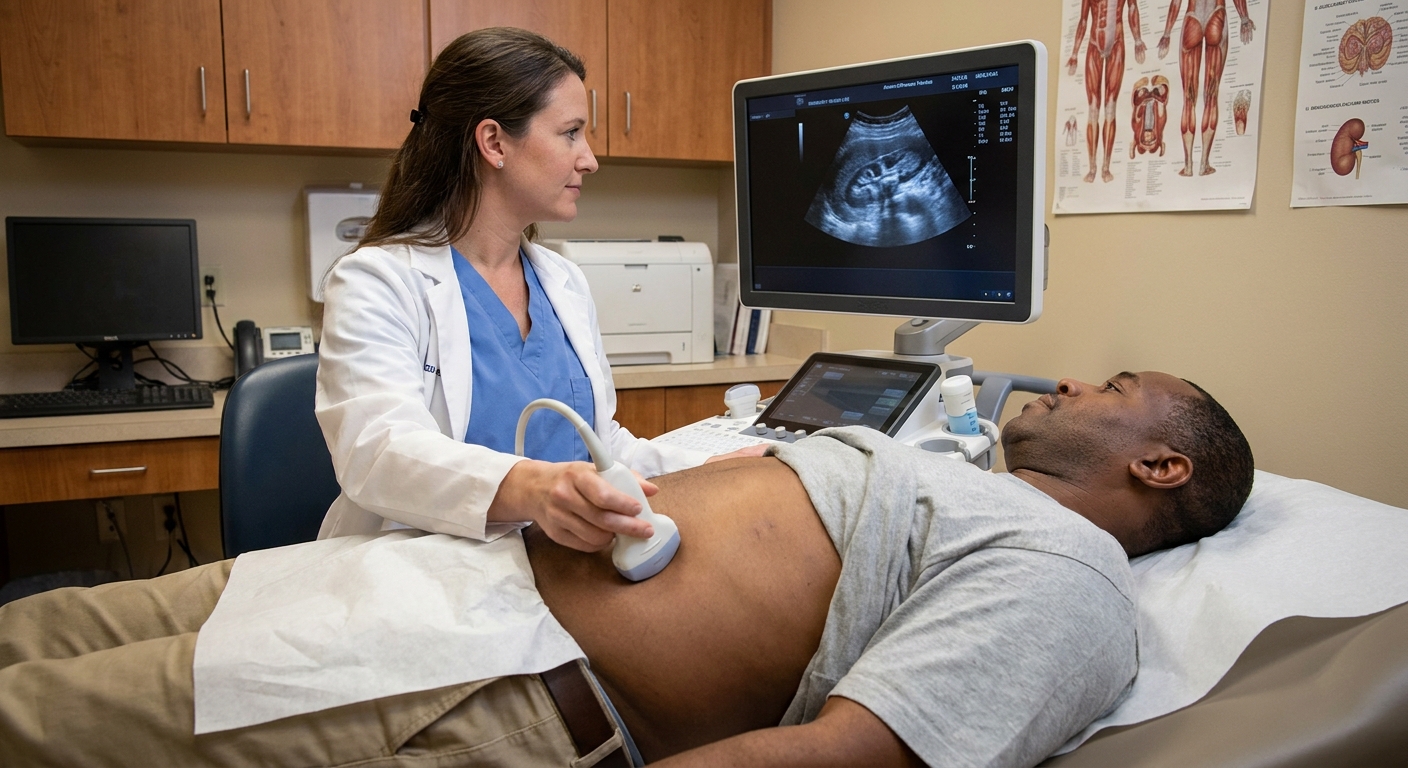
4) Kidney and bladder ultrasound
This is a common way hydronephrosis is discovered. The report may mention:
- Hydronephrosis (swelling of the collecting system)
- Hydroureter (dilation of the ureter)
- Bladder wall thickening or trabeculation (signs of chronic strain)
- Large post-void residual or a very full bladder
In plain language, these findings often mean the bladder has been working against resistance for a long time, and that “back pressure” may be reaching the kidneys.

What treatment looks like
When BPH symptoms are bothersome but kidney function is stable, treatment can sometimes proceed in a stepwise way with medication and follow-up. When the kidneys are affected, the priorities usually shift toward prompt decompression and preventing permanent damage.
First priority: drain the bladder
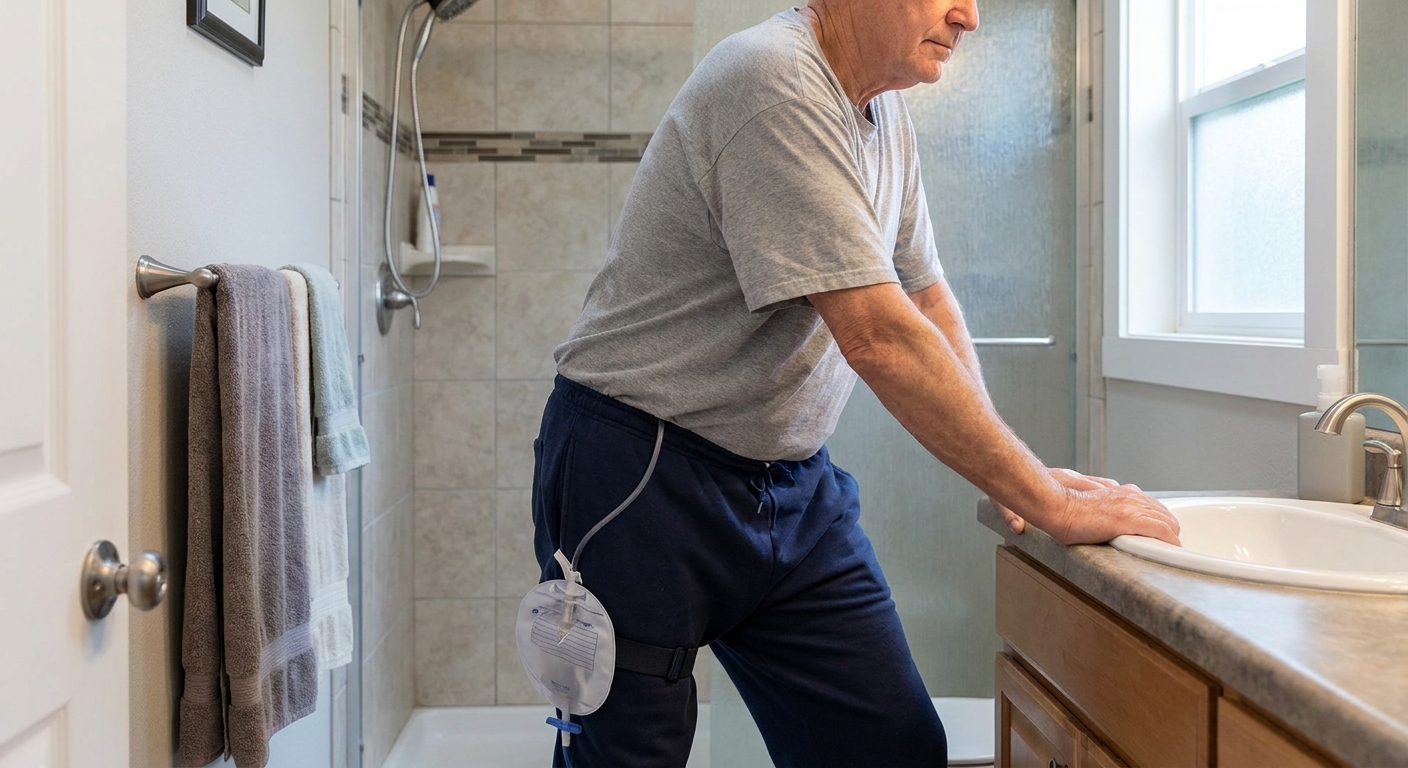
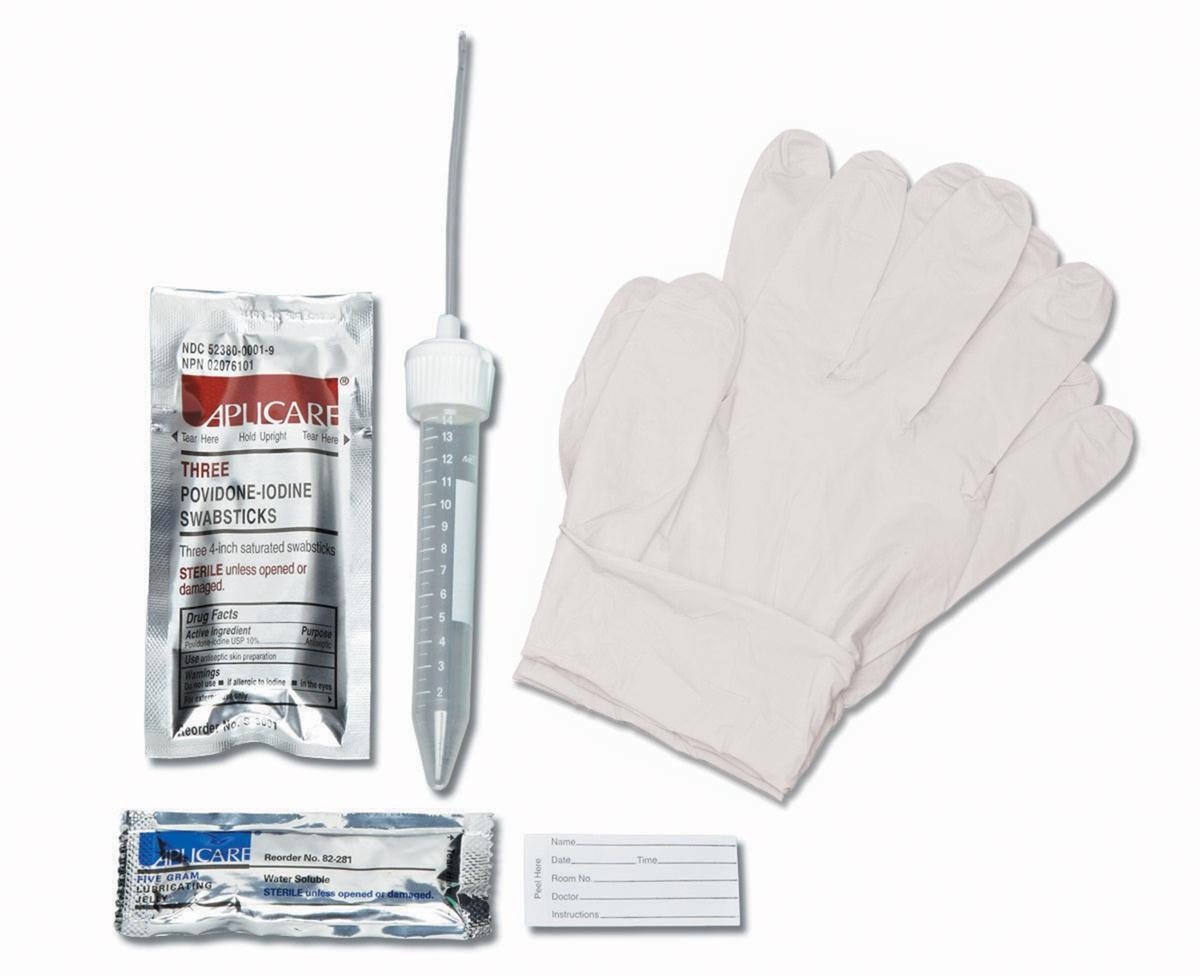
If there is significant retention with hydronephrosis or rising creatinine, clinicians often recommend catheter drainage to relieve pressure. This is commonly done with a urethral (Foley) catheter. In some situations where a urethral catheter cannot be placed, a suprapubic catheter may be used.
Many patients feel immediate relief when a very full bladder is drained. It can also allow kidney function to start improving over days to weeks, depending on severity and duration.
One important safety note: after relieving a long-standing obstruction, some patients develop post-obstructive diuresis, meaning they make a very large amount of urine for a period of time. That can lead to dehydration or electrolyte problems if it is not monitored, which is one reason clinicians may observe urine output closely after catheter placement in higher-risk situations.
Medications may be started or adjusted
- Alpha blockers (such as tamsulosin) relax prostate and bladder neck smooth muscle to improve flow.
- 5-alpha reductase inhibitors (such as finasteride or dutasteride) can shrink the prostate over months. The benefit is greatest when the prostate is larger, and it commonly takes about 3 to 6 months or longer to notice meaningful improvement.
Medications can be very helpful, but if obstruction has already caused hydronephrosis and kidney dysfunction, medication alone is not always enough.
When surgery is more time-sensitive
Evidence of kidney involvement is one reason urology may recommend moving more quickly toward a procedure to relieve obstruction. Options depend on prostate size, anatomy, medical history, and local expertise. Common approaches include transurethral procedures that remove or reduce obstructing tissue.
The main idea is simple: as long as the bladder outlet remains obstructed, the kidneys remain at risk. Catheter drainage can be a bridge, but many people need a longer-term solution.
What to do now
If you or a loved one has BPH symptoms, it is worth getting assessed before the situation becomes urgent. I tell patients to watch less for “one dramatic symptom” and more for patterns that suggest retention is building. It also helps to remember that urinary symptoms can overlap with other conditions, including UTI, stones, bladder cancer, and prostate cancer. Getting checked is not about assuming the worst. It is about not missing something important.
Call your clinician soon
Try to be seen within days to a couple of weeks if you notice:
- Worsening weak stream, hesitancy, or straining
- New overflow leaking or dribbling
- Increasing nighttime urination that disrupts sleep
- A sense of incomplete emptying that is becoming persistent
Seek urgent evaluation now
Go to urgent care or the emergency department now if you have:
- Inability to urinate
- Severe lower abdominal pain or visible bladder distention
- Fever, chills, or feeling very ill with urinary symptoms
- Vomiting, severe weakness, confusion, or signs of dehydration
- Known hydronephrosis with worsening symptoms
If your care team has already told you your creatinine is rising or imaging shows bilateral hydronephrosis, do not “wait it out.” That combination usually needs timely decompression and urology input.
FAQ
Can BPH cause bilateral hydronephrosis?
Yes. Significant bladder outlet obstruction from benign prostatic enlargement can cause urinary retention and elevated bladder pressure, which can back up into both ureters and kidneys.
Would I feel kidney pain?
Not always. Gradual obstruction can be surprisingly quiet. Many people mainly notice weak stream, frequent urination, or incomplete emptying until labs or ultrasound reveal hydronephrosis.
If creatinine went up from obstruction, will it go back down?
It often improves after the obstruction is relieved, especially when treated promptly. Recovery depends on how long the blockage lasted and whether there was infection or pre-existing kidney disease. Sometimes the recovery is only partial.
Is a catheter just a temporary fix?
It can be. A catheter can rapidly relieve pressure and protect the kidneys, but many patients still need medication changes and sometimes a procedure to address the underlying obstruction.
The takeaway
An enlarged prostate can, in very real terms, threaten kidney health by blocking the bladder outlet and causing urine to back up into both kidneys. If you are dealing with worsening urinary symptoms, retention, hydronephrosis, or a rising creatinine, this is not something to monitor casually. The sooner the blockage is relieved, the better the odds of protecting kidney function.