If your pathology report says carcinoma in situ (often shortened to CIS) on a bladder biopsy, it can feel confusing because the word “cancer” is there, but you may not have been told there was a “tumor.” In clinic, I often explain CIS as a high-grade cancer sitting on the surface lining of the bladder, almost like a dangerous “painted-on” layer of abnormal cells.
It matters because CIS behaves differently than many small, visible bladder tumors. It is more aggressive by grade, can be harder to see, and it often shifts the plan toward intravesical therapy (most commonly BCG) plus careful follow-up. Outcomes depend on your risk features and, importantly, how your bladder responds to treatment, which is why the next steps are usually both proactive and personalized.
What CIS means
Carcinoma in situ of the bladder means:
- Carcinoma: cancer arising from lining cells (the bladder’s inner surface is lined by urothelial cells).
- In situ: “in its original place.” The cancer cells are confined to the lining and have not invaded deeper layers of the bladder wall.
Most bladder CIS is described as flat and high-grade. Flat means it may not form a bump or polyp. High-grade means the cells look very abnormal under the microscope and have a higher risk of becoming invasive if not treated.
Why CIS may not look like a tumor
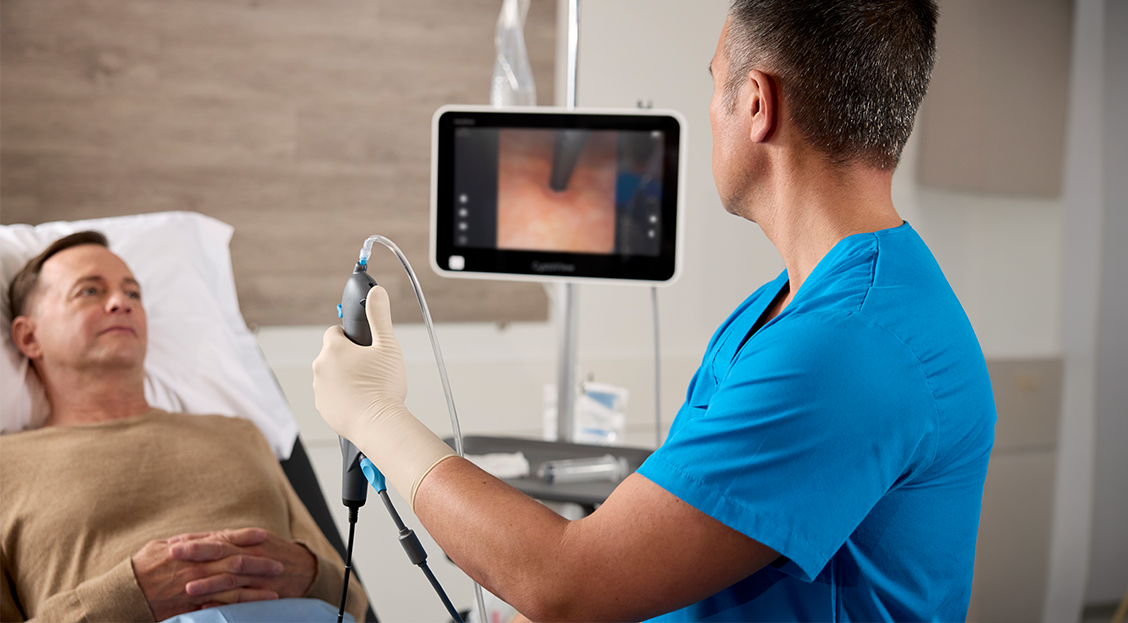
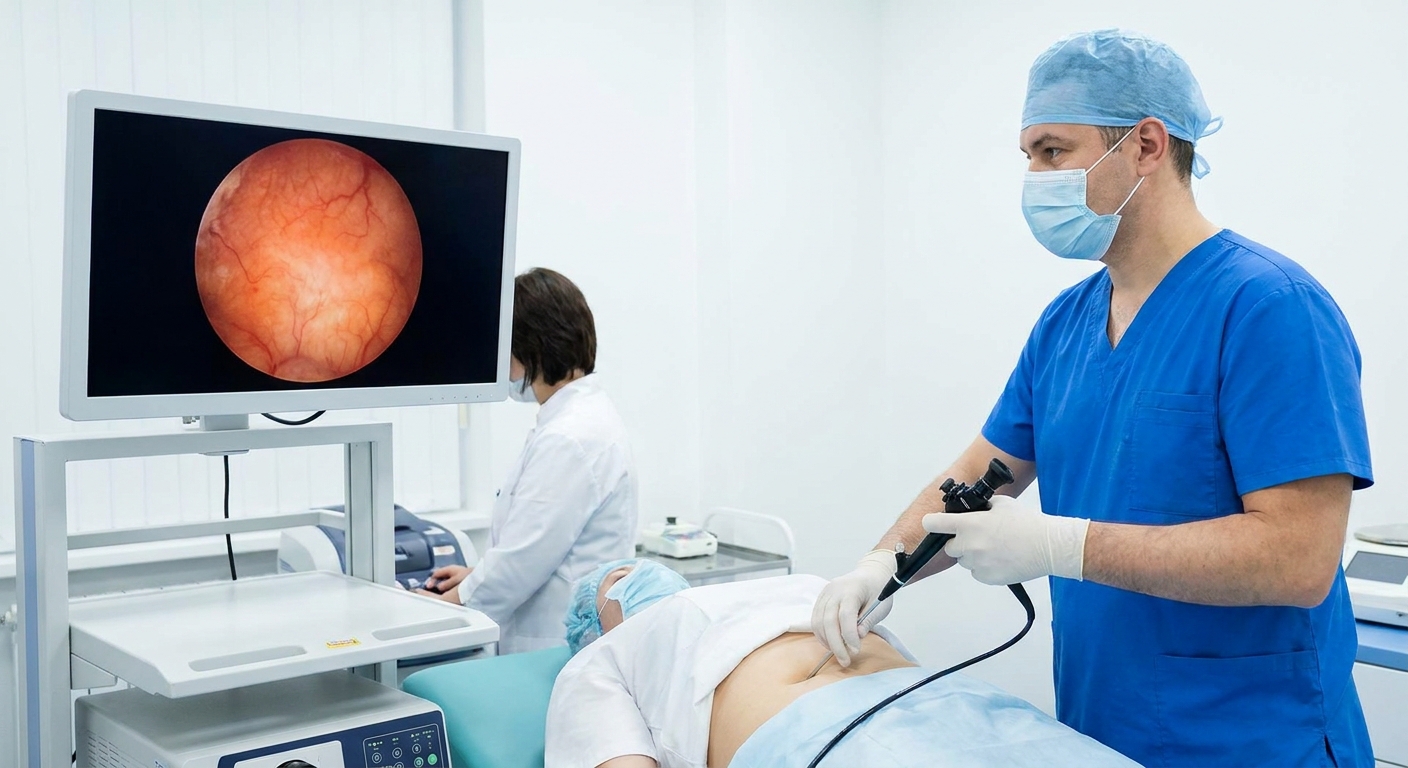
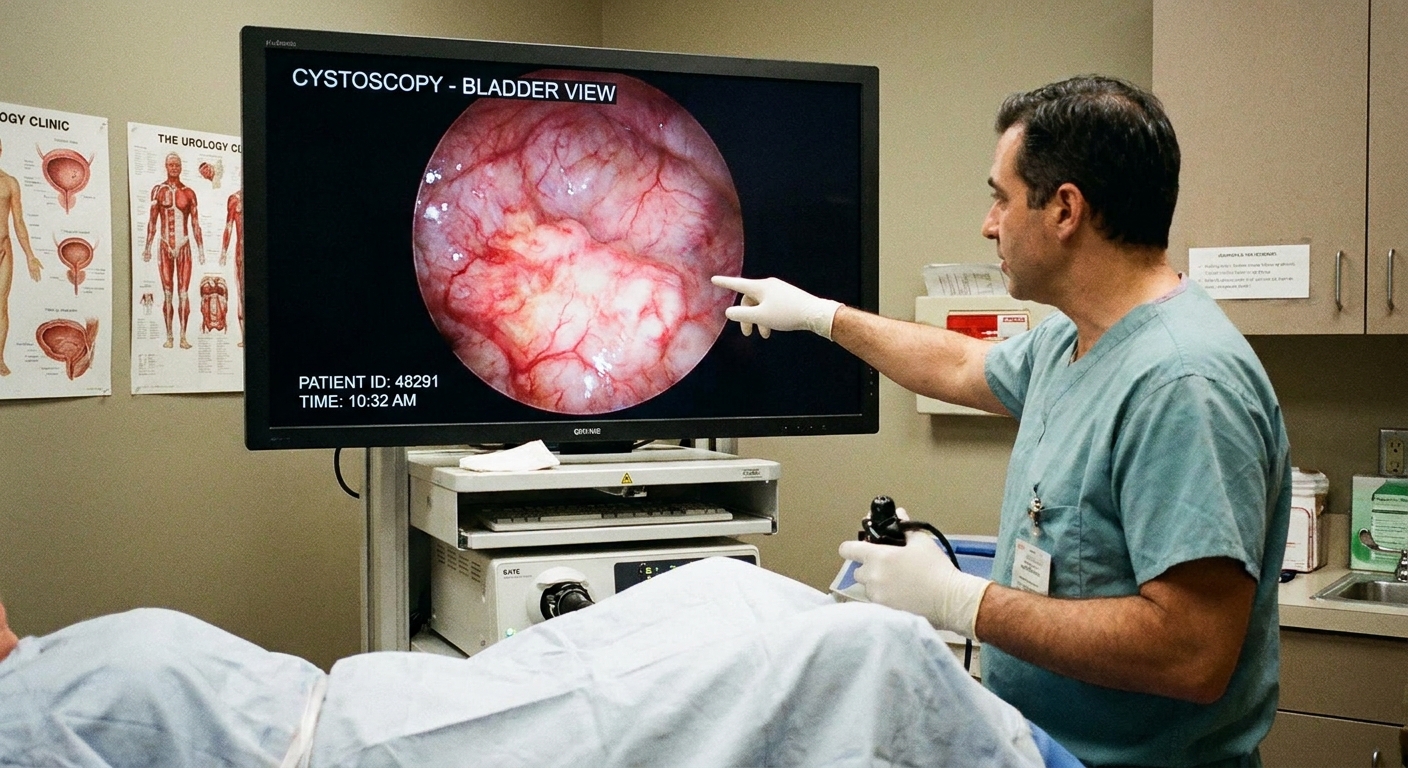
Many people picture cancer as a distinct mass. CIS is different. It can look like a subtle irritated patch on cystoscopy, or sometimes it is not obvious at all.
Reasons CIS can be easy to miss include:
- It is flat: it spreads along the lining instead of growing outward into the bladder.
- It can be patchy: there can be multiple small areas, not one single spot.
- It can mimic inflammation: redness or irritation from infection, prior procedures, or radiation can look similar.
This is why urologists often take targeted biopsies of suspicious areas and sometimes mapping biopsies (also called random biopsies) or other enhanced evaluation when CIS is strongly suspected. The exact approach varies by center and by your specific situation.

How CIS fits into staging
On many reports, CIS corresponds to stage Tis (tumor in situ). You might also see wording like:
- “Urothelial carcinoma, in situ”
- “High-grade urothelial carcinoma in situ”
- “Flat CIS”
Even though CIS has not invaded muscle, it is considered a high-risk form of non–muscle-invasive bladder cancer (NMIBC) because of its grade and behavior.
Important nuance: CIS can occur by itself, or it can be found alongside papillary tumors (the more typical frond-like bladder growths). If your report mentions CIS “associated with” another tumor, your urology team uses all of those details to build the best treatment plan.
Why the plan often shifts to BCG
When I see “CIS” on a pathology report, the most common next step I hear from urology colleagues is: “We should talk about BCG.” That is because CIS has a meaningful risk of recurrence and progression, and BCG is among the most effective bladder-sparing options we have for high-risk NMIBC.
What BCG is
BCG (Bacillus Calmette-Guérin) is a type of immunotherapy placed directly into the bladder through a catheter. It is not the same as IV chemotherapy. The goal is to stimulate a local immune response that helps destroy cancer cells on the bladder lining.
When BCG is started
BCG is typically started after the bladder has had time to heal from a TURBT or biopsy. Your urologist may delay a treatment if you have an active UTI, significant bleeding (gross hematuria), or other issues that make instillation unsafe or more painful.
What “BCG induction” and “maintenance” mean
While exact protocols vary, many people hear these two terms:
- Induction BCG: an initial course (often weekly treatments for several weeks).
- Maintenance BCG: additional treatments spaced out over time if you respond, intended to reduce recurrence risk.
Your urologist will tailor timing based on your pathology, cystoscopy findings, medication availability, side effects, and your overall health.
Why CIS specifically points to BCG
CIS is high-grade and can be diffuse. BCG treats the whole bladder lining, not just one biopsy spot. That whole-surface effect is a big reason it is favored for CIS.
What follow-up is checking
Follow-up after CIS is intentionally intense. It is not meant to scare you. It is meant to catch changes early, when they are most treatable.
Surveillance typically looks for:
- Recurrence: CIS or other bladder tumors coming back on the lining.
- Persistence: CIS that does not fully clear after treatment.
- Progression: cancer that begins invading deeper layers (for example, into the lamina propria or muscle).
- Cancer elsewhere in the urothelium: because urothelial cancer can be synchronous or develop later in the urethra, ureters, or kidneys, your team may evaluate those areas when indicated. This is not the same thing as metastatic spread, but it is clinically important.
Common tools used in surveillance
- Cystoscopy: a camera exam of the bladder, usually done at regular intervals.
- Urine cytology: a test where a pathologist looks for high-grade cancer cells shed into the urine. Cytology can be particularly helpful for CIS because CIS may be flat but still sheds abnormal cells.
- Biopsies: if an area looks suspicious, or if cytology is concerning even when the bladder looks normal.
- Imaging: sometimes used to evaluate kidneys and ureters, depending on your risk factors and findings.
Pathology phrases that matter
If you have a copy of your report, these terms commonly influence the treatment plan and follow-up schedule. Not all of them will apply to you, but they are worth understanding.
High-grade
With bladder cancer, grade tells us how abnormal the cells look and how they tend to behave. CIS is typically high-grade, which is why treatment is more aggressive even without invasion.
Muscularis propria present or absent
Pathology reports often note whether muscularis propria (detrusor muscle) is included in the specimen. For papillary tumors and other lesions, having muscle in the sample can help confirm whether invasion into muscle is present. CIS is on the surface lining, but your overall evaluation may still depend on whether adequate sampling was obtained.
Lamina propria invasion (T1) or muscle invasion (T2)
If CIS is found with invasive disease, treatment changes significantly. Make sure you understand whether your report shows in situ only or also mentions invasion.
Concomitant CIS
This means CIS is present alongside another tumor type, often a papillary tumor. “Concomitant CIS” generally increases risk, which can affect recommendations about BCG intensity and follow-up frequency.
Options beyond BCG
BCG is common, but it is not the only approach, and it is not the right fit for everyone.
If BCG is not tolerated or not effective
Some people cannot complete BCG due to side effects, and some have CIS that persists or returns despite adequate BCG. Depending on the details, options your urology team may discuss include:
- Alternative intravesical therapies: other medications placed in the bladder.
- Clinical trials: which may provide access to newer bladder-sparing therapies.
- More extensive surgery: in certain high-risk or treatment-resistant situations, removing the bladder (radical cystectomy) can be curative. This is a heavy decision, but for some patients it offers the best long-term cancer control.
If you are hearing the phrase “BCG-unresponsive CIS,” that is a very specific category with specific next-step recommendations. Ask your urologist what definition they are using and what options fit your exact case.
Questions to bring
When you are anxious, it is easy to forget what you meant to ask. I encourage patients to bring a written list. These are high-yield questions for CIS:
- Is this primary CIS (by itself) or concomitant CIS (with another tumor)?
- Does the pathology show any invasion (T1 or higher), or is it truly Tis only?
- Was muscularis propria present in the specimen?
- What treatment do you recommend and why: BCG induction, maintenance, or another intravesical therapy?
- What side effects should I watch for with BCG, and what symptoms mean “call today” versus “go to urgent care”?
- What is my follow-up schedule for cystoscopy and urine cytology?
- If CIS does not clear, what would be the next step and how soon would we re-check?
When to seek urgent care
Some urinary symptoms are common with bladder procedures and intravesical therapies, but certain symptoms should be evaluated quickly.
Common, expected BCG side effects
Many patients experience some combination of burning with urination, urinary frequency or urgency, mild bladder discomfort, and sometimes a low-grade fever or fatigue for a day or two after an instillation. Your urology team should give you specific instructions for your case.
Get urgent evaluation if you have
- Fever, chills, or feeling severely unwell after an intravesical treatment
- Inability to urinate (urinary retention)
- Heavy bleeding or passing large clots
- Severe pelvic pain that is worsening
If you are in active bladder cancer treatment, it is also reasonable to call your urology team’s after-hours line for guidance, especially after BCG.
FAQ
Is CIS “stage 0” bladder cancer?
Many references label bladder CIS as stage 0is (also written as Tis). This is distinct from stage 0a (also written as Ta), which is typically a papillary, noninvasive tumor. Your urologist can tell you exactly how they are labeling your stage in your specific case.
If it is “in situ,” does that mean it cannot spread?
In situ means it is currently confined to the lining. However, untreated CIS can progress and become invasive. That is why it is treated and followed closely.
Can CIS come back after BCG?
Yes. Many people respond very well to BCG, but recurrence can happen. The purpose of follow-up is to detect recurrence early and adjust treatment promptly.
Why do I need cystoscopies so often?
CIS can be subtle and high-grade. Frequent cystoscopy helps catch recurrence or progression early, when options are usually broader and outcomes are better.
A final thought
Seeing “carcinoma in situ” on a bladder biopsy can feel like the floor drops out from under you. The reassuring piece I want you to hold onto is this: CIS is treatable, and the reason your team is recommending BCG and careful monitoring is because these steps are designed to prevent progression.
If you would like, share the exact wording from your pathology report (you can remove personal details). I can help you translate the terminology into plain English so you walk into your next appointment with a clearer map.