If you have a cystoscopy scheduled, it is normal to feel anxious. Most people do. In clinic, I have found that fear usually comes from not knowing the play-by-play: what you will wear, what you will feel, how long it takes, and what is normal afterward. This is a straightforward, inside-the-bladder look with a tiny camera, and in many cases it is done right in the office.
This article walks you through the experience of a cystoscopy, including preparation, what the scope looks like, what your clinician can see, why a biopsy is sometimes added, and the most common after-effects like burning with urination and pink-tinged urine.
What a cystoscopy is
A cystoscopy is a procedure where a urology clinician uses a thin scope (a small tube with a light and camera) to look inside:
- The urethra (the tube that carries urine out of the body)
- The bladder (including the bladder lining and the openings where urine enters from the kidneys)
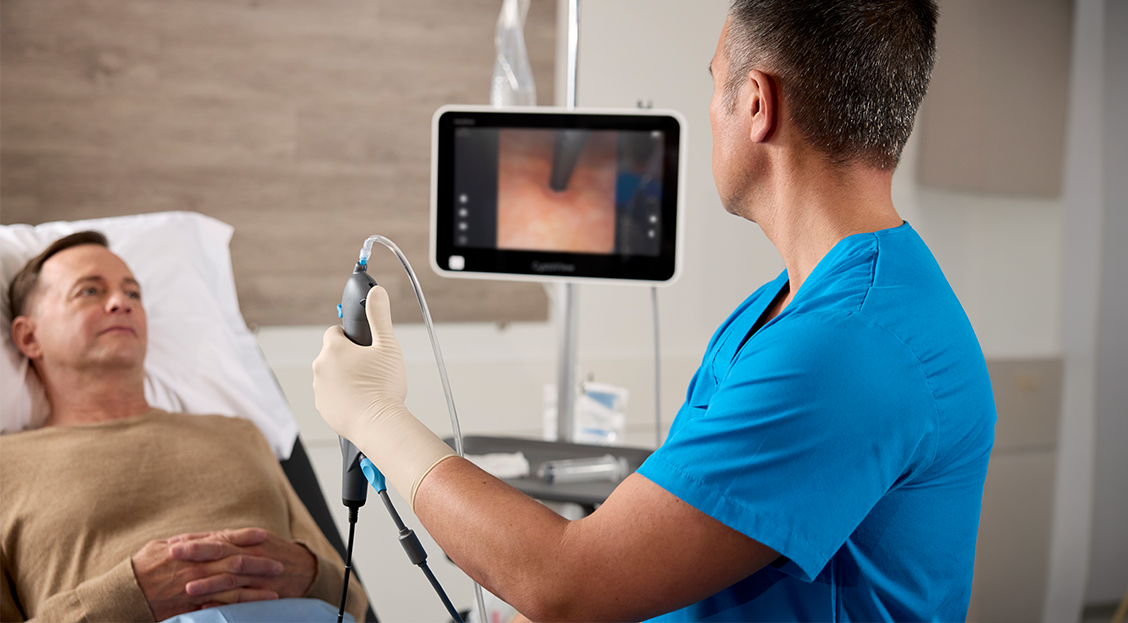
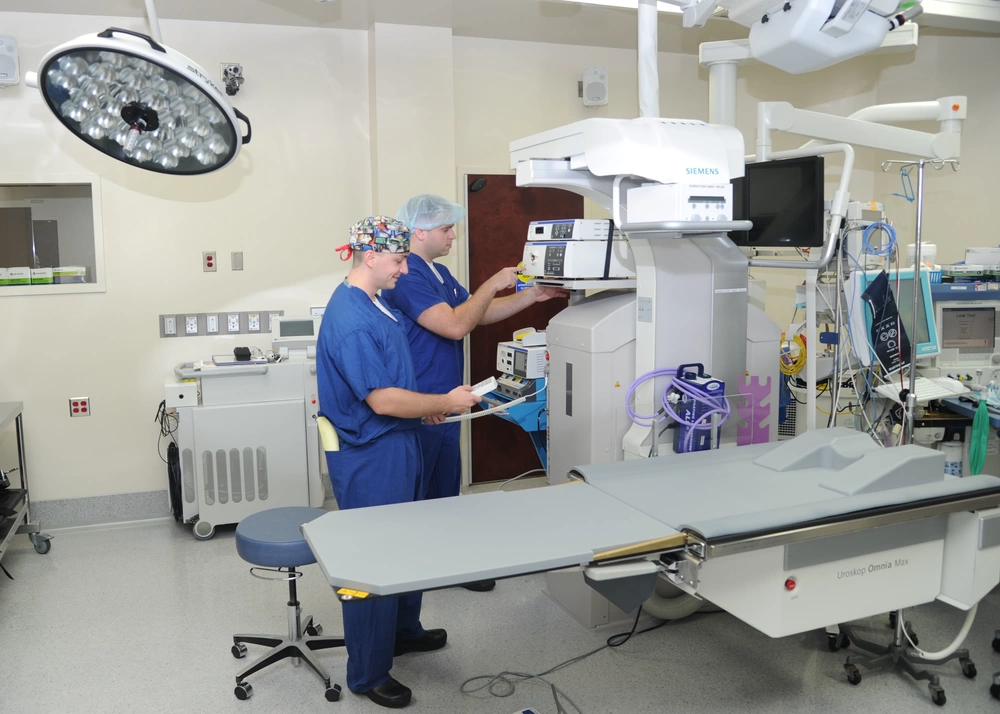
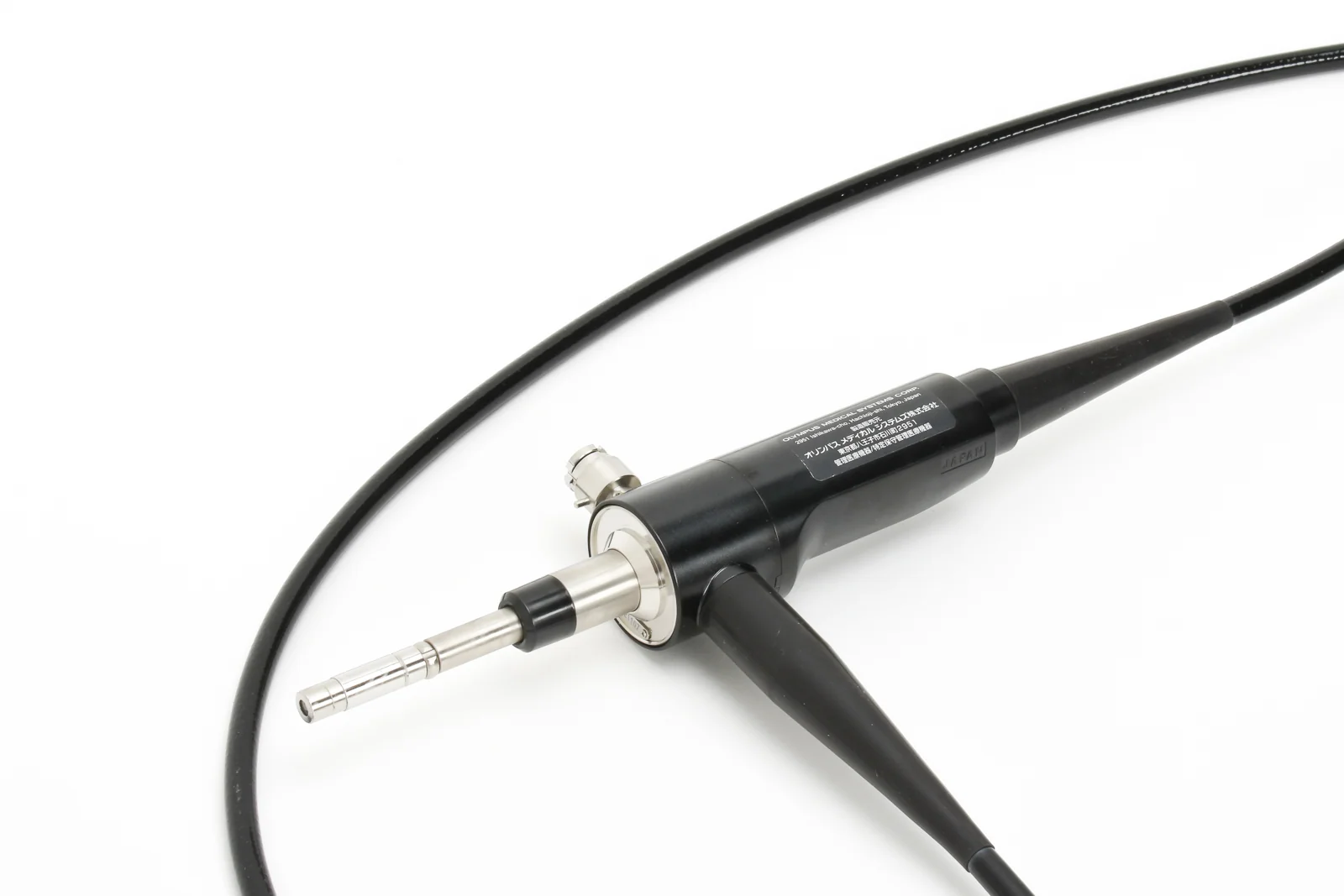
It can be done with a flexible cystoscope (bends easily, commonly used in the office) or a rigid cystoscope (straighter, often used in the operating room when more instruments are needed).
Why it is done
Cystoscopy is used when your clinician needs a direct look inside the lower urinary tract. Common reasons include:
- Blood in the urine (visible or found on a urine test)
- Recurrent UTIs or urinary symptoms that keep coming back
- Bladder cancer surveillance after a prior diagnosis
- Irritative symptoms such as urgency, frequency, or pain with urination when the cause is unclear
- Possible blockage or narrowing, such as a urethral stricture or symptoms related to prostate enlargement
Before your appointment
What you may be asked ahead of time
Preparation varies by location and whether you are having an office procedure or cystoscopy in an operating room. Your urology team may ask about:
- Medications, especially blood thinners (like warfarin, apixaban, rivaroxaban, clopidogrel, aspirin) or NSAIDs
- Allergies, including to lidocaine or iodine-based cleansers
- Recent urinary symptoms such as fever, burning, urgency, or foul-smelling urine (signs of a possible UTI)
- Pregnancy status if applicable
- Past reactions to sedation or anesthesia
Do not stop a prescribed blood thinner on your own. If a biopsy is planned, your urologist will give you specific instructions based on your personal bleeding risk.
Urine testing first
Many offices do a quick urine test (urinalysis) the day of the procedure. If there are signs of an active infection, your clinician may send a culture and treat the infection first, then reschedule the cystoscopy. This is one of the most common reasons a cystoscopy gets postponed.
Eating, drinking, and a driver
Office cystoscopy (no sedation): You can usually eat and drink normally, and you can usually drive yourself home.
Cystoscopy with sedation or anesthesia: You will typically need to fast for a period of time beforehand and arrange a ride home. Your facility will give exact instructions.
Do you need antibiotics?
Some patients are given antibiotics before or after cystoscopy, but it is not automatic for everyone. In routine, diagnostic office cystoscopy, the infection risk is low and many clinicians do not use prophylaxis.
Antibiotics may be considered based on your local protocol and your individual risk, such as if you have:
- Bacteria in the urine (or a recent UTI)
- Higher UTI risk, including certain immune-suppressing conditions or medications
- An indwelling catheter or complex urinary tract history (for example, urinary reconstruction)
- Planned manipulation, such as biopsy or other additional procedures
If you are unsure, call your urology office and ask what their plan is for you specifically.
What happens when you arrive
In an outpatient clinic, the setup often looks like a regular exam visit at first:
- You will check in and review medications and allergies.
- You will change into a gown and remove underwear.
- You will lie on an exam table, usually on your back with your knees bent.
- The clinician will clean the urethral opening with an antiseptic solution.
Many offices use a numbing gel (often lidocaine) placed into the urethra. This gel both numbs and lubricates, and it needs a few minutes to work.
During the cystoscopy
Step 1: The scope is inserted
The scope is gently guided into the urethra. The sensation people describe most often is pressure, and sometimes a brief sting at the start. Breathing slowly and relaxing your pelvic muscles can make a real difference.
Discomfort can also vary based on anatomy and what is going on medically. For example, people with a urethral stricture or significant prostate enlargement sometimes feel more pressure as the scope passes through tighter areas.
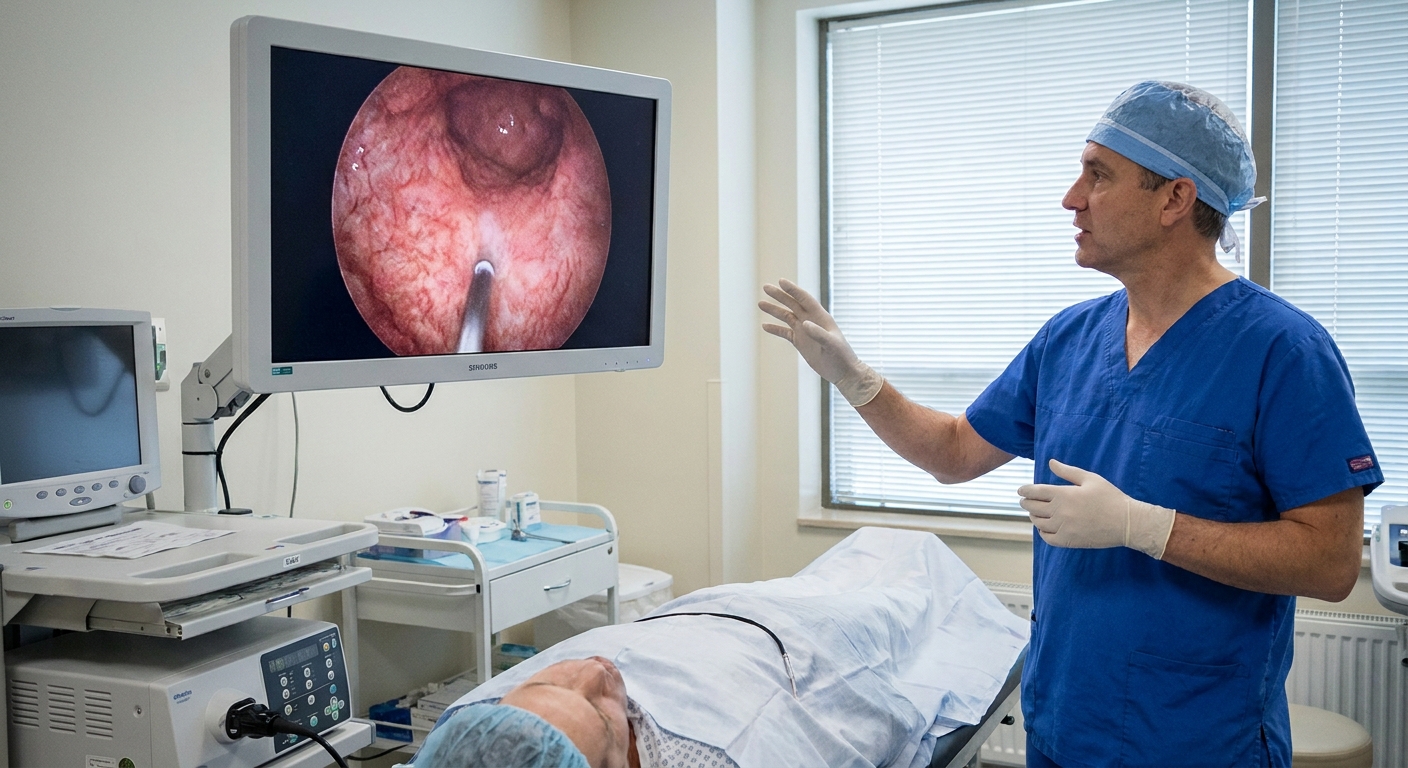
In many clinics, you can watch the monitor if you want. Some people like seeing what the clinician is seeing. Others prefer to look away and focus on breathing. Either option is completely fine.
Step 2: The bladder is filled
Once the scope reaches the bladder, sterile saline is used to gently fill the bladder so the lining can be seen clearly.
This can create a strong feeling of:
- Fullness
- Pressure
- Urgency, like you really need to urinate
That urgency can be intense, but it is expected. Your clinician will work efficiently and will usually warn you as the bladder is being filled.
Step 3: The bladder lining is examined
They will look at the bladder walls, the bladder neck area, and the openings where urine enters from the ureters. The scope portion is often quick, commonly about 5 to 15 minutes, though your total visit is longer with prep and aftercare.
What your doctor can see
Cystoscopy lets the clinician directly inspect the lining of the bladder and urethra. They may describe findings such as:
- Normal bladder lining: smooth, pale pink tissue with visible blood vessels
- Inflammation or irritation: areas that look red, swollen, or fragile
- Bleeding source: sometimes an obvious spot that bleeds when touched
- Stones: may appear as hard, pale or yellowish objects
- Polyps, growths, or masses: areas that look raised, irregular, or different in color or texture
- Scar tissue or narrowing: especially in the urethra (a stricture)
- Trabeculation: thickened bladder wall patterns that can be seen with long-term bladder outlet obstruction
If your clinician sees something abnormal, they may explain whether it looks more like inflammation, a benign change, or something that needs tissue sampling. Visual appearance can be suggestive, but a biopsy is what provides a diagnosis.
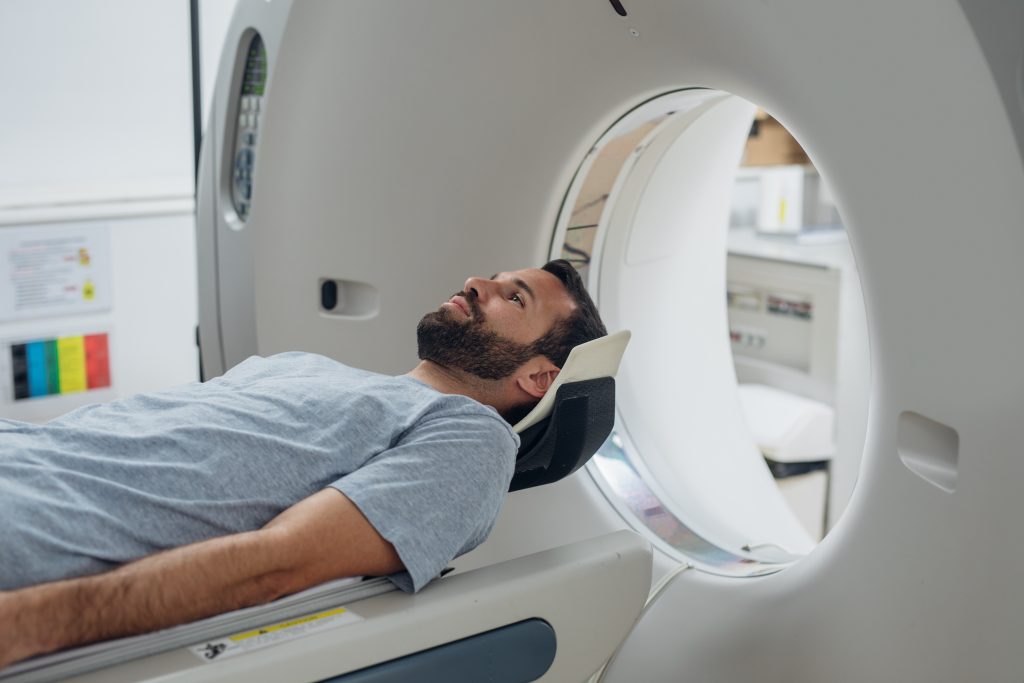
Depending on your situation, your workup may also include pathology from tissue, urine cytology (looking for abnormal cells), and or imaging to fully characterize what is going on.
When a biopsy is added
A biopsy means taking a tiny piece of tissue to be examined under a microscope. A biopsy might be recommended if the clinician sees:
- A suspicious growth or lesion
- An area of abnormal bladder lining that does not look typical
- Changes that need confirmation to guide treatment
Office or operating room?
Small samples are sometimes possible in certain office settings, but many biopsies are done in an operating room setting where pain control and instruments allow a safer, more thorough procedure. If a biopsy is planned, ask:
- Where it will be performed
- What type of anesthesia will be used
- Whether you should stop any medications beforehand
- What symptoms are expected afterward
What it feels like
With numbing alone, you may feel added pressure and a quick cramp-like sensation. With sedation or anesthesia, you may remember little or nothing of the biopsy portion. After a biopsy, it is more common to have more noticeable burning and more blood-tinged urine for a short period.
After the cystoscopy
Most people can go home shortly after an office cystoscopy. It is common to have a few temporary symptoms.
Common symptoms (usually 24 to 48 hours)
- Burning or stinging when you urinate
- Urgency or feeling like you need to go more often
- Mild lower abdominal discomfort
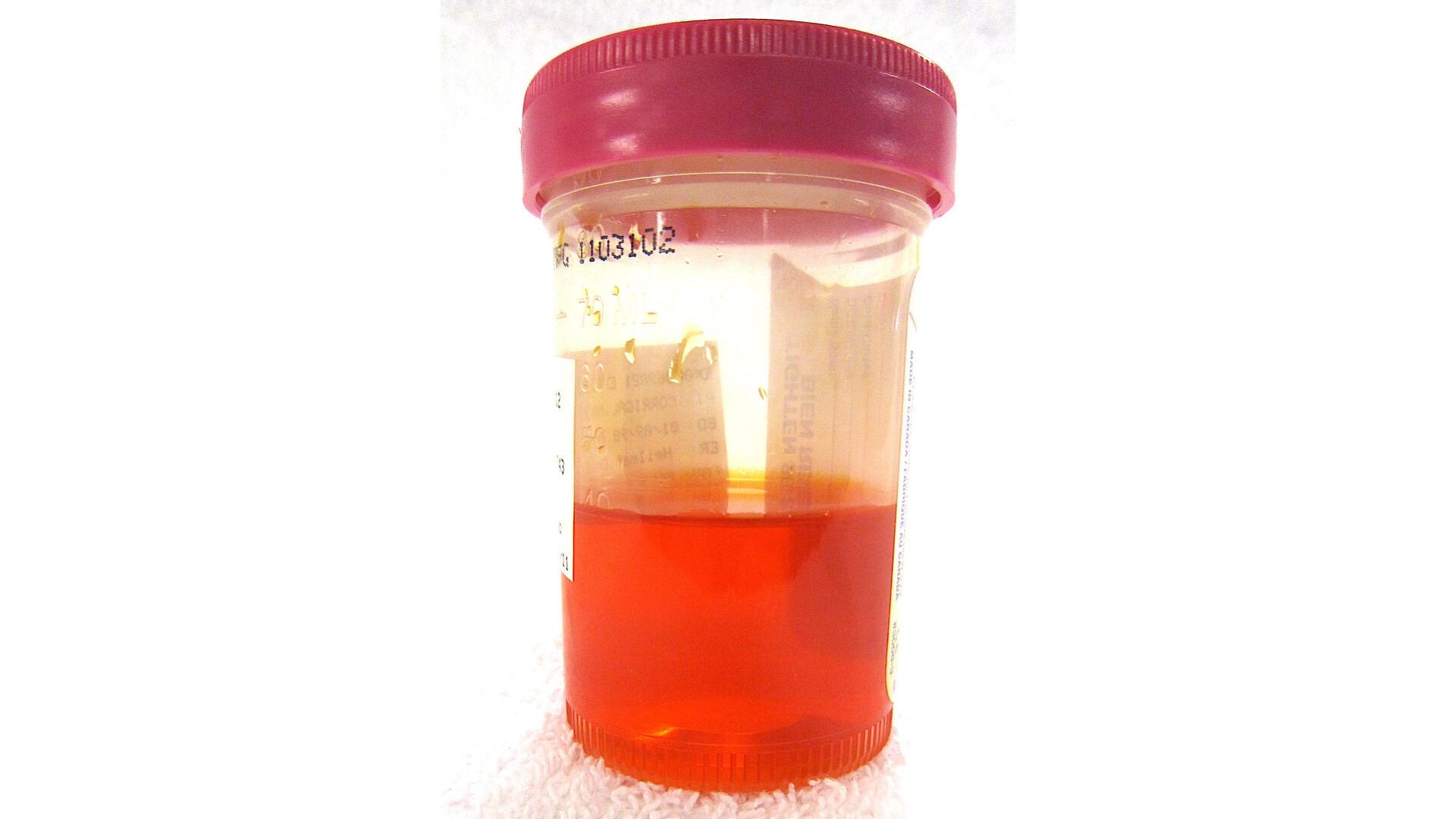
- Pink-tinged urine or a small amount of blood on the tissue
Those symptoms are usually from temporary irritation of the urethra and bladder lining.
Helpful self-care
- Hydrate unless your clinician advised you to restrict fluids. Extra water can dilute urine and reduce stinging.
- Use a warm compress on the lower abdomen for crampy discomfort.
- Ask about pain relief. Many people can use acetaminophen. Avoid NSAIDs if you were told not to take them due to bleeding risk.
Some clinicians recommend a urinary discomfort medicine (often a bladder anesthetic). If you take one, know it can turn urine bright orange. That can be surprising if nobody warned you, but it is expected with certain medications.
When to call your doctor
Call your urology team urgently or seek care the same day if you have:
- Fever (commonly 100.4°F or 38°C or higher) or chills
- Worsening pain that is not improving
- Heavy bleeding, large clots, or urine that stays bright red
- Inability to urinate after the procedure
- Severe burning with urination that is getting worse, especially with foul-smelling urine
Infection after cystoscopy is uncommon, but it can happen. These symptoms can be signs of infection, urinary retention, or bleeding that needs evaluation. It is always appropriate to call if you feel something is not right, even if your symptoms do not fit neatly into a checklist.
Recovery time
After office cystoscopy: Many people return to normal activities the same day. Mild burning or urgency can last a day or two.
After cystoscopy with biopsy or additional procedures: you may have more discomfort, more blood in the urine, and more restrictions. Your urologist will tell you how long to avoid strenuous exercise, heavy lifting, or sexual activity, depending on what was done.
Questions to ask
If you tend to freeze in the moment, these are practical questions to write down and bring with you:
- Will my cystoscopy be flexible (office) or rigid (operating room)?
- What pain control will you use? Numbing gel, sedation, or anesthesia?
- Should I take my usual medications the day of the procedure?
- If I take blood thinners or aspirin, what should I do before and after?
- What findings are you looking for today?
- If you see something abnormal, will you biopsy it today or schedule it later?
- What symptoms are expected afterward, and what symptoms are not?
FAQ
Is a cystoscopy painful?
Most people describe it as uncomfortable rather than painful, with pressure and a strong urge to urinate when the bladder is filled. Burning afterward is common for a short time.
Can I go to work afterward?
Often yes after an office cystoscopy, especially if your job is not physically demanding. If you have sedation or a biopsy, you may need time off. Your urology team can advise based on your exact plan.
Is it normal to have pink urine afterward?
Yes. A small amount of blood or pink-tinged urine for a day or two can be normal, especially if the bladder lining was irritated. Heavy bleeding, clots, or urine that stays bright red is not expected and should be reported.
What if I have my period?
In most cases, cystoscopy can still be performed during menstruation. Let the office know ahead of time so they can advise, especially if a urine test is planned that day.
A final word from me
I grew up in a rural community where specialty care meant a long drive and a lot of uncertainty. Even now, after years in clinic, I still see how much calmer people feel when they know what will happen and what sensations are normal. If you are heading into a cystoscopy, bring your questions, ask for a clear explanation of what the clinician sees, and speak up if you are uncomfortable. You deserve to understand what is happening in your body, in real time.