I grew up in a rural town where people often tried to tough things out because specialty care was far away. Even now, after years in busy family clinics, I see the same pattern when someone is told they need a TURBT. They nod, they’re polite, and inside they’re thinking, What exactly is going to happen to me in the operating room?
A TURBT, short for transurethral resection of a bladder tumor, is the standard procedure used to remove visible bladder tumors from inside the bladder and to collect tissue for diagnosis and staging. It is done through the urethra, so there is no incision on your abdomen. Here is what the day often looks like, what your team is trying to learn from the tissue, and what early recovery can feel like.
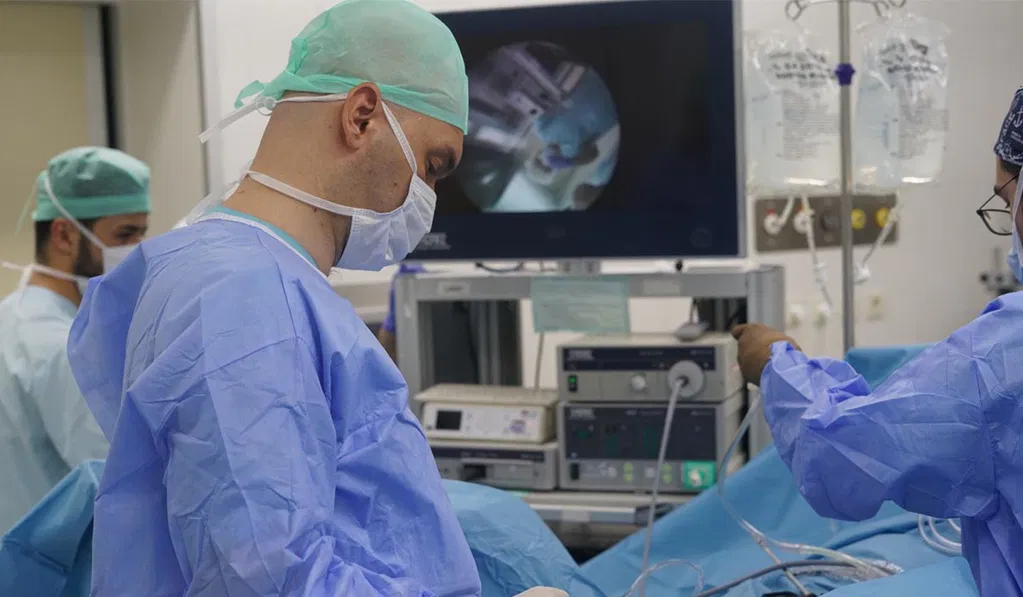
What TURBT is and is not
A TURBT is both a treatment (removing what can be removed) and a diagnostic step (getting tissue to pathology to determine the tumor type, grade, and depth). It is performed by a urologist using a scope that goes into the bladder through the urethra.
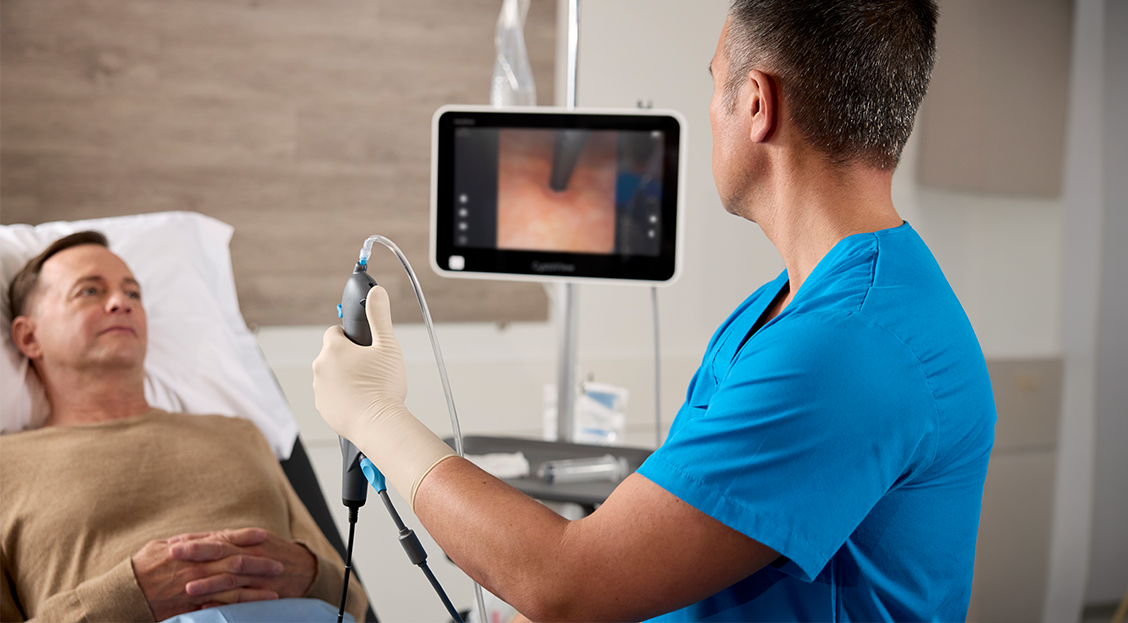
This page focuses on the TURBT operating-room experience and early recovery. A diagnostic cystoscopy, which is a look inside the bladder (often done in clinic), is a separate visit and experience. Also, if your care plan includes medicine placed into the bladder (intravesical therapy), that is its own topic and timeline. Some people receive a single, one-time dose of bladder chemotherapy shortly after TURBT, while others receive a course of treatments later on.
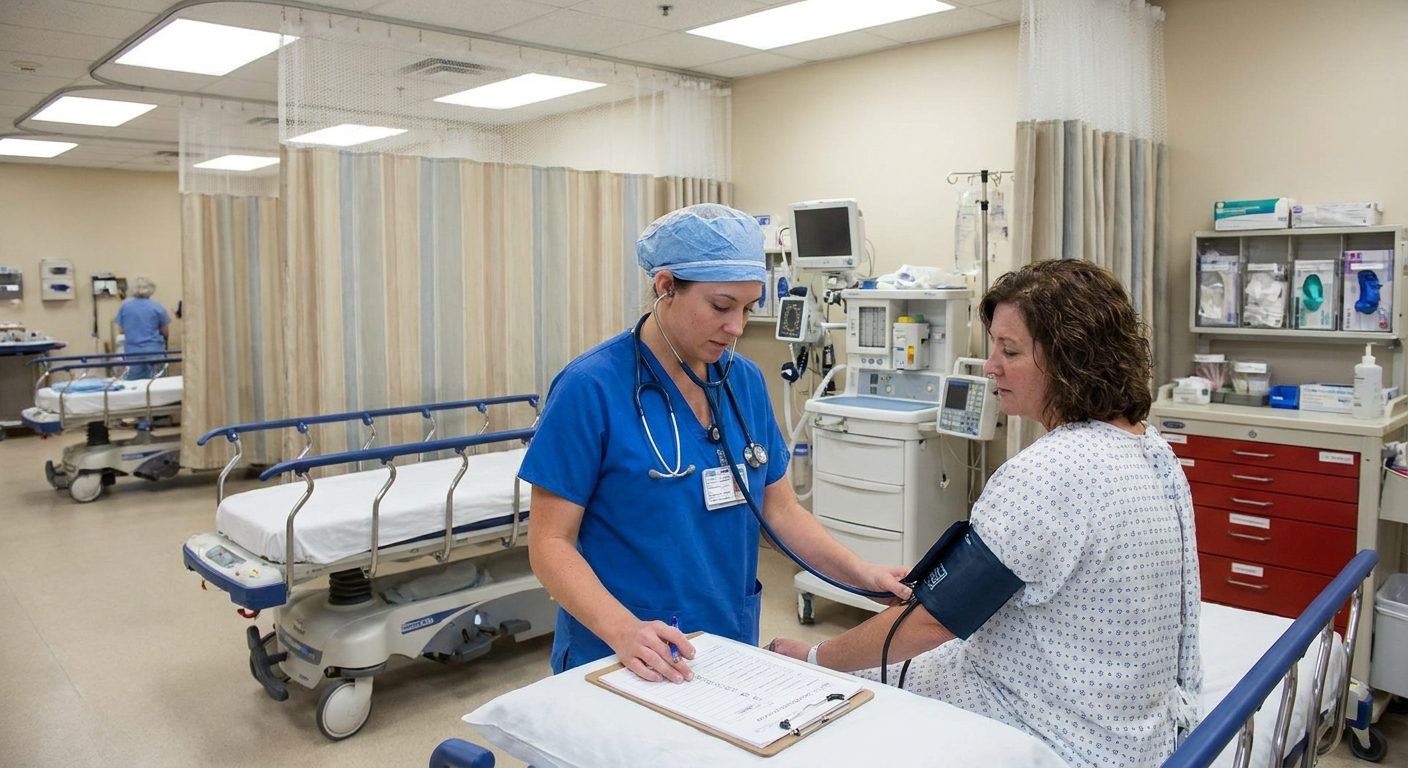
Before you go to the operating room
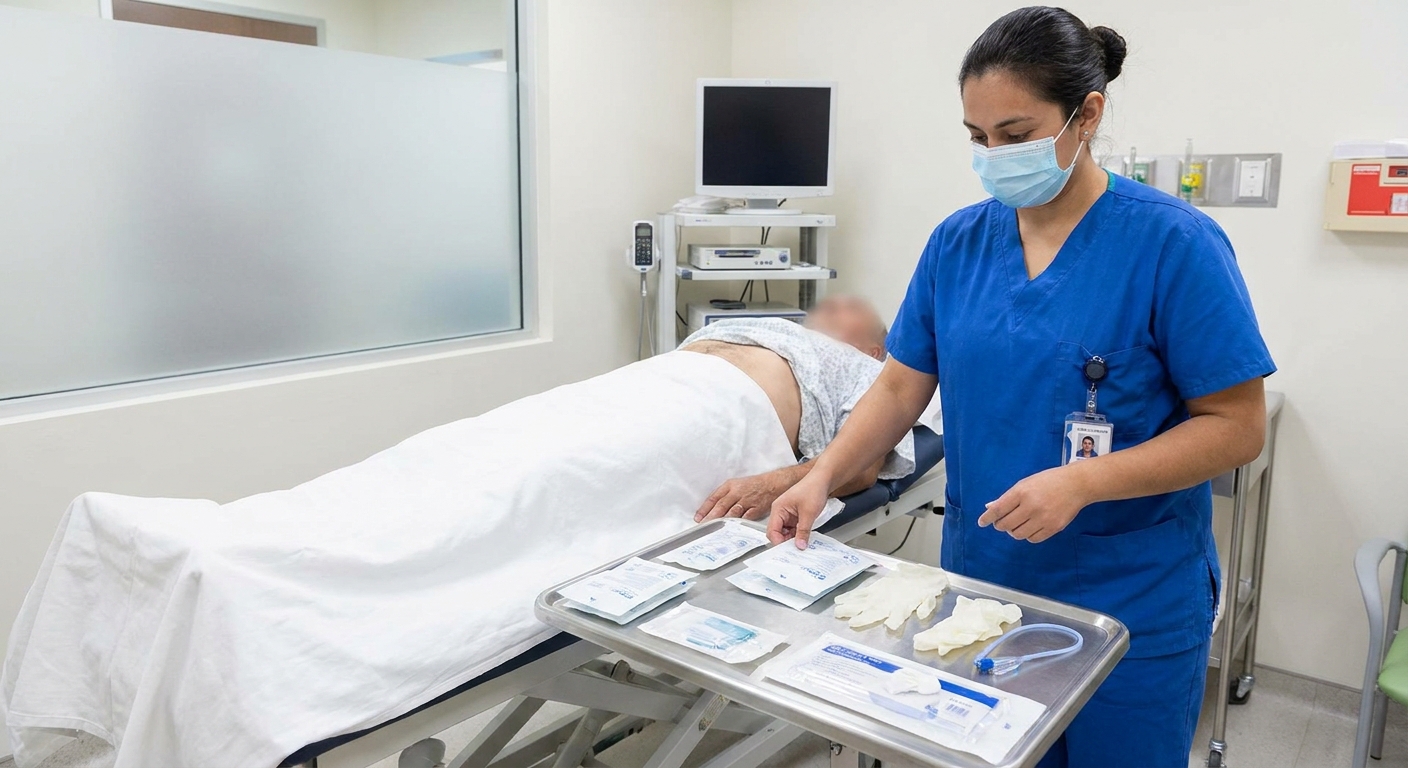
Pre-op check-in and safety steps
Many TURBTs are done as outpatient surgery, but some people stay overnight for observation, especially if the tumor is larger, bleeding is heavier, continuous bladder irrigation is needed, or medical conditions make monitoring safer.
When you arrive, you can expect:
- Vital signs and a brief health review.
- Medication review, especially anticoagulants and antiplatelet medicines (for example warfarin, apixaban, rivaroxaban, and also aspirin or clopidogrel) and certain supplements that can increase bleeding risk.
- Urine testing may be done if infection is a concern.
- An IV placed for fluids and medications.
- Consent and a final conversation with your surgeon and anesthesia team.
If you have a history of sleep apnea, heart or lung disease, prior anesthesia problems, or difficult-to-control blood pressure or diabetes, mention it. Those details can change anesthesia planning and post-op monitoring.
Anesthesia
TURBT is usually done under general anesthesia (you are asleep) or spinal anesthesia (numb from the waist down, sometimes with sedation). Your anesthesia team will recommend what is safest based on your health, the expected procedure length, and surgeon preference.
With general anesthesia, most people remember being moved into the operating room, then waking up in recovery. With spinal anesthesia, you may be awake but relaxed, and you should not feel pain. You might feel pressure or movement, but your team works hard to keep you comfortable.
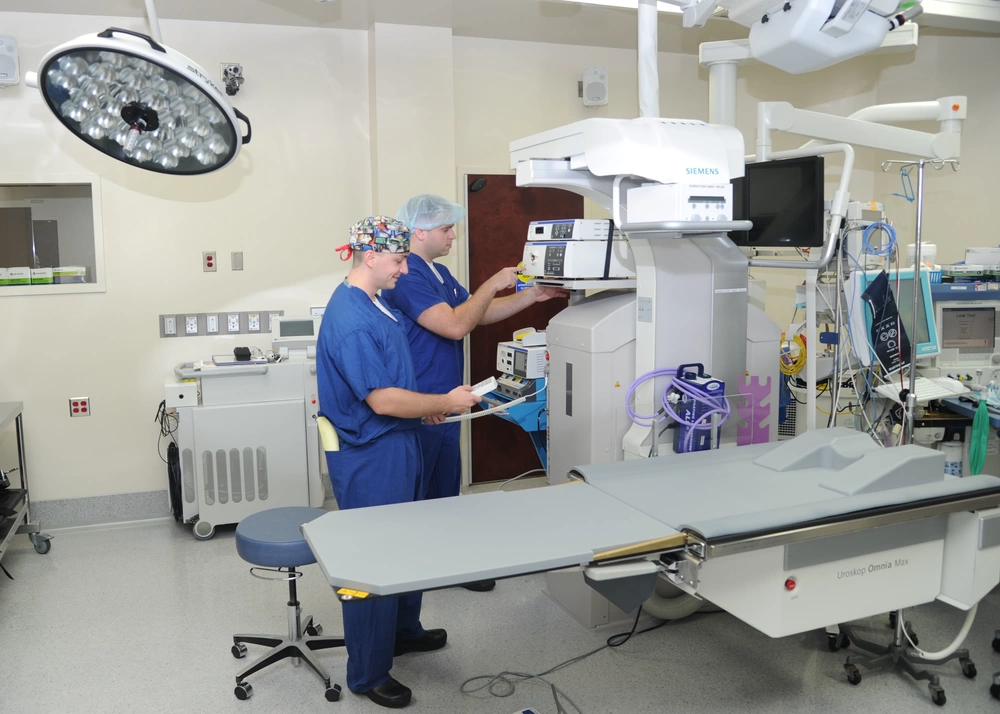
In the operating room
How the surgeon reaches the bladder
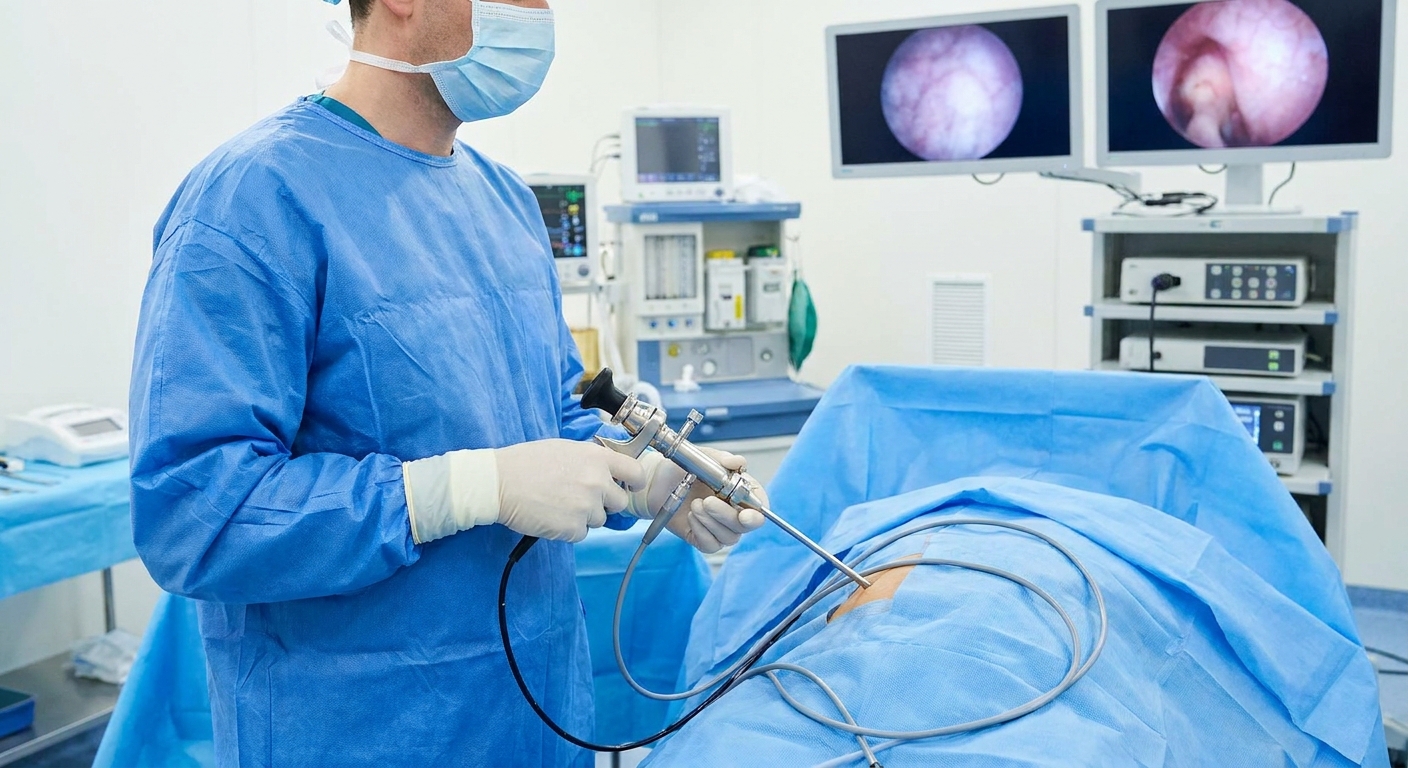
The surgeon uses a specialized instrument called a resectoscope. It is passed through the urethra into the bladder. Sterile fluid is used to fill and gently stretch the bladder so the surgeon can see the bladder lining clearly.
How the tumor is removed
Once the tumor is visualized, the urologist removes it in small pieces. You might hear these called chips. Depending on the situation, the surgeon may:
- Resect the visible tumor down to its base.
- Cauterize (seal) areas to control bleeding.
- Take additional samples from the tumor base and sometimes nearby suspicious areas.
The goal is not only to remove what is visible, but to obtain tissue deep enough to tell how far the tumor extends into the bladder wall.
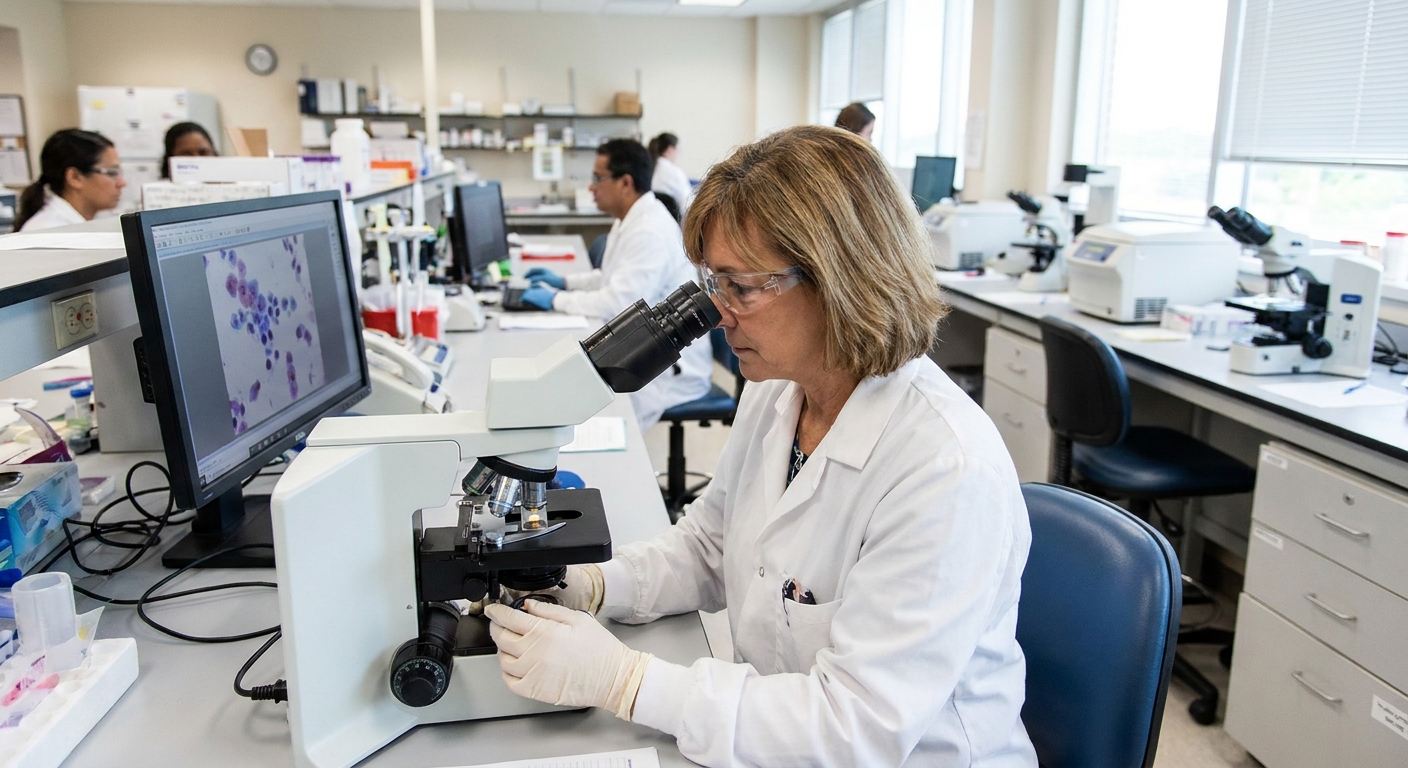
Pathology and bladder muscle
This is one of the most important points I want patients to understand because it directly affects staging and next steps.
The bladder wall has layers. The key question is whether a tumor is confined to the inner lining or has invaded deeper, especially into the muscular layer (often called muscularis propria or detrusor muscle).
What “muscle present” means
Your pathology report should clearly indicate whether bladder muscle is present in the specimen. If muscle is present and it is not invaded, that supports a more confident stage assessment.
What “no muscle in specimen” can mean
If the report says there is no muscularis propria in the sample, it can be harder to be sure how deep the tumor goes. Sometimes that leads to a recommendation for a repeat TURBT. This is especially common when the tumor is high-grade, staged as T1, the initial resection was incomplete, or the team is concerned about understaging.
If you are reading your report at home and it is unclear, it is reasonable to ask: “Did the specimen include muscularis propria, and if not, do we need additional sampling?”
After the resection
Catheter
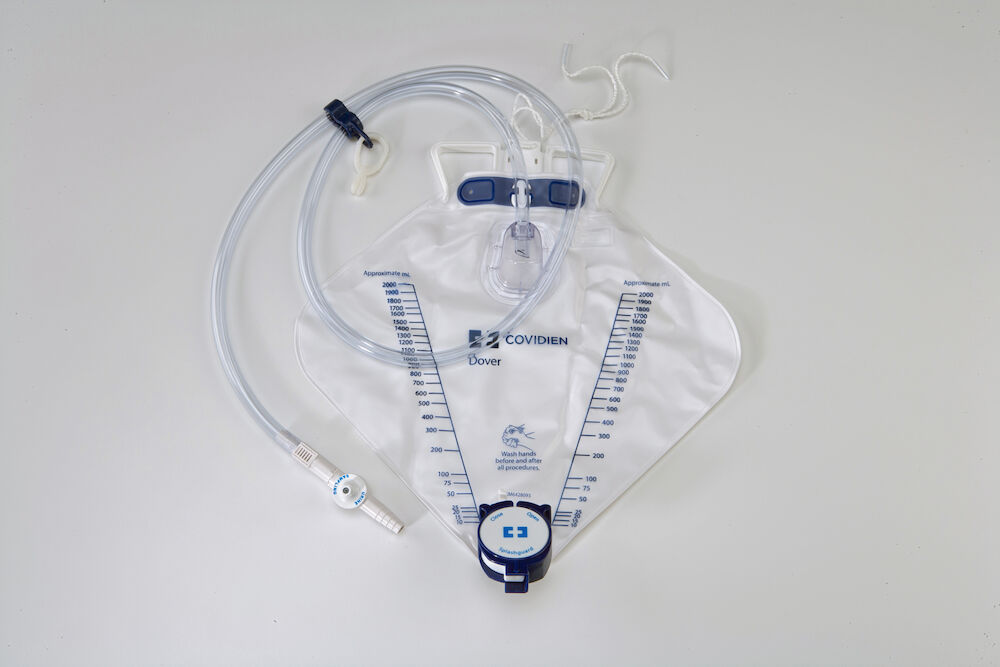
At the end of the procedure, many patients wake up with a urinary catheter (a tube that drains urine from the bladder). This is done for several reasons:
- To help the bladder drain freely while the lining is irritated.
- To prevent urine retention if there is swelling.
- To allow monitoring of bleeding.
How long the catheter stays in varies. Some people have it removed before discharge. Others go home with it for a short time and return for removal.
If you go home with a catheter, your team should tell you how to secure the tubing, how to empty the bag, and who to call if it stops draining. If you feel increasing bladder pressure and the bag is not draining, that is not a “wait it out” situation.
Bladder irrigation
If there is moderate bleeding or risk of clot formation, your team may run continuous bladder irrigation. This is sterile fluid flowing into the bladder through the catheter and draining out, helping prevent blood from pooling and clotting.
It can look alarming because the drainage bag may appear pink or red at first. The trend matters most. Your team is watching for steady clearing and for clots.
One-time bladder chemotherapy
One step that surprises some patients is that, in selected situations, the urologist may place a single dose of chemotherapy into the bladder shortly after the TURBT (often within 24 hours). Common examples include gemcitabine or mitomycin. The goal is to reduce the chance of tumor cells reattaching.
This is not for everyone. It is typically avoided if there is concern for bladder perforation, significant bleeding, or other reasons your surgeon thinks it is not safe. If you are unsure whether it is part of your plan, ask directly.
What early recovery feels like
It is normal to have a few unpleasant, temporary symptoms after TURBT. Common experiences include:
- Burning with urination once the catheter is out.
- Urgency and frequency, feeling like you have to go often.
- Small amounts of blood in the urine or pink urine.
- Passing tiny clots or tissue flecks.
For many people, burning and urgency improve over several days and continue to settle over 1 to 2 weeks. Urine should trend lighter over time. Some patients notice a brief increase in blood about 7 to 14 days later as the bladder lining heals and a scab loosens. If that happens, the key is whether it is mild and self-limited, or heavy and worsening.
Bladder spasms
Bladder spasms are crampy, sudden urges to urinate or painful tightening feelings in the bladder area. They can happen with or without a catheter. Spasms are common because the bladder lining has been manipulated and may be irritated by the catheter.
Your clinician may recommend or prescribe medication to calm spasms. At home, some people find gentle heat on the lower abdomen and relaxed breathing helpful, but you should follow the plan your surgical team gives you.
Hydration and activity
Your urology team will give specific instructions, but many patients are advised to drink fluids (unless they have a fluid restriction) to keep urine lighter in color and reduce clotting.
You may also be told to avoid heavy lifting, strenuous exercise, and sexual activity for a short period, since all can increase bleeding risk. When in doubt, ask your surgeon for a clear timeline and a weight limit that fits your case.
How long until you get results?
Pathology results often take several days to about two weeks, depending on the lab and whether special stains, additional review, or more complex findings require extra time. Occasionally, it can take longer.
When results are ready, your urologist will typically discuss:
- Tumor type (most are urothelial carcinoma).
- Grade (how abnormal the cells look).
- Depth of invasion and whether muscle is involved.
- Whether there is associated carcinoma in situ or other high-risk features.
Those findings guide what comes next, which can range from surveillance to repeat TURBT, medicine placed into the bladder, or more extensive treatment plans.
Warning signs: when to get urgent help
Some bleeding and discomfort are expected. But there are red flags I want you to take seriously. Call your surgeon’s office right away, use the on-call number, or seek urgent care or emergency evaluation if you have:
- Heavy bleeding such as urine that becomes dark red like thick cranberry juice, rapidly worsening redness, or large clots.
- Inability to urinate, especially with bladder pressure or pain (possible clot retention).
- Fever (often 100.4°F or 38°C or higher) or chills.
- Worsening abdominal or pelvic pain that is not controlled with your prescribed plan.
- Severe nausea or vomiting or inability to keep fluids down.
If you have severe bleeding, chest pain, trouble breathing, or you faint or feel like you might faint, treat it as an emergency and call your local emergency number.
Possible bladder perforation
A bladder perforation during TURBT is uncommon, but it is a known risk. Your surgical team is trained to recognize and manage it. After discharge, concerning symptoms can include:
- New or worsening lower abdominal pain or increasing tenderness.
- Increasing abdominal swelling or bloating.
- Fever or feeling progressively unwell.
- Low urine output, trouble urinating after catheter removal, or a catheter that stops draining along with increasing bladder pressure.
If you suspect something is not right, trust that instinct and get evaluated promptly.
Questions to ask your urology team
- Will I have a catheter when I wake up, and when will it come out?
- If I go home with a catheter, who do I call if it stops draining?
- Did you remove all visible tumor?
- Did you sample deep enough to include muscularis propria?
- Am I a candidate for a one-time dose of chemotherapy in the bladder after TURBT?
- What symptoms are expected for me, and what symptoms mean call immediately?
- When should I expect my pathology results and follow-up visit?
A calm closing thought
Even when a TURBT is routine for your surgeon, it is a major day for you. It is okay to feel anxious. Understanding the flow of the procedure, why the tissue is collected the way it is, and what the early recovery window can look like helps you regain a sense of control. If you are unsure about anything you were told, write your questions down and bring them to your follow-up. You deserve clear answers.