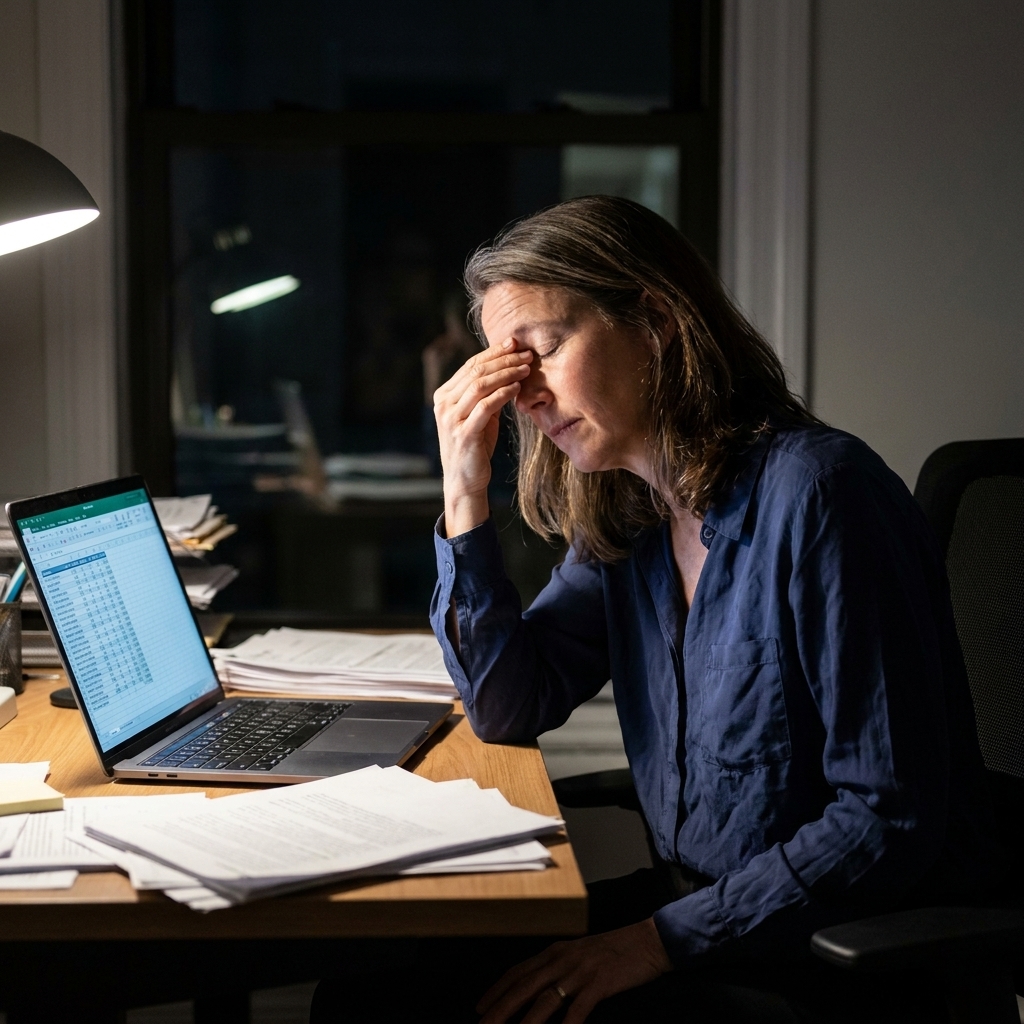
Most of us know what it feels like to be tired after a busy week. But persistent fatigue is different. It is the kind of exhaustion that sticks around even after a full night of sleep, the kind that makes small tasks feel strangely heavy. If you are thinking, “I rested, so why do I still feel drained?”, you are not alone.
As a family nurse practitioner, I often tell patients this: ongoing fatigue is a clue. Sometimes it is lifestyle, sometimes it is stress, and sometimes it is your body asking for a closer look. Below are common medical causes worth investigating, along with plain-language symptom hints to help you decide your next step.
A quick note on terminology: People often say “chronic fatigue” to mean persistent tiredness. This article is about common causes of ongoing fatigue in general, not diagnosing ME/CFS (myalgic encephalomyelitis/chronic fatigue syndrome), which has specific criteria (often including post-exertional malaise and symptoms lasting 6 months or longer).

What counts as persistent fatigue?
There is no single perfect definition. Still, these patterns are strong signals that it is time to pay attention and consider a medical check-in:
- Fatigue most days for more than a couple of weeks, especially if it is getting worse
- Sleep does not feel restorative , even if you are in bed long enough
- New fatigue that is out of character for you
- Fatigue plus other symptoms like shortness of breath, weight changes, fevers, mood shifts, or loud snoring
Fatigue is also tricky because it can come from more than one cause at the same time. For example, low iron and depression can overlap, or sleep apnea can worsen blood pressure and mood.
Also true: some very “medical-looking” fatigue is actually driven by basics like sleep debt, dehydration, under-eating, overtraining, alcohol, or burnout. The goal is not to assume the worst. It is to look for patterns and address what is most likely.
1) Thyroid disorders
Your thyroid is a small gland in your neck that helps regulate metabolism, temperature, and energy. When it is underactive (hypothyroidism), everything can feel like it slows down. When it is overactive (hyperthyroidism), you might feel wired but tired.
Signs that suggest thyroid imbalance
- Hypothyroidism signs: weight gain, constipation, feeling cold easily, dry skin, hair thinning, puffy face, slower heart rate, heavier or irregular periods
- Hyperthyroidism signs: anxiety or restlessness, heat intolerance, sweating, frequent stools, unintended weight loss, heart palpitations, shaky hands, trouble sleeping
What your clinician may check: A blood test called TSH is usually the starting point, often along with free T4. Thyroid problems are common and treatable, but they should be diagnosed with labs rather than guesswork.

2) Anemia (including iron deficiency)
Anemia means you do not have enough healthy red blood cells, or they are not carrying oxygen effectively. With less oxygen delivery, your body often responds with fatigue, weakness, and reduced stamina.
Signs that suggest anemia
- Shortness of breath with activity that used to feel easy
- Feeling lightheaded, dizzy, or having frequent headaches
- Fast heartbeat, palpitations, or chest fluttering
- Pale skin or pale inner eyelids
- Cold hands and feet
- Brittle nails or unusual cravings for ice (a symptom called pica, sometimes linked to iron deficiency)
Common reasons anemia happens: heavy menstrual bleeding, pregnancy, low iron intake, poor iron absorption, bleeding in the gastrointestinal tract, and certain chronic illnesses.
What your clinician may check: A complete blood count (CBC) plus iron studies like ferritin often clarify whether iron deficiency is part of the story.
3) Sleep apnea
Sleep apnea is when breathing repeatedly pauses or becomes shallow during sleep. Even if you are asleep for 8 hours, your brain may be waking up briefly over and over to keep you breathing. The result is poor-quality sleep and daytime exhaustion .
Signs that suggest sleep apnea
- Loud snoring, gasping, or choking sounds during sleep (often noticed by a partner)
- Waking with a dry mouth or morning headaches
- Needing frequent naps, or feeling sleepy while driving
- Difficulty concentrating, irritability, or memory lapses
- High blood pressure, especially if it is difficult to control
Sleep apnea can affect people of many body types, but risk increases with weight gain, age, nasal obstruction, alcohol use near bedtime, and certain jaw or airway anatomy.
What your clinician may recommend: A home sleep apnea test or an in-lab sleep study. Treatment might include CPAP, oral appliances, or targeted changes to sleep habits and breathing.

4) Depression and anxiety
Depression is not just sadness. Many people experience it primarily as low energy, low motivation, brain fog, and changes in sleep or appetite. Anxiety can also be exhausting, especially when your body is in a constant state of alert.
Signs that suggest a mood component
- Loss of interest or pleasure in things you normally enjoy
- Feeling hopeless, numb, or unusually irritable
- Sleeping too much or too little
- Appetite changes or weight changes
- Trouble concentrating, slowed thinking, or feeling not like yourself
- Fatigue that feels emotional and physical at the same time
If you have thoughts of harming yourself, or you feel unsafe, seek urgent help in your area right away .
What helps: Effective care often includes therapy, lifestyle supports, and sometimes medication. The most important first step is naming what is happening out loud to a trusted professional.
5) Vitamin deficiencies (B12 and D)
Vitamin deficiencies are common and can be surprisingly sneaky. Two of the most fatigue-linked are vitamin B12 and vitamin D.
Signs that suggest vitamin B12 deficiency
- Tingling or numbness in hands or feet
- Balance issues
- Memory problems or brain fog
- Sore tongue or mouth ulcers
- Fatigue that seems out of proportion to your sleep
B12 deficiency can be more likely if you follow a vegan diet without supplementation, have a history of stomach or intestinal surgery, take certain medications long-term (like metformin or acid-suppressing medicines), or have absorption conditions.
Signs that suggest vitamin D deficiency
- Low energy and low mood
- Muscle aches or weakness
- Bone discomfort
- Some people also report getting sick more often, though this is not specific
What your clinician may check: Blood tests for B12 and 25-hydroxy vitamin D. If you supplement, it is still worth confirming levels and dosing with your clinician, since more is not always better.

6) Medications and substances
Fatigue is a common side effect of many everyday medications and substances. This is easy to miss because the tiredness can show up gradually, or it can be blamed on stress or poor sleep.
Common contributors
- Allergy medications, especially older antihistamines
- Sleep aids, sedatives, and some anxiety medications
- Some antidepressants or mood stabilizers
- Blood pressure medications like beta-blockers (not always, but it happens)
- Alcohol, cannabis, and other substances that disrupt sleep quality
What to do: Do not stop prescribed medication abruptly. Instead, bring a full list (including supplements) to your clinician or pharmacist and ask if timing, dose, or alternatives could help .
7) Blood sugar issues (prediabetes and diabetes)
When blood sugar is running high, low, or swinging up and down, you can feel wiped out. Some people also feel shaky, foggy, or irritable when they go too long without eating.
Signs that suggest blood sugar dysregulation
- Increased thirst or urination
- Energy crashes after meals
- Blurred vision
- Slow wound healing or more frequent infections (for some people)
- Unintended weight changes
What your clinician may check: Often fasting glucose and A1C, plus a review of diet patterns and timing.
8) Hormone transitions (perimenopause and menopause)
Hormonal shifts can affect sleep, mood, and energy. Perimenopause can begin years before periods fully stop, and fatigue is a common complaint during that transition.
Signs that suggest perimenopause or menopause
- Hot flashes or night sweats
- New insomnia or early morning waking
- Heavier or more irregular periods (in perimenopause)
- Mood changes, increased anxiety, or irritability
- Brain fog
What helps: A thoughtful review of symptoms, sleep, and bleeding patterns is often more useful than a single hormone lab. Your clinician can talk through options like sleep supports, targeted lifestyle changes, and in some cases hormone therapy when appropriate.
9) Post-viral syndromes (including Long COVID)
After some viral illnesses, fatigue can linger for weeks or longer. In some cases, this becomes a post-viral syndrome such as Long COVID, which can include symptoms beyond fatigue.
Signs that suggest a post-viral pattern
- Fatigue that began after a respiratory or flu-like illness and never fully resolved
- Post-exertional worsening, meaning you feel significantly worse after physical or mental effort
- Shortness of breath, chest tightness, or cough that persists
- Brain fog, headaches, or sleep disruption
What your clinician may do: Rule out other treatable causes, assess heart and lung symptoms if present, and guide a paced return to activity rather than a push-through approach.
10) Infections and inflammation
Sometimes an infection can take longer than expected to recover from, or it can trigger prolonged inflammation that makes you feel worn down. That said, a true ongoing or reactivated infection is less common than causes like sleep problems, anemia, thyroid issues, mood conditions, medications, or post-viral syndromes. This is why testing should be guided by your specific symptoms, exposures, and timeline.
Signs that deserve a closer look
- Ongoing low-grade fevers or night sweats
- Swollen glands
- Persistent sore throat or lingering cough
- Unexplained body aches
- Fatigue with a clear infectious starting point that never fully improved
The list of possible infections is long and depends on travel, exposures, and medical history. Common examples include prolonged viral recovery, mononucleosis, and in some situations infections like hepatitis. Your clinician will narrow the possibilities based on your pattern rather than running every test under the sun.
What your clinician may check: Often a CBC and targeted tests based on history and exam. Sometimes the most helpful tool is a careful timeline of when symptoms began and what changed since then.
When home tracking can help
If your fatigue is mild, new, and clearly tied to an obvious short-term cause, it is reasonable to start with a focused, 2-week body check-in. Home monitoring works best when you track a few simple data points consistently.
Track these for 10 to 14 days
- Sleep: bedtime, wake time, night awakenings, naps, snoring reports from a partner
- Caffeine and alcohol: what time and how much
- Hydration and meals: especially breakfast and protein intake
- Movement: a daily walk or gentle activity, and whether it helps or worsens fatigue
- Stress and mood: a 1 to 10 rating each day
- Menstrual bleeding: heaviness and duration, if relevant
If you see clear patterns, you can bring that information to your clinician. It often speeds up diagnosis and avoids unnecessary testing.
When to book a visit or labs
Make an appointment sooner rather than later if:
- Your fatigue lasts more than 2 to 4 weeks without a clear explanation
- You are missing work, school, or normal life because of low energy
- You have symptoms that suggest a medical cause, like shortness of breath, palpitations, heavy periods, significant weight change, persistent snoring with daytime sleepiness, numbness or tingling, or low mood
- You have a chronic condition (diabetes, autoimmune disease, heart or lung disease) and your baseline has changed
- You recently started a new medication or changed a dose and fatigue followed
Go to urgent care or the ER now if you have
- Chest pain, pressure, or trouble breathing
- Fainting, severe weakness, or confusion
- Black or bloody stools, vomiting blood, or signs of severe dehydration
- High fever with stiff neck, severe headache, or new rash
- New neurological symptoms such as one-sided weakness, facial droop, or difficulty speaking
What to expect at a primary care visit: A good clinician will take a detailed history, review sleep, mood, diet, and medications, and do an exam. Common first-line labs for persistent fatigue may include a CBC, TSH, a metabolic panel (which can give clues about kidney and liver function, electrolytes, and blood sugar), iron studies when indicated, and vitamin levels based on risk factors and symptoms.
A gentle closing note
Persistent fatigue can be deeply frustrating, especially when people around you assume you just need to push through. If you have been trying and still feel stuck, that is a sign you deserve a thorough, compassionate evaluation. Start with what you can track at home, then bring your notes and your questions to a primary care visit. Most importantly, trust that persistent fatigue is worth taking seriously, because you are worth taking seriously.
Medical note: This article is for general information and education. It is not a substitute for personal medical advice, diagnosis, or treatment.