“Diabetes” is one word, but it describes more than one condition. Type 1 and Type 2 diabetes can both lead to high blood sugar and similar symptoms, yet the root cause and the day-to-day care plan are often very different. Knowing which type you or your loved one has is not about labels. It shapes which medications help, how closely to monitor glucose, and what to watch for in the future.
Quick takeaways if you are skimming:
- Type 1 is autoimmune and leads to little to no insulin over time, so insulin is required.
- Type 2 is driven by insulin resistance and beta-cell dysfunction and is often treated with lifestyle changes and non-insulin meds first.
- DKA can happen in both types. It is more common in Type 1, but it can occur in Type 2 in certain situations.
Below, I will walk you through a clear side-by-side comparison, then give you practical next steps and questions you can bring to your clinician.
Quick side-by-side: the big differences
- Core problem: Type 1 is an autoimmune condition that progressively destroys the insulin-making beta cells in the pancreas, leading to little to no insulin (often after a brief “honeymoon” period with some remaining insulin). Type 2 is mainly insulin resistance plus beta-cell dysfunction, which can be present early and often worsens over time.
- Typical onset: Type 1 often appears suddenly, commonly in childhood or young adulthood, but it can occur at any age. Type 2 usually develops more gradually and is more common in adults, though it is increasingly seen in teens.
- Insulin: Type 1 requires insulin for survival. Type 2 may be managed initially with lifestyle changes and non-insulin medications, though some people eventually need insulin.
- Urgency at diagnosis: Type 1 can progress quickly to diabetic ketoacidosis (DKA), a medical emergency. Type 2 can also become dangerous, but it more often develops quietly over months to years. DKA can still happen in Type 2 in certain situations (for example, severe illness, “ketosis-prone” Type 2, or rarely with some medications).
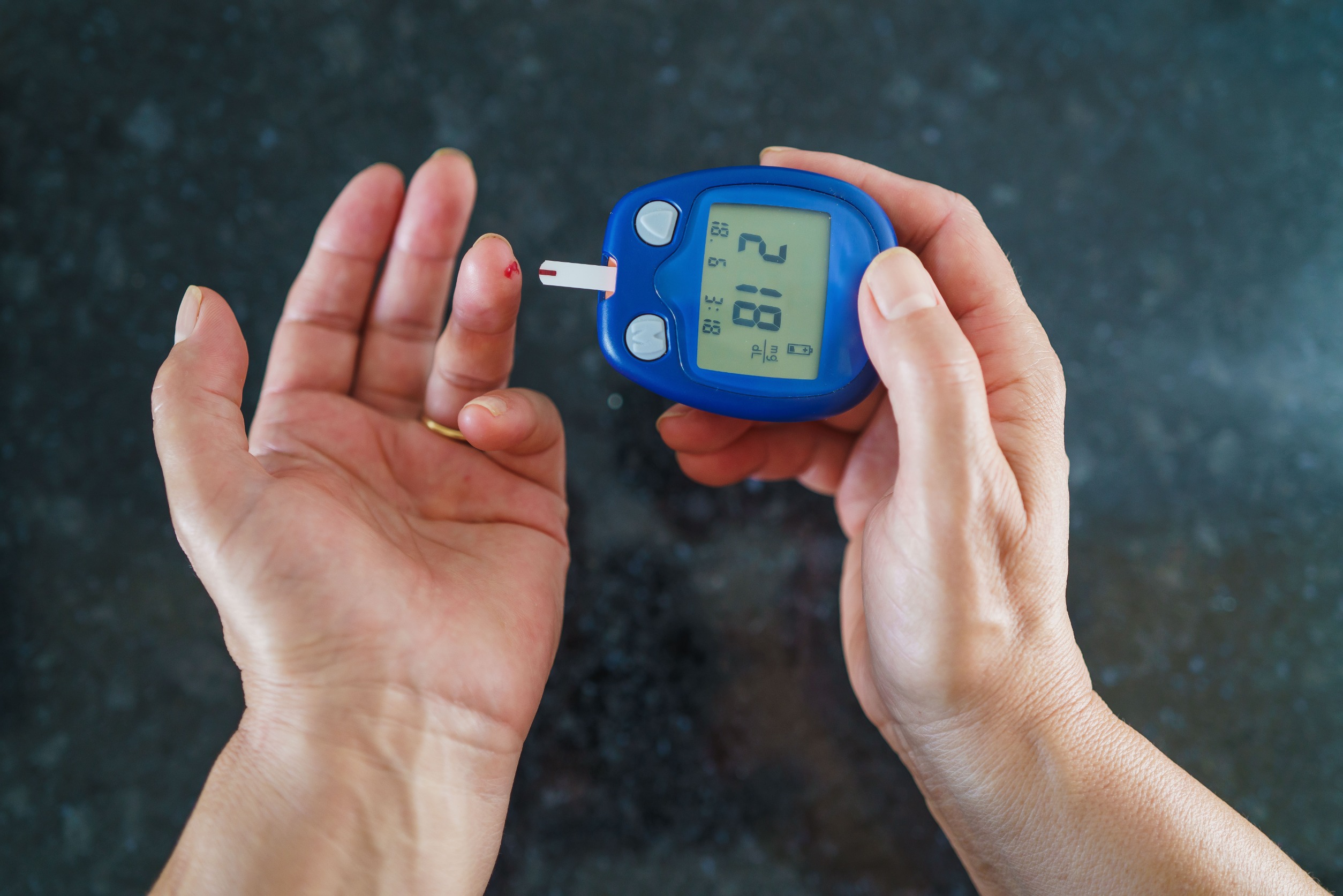
- Monitoring: Both benefit from tracking glucose, but Type 1 typically requires more frequent checks and tighter matching of insulin to food, activity, and illness.
What is happening in the body
Type 1 diabetes: insulin becomes severely low
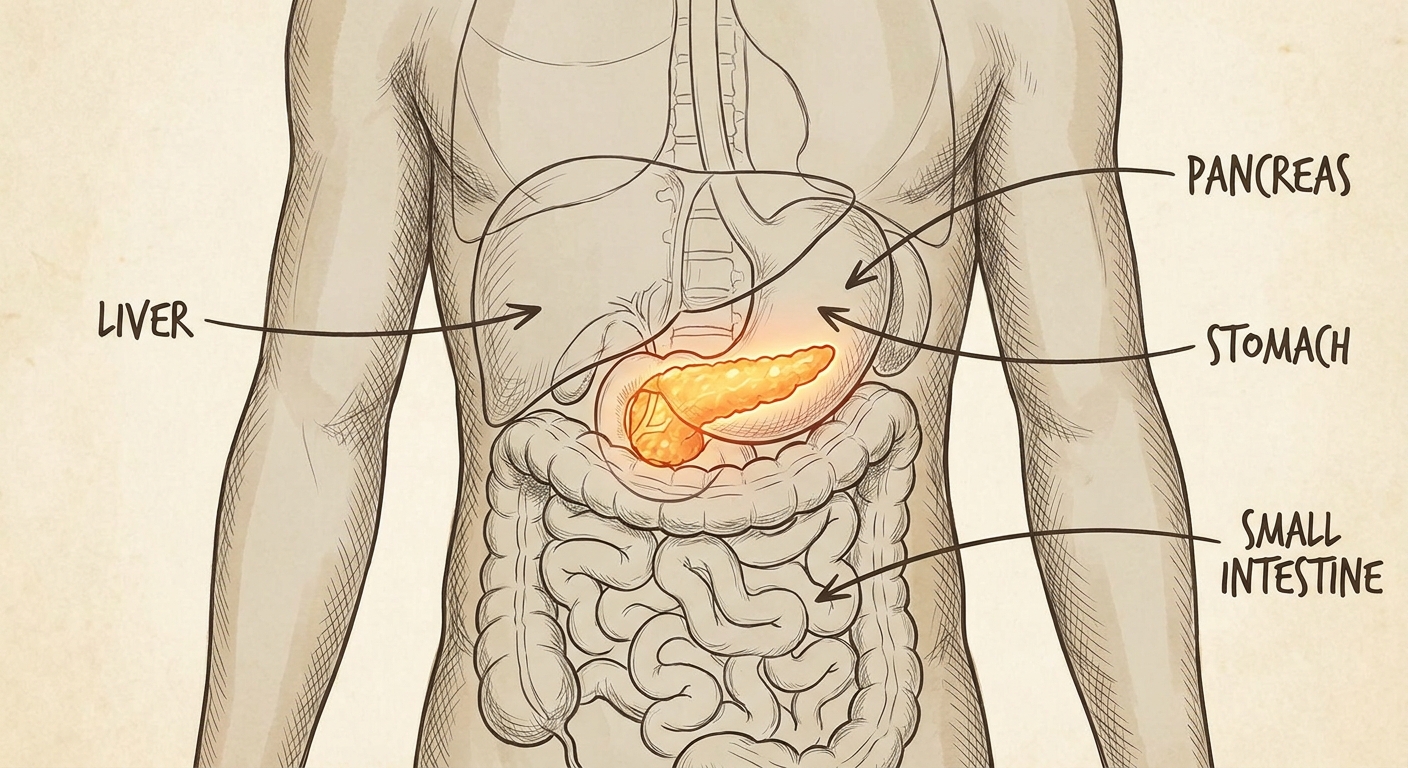
In Type 1 diabetes, the immune system mistakenly attacks the insulin-making beta cells in the pancreas. Over time, the body produces little to no insulin. Insulin is the “key” that helps glucose move from the bloodstream into cells for energy. Without enough insulin, blood sugar rises and the body may start breaking down fat for fuel, which can create ketones (acids that can build up in the blood).
Bottom line: Type 1 is not caused by sugar intake or “not taking care of yourself.” It is an autoimmune disease influenced by genetics and environmental triggers that are still being studied.
Type 2 diabetes: insulin is present, but it is not working well
In Type 2 diabetes, the body still makes insulin, especially early on. The challenge is that muscle, fat, and liver cells become less responsive to it, which is called insulin resistance. Many people also have beta-cell dysfunction, meaning the pancreas cannot release enough insulin when it is needed (this can happen early, not only “later”). The pancreas may try to compensate by making more insulin, but over time it may not keep up. That is when blood sugar rises.
Bottom line: Type 2 is strongly influenced by genetics, age, sleep, stress, certain medications, and lifestyle factors. Weight can play a role for many people, but it is not the whole story. You can have Type 2 at a lower weight, and you can have insulin resistance long before diabetes is diagnosed.
Onset and symptoms
How Type 1 often shows up
Type 1 commonly arrives fast. People might feel “fine” and then suddenly feel very unwell over days to weeks.
- Frequent urination and intense thirst
- Unexplained weight loss
- Fatigue, weakness
- Blurry vision
- Nausea, vomiting, or belly pain
- Fruity-smelling breath, rapid breathing, confusion (possible DKA)
If you suspect DKA because of vomiting, deep rapid breathing, severe sleepiness, confusion, or very high glucose with ketones, seek emergency care.
How Type 2 often shows up
Type 2 symptoms can be subtle and may be missed for a long time. Some people find out through routine labs.
- Increased thirst and urination
- Fatigue
- Blurry vision
- Slow-healing cuts or frequent infections (including yeast infections)
- Numbness or tingling in hands or feet
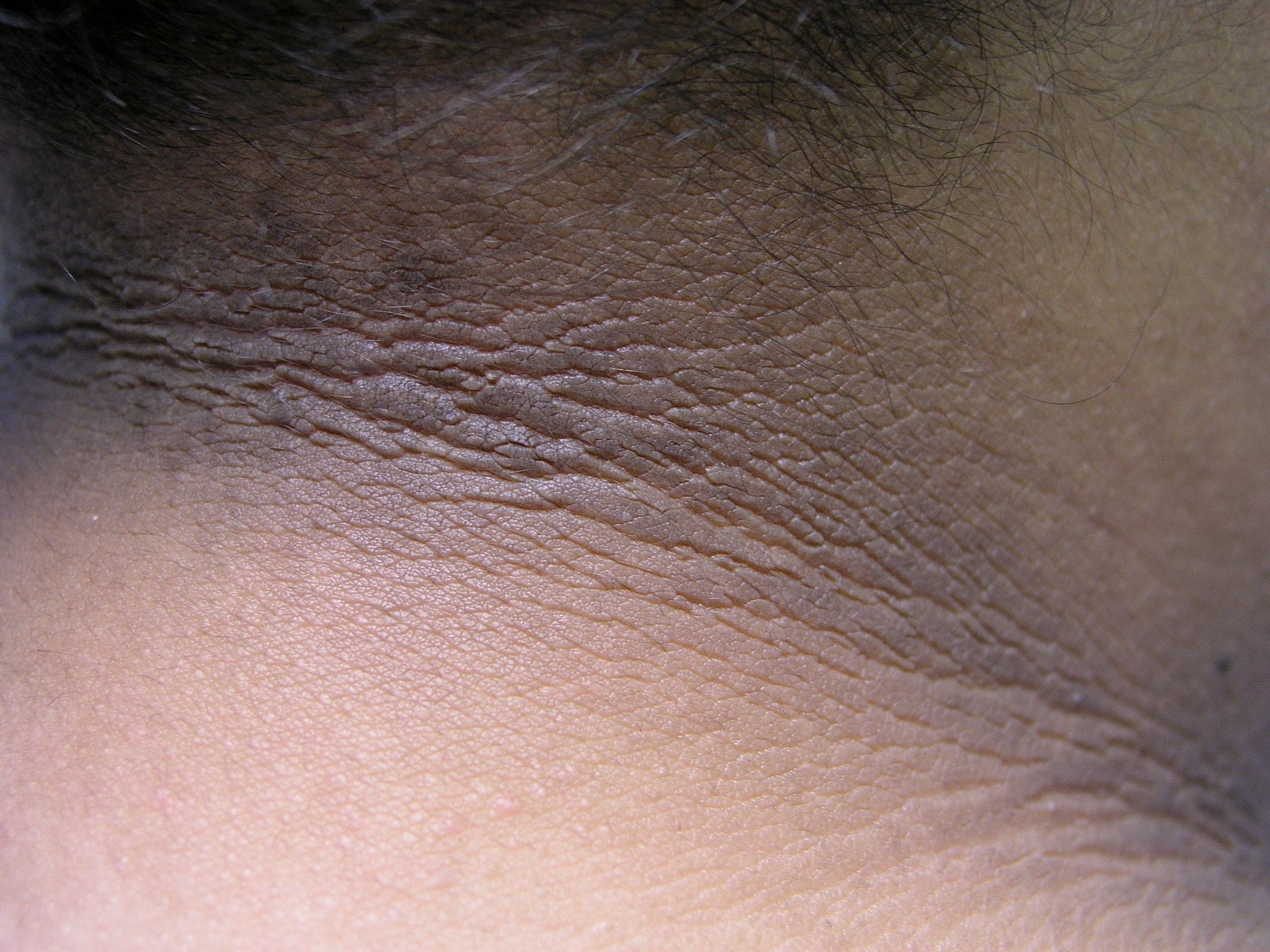
- Areas of darker, velvety skin, often on the neck or underarms (acanthosis nigricans, linked with insulin resistance)
Insulin and medications
Type 1: insulin is non-negotiable
People with Type 1 need insulin every day. This might be delivered by multiple daily injections (a long-acting basal insulin plus rapid-acting mealtime insulin) or by an insulin pump. Because insulin dosing must match food, activity, stress, and illness, education and follow-up are crucial.
Some people with Type 1 also use additional medications, but insulin remains the foundation.
Type 2: many pathways to control
Type 2 treatment can include lifestyle changes, oral medications, and injectable medications. Common categories include:
- Metformin (often first-line, improves insulin sensitivity)
- GLP-1 receptor agonists (can improve glucose and support weight loss, and certain agents have proven heart and kidney benefits)
- SGLT2 inhibitors (help the kidneys release glucose in urine, and certain agents have proven heart and kidney benefits for many patients)
- DPP-4 inhibitors, sulfonylureas, and others depending on the situation
- Insulin when needed, which is common as Type 2 progresses or during certain life stages like pregnancy or severe illness
If you have Type 2 and your clinician suggests insulin, it is not a “failure.” It is simply another tool, and sometimes it is the safest tool.
Monitoring and daily life
Type 1 monitoring priorities
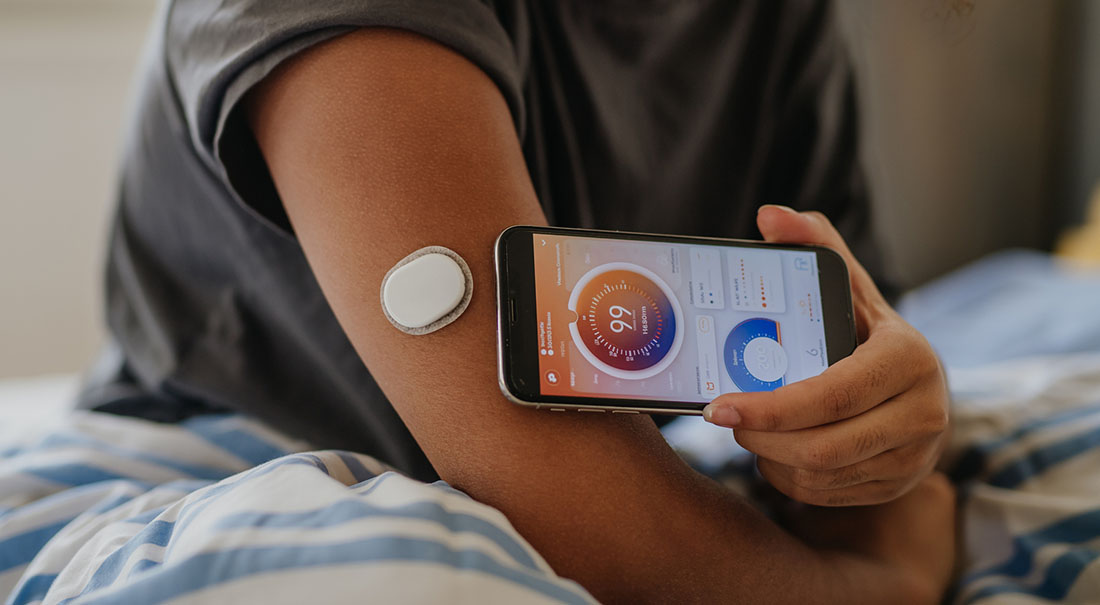
Most people with Type 1 benefit from a continuous glucose monitor (CGM) because glucose can change quickly. Fingerstick checks may still be needed at times, especially to confirm symptoms, during illness, if readings do not match how you feel, or with some older devices.
- Expect more frequent decision-making: insulin dosing, timing meals, adjusting for exercise
- Learn patterns: overnight trends, post-meal spikes, and lows during activity
- Be prepared to treat hypoglycemia (low blood sugar)
Type 2 monitoring priorities
For Type 2, monitoring depends on medications and goals. If you take insulin or medicines that can cause lows, you may need frequent checks or a CGM. If you are not on those medications, your clinician may recommend periodic checks at certain times (for example, fasting or after meals) to learn how food and activity affect you.
- Use monitoring as feedback, not punishment
- Look for trends: fasting levels, after-meal responses, and the impact of sleep and stress
Diet priorities
Both types benefit from balanced, fiber-rich eating patterns, but the daily “why” can feel different.
Type 1: match insulin to carbohydrates and life
With Type 1, many people learn carbohydrate counting to dose mealtime insulin more accurately. The goal is flexibility without surprises.
- Carbohydrates affect glucose most quickly, but fat and protein can delay spikes
- Consistent meal timing can help until insulin dosing skills are solid
- Alcohol requires extra caution because it can raise or lower glucose depending on timing and quantity
Type 2: reduce insulin resistance and protect the heart
With Type 2, food choices often focus on improving insulin sensitivity and cardiometabolic health.
- Prioritize high-fiber carbs: beans, lentils, vegetables, whole grains, fruit
- Include protein and healthy fats to improve fullness and blunt spikes
- Limit sugary drinks and highly refined carbs that spike glucose quickly
- Watch sodium and saturated fats, especially with high blood pressure or high cholesterol
There is no single “diabetes diet.” The best plan is one you can sustain, that fits your culture, budget, schedule, and mental health.

Exercise
Movement improves glucose control for both types, but the precautions differ.
Type 1: prevent and treat low blood sugar
- Check glucose before and after activity, and consider trend arrows if using a CGM
- Carry fast-acting carbs like glucose tabs
- You may need to adjust insulin or add a snack before, during, or after exercise
- Delayed lows can happen hours later, especially after endurance activity
Type 2: build insulin sensitivity and protect joints
- Aim for a mix of aerobic activity and resistance training
- Start small and consistent, especially if neuropathy, arthritis, or heart disease is present
- Check feet regularly if you have numbness or decreased sensation
Long-term risks
When blood sugar runs high over time, it can damage blood vessels and nerves. Both Type 1 and Type 2 can increase risk for:
- Eye disease (diabetic retinopathy)
- Kidney disease (diabetic nephropathy)
- Nerve damage (neuropathy)
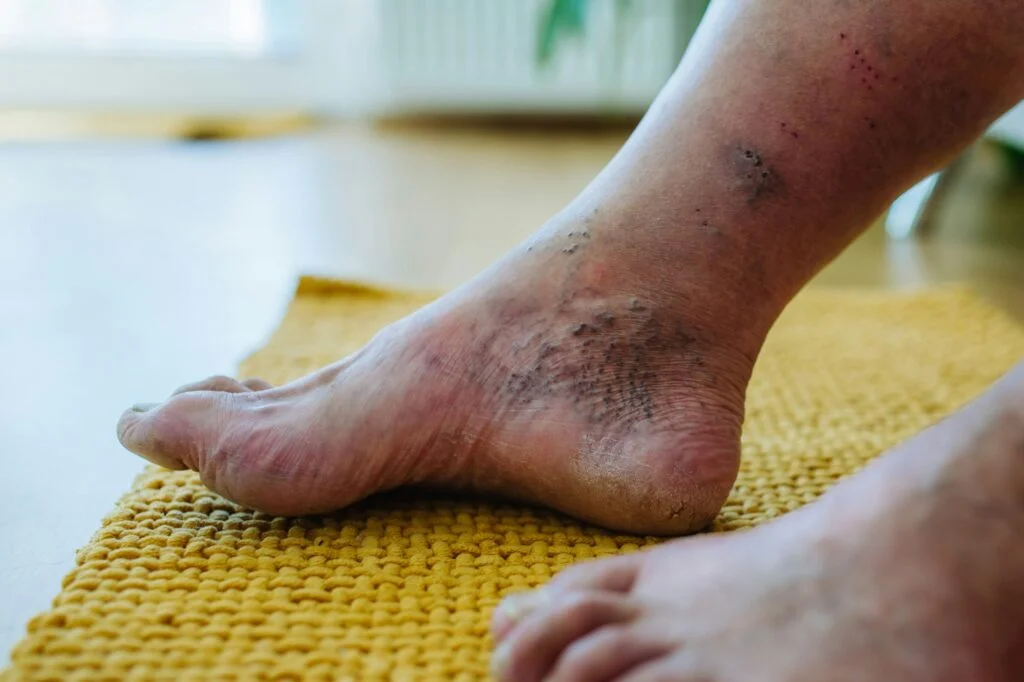
- Foot ulcers and infections
- Heart and blood vessel disease (heart attack, stroke)
Some differences in the day-to-day risk profile:
- Type 1: higher day-to-day risk of severe hypoglycemia and DKA if insulin is missed or needs rise sharply (illness, pump failure).
- Type 2: higher likelihood of also managing high blood pressure, high cholesterol, fatty liver disease, and sleep apnea, all of which raise cardiovascular risk.
The encouraging truth: complication risk drops significantly with consistent care, regular screening, and support.
How clinicians confirm the type
Diagnosis starts with glucose testing, but determining which type may require more information, especially in adults where Type 1 can be mistaken for Type 2.
Common tests
- A1C: estimates average glucose over about 2 to 3 months
- Fasting plasma glucose and oral glucose tolerance test (in some situations)
- Autoantibodies (suggest Type 1 or autoimmune diabetes)
- C-peptide: indicates how much insulin your body is making
If you were diagnosed with “Type 2” but you are losing weight unexpectedly, have very high sugars despite oral meds, or develop ketones, it may be worth asking your clinician about autoimmune diabetes testing. Getting the type right early can prevent dangerous delays in insulin.
LADA and other types
Your opener is right: diabetes is more than just Type 1 and Type 2.
- LADA (sometimes called “Type 1.5”) is a form of autoimmune diabetes that starts in adulthood and may look like Type 2 at first. People may not need insulin immediately, but often progress to needing it as beta-cell function declines. Autoantibodies and C-peptide can help clarify the diagnosis.
- Gestational diabetes happens during pregnancy and usually goes away after delivery, but it raises the long-term risk of Type 2 for the mother and can affect the baby, so follow-up testing matters.
- There are also rarer forms (for example, diabetes related to certain genetic syndromes or pancreatic disease). If your story does not fit, ask what else should be considered.
Questions to ask your clinician
- Which type of diabetes do you think I have, and what makes you think that?
- Should we check diabetes autoantibodies or a C-peptide level?
- What are my targets for A1C, fasting glucose, and after-meal glucose?
- Would I benefit from a continuous glucose monitor?
- What symptoms mean I should check ketones, and when should I go to the ER?
- Do I need a sick-day plan for illness, vomiting, or a missed meal? If yes, what is it?
- Which medications fit my health history, budget, and pregnancy plans if relevant?
- How often do I need eye exams, urine kidney screening, foot checks, and cholesterol testing?
- Can you refer me to diabetes education or a dietitian experienced with my type?
Screening basics
Screening schedules vary based on your type, age, pregnancy status, and how long you have had diabetes, so follow your clinician’s guidance. In general, many people need:
- Eye exams at regular intervals to screen for retinopathy
- Kidney screening with urine and blood tests
- Foot checks (at home and in clinic)
- Blood pressure and cholesterol monitoring for heart risk
Red flags that need urgent care
Call emergency services or go to urgent care or the ER if you have diabetes (or suspect it) and any of the following:
- Vomiting with high blood sugar, especially with abdominal pain
- Rapid or deep breathing, fruity breath, severe drowsiness, confusion (possible DKA)
- Signs of severe low blood sugar: seizure, loss of consciousness, inability to swallow
- Very high blood sugar with dehydration, weakness, or confusion
DKA is more common in Type 1, but it can also happen in Type 2. It can also occur with normal or only mildly elevated glucose in rare situations (for example, with SGLT2 inhibitors). If you feel very sick, trust that signal and get help.
If you have a home plan for hypoglycemia (like glucagon) or ketone testing, use it while you are getting help, if you can do so safely.
Living with diabetes
If you are newly diagnosed, it is normal to feel overwhelmed. Diabetes management is not just “willpower.” It is skills, tools, and support. Type 1 and Type 2 share a name, but they require different care plans because the underlying problem is different.
Start with the basics: learn your type, learn your targets, and build a routine you can repeat on hard days. Then layer in technology, medication adjustments, and lifestyle changes as your confidence grows. You do not have to do it perfectly to make meaningful progress.

FAQ
Can Type 2 turn into Type 1?
No. They are different conditions. However, Type 2 can progress so that the pancreas produces less insulin over time, and insulin may become necessary. Also, misclassification is common. Some adults have autoimmune diabetes that begins later (LADA) and may be labeled as Type 2 at first.
Can a thin person have Type 2 diabetes?
Yes. Body size does not rule Type 2 in or out. Genetics, visceral fat distribution, sleep, stress, medications, and other metabolic factors matter. If the clinical picture does not fit, ask about additional testing.
Do both types need to avoid sugar completely?
No. Both types can include sugar occasionally, but it needs to fit the overall plan. For Type 1, sugar requires insulin coverage and planning. For Type 2, frequent sugary foods and drinks can worsen glucose and insulin resistance, so reducing them is often helpful. The goal is a sustainable pattern, not perfection.
Is a CGM only for Type 1?
No. Many people with Type 2 benefit, especially those using insulin or who want real-time feedback on meals, sleep, stress, and activity. Coverage depends on insurance and location, but it is worth discussing.