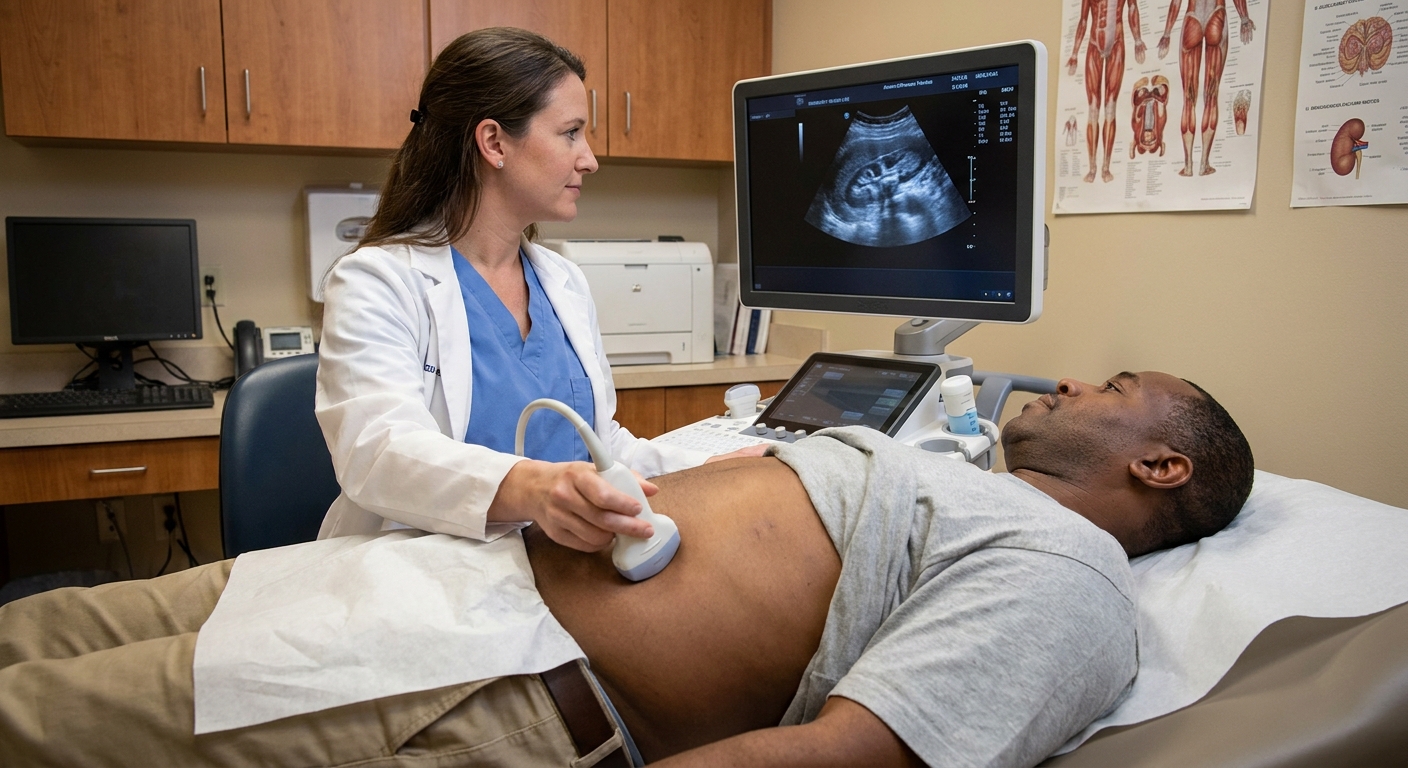
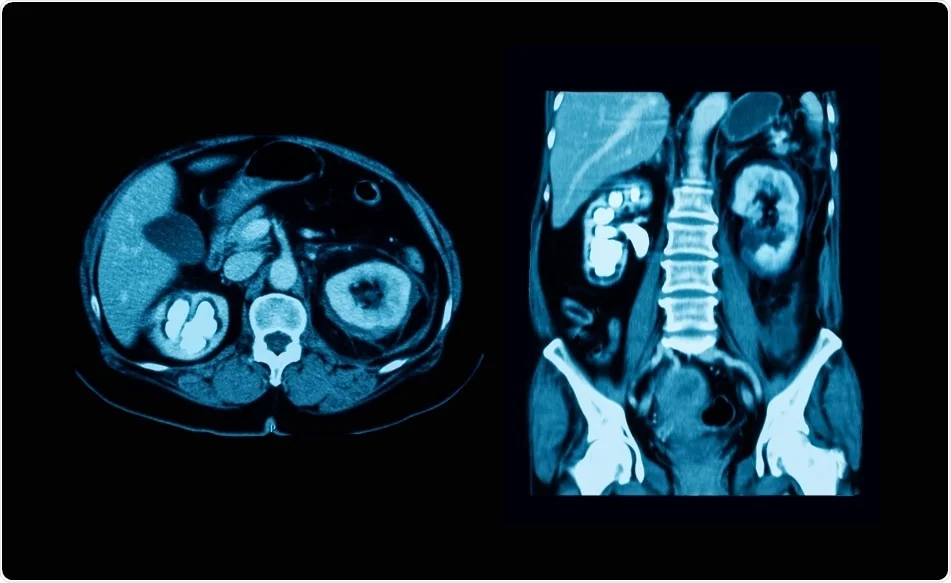
When you are pregnant, it is surprisingly common for an ultrasound report to mention a “dilated kidney,” “kidney swelling,” or hydronephrosis. For many people, that wording is scary, and understandably so. In clinic, I have seen how quickly a single line on an imaging report can spiral into worries about kidney damage or an emergency.
Here is the reassuring truth for most healthy pregnancies: some kidney and ureter widening is often a normal, physiologic change, especially later in pregnancy. The key is knowing what fits the typical pattern, what should improve after delivery, and what symptoms point to a kidney stone, infection, or true blockage that needs a closer look.

What “kidney swelling” means in pregnancy
Hydronephrosis means the drainage system of the kidney, the renal pelvis and calyces, is stretched or widened because urine drains more slowly than usual. During pregnancy, the issue is often not a dangerous obstruction. Instead, it is usually a combination of hormone effects and the growing uterus placing pressure on the tubes (ureters) that carry urine from the kidneys to the bladder.
Clinicians often call this physiologic hydronephrosis of pregnancy. “Physiologic” is a medical way of saying “expected from normal body changes,” not necessarily “comfortable,” but typically not harmful.
Why physiologic hydronephrosis happens
1) Progesterone relaxes the urinary tract
Pregnancy hormones, especially progesterone, relax smooth muscle throughout the body. That helps the uterus expand, but it also relaxes the ureters, which can slow urine flow and allow more stretching.
2) The uterus presses on the ureters
As the uterus grows, it can compress the ureters where they pass through the pelvis, especially in the second and third trimester. This is one reason the dilation tends to show up or worsen as pregnancy progresses.
3) Kidneys filter more blood in pregnancy
Pregnancy increases kidney blood flow and filtration (increased GFR). That can increase urine production for some people. If drainage is a little slower because of relaxation and compression, that extra volume can add to the “backup” effect seen on imaging.
Why the right side is more common
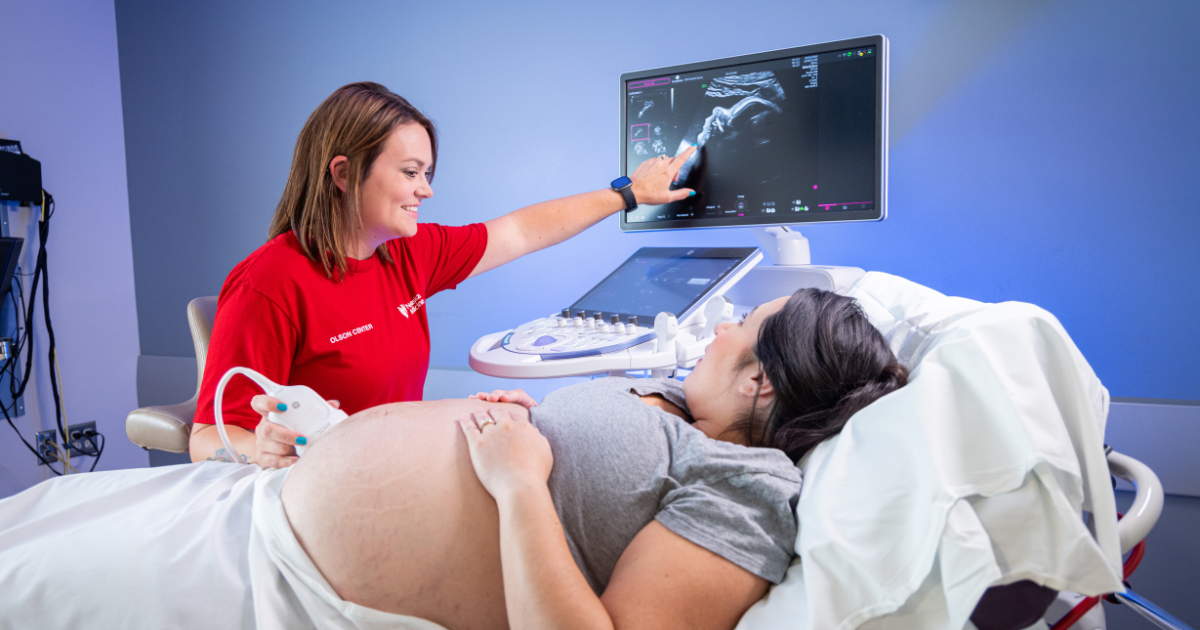
If your report says the right kidney is more swollen, that is extremely common. In pregnancy, right-sided hydronephrosis happens more often and tends to be more pronounced for a few anatomy reasons that come up again and again in OB and urology:
- The uterus often rotates slightly to the right as it enlarges, which can increase pressure on the right ureter.
- The right ureter can be compressed where it crosses the pelvic brim and iliac vessels, a spot that can become tighter as the uterus grows.
- The left ureter may be somewhat “shielded” by the sigmoid colon, which can reduce compression on that side.
- Enlarged ovarian veins in pregnancy, particularly on the right, can add to the crowding and pressure around the ureter.
Left-sided dilation can still happen. It is just less common to see it as the dominant side in an otherwise uncomplicated pregnancy.
What normal discomfort can feel like
Physiologic hydronephrosis may cause a dull ache in the flank. That is the side of your back, below the ribs, where kidney pain often shows up. Some people notice it more:
- Later in the day
- After being on their feet
- When dehydrated
- When lying flat on their back
Because pregnancy comes with so many “normal but miserable” sensations, it can be hard to sort out. A helpful general rule is that physiologic hydronephrosis tends to cause intermittent aching or pressure, not relentless, escalating, can’t-get-comfortable pain. It also should not come with urinary symptoms plus fever.
Report wording: mild, moderate, severe
Some ultrasound reports will label hydronephrosis as mild, moderate, or severe. These terms can be helpful, but they are not perfectly standardized across radiology practices.
- Mild dilation is very commonly seen in otherwise normal pregnancies, especially in the third trimester.
- Moderate can still be physiologic, but it deserves more context: your symptoms, your urine test results, and whether the report suggests a visible stone or a second sign of obstruction.
- Severe dilation is less likely to be brushed off as “just pregnancy,” especially if you have pain, infection signs, rising creatinine, or falling urine output.
If you see these labels on your report and you are not sure what they mean for you, ask your OB, midwife, or the ordering clinician to walk you through it. The same word can land differently depending on trimester and symptoms.
When it should improve after delivery
For physiologic hydronephrosis, the main drivers are the enlarged uterus and pregnancy hormone levels. After delivery, those change quickly, but not always instantly.
- In the first days after birth: Many people notice improvement as pressure drops, especially after the uterus begins shrinking (involution).
- Over the next few weeks: Ureteral tone gradually returns as hormone levels shift.
- By about 6 weeks postpartum: Many cases improve significantly, and a large number resolve by around this time, although some people can take longer.
If your imaging was done late in pregnancy, it is common for your care team to expect improvement postpartum. If symptoms persist, or imaging continues to show significant dilation beyond the usual postpartum window, that is when clinicians start thinking more carefully about other causes.
Maternal vs fetal hydronephrosis
One point of confusion I see often: maternal hydronephrosis refers to swelling in your kidney drainage system. Fetal hydronephrosis refers to dilation seen in the baby’s kidneys on the anatomy scan. They are evaluated differently and have different causes and follow-up plans. If you are not sure which one the report is talking about, ask your clinician to clarify.
Normal vs not normal symptoms
This is the heart of the question. Kidney dilation can be expected in pregnancy, but not all hydronephrosis in pregnancy is physiologic. Sometimes there is a kidney stone, a true obstruction, or an infection that needs prompt treatment.
More consistent with expected pregnancy changes
- Dull or mild-to-moderate flank ache that comes and goes
- Discomfort that improves with rest or changing positions (often left side lying)
- No urinary symptoms
- Urine output feels normal for you
- No severe nausea and vomiting driven by pain
Symptoms to evaluate urgently
Call your OB or maternity triage right away, or seek urgent care depending on the severity, if you have:
- Fever (100.4°F / 38°C or higher), chills, or feeling flu-like, especially if you also have urinary symptoms or flank pain
- Sharp, severe, or escalating one-sided pain that will not settle, especially if you cannot get comfortable
- New nausea and vomiting that seems driven by pain
- Burning with urination, foul-smelling urine, or cloudy urine along with flank pain
- Blood in the urine (pink, red, or cola-colored)
- Falling urine output, trouble passing urine, or you notice you are barely peeing despite drinking fluids
- Feeling faint, very weak, confused, or having a racing heart
Those symptoms raise concern for a kidney infection (pyelonephritis), a kidney stone, or a true obstruction. All of these matter in pregnancy because they can affect both maternal health and pregnancy course if not treated.
Why fever and severe pain matter
In my day-to-day practice, two patterns consistently push me from “likely physiologic” to “we need to look deeper.”
Fever with urinary or flank symptoms suggests infection
Fever can come from many things, including a viral illness. But fever plus urinary symptoms or flank pain should be treated as concerning until proven otherwise. A kidney infection in pregnancy is not something to watch at home. It can progress quickly and often needs hospital-level evaluation, antibiotics, and close monitoring.
Relentless severe pain suggests a stone or obstruction
Physiologic hydronephrosis can ache, but it typically does not cause unrelenting, severe colicky pain that has you pacing, sweating, or unable to find a position that helps. That kind of pain pattern is more typical of a ureteral stone or an obstructing process.
How your team may evaluate it
If your symptoms fall outside the “expected” bucket, your OB or emergency team may recommend tests to clarify what is going on, while also keeping pregnancy safety in mind.
Common steps
- Urinalysis and urine culture: looks for infection, blood, and other clues
- Blood work: checks white blood cell count, kidney function, and hydration status
- Renal ultrasound: usually the first imaging choice in pregnancy
- Pain control and IV fluids: depending on severity and gestational age
Sometimes, when ultrasound cannot distinguish physiologic dilation from an obstructing stone and symptoms are significant, your team may discuss additional imaging options (often MRI in selected cases) or consultation with urology. The best choice depends on your trimester, your symptoms, and your medical history.
If a stone or obstruction is suspected
Most stones in pregnancy are managed conservatively at first, with hydration and pregnancy-safe pain control while watching closely. If there is infection plus obstruction, worsening kidney function, uncontrolled pain, or concern for a single functioning kidney, urology may recommend urgent drainage.
In pregnancy, that often means a ureteral stent or a nephrostomy tube to relieve pressure and protect the kidney. These are not “small things,” but they are well-established options, and the goal is to stabilize you and keep the pregnancy safe.
Ways to ease typical discomfort
If your clinician has reassured you that your swelling appears physiologic and your symptoms are mild, these strategies often help:
- Hydrate steadily throughout the day. Avoid long stretches with very little fluid.
- Try left side lying, especially when resting. It can reduce pressure on the urinary tract and major blood vessels.
- Use gentle heat on the sore area if your OB approves, such as a warm compress. Avoid very hot baths or overheating.
- Empty your bladder regularly. A very full bladder can worsen back pressure.
- Bring it up at prenatal visits, even if it feels minor. Pattern and progression matter.
Medication choices in pregnancy are specific, so always ask your OB or midwife before taking pain relievers or herbal products. “Natural” does not automatically mean “safe in pregnancy,” even when it comes from a plant.
How it affects pregnancy and delivery
For most people, physiologic hydronephrosis is a monitoring issue, not a delivery-changing issue. The typical course looks like this:
- Second trimester: mild dilation may start to appear
- Third trimester: dilation is often more noticeable, particularly on the right
- Delivery: the pressure driver resolves, and symptoms often improve in the days to weeks afterward
When hydronephrosis is caused by a stone, infection, or true obstruction, the pregnancy course can be more complicated, mostly because pain control, hydration, and infection management become urgent. The good news is that these issues are treatable, and care teams are very used to managing them during pregnancy.
Frequently asked questions
Can kidney swelling during pregnancy harm my kidneys?
Physiologic hydronephrosis is usually temporary and does not cause lasting kidney damage. Ongoing obstruction, recurrent infection, or severe untreated blockage is where risk rises, which is why warning signs matter.
Is right kidney swelling in pregnancy always normal?
Right-sided dilation is very common in normal pregnancies, but “common” is not the same as “always.” If you have fever with urinary symptoms, severe pain, blood in urine, or decreasing urine output, it needs evaluation even if the right side is the one involved.
When should I worry about low urine output?
If you are drinking fluids and still notice a clear drop in how much you pee, difficulty urinating, or you are barely urinating over many hours, contact your OB or seek urgent care. Dehydration can play a role, but in the setting of hydronephrosis, low output can also signal significant obstruction or illness that needs prompt attention.
How long after delivery does it take to go away?
Many people improve quickly, but imaging changes can take time to fully normalize. Significant improvement is often expected over the first several weeks postpartum. Many cases resolve by around 6 weeks, and some can take longer.
The bottom line
Yes, kidney swelling during pregnancy can be normal, especially on the right side, and it usually improves after delivery. But normal pregnancy changes should not come with fever plus urinary or flank symptoms, relentless severe pain, or a noticeable drop in urine output. Those symptoms deserve a stone, infection, or blockage workup so you and your baby can stay safe through the rest of pregnancy and into delivery.
If you are unsure which bucket you fall into, trust your instincts and reach out. You are not “overreacting” by asking. In pregnancy, getting clarity early is almost always the kinder path.