Insulin resistance is one of those medical phrases that can sound intimidating, but the core idea is simple: your body is still making insulin, but your cells are not listening to it as well as they should. Over time, insulin resistance is associated with higher blood sugar, higher insulin levels, and a higher risk of prediabetes , type 2 diabetes, and heart disease. The relationship with belly fat can go both ways: insulin resistance may make fat storage easier for some people, and visceral fat can also worsen insulin resistance.
If you have ever been told your labs are “borderline,” you are not alone. The good news is that insulin resistance is often very responsive to everyday changes like movement, food choices, sleep, and stress support. Let’s walk through what is happening and what you can do next with your clinician.
What insulin does
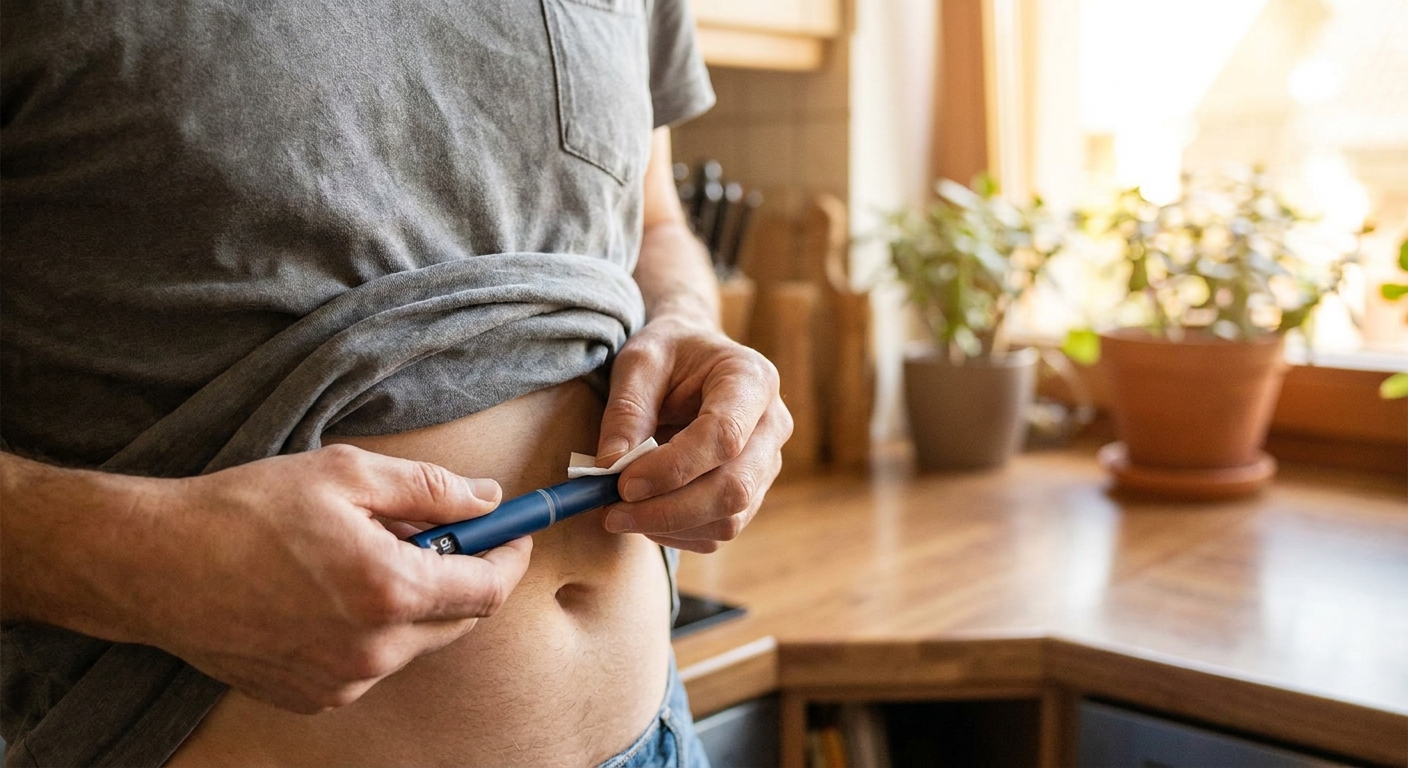
Insulin is a hormone made by your pancreas. Think of it as a key that helps sugar (glucose) move from your bloodstream into your cells, where it can be used for energy.
After you eat, your blood sugar rises. In response, your pancreas releases insulin. Insulin signals your muscles, liver, and fat cells to take in glucose or store it for later. This is a normal, healthy process.
What insulin resistance means
Insulin resistance means your cells have become less responsive to insulin’s signal. The “key” still shows up, but the “lock” is sticky. To keep blood sugar in a safe range, your pancreas often compensates by making more insulin.
For a while, that extra insulin can keep blood sugar looking normal on routine tests. Over time, if the pancreas struggles to keep up, blood sugar begins to rise into the prediabetes range and sometimes into type 2 diabetes.
Many people are surprised to learn that insulin resistance can be present for years before diabetes is diagnosed. That is why early screening matters.
Why it happens
Insulin resistance is not a personal failure. It is a metabolic condition influenced by a mix of biology, environment, and daily habits. Common contributors include:
- Genetics and family history of type 2 diabetes or metabolic disease
- More visceral fat (fat stored around organs in the abdomen), which is more metabolically active
- Low muscle mass and low activity levels, since muscle is a major “sink” for glucose
- Sleep problems like chronic short sleep or untreated sleep apnea
- Chronic stress and elevated stress hormones, which can raise glucose output from the liver
- Some medications (for example, long-term steroid use), depending on your situation
- Hormonal conditions such as PCOS, which is closely linked to insulin resistance
Often, it is not one single cause. It is several small factors stacking up over time.

How it affects your body
Blood sugar and energy
When cells resist insulin, glucose can linger in the bloodstream. Some people feel fine, while others notice energy dips, especially after higher-carb meals, because glucose is not moving into cells as efficiently.
Weight and belly fat
Higher insulin levels can make it easier to store fat and harder to access stored fat for energy in some people. Appetite and weight regulation are also influenced by sleep, stress, food environment, medications, hormones, and genetics, so it is rarely just one factor. Insulin resistance can occur in people of many body sizes.
Prediabetes and type 2 diabetes
As insulin resistance progresses, the pancreas may not be able to produce enough insulin to keep blood sugar controlled. Blood sugar rises into the prediabetes range first. Without changes and support, it can progress to type 2 diabetes.
Heart and blood vessel risk
Insulin resistance often travels with other risk factors, including higher triglycerides, lower HDL (“good”) cholesterol, higher blood pressure, and inflammation. Together, these raise the risk of cardiovascular disease over time.
Liver, hormones, and skin
- Fatty liver disease: Insulin resistance is closely tied to fat buildup in the liver.
- PCOS: Insulin resistance can worsen androgen levels and ovulation issues.
- Skin: Some people develop darker, velvety patches in body folds called acanthosis nigricans.
Common warning signs
Insulin resistance can be quiet. Many people have no obvious symptoms, especially early on. When signs do show up, they may include:
- Increasing waist size or weight gain that feels stubborn
- Feeling very sleepy after meals
- More frequent hunger or cravings, especially for sweets or refined carbs
- Skin tags or acanthosis nigricans (darkened, thicker skin on the neck, armpits, or groin)
- High blood pressure
- Lab patterns like high triglycerides or low HDL cholesterol
- For some women, irregular periods or PCOS symptoms
If you recognize yourself here, it is worth bringing up at your next visit. A few simple tests can clarify what is going on.

How clinicians screen
There is no single perfect test that directly measures insulin resistance in everyday primary care. Instead, clinicians use a combination of blood sugar tests, cholesterol patterns, body measurements, and medical history.
Common screening labs
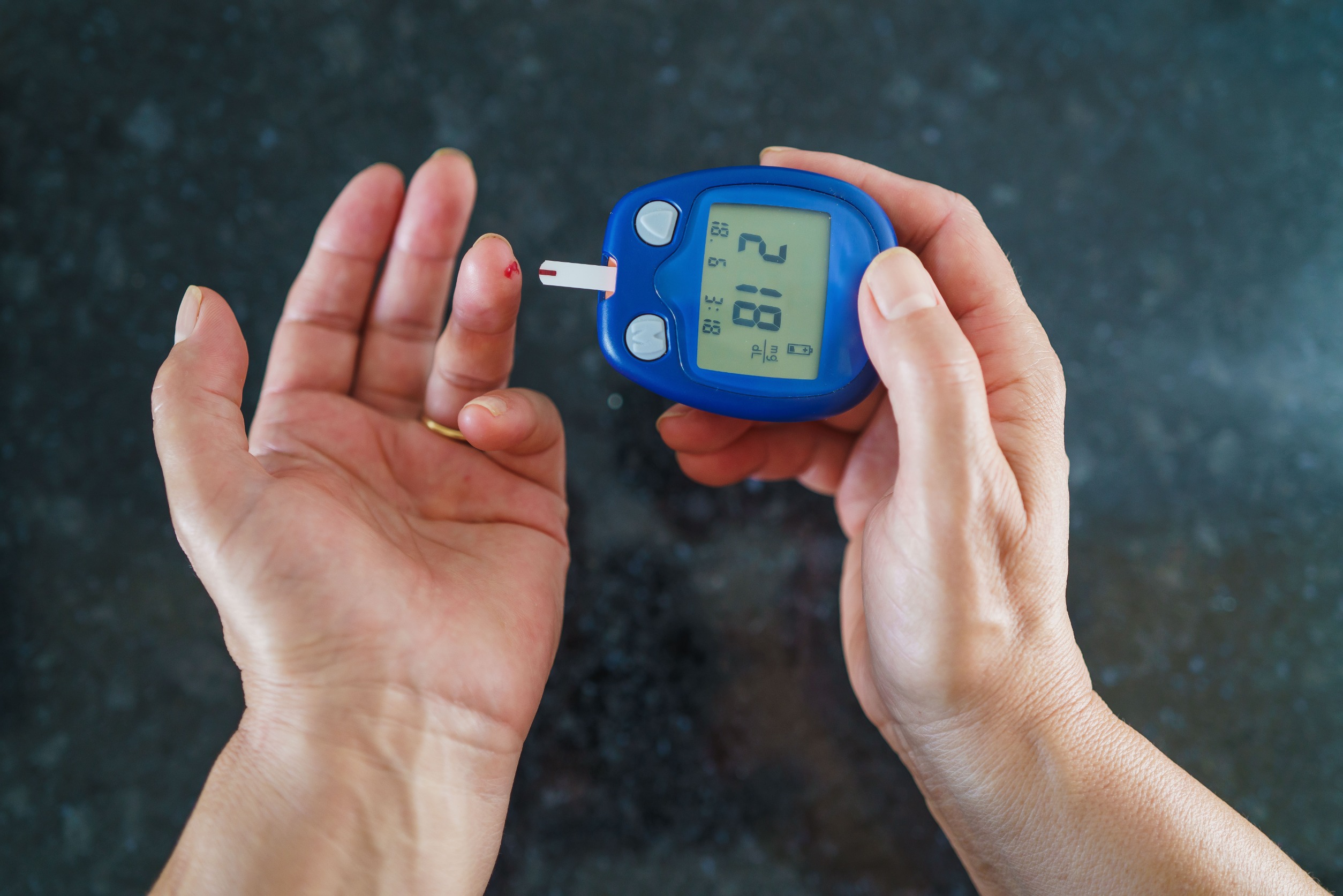
- Fasting plasma glucose: Measures blood sugar after not eating for at least 8 hours.
- Hemoglobin A1C: Estimates your average blood sugar over about 2 to 3 months.
- Oral glucose tolerance test (OGTT): Measures your body’s response to a glucose drink over time. This can be especially helpful when results are unclear or in pregnancy screening.
What numbers often mean
Cutoffs can vary by lab and situation, and clinicians individualize interpretation. In general:
- Fasting glucose: Normal less than 100 mg/dL; prediabetes 100 to 125; diabetes 126 or higher (on repeat testing).
- A1C: Normal below 5.7%; prediabetes 5.7 to 6.4%; diabetes 6.5% or higher (on repeat testing).
- 2-hour OGTT: Normal below 140 mg/dL; prediabetes 140 to 199; diabetes 200 or higher.
Other clues your clinician may check
- Lipid panel: Elevated triglycerides and low HDL often show up alongside insulin resistance.
- Liver enzymes: Can be a clue for fatty liver disease.
- Blood pressure and waist circumference
- Fasting insulin or calculated estimates like HOMA-IR in select cases (not routinely needed for everyone)
If you already have prediabetes, gestational diabetes history, PCOS, or a strong family history of type 2 diabetes, ask your clinician how often you should be screened.
What helps
When I talk with patients about insulin resistance, I try to keep it practical. You do not need perfection. You need a plan you can repeat.
1) Move your muscles
Muscle tissue is one of the best places for glucose to go. Movement also helps your cells respond better to insulin.
- Aim for: at least 150 minutes per week of moderate activity (like brisk walking) or 75 minutes of vigorous activity, plus muscle-strengthening 2 days per week.
- Try: a 10 to 15 minute walk after meals. Post-meal movement can meaningfully reduce glucose spikes for many people.
- Add: resistance training (bands, weights, bodyweight). Building muscle improves insulin sensitivity over time.
If you are new to strength training, start small and consistent. Two simple options:
- Two days per week: 1 to 2 sets each of sit-to-stand from a chair, wall or counter pushups, rows with a band, and a short carry (holding something moderately heavy) if it feels safe for you.
- Short daily routine: 5 to 10 minutes of bodyweight squats to a chair, glute bridges, and light band pulls.

2) Build balanced meals
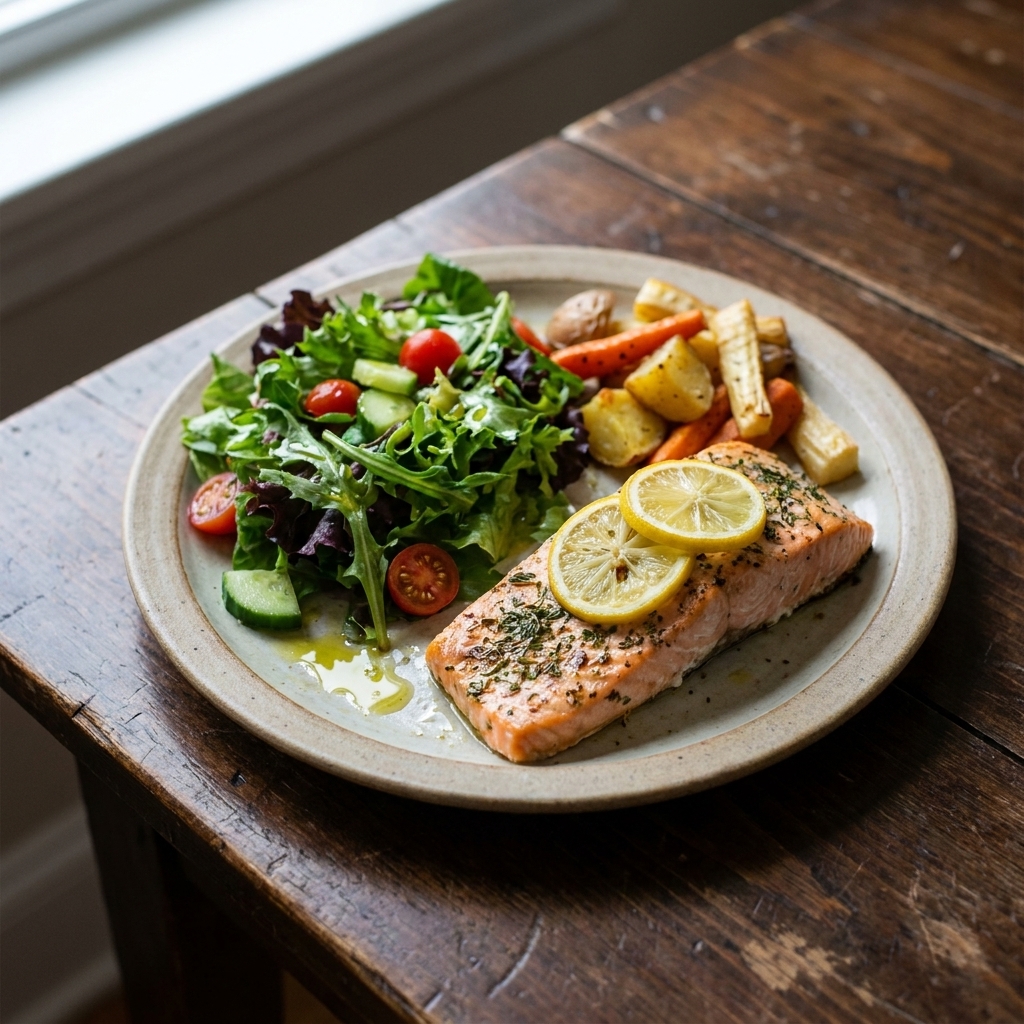
Next, let’s talk about meals. You do not have to swear off carbohydrates to improve insulin resistance. For most people, the biggest wins come from carb quality, portion awareness, and pairing carbs with protein, fiber, and healthy fats.
A simple plate approach
- Half non-starchy vegetables (salad greens, broccoli, peppers, cauliflower, green beans)
- Quarter protein (beans, lentils, eggs, fish, chicken, tofu, Greek yogurt)
- Quarter high-fiber carbs (brown rice, quinoa, oats, fruit, starchy veg) or a smaller portion if your clinician recommends
- Add healthy fat (olive oil, avocado, nuts, seeds) for satisfaction
Food patterns that often help
- Mediterranean-style or DASH-style patterns: both emphasize fiber, unsaturated fats, and minimally processed foods, and they are linked with better cardiometabolic health.
- More fiber: legumes, whole grains, vegetables, berries, chia and flax
- More protein at breakfast: can reduce mid-morning cravings for some people
- Fewer sugary drinks: soda, sweet tea, energy drinks, and many coffee add-ins
- Fewer ultra-processed, refined carbs: not because all processed foods are “bad,” but because highly refined options can be easier to overeat and can worsen glycemic response for many
If you want one gentle starting point, start with beverages. Swapping sugary drinks for water, unsweetened tea, or sparkling water is a change that pays off fast for many.

3) Protect your sleep
Sleep is not just rest. It is metabolic repair. Poor sleep can increase hunger hormones and reduce insulin sensitivity.
- Goal: 7 to 9 hours for most adults
- Keep it steady: a consistent wake time helps your body clock
- Screen for sleep apnea: If you snore loudly, wake up gasping, or feel unrefreshed despite enough hours, ask your clinician about evaluation

4) Support stress
Stress is not “all in your head.” When stress is chronic, your body may release more hormones like cortisol and adrenaline, which can increase glucose output from the liver and nudge cravings higher. You cannot always remove stressors, but you can build buffers.
- Start small: 5 minutes of slow breathing, a short walk outside, stretching, or a quick check-in with a friend
- Make it easier: schedule food and movement basics you can rely on during busy weeks
- Get support: therapy, coaching, group programs, or addressing depression and anxiety can be part of metabolic care, not separate from it
- If sleep is off: prioritize sleep support first, because stress and sleep often feed into each other
Other supports
Weight-neutral options and medication
Not everyone can or should focus on weight loss, and it is not the only measure of health. Still, for some people, even modest weight reduction can improve insulin sensitivity. Your clinician may also discuss medications in certain situations, such as:
- Metformin for prediabetes, PCOS, or higher-risk insulin resistance situations
- GLP-1 receptor agonists or other anti-obesity and diabetes medications when indicated, especially if blood sugar is rising or cardiovascular risk is high
Medication is not “giving up.” For the right patient, it can be a powerful tool alongside lifestyle changes.
Smoking and alcohol
Smoking increases cardiovascular risk substantially. Alcohol can raise triglycerides and add hidden calories, and it can also cause low blood sugar in people on certain diabetes medications. If you drink, ask your clinician what “safe” looks like for your personal health profile.
When to get care sooner
Make an appointment if you have persistent fatigue , increased thirst or urination, unexpected weight changes, or a strong family history plus rising labs. Seek urgent care right away if you feel severely unwell or you have signs of very high blood sugar such as confusion, severe weakness, rapid breathing, or vomiting, especially if you have diabetes or very high home readings.
Questions for your next visit
- Based on my history and labs, am I at risk for insulin resistance or prediabetes?
- Which tests make the most sense for me: fasting glucose, A1C, or OGTT?
- How often should I repeat labs?
- Are any of my medications affecting blood sugar?
- What is one change you would prioritize first: activity, nutrition, sleep, or stress support?
- Should I see a registered dietitian or diabetes educator?
FAQ
Can you have insulin resistance and normal blood sugar?
Yes. Early on, the pancreas may produce extra insulin to keep blood sugar in the normal range. That is why other clues like waist circumference, triglycerides, HDL cholesterol, blood pressure, and family history matter.
Is insulin resistance the same as diabetes?
No. Insulin resistance is a driver of prediabetes and type 2 diabetes, but you can be insulin resistant without meeting criteria for either. Think of it as a spectrum.
How long does it take to improve insulin resistance?
Some changes, like walking after meals and improving sleep, can affect blood sugar patterns within days to weeks. Bigger shifts in insulin sensitivity often build over weeks to months. The best timeline is the one you can sustain.
Do I need to cut out carbs completely?
Most people do not. Many do best with higher-fiber carbs, balanced portions, and pairing carbs with protein and healthy fats. Your clinician can tailor guidance if you have diabetes, kidney disease, or other conditions.
A gentle takeaway
Insulin resistance is common, and it is often very manageable, especially when caught early. If you take one thing from this: your body is not broken. It is giving you feedback. With the right screening and a few steady habits, you can improve insulin sensitivity, lower risk, and feel more in control of your health.