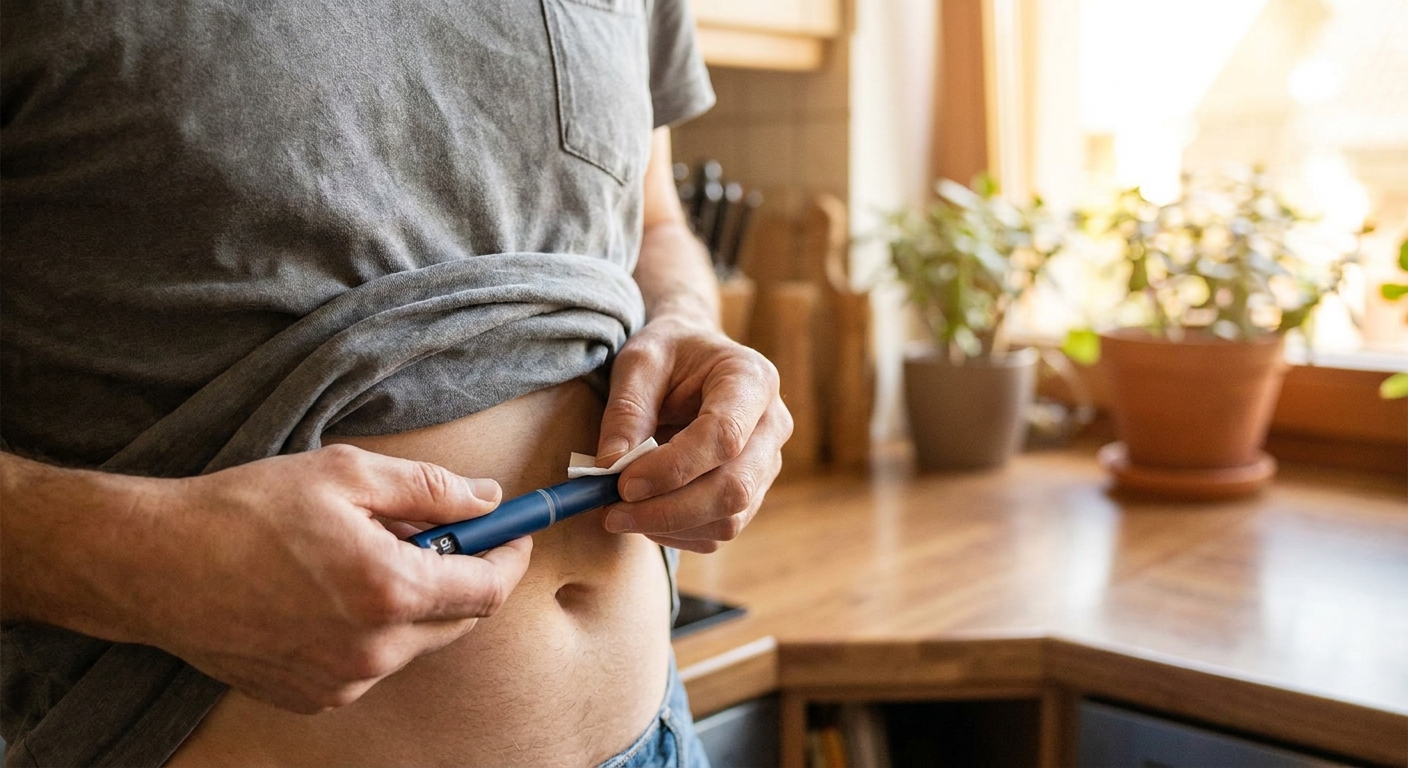
If you have been told you have prediabetes, I want you to hear this clearly: this is a warning sign, not a life sentence. Prediabetes means your blood sugar is higher than ideal, but not yet in the diabetes range. In many people, the right nutrition, movement, sleep, and stress support can improve insulin resistance and bring numbers down.
This article is your roadmap. Not a perfect plan, but a doable one. The goal is steady, sustainable habits that help your body respond better to insulin so glucose can move out of the bloodstream and into your tissues for energy, especially your muscles.
Quick note: This is general education, not personal medical advice. Your best plan depends on your labs, medications, and health history.
What insulin resistance means
Insulin is a hormone that acts like a key, helping glucose enter your cells for energy. With insulin resistance, the “lock” on the cell becomes more stubborn. Your pancreas tries to compensate by making more insulin, and over time blood sugar can creep up.
The best diet plan for prediabetes is not about cutting all carbs. It is about choosing carbohydrates that digest more slowly, pairing them with protein and healthy fats, and creating a steady rhythm of meals that helps prevent big blood sugar spikes.
Quick reassurance: Even small changes can move the needle. Many people see improvements in fasting glucose and A1C after a few months of consistent, realistic adjustments.
Your targets: what “reversing” can mean
Clinically, prediabetes is often defined as:
- A1C: 5.7% to 6.4%
- Fasting glucose: 100 to 125 mg/dL (5.6 to 6.9 mmol/L)
- 2-hour glucose after an OGTT: 140 to 199 mg/dL
People often use the word “reversal” to mean returning to normal glucose ranges and improving insulin sensitivity. That can happen with lifestyle changes, sometimes alongside medication like metformin when appropriate.
One important nuance: even if your numbers return to normal (normoglycemia), your underlying risk can still be higher than someone who never had prediabetes. The long-term win is keeping the habits that protect your heart, kidneys, nerves, and vision and reduce the chance of progression over time.
Core principles
1) Build meals around protein and fiber
Protein and fiber slow digestion and reduce glucose spikes. Aim to include one good protein and at least one high-fiber plant food at most meals.
- Protein ideas: eggs, Greek yogurt, cottage cheese, tofu, tempeh, chicken, turkey, fish, lean beef, edamame
- Fiber ideas: leafy greens, broccoli, cauliflower, peppers, berries, apples, pears, chia, flax, oats, beans, lentils
2) Choose carbs that act “slow”
Carbohydrates are not the enemy. The type and the portion matter. Focus on minimally processed carbs that come with fiber.
- Choose more often: beans and lentils, intact whole grains (steel-cut oats, quinoa, barley), sweet potatoes, fruit
- Limit: sugary drinks, candy, pastries, white bread, many snack chips and crackers, sweetened cereals
Helpful note: Legumes (beans and lentils) “count” as both a carbohydrate and a protein. That is one reason they are such a strong staple for prediabetes.
3) Upgrade fats
Healthy fats support fullness and cardiometabolic health. They also help meals feel satisfying so you are less likely to graze later.
- Best choices: olive oil, avocado, nuts, seeds, fatty fish (salmon, sardines)
- Limit: trans fats, deep-fried foods, and heavily processed snacks that combine refined carbs with low-quality fats
4) Support your liver
Your liver plays a major role in glucose control. Excess added sugar, frequent alcohol, and ongoing calorie surplus can worsen liver fat and insulin resistance in some people.
If you drink alcohol, keep it modest. Consider having it with food rather than in place of food, and be extra cautious if you use glucose-lowering medications (ask your clinician what is safest for you). If you have fatty liver disease, talk with your clinician about the best plan for you.
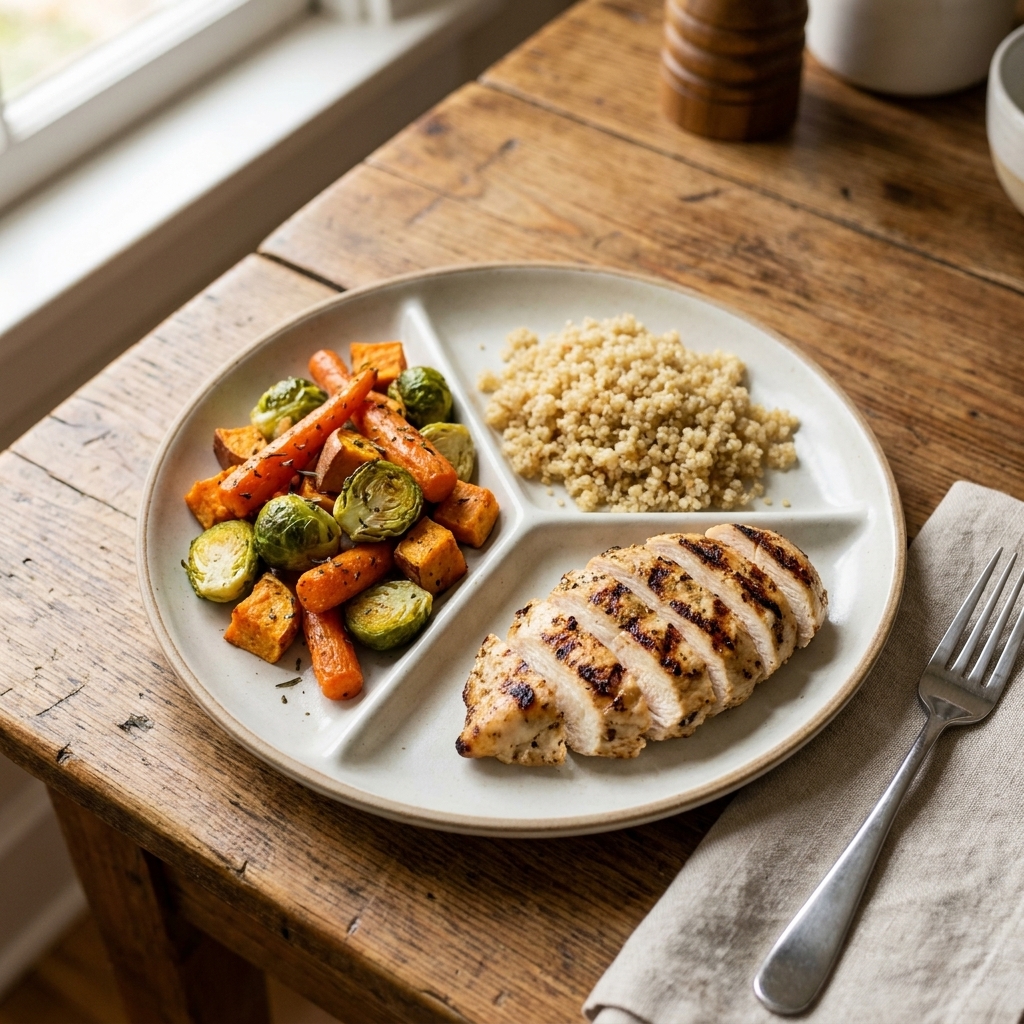
The plate method
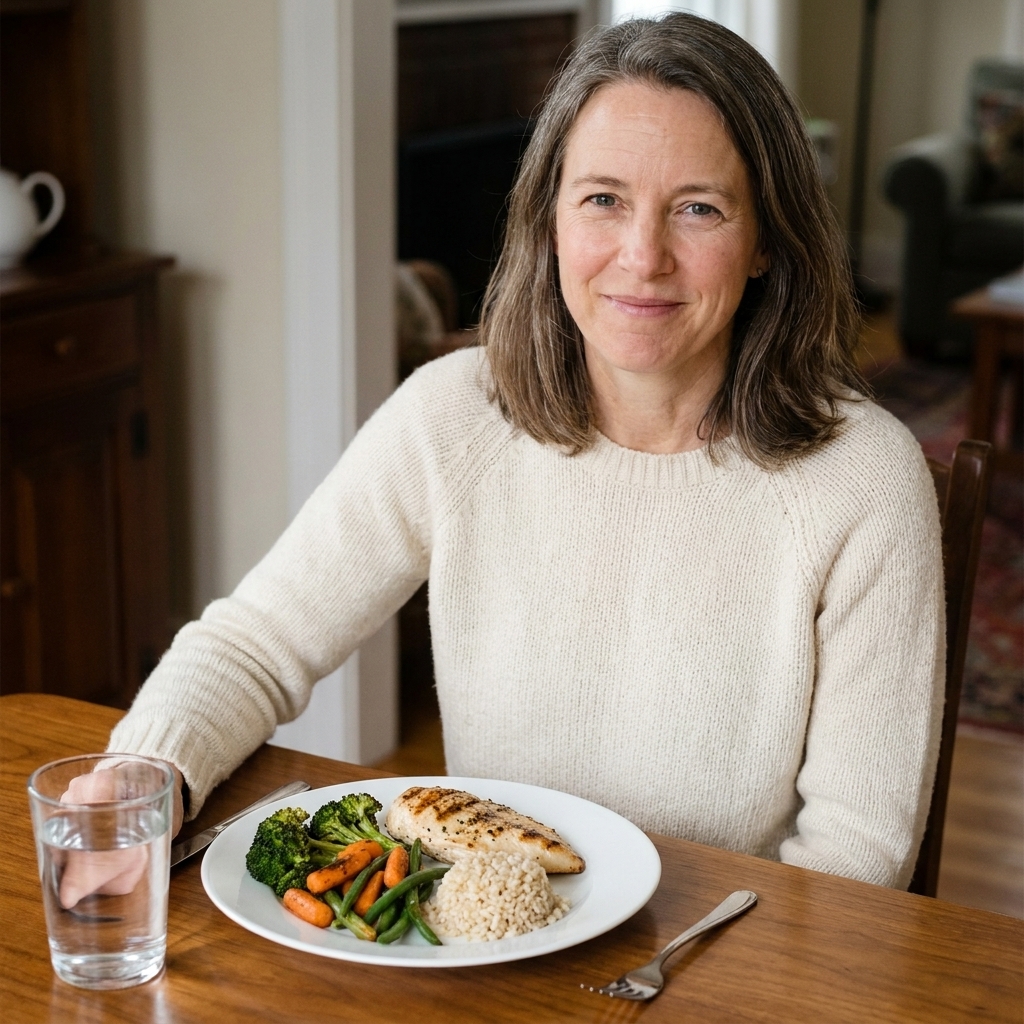
If tracking feels overwhelming, start here. At lunch and dinner, aim for:
- Half the plate: non-starchy vegetables (salad greens, broccoli, zucchini, peppers, mushrooms)
- One quarter: protein (fish, chicken, tofu, beans, eggs)
- One quarter: high-fiber carbs (beans, quinoa, sweet potato, brown rice, fruit)
- Plus: a thumb-sized portion of healthy fat (olive oil dressing, avocado, nuts)
This structure naturally lowers the glycemic load of the meal and improves satiety, which matters for long-term success.
Eat more of
Non-starchy vegetables
These are your best friends for volume, nutrients, and fiber with minimal blood sugar impact.
- Leafy greens, broccoli, cauliflower, Brussels sprouts, asparagus
- Peppers, tomatoes, cucumbers, mushrooms, onions
High-fiber carbs
These provide energy and gut support without the same sharp glucose spike you get from refined carbs.
- Beans and lentils
- Steel-cut oats, barley, quinoa, brown rice
- Berries, apples, citrus, pears
Proteins that keep you full
- Fish 2 times per week if you can
- Chicken, turkey, eggs
- Tofu, tempeh, edamame
- Plain Greek yogurt, cottage cheese
Flavor boosters
Healthy eating sticks when it tastes good.
- Herbs and spices (cinnamon, garlic, cumin, paprika)
- Vinegar or acidic dressings (often associated with a modestly better post-meal glucose response for some people)
- Low-sugar sauces you enjoy (pesto, salsa, tahini)
Optional metrics (if you like numbers)
If you enjoy having targets, a practical fiber goal is often 25 to 38 grams per day (many people fall short). Do not chase perfection. Use it as a gentle compass.
What to limit
You do not have to ban foods to make progress. But a few categories are worth reducing because they drive fast spikes or make overeating easier.
- Sugary drinks: soda, sweet tea, juice, many coffee drinks. These are one of the quickest ways to worsen glucose control.
- Refined carbs: white bread, many baked goods, regular pasta, white rice, many snack foods.
- Hidden added sugars: flavored yogurt, granola bars, sweetened cereal, some salad dressings and sauces.
- Ultra-processed snacks: chips, candy, pastries. They often combine refined carbs, fat, and salt in a way that overrides satiety.
Label tip: Check the ingredient list for sugar aliases (syrup, cane sugar, dextrose) and look at added sugars on the Nutrition Facts label when available.
If you want something sweet, try fruit with protein or fat: berries with plain Greek yogurt, apple slices with peanut butter, or a square of dark chocolate after a balanced meal.
7-day meal framework
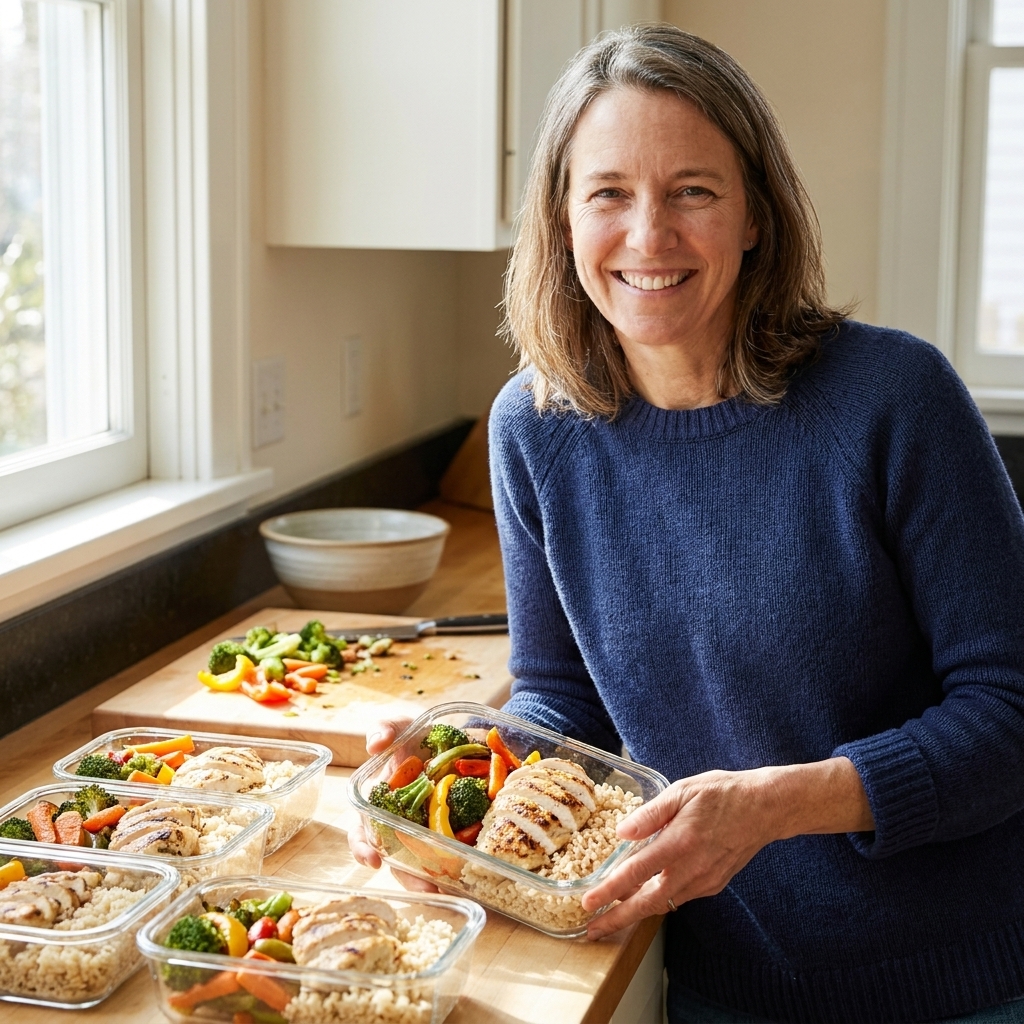
Instead of prescribing a rigid menu, here is a flexible framework you can repeat and rotate. Pick one option from each category. Keep portions aligned with the plate method.
Breakfast options
- Veggie omelet + berries
- Plain Greek yogurt + chia seeds + walnuts + cinnamon + blueberries
- Overnight oats made with unsweetened milk, chia, and berries (keep oats portion moderate)
- Tofu scramble + sautéed greens + side of fruit
Lunch options
- Big salad with chicken or chickpeas + olive oil and vinegar dressing + quinoa
- Turkey and veggie wrap in a high-fiber tortilla + side salad
- Lentil soup + mixed greens + a small piece of whole-grain bread
- Leftover dinner protein + roasted vegetables
Dinner options
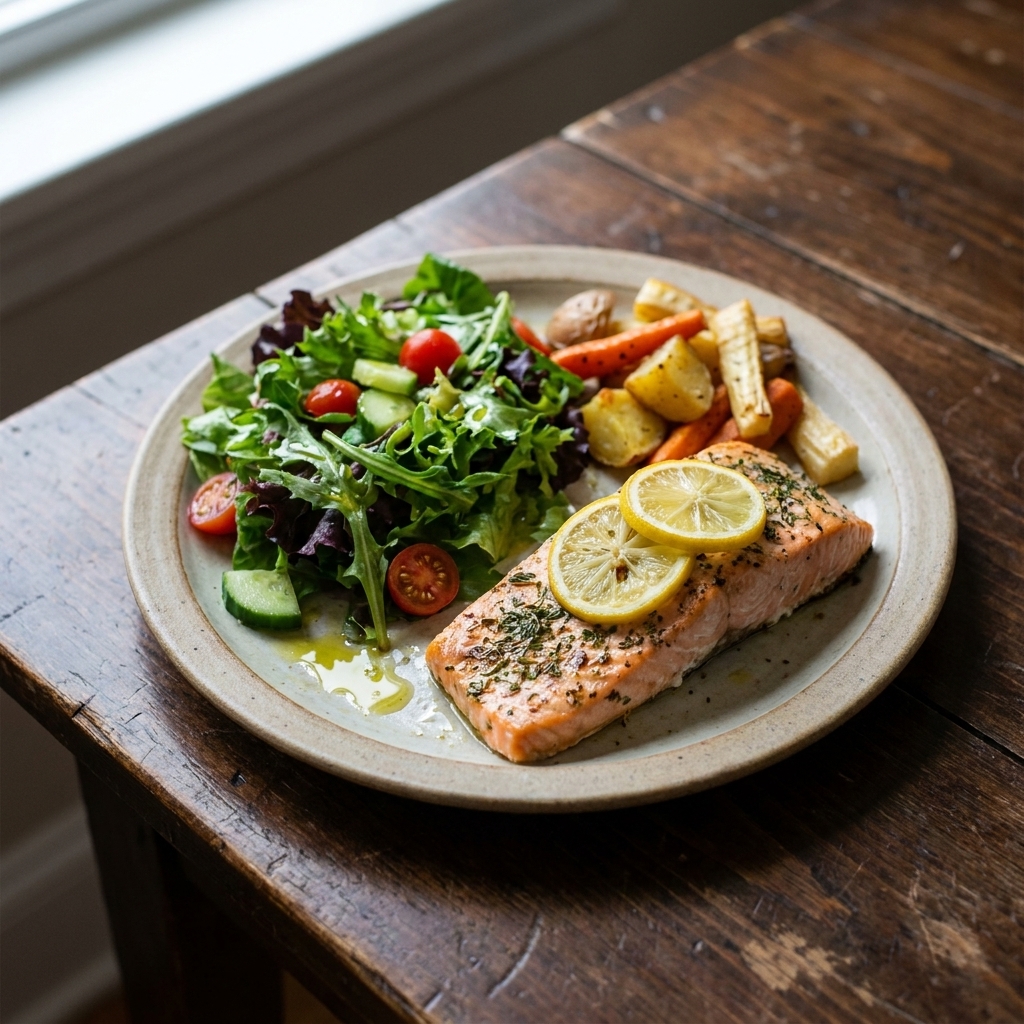
- Baked salmon + roasted Brussels sprouts + small sweet potato
- Chicken stir-fry with broccoli and peppers over cauliflower rice or a small scoop of brown rice
- Bean chili loaded with vegetables + avocado
- Tofu or shrimp curry with lots of vegetables + quinoa
Snack options (only if you are truly hungry)
- Handful of nuts + a piece of fruit
- Cottage cheese + sliced cucumber or tomatoes
- Hummus + carrots and bell peppers
- Hard-boiled eggs
Tip: If you snack often, it does not mean you are failing. It usually means meals need more protein, fiber, or both.
Grocery list and swaps
Grocery list
- Produce: leafy greens, broccoli, cauliflower, peppers, onions, berries, apples, citrus
- Proteins: eggs, chicken, canned tuna or salmon, tofu, plain Greek yogurt, beans and lentils
- High-fiber carbs: steel-cut oats, quinoa, barley, sweet potatoes, high-fiber tortillas
- Fats: olive oil, avocado, nuts, seeds, natural nut butter
- Flavor: vinegar, mustard, salsa, herbs and spices
Easy swaps
- Swap juice or soda for sparkling water with citrus.
- Swap sweetened yogurt for plain Greek yogurt and add berries.
- Swap white rice for cauliflower rice, or do half-and-half.
- Swap chips for hummus and crunchy vegetables.
- Swap “naked carbs” (like toast alone) for carbs paired with protein (like toast with eggs).
Meal timing
Many people do better with consistent meal timing because it reduces grazing and supports steadier glucose levels. You do not need a strict eating window, but consider these practical points:
- Aim for balanced meals rather than constant snacking.
- Front-load protein earlier in the day if mornings are your toughest hunger time.
- Finish with a lighter, balanced dinner when possible.
If you are curious about intermittent fasting, it can help some people, but it is not a requirement and it is not appropriate for everyone. If you take insulin or certain diabetes medications, have a history of disordered eating, are pregnant, or have other medical conditions, talk with your clinician first.
Lifestyle that helps
Move after meals
A simple habit with outsized impact is a 10 to 20 minute walk after meals. When your muscles contract, they can pull glucose from your blood with less insulin. Many people notice better post-meal numbers when they do this consistently.
Add strength training
Aim for 2 to 3 days per week if you can. Muscle is a glucose-using organ, and building and maintaining it improves insulin sensitivity over time.
Prioritize sleep
Even a few nights of short sleep can worsen insulin resistance and increase cravings. Aim for 7 to 9 hours if you can, with a consistent sleep and wake time.
Address stress realistically
Chronic stress can raise cortisol and push glucose higher. The best stress tool is the one you will repeat: a daily walk outdoors, a few minutes of slow breathing, journaling, therapy, or a short mindfulness practice.

Weight loss and prediabetes
If weight loss is part of your plan, even modest changes can help insulin resistance. In large prevention studies, losing around 5% to 7% of body weight (if you are above your comfortable set point) is associated with a meaningful reduction in the risk of developing type 2 diabetes.
But I want to be gentle here: your worth is not measured in pounds. The healthiest plan is the one you can live with. Focus on behaviors first, and let your body respond over time.
If you have tried “everything” and feel stuck, you deserve support, not blame. Ask about a referral to a registered dietitian, a Diabetes Prevention Program, or a clinician who can evaluate for sleep apnea, thyroid issues, PCOS, medication side effects, and other contributors.
When meds fit in
Some people benefit from medication, especially if A1C is rising, you have a history of gestational diabetes, or lifestyle changes alone are not getting you where you want to be. Metformin is commonly used and has a long track record.
In select higher-risk situations, clinicians may also discuss weight-loss medications or diabetes medications that support weight loss (for example, GLP-1 receptor agonists). Whether these are appropriate depends on your health profile, insurance coverage, and local guidelines. Some uses may be off-label for prediabetes, so this is always an individualized decision.
Medication is not “giving up.” Think of it as reducing strain on the system while you build habits that last.
Track progress
Labs to discuss
- A1C (often every 3 to 6 months at first)
- Fasting glucose
- Lipids (cholesterol panel)
- Liver enzymes if fatty liver is a concern
- Blood pressure
At-home options
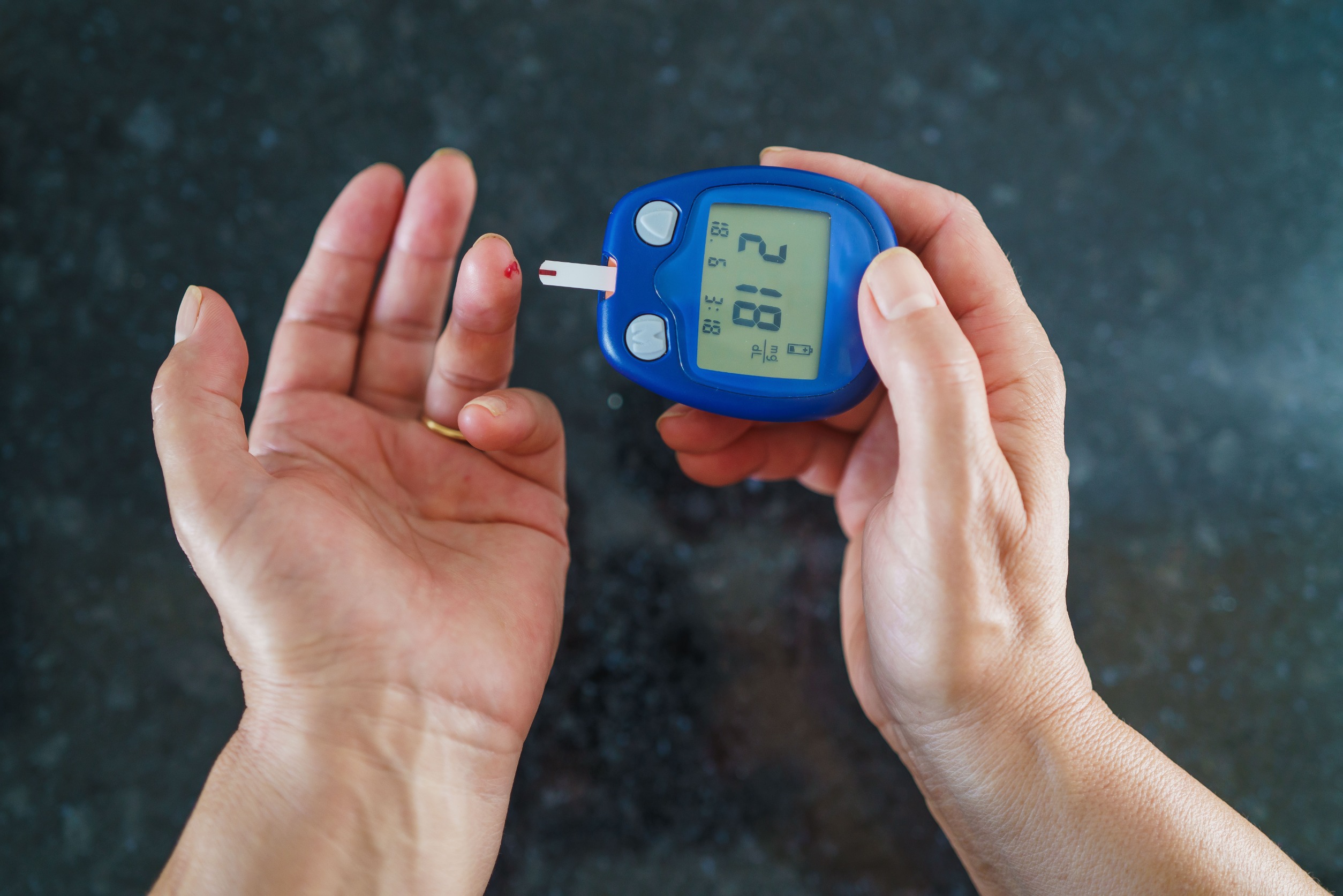
Some people find a home glucose meter or a continuous glucose monitor helpful for seeing how foods affect them. If you go this route, use it as feedback, not judgment. The purpose is to learn patterns, like which breakfasts keep you steady or which snacks trigger a spike.
FAQ
Do I need to cut carbs completely?
No. Most people do best with smarter carbs in appropriate portions, paired with protein and fiber. Total carb needs vary based on body size, activity, and preferences.
Is fruit okay?
Yes, for most people. Choose whole fruit rather than juice, and consider pairing fruit with protein or fat for steadier blood sugar. Berries, apples, citrus, and pears are common easy wins.
What is the best breakfast for insulin resistance?
Prioritize protein and fiber. Examples: eggs with vegetables, plain Greek yogurt with chia and berries, or tofu scramble with greens.
How fast can A1C improve?
A1C reflects about 2 to 3 months of average blood sugar, so many people see changes in that timeframe if habits are consistent. Some improvements in post-meal glucose can happen sooner.
What if I slip up?
You are human. The most protective skill is not perfection, it is recovery. Your next meal is a fresh opportunity to get back to the basics: protein, fiber, plants, and a walk if you can.
Do I need low-carb?
Not necessarily. Many people do well with a moderate-carb, Mediterranean-style approach. Others feel better with a lower-carb pattern. The best plan is the one you can sustain, that fits your culture and preferences, and that improves your labs over time.
When to call your clinician
Get medical guidance promptly if you:
- Have symptoms like excessive thirst, frequent urination, unexplained weight loss, blurry vision, or severe fatigue
- Are pregnant or planning pregnancy
- Have a history of gestational diabetes or PCOS and your numbers are climbing
- Are considering major diet changes or fasting while on glucose-lowering medication
If you feel overwhelmed, bring this article to your next visit and ask for a personalized plan. You do not have to do this alone.
2-week starter plan
If you want a clear place to begin, try this for 14 days:
- Build 2 balanced meals daily using the plate method (start with lunch and dinner if breakfast is tricky).
- Swap sugary drinks for water, unsweetened tea, or sparkling water.
- Walk 10 minutes after one meal most days.
- Add protein at breakfast at least 5 days per week.
- Sleep goal: add 30 minutes of sleep time by adjusting bedtime gradually.
Small, steady steps add up. Prediabetes is your chance to change the story early, and you deserve a plan that feels supportive, not punishing.