
Peripheral neuropathy is one of those diagnoses that can sound abstract until you feel it. Patients often describe it as "pins and needles," burning, numbness, or a strange sensation like wearing socks when they are barefoot. What is happening underneath is nerve damage, most often in the longest nerves that reach your toes and fingertips.
The good news is that many causes are treatable, and even when nerve damage cannot be fully reversed, symptoms can often be reduced and complications prevented. This guide walks you through what peripheral neuropathy is, the most common reasons it develops, how clinicians diagnose it, and practical, evidence-based strategies for relief.
What it is
Your peripheral nerves are the communication lines running between your brain and spinal cord (your central nervous system) and the rest of your body. They help you:
- Feel touch, temperature, pain, and vibration (sensory nerves)
- Move your muscles (motor nerves)
- Run automatic functions like sweating, digestion, and blood pressure control (autonomic nerves)
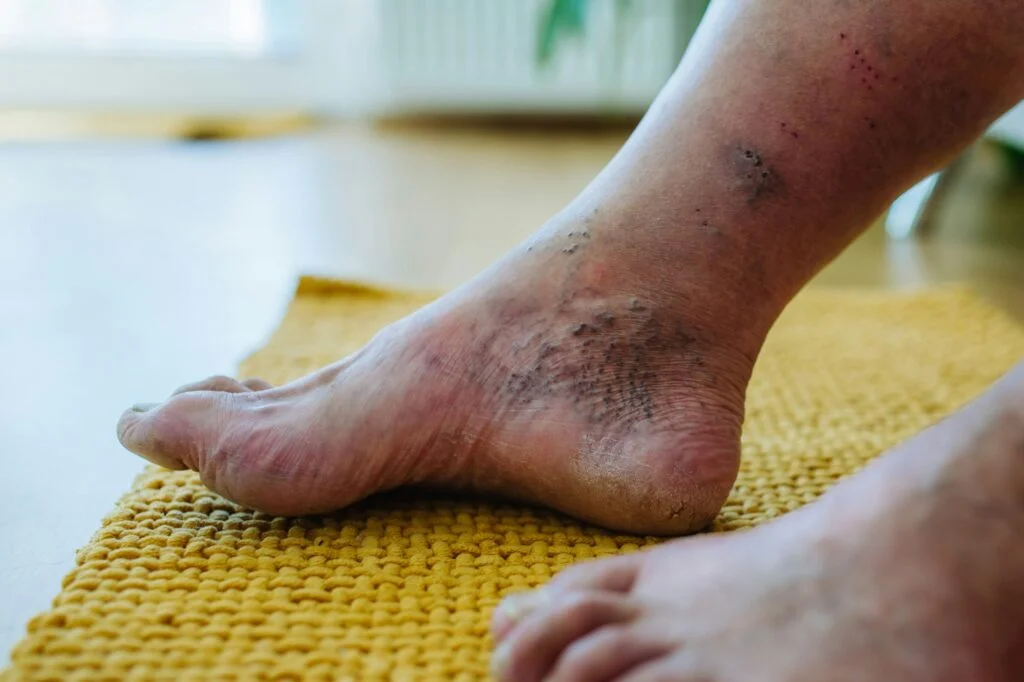
Peripheral neuropathy means those nerves are irritated, injured, or not working properly. It can involve one nerve (mononeuropathy), several individual nerves in different places (mononeuritis multiplex, sometimes called multiple mononeuropathy), or many nerves in a more widespread pattern (polyneuropathy). The most common pattern is symmetrical symptoms starting in the toes and moving upward, sometimes called a "stocking" distribution, and later it may affect the fingers in a "glove" pattern.
Why it often starts in the feet
Nerves are like long electrical cords. The longer they are, the more vulnerable they can be to metabolic stress (like long-term high blood sugar), inflammation, and toxin exposure. In some conditions, especially diabetes, microvascular changes can also contribute by affecting the tiny blood vessels that support nerve health. That is why the feet are often first.
Common causes
There are many possible causes of peripheral neuropathy. Clinicians focus first on the most common and the most treatable.
Diabetes and prediabetes
Diabetes is a leading cause worldwide. Over time, elevated blood sugar can injure nerves directly and can also harm the small blood vessels that feed those nerves. Neuropathy can also occur with prediabetes or impaired glucose tolerance.
What helps most: steady blood sugar management, blood pressure control, and addressing cholesterol, sleep, and activity habits. In practice, improving glucose patterns often slows progression, and some people notice symptom improvement as nerve irritation settles down.
Chemotherapy-related neuropathy
Some cancer treatments can irritate or damage peripheral nerves. Timing matters. Symptoms may start during treatment or after it ends. Severity depends on the medication, dose, and individual factors.
What helps most: early communication with your oncology team. Dose adjustments or medication changes are sometimes possible. Rehabilitation strategies and targeted medications for nerve pain may improve day-to-day function.
Vitamin B12 deficiency
Vitamin B12 is essential for nerve health. Low B12 can cause neuropathy and may also contribute to anemia and memory or mood changes. Causes include low dietary intake, absorption problems (like pernicious anemia), gastrointestinal surgery, and certain medications such as metformin and long-term acid suppressors.
What helps most: confirming deficiency with blood work and replacing B12, sometimes by injection depending on the cause. Early treatment matters because long-standing deficiency can lead to lasting nerve problems.
Autoimmune and inflammatory conditions
In autoimmune disease, the immune system can mistakenly attack nerves or the tissues around them. Conditions associated with neuropathy include rheumatoid arthritis , lupus, Sjogren syndrome, vasculitis, and others. Some inflammatory neuropathies require urgent recognition because treatment can prevent further damage.
What helps most: identifying the specific autoimmune driver and treating inflammation under specialist guidance, often with immunomodulating therapies.
Other important causes
- Alcohol use disorder (often paired with nutritional deficiencies)
- Thyroid disease (especially hypothyroidism)
- Kidney disease (uremic neuropathy)
- Infections such as shingles, HIV, Lyme disease
- Toxins including heavy metals and some occupational exposures
- Nerve compression such as carpal tunnel syndrome, pinched nerves, or spinal stenosis
- Hereditary neuropathies such as Charcot-Marie-Tooth disease
- Monoclonal gammopathy and other blood protein disorders (sometimes called paraproteinemias)
- Other nutrient deficiencies such as copper deficiency (and less commonly folate deficiency)
- Idiopathic neuropathy, meaning no clear cause is found even after appropriate evaluation
Symptoms
Symptoms can be sensory, motor, autonomic, or a mix. People often notice they are worse at night or when they are at rest.
Sensory symptoms
- Tingling or "pins and needles"
- Numbness or reduced ability to feel temperature or pain
- Burning pain, often in the soles or toes
- Electric shock sensations
- Increased sensitivity to light touch (even bedsheets can hurt)
- Feeling off-balance, especially in the dark or on uneven ground
Motor symptoms
- Weakness in the feet or hands
- Foot drop or tripping more often
- Muscle cramps or twitching
- Loss of coordination for fine motor tasks like buttoning a shirt
Autonomic symptoms
- Dizziness on standing (possible blood pressure regulation issues)
- Digestive changes such as constipation or early fullness
- Sweating changes
- Sexual dysfunction
- Bladder symptoms
Autonomic symptoms can come from neuropathy, but they can also come from other medical problems and medication side effects. Either way, they are worth bringing up. These clues often change the workup and the treatment plan.
How it is diagnosed
Diagnosis usually starts with a careful history and a focused neurologic exam. In clinic, I am listening for pattern, timing, and triggers. The details matter because different causes leave different footprints.
Questions you may hear
- Where did symptoms start, and how have they spread?
- Are both sides affected equally?
- Do you have diabetes, prediabetes, thyroid disease, kidney disease, or autoimmune disease?
- Any chemotherapy exposure or new medications?
- Alcohol use, dietary patterns, weight changes?
- Any falls, wounds on the feet, or balance problems?
- Any numbness plus weakness or bowel and bladder changes?
Exam basics
The exam may include checking:
- Reflexes (often reduced at the ankles)
- Vibration and position sense
- Pinprick and temperature sensation
- Muscle strength and gait
- Foot skin integrity, pulses, and deformities
Common tests
Depending on your situation, your clinician may order tests such as:
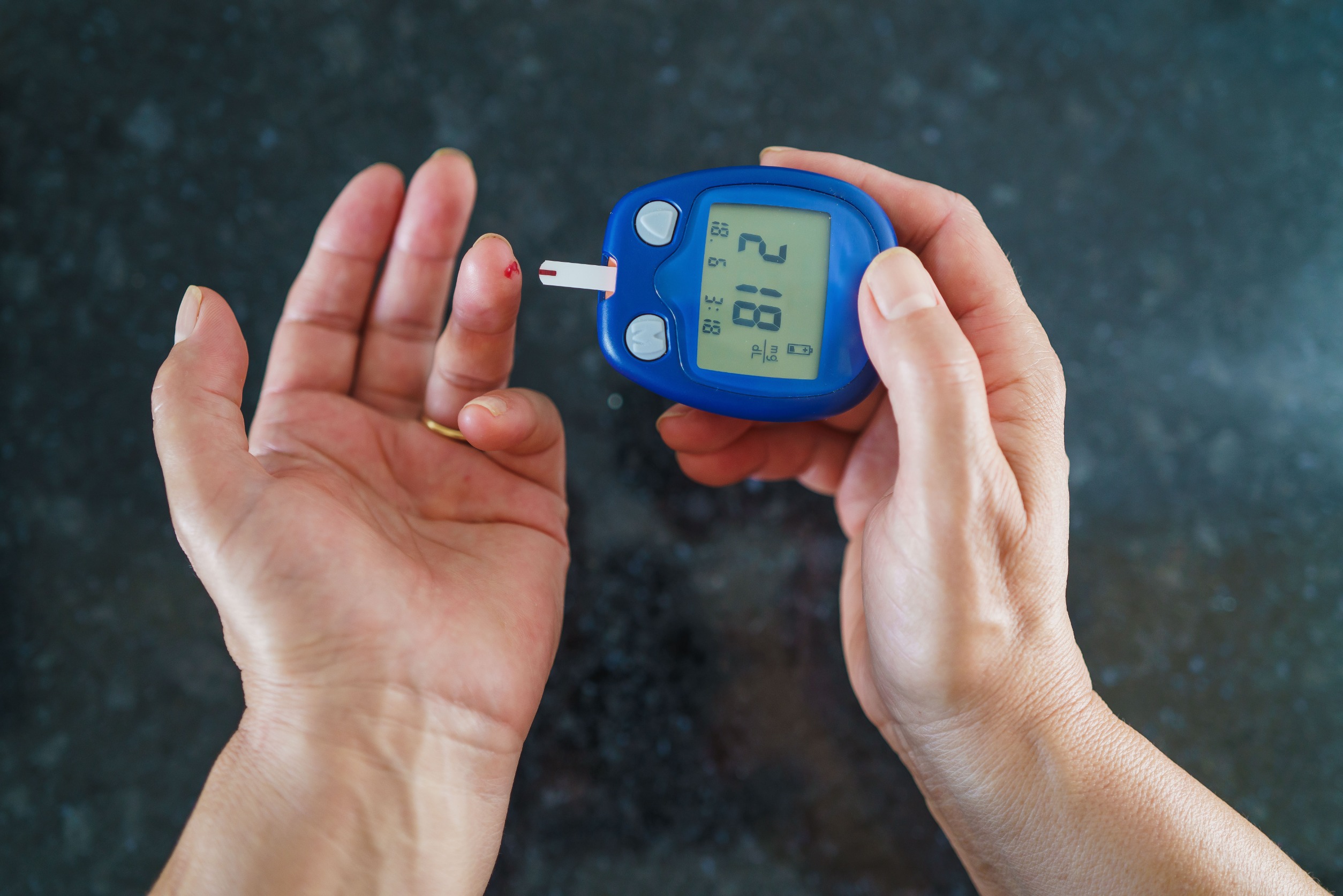
- A1C and fasting glucose (and sometimes an oral glucose tolerance test)
- Vitamin B12 and related markers if needed (like methylmalonic acid)
- Thyroid function
- Kidney and liver function
- Complete blood count
- Tests for inflammatory or autoimmune disease when indicated
- Testing for monoclonal proteins when indicated
If symptoms are significant, atypical, or worsening quickly, you may be referred for:
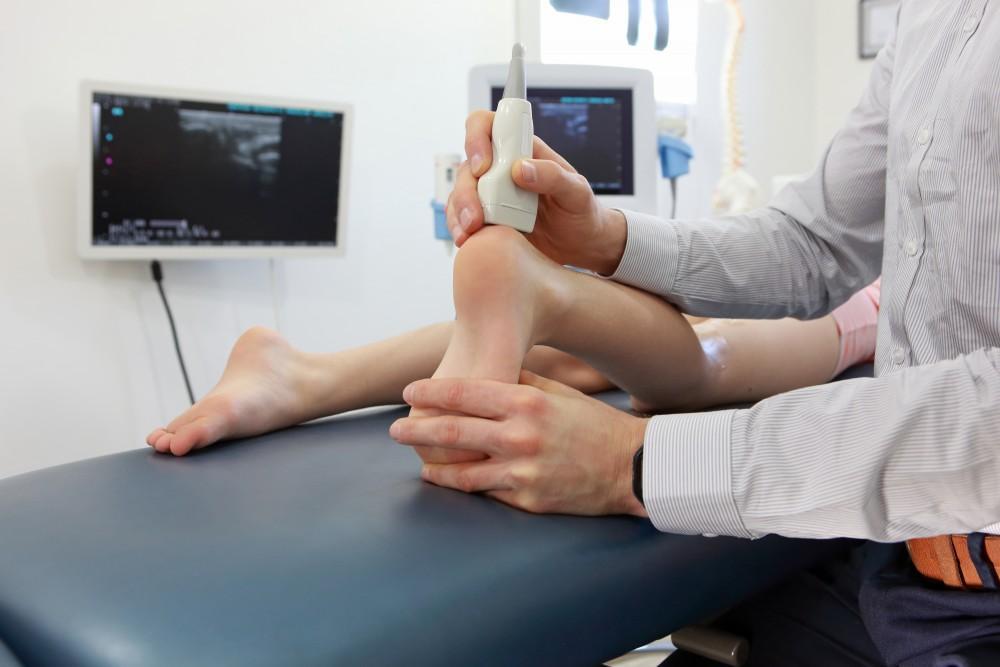
- Nerve conduction studies and EMG to evaluate how well nerves and muscles are working
- Skin biopsy in select cases to assess small fiber neuropathy
- Imaging if a compressed nerve, spine issue, or other structural cause is suspected
A note on small fiber neuropathy
Some people have classic burning pain, temperature sensitivity, or painful "pins and needles" with a relatively normal nerve conduction study and EMG. This pattern can suggest small fiber neuropathy, which affects small pain and temperature fibers. That is one reason skin biopsy or specialized autonomic testing may be considered in select cases.
A helpful rule of thumb: numbness and tingling are common, but rapid progression, significant weakness, or new bowel and bladder changes deserve urgent evaluation.
Relief strategies
Relief usually works best with a layered approach: treat the cause when possible, protect the nerves and feet, and use symptom-focused therapies to improve function and sleep.
1) Treat the cause
- Diabetes or prediabetes: aim for steadier glucose levels, not just a good A1C. Discuss targets with your clinician, especially if you have frequent lows.
- B12 deficiency: replace B12 and address why it is low.
- Medication or toxin exposure: review all prescriptions, supplements, and occupational exposures.
- Autoimmune disease: treat inflammation early to reduce ongoing nerve injury.
2) Medications for nerve pain
Neuropathic pain behaves differently than a sprained ankle or a headache, so it often responds better to medications that calm nerve signaling. These medications mainly help with pain, not numbness, and the goal is often partial relief that improves sleep and daily function. Options may include:
- Gabapentin or pregabalin
- Duloxetine or other SNRIs
- Tricyclic antidepressants (used at low doses in select patients)
- Topical treatments such as lidocaine patches or capsaicin, especially for localized pain
These medications can take time to fine-tune. Side effects like sleepiness, dizziness, dry mouth, or nausea can often be managed by starting low and adjusting slowly with your prescriber.
Opioids are generally not first-line for chronic neuropathy because benefits often fade while risks increase. There are exceptions in specialty settings, but most people do better with nerve-specific strategies.
3) Physical therapy and movement
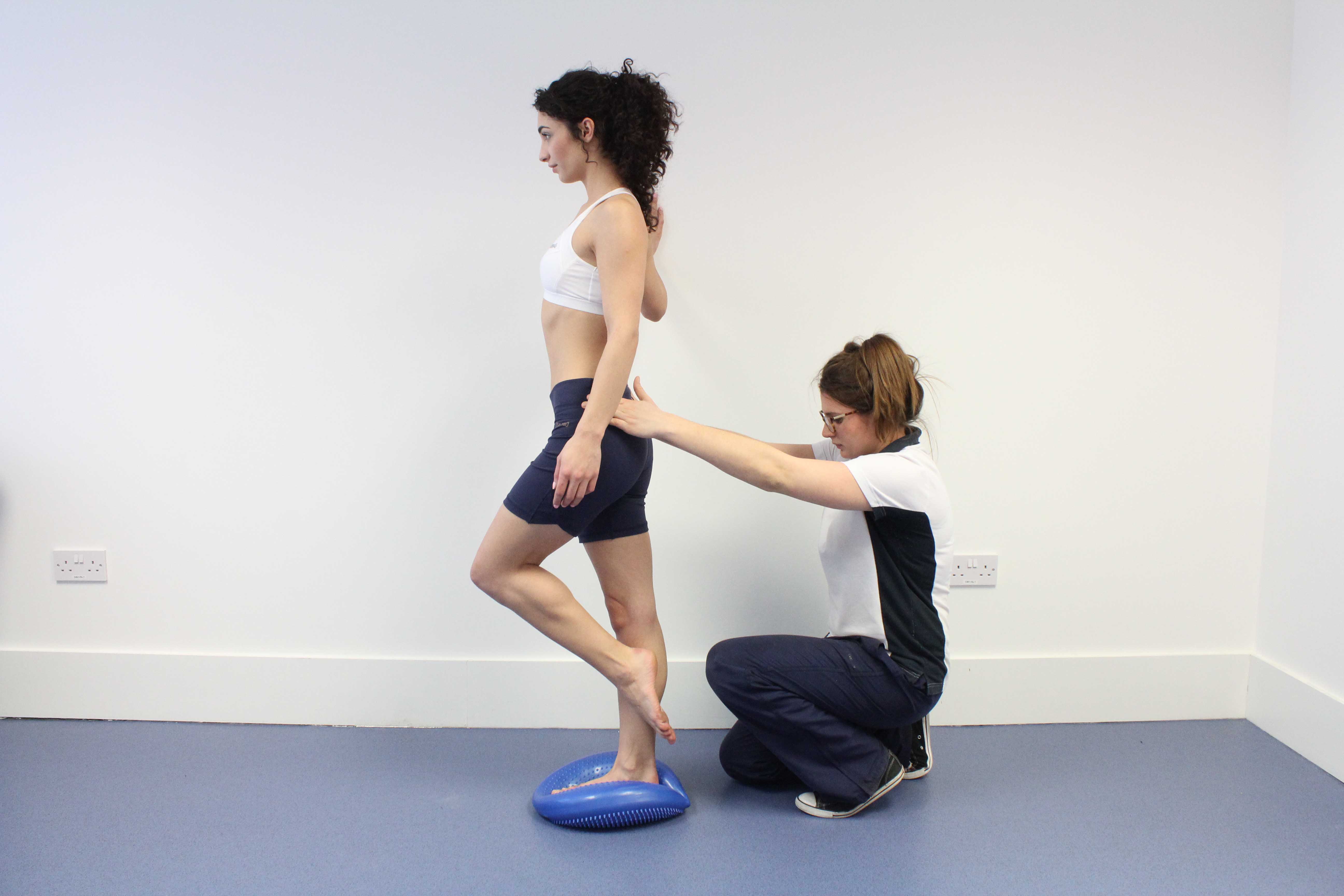
When sensation is reduced, your brain gets less feedback from your feet. Physical therapy can help retrain balance, strengthen stabilizing muscles, and reduce fall risk. Many people also benefit from:
- Gait training and assistive device evaluation if needed
- Ankle and foot strengthening
- Gentle aerobic activity like walking, cycling, or pool exercise
- Stretching routines for calves and plantar fascia
4) Nonmedication pain options
- TENS (transcutaneous electrical nerve stimulation) may help some people with pain control, especially as part of a broader plan.
- Cognitive behavioral therapy for chronic pain does not imply symptoms are "in your head." It is a practical way to reduce pain amplification, improve coping, and protect sleep.
- Acupuncture has mixed evidence. Some patients find it helpful, but results are variable.
- Alpha-lipoic acid is sometimes used in diabetic neuropathy. Evidence and dosing standards vary, so discuss it with your clinician before starting, especially if you take glucose-lowering medications.
Daily foot care
If neuropathy affects your feet, the goal is simple: no surprises. When pain is reduced or sensation is dulled, small injuries can become ulcers or infections before you notice.
Daily checklist
- Look at your feet every day, including between toes. If you cannot see well, use a hand mirror or ask for help.
- Wash and dry carefully, especially between toes.
- Moisturize dry skin, but avoid lotion between toes to reduce fungal risk.
- Trim nails straight across. If nails are thick or hard to manage, consider podiatry care.
- Wear protective footwear indoors and out. Avoid barefoot walking.
- Check shoes for small rocks or rough seams before putting them on.
- Manage calluses safely. Skip sharp tools at home. A podiatrist can debride calluses and fit protective insoles.
When to call promptly
- If you have diabetes, significant numbness, or known poor circulation: a blister, cut, or crack that is not improving within 24 to 48 hours
- Redness, warmth, swelling, drainage, or fever
- Black or blue discoloration
- New severe pain in one foot, especially with swelling
Lifestyle supports
There is no single supplement or routine that works for everyone, but a few foundational habits consistently support nerve health and quality of life.
Sleep and stress
Neuropathic symptoms often flare when you are exhausted or stressed. A steady bedtime routine, limiting late caffeine and alcohol, and discussing insomnia treatments can reduce nighttime symptom amplification.
Nutrition basics
- Prioritize protein, fiber, and steady meals to avoid glucose spikes.
- If you are vegan or vegetarian, talk with your clinician about B12 intake and testing.
- Limit alcohol if neuropathy is present, especially if the cause is unclear.
Home safety
- Use nightlights and clear walkways to reduce falls.
- Consider supportive shoes with a wide toe box and cushioned sole.
- If balance is an issue, ask about a cane, trekking poles, or other supports.
FAQ
Can it go away?
Sometimes. If neuropathy is caused by something correctable, like B12 deficiency or medication toxicity, symptoms can improve and may resolve, especially when treated early. In diabetes-related neuropathy, improvement is possible, but the more reliable goal is often slowing progression and reducing pain while protecting the feet.
Numbness or poor circulation?
Numbness from neuropathy is a nerve signaling issue. Poor circulation is a blood flow problem. They can coexist, especially in diabetes. Clues for circulation problems include cold feet, color changes, calf pain with walking, wounds that do not heal, or weak pulses. If you suspect circulation issues, bring it up promptly because treatment priorities can change.
Is tingling always neuropathy?
Not always. Tingling can also come from anxiety-related hyperventilation, electrolyte abnormalities, carpal tunnel syndrome, thyroid disease, pinched nerves in the neck or back, or medication side effects. Pattern and duration help narrow it down.
What should I track before an appointment?
- When symptoms started and whether they are getting worse
- Exact locations (toes, soles, fingertips) and whether both sides match
- What the sensation feels like (burning, numb, shocklike)
- Sleep disruption and fall history
- All medications and supplements, plus alcohol intake
- Home glucose patterns if you have diabetes or prediabetes
When to seek urgent care
Seek urgent evaluation if you have:
- Sudden, rapidly worsening weakness
- New loss of bowel or bladder control
- Numbness spreading quickly up the legs or affecting breathing
- Severe one-sided leg pain with swelling, redness, or warmth
- A foot wound with signs of infection (spreading redness, drainage, fever)
If you are living with neuropathy symptoms, you are not being "dramatic" by asking questions or requesting a workup. Nerves can be slow to heal, and early action often makes the biggest difference.