When a baby boy is diagnosed with posterior urethral valves (often shortened to PUV), parents usually hear two scary phrases right away: urine can’t drain normally and the kidneys can swell. As a family nurse practitioner, I have walked families through this moment many times. The most helpful thing to know up front is this: PUV is treatable, but it also deserves careful, long-term follow-up because it can affect both bladder function and kidney health over time.
This page explains what PUV is, what it can look like before and after birth, how it is treated (including catheter drainage and valve ablation), and what ongoing monitoring usually involves.
PUV at a glance
- What it is: extra tissue in the urethra that blocks urine flow in male infants
- What it can do: strains the bladder and can cause urine backup toward the kidneys
- How it is treated: urgent bladder drainage when needed, then valve ablation (and less commonly temporary diversion)
- Why follow-up matters: some boys develop bladder dysfunction, reflux, high blood pressure, or chronic kidney disease over time
What are posterior urethral valves?
Posterior urethral valves are thin membranes of extra tissue in the urethra (the tube that carries urine out of the bladder). They are present from birth and occur almost exclusively in boys (male infants).
The word “posterior” refers to the back portion of the urethra, near where the urethra begins at the bladder. These valve-like membranes can act like a flap or obstruction, making it hard for urine to leave the bladder. The result can be back pressure that stretches and irritates the bladder and can push urine pressure backward toward the ureters and kidneys.
Why both kidneys can be affected
Because the blockage is low in the urinary tract, it can affect drainage from both sides. When urine backs up, ultrasound may show hydronephrosis, meaning dilation and swelling of one or both kidneys. In PUV, hydronephrosis is often bilateral (both kidneys) because the outlet problem is below where both ureters enter the bladder.
How PUV is found before birth
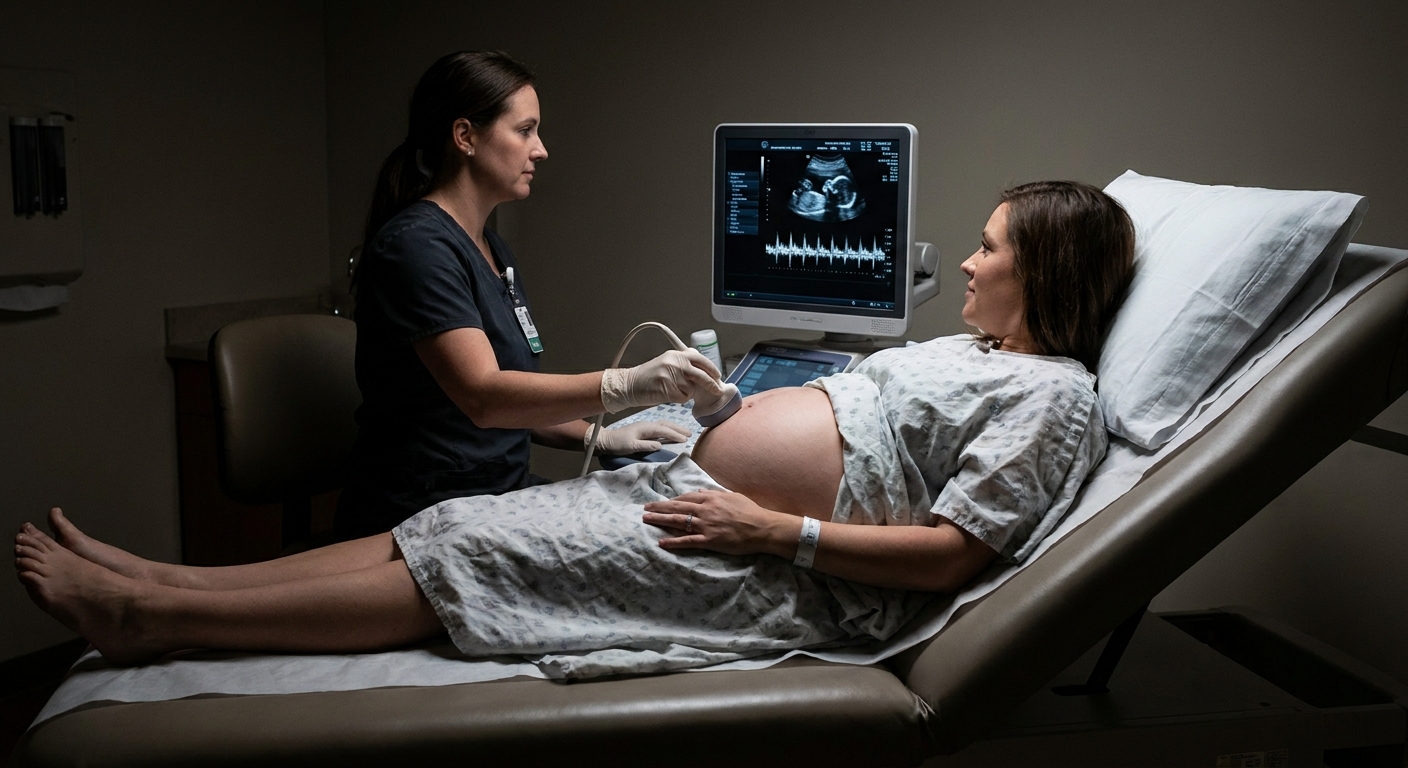
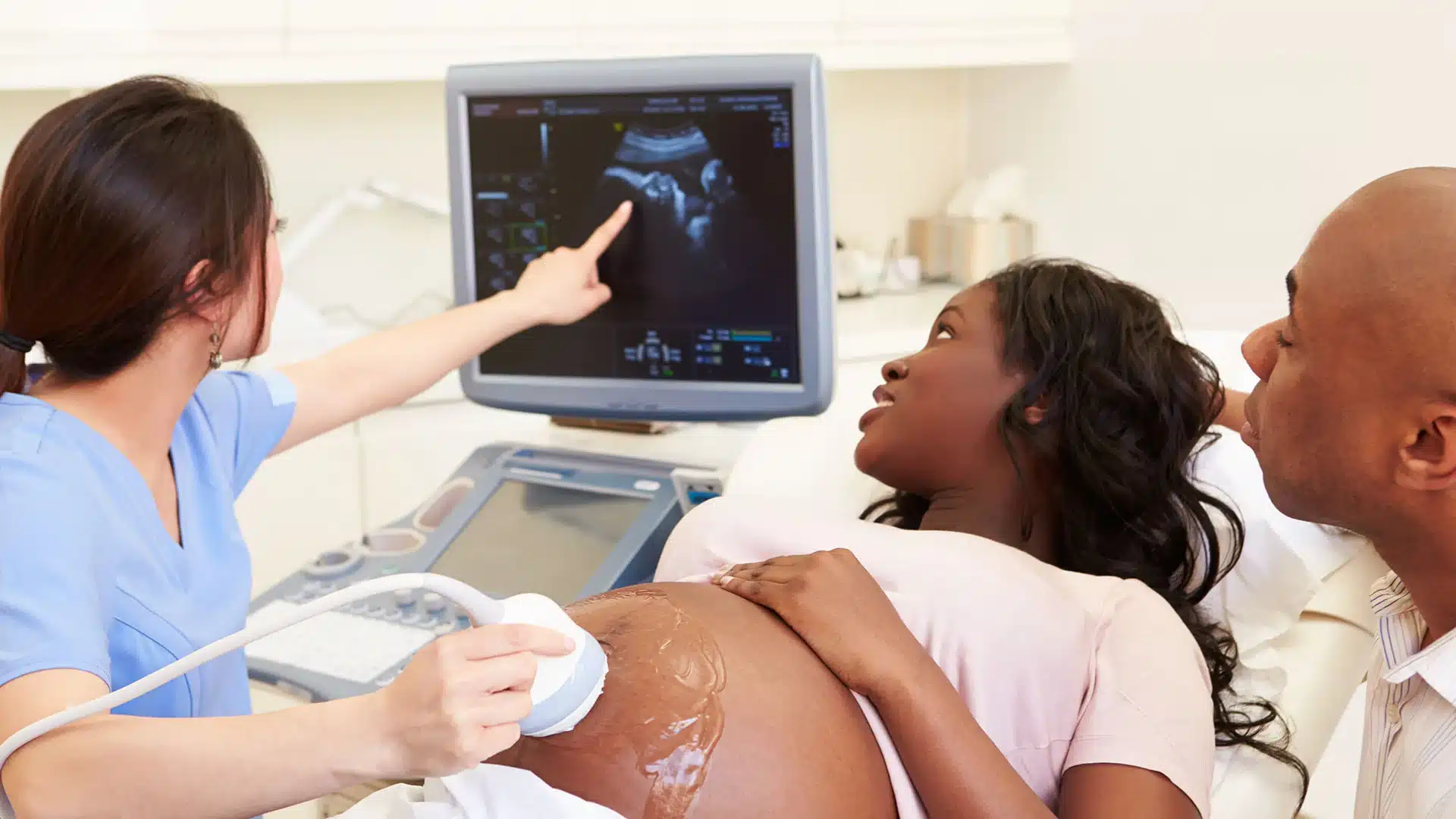
Sometimes PUV is suspected on a prenatal ultrasound because the urinary tract looks backed up. Common prenatal clues can include:
- Enlarged bladder that stays full longer than expected
- Hydronephrosis (swelling of the kidneys) and sometimes widened ureters
- Low amniotic fluid (oligohydramnios)
Low amniotic fluid matters because baby urine helps make amniotic fluid. When urine cannot flow out normally, less urine may reach the amniotic sac. Amniotic fluid also supports lung development, which is why your pregnancy team may take this finding very seriously and monitor closely.
Signs after birth
Some newborn boys show symptoms soon after delivery, while others are diagnosed because of prenatal findings and then evaluated right away after birth.
Common symptoms and findings
- Weak urine stream or dribbling
- Difficulty urinating, straining, or very small amounts of urine
- Distended belly from a very full bladder
- Poor feeding, vomiting, or fussiness
- Signs of infection such as fever or irritability (urinary tract infections can occur)
- Poor growth over time in more chronic cases
If a baby is significantly obstructed, they may also develop electrolyte imbalances or kidney function changes that show up on blood tests.
When to seek urgent care
A newborn who is not peeing, has a very swollen abdomen, is lethargic, is vomiting repeatedly, or has fever needs urgent medical evaluation. In tiny babies, urinary obstruction and infection can become serious quickly.
How doctors confirm the diagnosis
Evaluation is usually guided by a pediatric urologist and often involves a combination of imaging and lab work. Common tests include:
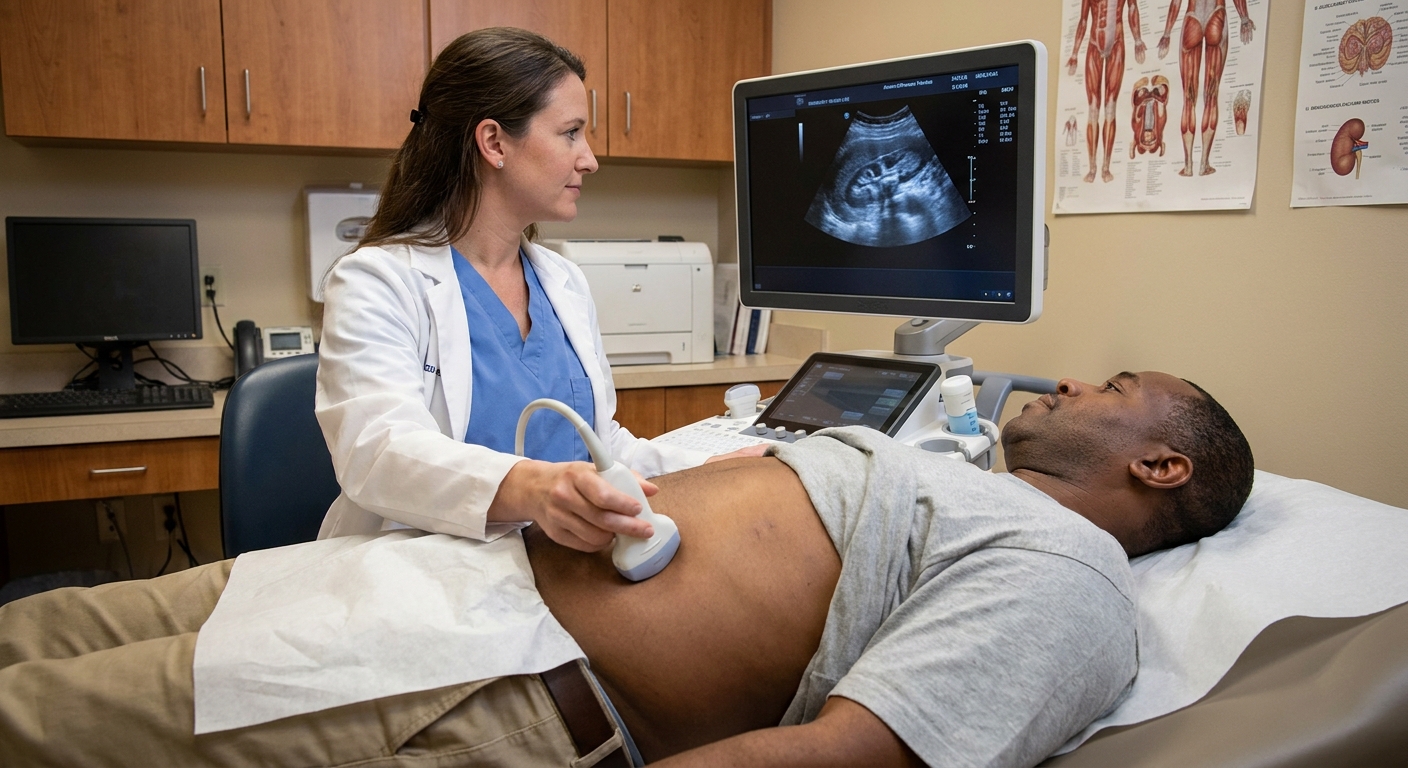
- Kidney and bladder ultrasound to look for hydronephrosis, bladder wall thickening, and signs of incomplete emptying (residual urine estimates can be helpful, but they can be variable in newborns)
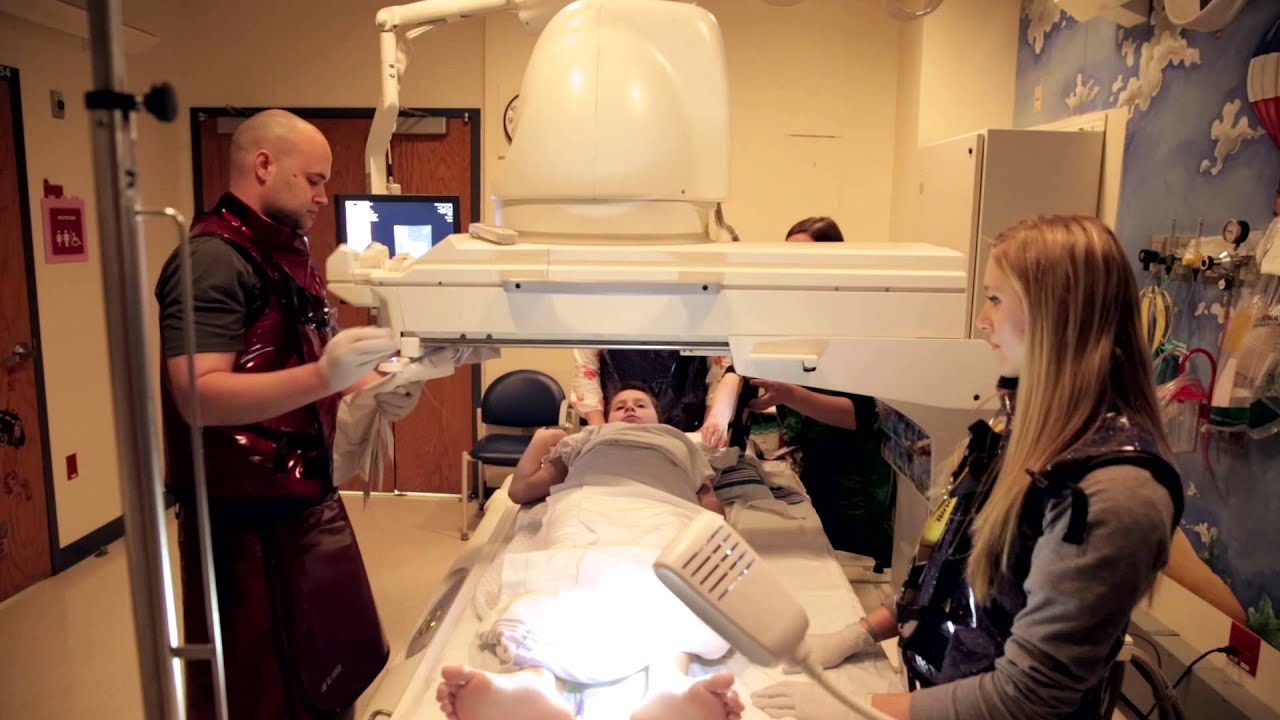
- Voiding cystourethrogram (VCUG), an X-ray test that watches how the bladder fills and empties and can show classic changes of PUV and whether there is reflux (backflow toward the kidneys)
- Blood tests to check kidney function and electrolytes
- Urinalysis and urine culture to evaluate for infection
VCUG is often the key imaging test used to evaluate suspected PUV and look for reflux. Cystoscopy (looking inside the urethra and bladder with a tiny camera) is what definitively confirms the valves and allows treatment at the same time.
First step: catheter drainage
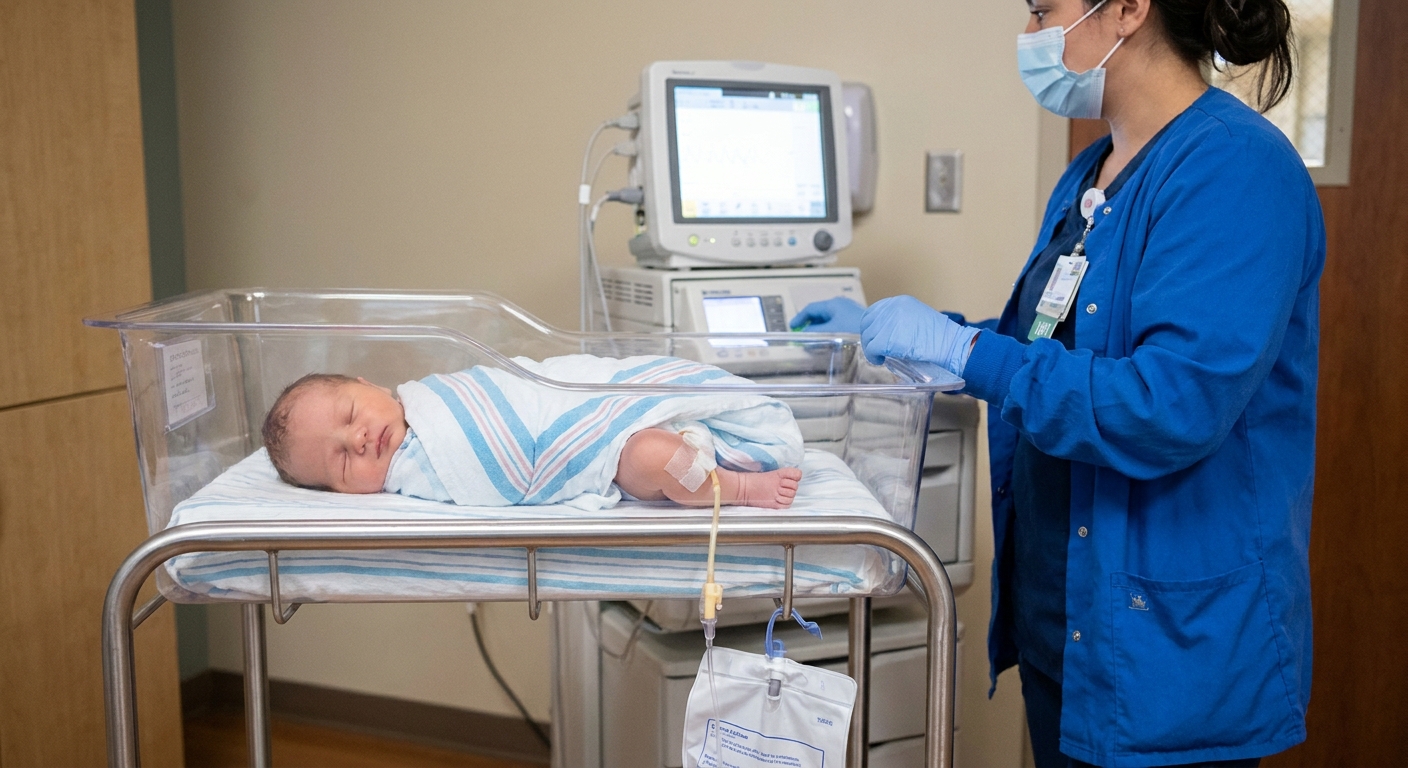
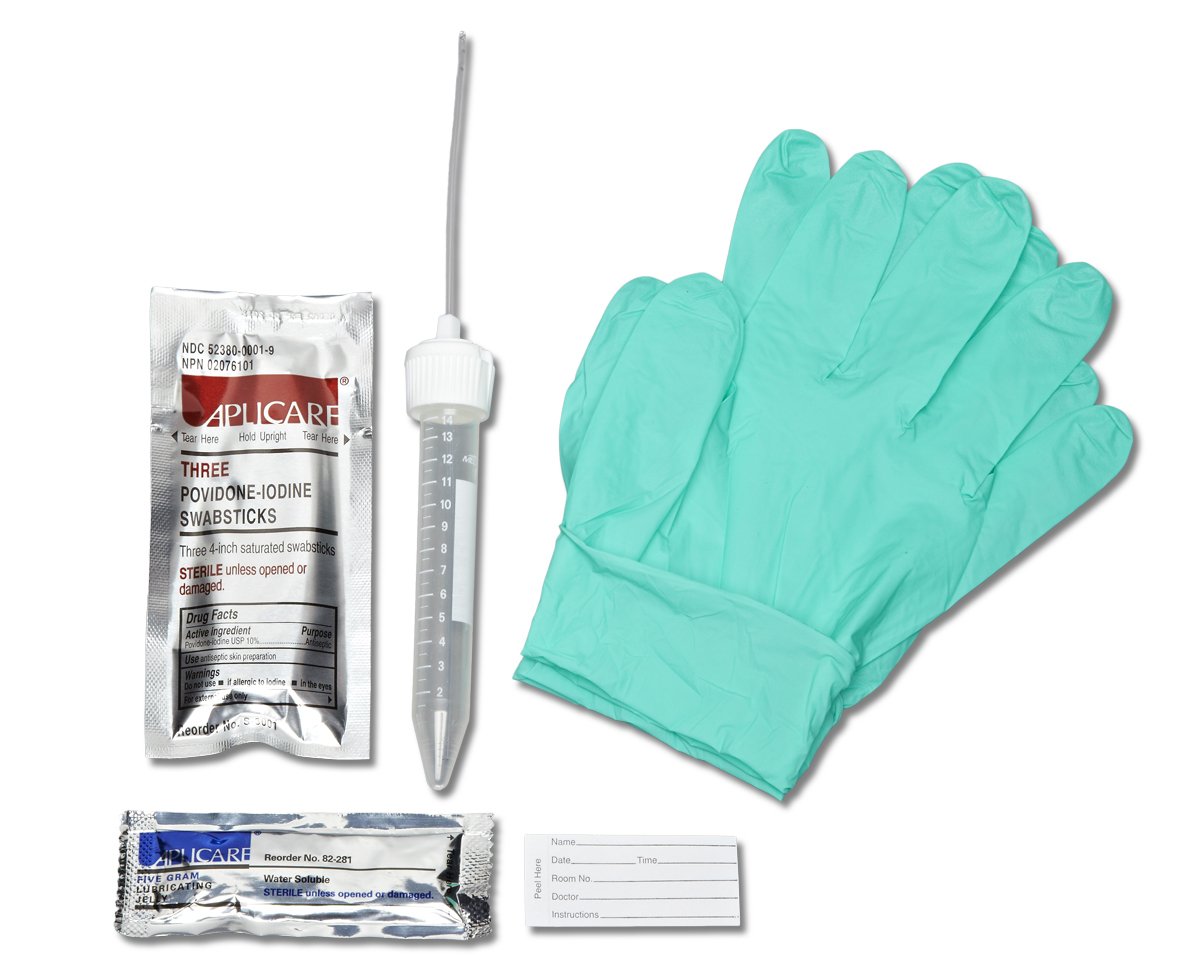
If urine is not flowing well, one of the first and most important steps is to drain the bladder with a catheter. This relieves pressure and helps protect the kidneys.
Catheter drainage can:
- Lower the backup of urine toward the kidneys
- Help the care team measure urine output accurately
- Allow time to stabilize the baby and treat any infection
- Improve lab abnormalities caused by obstruction
For parents, seeing a catheter can be upsetting. Clinically, it quickly relieves pressure while the team plans definitive treatment.
Definitive treatment: valve ablation
The standard treatment for PUV is endoscopic valve ablation. This is a procedure where a pediatric urologist passes a very small camera (cystoscope) through the urethra and uses specialized tools to remove or cut the obstructing valve tissue.
What valve ablation aims to do
- Improve urine flow out of the bladder
- Reduce pressure on the bladder, ureters, and kidneys
- Lower the risk of ongoing damage from obstruction
In some cases, babies are too small or medically unstable for immediate ablation. The team may use catheter drainage and other supportive measures first, then proceed with ablation when it is safest.
Less common option: If ablation is not feasible right away, does not fully relieve obstruction, or bladder emptying remains a major problem, some centers may recommend a temporary urinary diversion, most often a vesicostomy (a small opening from the bladder to the abdominal wall to allow continuous drainage). This is not needed for most boys, but it can be an important bridge in more severe cases.
Even after successful ablation, some children continue to have bladder dysfunction or kidney vulnerability because those tissues may have been stressed before treatment. That is why follow-up is not just a formality. It is part of protecting long-term health.
Long-term follow-up
One of the most important messages I share with families is that PUV is not always a one-and-done problem. Many boys do very well, but ongoing care is common because PUV can leave a bladder that behaves differently and kidneys that need monitoring.
Bladder follow-up
The bladder may have been working against high resistance before treatment. Over time, some children develop:
- Thickened, stiff bladder that does not store urine normally
- Overactive bladder symptoms (urgency, frequency)
- Incomplete emptying, which can raise UTI risk
- Daytime accidents or bedwetting beyond typical ages
Depending on symptoms, the pediatric urology team may recommend timed voiding, constipation management, medications to relax the bladder, pelvic floor support, or in some cases clean intermittent catheterization.
Kidney follow-up
Kidneys affected by early obstruction can have reduced reserve. Follow-up may include:
- Repeat ultrasounds to monitor kidney dilation and kidney growth
- Blood tests to check kidney function over time
- Blood pressure checks (kidney disease can contribute to high blood pressure)
- Urine testing for protein, infection, and concentration ability
Some children will have mild issues that stay stable. Others develop chronic kidney disease and need coordinated care with pediatric nephrology. In a smaller subset, especially after severe prenatal obstruction and very low amniotic fluid, kidney damage can progress despite good treatment and follow-up. I share that gently not to frighten you, but to explain why consistent monitoring is so important.
Who follows your child
Most families have a team that includes pediatric urology, sometimes pediatric nephrology, and your child’s primary care clinician. Follow-up schedules vary based on severity and age, but it is common to have more frequent visits in the first year, then ongoing check-ins during childhood and adolescence.
Other issues you may hear about
Reflux and UTIs
Some boys with PUV have vesicoureteral reflux, meaning urine can flow backward toward the kidneys. This can increase UTI risk and can affect kidney health over time. Your urologist will guide whether reflux is monitored, treated with bladder management strategies, or addressed in other ways.
Some babies are placed on preventive (prophylactic) antibiotics for a period of time, especially if reflux is present or UTIs are a concern. Practices vary by child and by center, so it is a good question to ask your urology team.
High blood pressure
Because kidney injury can affect blood pressure, routine blood pressure checks become part of long-term care. This is one of those “quiet” issues that is easy to miss without regular visits.
Questions parents ask
Did I do something to cause this?
No. Posterior urethral valves are congenital, meaning they form during fetal development. Parents do not cause PUV through anything they ate, did, or did not do.
Will my baby need surgery right away?
Some babies need urgent bladder drainage and relatively prompt intervention, especially if they are not urinating well or kidney function is affected. Others are stabilized first, then treated. Your baby’s plan depends on symptoms, imaging results, size, and overall stability.
Will hydronephrosis go away after treatment?
It often improves once urine drains better, but the timeline varies. Some swelling resolves gradually over months. Some children have persistent dilation that requires monitoring, especially if there is reflux or bladder dysfunction.
Can my child live a normal life?
Many boys with PUV grow up to be active kids and adults. The key is staying engaged in follow-up, because bladder habits, UTIs, blood pressure, and kidney function can change over time, especially during growth spurts.
How to support your child at home
Your medical team will tailor instructions, but these home habits often matter for long-term urinary health:
- Take fever seriously. In a child with urinary tract history, fever can be a sign of UTI and deserves prompt evaluation.
- Prevent constipation. A backed-up bowel can worsen bladder emptying. Ask your clinician for age-appropriate strategies.
- Encourage regular bathroom breaks as your child grows. Holding urine for long periods can strain a sensitive bladder.
- Keep follow-up appointments, even when your child seems well. Kidney and bladder changes can be silent at first.
When to call the doctor
Contact your child’s clinician promptly if you notice:
- Fever, chills, or unusual irritability
- Pain with urination or foul-smelling urine
- New daytime accidents after a period of dryness
- A noticeably weaker stream or straining
- Swollen belly, vomiting, poor feeding, or low urine output
If your baby is not urinating or seems very unwell, seek urgent care.
PUV is a lot to absorb. If you are in the early days after diagnosis, please know this is a path many families have walked successfully. With the right treatment and consistent follow-up, you are giving your child the best chance at healthy kidneys and a bladder that works as well as possible.