When a child is scheduled for a VCUG, most parents are not worried about the science. They are worried about one very practical thing: What is this going to feel like for my child? and how can I help.
As a family nurse practitioner, I have walked many families through this test after a tough stretch of urinary tract infections (UTIs) or an ultrasound that showed kidney swelling. A VCUG can feel intimidating because it involves a catheter and X-ray imaging while a child urinates. With the right expectations and a few comfort strategies, it is usually very doable.
VCUG in plain language
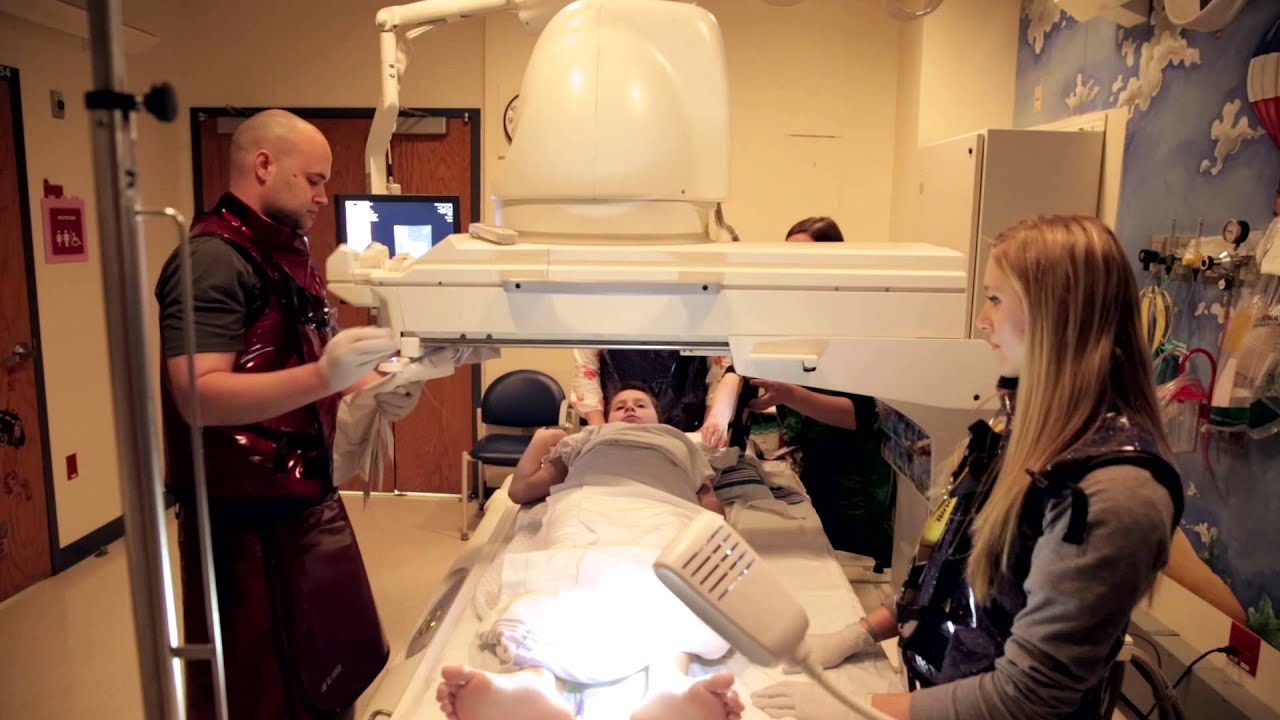
VCUG stands for voiding cystourethrogram. It is a test that uses a special liquid called contrast and a moving X-ray camera (fluoroscopy) to watch:
- How the bladder fills
- What the urethra looks like (the tube urine comes out through)
- Whether urine flows the wrong way during filling or peeing, which can suggest vesicoureteral reflux (VUR)
The study is usually done in a hospital radiology department or a children’s imaging center by a radiology technologist and a radiologist.
Why a VCUG is ordered
A VCUG is not an automatic test after every UTI. Whether a child needs one depends on things like age, how many UTIs (especially febrile UTIs) they have had, ultrasound findings, and your clinician’s judgment.
It is typically ordered when your child’s team needs more information that an ultrasound cannot provide. Common reasons include:
- Recurrent UTIs, especially febrile UTIs (with fever)
- An abnormal kidney or bladder ultrasound, such as swelling of the kidney (hydronephrosis) or ureter dilation
- Concern for an anatomic issue affecting urine flow
- Follow-up for a known urinary tract problem, depending on your specialist’s plan
If you are unsure why your child specifically needs it, ask the ordering clinician: “What question are we trying to answer with this VCUG?” You deserve a clear, one-sentence goal.
How to prepare
What you can do at home
- Explain it simply. For younger kids: “The doctor is going to take pictures of your bladder while it fills and while you pee.”
- Reassure them about privacy. Let them know medical staff do this all the time and will keep them covered as much as possible.
- Bring comfort items. A favorite stuffed animal, blanket, pacifier, or headphones can help.
- Dress for ease. Two-piece outfits are easier than one-piece pajamas or overalls.
Food and drink
Most VCUGs do not require fasting, but rules vary by facility. If sedation is planned (not routine), fasting instructions may apply. Follow your imaging center’s directions exactly.
Bowel habits matter
This surprises many families: constipation can make bladder symptoms worse and can affect urinary emptying. If your child struggles with constipation, mention it to the ordering clinician before the test. Some children are asked to start or continue a bowel regimen.
Antibiotics and contrast questions
Some clinicians or imaging centers recommend an antibiotic dose before or after a VCUG, while others do not. Ask ahead of time if your child needs one so there are no surprises.
Parents also worry about “contrast allergy.” In a VCUG, contrast is placed into the bladder through the catheter rather than given by IV. True allergic reactions are uncommon, but you should still tell the team about any prior contrast reactions or medication allergies.
What happens during a VCUG
1) Check-in and changing
You will check in, review allergies and medical history, and your child will change into a gown. Many centers allow one parent to stay in the room. If you are pregnant or might be pregnant, tell the staff because X-rays involve radiation.
2) Positioning and cleaning
Your child lies on an exam table under an X-ray camera. The genital area is cleaned with an antiseptic solution. Staff will use drapes to preserve modesty while keeping the area sterile.
For many kids, this part feels strange and vulnerable more than it feels painful. Staying calm yourself helps, even when you are nervous inside.
3) Catheter placement
A small, flexible tube (catheter) is gently inserted into the urethra and advanced into the bladder.
- What it feels like: pressure, stinging, or a brief burning sensation. Some children say it feels like a strong urge to pee.
- How long it takes: usually a minute or two once your child is positioned and the team is ready.
- Keeping still: younger kids may need gentle help holding their legs still. Staff are trained to do this as kindly as possible.
Some facilities use a lubricating gel, and some use a topical numbing gel for comfort. Even when numbing gel is used, it may not eliminate all discomfort.
If your child is extremely anxious or has had traumatic medical experiences, ask ahead of time what options exist for anxiety support.
4) Filling the bladder with contrast
Contrast flows through the catheter into the bladder. This is when children often start to feel very full.
- What it feels like: increasing pressure in the lower belly and a strong urge to urinate
- What you may see: the radiology team watching contrast fill the bladder on a monitor
The team may take images while the bladder is filling. They are looking for whether any contrast travels upward toward the ureters or kidneys.
5) Pictures while your child urinates
This is the “voiding” part of the test. Your child is encouraged to pee while images are taken.
Depending on your child’s age and the center’s setup, your child may be asked to:
- Pee into a bedpan or absorbent pad while lying on the table
- Pee into a container while slightly turned on their side
- Use a commode attachment or a more seated position
- For some older boys, urinate in a more standing position if the room allows
This can be the hardest moment emotionally. Some children feel embarrassed or freeze up because they do not want to pee in front of strangers. Radiology staff are used to this and will coach gently. Sometimes it takes a few minutes.
How long does a VCUG take?
Most VCUG appointments last 30 to 60 minutes from check-in to finish. The actual imaging portion is often shorter, but setup and catheter placement take time.
Does a VCUG hurt?
Most kids experience brief discomfort rather than ongoing pain.
- Most uncomfortable parts: catheter placement and the intense “I have to pee” feeling as the bladder fills
- Afterwards: mild burning with urination for a day or two is common
If your child has significant pain during the test, the team can pause. If pain continues after you go home, that is a reason to call your clinician.
Comfort steps that help
Before the test
- Ask about Child Life support. Many pediatric hospitals have Child Life Specialists who teach coping skills, offer distraction, and help children feel in control.
- Practice “balloon breathing.” Slow inhale, slow exhale, hands on belly. Simple and effective for school-age kids.
- Plan a small reward. Not as a bribe, but as something to look forward to: a smoothie, a new library book, extra time at the park.
During the test
- Distraction works. A video on a phone, a story, counting games, or music can reduce fear.
- Give choices where possible. “Do you want to hold my hand or your stuffed animal?” Small choices restore control.
- Use neutral, steady language. “You’re safe. This part feels weird. It will be over soon.”
After the test
- Fluids help. Drinking water can dilute urine and lessen burning with peeing.
- Warm bath, if allowed. A warm bath can be soothing for some children. If your clinician has advised avoiding baths due to UTIs, follow that guidance.
- Watch for constipation. Pain with peeing can make some kids hold urine, which can worsen bladder symptoms. Encourage regular bathroom breaks.
What the images can show about reflux
Your care team may be looking for vesicoureteral reflux (VUR), meaning contrast (and urine) moving backward from the bladder into the ureters and sometimes up toward the kidneys.
On a VCUG, reflux is described by:
- Whether it happens at all
- When it happens, during filling, during voiding, or both
- How far it goes, for example up into one or both ureters or kidneys
- How much dilation is seen in the ureter or kidney collecting system during the study
Reflux is often assigned a grade by the radiologist. Your child’s pediatrician or pediatric urologist will explain what that means for your child specifically and whether it changes prevention steps or follow-up imaging.
Radiation safety
A VCUG uses X-rays, so there is radiation exposure. Pediatric imaging centers aim to use the lowest dose needed to get accurate results. Fluoroscopy time is kept as short as possible.
If you want to advocate without feeling adversarial, you can ask:
- “Do you use pediatric dose settings?”
- “Will a pediatric radiologist read the study?”
- “About how long is fluoroscopy usually on for a child this age?”
After the VCUG
Common for 24 to 48 hours
- Mild burning or stinging with urination
- Going to the bathroom more frequently
- A small amount of irritation around the urethral opening
- Being more clingy or emotional, especially in younger kids
Call your child’s clinician the same day if you notice
- Fever (follow your clinic’s fever threshold instructions, especially for infants)
- Inability to urinate or only dribbling
- Worsening pain that is not improving with time and fluids
- Blood in the urine that is more than a small tinge, any persistent bright red blood, or blood clots
- New UTI symptoms such as foul-smelling urine, belly pain, back pain, or significant urgency
A small percentage of children develop a UTI after catheterization. It is uncommon, but it is one of the reasons we take post-test symptoms seriously.
Getting results
In some centers, the radiologist can give a preliminary impression right away. In others, images are formally read later and sent to the ordering clinician, who then calls you or reviews results at a follow-up visit.
If you leave without a clear plan, ask before you go:
- “When should we expect results?”
- “Who will call us?”
- “If the result is abnormal, what is the next step?”
Questions to ask
- Can my child take their usual pain reliever before we arrive, and if so which one and what dose?
- Will a parent be allowed in the room for the entire test?
- Do you have Child Life support available?
- Do you recommend antibiotics before or after the study for my child?
- How do you help children who cannot urinate on command?
- What signs after the test should make us call?
VCUG FAQ
Can my child refuse the test?
As a parent, you consent for medical testing, but a child’s fear matters. If your child is panicking, ask the team to pause and regroup. Sometimes a short break, Child Life coaching, or rescheduling with a plan for anxiety support makes the experience safer and more humane.
What if my child will not pee during the VCUG?
It happens. Staff may try repositioning, running water sounds, giving privacy as much as possible, or waiting a bit. If your child cannot void, the radiologist can still obtain useful information from filling images, but the study may be limited. Your clinician will explain what that means.
Will my child be sedated?
Most VCUGs are done without sedation because children need to be awake to urinate on request. Sedation is occasionally considered in special circumstances. If you think your child may not tolerate the test, talk with your clinician and the imaging center ahead of time.
Can I be in the room if I am pregnant?
Usually no, because of radiation exposure. Tell the imaging team and ask what their policy is. Another trusted adult can often accompany your child if needed.
A final word
If your child needs a VCUG, it does not mean anyone has done something wrong. It usually means your care team is trying to answer a specific question so they can prevent future infections and protect the kidneys over time.
If it helps, write down your child’s questions ahead of time and practice a few simple, steady answers at home. The calmer and more prepared you feel, the safer your child will feel too.