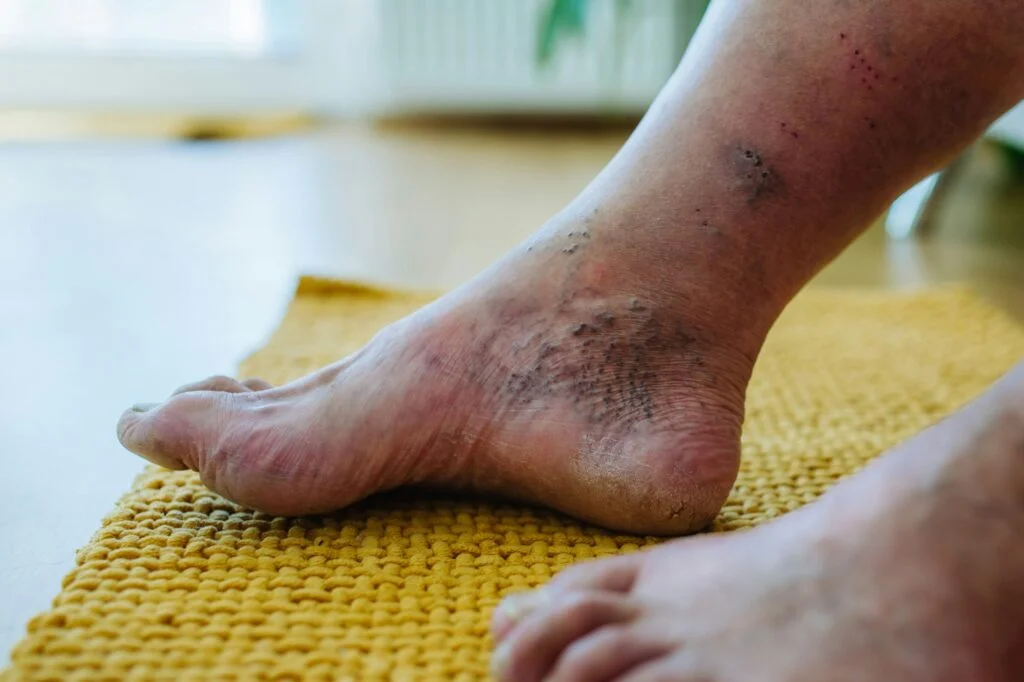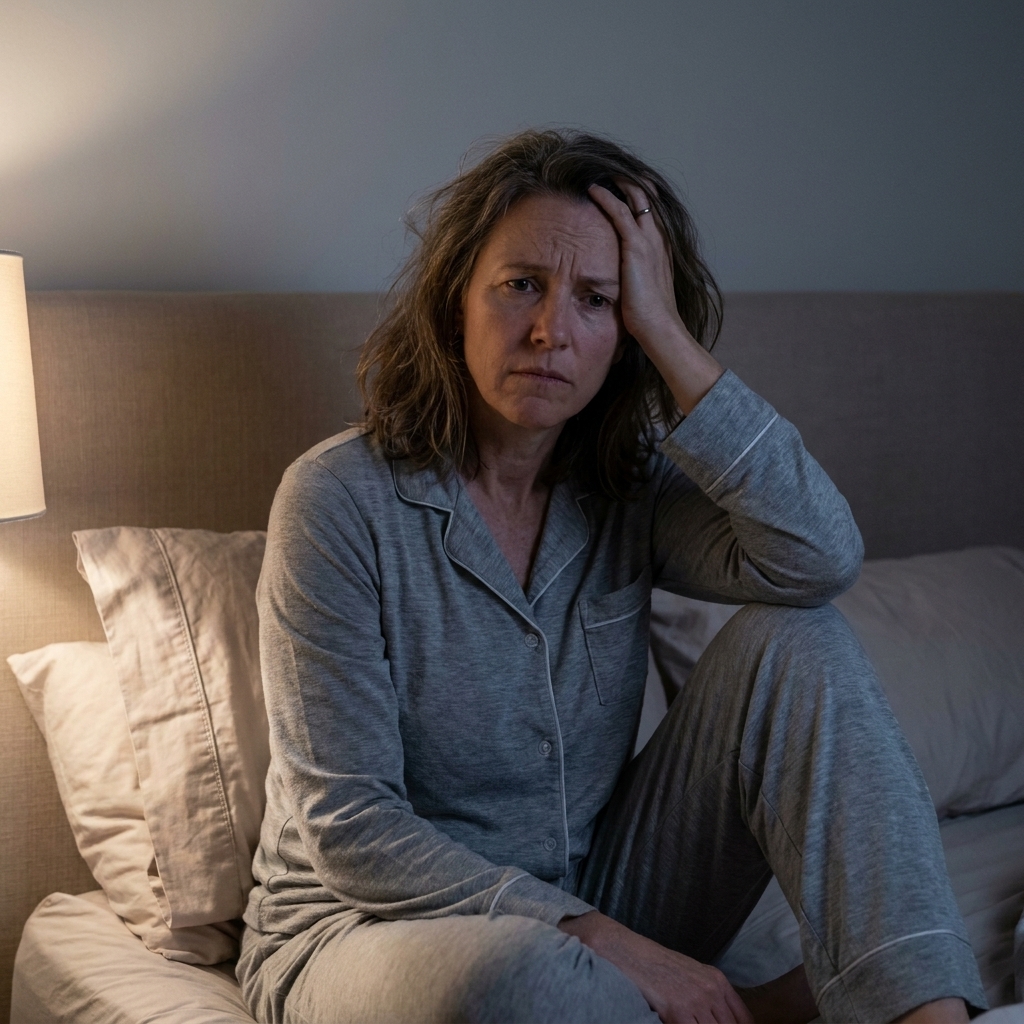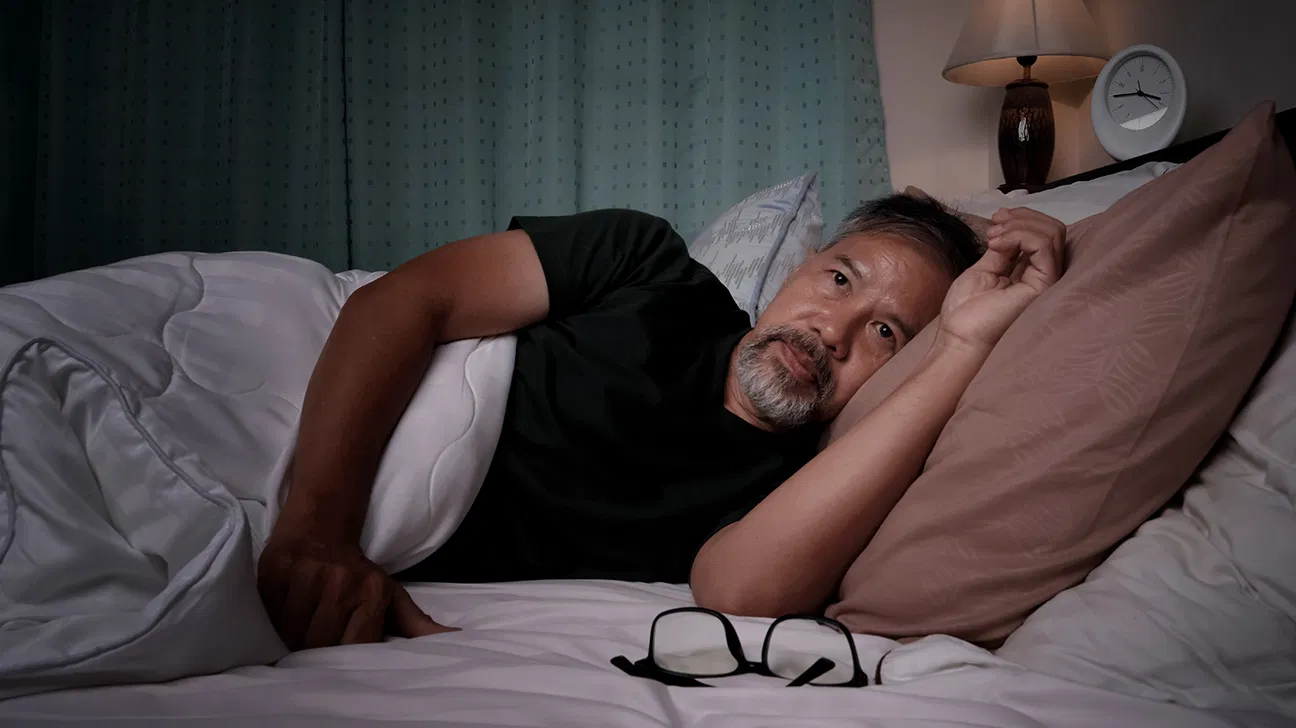
Restless leg syndrome, also called RLS, is a nervous system condition that creates a strong, uncomfortable urge to move your legs. People often describe it as crawling, tugging, throbbing, itching, or “electric” sensations deep in the legs. The key pattern is this: symptoms tend to show up during rest, feel worse in the evening or at night, and improve at least temporarily with movement.
If you have ever felt like you cannot keep your legs still when you are trying to fall asleep, you are not alone. RLS is common, and it can seriously disrupt sleep, mood, and quality of life. The good news is that many triggers are fixable, and relief often starts with a few targeted lifestyle and sleep changes plus evaluation for underlying causes.
What RLS feels like
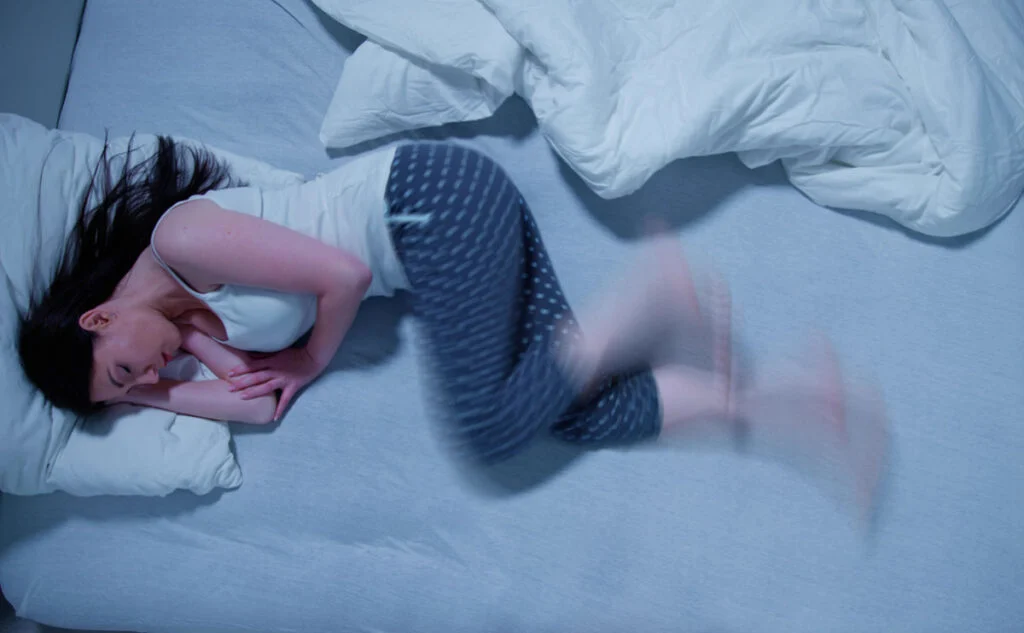
RLS is more than “fidgety legs.” It is a sensory discomfort paired with a strong urge to move. Symptoms can range from mild and occasional to nightly and exhausting.
Common symptoms
- Urge to move the legs, often hard to resist
- Unpleasant sensations in the calves, thighs, or feet (sometimes arms)
- Worse during rest like sitting, lying down, long car rides, or flights
- Worse in the evening or at night
- Relief with movement such as walking, stretching, or pacing (often returns when you stop)
RLS vs leg cramps vs neuropathy
These get confused a lot in clinic, so here is a simple way to separate them:
- Leg cramps are sudden, tight, painful muscle knots, often in the calf, and the muscle may feel hard to the touch. Stretching helps, but cramps are usually more sharply painful than RLS.
- Neuropathy (nerve damage) can cause burning, numbness, tingling, or “pins and needles,” often in the feet. It does not reliably follow the evening pattern or improve quickly with walking the way RLS does.
- RLS is an urge plus discomfort that is strongly linked to rest and bedtime, and is relieved by movement.
How RLS is diagnosed
RLS is usually diagnosed clinically, meaning your clinician relies on your history and symptom pattern. There is no single definitive test. A typical evaluation focuses on confirming the classic features (urge to move, worse at rest, worse at night, relief with movement) and ruling out look-alike problems like cramps or neuropathy.
Lab tests are often used to look for contributing factors such as low iron stores. A sleep study is not required to diagnose RLS, but it may be helpful if there are signs of another sleep disorder such as sleep apnea, or if periodic limb movements of sleep are suspected and you are still exhausted despite adequate time in bed.
Why RLS happens
RLS can be primary (often familial and long-term) or secondary (linked to another condition or trigger). In many people, it is related to how the brain uses dopamine and iron, both of which are important for smooth, coordinated movement and nerve signaling.
Iron deficiency (even without anemia)
Low iron stores are one of the most important reversible contributors to RLS. You can have normal hemoglobin and still have low iron storage (measured by ferritin). This matters because iron is needed in the brain pathways involved in RLS.
What to ask your clinician: a ferritin level and iron studies. If ferritin is low, replenishing iron can reduce symptoms significantly. The “low” cutoff varies by guideline and individual factors, so it is best interpreted with your clinician to avoid missing deficiency or causing iron overload.
Pregnancy
RLS is more common during pregnancy, especially in the third trimester. Likely reasons include shifting iron needs, hormonal changes, and changes in circulation and sleep. The encouraging part is that pregnancy-related RLS often improves after delivery.
Safety note: supplements and medications in pregnancy should always be discussed with your obstetric clinician first.
Neuropathy and chronic conditions
Some people develop RLS in association with conditions that affect nerves or metabolism, such as:
- Diabetes (especially with peripheral neuropathy)
- Kidney disease (including dialysis)
- Parkinson disease
Less commonly, RLS-like symptoms may be reported with some spinal cord disorders or nerve compression problems. Because these situations vary, new or changing neurologic symptoms should be discussed promptly with a clinician.
Medications that can worsen symptoms
Certain medications can trigger or amplify RLS symptoms in some people. Effects vary by individual, but common culprits include:
- Some antidepressants, especially SSRIs and SNRIs
- Some antipsychotic medications
- Older antihistamines often found in “PM” sleep aids and some allergy medicines, such as diphenhydramine or doxylamine
- Dopamine-blocking nausea medications such as metoclopramide or prochlorperazine
Do not stop prescribed medication on your own. If you suspect a medication link, talk with your clinician about alternatives that are safer for your situation.
Other contributors
- Genetics: RLS can run in families, often starting earlier in life.
- Sleep deprivation: poor sleep can intensify symptoms, creating a frustrating cycle.
- Caffeine, alcohol, nicotine: can worsen symptoms in susceptible people.

Common triggers
Many people have a baseline tendency toward RLS, plus a handful of day-to-day triggers that decide whether tonight will be manageable or miserable. Identifying your personal triggers is one of the most effective self-care steps.
Frequent triggers
- Evening inactivity: long periods on the couch, reading in bed, or extended screen time
- Long travel: car rides and flights, especially later in the day
- Caffeine: coffee, tea, soda, energy drinks, and sometimes chocolate
- Alcohol: symptoms may flare a few hours after drinking, often when trying to sleep
- Nicotine: can be stimulating to the nervous system
- Some allergy and sleep medications: especially sedating, older antihistamines
- Stress: heightened arousal can worsen the urge to move
- Heat: some people find warm rooms or heavy blankets make symptoms feel worse
A simple trigger log
If your symptoms are frequent, try tracking for 1 to 2 weeks:
- What time symptoms begin
- Caffeine and alcohol timing
- Exercise and movement during the day
- Medications taken (including over-the-counter)
- Sleep duration and quality
Patterns often become obvious quickly, and that makes your next steps much clearer.
Relief at home
For mild to moderate RLS, non-surgical strategies are often the first line. Think of these as nervous system calming plus movement support. You may need to experiment to find what your body responds to best.
Movement habits
- Gentle walking or pacing when symptoms hit
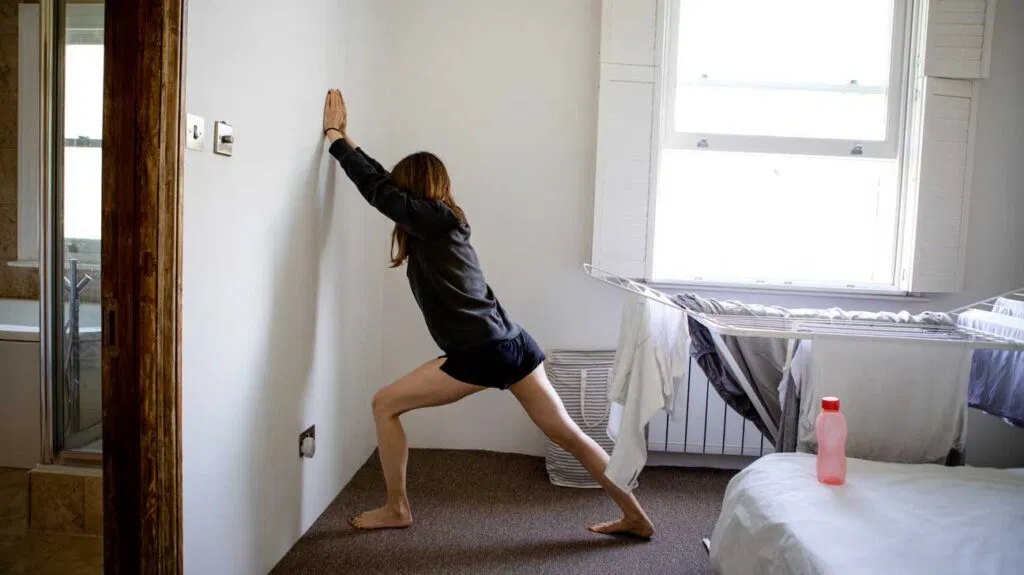
- Calf and hamstring stretching for 5 to 10 minutes before bed
- Light evening activity like folding laundry, a short stroll, or easy yoga instead of long sitting
- Regular daytime exercise (moderate intensity). Avoid very intense workouts right before bed if they rev you up.
Heat, cold, and touch
These tools do not fix the root cause, but they can reduce the intensity enough to fall asleep:
- Warm bath or shower in the evening
- Heating pad on calves (use safely and avoid falling asleep on high heat)
- Cold pack if heat makes symptoms worse
- Massage of calves and feet, or foam rolling if tolerated
- Compression socks may help some people, especially on long standing or travel days, but response varies
Sleep habits for RLS
RLS and sleep disruption feed each other. Improving sleep structure does not cure RLS, but it often lowers overall symptom intensity and reduces nighttime awakenings.
RLS-friendly sleep habits
- Keep a consistent sleep and wake time, even on weekends
- Create a wind-down routine for 30 to 60 minutes (stretching, warm shower, low light)
- Keep the bedroom cool and comfortably dark
- Limit caffeine, especially after late morning or early afternoon if you are sensitive
- Avoid alcohol close to bedtime
- Reserve the bed for sleep when possible. If symptoms spike, get up for a short break (walk, stretch) then return to bed.
If you also kick in your sleep
Many people with RLS have periodic limb movements of sleep (involuntary leg jerks during sleep). You might not notice, but a partner may. If you are still exhausted despite time in bed, it is worth discussing with a clinician. Sometimes a sleep study is helpful, especially if there are signs of sleep apnea too.
Common overlaps
RLS often overlaps with other issues that affect sleep and wellbeing, such as insomnia, anxiety or depression , ADHD, and sleep apnea. Having one does not mean you have all of them, but it can help to mention any symptoms like loud snoring, breathing pauses, or persistent daytime sleepiness during a medical visit.
Medical evaluation and treatment
If RLS is frequent, disrupts sleep, or affects daily life, it is worth a medical visit. The goal is to identify reversible contributors and choose the least risky plan that gives you back your nights.
What clinicians commonly check
- Iron studies, especially ferritin
- Pregnancy-related labs when relevant
- Kidney function if there are risk factors or symptoms
- Diabetes screening or neuropathy evaluation when indicated
- Medication review, including over-the-counter sleep aids and allergy medicines
Iron replacement
If iron stores are low, your clinician may recommend oral iron or, in some cases, intravenous iron. Do not self-prescribe high-dose iron without labs.
If you are advised to take oral iron, it often absorbs better when taken away from calcium supplements, antacids, or dairy. Some people take it with vitamin C to support absorption. Constipation, nausea, and stomach upset are common side effects, so ask your clinician how to adjust timing or formulation if it is hard to tolerate.
Prescription medications
When symptoms are moderate to severe, clinicians may consider prescription options. The best choice depends on your overall health, symptom timing, and side effect risk. Common categories include:
- Alpha-2-delta ligands (often used for nerve pain), which can help with nighttime symptoms and sleep. Many clinicians consider these early options for frequent RLS because they avoid certain dopamine-related risks.
- Dopamine-related medications, which can be effective but require careful dosing and follow-up.
- Other options in select cases, guided carefully by a clinician.
If you are already on medication and symptoms are creeping earlier into the day, tell your prescriber. That pattern matters and may change the plan.
Augmentation and rebound
Two medication-related patterns are important to know about, especially with dopamine-related treatments:
- Augmentation means symptoms gradually start earlier in the day, become more intense, or spread to other body areas over time. It is not a sign of personal failure. It is a known risk that can require a change in treatment strategy.
- Rebound means symptoms return as a medication wears off, sometimes in the late night or early morning.
If either pattern shows up, do not adjust doses on your own. A clinician can help you switch approaches safely.
When to seek care urgently
RLS itself is not usually an emergency, but certain symptoms should prompt quicker evaluation:
- New leg swelling, redness, warmth, or one-sided pain , especially after travel or surgery (needs prompt evaluation for blood clot)
- Sudden weakness, foot drop, or new loss of bladder or bowel control
- Severe numbness or rapidly worsening nerve symptoms
- Chest pain, shortness of breath, fainting
If you are unsure, it is always reasonable to call a nurse line, urgent care, or your local emergency number based on the severity.
Frequently asked questions
Is RLS “all in my head”?
No. RLS is a real neurologic condition. Stress can worsen it, but it is not imaginary or simply anxiety. Many people feel relieved just having a name for what they are experiencing.
Can dehydration cause RLS?
Dehydration is more strongly linked with muscle cramps than RLS, but poor hydration can make sleep and recovery worse overall. If you are prone to symptoms, staying reasonably hydrated and balancing electrolytes through a normal diet is sensible.
Do magnesium supplements help?
Magnesium can help some people with cramps or sleep quality, but evidence for RLS is mixed. If you want to try it, discuss with your clinician first, especially if you have kidney disease or take medications that interact.
Will RLS go away?
It depends on the cause. Pregnancy-related RLS often improves after delivery. RLS related to low iron can improve significantly with iron repletion. Primary or long-standing RLS may not fully disappear, but symptoms can often be reduced to a manageable level with the right plan.
A practical next step
If you suspect RLS, start with two practical moves: identify your biggest triggers (often caffeine, alcohol, and sedating antihistamines) and build a 10-minute evening movement routine. Then consider a medical visit focused on iron stores and a medication review. You deserve sleep that feels restorative, and for many people, a few targeted changes make a bigger difference than they expect.