When I worked in a busy family clinic, I learned quickly that a single number on a radiology report can carry a whole lot of anxiety. If you have been told your prostate MRI showed a PI-RADS 3, PI-RADS 4, or PI-RADS 5 lesion, you are not alone in wondering what that actually means and what comes next.
PI-RADS is a standardized scoring system radiologists use to describe how suspicious a specific area in the prostate looks on MRI. It helps your care team communicate clearly, but it is not a cancer diagnosis by itself.
PI-RADS in plain language
PI-RADS stands for Prostate Imaging Reporting and Data System. It is most commonly used with multiparametric prostate MRI, which looks at the prostate using different MRI techniques to assess anatomy and tissue behavior.
The PI-RADS score runs from 1 to 5 and reflects the radiologist’s estimate of how likely it is that a lesion represents clinically significant prostate cancer. In everyday terms, “clinically significant” means cancer that is more likely to grow or spread and more likely to benefit from treatment, not tiny slow-growing cells that might never cause harm.
You may also see a version mentioned on the report, such as PI-RADS v2.1. Most centers use a version of PI-RADS 2, and while the overall meaning of the scores is consistent, the details of how radiologists assign them can vary slightly by version and by reader.
What each PI-RADS score means
Here is how the categories are generally interpreted:
- PI-RADS 1: Very low likelihood of clinically significant cancer. The MRI looks essentially normal.
- PI-RADS 2: Low likelihood. Findings are most consistent with benign (noncancerous) changes.
- PI-RADS 3: Intermediate or equivocal likelihood. The MRI findings are not clearly benign or clearly suspicious.
- PI-RADS 4: High likelihood. The lesion has features that are more typical of clinically significant cancer.
- PI-RADS 5: Very high likelihood. The lesion looks strongly suspicious, often because it is larger and or has other concerning features.
Even with scores 4 and 5, it is still possible for a biopsy to show no cancer or only low-risk cancer. Likewise, a low PI-RADS score does not completely rule out cancer, especially small or less visible tumors.
What raises a PI-RADS score
PI-RADS is based on how a lesion behaves on specific MRI sequences. You do not need to memorize the technical details, but it helps to understand the general idea: suspicious tissue often looks and acts differently than normal prostate tissue.
One nuance that matters is that PI-RADS is zone-based. Radiologists weigh certain MRI sequences more heavily depending on where the lesion sits, especially the peripheral zone versus the transition zone. In practice, diffusion imaging is often the key driver in the peripheral zone, while T2 appearance tends to carry more weight in the transition zone. Dynamic contrast imaging usually plays a supporting role, and in some situations it can upgrade a borderline peripheral zone finding.
Common MRI features linked with higher suspicion
- Restricted diffusion: Many significant cancers have densely packed cells, which can limit water movement in tissue. This may appear more suspicious on diffusion-weighted imaging and ADC maps.
- Focal abnormality on T2 images: A discrete, irregular, or “erased charcoal” type area can raise concern, especially when it fits the expected pattern for that prostate zone.
- Early enhancement after contrast: Some cancers show quicker blood flow patterns that can be seen with dynamic contrast imaging. This is rarely the only deciding factor, but it can add confidence in certain borderline cases.
- Clear focal lesion rather than diffuse change: In general, a distinct focal target is more concerning than vague, patchy changes, although PI-RADS scoring still depends on the zone and dominant sequence.
Importantly, benign conditions like prostatitis (inflammation), scarring, and benign prostatic hyperplasia can sometimes mimic cancer on MRI and push a score upward.
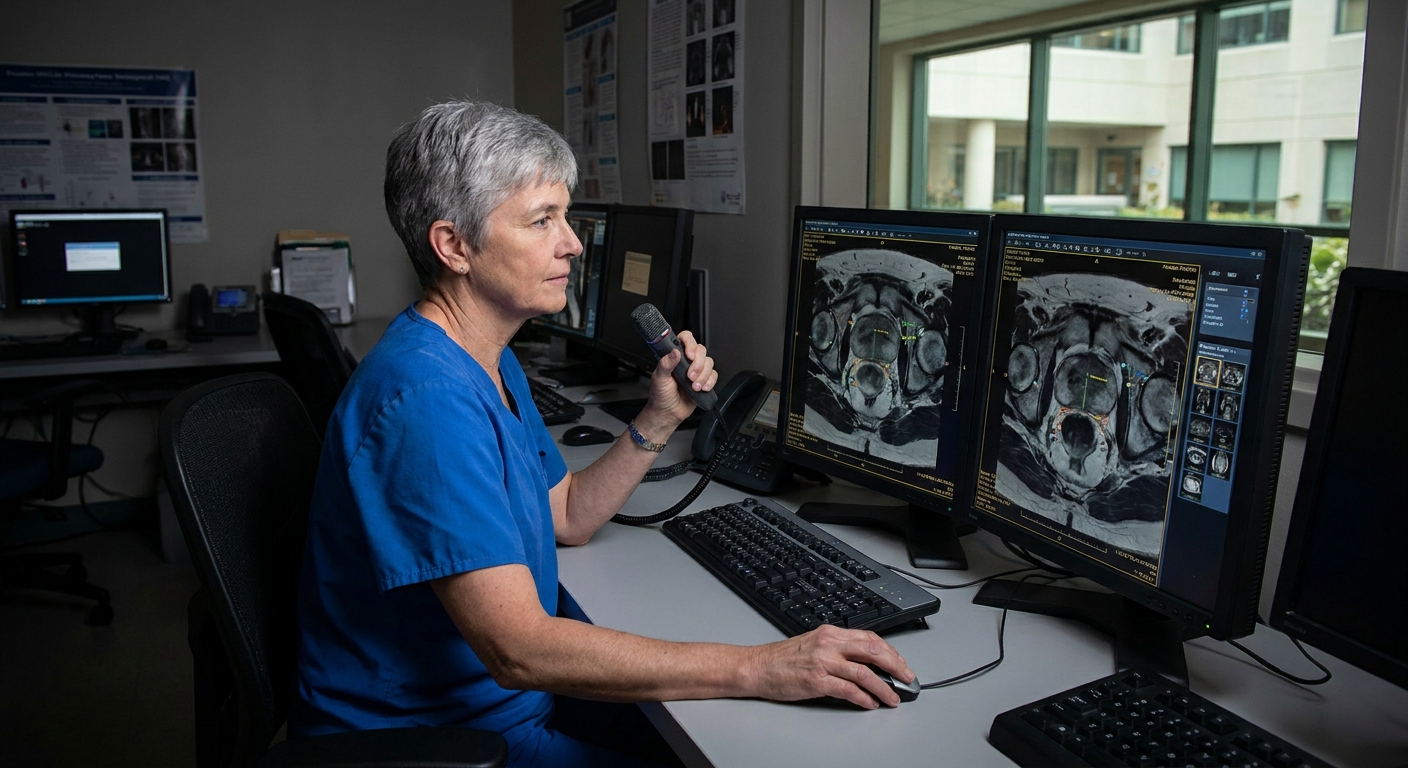
Size and prostate zone
A PI-RADS score is typically reported alongside details that help guide next steps, especially if a biopsy is being considered:
- Lesion size: Usually reported in millimeters. Larger lesions tend to be associated with higher risk. Depending on the zone and the dominant MRI sequence, specific size cutoffs and or signs of extension outside the prostate can be part of what moves a lesion into PI-RADS 5.
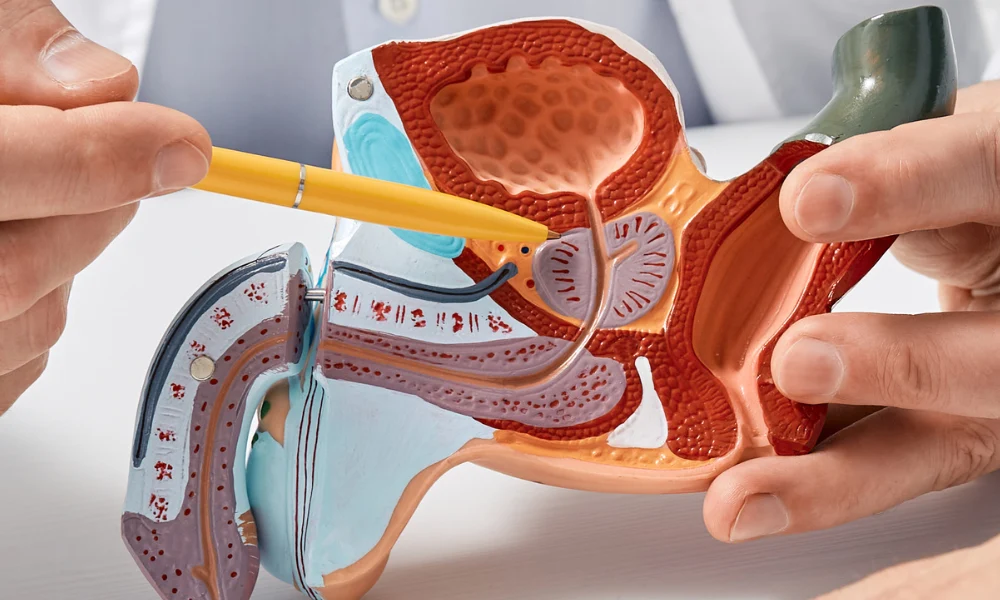
- Location and zone: The prostate is often described by zones, especially the peripheral zone and transition zone. Scoring rules weigh MRI findings differently depending on the zone because benign changes are more common in certain areas.
- Number of lesions: More than one area may be described, each with its own PI-RADS score and measurements.
If you have your report, you may see the lesion location described with terms like base, mid-gland, apex, or left and right, plus anterior or posterior. Those specifics are useful for targeting the right area if tissue sampling is planned.
Why PI-RADS alone does not decide biopsy
One of the most important things I tell patients is this: PI-RADS estimates risk, it does not make the decision for you. The biopsy decision is individualized and usually based on the full picture, such as:
- Your age and overall health
- Family history of prostate cancer
- Digital rectal exam (DRE) findings
- Your PSA level and PSA density (PSA relative to prostate size)
- Prior biopsy results, if any
- How concerning the MRI findings are overall, not just the single number
- How much uncertainty you are comfortable living with versus the risks of biopsy
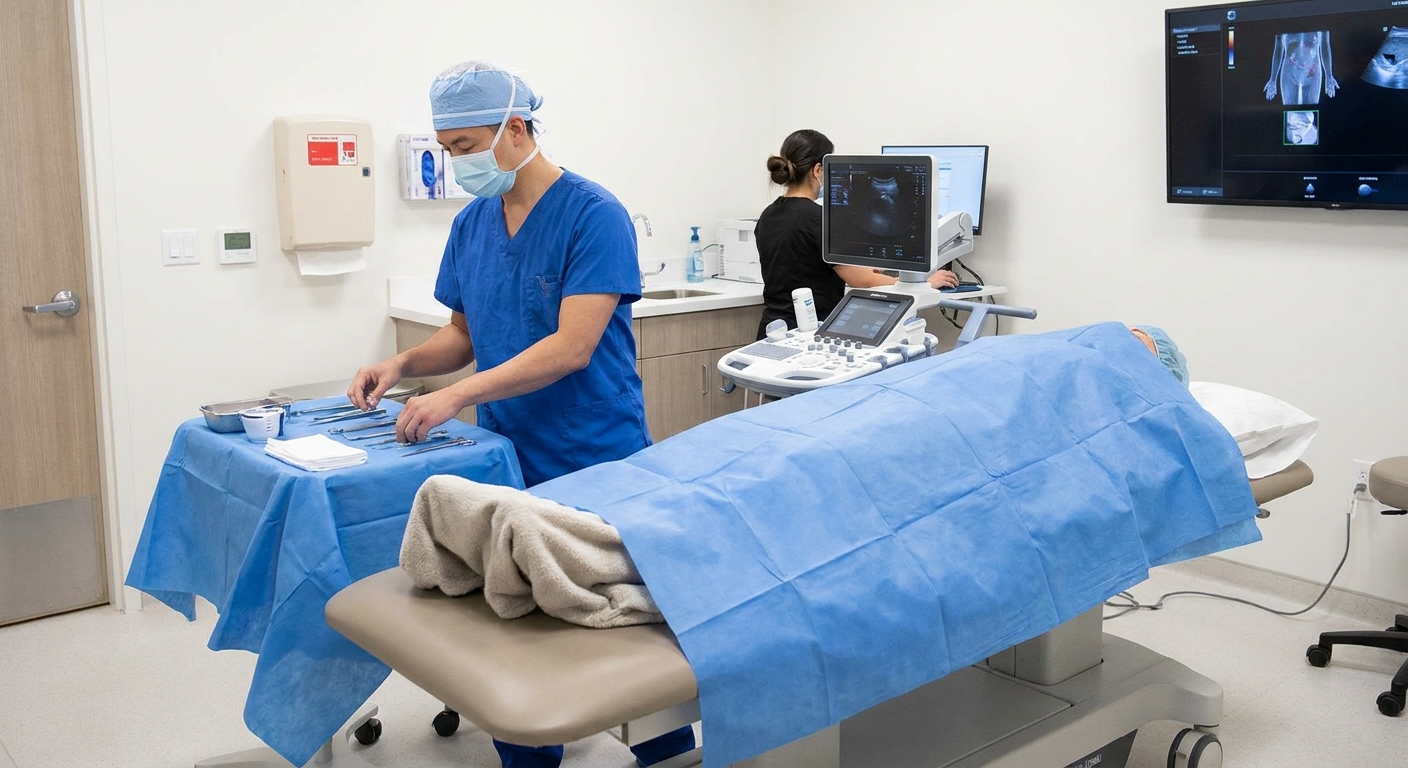
A biopsy has real downsides, including discomfort, bleeding, and infection risk, and it can also detect very low-risk cancers that might never cause harm but may lead to difficult treatment decisions. On the other hand, skipping a biopsy when the risk is meaningful can delay diagnosis of a cancer that would benefit from treatment. Your urologist is balancing these tradeoffs with you.
How PI-RADS 3, 4, and 5 are handled
Different health systems and specialists may handle gray areas differently, but in general:
PI-RADS 3
PI-RADS 3 is the hardest category emotionally because it is a true “maybe.” Depending on your personal risk factors, your clinician might recommend:
- Targeted biopsy now
- Close monitoring with follow-up testing and repeat MRI later, often in the range of 6 to 12 months in some practices (timing varies)
- Using additional risk tools, including PSA density and risk calculators, to better estimate the chance of significant cancer
PI-RADS 4
PI-RADS 4 lesions more often lead to a recommendation for biopsy, especially if PSA, PSA density, DRE, or family history adds concern. The goal is to confirm whether cancer is present and, if so, how aggressive it appears.
PI-RADS 5
PI-RADS 5 is typically treated as highly suspicious. Biopsy is often recommended unless there is a clear reason it would not be appropriate for the individual patient.
Targeted vs systematic biopsy
If a biopsy is recommended, you may hear a couple of terms:
- Targeted biopsy: The urologist aims samples directly at the MRI-identified lesion, often using MRI ultrasound fusion guidance.
- Systematic biopsy: The urologist takes a standard set of samples from different parts of the prostate, including areas that may not look abnormal on MRI.
Many clinicians use both approaches together because they can complement each other.
What to ask about your PI-RADS result
Bringing a short list of questions can make the appointment feel more manageable. Consider asking:
- Where exactly is the lesion located, and what is its size?
- Which zone is it in, and does that change how you interpret the score?
- Is there more than one lesion, and which one is most concerning?
- What are my PSA and PSA density, and how do they affect the plan?
- Did my DRE add any concern?
- Given my overall risk profile, do you recommend biopsy now or monitoring?
- If biopsy is recommended, will it be targeted, systematic, or both?
Common worries I hear
Can a PI-RADS 4 or 5 be benign?
Yes. PI-RADS reflects probability, not certainty. Inflammation and some benign growth patterns can look suspicious on MRI.
Can a PI-RADS 1 or 2 miss cancer?
It can. MRI is very helpful, but no test is perfect. Some cancers are small, in tricky locations, or have imaging features that are less obvious.
Does a higher PI-RADS score mean a more aggressive cancer?
Not necessarily. PI-RADS is about how suspicious the lesion appears for clinically significant cancer being present. Aggressiveness is determined by biopsy results and other clinical factors.
If the MRI shows a lesion, is that the same as a tumor?
No. “Lesion” simply means an area that looks different from surrounding tissue. Many lesions turn out to be noncancerous.
When to seek care quickly
PI-RADS itself is not an emergency. However, contact your clinician promptly if you develop:
- Fever, chills, or feeling acutely unwell after any prostate-related procedure
- Inability to urinate or inability to pass clots
- Heavy bleeding in urine that does not improve
- Significant rectal bleeding after a prostate procedure
- New severe pelvic pain
If you are waiting on next steps and your worry is keeping you up at night, that matters too. Anxiety is a valid symptom, and you deserve clear communication and a plan.
The takeaway
A PI-RADS score is a helpful shorthand that tells your care team how suspicious a prostate lesion looks on MRI for clinically significant cancer, on a scale from 1 to 5. Higher numbers generally mean higher likelihood, but the score is only one piece of the puzzle. Lesion size and location, PSA and PSA density, DRE findings, overall risk, and your preferences all matter when deciding whether a biopsy is the right next step.
If you have your MRI report in hand, focus on three things: the PI-RADS number, the lesion size, and the lesion location or zone. Then bring those details, along with your PSA history, to a clinician you trust and ask for a clear, personalized recommendation.