When a lab report flags PSA as “high,” it can land like a punch to the stomach. I have sat with many patients who read that number as a diagnosis. In reality, PSA is a clue, not a conclusion. A higher PSA can be related to prostate cancer, but it can also rise for several very common, treatable, and even temporary reasons.
This article will walk you through what PSA is, what can push it up, why clinicians often repeat the test, and how imaging like MRI or testing like biopsy may enter the conversation if the PSA stays concerning.
What PSA measures
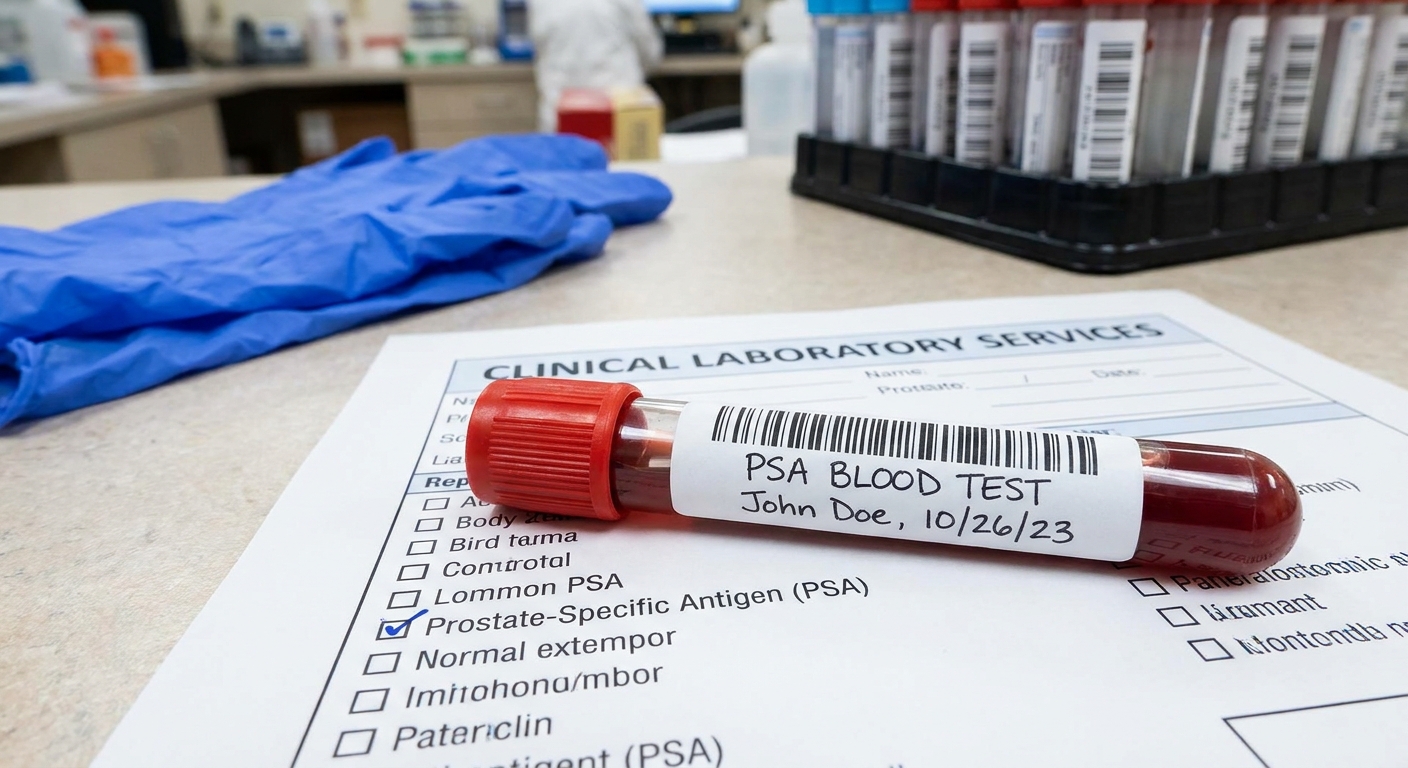
PSA stands for prostate-specific antigen. It is a protein made mostly by prostate tissue. A small amount normally leaks into the bloodstream, which is why PSA can be measured with a blood test.
A key point is this: PSA is prostate-specific, not cancer-specific. Anything that irritates the prostate, increases its size, or disrupts normal prostate cell barriers can raise PSA.
People also want to know what counts as “high.” Many labs flag anything above about 4 ng/mL, but interpretation is not one-size-fits-all. PSA tends to rise with age and prostate size, and clinicians often use age, baseline values, and the pattern over time rather than a single cutoff.
Common causes besides cancer
Here are some of the most frequent explanations I discuss with patients in primary care and urology referrals. More than one can be happening at the same time.
BPH (enlarged prostate)
As men age, the prostate often grows. More prostate tissue can mean more PSA production. BPH is extremely common and does not mean cancer, although BPH and cancer can coexist.
Prostatitis (inflammation or infection)
Inflammation of the prostate, sometimes from infection and sometimes not, can push PSA up. Symptoms can include pelvic discomfort, painful urination, urinary frequency, fever, or pain with ejaculation, but it can also be subtle. If prostatitis is suspected, your clinician may check a urine test, consider cultures, and treat as appropriate, then recheck PSA after recovery.
Recent ejaculation
Ejaculation can cause a short-lived PSA bump in some people. Many clinicians recommend avoiding ejaculation for 24 to 48 hours before a PSA draw, especially if a prior result was borderline or unexpectedly higher.
Recent procedures or instrumentation
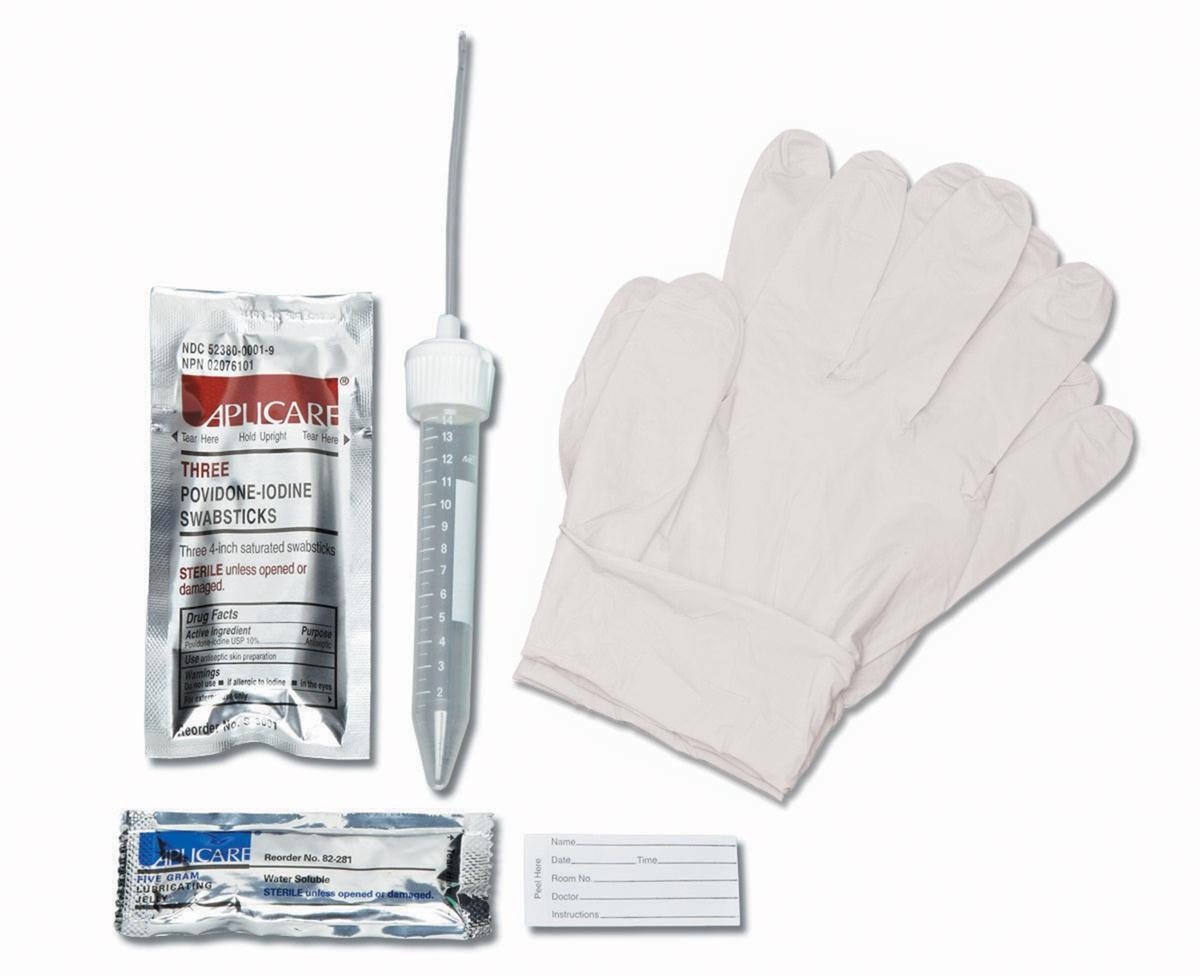
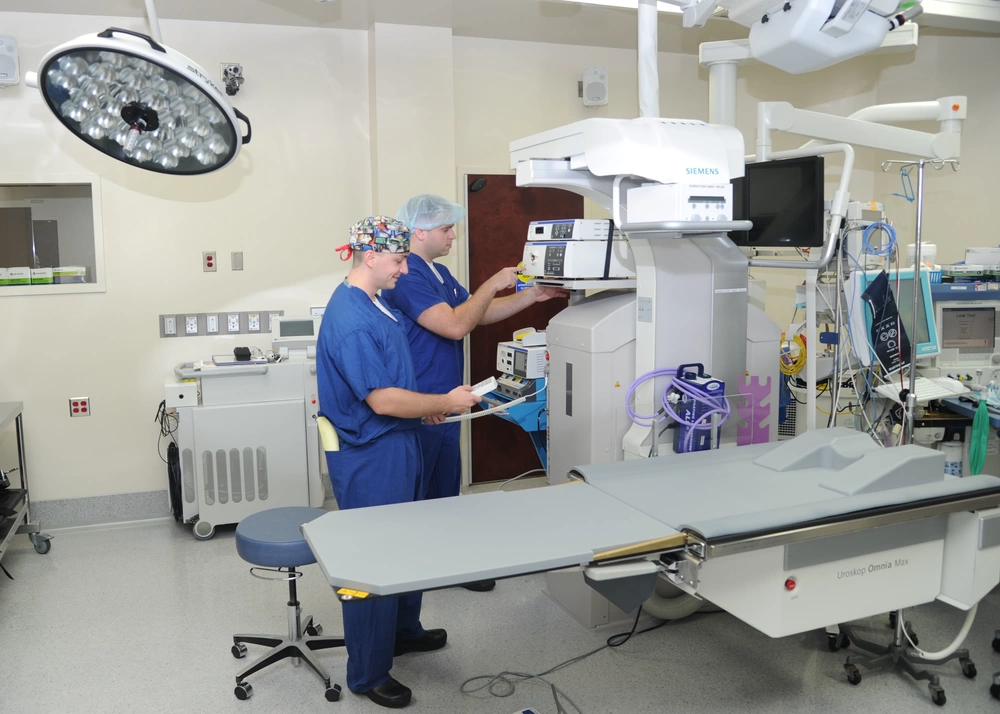
PSA may rise after procedures that irritate the prostate or urethra. Examples include:
- Urinary catheter placement
- Cystoscopy
- Urethral dilation
- Transurethral prostate procedures (such as TURP)
A routine digital rectal exam (DRE) by itself usually causes little, if any, clinically meaningful PSA change. More vigorous manipulation (for example, prostate massage) and procedures that involve instrumentation are more likely to move the number.
Timing matters. Depending on what was done and why, clinicians may wait anywhere from several days to a few weeks to repeat PSA, especially if the rise was unexpected.
Urinary retention or severe urinary symptoms
Difficulty emptying the bladder, severe lower urinary tract symptoms, or episodes of urinary retention can be associated with higher PSA. This is one reason your symptom story matters as much as the number.
Cycling or perineal pressure
Activities that put prolonged pressure on the area between the scrotum and anus may mildly raise PSA for some people. Evidence is mixed and the effect, when it occurs, is typically small. Still, if you had a long bike ride shortly before your test and the rise is modest, it is worth mentioning.

Does a high PSA mean cancer?
A high PSA can be associated with prostate cancer, but it does not prove it.
Clinicians interpret PSA in context, including:
- Your age (PSA tends to rise gradually with age)
- Your baseline PSA and how quickly it has changed over time
- Prostate size if known (for example from an exam or imaging)
- Urinary symptoms and infection history
- Medications that may affect PSA
- Family history and ancestry-related risk
If your PSA is mildly elevated and you feel well, it is very common for the next step to be “slow down and confirm,” not “rush to worst-case conclusions.”
Trends and prostate size
Two concepts often come up in urology conversations:
- PSA velocity: how quickly PSA is rising over time. A steady upward trend can matter more than one isolated spike.
- PSA density: PSA compared with prostate size (PSA per prostate volume). A larger prostate can “explain” a higher PSA better than a small prostate can.
Why PSA is often repeated
One of the most practical truths in medicine is that lab values can fluctuate. PSA is no exception.
Your clinician may recommend repeating PSA because:
- Temporary influences like ejaculation, inflammation, urinary retention, or recent instrumentation can cause a bump.
- Labs have normal biological and testing variability.
- A repeat result helps establish whether this is a trend or a one-off.
How to prepare for a repeat PSA
- Avoid ejaculation for 24 to 48 hours beforehand.
- Reschedule if you have symptoms of a urinary tract infection or fever.
- Tell your clinician about recent catheter use, cystoscopy, urinary retention, or other urologic procedures.
- Share all medications and supplements, including prostate and testosterone-related therapies.
Medication details matter more than most people realize. Finasteride or dutasteride (5-alpha-reductase inhibitors used for BPH and hair loss) can lower PSA, often by about 50% after several months. Testosterone therapy can raise PSA in some men. If your clinician does not know you are taking these, they can misread the result.
If you are unsure whether something “counts,” bring it up anyway. I would always rather have too much context than miss a detail that explains the result.
If the PSA stays high
If repeat testing confirms the PSA is persistently elevated, or if it rises in a way that concerns your clinician, you will usually talk through additional evaluation. The goal is to better estimate the likelihood of clinically important prostate cancer while avoiding unnecessary procedures when risk looks low.
Other blood or urine tests
Depending on your situation, a clinician may consider other tests that help refine risk. Not everyone needs these, and availability varies by region and clinic. If they are offered, ask what the test adds and how it might change next steps.
When MRI comes up
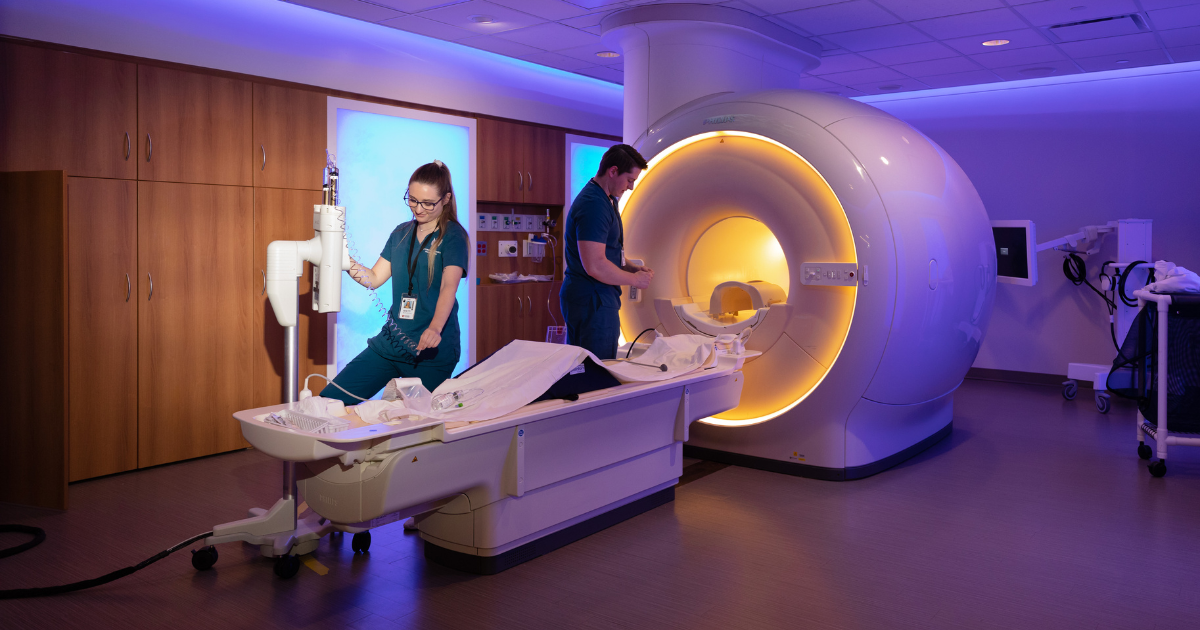
A prostate MRI is a specialized imaging study that can sometimes identify areas that look more suspicious than normal prostate tissue. MRI does not diagnose cancer by itself, but it can help guide decision-making about whether biopsy is needed and, if a biopsy is done, where to target.
MRI may be discussed when:
- PSA remains elevated after repeat testing and reversible causes are less likely.
- You have other risk factors (for example a strong family history).
- There is uncertainty about whether biopsy is necessary right now.
If your report mentions PI-RADS, that is a scoring system radiologists use to describe how suspicious a spot looks on MRI. Higher scores generally mean higher concern, and the score can influence whether biopsy is recommended.
When biopsy is discussed
If the overall picture suggests a meaningful risk of prostate cancer, your clinician may recommend a prostate biopsy. This is not an automatic next step for every elevated PSA. It is usually considered after reviewing your PSA pattern, exam findings, risk factors, and sometimes MRI results.
Biopsy is the test that can actually confirm whether cancer cells are present. The decision is a balance: the benefit of finding clinically important cancer early versus the downsides of an invasive test. A urology team should walk through your individualized risk, alternatives, and what different results would mean.
It also helps to know this: not every prostate cancer that is found needs immediate treatment. Some low-risk cancers are managed with active surveillance, meaning careful monitoring over time, so that treatment is focused on cancers that are more likely to cause harm.
Questions to ask
If you are sitting with a high PSA result and trying to make sense of it, these questions can help you steer the conversation:
- “What was my PSA before, and how quickly is it changing?”
- “Could an infection, inflammation, ejaculation, urinary retention, or a recent procedure have affected this result?”
- “Should we repeat the PSA, and if so, when and how should I prepare?”
- “Do you know my prostate size, and does that change how you interpret my PSA?”
- “Would an MRI help decide whether a biopsy is needed?”
- “Based on my age and history, what is your level of concern right now?”
When to call promptly
A high PSA itself is rarely an emergency. But you should seek timely care if you also have symptoms that could signal infection or urinary blockage, such as:
- Fever, chills, or feeling acutely ill
- Burning with urination, pelvic pain, or new severe urinary frequency
- Inability to urinate
- Blood in the urine that is heavy, persistent, or accompanied by clots
If you have visible blood in your urine, especially if it is new or recurrent, it deserves medical evaluation even if you feel fine.
Bottom line
A high PSA means your bloodstream has more prostate-specific antigen than expected. That can happen with prostate cancer, but also with very common conditions like an enlarged prostate or inflammation, and even with recent ejaculation, urinary retention, or urologic instrumentation.
In most cases, the next best step is not panic. It is a calm, stepwise approach: confirm the result, look for reversible causes, and then decide together whether MRI, biopsy, or continued monitoring makes the most sense.